












April 14, 2026
IEEE 2030.5: The Protocol for DER & EV (2023 Standard)
Share my #SolaXStory


The modern energy grid is undergoing a radical transformation. With the explosion of Distributed Energy Resources (DERs) like rooftop solar, battery storage, and the rapid adoption of Electric Vehicles (EVs), traditional utility paradigms are being challenged. How can a grid operator manage millions of small, independent devices? The answer lies in a common language, and that language is the IEEE 2030.5 protocol.
This guide provides a comprehensive overview of the IEEE 2030.5 standard, explaining what it is, its latest updates, and why it is the backbone of the intelligent, decentralized grid of the future.
What is IEEE 2030.5?
IEEE 2030.5 protocol is the universal internet language that allows smart energy devices—like your EV charger or solar panels—to securely talk to the electric utility. Think of it as the "Wi-Fi password" for the smart grid.
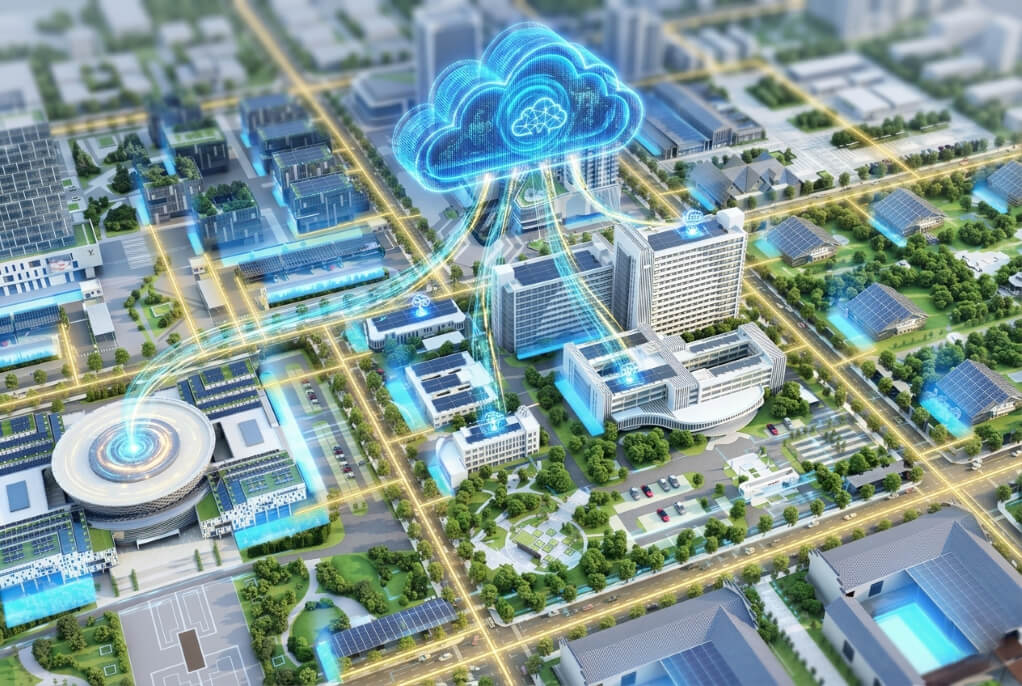
Global Adoption of the IEEE 2030.5 Standard
The standard's influence is spreading globally. Beyond California's pioneering Rule 21, IEEE 2030.5 standard is the foundation for Australia's Common Smart Inverter Profile (CSIP-Aus). Utilities and regulators across Canada, Europe, and Asia are also adopting or evaluating the standard for their grid modernization efforts, solidifying its position as a truly international benchmark.
The Evolution of the Standard: IEEE 2030.5 2018 vs. 2023
The protocol is not static; it evolves to meet new challenges. Understanding its recent history is key to grasping its current capabilities.
IEEE 2030.5-2018
The IEEE 2030.5 2018 version was a landmark release. It solidified the protocol as the go-to standard for DER communications, most notably becoming the default communication requirement for California's Rule 21.
This version established the robust foundation for interoperability between smart inverters and utility control systems, paving the way for widespread adoption.
IEEE 2030.5-2023
Published in late 2023, the IEEE 2030.5 2023 version represents the latest evolution. While maintaining backward compatibility, this update introduces critical enhancements focused on:
Enhanced Security: Strengthening measures against modern cybersecurity threats.
Expanded Device Models: Including more sophisticated models for new types of DERs and complex energy systems.
Improved Interoperability: Refining functions to ensure even smoother communication between different manufacturers' devices.
Core Features of the IEEE 2030.5 Protocol
The power of the IEEE 2030.5 protocol comes from a set of well-designed features:
Internet-Based: Uses standard web protocols (TCP/IP, HTTP, TLS) for easy integration and scalability.
Rich Data Model: Borrows from established standards like IEC 61850 to fully represent the technical and contractual parameters of DERs.
High Interoperability: Designed as a "plug-and-play" standard, it enables devices from different vendors to communicate seamlessly.
Two-Way Communication: Allows utilities not only to send commands (e.g., reduce power) but also to receive real-time status and telemetry from devices.
Scalability & Security: Built to manage millions of endpoints securely with robust encryption and authentication mechanisms.
How is IEEE 2030.5 Protocol Shaping the Smart Grid?
The IEEE 2030.5 standard isn't just a technical document; it's actively enabling a new energy ecosystem.
Distributed Energy Resource Management
For utilities, managing thousands of solar panels and batteries is a logistical nightmare without a common protocol.
IEEE 2030.5 provides a unified way to gain situational awareness, monitor the health and output of these resources, and dispatch them when needed to support grid stability.
Smart EV Charging and Vehicle-to-Grid (V2G)
EVs represent a massive, mobile energy load. IEEE 2030.5 enables smart charging, allowing utilities to shift charging times away from peak hours. For fleets, V2G becomes even more powerful when integrated into a VPP for coordinated dispatch.
More excitingly, it's a key enabler for V2G, where EVs can act as distributed batteries, selling power back to the grid during high demand and creating new revenue streams for owners.
Demand Response and Load Control
During a heatwave, utilities use IEEE 2030.5 to ask smart thermostats to slightly adjust the temperature, helping to prevent blackouts by easing grid strain. These actions are often orchestrated by Smart Energy Management Systems that enforces customer preferences and device priorities
Why IEEE 2030.5 is Essential for the Future Grid?
The IEEE 2030.5 protocol is more than just a technical specification, it is the essential bridge connecting utilities, prosumers, and the myriad of smart energy devices that define the modern grid. By providing a secure, scalable, and interoperable communication framework, it unlocks the full potential of DERs and EVs.
As we move towards a decentralized and decarbonized energy future, the IEEE 2030.5 standard, will be the invisible engine ensuring our grid remains reliable, efficient, and clean.
FAQ
Table of Contents
Latest News
Explore expert insights, practical guides, and the latest news on SolaX Power.


To the Latest Newsletter
Stay Ahead with the Latest SolaX Updates!
Subscribe
I have read and agree to Privacy Policy and User Terms