












April 20, 2026
All-in-One Solar + Battery Solutions for Reliable Home Power
Share my #SolaXStory


Power outages rarely arrive at a convenient time. They stop your refrigerator, knock out internet, interrupt heating or cooling, and turn a normal evening into a scramble over which circuits matter most. That is why many homeowners now look beyond panel-only solar and toward an all-in-one solar battery system that can support more reliable home power. The catch is that wrong sizing wastes money fast. Too little storage leaves key loads unprotected, while too much capacity can sit underused for years.
This guide focuses on the practical side of residential ESS planning. You will see how integrated systems work, what makes backup feel dependable in daily use, and how SolaX organizes its home storage lineup for different home types. By the end, you should be able to compare your loads, backup goals, space limits, and monitoring needs with much more confidence.
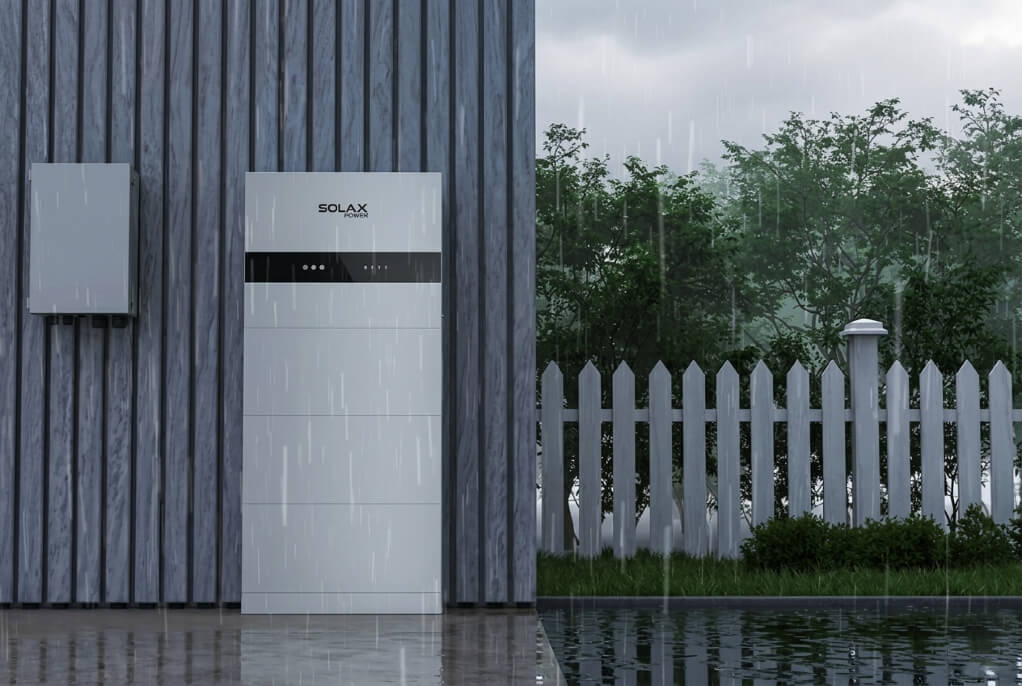
What Is an All-in-One Solar + Battery System?
An all-in-one solar + battery platform combines the main working parts of a home energy system into one coordinated package. Instead of piecing together a separate inverter, battery stack, battery controls, and monitoring tools, you get one integrated hub designed to generate, store, manage, and back up power. For homeowners, that usually means cleaner installation, fewer connection points, and a simpler path to solar energy storage with backup support.
Key terms homeowners should know
Hybrid inverter: the device that manages solar input, battery charging, household loads, and grid interaction.
ESS: short for energy storage system, a common label for combined battery and control equipment.
BMS: battery management system, which protects cells and balances charging for safety and lifespan.
EPS or backup power: emergency supply that keeps selected circuits running during an outage.
TOU optimization: time-of-use control that stores energy when power is cheap and uses it when rates rise.
Main system types you will see
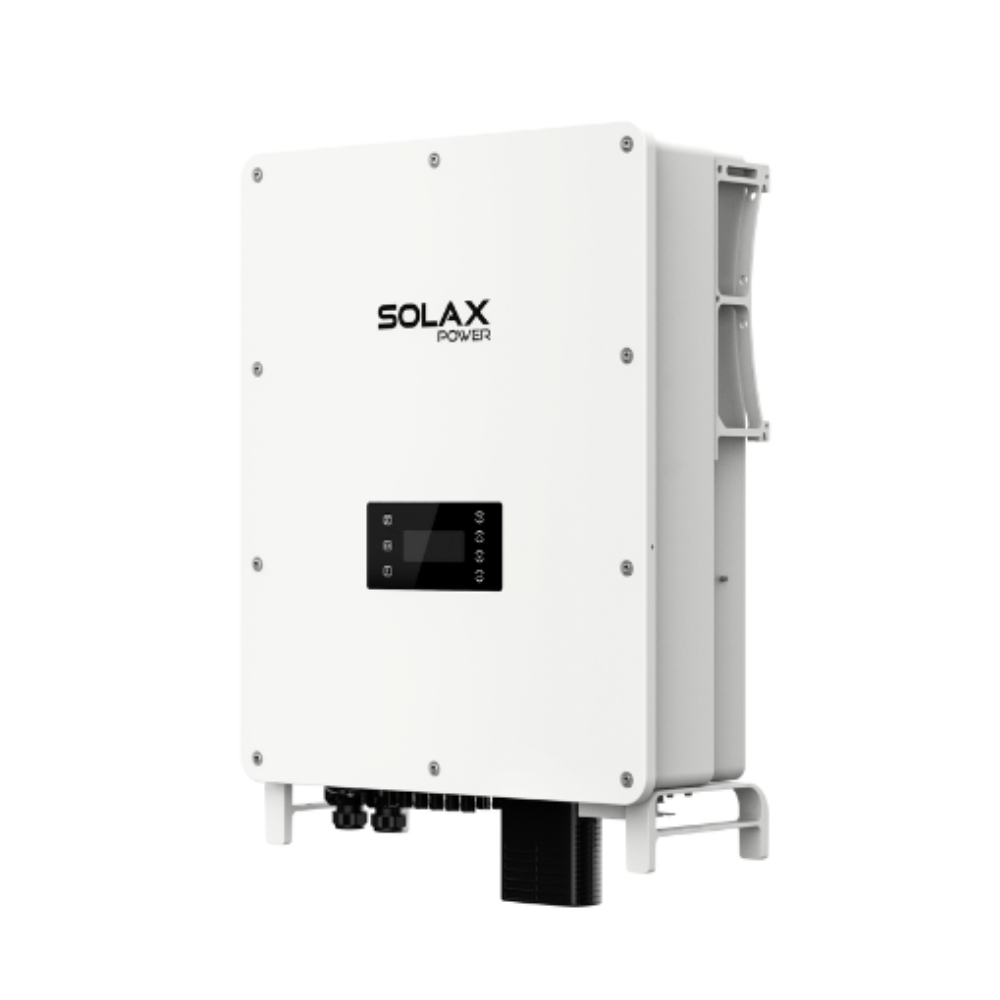
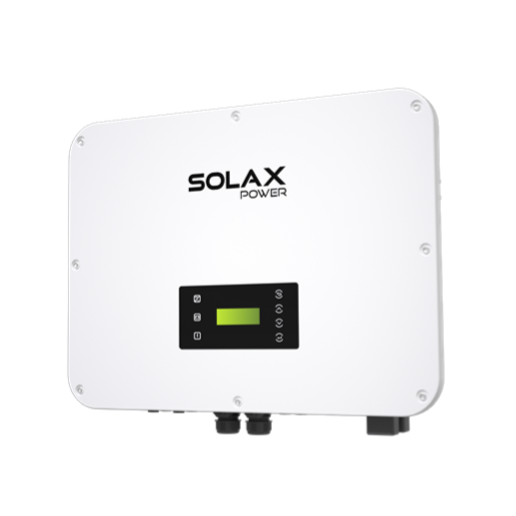
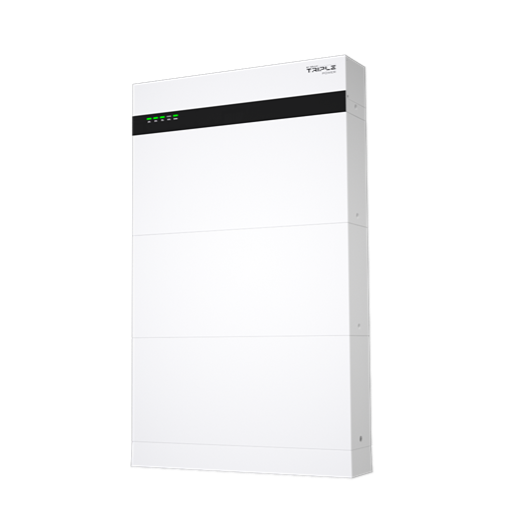
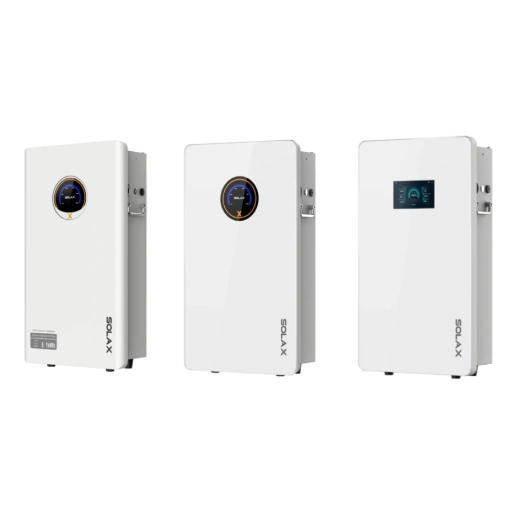
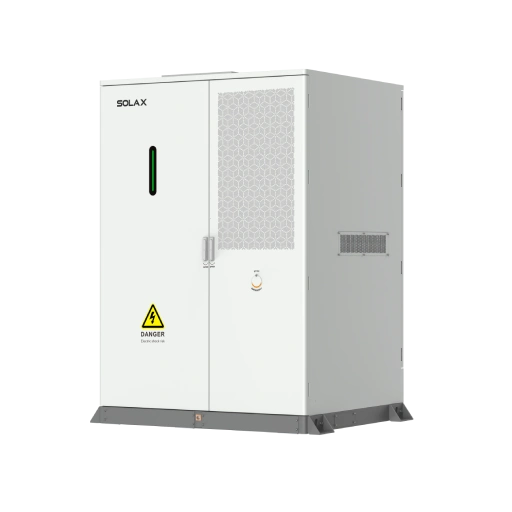
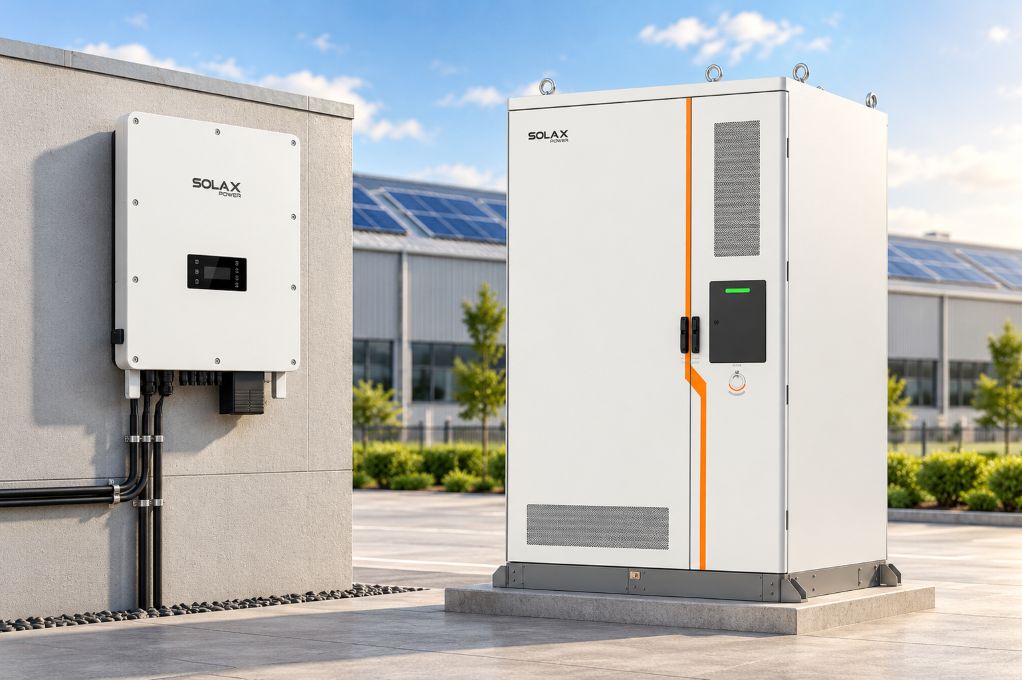
SolaX groups its residential range into several homeowner-friendly paths, including single-phase all-in-one systems, cold-climate variants, compact balcony storage, and broader modular options for larger homes. On its residential ESS pages, the brand emphasizes pre-configured architecture, modular expansion, and cloud-connected control through SolaX. That matters because an all-in-one solar battery system should behave like one energy center, not a pile of separate boxes that only partly cooperate.
What this means in practice
Fewer separate devices to mount and wire
Easier commissioning for qualified installers
Cleaner monitoring through one app ecosystem
Better alignment between solar production and a home backup battery
Simpler upgrades if your energy use grows later
How Does Reliable Home Power Actually Work?
Adding a battery does not automatically create resilient backup. A system feels dependable when it captures solar power efficiently, stores surplus energy safely, shifts energy to the right loads at the right time, and moves into backup mode fast when the grid drops. The U.S. Department of Energy explains that rooftop solar paired with storage can provide renewable backup during outages and improve day-to-day resilience, while solar panels alone are usually not enough to make a home resilient DOE.
From solar production to stored backup
In a typical residential ESS, daytime solar first serves live household demand. Any extra generation can charge the battery instead of being exported immediately. Later, the system discharges that stored energy during evening peaks, outages, or time-of-use pricing windows. The result is not just backup power. It is a home energy profile you can shape with more precision.
Solar panels send DC power to the hybrid inverter
The inverter routes power to loads, battery, or grid
Surplus energy charges the battery pack
Evening loads draw from stored power first
During outages, selected circuits switch to backup operation
What makes a system feel reliable
You usually notice reliability in system behavior, not just in battery size. SolaX highlights features such as multi-mode operation, modular design, cloud monitoring, and UPS-level switchover under 10 ms on the X1-IES family. The X1-IES page also lists up to 98% efficiency, up to 200% PV input power, 50 A charge and discharge current, and support for up to 200% EPS output for 10 seconds on some operating conditions. Those details matter because motors, pumps, and other household loads often need short bursts above their running power.
Why backup design matters as much as battery size
The Department of Energy notes that battery storage also helps homes use daytime solar energy at night and avoid higher evening utility pricing in many markets DOE. So when you plan for reliable home power, think in two layers:
Resilience layer: what must stay on during an outage
Savings layer: what can shift to cheaper or self-generated energy
A good design balances both instead of overspending on one goal and ignoring the other.
Choosing the Right Residential ESS for Your Home
The best system choice starts with your house, not a brochure. A one-story home with gas heat and light evening demand has very different backup needs from a larger all-electric home with central AC, induction cooking, and EV charging. SolaX's product range is broad enough that you can frame the decision around load profile, installation fit, and energy control rather than chasing the largest unit first.
Decision factor 1: load profile and backup goals
Start with your circuits. List the loads you want available in an outage, then separate essentials from comforts.
Refrigerator: often 100 to 800 W depending on cycling and startup
Router and lighting: usually modest, but important for livability
Sump pump or well pump: can have high startup surge
Space conditioning: often the biggest challenge in whole-home backup
EV charging: usually optional during outages unless specifically planned
If your goal is mostly bill reduction, you may size around evening consumption. If your goal is backup resilience, size around critical loads and outage duration.
Decision factor 2: scalability and installation fit
Physical fit matters more than many homeowners expect. Wall clearance, service access, cable runs, and outdoor exposure all affect final system behavior and installation quality. SolaX says its residential ESS line uses modular, pre-configured architecture that can cut wiring and commissioning time, with claims of up to 50% faster installation on its category page.
What to check:
Available mounting area indoors or outdoors
Weather rating for the planned location
Whether modular battery growth is possible later
Access path for service or replacement
Need for single-phase or broader home coverage planning
Decision factor 3: monitoring and energy intelligence
A battery becomes more useful when you can actually see what it is doing. Real-time monitoring helps you spot underperformance, change charging windows, and decide whether self-consumption or backup reserve should take priority. SolaX positions SolaXCloud as the control layer for this workflow, including monitoring and optimization across storage assets and connected devices. For a homeowner, that translates into simpler daily decisions and fewer surprises after installation.
Which SolaX Solutions Fit Different Home Use Cases?
The easiest way to compare products is to map them to living situations. That keeps the article useful even if your home, tariff structure, or outage history differs from someone else's. Below, the focus stays on SolaX solutions because no external competitor set was provided beyond the brand itself.
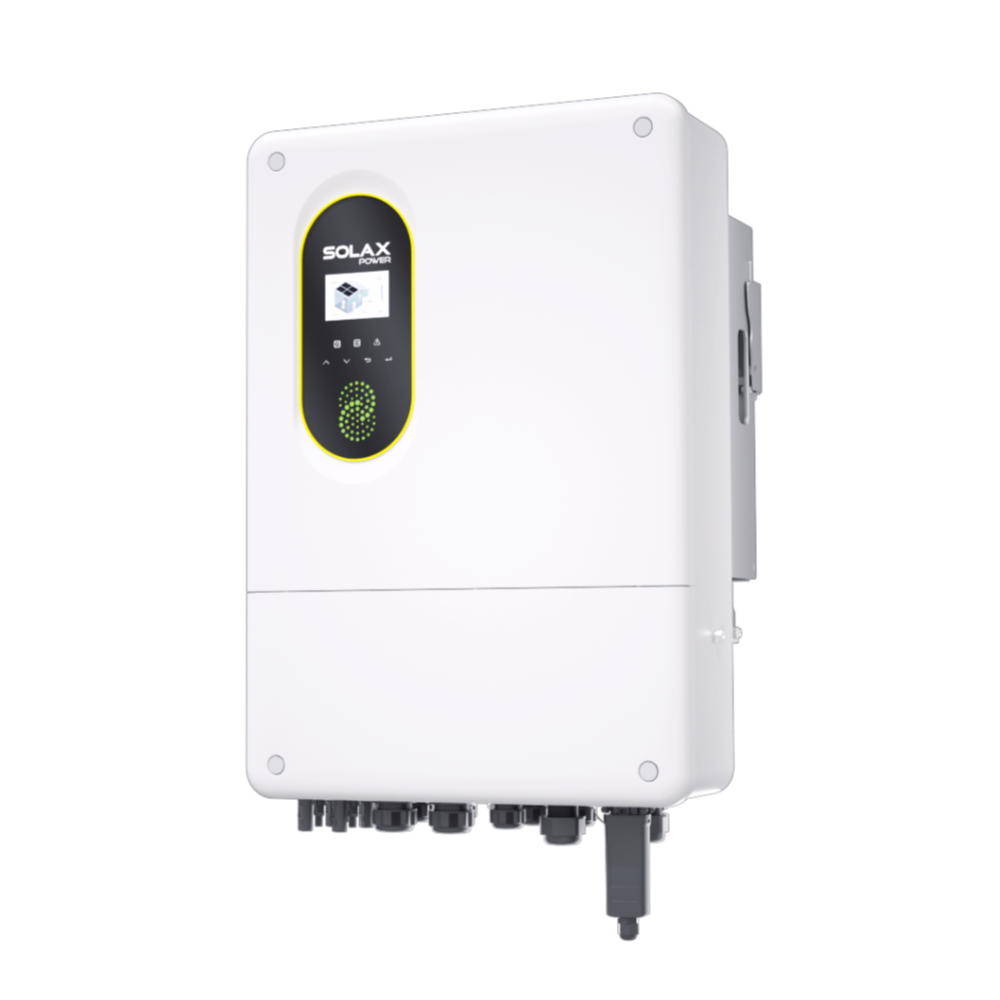
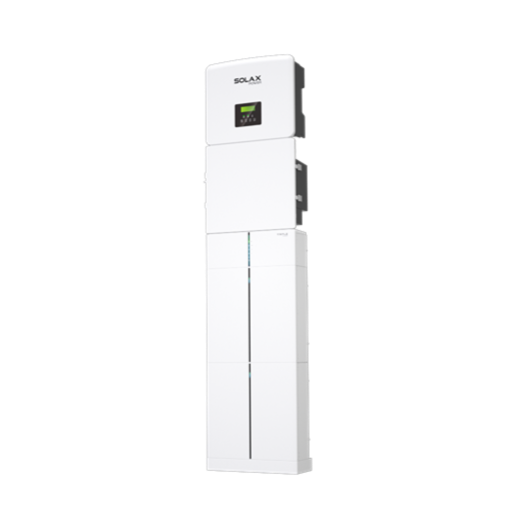
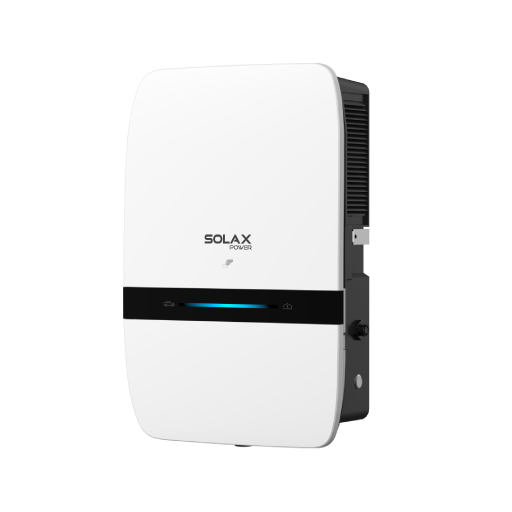
SolaX X1-IES for Mainstream Residential Backup
The X1-IES is the clearest fit for homeowners who want one integrated platform for daily self-consumption and backup support.
The product page describes it as a high-performance residential ESS with multi-mode operation for on-grid and off-grid use, up to 98% efficiency, IP65 protection at the summary level, and modular expansion up to 40 kWh. In the parameter section, SolaX lists models from X1-IES-2.5K through X1-IES-8K, with two MPPTs, MPPT voltage range of 40 to 560 V, maximum input current of 20 A per MPPT, and switchover time under 10 ms on the 3K model shown. Battery chemistry is listed as LFP, with 50 A maximum charge and discharge current and cycle life above 6,000 cycles.
Best fit
Homes wanting one neat all-in-one solar battery system
Families using solar daily and wanting outage support too
Owners who may expand storage later instead of overbuying now
Households that value app-based smart home energy management
Why it matters
The X1-IES gives you a middle path. It is not just a blackout box, and it is not only a bill-saving battery. It is better viewed as a modular home energy hub that can grow with new loads such as an EV charger or heat pump.
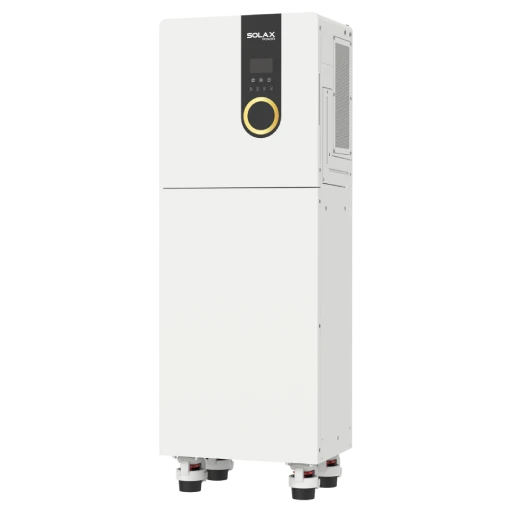
SolaX X1-IES-A for Colder or Off-Grid-Leaning Conditions
The X1-IES-A is easier to understand when you start with climate stress. Cold weather can reduce usable battery performance, delay charging behavior, and make winter backup less predictable if the system is not designed for it.
SolaX says the X1-IES-A includes integrated battery heating technology and is designed for reliable performance down to -30°C. The page also highlights a lightweight all-in-one design, switchover under 10 ms, charge and discharge current up to 50 A, 200% PV input oversizing, and up to 200% EPS output for 10 seconds. That makes it a strong match for homes in colder regions or remote properties where battery readiness during winter outages matters more than minimalist indoor aesthetics.
What to check
Local winter low temperaturesWhether the battery location is exposed or semi-conditionedHow often outages happen in colder monthsWhether your system may spend time in off-grid or weak-grid operation
Common mistake
Many buyers compare only nameplate capacity. In cold climates, thermal behavior and low-temperature charging support can matter just as much as nominal kWh.
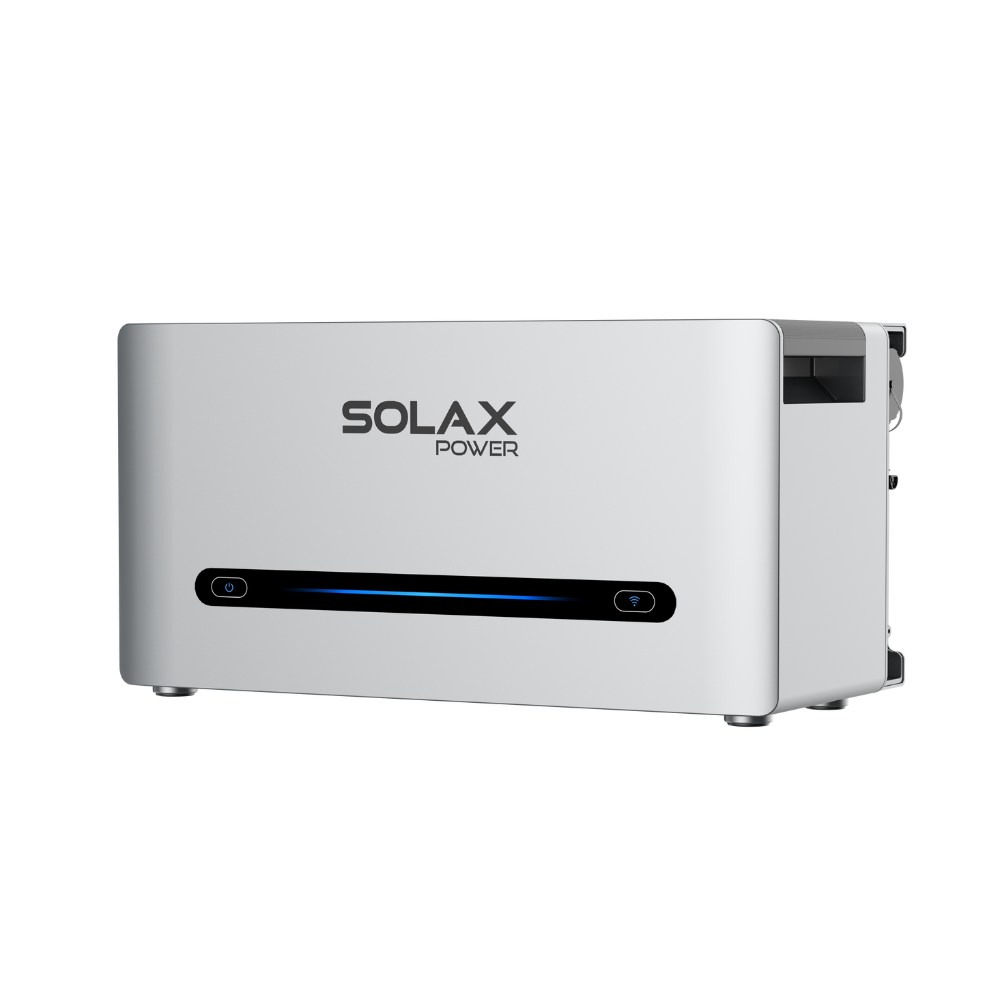
SolaX X-MS 2700 for Compact Balcony-Style Energy Storage
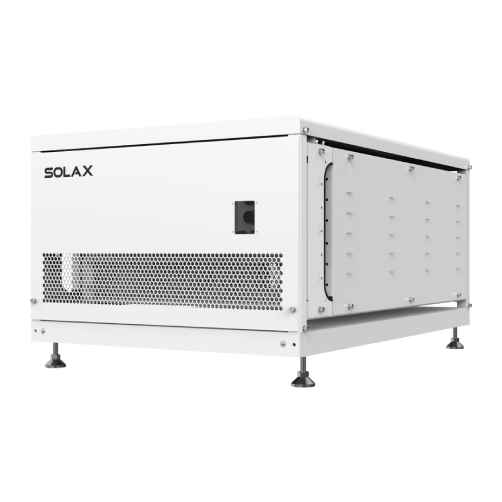
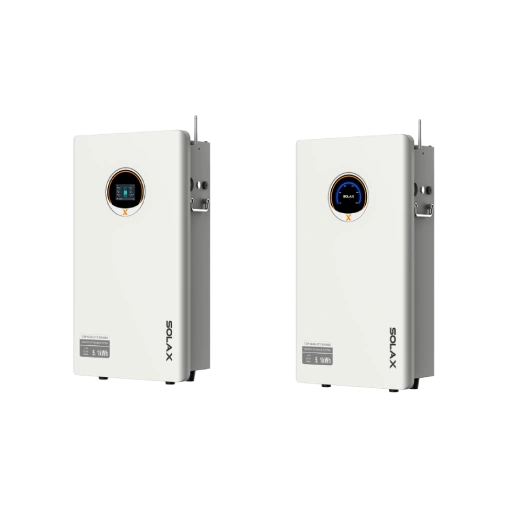
The X-MS 2700 belongs in a different conversation. It is not a whole-home backup platform. It is a compact all-in-one balcony ESS built for smaller footprints and simpler self-consumption gains.
SolaX says the X-MS 2700 can capture up to 2,400 W through 4 MPPTs, offers backup in under 10 ms, and uses a plug-and-play, IP65-rated design. The page lists rated output apparent power at 800 VA, adjustable up to 1,000 VA through the app, with dimensions beginning at 480 × 240 × 240 mm and weight of 27 kg for one configuration. Because it uses four MPPTs, it gives more flexibility for small-module layouts where orientation and partial shading can vary.
Best fit
Small homes, apartments, and balcony-adjacent setups where allowed
Users starting with a compact home backup battery approach
People focused more on self-consumption than large backup loads
What this means
This is the entry path for space-constrained users. It works best when your goal is to shave imports, keep a few smaller essentials alive, and begin solar energy storage without committing to a larger whole-home architecture.
Expert Setup Tips and Common Buying Mistakes
Most disappointing storage projects fail at the planning stage, not because the hardware is weak. The system is often sized around a marketing headline instead of actual usage patterns. Better results come from auditing loads first, defining backup circuits clearly, and keeping the system visible through software after commissioning.
Do's
Measure your evening and overnight consumption for at least 2 to 4 weeks
Put refrigeration, lighting, communications, and other essentials on the backup plan first
Ask whether surge-heavy loads need special handling
Leave room for battery expansion if your home is likely to electrify further
Review app dashboards weekly during the first month to catch unusual behavior
Don'ts
Do not buy purely by battery kWh without checking inverter output power
Do not assume every system backs up the whole house automatically
Do not ignore outdoor protection, thermal conditions, and installer access
Do not treat monitoring as optional if you want better long-term returns
Safety and code awareness
The Department of Energy notes that battery-backed solar systems should be installed in line with current electrical and fire safety codes, and battery storage can come with added code and utility requirements depending on location DOE. That means your installer should plan equipment placement, ventilation, disconnects, and critical-load wiring intentionally rather than improvising on installation day.
Best Practices & Pitfalls
This is where a good all-in-one solar battery system becomes a long-term asset instead of a one-season purchase. A few habits make a big difference after the system is live.
Best Practices
Compare daily solar yield with actual evening demand, not estimated "average household" charts
Keep a backup reserve setting if outages are common in your area
Use time-of-use scheduling where utility rates change sharply through the day
Revisit settings after adding an EV charger, heat pump, or major appliance
Choose a residential ESS with room for future integration, not just current loads
Common Pitfalls to Avoid
Choosing by lowest upfront cost alone, then discovering weak backup behavior
Forgetting that startup surge and continuous load are different numbers
Overlooking weather protection or low-temperature performance
Ignoring cloud monitoring even though it can reveal poor charging windows or unnecessary imports
Quick decision table
Home situation | Better system direction | Main reason |
Typical single-family home with daily solar use | X1-IES | Balanced backup, modular growth, app visibility |
Cold climate or off-grid-leaning property | X1-IES-A | Integrated battery heating and stronger winter confidence |
Small-space balcony or compact setup | X-MS 2700 | Space-saving design and simpler entry into storage |
Heavy future electrification planned | Modular single-phase ESS path | Easier expansion over time |
Conclusion
A strong home energy setup is not really about buying the biggest battery. It is about matching your loads, outage expectations, site conditions, and control needs to the right integrated platform. For many households, that means choosing an all-in-one solar battery system that can handle daily self-consumption, support critical loads, and stay manageable through cloud-based monitoring.
If you are narrowing down options now, start with your essential circuits, evening demand, and future electrification plans. Then compare whether a mainstream unit like X1-IES, a cold-ready option like X1-IES-A, or a compact system like X-MS 2700 better fits how your home actually uses power.
FAQ
Table of Contents
Latest News
Explore expert insights, practical guides, and the latest news on SolaX Power.


To the Latest Newsletter
Stay Ahead with the Latest SolaX Updates!
Subscribe
I have read and agree to Privacy Policy and User Terms