











April 21, 2026
Prevent Factory Downtime During Power Outages: ESS Solutions and Best Practices
Share my #SolaXStory


A factory power loss rarely stays limited to lights going out. Within seconds, you can lose process stability, machine availability, temperature control, data visibility, and production flow. On an automated line, that often means scrap, restart labor, missed shipments, and avoidable stress for operators and maintenance teams. That is why outage planning should start before you compare products. The real goal is to decide which loads must stay alive, how long they must stay alive, and what kind of transfer behavior your process can tolerate.
An ESS, or energy storage system, gives you a way to store electricity and release it when the grid fails or becomes unstable. In a factory, that role can extend beyond backup. The same platform may also support peak shaving, time-of-use scheduling, and smarter energy control across the site. SolaX positions its commercial and industrial ESS range around backup, peak shaving, demand response, and flexible operation, including grid-tied and off-grid switching, micro-grid support, and diesel generator integration.
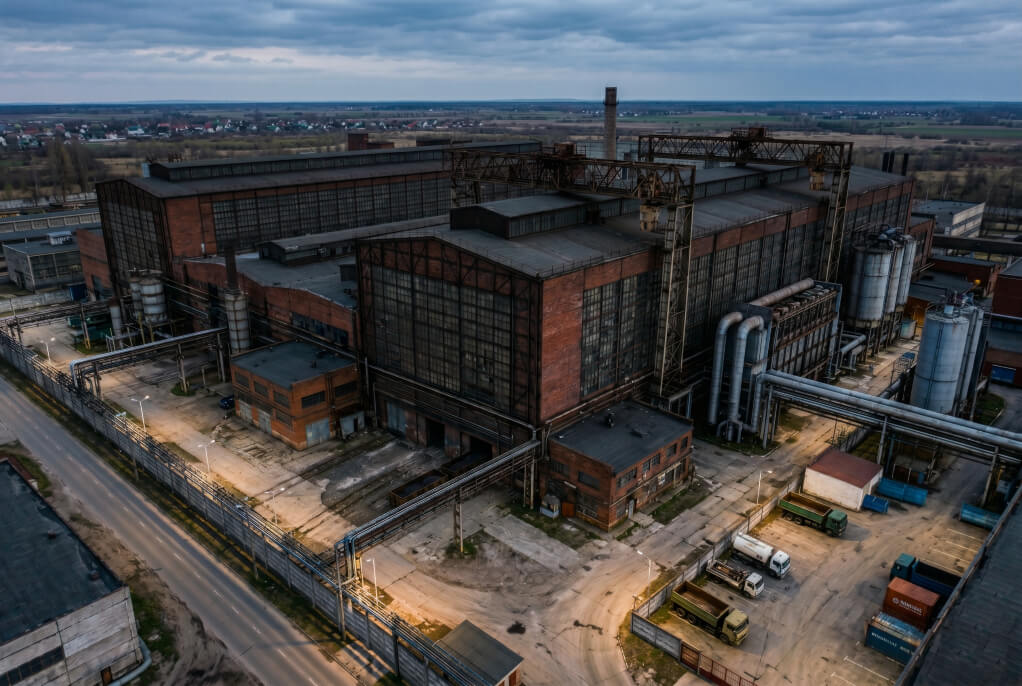
What Is a Factory ESS and How Does It Work?
A factory ESS is not just a battery cabinet. It is a coordinated power system made up of batteries, a PCS or power conversion system, controls, thermal management, protection hardware, and monitoring software. The PCS converts battery DC power into usable AC power for your plant. The EMS, or energy management system, decides when to charge, discharge, reserve energy for outages, or shed lower-priority loads first.
For outage prevention, control logic matters as much as battery size. The ESS must detect grid loss, coordinate with the site electrical system, and keep the right loads online in the right order. Some factories use storage for ride-through support measured in seconds or minutes. Others need hours of support and combine storage with solar, generator backup, or micro-grid controls. On its C&I solution pages, SolaX highlights seamless switching between grid-tied and off-grid modes, support for diverse micro-grid applications, and diesel generator integration for flexible continuity planning.
Key terms plant teams should know
Critical loads: equipment that must keep running to protect safety, quality, or controlled shutdowns.
PCS: the inverter stage that converts battery power for site use.
EMS: the control layer that handles schedules, dispatch, and load priority.
TOU: time-of-use tariffs that change electricity cost by hour.Islanding: separating your facility from the grid during an outage.
LFP: lithium iron phosphate chemistry, widely used for safety and long cycle life in C&I storage.
What this means in practice
If your packaging line can restart in two minutes but your process cooling cannot, those loads should not sit in the same backup tier. If your plant needs clean transfer to avoid PLC resets, the electrical design must reflect that. A well-planned ESS therefore starts with process mapping, then moves to power architecture, and only then reaches equipment selection.
Building a Resilient Backup Strategy for Manufacturing Loads
The smartest backup strategy starts with load segmentation, not with a sales brochure. Break the plant into three groups: mission-critical, important, and deferrable loads. Mission-critical loads often include controls, servers, safety circuits, refrigeration, selected conveyors, or process steps that create scrap if they trip. Important loads may support partial production or an orderly shutdown. Deferrable loads should stay off during an outage so your stored energy lasts longer.
Once you segment the loads, map the outage profile. A site with frequent short sags needs fast response and clean transfer behavior. A site exposed to multi-hour utility failures needs more energy capacity and may need generator or solar coordination. According to FEMA, extended outages can cascade into communication, fuel, and operational support failures, which is why selective power continuity is often more practical than trying to back up an entire facility.
Step 1: Audit outage-sensitive processes
List every line that cannot restart easily.Flag stages where temperature, pressure, or timing loss creates scrap.Measure startup surge, not just steady-state kW.Identify the minimum load needed for safe operation.Check which IT, network, and controls layers must stay online.
Step 2: Match backup duration targets
Seconds: ride-through for brief utility disturbances.Minutes: controlled shutdown without damage or data loss.One to two hours: maintain core production or cold chain continuity.Longer than two hours: usually requires hybrid support from PV, generator, or deeper storage blocks.
Why this matters
If you size only from monthly electricity bills, you will probably miss the loads that actually determine uptime. A small server room, controls rack, compressor starter, or refrigeration circuit can decide whether the whole plant restarts smoothly. That is also why reserve SOC, or state of charge, should be set by outage risk, not only by tariff savings.
Which ESS Design Choices Matter Most?
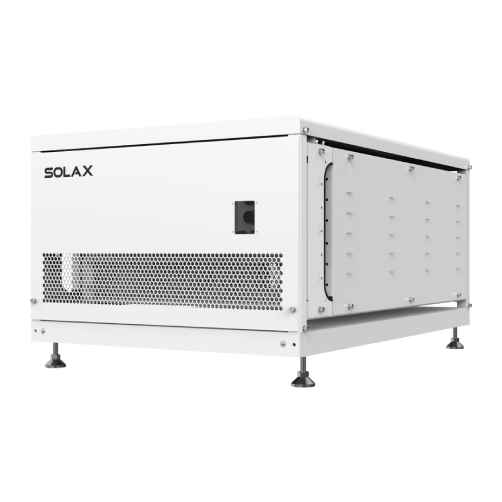
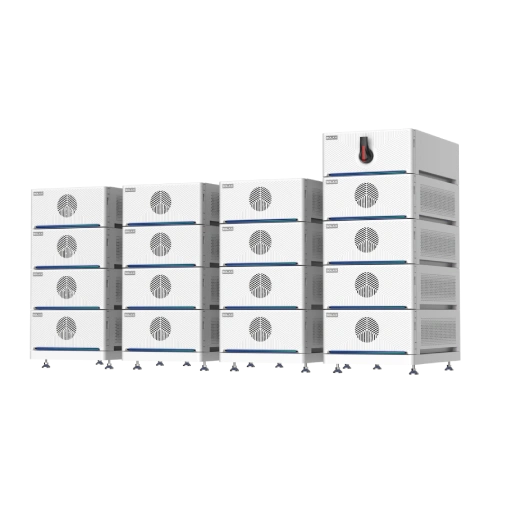
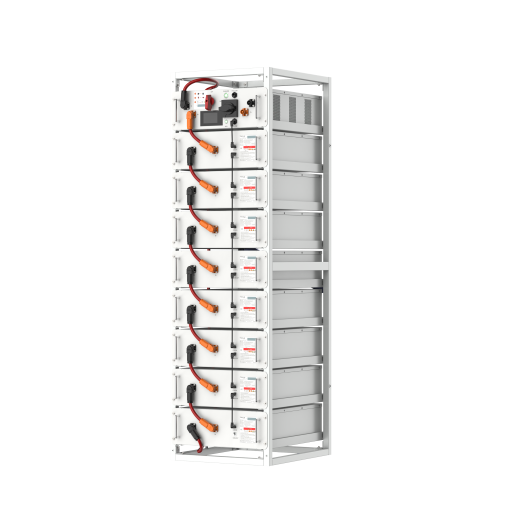
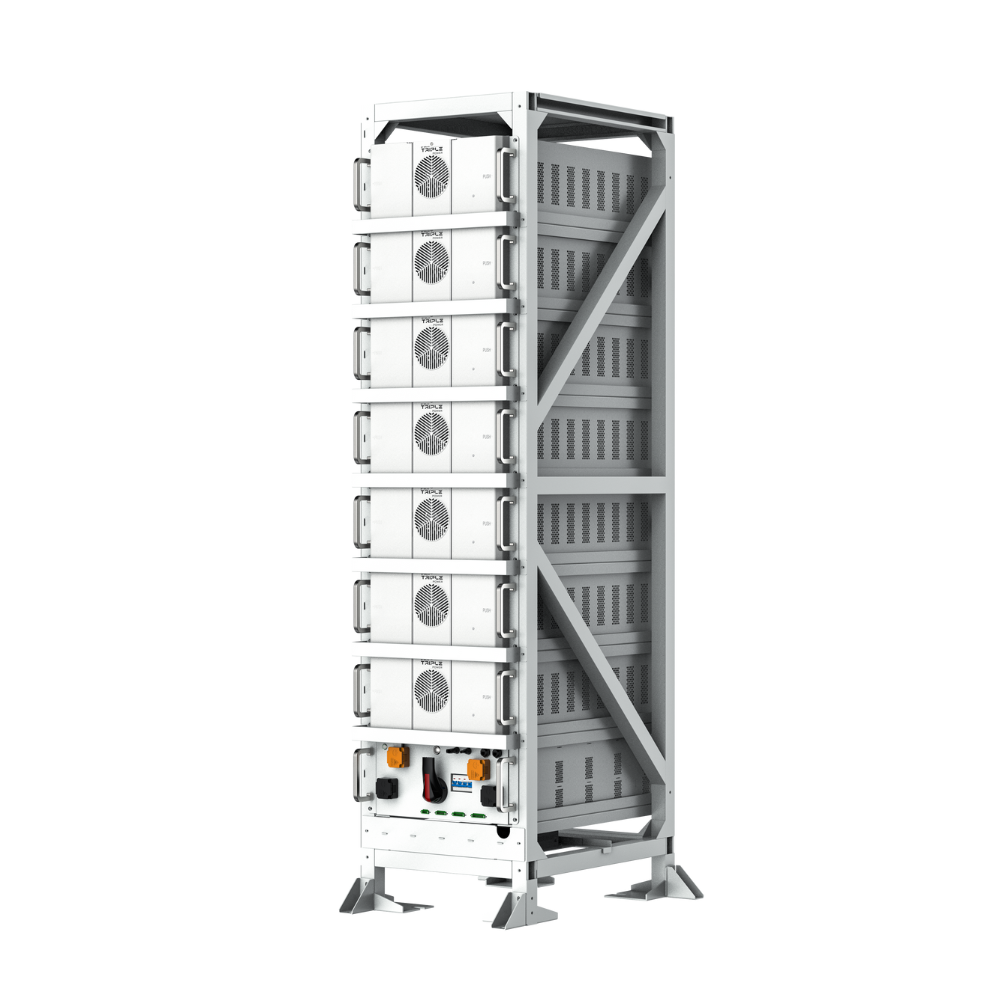
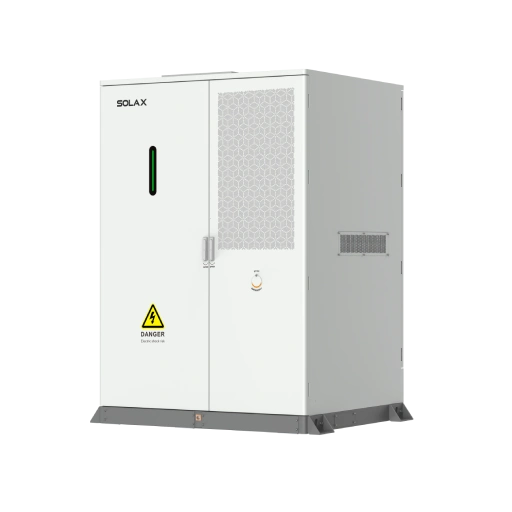
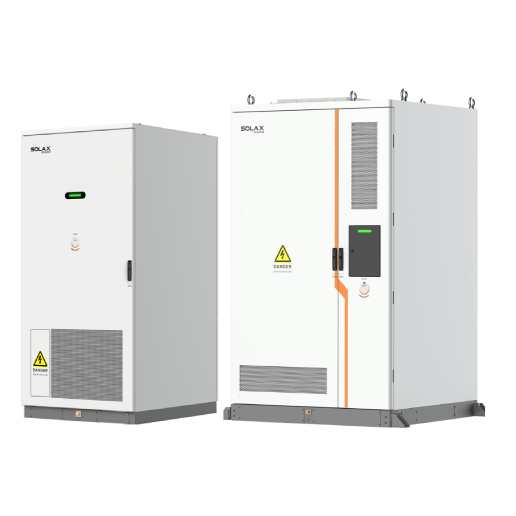
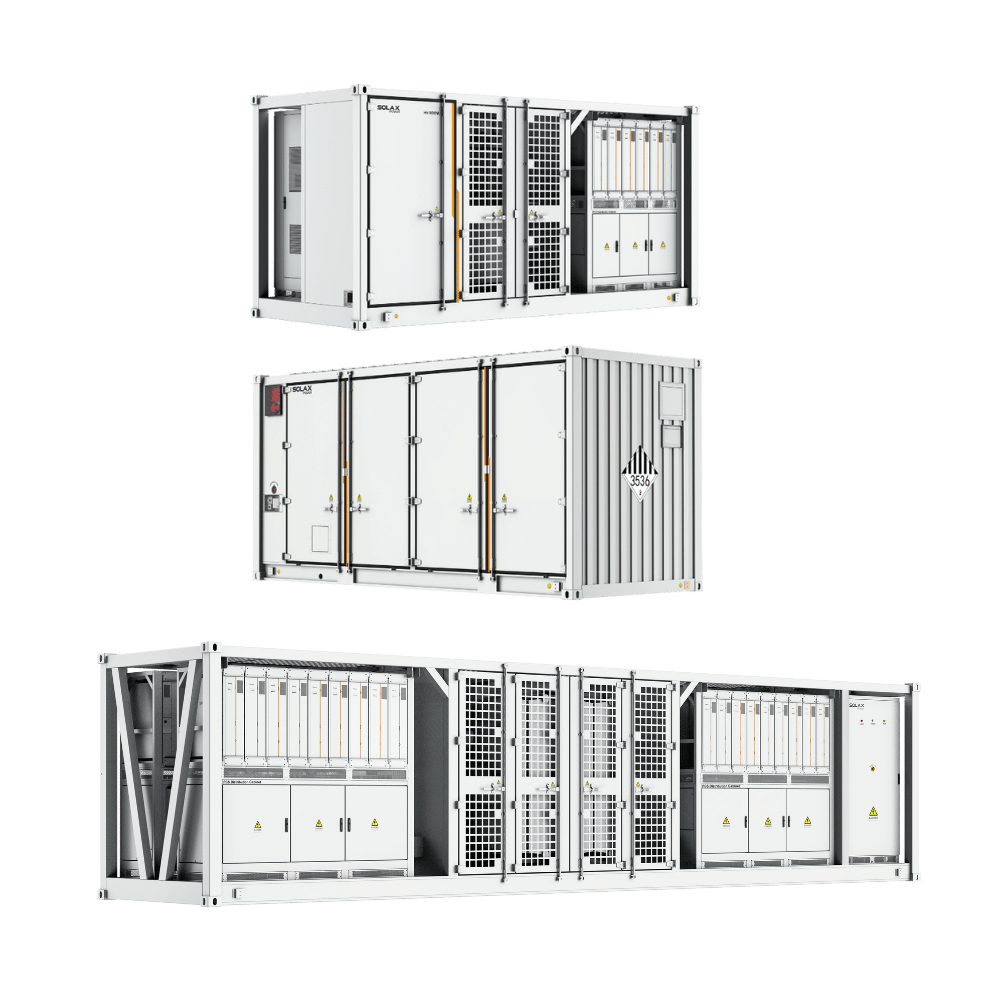
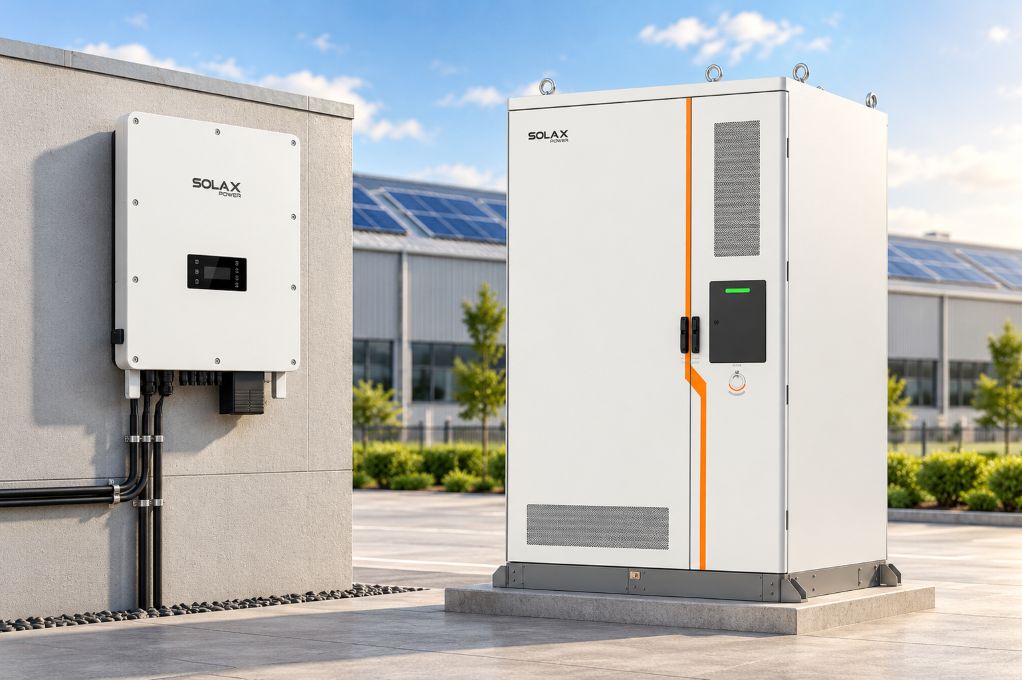
For factories, the headline kWh number is never enough. You need to compare power rating, thermal design, protection level, controllability, serviceability, and expansion path. SolaX's C&I lineup includes the ESS-TRENE Liquid Cooling platform, the ESS-TRENE Air Cooling cabinet, and the ESS-AELIO hybrid cabinet, giving plant teams different ways to match outage goals with site conditions.
Key specs or signals
Power rating decides whether the ESS can carry startup events and short spikes.Energy capacity sets backup duration.Cooling method affects thermal consistency, cycling behavior, and layout.Ingress protection matters in dusty or demanding industrial spaces.Monitoring depth speeds fault finding and maintenance.Expandability helps if your future loads will grow.
Liquid cooling vs air cooling
If thermal consistency and high-cycle performance matter most, liquid cooling often makes sense. SolaX says the ESS-TRENE Liquid Cooling system uses 314 Ah LFP batteries, 125 kW output, 261 kWh capacity, cell temperature differences under 3°C, and a cabinet protection stack that includes IP67 for the battery, IP66 for the inverter, and IP55 for the cabinet. It also supports VPP-ready monitoring through SolaX Cloud.
If you need a more space-conscious and simpler cabinet format, air cooling can fit well. SolaX lists the ESS-TRENE Air Cooling system at 100 kW and 215 kWh, with smart air cooling, IP55 cabinet protection, support for three-phase unbalance output, and smart schedule plus 7×24h TOU control. That makes it useful where backup and tariff optimization need to coexist.
A practical product fit
For smaller hybrid PV-plus-storage sites, ESS-AELIO can be relevant. SolaX describes it as a hybrid C&I ESS cabinet offered in 50 kW or 60 kW versions with 100 kWh or 200 kWh configurations, plus support for 200% PV oversizing and up to 40 A DC input current. That makes it better suited to sites where solar integration and moderate backup needs come together.
Best Practices for Preventing Downtime During Outages
Good ESS projects succeed because operations, electrical engineering, maintenance, and EHS work from the same playbook. Before procurement, define what "no downtime" means for each production area. In one zone, that may mean uninterrupted operation. In another, it may mean a controlled stop that avoids scrap and lets the line restart cleanly. That distinction affects your transfer design, reserve SOC, and load-shedding logic.
You should also validate the plant's electrical foundation early. Check transformer headroom, switchgear condition, harmonics, cable routing, and communications dependencies before the ESS arrives. The EPA says BESS planning should consider battery chemistry, manufacturing quality controls, system integration, remote sensors and monitoring, and coordination with local responders. The same EPA guidance also emphasizes clear incident response planning and a 330-foot isolation zone for large commercial BESS events, depending on the site and incident conditions.
Best practices
Prioritize loads before you size storage.
Keep a minimum reserve SOC for outage events.
Test outage transfer under representative load.
Confirm ventilation, thermal limits, and maintenance clearances.
Train operators on fallback procedures and restart sequence.
Review alarms, event logs, and communication loss scenarios.
Monitoring and O&M matter more than teams expect
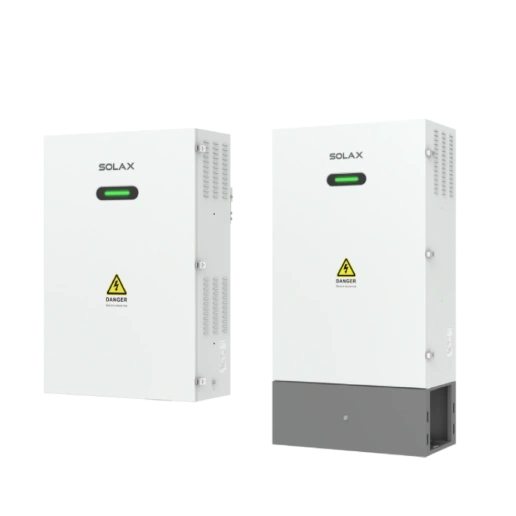
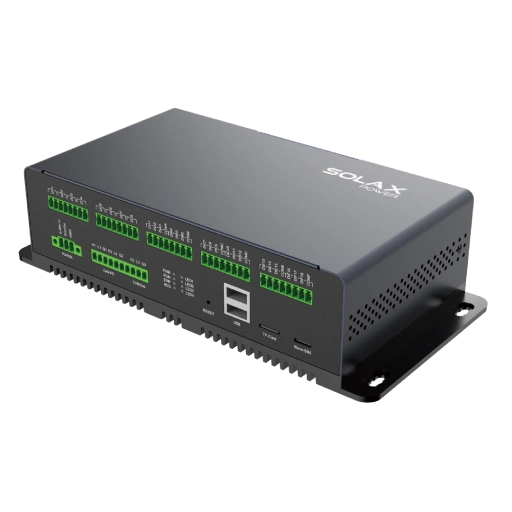
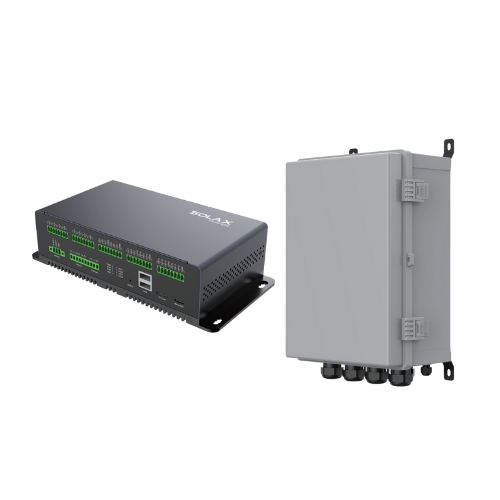
Visibility is a resilience tool, not just a dashboard feature. SolaX's EMS1000 supports fault recording, second-level fault retrieval, local and remote monitoring, parallel energy control, and up to one year of local storage. Those functions help maintenance teams understand what happened before, during, and after a disturbance instead of guessing from scattered alarms.
Common Mistakes That Undermine ESS Backup Performance
The first big mistake is asking for "battery backup" without defining the electrical sequence. A system sized for daily peak shaving may not protect your critical process if it discharges too deeply before an outage. A second mistake is ignoring startup currents. A motor, chiller, or compressor may look manageable on a kW spreadsheet but still trip the system during real restart conditions.
Another frequent problem is treating monitoring as optional. If no one tracks reserve SOC, thermal trends, or fault history, the first real outage becomes your test event. That is expensive. The American Clean Power Association released a national battery storage safety blueprint in March 2025 that stresses modern safety standards, emergency coordination, and stronger project discipline as storage deployment scales.
Common pitfalls to avoid
Backing up the whole plant without ranking loads.Ignoring motor inrush and restart sequencing.Skipping simulated outage drills.Forgetting communication links between controls and ESS.Leaving SOC policy unmanaged.Installing in a poor thermal environment.Failing to involve operations and EHS early.
Common mistake
Do not assume that bill-savings dispatch equals outage readiness. Those are related but different control goals. If resilience is the priority, the EMS must protect a reserve window even when tariff savings look tempting.
How Different Factory Scenarios Change the ESS Plan
Not every factory needs the same design. A light assembly plant may mainly need ride-through support, orderly shutdown capability, and lower peak demand charges. A heavier industrial site with large motors or process heat may need staged load support, stronger surge handling, and coordination with other on-site assets. That is why scenario planning should happen before final sizing.
Scenario examples
Assembly plant: prioritize PLCs, conveyors, QA systems, and server racks for short ride-through.Cold storage or food processing: plan for longer autonomy to protect refrigeration and product integrity.Multi-building campus: use centralized EMS control to coordinate loads across buildings.Solar-equipped site: combine PV, ESS, and backup priorities so daytime generation extends resilience.
Best fit by scenario
For compact projects with dual goals of outage protection and tariff optimization, ESS-TRENE Air Cooling fits sites that want 100 kW / 215 kWh blocks with 7×24h scheduling and modular scaling. For denser cycling and tighter thermal control, ESS-TRENE Liquid Cooling is stronger where consistent temperature management and 125 kW / 261 kWh building blocks support a larger resilience strategy. For hybrid PV-forward projects, ESS-AELIO offers a useful fit where onsite solar and moderate backup need to work together in one cabinet family.
Conclusion
A factory ESS does more than provide stored energy. When you design it around critical loads, outage duration, transfer behavior, and operating discipline, it becomes part of a broader resilience system that protects production continuity and improves daily energy control. The best projects begin with load prioritization, then move into realistic runtime targets, electrical integration, monitoring, and repeatable testing.
SolaX's C&I portfolio gives you several paths to build that plan, from ESS-TRENE Liquid Cooling and ESS-TRENE Air Cooling to ESS-AELIO and EMS1000 for monitoring and control. The right choice depends less on marketing labels and more on your load profile, thermal conditions, and recovery goals. If you solve those pieces first, your ESS is far more likely to keep the right parts of the plant running when the grid does not.
FAQ
Table of Contents
Latest News
Explore expert insights, practical guides, and the latest news on SolaX Power.


To the Latest Newsletter
Stay Ahead with the Latest SolaX Updates!
Subscribe
I have read and agree to Privacy Policy and User Terms