












March 30, 2026
Best Home Batteries by Cycle Life: How to Compare Real Longevity
Share my #SolaXStory


You finally get a solar battery installed, then six months later your app shows the battery hitting empty sooner every night. Your backup window shrinks, your time-of-use savings slip, and you start wondering if you bought the wrong home battery storage for your solar power system.
Getting cycle life wrong can mean faster capacity fade, surprise warranty limits, and an energy storage system that does not match your daily routine. This guide shows you how to compare battery cycle life, depth of discharge, and throughput so you can estimate real longevity and pick battery storage for home that fits your solar energy workflow.
How to compare battery cycle life like a pro
1: Define your daily use (kWh shifted)
Start by measuring how much energy your battery actually needs to move each day, because cycle life only matters when you connect it to real kWh. In your monitoring app (or utility portal), pull 14 days of data for: nightly household kWh, solar pv production, and how much grid energy you want to avoid. Then estimate daily battery discharge as the kWh you want the battery to cover (not the battery nameplate capacity).
Use this quick rule in your workflow:
Self-consumption: battery discharge ~= evening + overnight kWh
Backup-first: battery discharge ~= critical loads kWh
TOU arbitrage: battery discharge ~= peak-period kWh
If you want one clean number, take your average daily discharge kWh and write it down. You will use it in chapter 3 and 4.
2: Normalize depth of discharge (DoD) before you compare
Lock this step first; otherwise every battery cycle life comparison becomes misleading. Cycle life is almost always tied to a specific depth of discharge (DoD), which is how much of the battery you use each cycle. A battery rated for 6,000 cycles at 90% DoD is not directly comparable to one rated for 6,000 cycles at 80% DoD.
Do this in practice:
Find the battery cycle life table or test point (example: "6,000 cycles at 90% DoD")
Re-express your plan as a DoD target (example: you will use 70% daily)
Compare batteries only at the same DoD test point, or assume the deeper-DoD spec will age faster per cycle
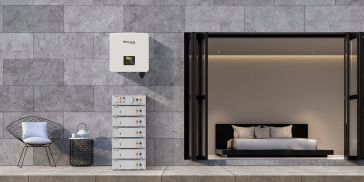
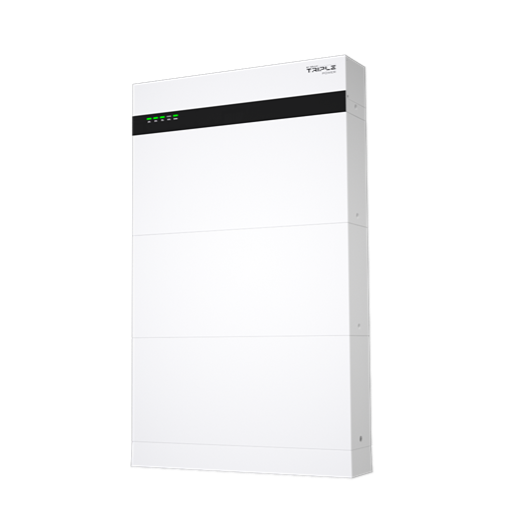
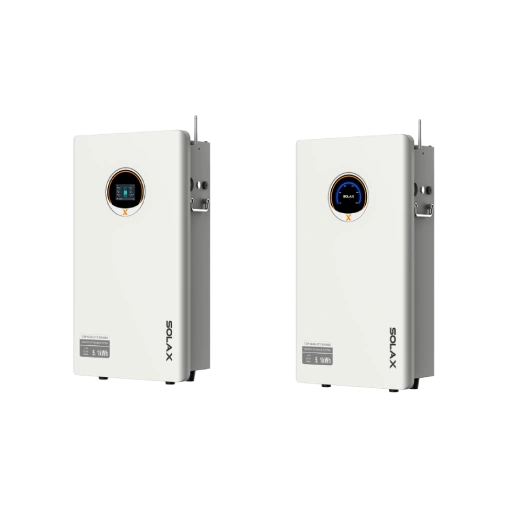
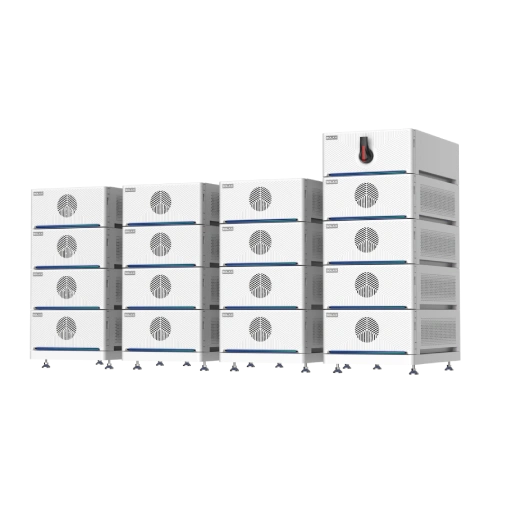
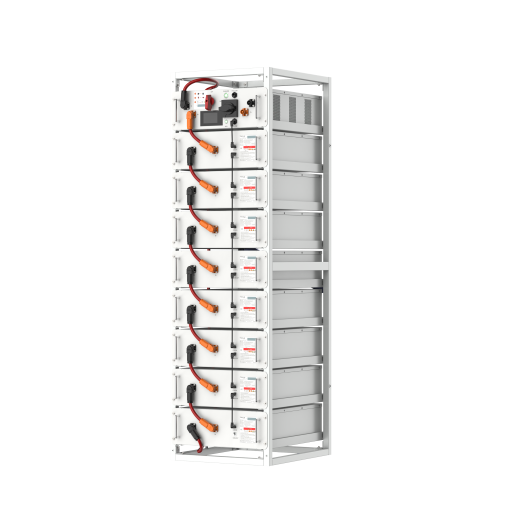
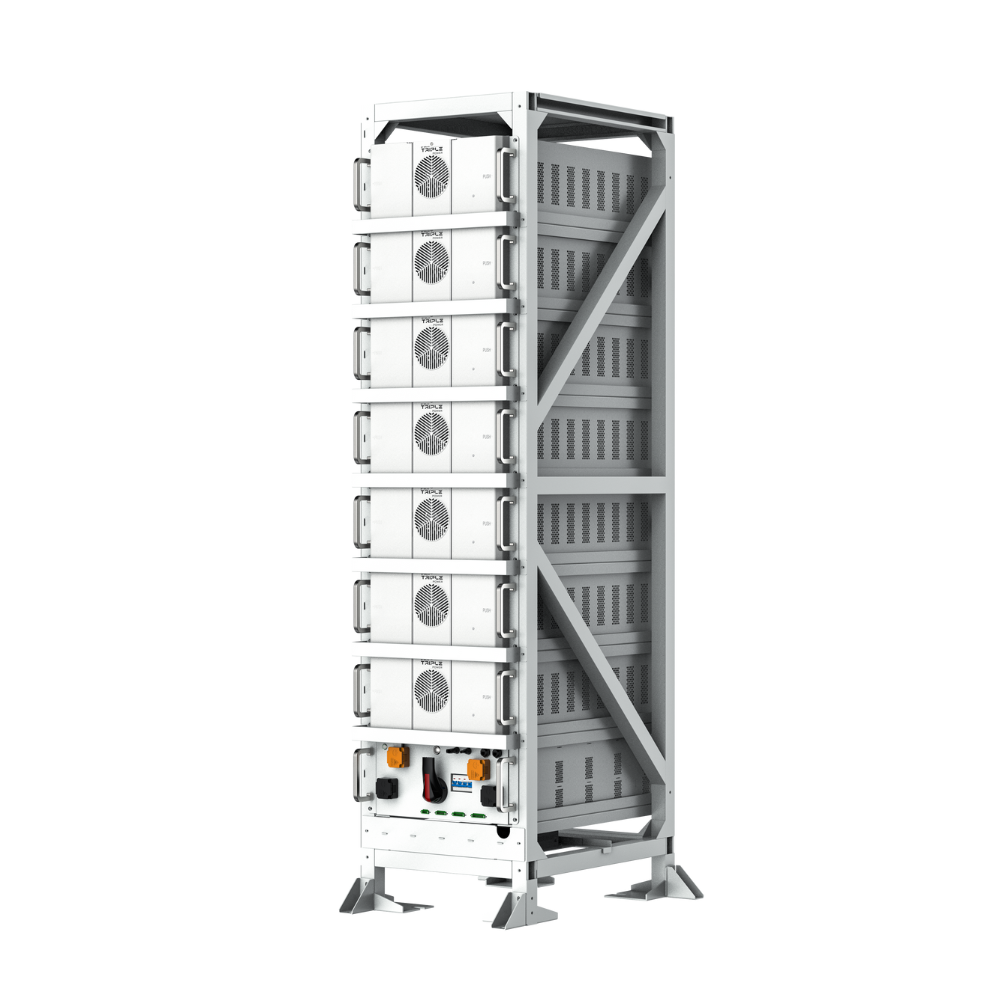
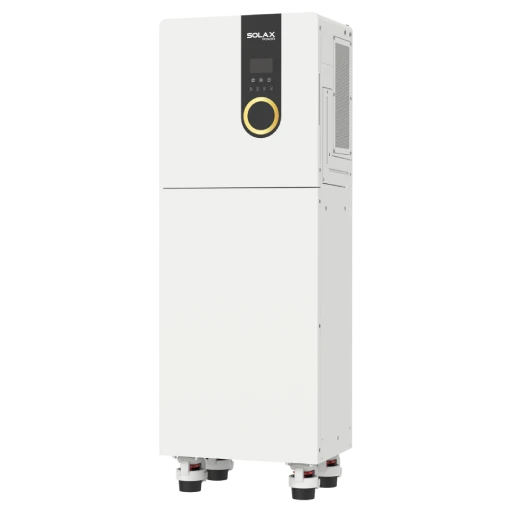
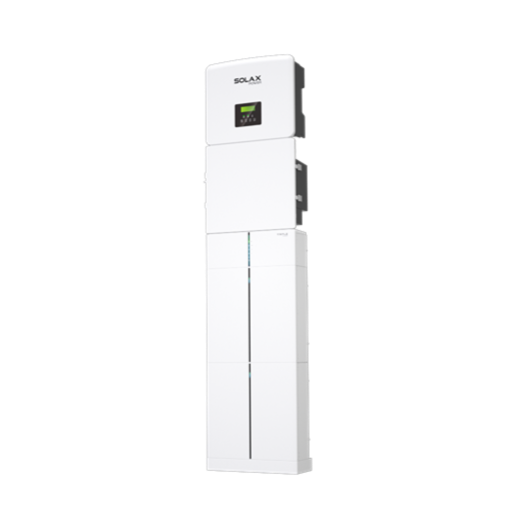
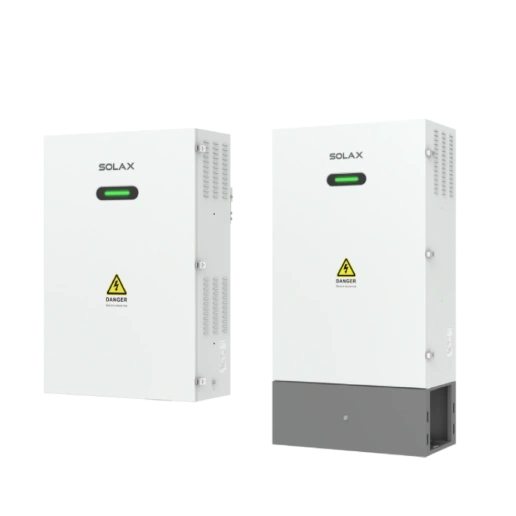
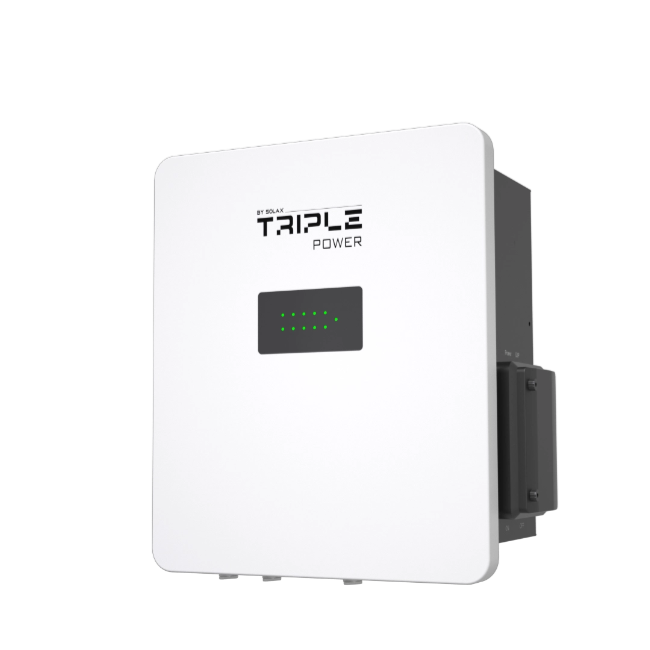
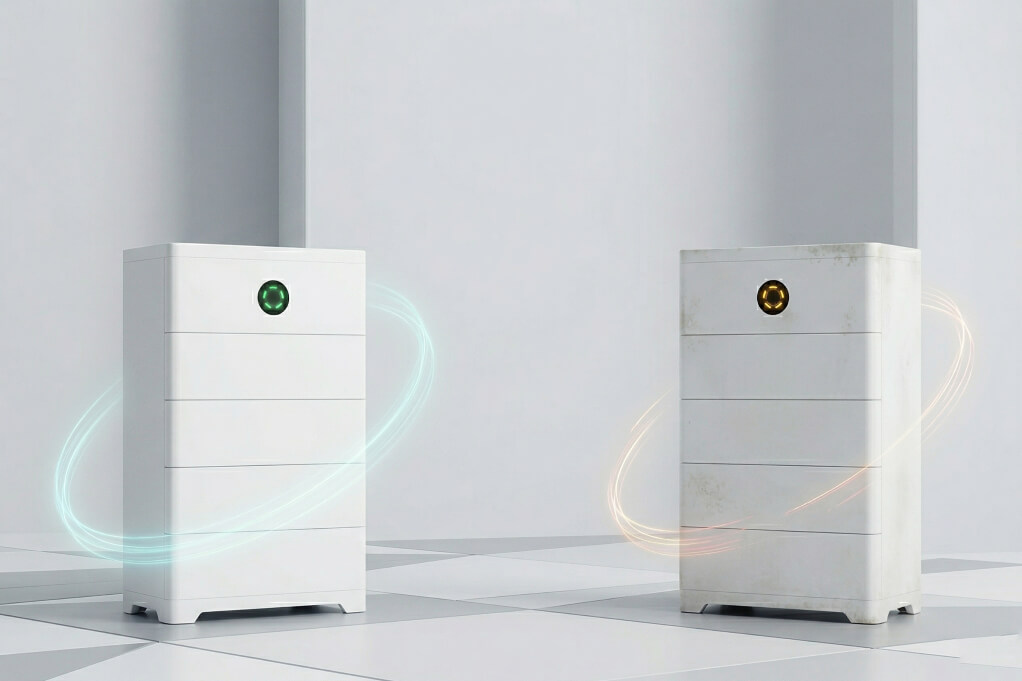
SolaX positions its residential solar battery lines around LFP chemistry (Li-ion phosphate) with smart BMS protections, which matters here because your BMS will enforce limits that shape effective DoD over time. For example, the SolaX Triple Power high-voltage stack highlights LFP cells and a managed system approach aimed at stable operation, and it lists cycle life over 6,000 cycles.
3: Convert cycles into realistic years for your solar energy system
Now turn the spec into a time estimate that matches your solar energy behavior. First estimate cycles per year. A "cycle" is roughly one full equivalent discharge and recharge. If you discharge 50% today and 50% tomorrow, that is about one full cycle total.
A simple method that works for most residential solar systems:
Equivalent cycles per year = (average daily discharge kWh * 365) / usable battery kWh
Estimated years from cycle life = rated cycles / equivalent cycles per year
Example you can replicate:
You discharge 8 kWh/day
Usable battery energy is 10 kWh
Equivalent cycles/year = (8*365)/10 ~= 292
If the datasheet says 6,000 cycles, then 6,000/292 ~= 20.5 years (cycle-limited)
Reality check: many systems will be calendar-life limited before they are fully cycle-limited, especially in backup-first setups with fewer cycles.
4: Check warranty throughput limits (MWh) so heavy use does not surprise you
Do not stop at battery cycle life. Many solar battery warranties also cap total energy throughput (often stated in MWh). If you exceed that cap, warranty coverage can end even if the calendar term is still running.
Do this calculation in two minutes:
Annual throughput (MWh/year) = (average daily discharge kWh * 365) / 1000
Years to hit throughput cap = warranty throughput cap (MWh) / annual throughput
Then compare the two limits:
Cycle-based years from Step 3
Throughput-based years from this step
Your realistic service window is typically the smaller of the two, adjusted for temperature and operating strategy. If you are planning a high-cycling workflow (TOU arbitrage plus partial backup), this step often becomes the deciding factor.
5: Verify temperature and location (heat is a silent cycle-life killer)
Pick the coolest stable install area you can, because heat accelerates battery aging and makes your cycle-life math optimistic. In real homes, the common problem spots are garages with afternoon sun exposure, unvented closets, and exterior walls that heat-soak.
Practical workflow:
Measure ambient temp where the battery will sit (summer afternoons matter)
Avoid direct sun and hot-air exhaust paths
Maintain clear airflow around the enclosure
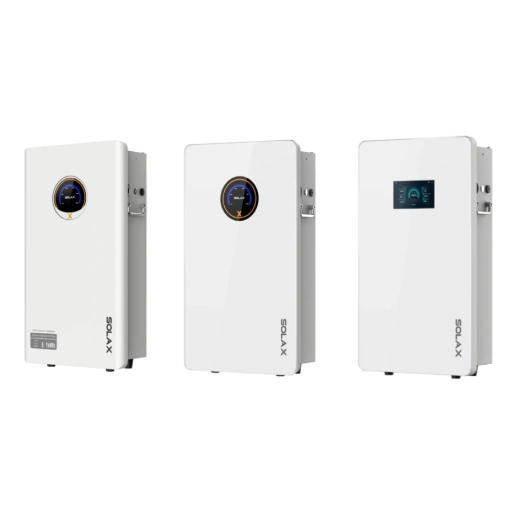
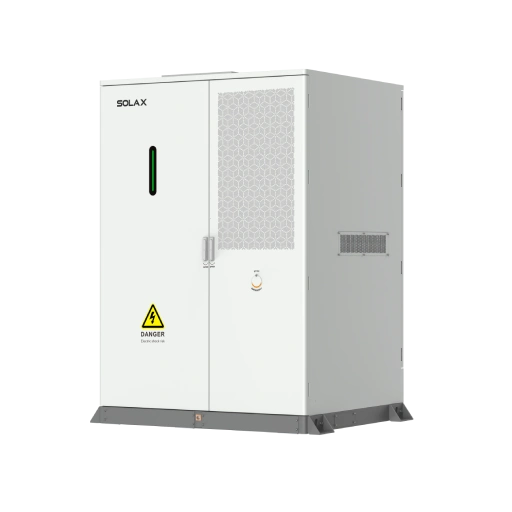
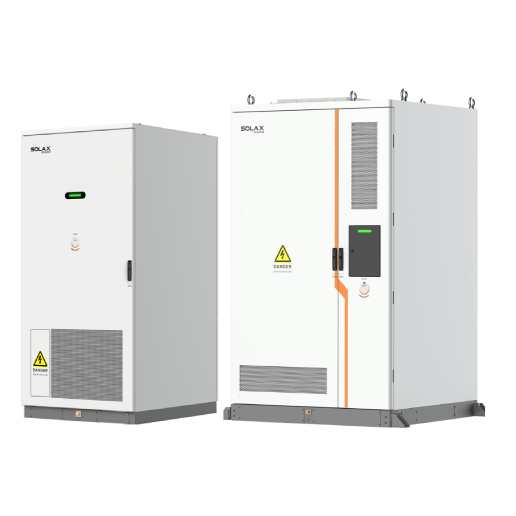
SolaX highlights outdoor-capable enclosures on multiple residential battery families, like the HS50E-D line with IP66 protection and a wide stated operating range (-30C to 53C) plus heating technology. Even with rugged hardware, cooler placement is still the easiest longevity win.
Authority note (why you should care): pubs research published in 2025 continues to show temperature is a key stress factor in long-term lithium-ion degradation testing, with elevated storage temperatures used to study faster capacity fade behavior.
6: Validate the safety certifications path (system and installation context)
Before you finalize any energy storage solutions plan, confirm your safety certification expectations with your installer and AHJ (authority having jurisdiction). For homeowners, the goal is not to memorize standards, but to verify that your residential energy storage system components are certified for stationary storage use.
Your checklist:
Battery modules: look for appropriate stationary-storage certification scope
Complete ESS: ensure the combined solar inverter, battery, and control gear are listed as a system where required
Installation rules: confirm spacing, ventilation, and fire access requirements
For general lithium-ion safety awareness, the U.S. Consumer Product Safety Commission continues to publish recall notices and warnings about overheating and ignition risks in lithium-ion battery products, reinforcing why correct equipment and correct chargers matter.
Troubleshooting
Problem | Cause | Solution |
Cycle life looks huge | DoD test point mismatch | Compare at same DoD |
Warranty seems short | Throughput cap applies | Calculate annual MWh |
Summer derating events | Hot install location | Add shade, ventilation |
Fast fade in year one | Daily 100% DoD use | Add reserve, resize |
App SOC feels inaccurate | Sensor model drift | Recalibrate, update firmware |
Use these quick fixes in your workflow:
If your cycles look "too good": re-check whether the published cycles assume 80% DoD while your plan is 95%.
If your solar battery feels smaller in summer: check for heat-related power limiting, then change airflow before changing hardware.
If SOC readings jump: confirm the battery management system recalibration steps and confirm the inverter is using the correct battery profile.
Conclusion
Cycle life is only a useful spec when you convert it into your real daily kWh, normalize DoD, and confirm warranty throughput. After that, treat temperature as a design input, not an afterthought, because a cooler install location usually buys you the easiest longevity margin. Once you run the checklist above, you can compare home battery storage options with confidence and match the battery storage for home to your solar energy system goals.
FAQ
Table of Contents
Latest News
Explore expert insights, practical guides, and the latest news on SolaX Power.


To the Latest Newsletter
Stay Ahead with the Latest SolaX Updates!
Subscribe
I have read and agree to Privacy Policy and User Terms