












March 30, 2026
LFP vs NMC Home Batteries: Which Is Safer and Why It Matters
Share my #SolaXStory


You smell hot plastic near your inverter battery, the app shows a weird temperature spike, and suddenly you are Googling chemistry acronyms instead of sleeping. That confusion is common in home battery storage because marketing makes both LFP and NMC sound equally safe, while the real risks show up in wiring, firmware, and where the box is mounted.
If you choose the wrong chemistry or ignore the system details, the downside is not just shorter runtime, it is higher fire propagation risk and harder permitting.
About Home Batteries
Chemistry risk: why LFP and NMC behave differently
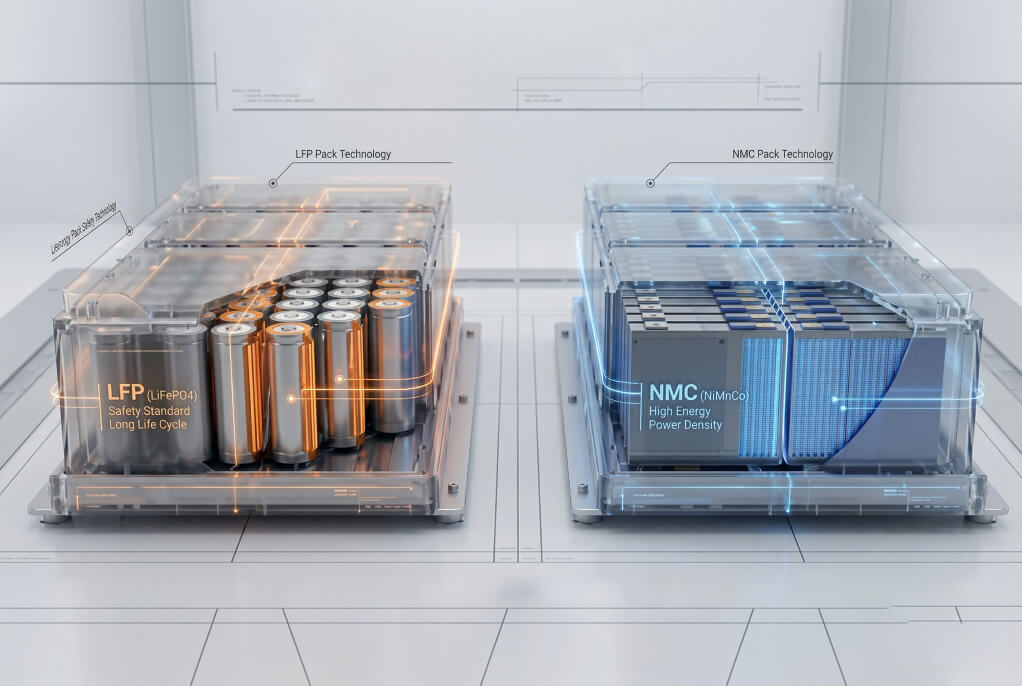
If your goal is safety, focus on what happens when a cell is abused (overheated, overcharged, crushed, or internally shorted). LFP (lithium iron phosphate) cathodes are generally more thermally stable than NMC (nickel manganese cobalt) cathodes, which is why LFP is often preferred for stationary battery storage for home where volume is less constrained. A simple way to think about it: when things go wrong, LFP tends to resist escalation longer, while higher-energy chemistries can accelerate faster once decomposition starts.
What that means in your solar energy system is practical: chemistry influences how likely a single-cell failure becomes a pack-level fire, how quickly heat grows, and how aggressively you need system-level controls to keep a small issue from becoming a major event.
System risk: BMS, inverter integration, and fault containment
Chemistry is only one layer. Your energy storage system is a stack of controls: sensors, contactors, fuses, firmware limits, and the inverter that actually pushes charge in and out. If the battery management system (BMS) misses a sensor fault, or if the inverter battery protocol is mismatched, the system can drift into unsafe voltage, current, or temperature ranges.
In practice, many safety outcomes depend on:
Temperature sensing coverage and redundancy
Current limits during fast charge/discharge
Contactor behavior during faults (fast isolation)
Compatible inverter firmware and battery comms
A smart energy platform that alerts you early is helpful, but only if the underlying protections are designed and commissioned correctly.
Scenario taxonomy: indoor, garage, outdoor (risk changes by location)
Before shopping, classify your scenario. An indoor utility room install is a different risk problem than a detached garage or an outdoor wall. Location changes how heat and smoke move, how quickly you can isolate power inverter circuits, and how responders can access the system.
Use this quick taxonomy:
Indoor (conditioned space): lowest tolerance for smoke/heat
Attached garage: common install, higher exposure to vehicles
Outdoor exterior wall: weather, but better separation
Dedicated outbuilding: best separation, more trenching
Once you know the scenario, you can interpret what a UL 9540A test scope means for your exact layout.
LFP vs NMC Battery Comparison: Chemistry Safety Reality
LFP vs NMC battery safety in a home
The decision context is simple: you are not trying to win a lab comparison, you are trying to reduce the chance that a single fault turns into a home-impacting event. LFP is generally viewed as the safer baseline chemistry for battery storage because it is more resistant to thermal runaway escalation. NMC can deliver higher energy density, which matters in EVs, but for home battery storage that density advantage can be less important than fault tolerance.
To translate chemistry into a placement decision, ask: if a cell fails, how much time does the system buy you before the event grows? More time means more chance for the BMS to isolate, for the inverter to stop charge, and for you to respond to alarms.
Key chemistry-to-home implications:
LFP: typically better thermal stability margin
NMC: typically higher energy density per volume
Both: still use flammable electrolyte, so design matters
Placement rule of thumb (chemistry is not permission)
Even if you choose LFP, do not treat it as automatic approval for an indoor install. You still need system listing evidence, enclosure rating, clearances, and a layout that limits propagation. In other words, chemistry helps reduce ignition and escalation likelihood, but it does not replace tested system behavior.
What Matters More Than Chemistry
BMS controls: sensing, limits, and isolation
If you want a safer solar battery, prioritize BMS capability and how it coordinates with the inverter. You want accurate sensing (cell voltages, module temps, pack current) and conservative limits that do not get overridden by an aggressive time-of-use schedule. When something is wrong, isolation is the life-saving move: contactors open, charging stops, and the pack is electrically separated.
Practical checks you can ask your solar installer about:
How many temperature sensors per module?
What triggers a hard shutdown vs a warning?
Does the system log faults for troubleshooting?
How does the inverter respond to BMS alarms?
Workmanship and commissioning: small mistakes, big consequences
Many incidents start with boring errors: loose lugs, undersized conductors, incorrect torque, missing strain relief, and misconfigured firmware limits. Commissioning should confirm battery-to-inverter compatibility, correct CT direction (if used), and correct charge/discharge limits.
Commissioning checklist items (ask to see them documented):
Cable terminations inspected and torqued
Grounding and bonding verified
Firmware versions recorded
Battery communication verified under load
Alarms tested and acknowledged in monitoring
SolaX Home Battery Fit Map
Match use cases to SolaX LFP battery lines
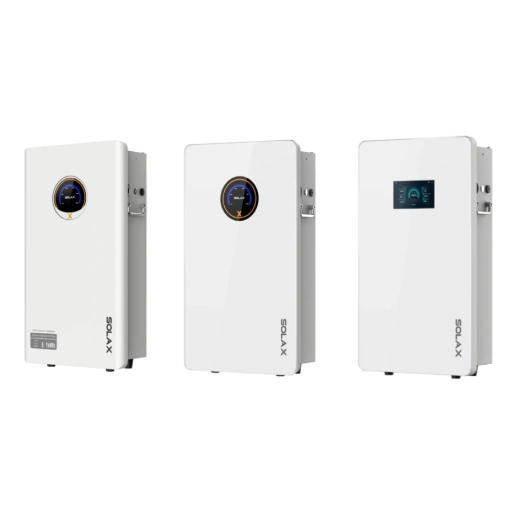
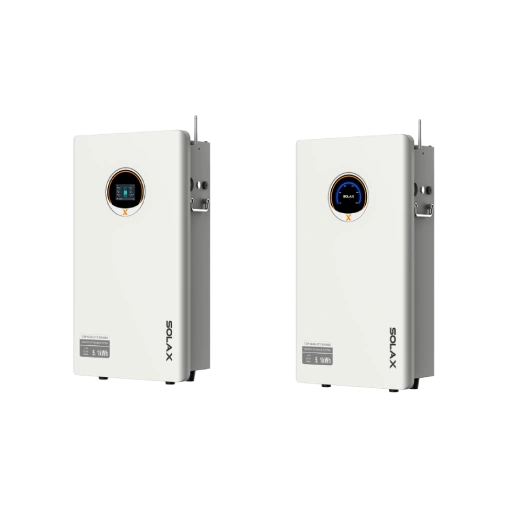
If your priority is LFP for home battery storage, SolaX has multiple residential battery product families listed as LFP on their product pages.
Two examples you can map to different scenarios:
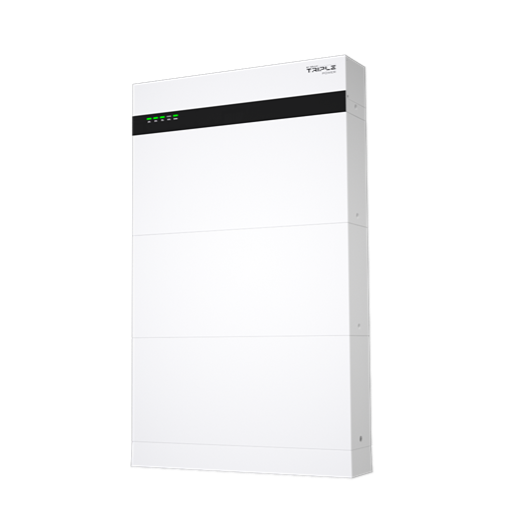
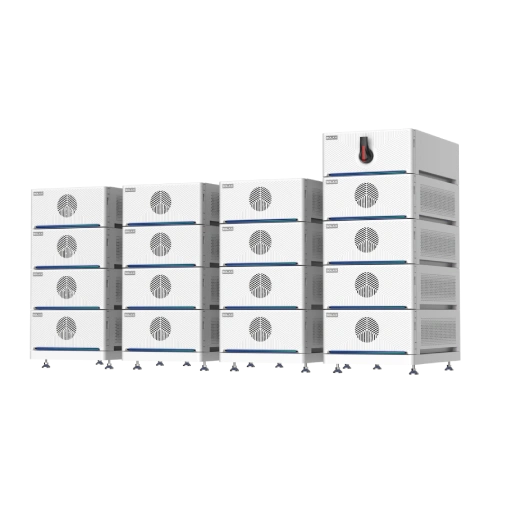
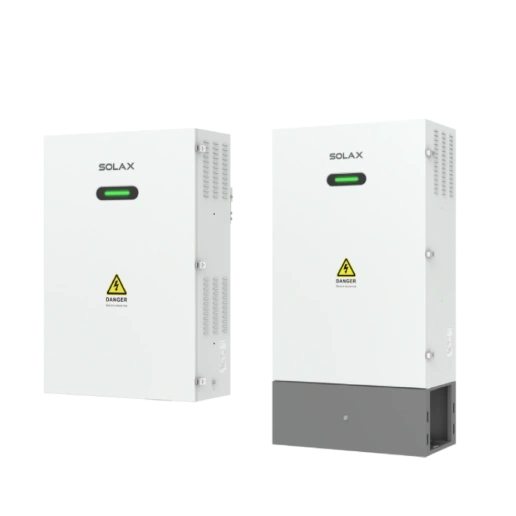
T-BAT-SYS-HV-S2.5: LFP chemistry, modular capacity range 5.12 kWh to 33.28 kWh, max charge/discharge current 50 A, and IP65 ingress protection.
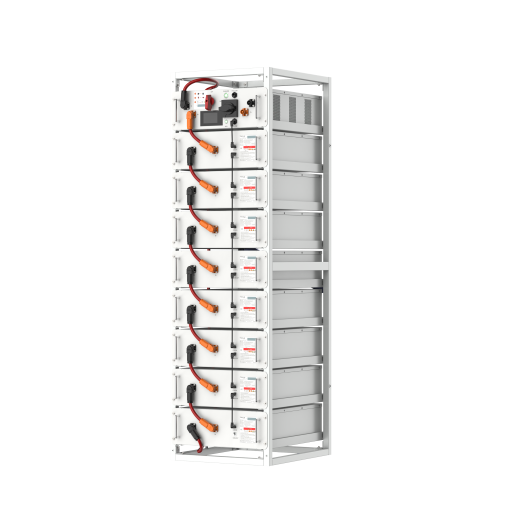
SolaX T-BAT-SYS-HV-5.8: LFP chemistry, examples shown with nominal energy values such as 17.3 kWh and ingress protection IP66, with a max charge/discharge current listed as 35 A for the battery module.
Decision context: higher IP ratings help when the battery storage is in a garage or outdoors, but you still need correct clearances and listed installation conditions.
Decision Guide
Safety goal: propagation, not ignition
Decision context: no lithium chemistry makes you immune to failures, so choose based on how the system behaves when something goes wrong. Ask for evidence that the system limits propagation and provides clear fault isolation. UL 9540A exists because propagation behavior is the difference between a contained event and a structure-impacting event.
Install location: indoor vs outdoor
Use location to guide conservatism:
Indoor: prefer strongest documentation and separation
Attached garage: prioritize clearances, impact protection
Outdoor: prioritize enclosure rating and weatherproofing
UL Solutions notes UL 9540A is referenced in installation code discussions for ESS, which is why AHJs often ask about it when the installation geometry is tight.
System architecture: integrated vs modular
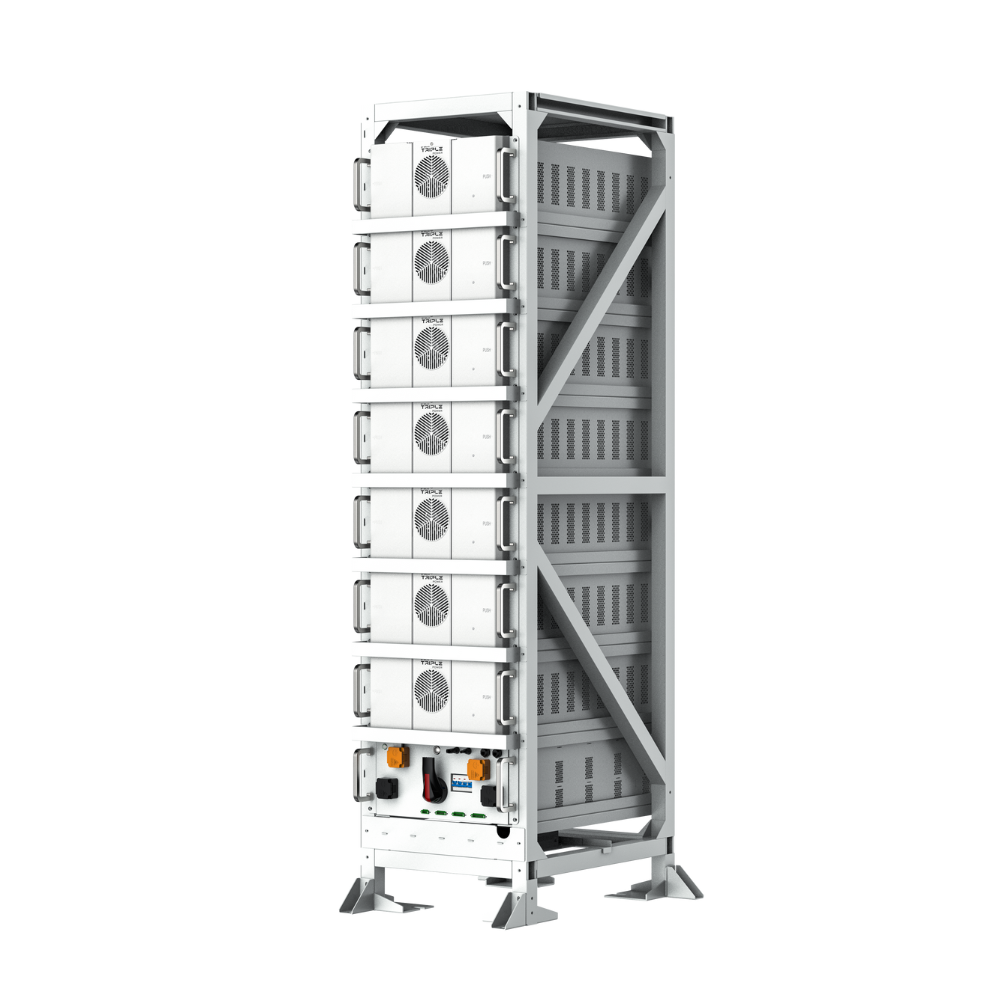
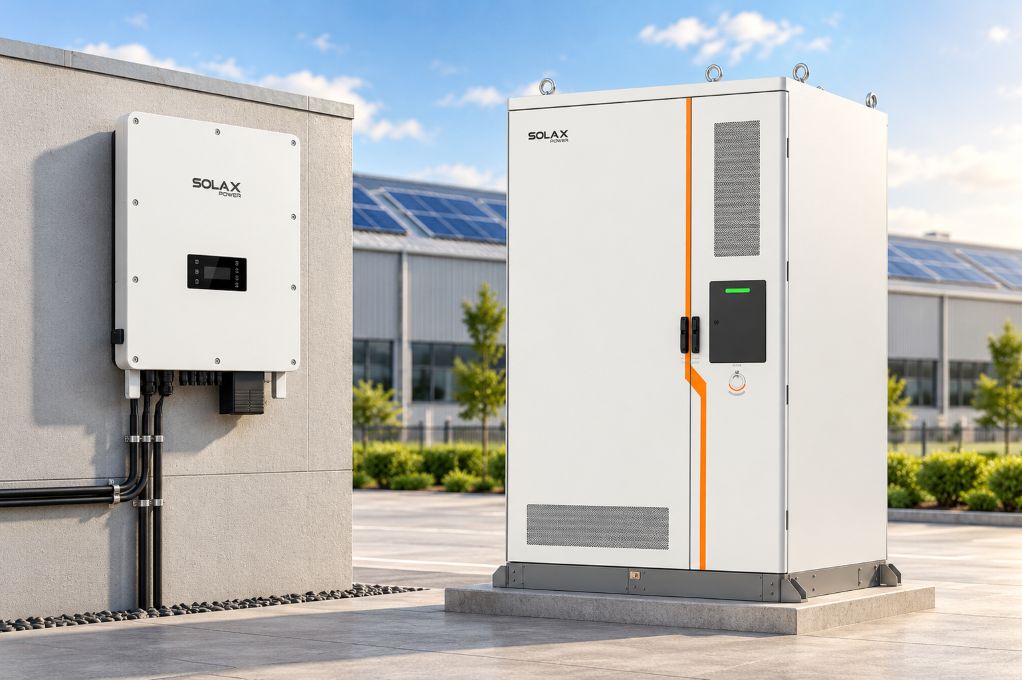
Integrated systems can simplify compliance if the configuration is fixed and documented. Modular stacks can be excellent, but only when the expansion method stays within the listed configuration and the installer follows the spacing and stacking rules.
Proof to request (simple, repeatable)
Use a short proof list to avoid getting lost:
Proof item | What it answers | What to look for |
UL 9540 listing | System safety baseline | Exact model match |
UL 9540A scope | Propagation evaluation | Level and configuration |
Installation manual | Real install constraints | Clearances, location |
Single-line diagram | Electrical safety | Disconnects, labels |
Conclusion
LFP vs NMC is a useful safety discussion, but it is not the whole answer. LFP generally offers a stronger thermal stability baseline, while NMC often trades safety margin for energy density. Your real-world risk is mostly decided by the full energy storage system: BMS behavior, inverter integration, tested propagation evidence, and install location.
Your next step is practical: verify the system listing, confirm what UL 9540A scope applies to your layout, and choose an install location that reduces exposure if the worst happens. That is how you make solar battery storage safer without relying on chemistry marketing.
FAQ
Table of Contents
Latest News
Explore expert insights, practical guides, and the latest news on SolaX Power.


To the Latest Newsletter
Stay Ahead with the Latest SolaX Updates!
Subscribe
I have read and agree to Privacy Policy and User Terms