





















June 17, 2026
40°C Blackouts? Why India Needs Solar Battery Storage
Share my #SolaXStory


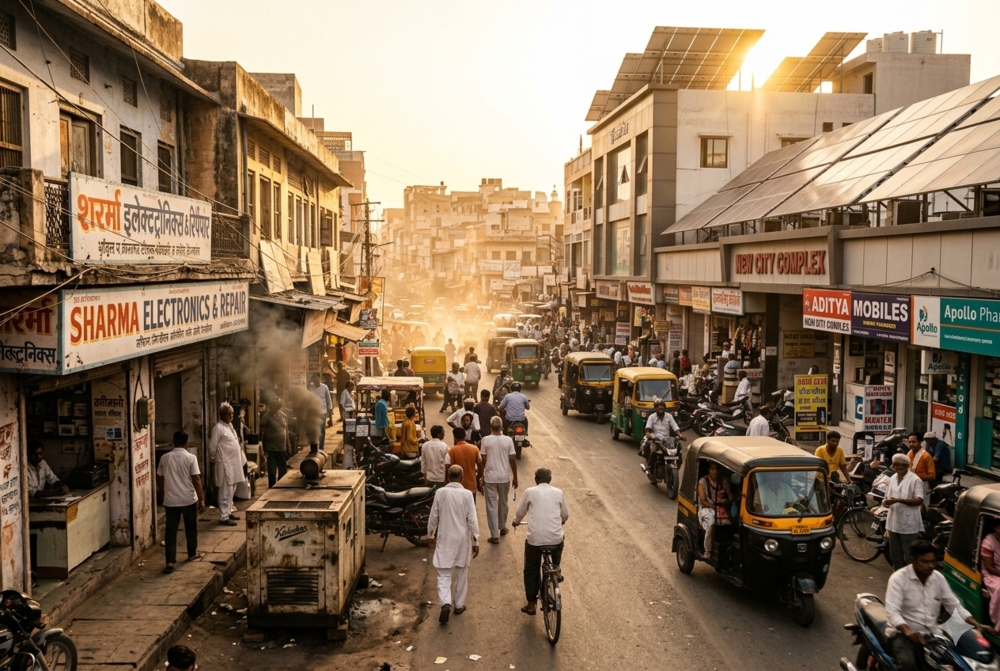
Walk through a north Indian city in May and the heat stops being a statistic. It becomes a thickness that slows every movement, forces shopkeepers behind drawn shutters at noon, and turns a routine power cut into a small domestic emergency. This is not an outlier summer. It is a lengthening season, and Indian cities now sit at the top of global temperature rankings with a regularity that borders on the monotonous. Climate data compiled by the World Meteorological Organization and analyzed by research groups repeatedly shows India hosting a disproportionate share of the world's hottest urban areas. In any given week, well over forty of the hundred hottest cities on Earth lie inside India's borders. Churu, Nagpur, the western edges of Delhi, a string of towns across Rajasthan and Uttar Pradesh – they trade places on these lists as though competing for a title no one wants.
The human consequence is visible everywhere: outdoor work shifts to dawn and dusk, schools close during heatwaves, and hospitals report surges in heat-related illness. Yet demand for comfort cooling remains vastly undeserved. According to an analysis by the International Energy Agency, only about one in ten Indian households owned an air conditioner as of recent estimates. In East Asia or the Gulf, the figure tops eighty per cent. Most families still rely on a ceiling fan, a desert cooler, or simple endurance. But that low base is precisely what makes the coming wave so disruptive. The same IEA report projects that India's AC stock could surpass one billion units within a few decades, driving a surge in electricity consumption that few grids could absorb without fundamental change.
The Grid's Summer Ritual and Power Outages
India's electricity network, for all its expansion since the historic 2012 blackout, still leaks energy at a troubling rate. Data from the World Bank puts aggregate transmission and distribution losses at around 20% of output, and in some states the figure runs significantly higher. Part of the loss is technical – ageing conductors, overloaded transformers, and long rural feeders – but a substantial slice is commercial: unmetered connections, billing gaps, and a tangle of legacy infrastructure. The result is a system where a large share of every generated megawatt-hour never generates revenue or reaches a paying home or factory.
When a late-afternoon heatwave pushes millions of AC compressors to start at the same moment, the gap between supply and demand widens dangerously. India's grid operator, POSOCO, regularly reports frequency dips during peak cooling hours. Voltage swings and local blackouts follow as predictably as the humidity, especially in secondary cities and industrial clusters. A study by the Observer Research Foundation noted that power interruptions remain among the top concerns for small and medium manufacturers, affecting everything from machine uptime to cold-chain integrity. Factories lose production hours, commercial buildings go dark, and households settle in for another sweltering night without even a fan, driving the urgent need for a reliable solar battery storage system.
Diesel, UPS, and the Real Cost of Backup Power
Power cuts in India are not met with quiet acceptance; they are met with the rattle of a diesel generator. India is one of the world's largest markets for diesel generator sets, a fallback that has become a near-permanent fixture for commercial and industrial users. The International Energy Agency's India Energy Outlook notes that diesel backup generation accounts for a non-trivial share of total electricity supply, particularly during grid-constrained hours. The economics, however, are punishing. Diesel-generated power is several times more expensive than grid electricity, and most cost estimates do not factor in noise, maintenance, or the fumes that exacerbate already-poor urban air quality.
For households, the backup picture is more fragmented. Many rely on simple inverter-battery setups that can run a few lights and fans but collapse under the load of an air conditioner. Others defer to a diesel generator shared by a housing society, or simply endure the dark. As extreme heat becomes a public health crisis rather than an occasional discomfort, the inadequacy of existing backup comes into sharper focus. The World Health Organization reports that exposure to extreme heat can trigger cardiovascular and respiratory complications, and for the elderly or chronically ill, a prolonged blackout is not merely inconvenient – it can be deadly.
Sunlight When It Is Needed Most — and India's Quiet Renewable Build-up
India is already one of the world's largest renewable energy markets. According to the latest figures from the Ministry of New and Renewable Energy (MNRE), the country's total installed renewable energy capacity, excluding large hydro, exceeded 160 GW by early 2025. Solar photovoltaic capacity alone accounts for more than 80 GW of that total, with wind contributing a further 46 GW. The government has committed to reaching 500 GW of non‑fossil fuel capacity by 2030, a target that has accelerated everything from utility‑scale auctions to rooftop solar programmes and domestic manufacturing. This growth is not simply a supply‑side statistic; it is the foundation on which a more resilient, distributed energy architecture is being built.
A solar panel produces its strongest output around midday, exactly when cooling loads peak. Pair that panel with battery storage, and the surplus can be shifted into the late afternoon and evening — the hours when air conditioners are still humming but the rooftop array has gone quiet. This is not a concept waiting for a pilot. In many Indian states, the levelised cost of a solar energy storage system for a commercial user now undercuts diesel generation comfortably, even before factoring in the value of reliability and clean air. A recent CEEW analysis of C&I tariffs and solar-plus-storage costs shows accelerating parity, making the business case stronger with every rise in diesel fuel prices.
Hardware That Fits the Reality
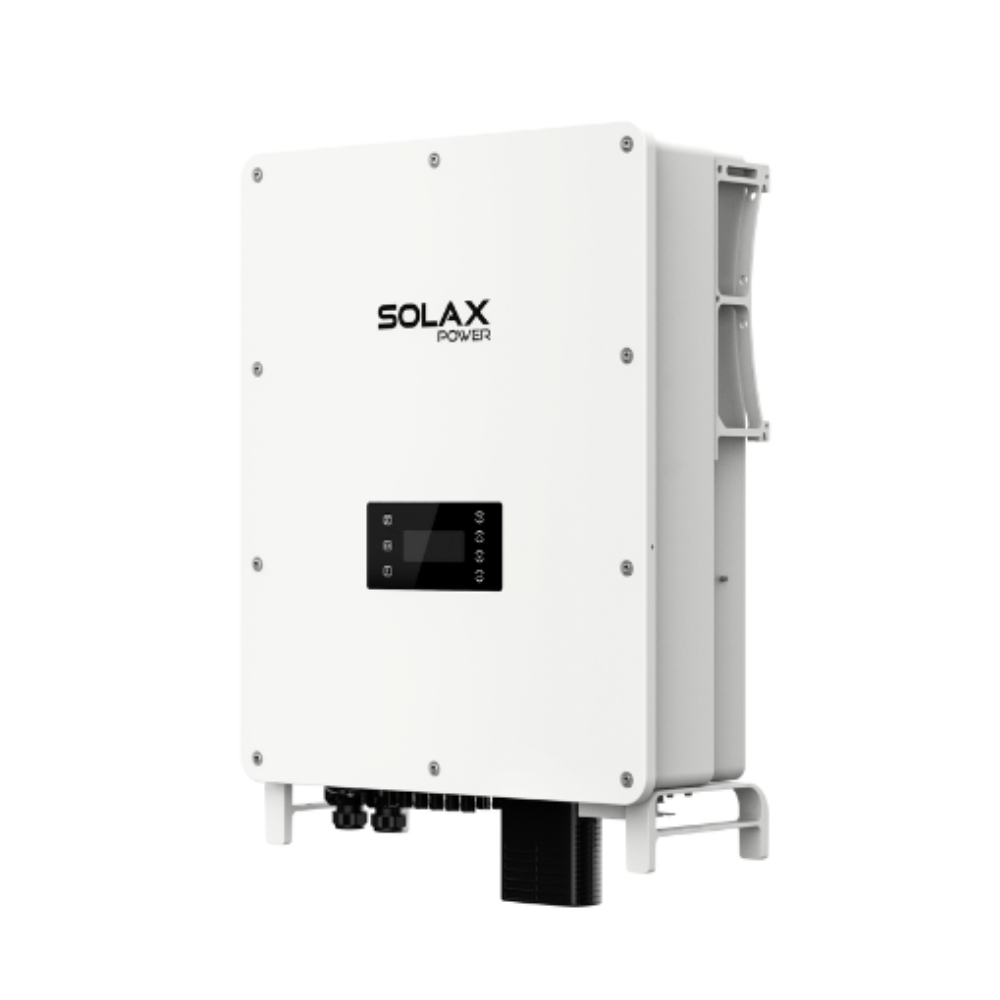
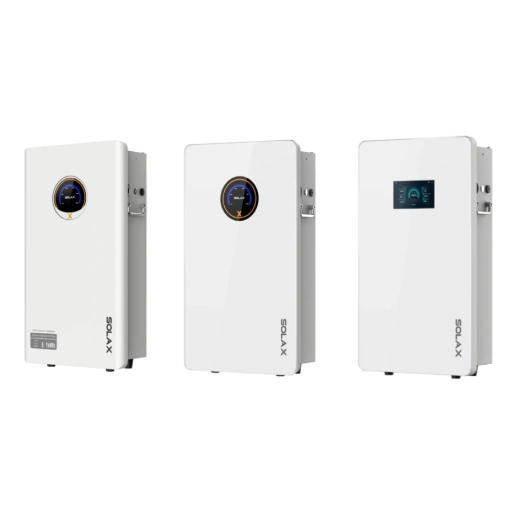
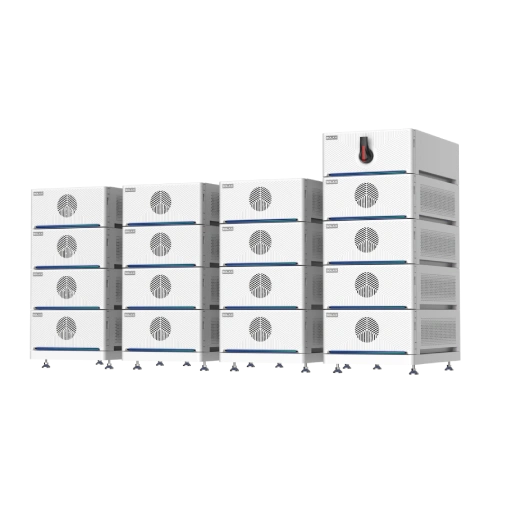
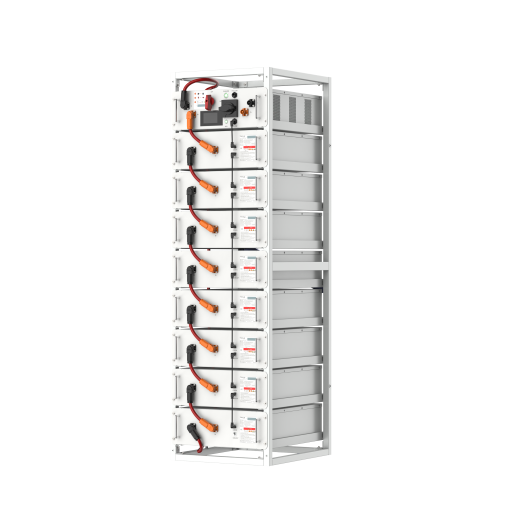
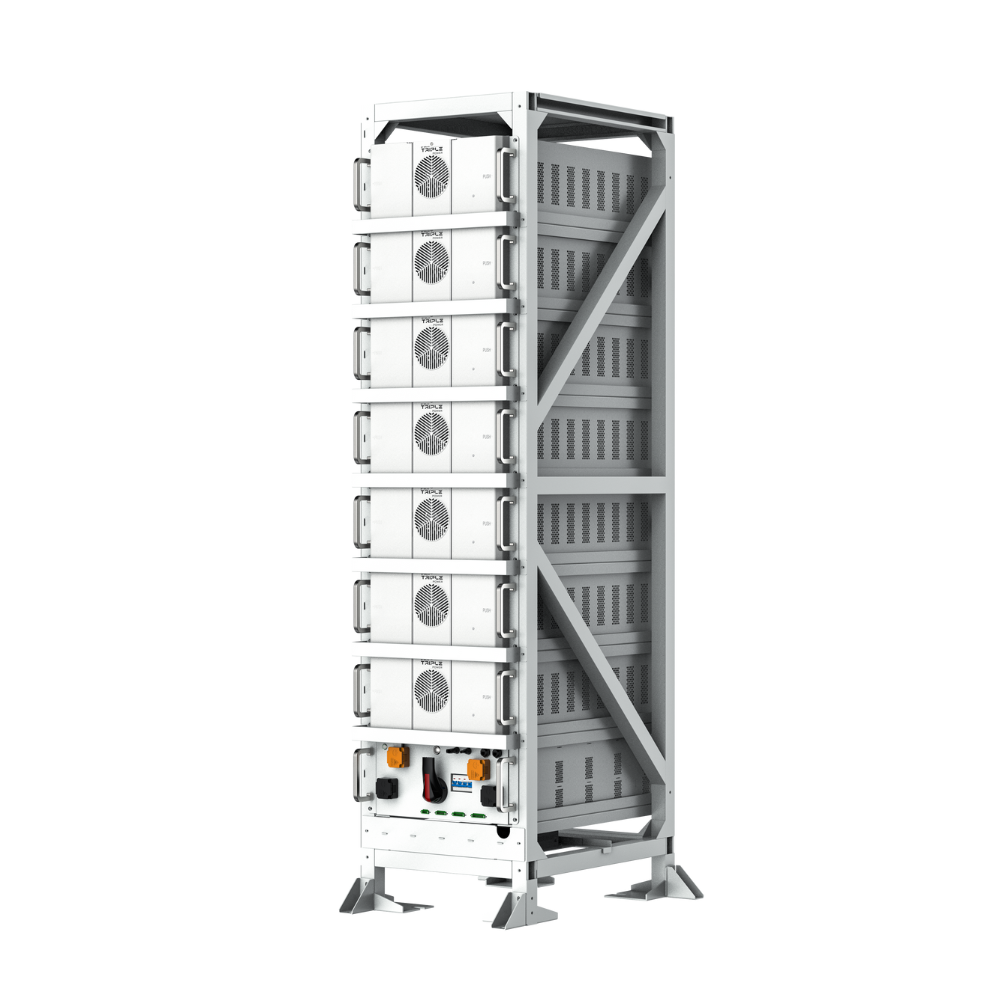
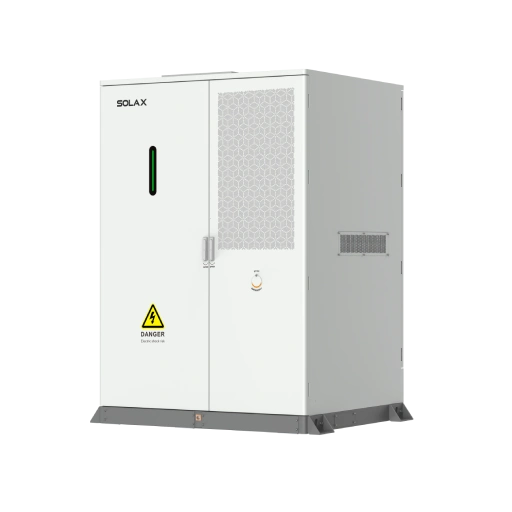
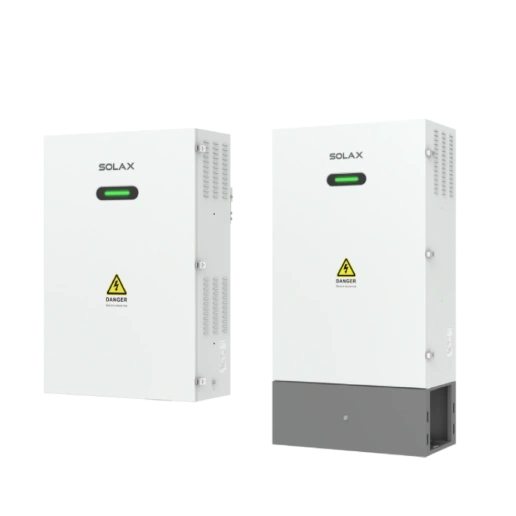
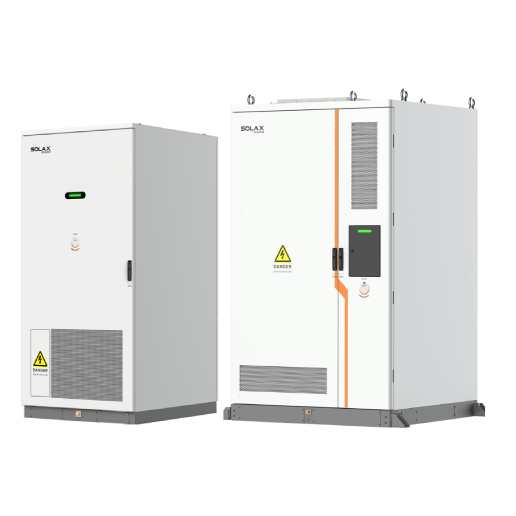
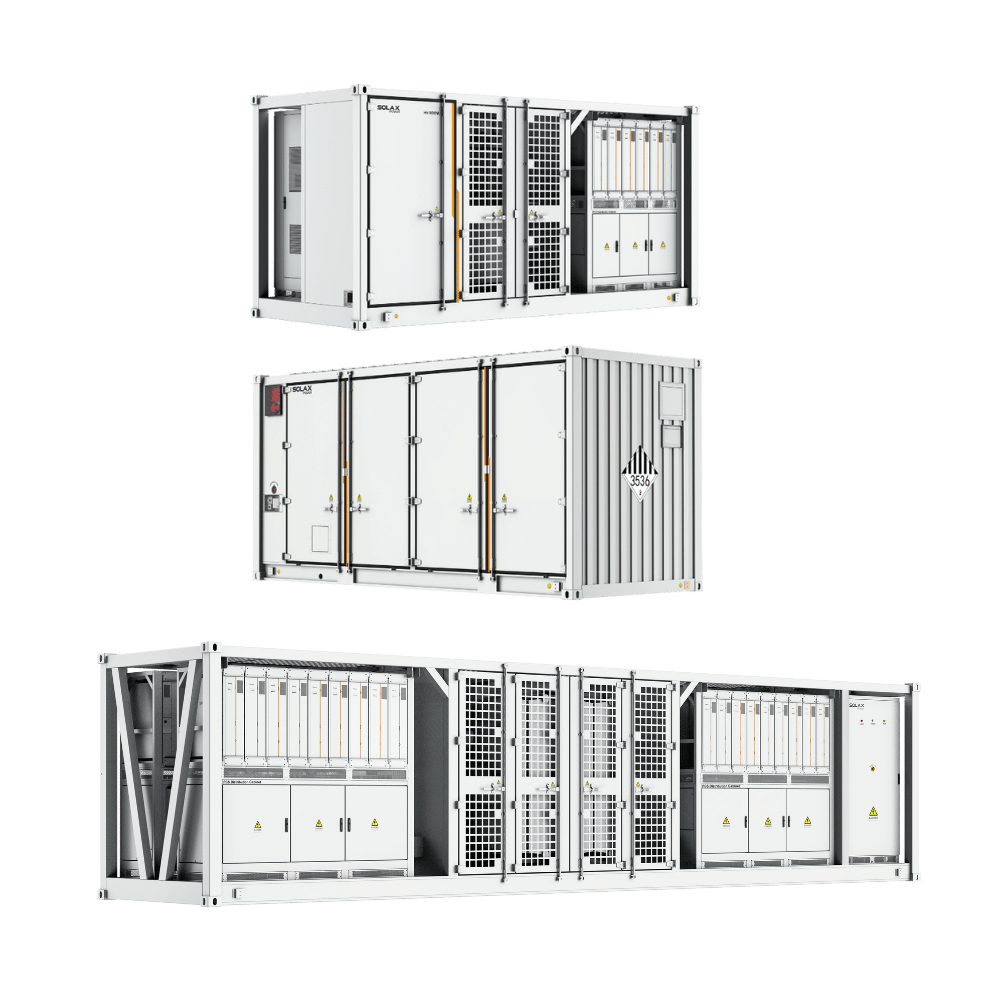
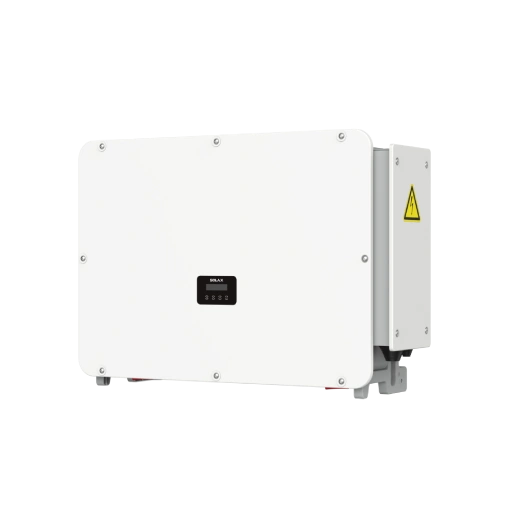
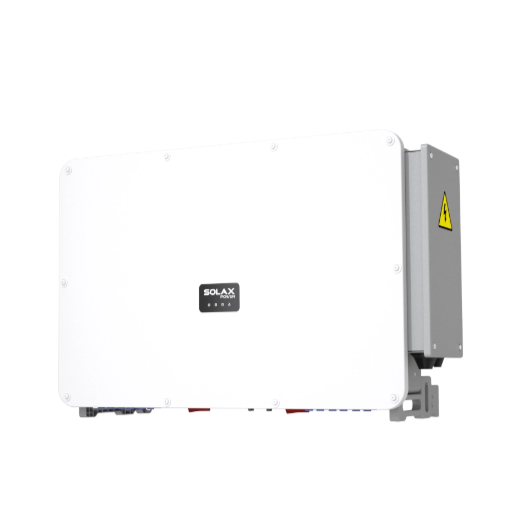
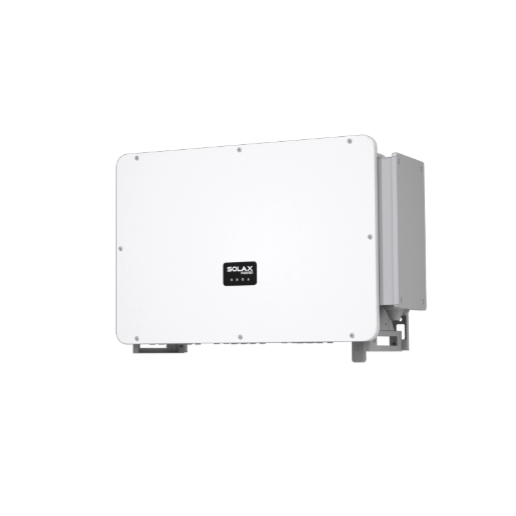
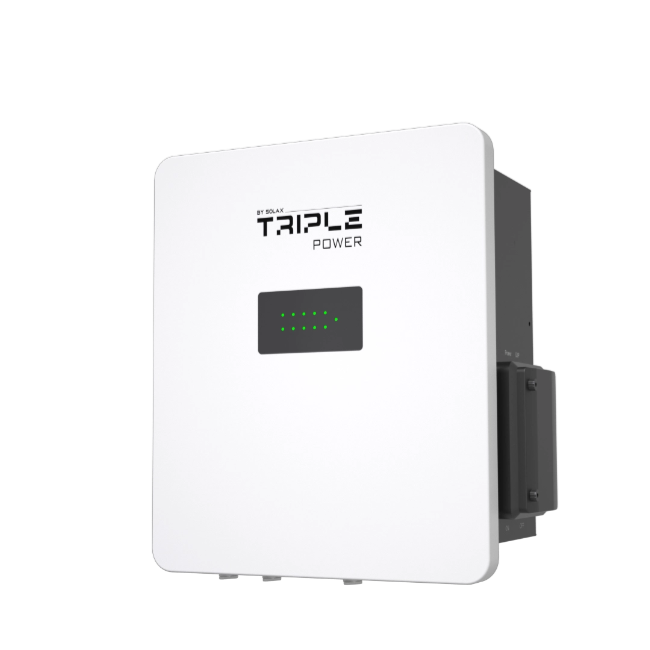
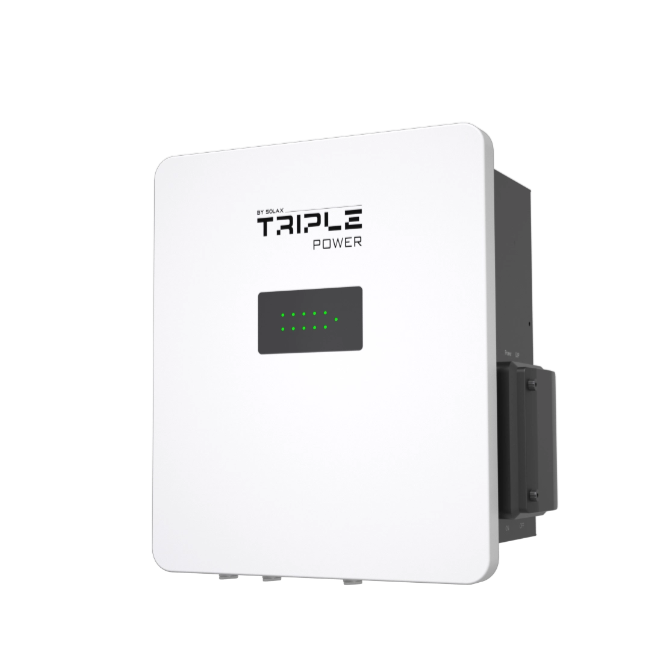
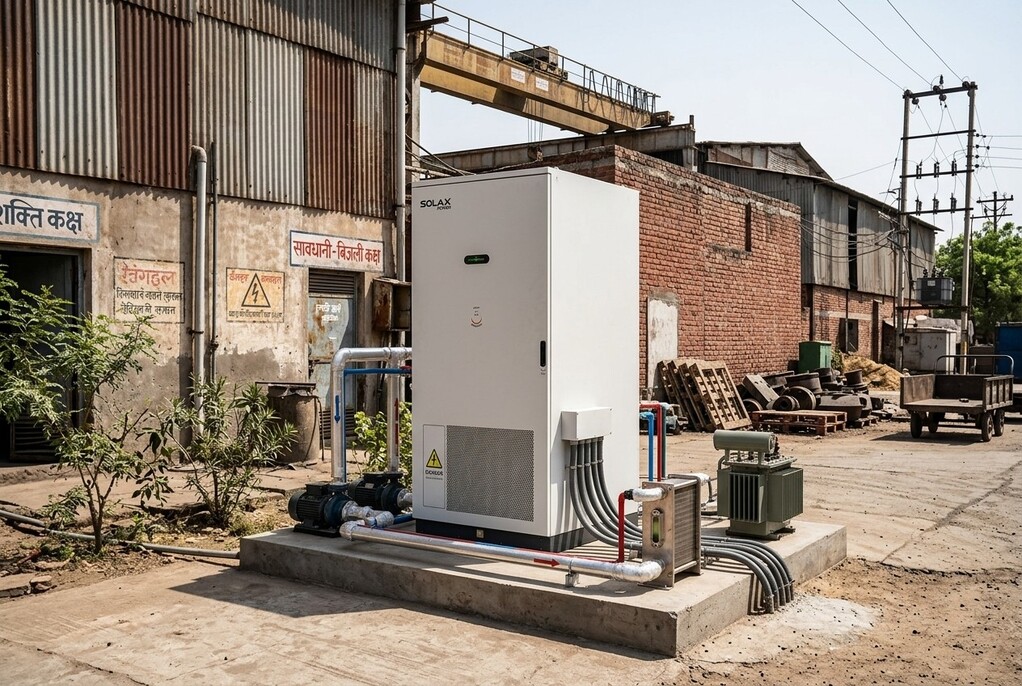
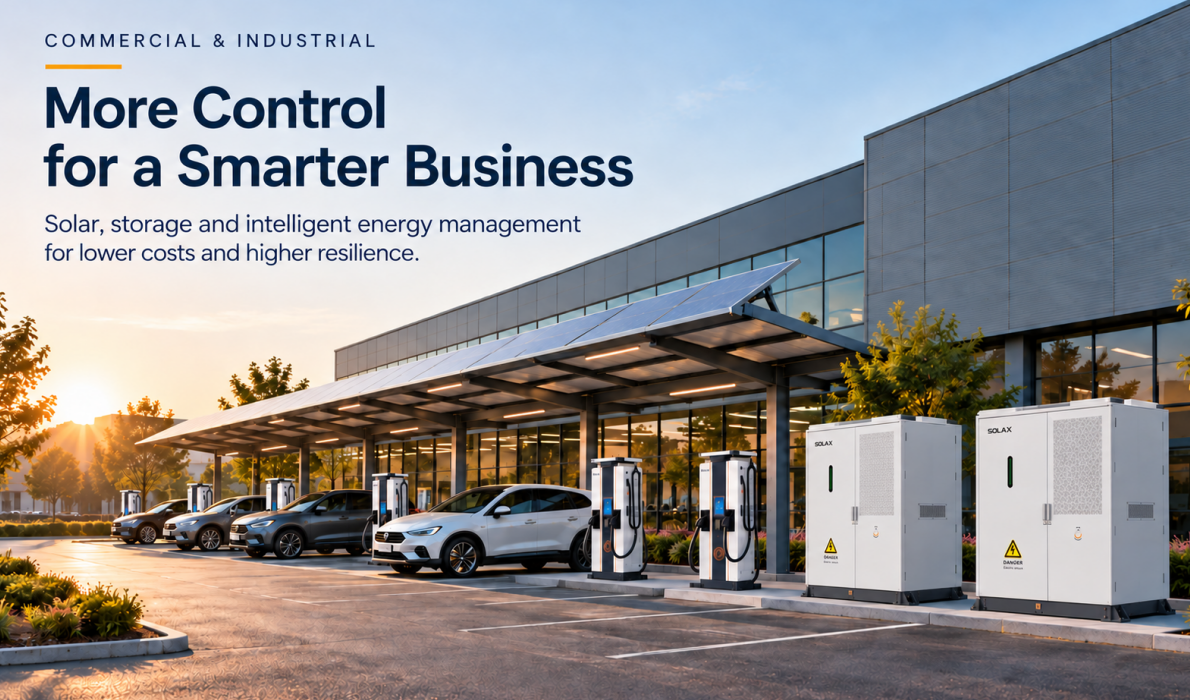
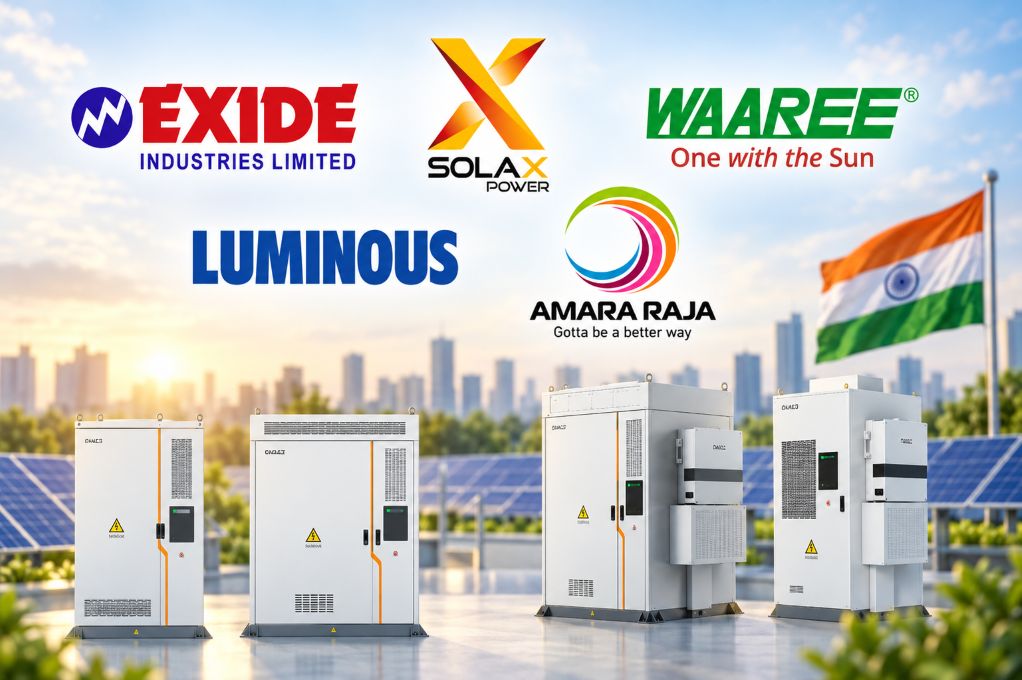
SolaX has shaped its Indian offering around this exact reality, not as a distant promise but as hardware that works under the subcontinent's punishing conditions. For the commercial and industrial segment, the company has developed the TRE261, a liquid-cooled battery cabinet designed as a cost-optimized workhorse for commercial solar storage. Liquid cooling is not a marketing flourish in India; it keeps cells within safe operating limits when the ambient air is already beyond 40°C and fan-cooled units begin to lose their nerve. The system integrates with existing solar and targets a price point where a diesel generator starts to look like an increasingly archaic habit. More on that approach sits on the commercial and industrial solutions.
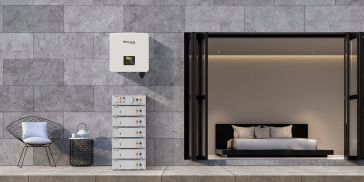
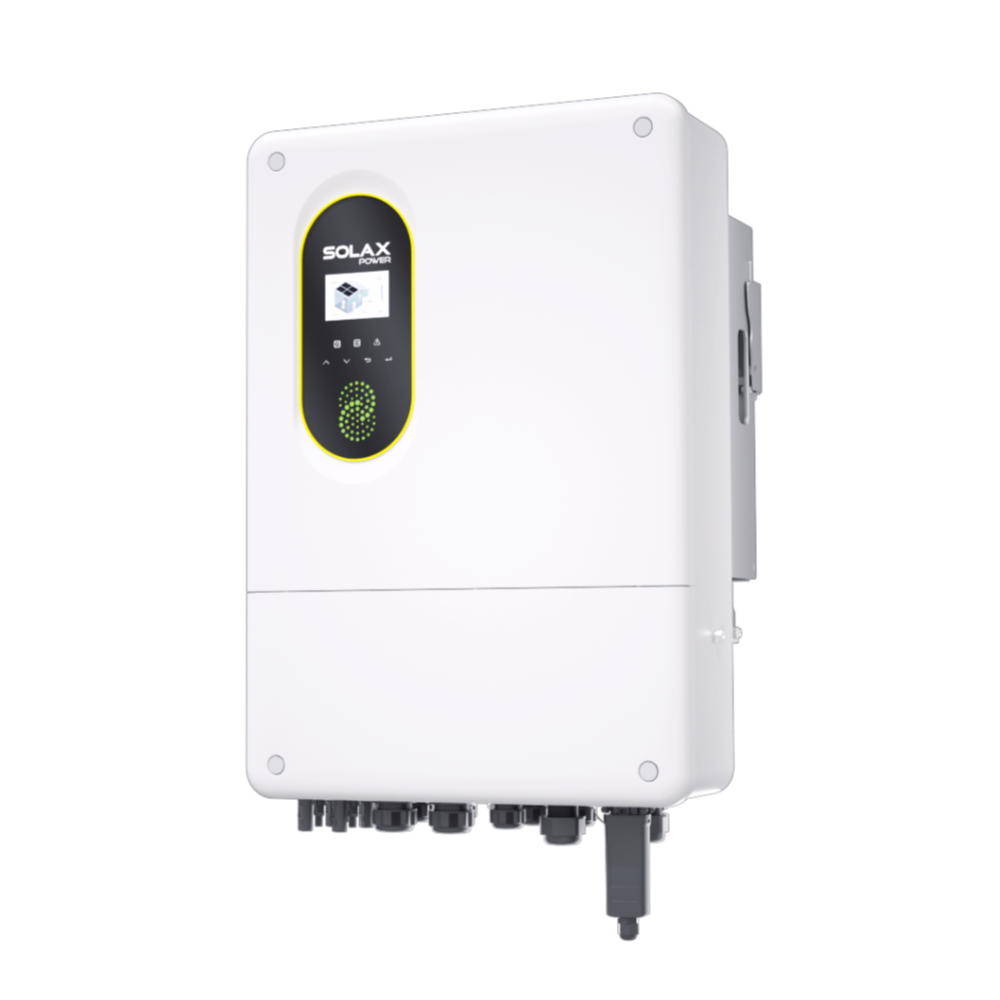
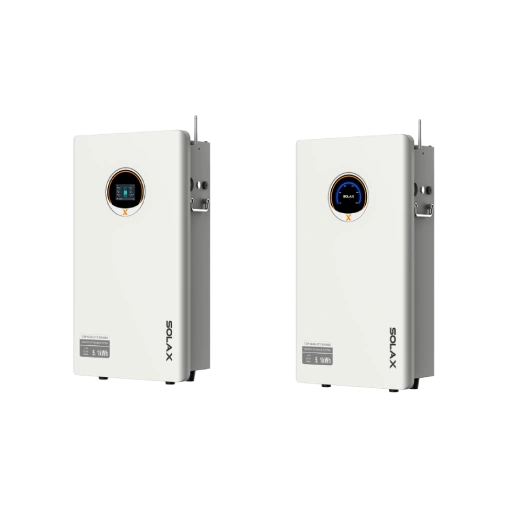
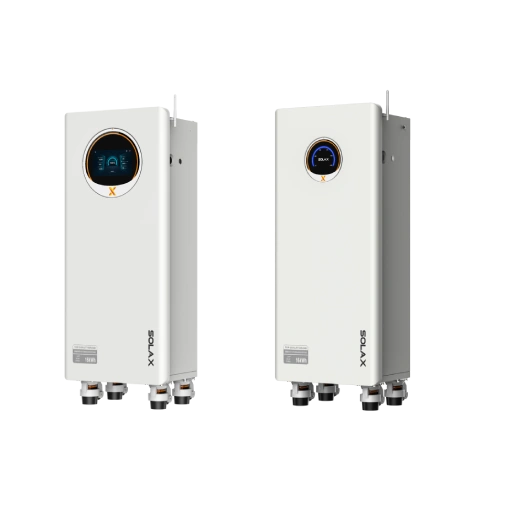
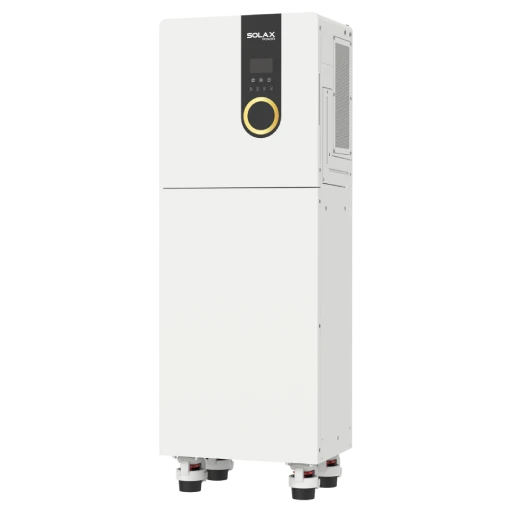
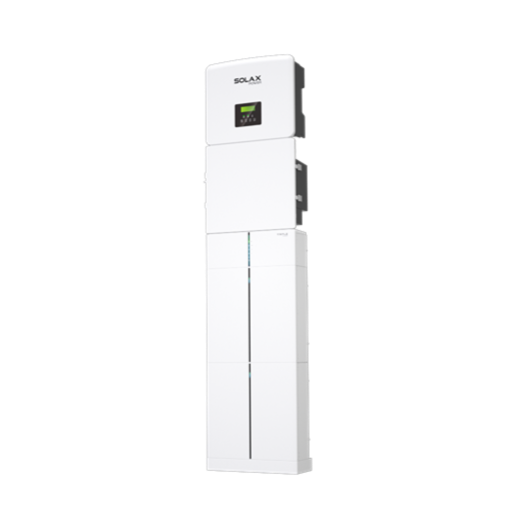
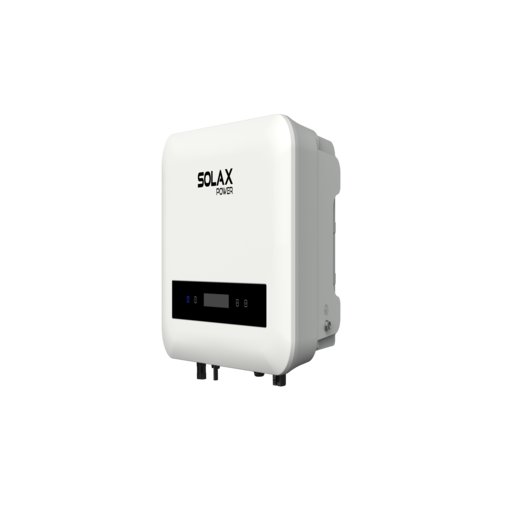
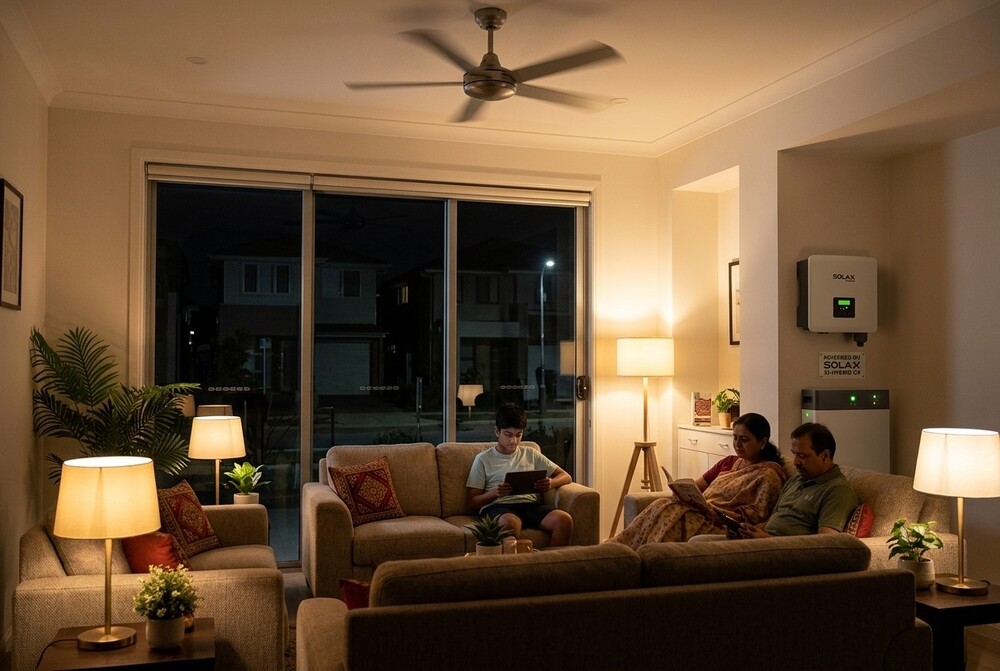
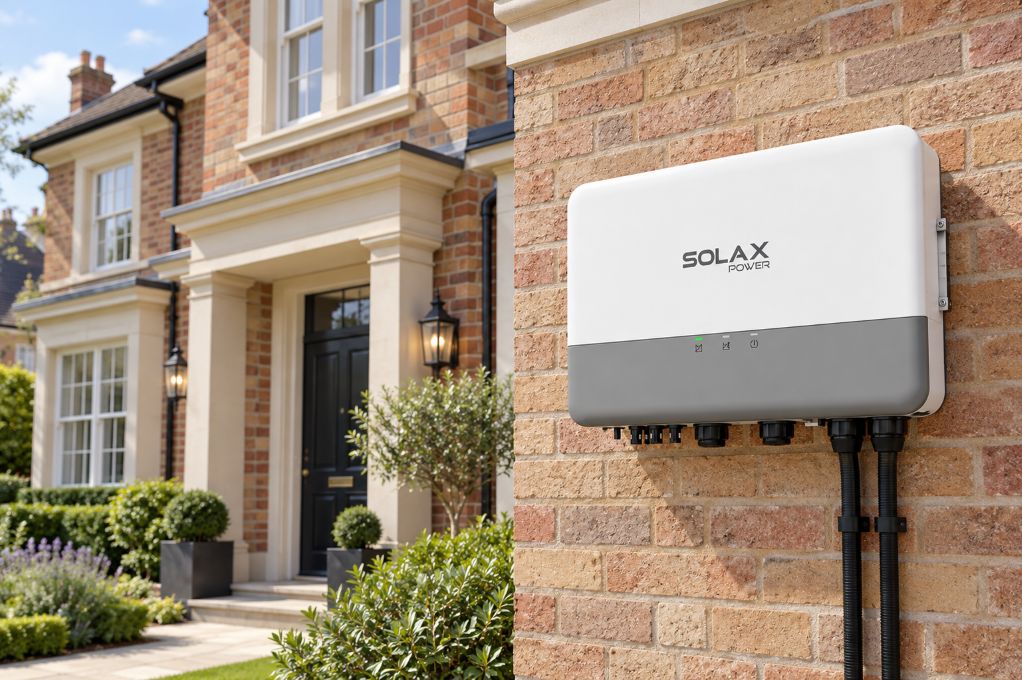
On the residential side, the X1-Hybrid G4 inverter offers a single-phase entry into a world where load-shedding becomes an inconvenience rather than a crisis. It lets a family build a backup supply step by step – panels first, then a home battery backup – with enough intelligence to manage consumption sensibly. The wider residential energy storage solutions portfolio, covering three-phase as well, is outlined on the residential solutions.
A Quiet Kind of Dignity — and a Hint of System Change
No piece of hardware rewires a stressed grid or cools a warming planet on its own. But the underlying logic has a stubborn, practical appeal: collect energy when the sun is at its most brutal, store it, and release it when the grid is gasping. For a nation that hosts so many of the world's hottest cities, and where diesel fumes and dark nights have been accepted as the price of development, the spread of clean, distributed backup represents something beyond convenience. It is a small, scalable form of resilience. And as India's heat deepens and its grid groans, that resilience may be the most honest answer to a climate that gives no quarter. With SolaX, you've got the power.
Table of Contents
Latest News
Explore expert insights, practical guides, and the latest news on SolaX Power.


To the Latest Newsletter
Stay Ahead with the Latest SolaX Updates!
Subscribe
I have read and agree to Privacy Policy and User Terms