












June 16, 2026
Hybrid Inverter vs String Inverter: Which Offers More Stability for Solar + Battery Systems?
Share my #SolaXStory


Which solar plus storage path creates fewer headaches?
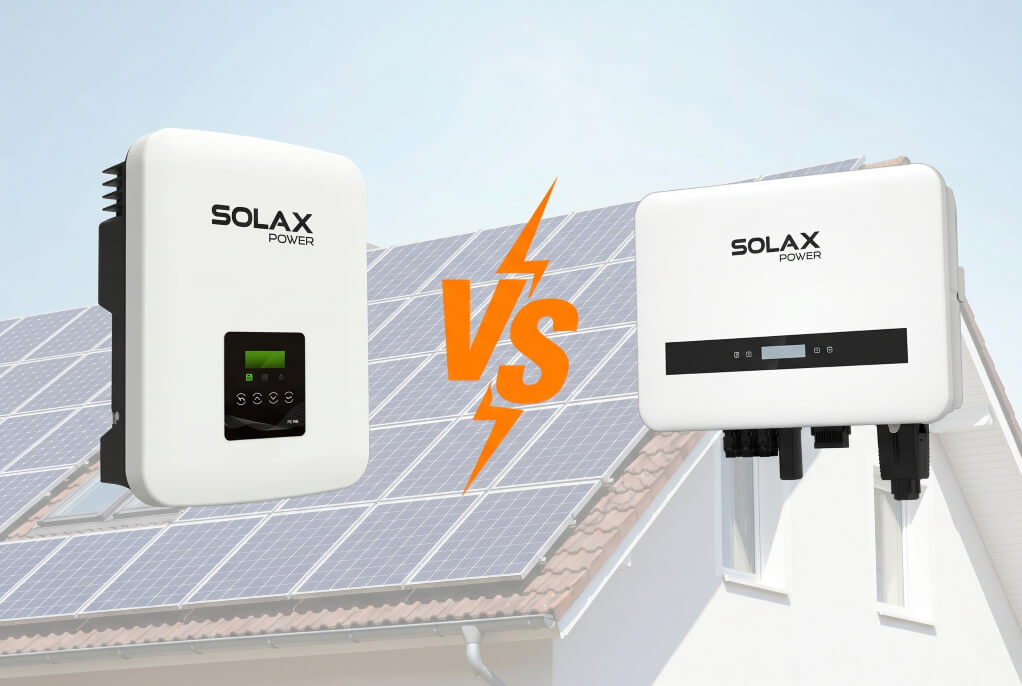
Backup failure gets expensive fast. If your solar battery system stability matters more than squeezing out a tiny efficiency gain, the real choice is not just inverter type. It is system architecture. In practice, a hybrid solar inverter usually feels more stable because one device manages PV, battery, backup output, and control logic together, while a string-inverter route often adds extra handoffs between devices.
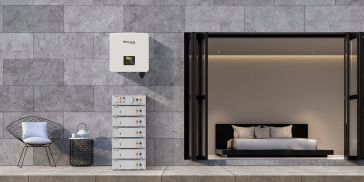
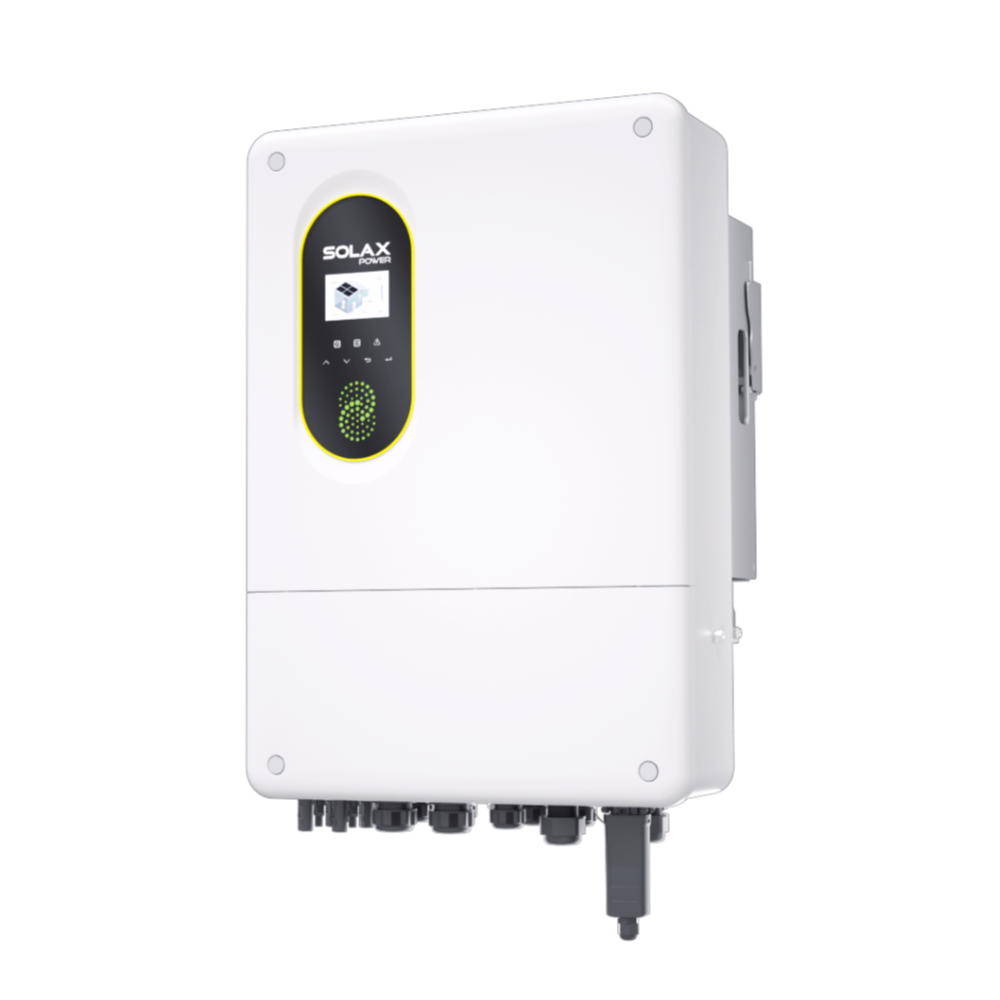
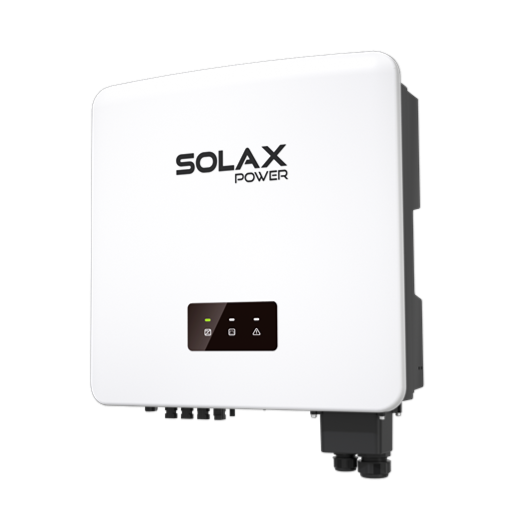
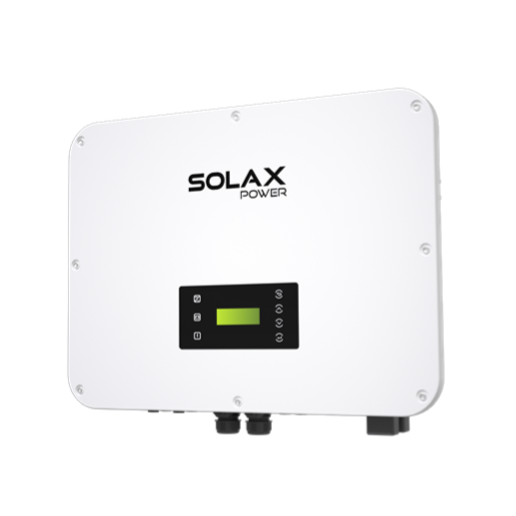
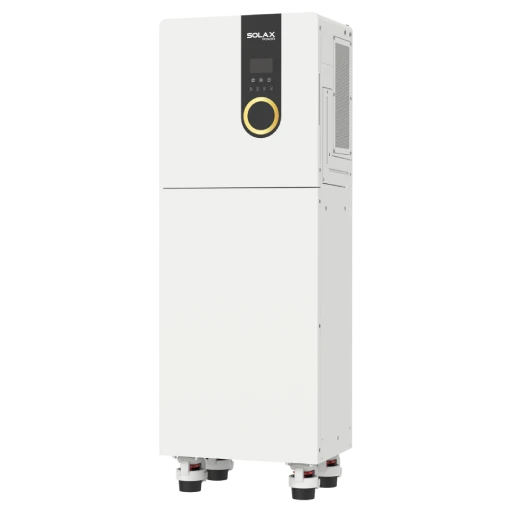
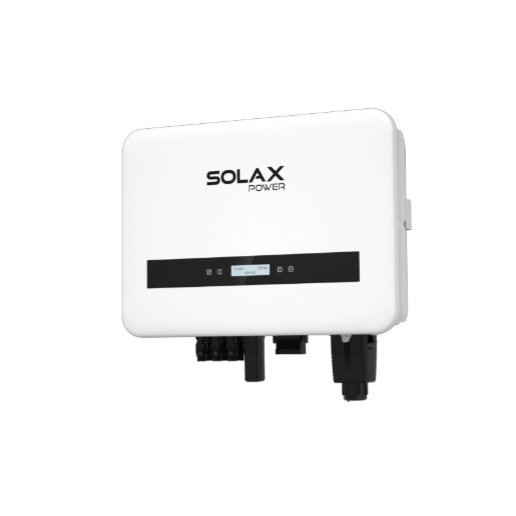
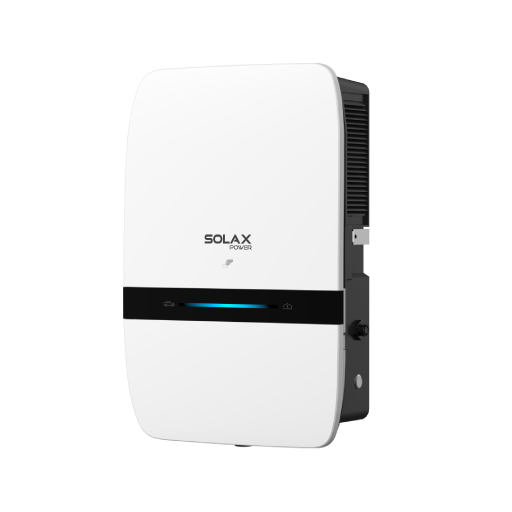
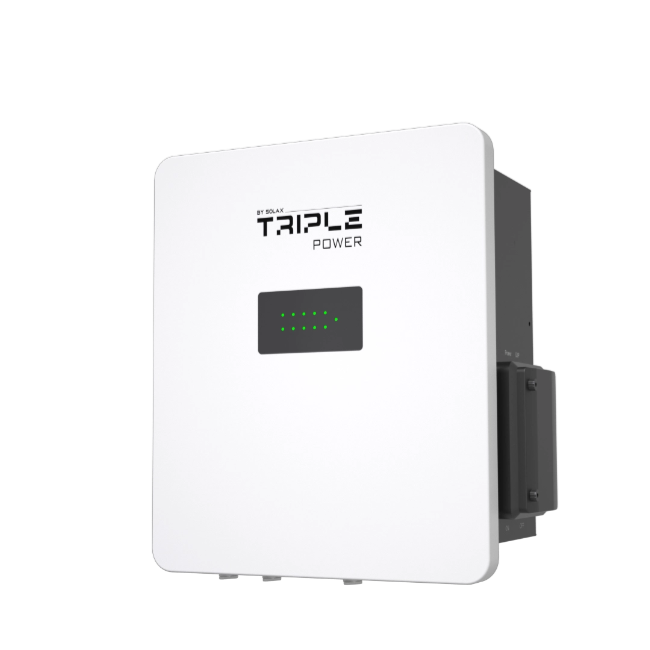
SolaX's residential lineup shows that split clearly: the X1-HYBRID G4 is designed as an integrated hybrid platform, while the X1-FIT G4 and X1-AC represent retrofit-style AC-coupled paths for homes adding storage later.
Why system stability matters more than peak efficiency
A stable system is the one that behaves the same way on a normal day, during a cloudy afternoon, and when the grid drops. That means fewer nuisance faults, clearer battery dispatch, and less confusion for your installer when service is needed. SolaX positions its residential energy storage inverters around battery management and backup/off-grid operation, which is exactly where homeowners notice the difference most.
Stability usually comes down to four things
Backup switching speed and consistency
Battery charging and discharge coordination
Monitoring in one app or across multiple devices
How many components must talk to each other
SolaX hybrid inverter route: built for one-brain control
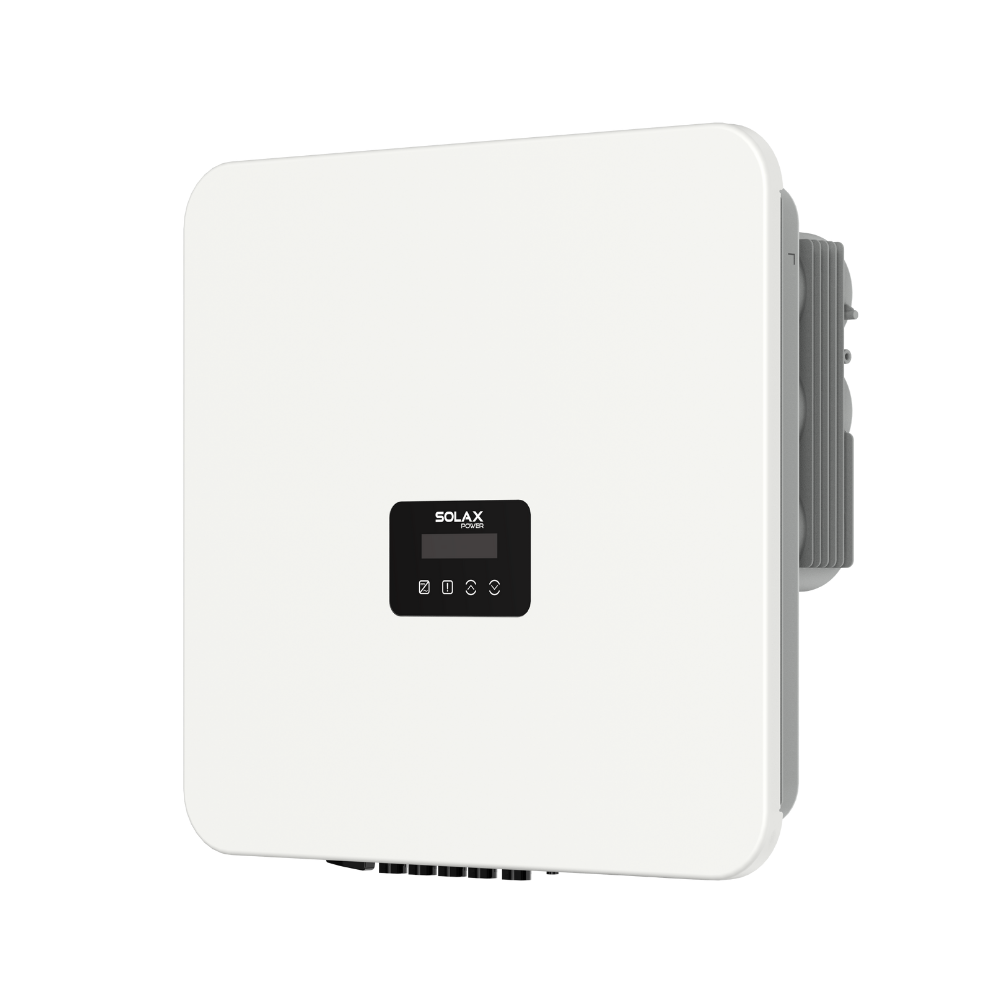
If you are planning a new solar plus storage install, the SolaX X1-HYBRID G4 is the cleaner path. It combines PV input, battery control, and EPS backup in one chassis, with single-phase models from 3 to 7.5 kW listed in the product range. On the 5 kW model, rated EPS output is 5000 VA with 7500 VA peak for 10 seconds; the 7.5 kW model reaches 11250 VA peak for 10 seconds. The unit is IP65 rated and measures 482 x 417 x 181 mm, so it is designed for outdoor-capable residential installation rather than a complex multi-box layout.
The tradeoff is straightforward: this route puts more responsibility on one main device. That is usually good for coordination, but it also means correct sizing, battery matching, and backup-circuit design matter from day one.
String inverter route: familiar, but more layered
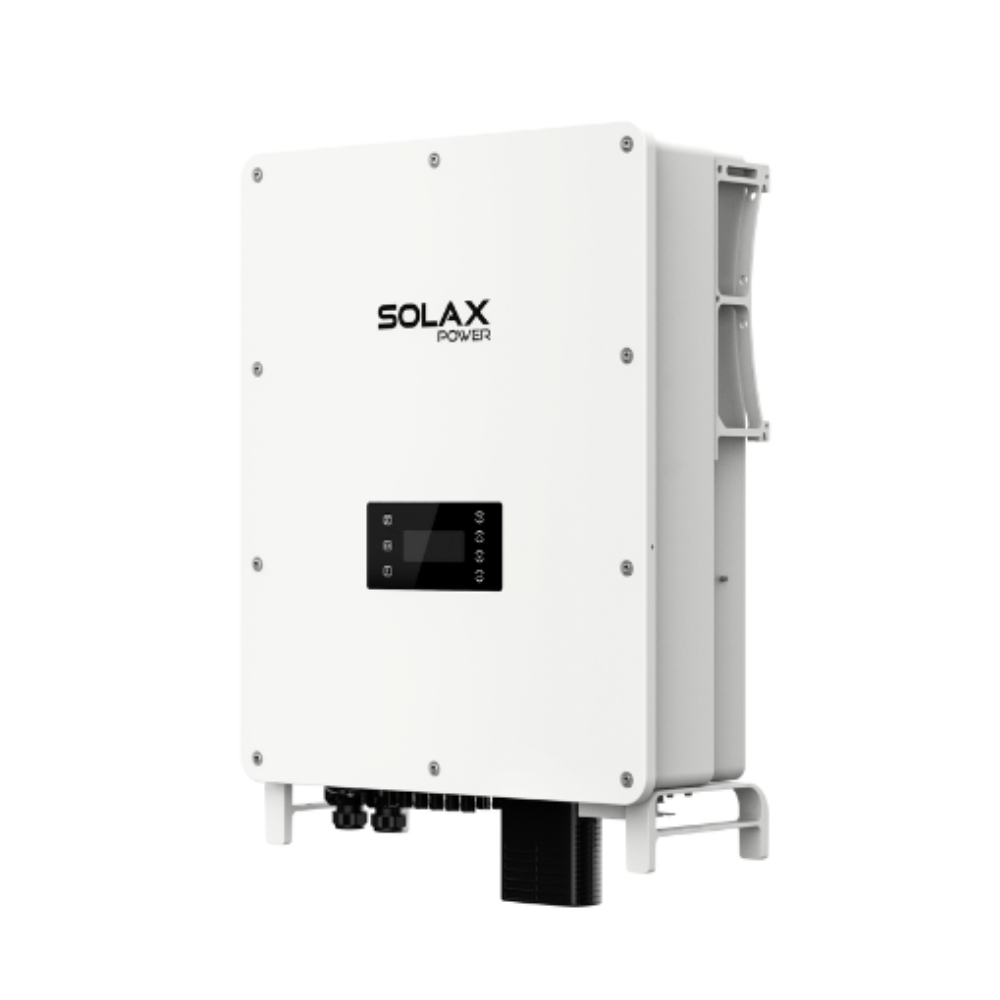
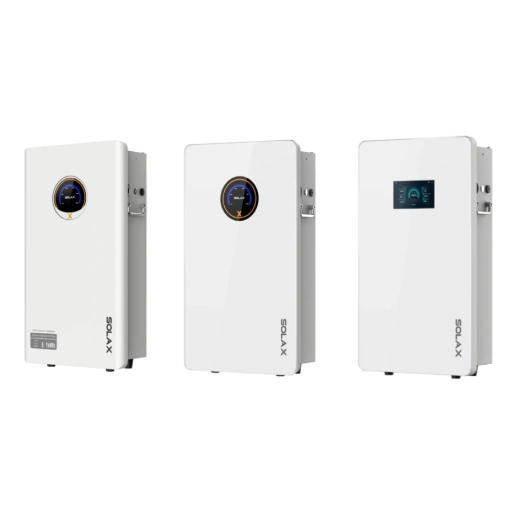
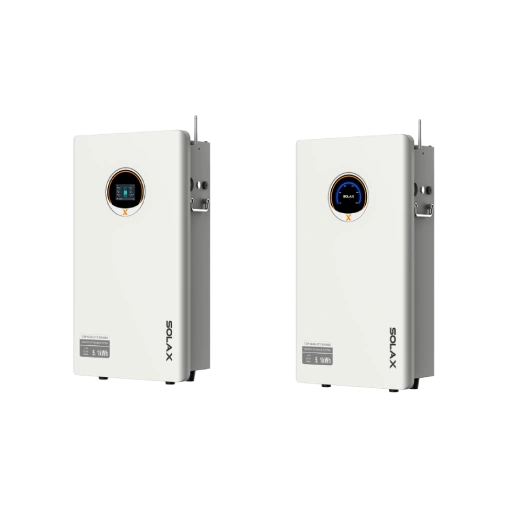
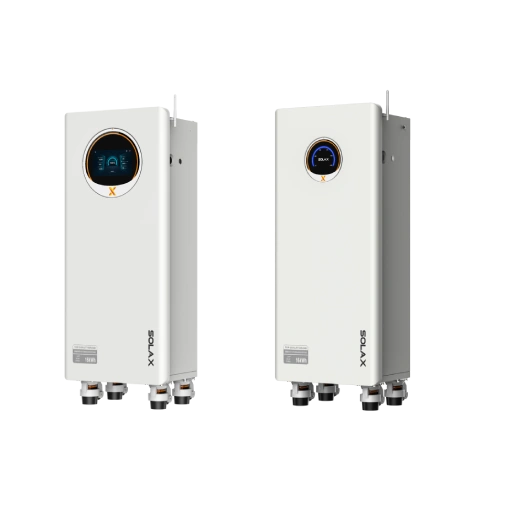
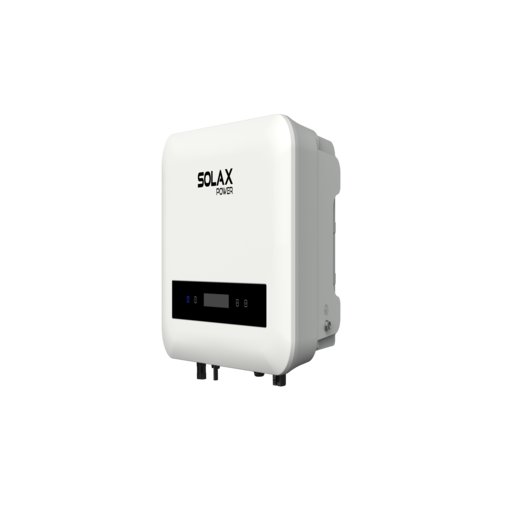
For an existing PV system, the retrofit path can still be the best fit. SolaX's X1-FIT G4 is built for storage upgrades, and the broader lineup also includes the X1-AC AC-coupled battery inverter for retrofit scenarios. The X1-AC range covers 3 to 5 kW, offers up to 97% efficiency, and uses natural cooling for quieter, lower-maintenance operation. Meanwhile, the X1-FIT G4 carries IP65 protection, 482 x 417 x 181 mm dimensions, and switch time below 10 ms on the cited spec section.
This path stays practical when you want to keep an existing string inverter. Still, more devices can mean more communication dependencies, more commissioning steps, and more places for monitoring data to split.
Where does each topology feel more stable?
Backup switching under real outages
Hybrid systems usually feel steadier in an outage because backup logic is native to the inverter. The X1-HYBRID G4 lists switchover time below 10 ms and dedicated EPS output specs tied directly to battery-backed operation. The X1-FIT G4 retrofit route also lists switch time below 10 ms, but the overall architecture still depends more on how the existing PV inverter, battery inverter, and protected loads are arranged.
Battery charging logic and control
With a hybrid solar inverter, battery dispatch is native. That usually means fewer translation layers between solar production, battery state of charge, and backup reserve settings. By contrast, an AC-coupled string route can work well, but it has to coordinate battery behavior around an inverter that was not originally the single control center.
Monitoring in one place or many
Unified monitoring is one of the strongest reasons to go hybrid. SolaX frames its platform around hardware plus SolaXCloud and smart energy management tools, which makes it easier to see production, storage, and operating modes in one workflow. A retrofit system can still be manageable, but you are more likely to deal with split data sources or installer-only diagnostics depending on what was already on site.
Comparison table: best fit by stability priority
Dimension | X1-HYBRID G4 | X1-FIT G4 / X1-AC retrofit path |
Best project stage | New solar + battery | Add battery later |
Control architecture | Single-brain | Multi-device |
Backup coordination | Native EPS path | Depends on layout |
Monitoring | More unified | Often more layered |
Installation style | Cleaner new install | Strong retrofit option |
Flexibility with existing PV | Lower | Higher |
Example power range | 3-7.5 kW | 3-7.5 kW / 3-5 kW |
Protection rating | IP65 | IP65 |
Limitations | More platform dependence | More handoffs to manage |
Which setup fits your project stage?
New build solar plus battery
Go hybrid if you want the fewest moving parts. The X1-HYBRID G4 is better aligned with a fresh install because PV, battery, and backup are planned together. That usually reduces commissioning friction and makes long-term service easier to trace.
Existing solar adding storage later
Choose the retrofit route if your current string inverter is still working well and you do not want a full redesign. The X1-FIT G4 or X1-AC path can preserve more of the original system. You give up some architectural simplicity, but you may avoid replacing good hardware.
Homes prioritizing backup confidence
If backup confidence is your top concern, hybrid usually has the edge. It reduces coordination risk during an outage because the inverter already owns the battery and EPS logic. That matters even more because OSHA notes solar installations expose workers and systems to electrical hazards, so simpler commissioning and clearer operating boundaries are a real advantage, not just a convenience.
Conclusion
For most stability-first buyers, the best fit is the SolaX hybrid path. A hybrid inverter vs string inverter comparison becomes much simpler once you focus on outages, battery coordination, and monitoring clarity instead of only headline efficiency. If you are building a new solar plus storage system, the X1-HYBRID G4 is usually the more stable choice; if you are retrofitting storage onto existing PV, the X1-FIT G4 or X1-AC route stays practical.
FAQ
Table of Contents
Latest News
Explore expert insights, practical guides, and the latest news on SolaX Power.



To the Latest Newsletter
Stay Ahead with the Latest SolaX Updates!
Subscribe
I have read and agree to Privacy Policy and User Terms