












December 19, 2025
Top Energy Storage Solutions for Enhancing Stability in C&I Applications
Share my #SolaXStory


In today's commercial and industrial (C&I) sectors, energy stability is not just a necessity but a critical factor that can determine the success or failure of businesses. Many industries, ranging from data centers to commercial facilities, face significant challenges arising from power grid instability and operational reliability risks. These challenges manifest as power outages, voltage fluctuations, and rising energy costs, which can disrupt operations and impact business performance.
The urgency for energy resilience is underscored by a monumental shift in global dynamics: in 2024, the sector reached a historical milestone of 1 TWh in battery demand. According to the IEA, the average global demand for just a single week in 2024 exceeded the total demand for the entire year of 2014(European Commission: Supercharging the transition with energy storage solutions).
The need for energy resilience has never been more apparent, especially as businesses face growing risks related to grid instability and power interruptions. To address these issues, businesses need advanced energy solutions that not only improve energy efficiency but also ensure a continuous power supply during critical times, such as grid failures or peak demand periods.
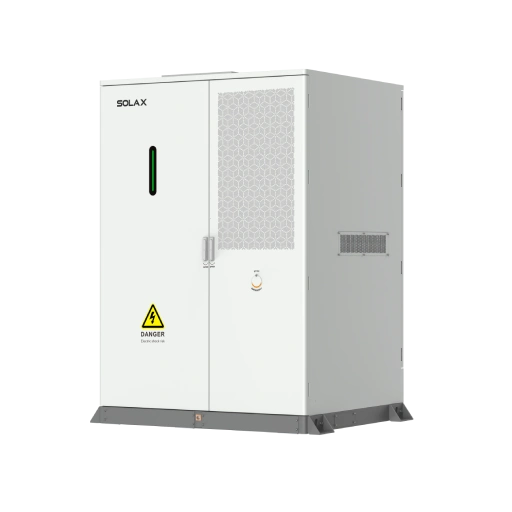
One such solution is the ESS-TRENE Liquid Cooling System, which helps enhance energy resilience by ensuring that energy storage systems remain stable, efficient, and reliable under high power loads. In this article, we will explore how liquid cooling technology addresses these pain points and contributes to energy resilience in C&I applications.
ESS-TRENE Liquid Cooling and Its Contribution to System Stability and Energy Resilience
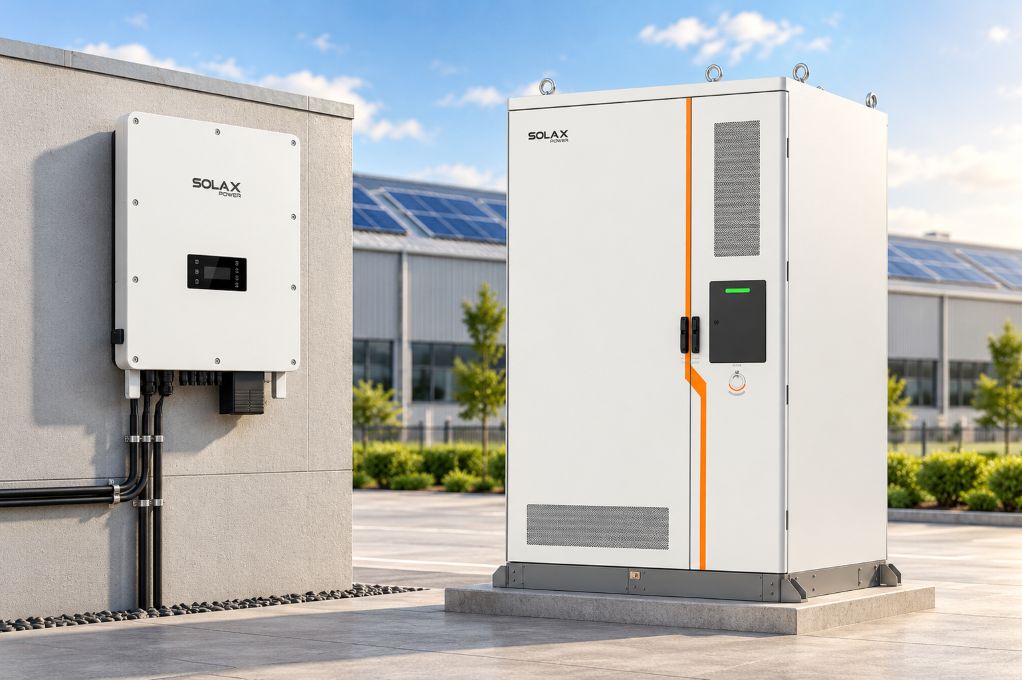
ESS-TRENE Liquid Cooling System is designed to address the specific energy challenges faced by C&I applications. By integrating advanced liquid cooling technology with energy storage solutions, it enhances the performance, reliability, and resilience of energy systems, making them more capable of handling power grid instabilities and reducing operational risks.
Industry trends favor large-scale infrastructure, with utility-scale projects capturing 82% of all new global installations in 2025(Wood Mackenzie: Global energy storage market surpasses 100 GW in 2025). SolaX's ESS-TRENE is engineered for this high-growth segment, providing modular scalability required for modern grid-connected commercial applications.
A. How Liquid Cooling Enhances System Efficiency
In high-power environments, such as solar PV systems, energy storage, and electric vehicle (EV) charging systems, maintaining optimal temperature is essential for ensuring that batteries and other components function properly. Excess heat from high energy loads can lead to battery degradation and reduce overall system efficiency.
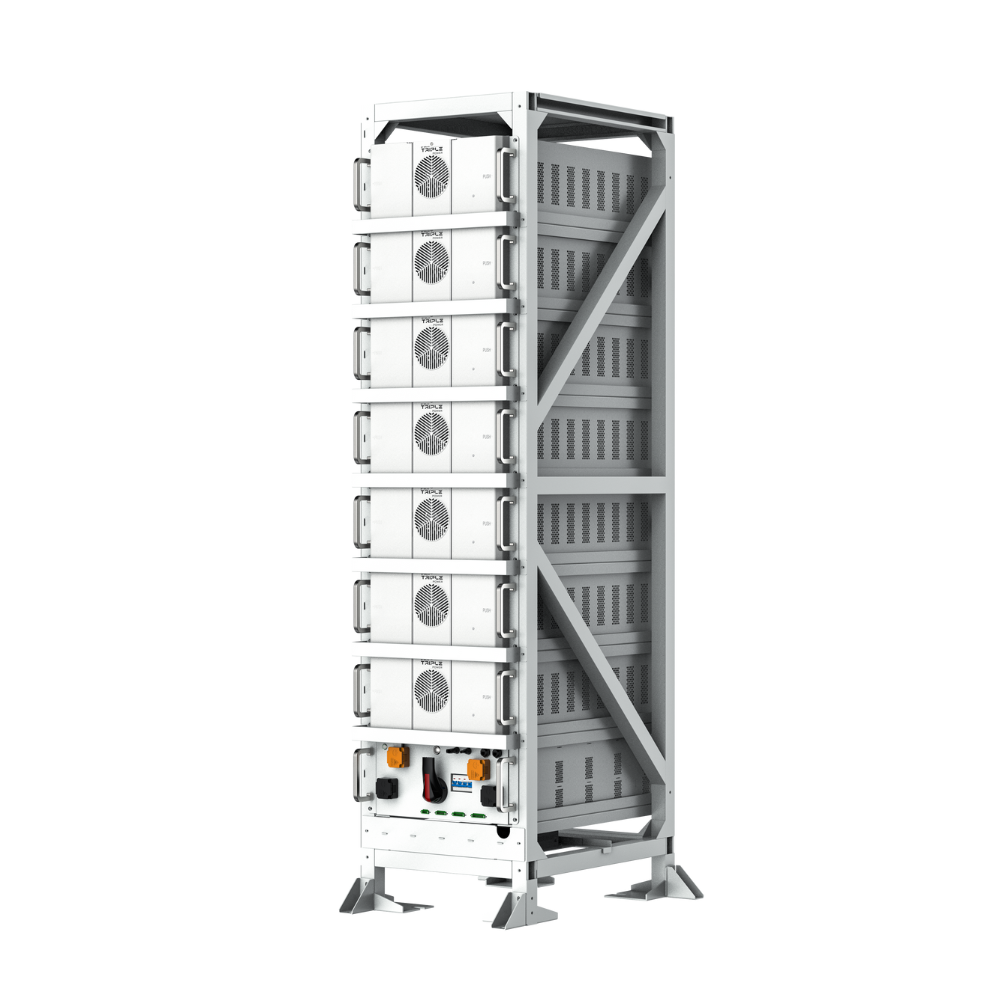
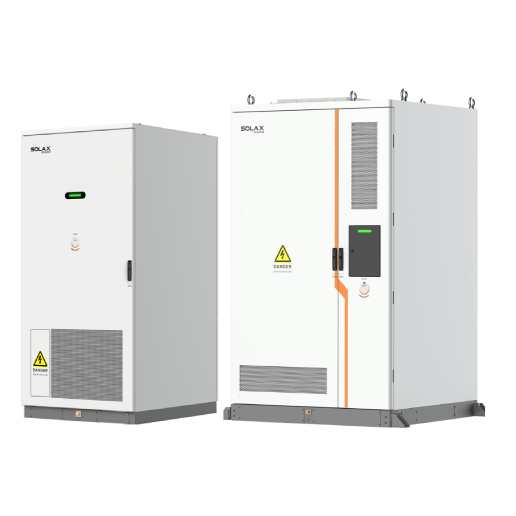
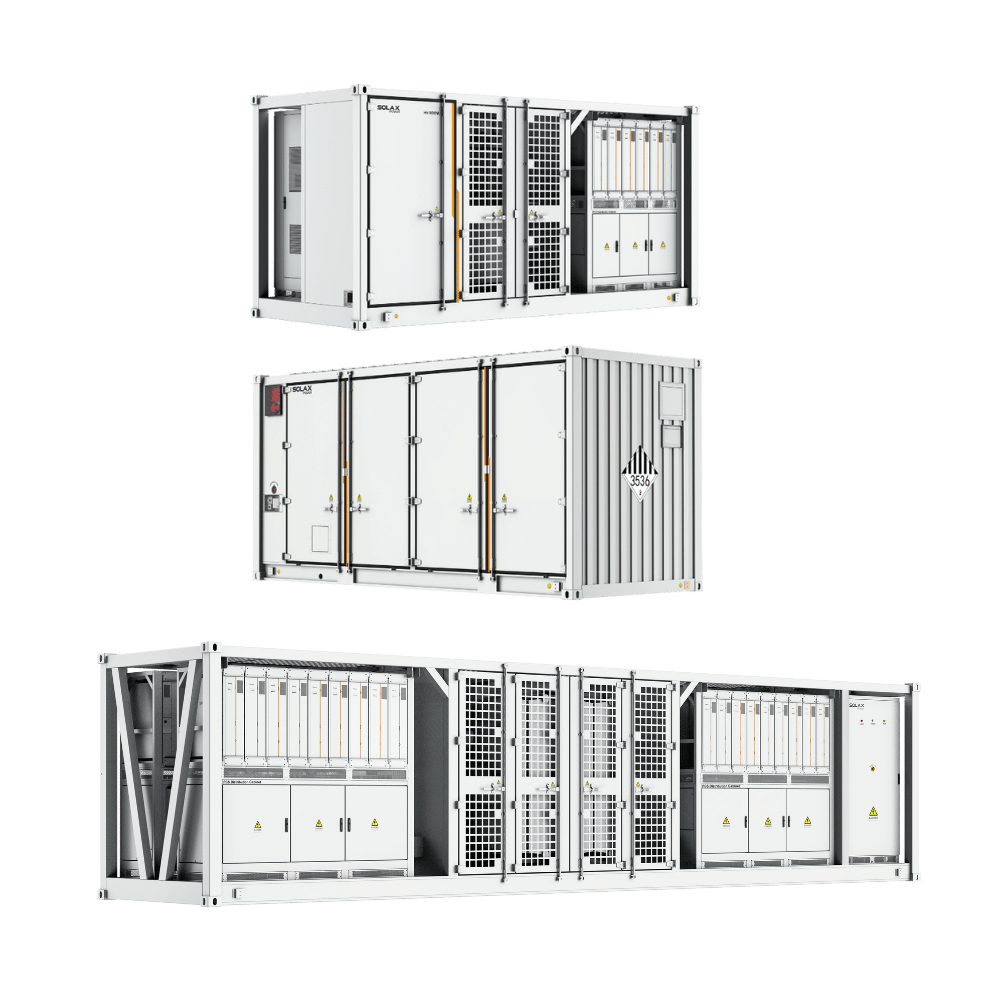
The ESS-TRENE Liquid Cooling System[2] enhances resilience by providing a significant power reserve, starting with a base unit that offers 261 kWh stand-alone capacity and 125 kW rated output, making it highly effective for sustained backup power supply during grid failures. This advanced cooling system is essential for:
Preventing Overheating: The cooling system keeps the batteries and other components within safe temperature limits, preventing overheating, which could lead to equipment failure or performance degradation.
Improving System Efficiency: With temperature management, the system operates more efficiently, ensuring that energy storage and discharge processes are optimized for maximum output.
Extending Equipment Lifespan: By preventing excess heat buildup, the system reduces wear and tear on energy storage components, extending the overall lifespan of the system.
B. Ensuring Reliable Power Supply During Grid Failures
One of the primary advantages of the ESS-TRENE Liquid Cooling System is the ability to guarantee reliable backup power is based on the quality of its components, utilizing a 314 Ah LFP battery, chemistry designed for long-term reliability in high-load scenarios.
Peak Shaving: The liquid cooling system enables peak shaving, which involves charging the system during low-demand periods and discharging it during high-demand periods. This helps businesses reduce reliance on the grid during peak hours and minimize energy costs.
Backup Power Supply: During grid failures, the system can continue to provide power to essential operations, reducing the risk of downtime and operational disruptions. This is especially critical for industries like data centers, manufacturing, and hospitality, where continuous power is essential.
Energy Resilience: By ensuring that energy storage systems can handle high energy loads and maintain stable output, liquid cooling enhances the resilience of energy systems, ensuring that businesses can continue their operations even during energy supply disruptions.
C. Comparison with Air Cooling — Stability Advantage of Liquid Cooling
Liquid cooling stands out for its ability to maintain stable and precise temperature control, especially under heavy load and high‑energy-density conditions. Unlike air cooling, which relies on fans and ambient airflow that can be affected by external conditions, liquid cooling uses a circulating coolant to absorb and transfer heat, ensuring superior heat dissipation and more uniform temperature distribution.
Comparison Table: Air Cooling vs. Liquid Cooling for Energy Storage Systems
Feature | Air Cooling | Liquid Cooling |
Cooling Method | Relies on fans and ambient airflow | Uses circulating coolant to absorb and transfer heat |
Temperature Stability | Can be impacted by external temperature and airflow conditions | Maintains stable and precise temperature control |
Heat Dissipation | Less efficient under heavy load and high-energy-density conditions | Superior heat dissipation and uniform temperature distribution |
Performance Under High Load | May struggle to maintain consistent performance during high‑load cycles | Operates reliably and safely even during extended high‑load discharge cycles |
Application Suitability | Can be limited in extreme conditions where cooling is insufficient | Ideal for C&I applications where sustained power delivery is critical |
Risk of Derating | High risk of derating to avoid overheating | Maintains consistent output without derating |
Top 3 Solutions for C&I Applications
The integration of liquid cooling technology into energy storage systems is just one part of a broader suite of solutions designed to address energy challenges in C&I applications. Below are the three primary solutions that businesses can leverage:
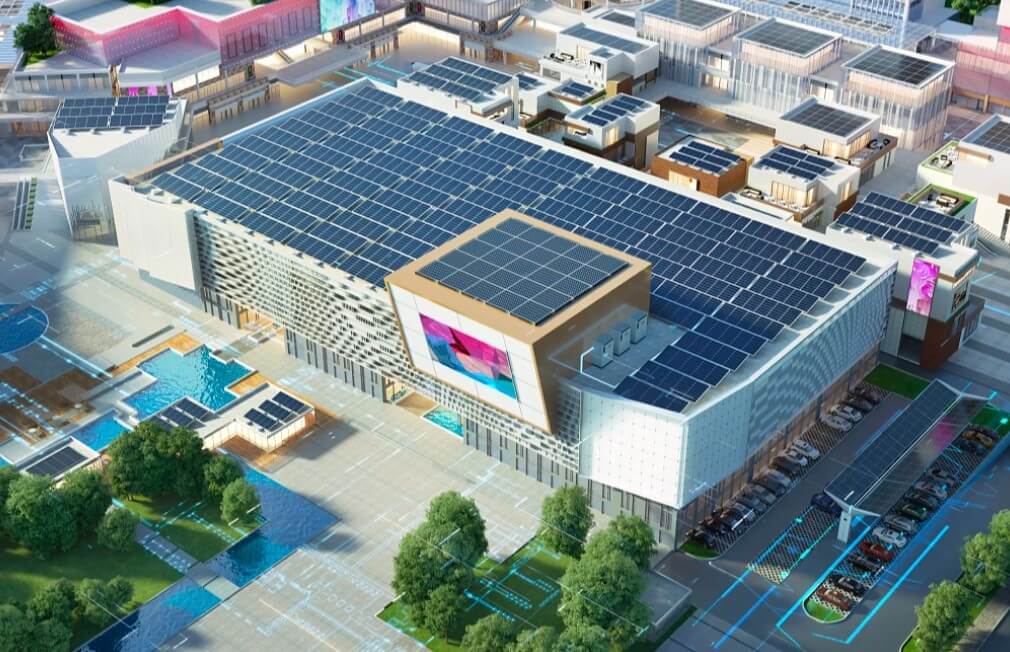
1. Commercial and Industrial (C&I) Solar PV Solutions
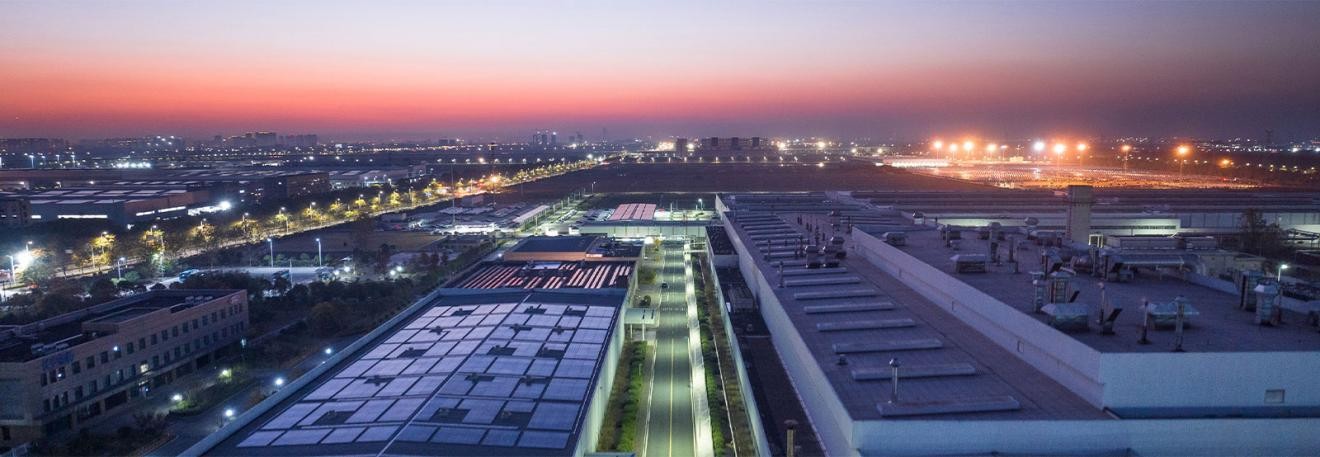
SolaX Power provides solar PV systems that help businesses harness renewable energy while reducing dependence on the grid. By combining solar energy storage with ESS-TRENE Liquid Cooling, businesses can ensure that excess solar power is stored efficiently and used when needed, even during grid failures or peak demand periods. This solution enhances both cost savings and energy independence.
Get detailed information about C&I PV Solutions.
2. Commercial and Industrial (C&I) Energy Storage Solutions
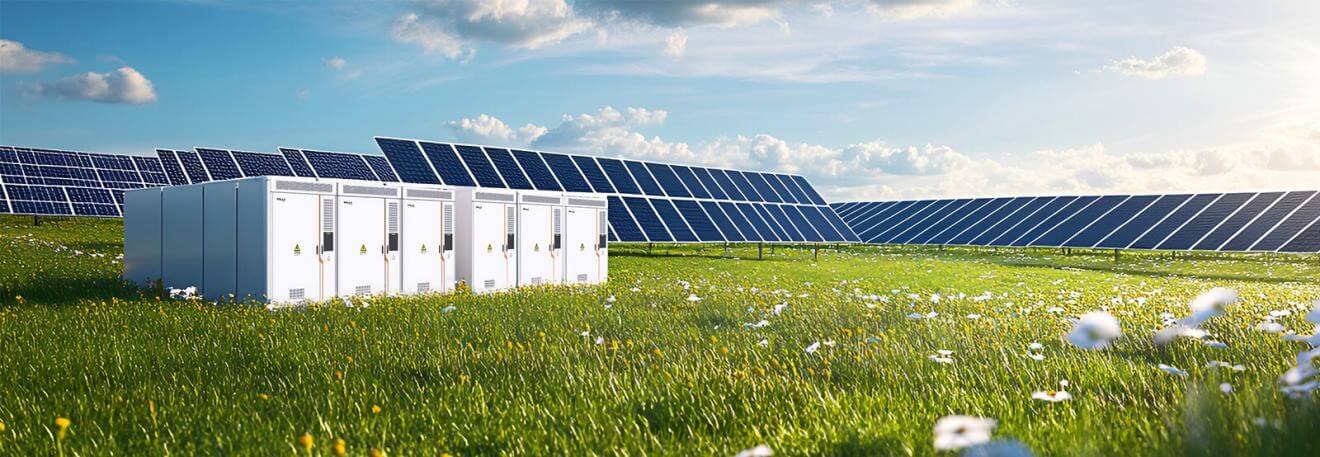
SolaX Power also offers C&I energy storage systems designed to store excess energy generated by solar PV systems or other renewable sources. These storage systems, combined with liquid cooling technology, help businesses ensure that they have access to reliable, high-efficiency power whenever needed. The system’s ability to store and release energy during grid instability or power failures makes it a critical component of any energy resilience strategy.
Get detailed information about C&I ESS Solutions.
3. Commercial and Industrial (C&I) EV Solar Solutions
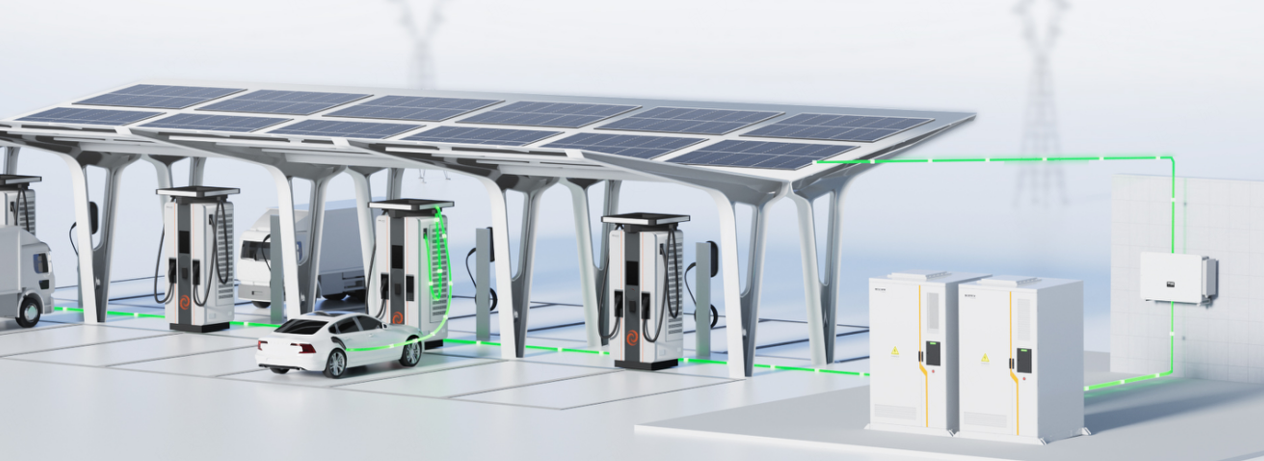
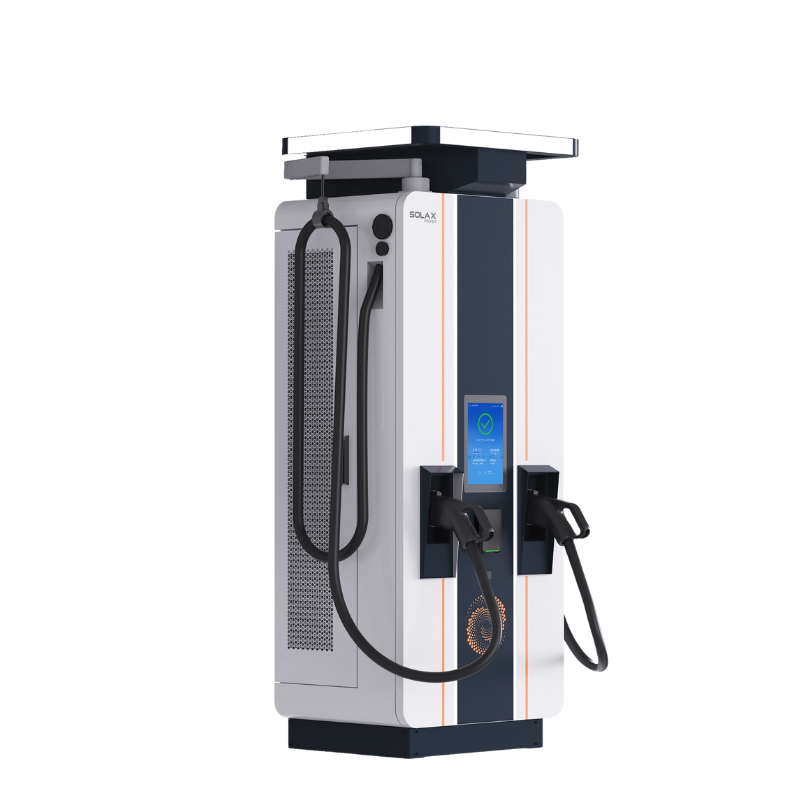
With the rise of electric vehicles (EVs), businesses can now combine solar PV with energy storage to support EV charging stations. By integrating liquid cooling systems, these solutions ensure that EV chargers maintain peak performance while reducing energy consumption and operational risks. This approach is especially valuable for businesses like retail stores, hotels, and commercial facilities, where providing EV charging services can attract customers while maintaining reliable energy efficiency.
Get detailed information about PV + ESS + EV Charging Solutions.
Why Liquid Cooling is Essential for Stability and Energy Resilience
The ESS-TRENE Liquid Cooling System represents a significant advancement in energy storage technology for C&I applications, offering a reliable solution to the pressing issues of grid instability and operational reliability risks. Power grid instability and operational risks have significant economic impacts.
These challenges highlight the critical need for solutions like liquid cooling to ensure energy systems can perform efficiently during disruptions. By maintaining optimal performance under high-load conditions, liquid cooling systems ensure that energy storage systems remain stable and efficient during critical moments, such as grid failures or high-demand periods.
Regulatory support is also accelerating adoption; for instance, the UK government implemented a 0% VAT rate on battery storage starting in February 2024(Solar Energy UK: VAT on home battery systems cut to zero). This incentive, combined with SolaX's high-efficiency liquid cooling, dramatically shortens the payback period for businesses looking to enhance their energy independence.
For businesses in data centers, manufacturing, commercial facilities, and renewable energy sectors, liquid cooling provides a pathway to enhanced energy resilience, lower operational risks, and improved ROI. By integrating liquid cooling with energy storage systems and solar PV solutions, businesses can achieve energy independence, cost savings, and an uninterrupted power supply, even in the face of grid uncertainty.
FAQ
Table of Contents
Latest News
Explore expert insights, practical guides, and the latest news on SolaX Power.


To the Latest Newsletter
Stay Ahead with the Latest SolaX Updates!
Subscribe
I have read and agree to Privacy Policy and User Terms