

























August 20, 2025
The Complete Guide to Solar EV Charging at Home
Share my #SolaXStory


As the demand for electric vehicles (EVs) grows, so does the need for innovative and sustainable charging solutions. One of the most efficient ways to charge your EV at home is by using a solar-powered home EV charger. By combining solar energy with electric vehicle charging, homeowners can reduce their carbon footprint, save money, and maximize energy efficiency. A 2025 case study published in MDPI underscores the financial impact of this synergy, revea ling that integrating residential solar with EV charging can lead to a 50% reduction in electricity costs and allow households to achieve up to 67% energy self-consumption.
In this guide, we'll take you through everything you need to know about solar EV charging at home, including its benefits, how to set it up, and the key features to look for in a system. We'll also explore how SolaX's smart solutions provide a seamless and advanced experience for EV owners.
Solar EV Charger for Home Use
A solar EV home charger allows you to charge your electric vehicle (EV) using energy generated by your own solar power system. This setup involves a combination of solar panels, an energy storage system (ESS), and an EV charging station. The solar panels capture sunlight during the day, converting it into electricity, which is either used immediately for charging your vehicle or stored in a battery for later use. This system offers a clean, efficient, and cost-effective way to charge your EV at home.
By integrating a solar home charger with your EV, you not only contribute to reducing your electricity costs but also support your sustainable lifestyle by reducing reliance on the grid. As highlighted in the International Energy Agency's (IEA) Global EV Outlook 2025, the deployment of smart-charging infrastructure is critical to balancing the grid and accelerating the shift toward zero-emission transport on a global scale. It's the perfect solution for eco-conscious EV owners who want to combine renewable energy with electric transportation.

Advantages of Solar EV Charging at Home
Save Money & Maximize Self-Consumption
One of the biggest advantages of using a solar-powered home EV charger is cost savings. By charging your vehicle with free electricity generated by your solar panels, you can significantly reduce or even eliminate the need to pay for grid electricity to charge your EV. The self-consumption of solar energy reduces your overall energy bills, as you'll be utilizing energy that would otherwise be fed back into the grid or wasted.
Additionally, if you combine your solar charging setup with an Energy Storage System, you can store excess energy produced during the day and use it to charge your EV at night, avoiding peak electricity rates.
Sustainable Driving
By using solar energy to charge your EV, you're making your driving experience even more sustainable. Home solar ev chargers allow you to drive with clean, renewable energy that's directly produced by the sun, making your transportation carbon-free. This aligns with the global move toward reducing fossil fuel consumption and embracing eco-friendly solutions.
With the growing concerns about climate change and air quality, driving an electric vehicle is already a step in the right direction, and charging it with solar energy further amplifies the environmental benefits.
Smart and Safe Charging
Home EV charging solutions today come with advanced smart features that optimize the charging process. Smart chargers allow you to schedule charging times, monitor energy consumption, and control the amount of energy used to charge your car—all from your smartphone or smart home system. This ensures you get the most efficient charging experience while avoiding overcharging.
Moreover, modern solar-powered home EV chargers come with built-in safety features, such as surge protection, fault detection, and automatic shutdown in case of irregularities. This ensures the system is safe for both your vehicle and your home.
How to Set Up a Solar Home EV Charger?
Setting up a solar home charging station requires a few key components, as well as proper installation and configuration. Below, we walk you through the essential steps to create your solar EV home charger.
Must-Have Equipment
To set up a solar EV charger at home, you'll need the following components:
Component | Function |
Solar Panels | Capture sunlight, convert to electricity |
Energy Storage System (ESS) | Store excess energy for later use |
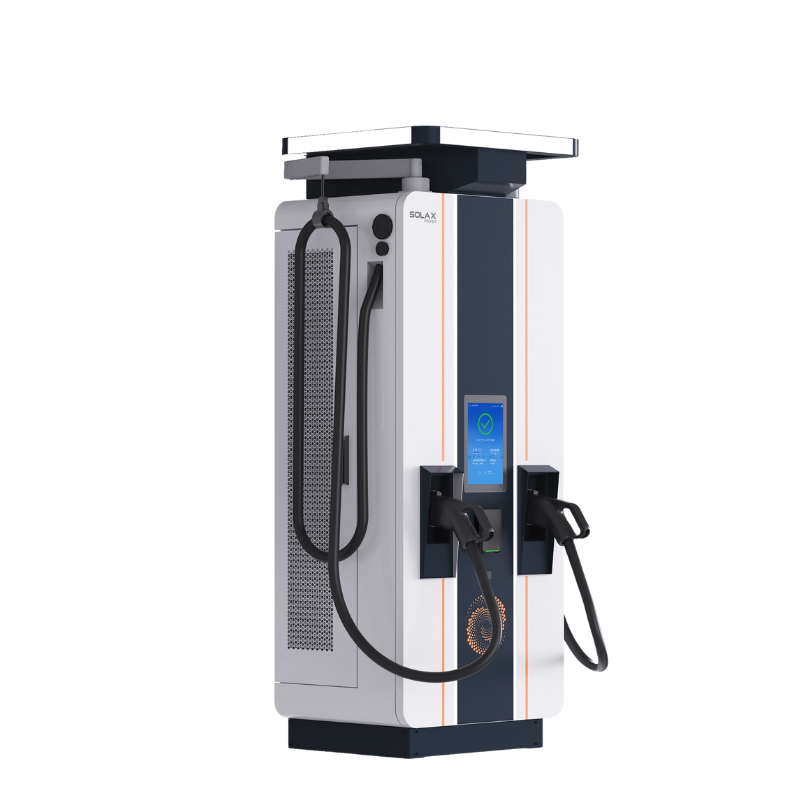
EV Charging Station | Deliver electricity to charge the vehicle |
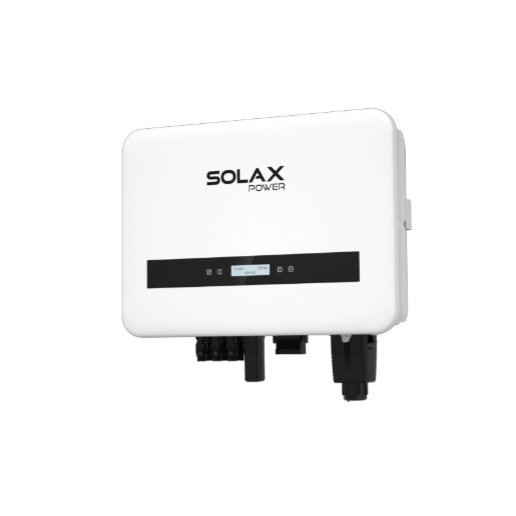
Inverter | Converts the direct current (DC) from the solar panels into alternating current (AC) |
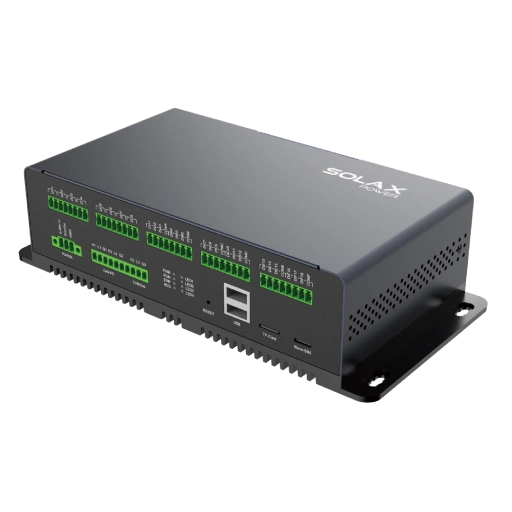
Smart scheduling, remote monitoring, energy flow management |
Features to Look for
When selecting a solar home charger, make sure to look for features that enhance its efficiency and compatibility with your home. Some key features include:
Energy Management System (EMS): To optimize energy usage between your home, solar panels, and EV.
Fast Charging Capabilities: If you need a faster charging solution, look for chargers that support higher power output.
Smart Connectivity: Choose chargers that allow you to monitor and control the charging process through mobile apps or smart home systems.
Battery Backup Integration: If you want to store excess solar energy for later use, ensure your system is compatible with a battery backup solution.
Installation
The installation of a solar EV charger home typically requires the help of a certified solar installer and electrician. The solar panels need to be placed on your roof or another location with good sun exposure, and the charging station will need to be installed in a convenient place, such as near your driveway. The inverter and ESS system should be installed in a secure, ventilated space.
The installation process also involves connecting all components—solar panels, ESS, inverter, and EV charger—into a unified system. After the system is installed, you will be able to monitor and control it remotely, ensuring it's working at its optimal level.
SolaX Home Solar EV Charging Technical Highlights
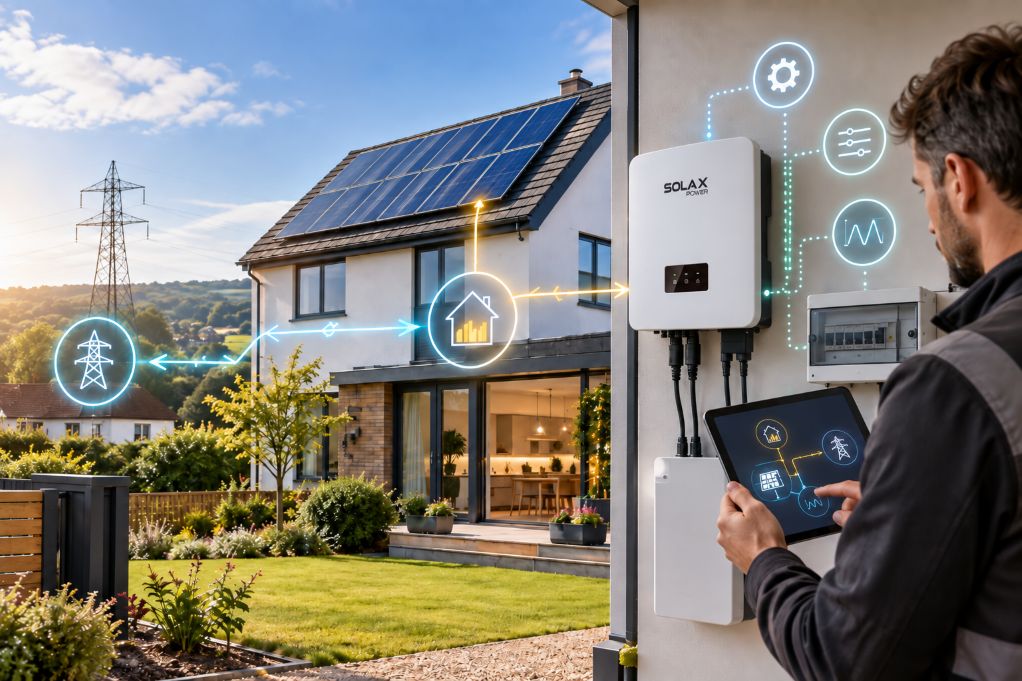
SolaX offers advanced solar home EV chargers that integrate seamlessly with your home's solar power system. Here are the key technical highlights of SolaX's solutions:
PV + ESS + EV Charging Solution
The SolaX PV + ESS + EV charging solution intelligently manages solar energy throughout the day. During daylight hours, solar panels first power the home, then supply energy to charge the EV, and finally store any excess in the battery or export it to the grid for credit. At night, the system prioritizes stored battery energy to power the home and charge the EV. If the battery is depleted, it seamlessly switches to grid power to ensure continuous operation—all while maximizing solar utilization and minimizing electricity costs.
A solar-powered home EV charger offers a fantastic opportunity to maximize your renewable energy use while reducing costs and carbon emissions. With the ability to charge your electric vehicle using energy generated from your own solar panels, you are not only benefiting from lower energy bills but also contributing to a greener, more sustainable future.
SolaX's home solar EV chargers provide a reliable and advanced solution for home EV charging needs. Whether you are looking to maximize self-consumption or integrate a solar energy storage system with your EV charger, SolaX has the technology and expertise to make it happen. Start charging your electric vehicle with the sun, and take a step towards a cleaner, smarter future today!
FAQ
Table of Contents
Latest News
Explore expert insights, practical guides, and the latest news on SolaX Power.



To the Latest Newsletter
Stay Ahead with the Latest SolaX Updates!
Subscribe
I have read and agree to Privacy Policy and User Terms