












June 23, 2026
Has Your Solar Battery Expired? Solar Battery Warranty Guide
Share my #SolaXStory


Investing in a solar storage system is a multi-thousand-dollar commitment to energy independence. However, the most critical factor in your purchase decision is the solar battery warranty.
A premium battery warranty is more than just a "10-year promise". It is a structured performance contract that defines the lifespan of your solar battery through four critical pillars: Time-based coverage, Energy Throughput (MWh), Capacity Retention (SOH), and Installation Compliance. You must understand that real security lies in these technical details, not just the headline numbers.
In this guide, we will decode the essential metrics of energy storage warranties to help you choose the best protection for your home or business.
What Is a Solar Battery Warranty?
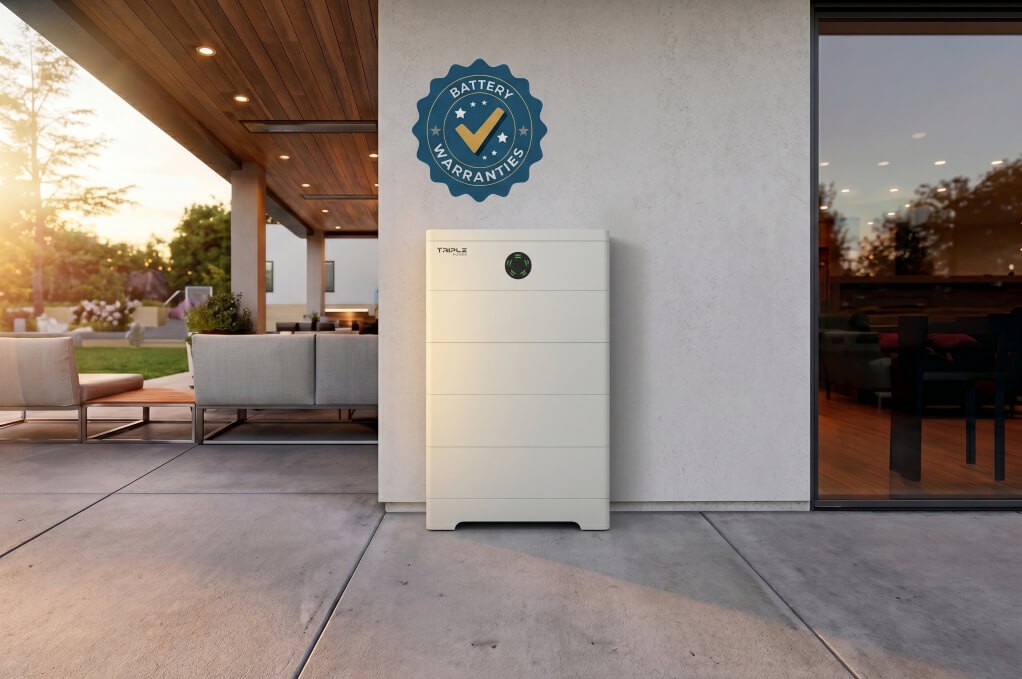
A solar battery warranty is an energy storage manufacturer's written commitment that the battery system will operate according to its technical specifications under normal use for a defined period.
In practical terms, it means two things:
The product must be free from defects in materials and workmanship. (For SolaX, a "defect" refers to any performance that drops significantly below the benchmarks we set in our official datasheets and manuals.)
The battery must retain a minimum level of usable capacity during the warranty period. (Lithium batteries naturally lose capacity over time. The warranty guarantees a minimum acceptable performance level — not 100% retention.)
Battery Warranty Terms and Conditions Explained
This is where most misunderstandings occur. Solar battery warranties are structured around technical performance limits, not just years.
Here are the key terms you need to understand:
Cycle Clause
One cycle = one full charge and discharge
If a battery is rated for 6,000 cycles, that means it can complete 6,000 full energy turnovers before hitting its performance limit. However, the warranty usually ends when either the cycle limit or the time limit is reached — whichever comes first.
Throughput Clause
Measured in MWh (megawatt-hours). Throughput defines the total cumulative energy the battery can deliver over its life.
Example: 30 MWh = 30,000 kWh total discharged energy. For high-usage residential or C&I systems, the throughput limit is often reached before the calendar warranty expires.
Capacity Retention (State of Health Guarantee)
Most manufacturers guarantee that the battery will retain at least:
60–80% of its original (Nominal) Energy
70% is common industry standardIf capacity drops below that threshold within the warranty conditions, the unit may qualify for repair or replacement.
What Voids a Battery Warranty?
While battery warranty terms and conditions vary, most manufacturers like SolaX have strict exclusions. Here are the most common reasons your claim might be rejected:
Late Reporting: Failures must be reported within 4 weeks of appearance. Delaying your claim can void your coverage.
Improper Installation: Failure to follow the official installation manual or safety regulations will immediately invalidate the warranty.
Unauthorized Relocation: Moving the battery after its first installation—even to the same address—voids the warranty unless a qualified installer re-tests it.
Third-Party Integration: Using unauthorized third-party software or hardware to control the battery's charging/discharging is strictly prohibited.
Unauthorized Modifications: Any tampering, such as modifying the device or defacing the serial number/labels, terminates your protection.
Force Majeure & Pests: Damage from lightning, floods, power surges, or even pest damage (like rodents) is typically not covered.
Note: Most warranties cover the cost of replacement hardware but exclude labor, travel, and transportation fees. Always review the full battery warranty terms and conditions before installation.
SolaX Battery Warranty: Comprehensive Coverage for Residential & C&I Systems
SolaX offers a range of high-performance energy storage solutions with tailored warranty periods.
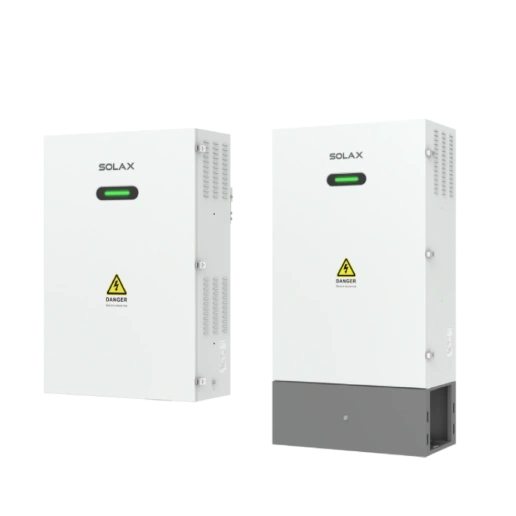
Residential Battery Series
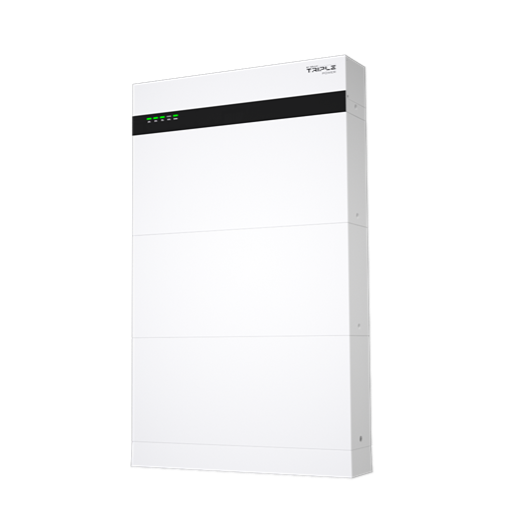
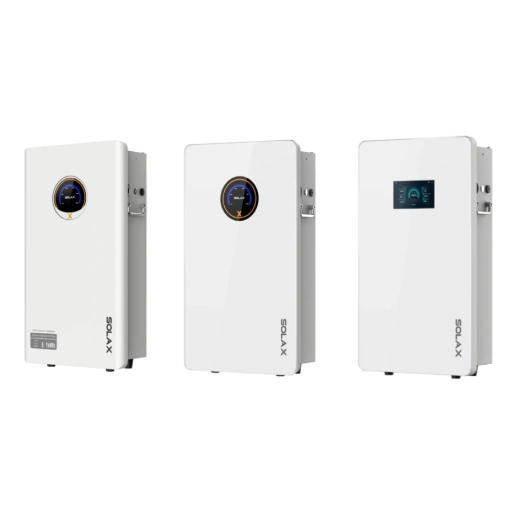
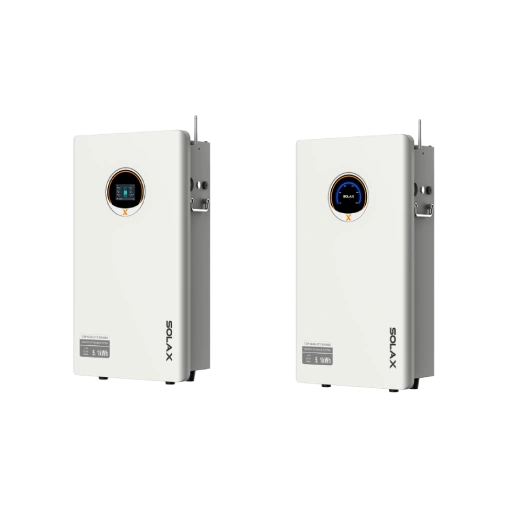
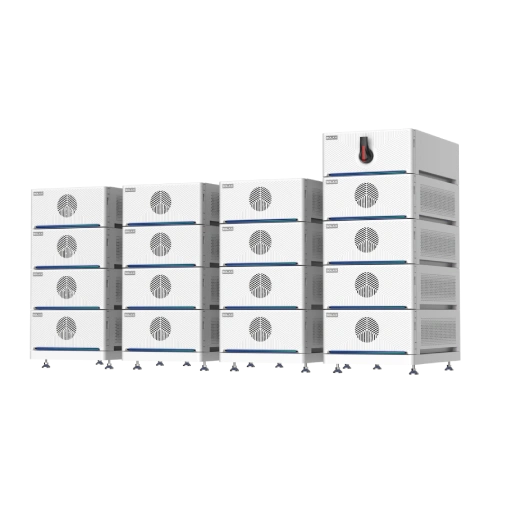
The following models are designed for residential batteries and come with a 10-year standard warranty. This period begins from the earlier of the installation date or 6 months after the production date.
Model Series | Battery Module | Nominal Energy | Energy Throughput (70% SOH) |
T-BAT-SYS-HV-3.0 | HV10230 | 3.1 kWh | 9.6 MWh |
T-BAT-SYS-HV-S2.5/S3.6 | TP-HS2.5 / TP-HS3.6 | 2.5 / 3.6 kWh | 7.8 / 11.2 MWh |
T-BAT-SYS-HV-5.8 | HV11500 | 5.76 kWh | 17.9 MWh |
T-BAT-SYS-HV-R2.5/R3.6 | TP-HR25 / TP-HR36 | 2.5 / 3.6 kWh | 7.8 / 11.2 MWh |
T-BAT-SYS-HV-S50E | TP-HS50E | 5.1 kWh | 15.9 MWh |
T-BAT-SYS-HV-S51 | TB-HS51 | 5.1 kWh | 16.8 MWh |
Warranty Period:
10 years standard warranty, starting from the earlier one of the following two dates:
The date on which the product was first installed;
6 months after the date of production;
This warranty does not include any accessories and tool kit items provided with the product.
C&I and High-Capacity Battery Series
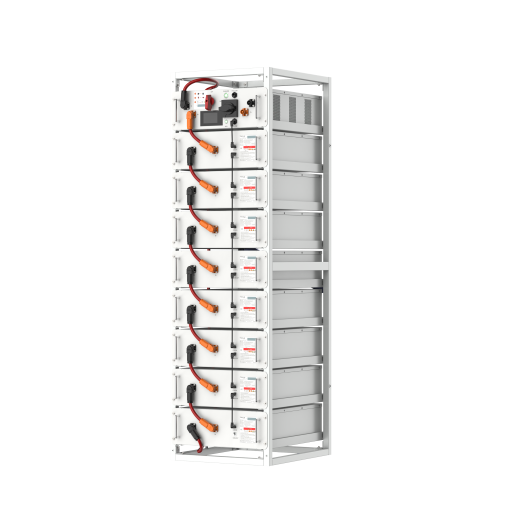
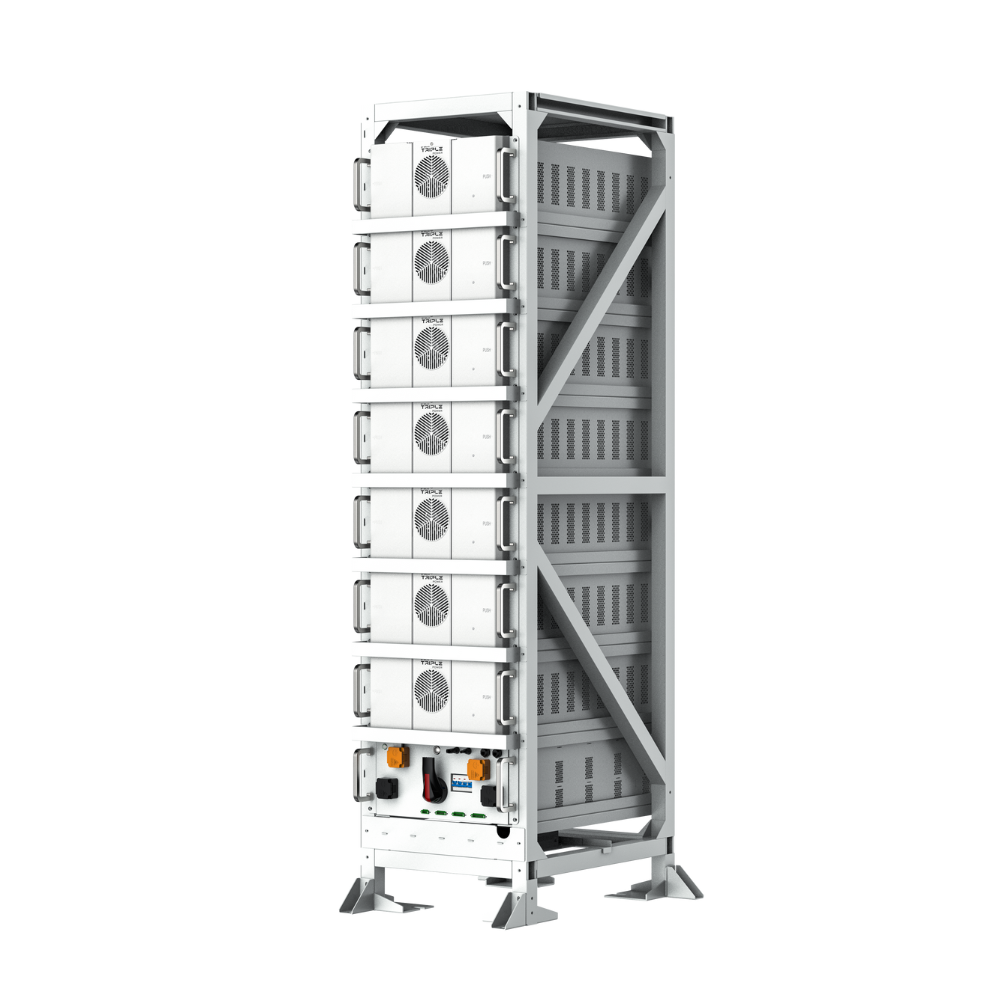
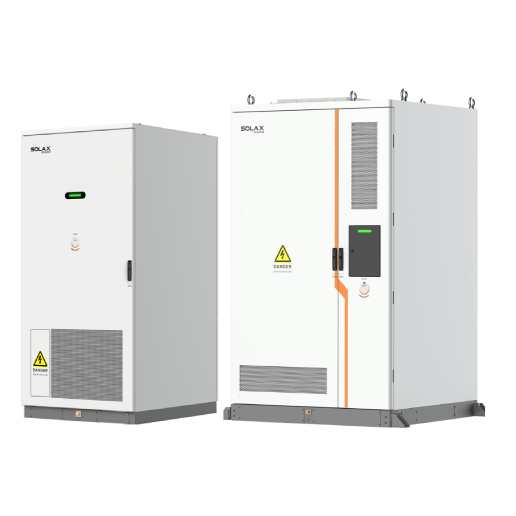
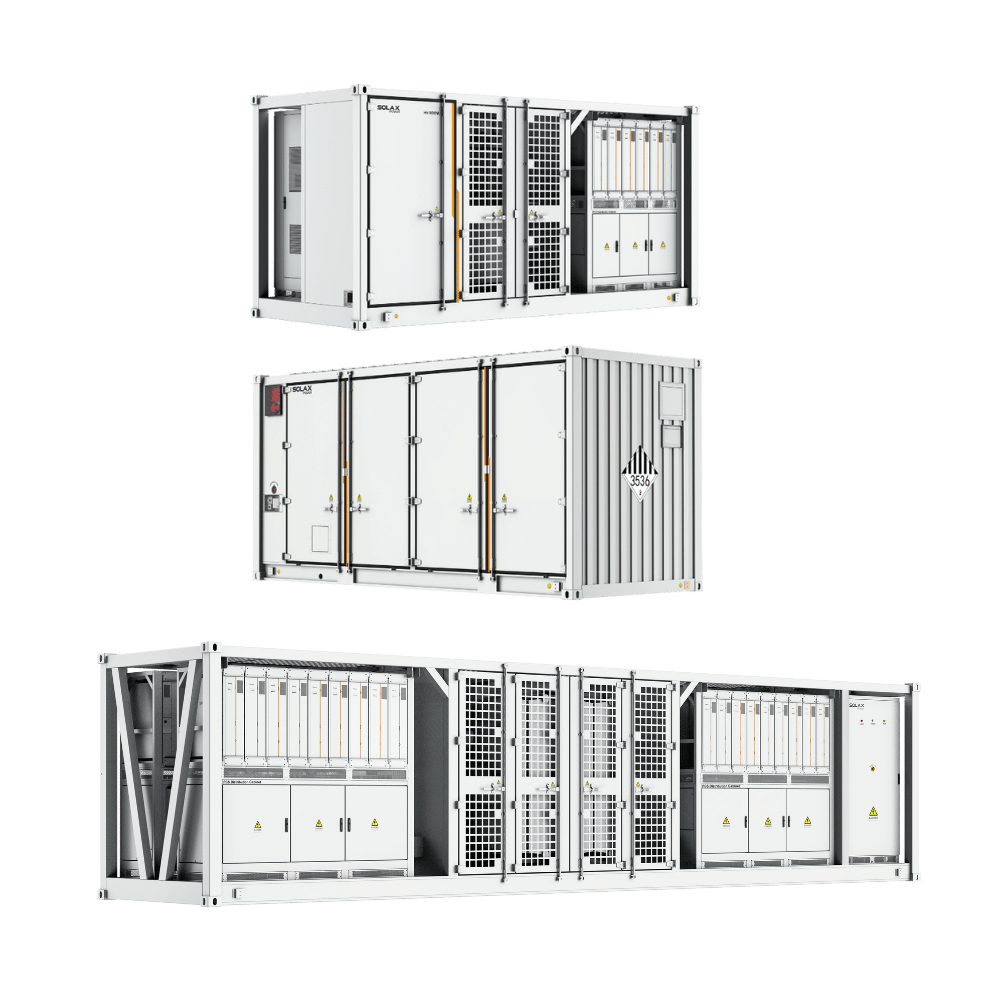
For larger energy demands, SolaX provides high-capacity systems typically used in Commercial & Industrial (C&I) applications. These models come with a 5-year standard warranty.
Model Series | Battery Module | Nominal Energy | Energy Throughput (70% SOH) |
TSYS-HR76 | TB-HR76 | 7.68 kWh | 25.2 MWh |
Warranty Period:
10 years standard warranty, starting from the earlier one of the following two dates:
The date on which the product was first installed;
6 months after the date of production;
This warranty does not include any accessories and tool kit items provided with the product.
How can I tell if my battery is still under warranty?
Determining if your battery is still covered involves more than just checking the purchase date. For SolaX systems, coverage is defined by a combination of time, energy usage, and registration status.
Here are the four steps to verify your warranty status:
1. Locate Your Serial Number (SN)
The first step is to find the serial number on the label of your battery module (e.g., HV10230 or TP-LD150). This number is the key to identifying the exact production date and warranty terms assigned to your unit.
2. Verify the Warranty Start Date
SolaX defines the start of the warranty as the earlier of these two dates:
The Installation Date: The day the system was commissioned and registered.
Production Date + 6 Months: If the system was not registered within 90 days, the warranty automatically starts 6 months after the battery left the factory.
3. Check the "Mileage" (Energy Throughput)
Even if your battery is only 5 years into a 10-year term, the warranty could be expired if you have exceeded the Energy Throughput limit.
Residential (e.g., T-BAT H 5.8): Covered for 10 years or 17.9 MWh, whichever comes first.
4. Monitor the State of Health (SOH)
A warranty claim is typically valid only if the battery's performance falls significantly below specifications. For SolaX, this threshold is 70% of Nominal Energy.
If your battery is 8 years old but still holds 75% of its original charge, it is functioning within its warrantied parameters.
You can check your current capacity and energy usage through the SolaX Cloud monitoring portal or app.
Pro Tip: If you are unsure, check your SolaX Cloud Registration. If you registered your product within 90 days of commissioning, your warranty certificate and exact expiration date will be stored in your online account.
How to Claim a Battery Warranty?
Navigating the RMA (Return Merchandise Authorization) process can be simple if you follow the right steps. Using SolaX Power as an example, here is the standard procedure to claim your solar battery warranty:
Step 1: Contact Your Default Service Channel
Your first point of contact should always be the local distributor or installer who provided the system. SolaX uses these partners as the primary service channel for faster, local support.
Escalation: If you are unable to reach them or are unsatisfied with their service, you can escalate your claim directly to SolaX via service.global@solaxpower.com or their official contact page.
Step 2: Prepare Necessary Information
To process a claim, you must provide the following details within one month of the failure date:
Contact Details: Name, phone, email, and shipment address.
Product Info: Model name, serial number (SN), installation date, and failure date.
System Specs: Brand and model of PV panels and the number of panels used.
Fault Evidence: Error messages displayed on the LCD screen and a description of actions taken before the failure.
Step 3: Complete the RMA Documentation
Once the claim is initiated, you will need to submit:
A completed SolaX RMA form.
A copy of your original invoice, receipt, or commissioning report to prove the purchase and installation date.
Step 4: Inspection and Resolution
SolaX may arrange an on-site inspection to determine the root cause. As the claimant, you must ensure safe access for the technician.
⚠️ Important Warnings:
Unauthorized Replacement: Do not replace the battery or accessories without prior consent from SolaX, as this can void the claim.
False Claims: If a product is returned but found to be free of defects in workmanship or materials, SolaX reserves the right to seek reimbursement for all labor, travel, and delivery costs incurred.
By following these steps, you ensure your battery warranty terms and conditions are met, leading to a smoother repair or replacement process.
FAQ
Table of Contents
Latest News
Explore expert insights, practical guides, and the latest news on SolaX Power.


To the Latest Newsletter
Stay Ahead with the Latest SolaX Updates!
Subscribe
I have read and agree to Privacy Policy and User Terms