












June 24, 2026
Top 7 Hybrid Inverters for Solar, Battery, and Smart Loads
Share my #SolaXStory


If you have ever priced a solar energy upgrade and then realized the inverter choice controls backup behavior, battery growth, and app visibility, you already know why this step matters.
That is why this shortlist compares seven hybrid inverter paths instead of chasing one headline wattage number. The goal is to help you match your home energy management needs to the right kind of inverter battery platform, from simple backup circuits to monitoring-first systems and larger smart energy setups that may later include EV charging or light commercial loads.
Top 7 hybrid inverter picks
1. Whole-home hybrid inverter platform
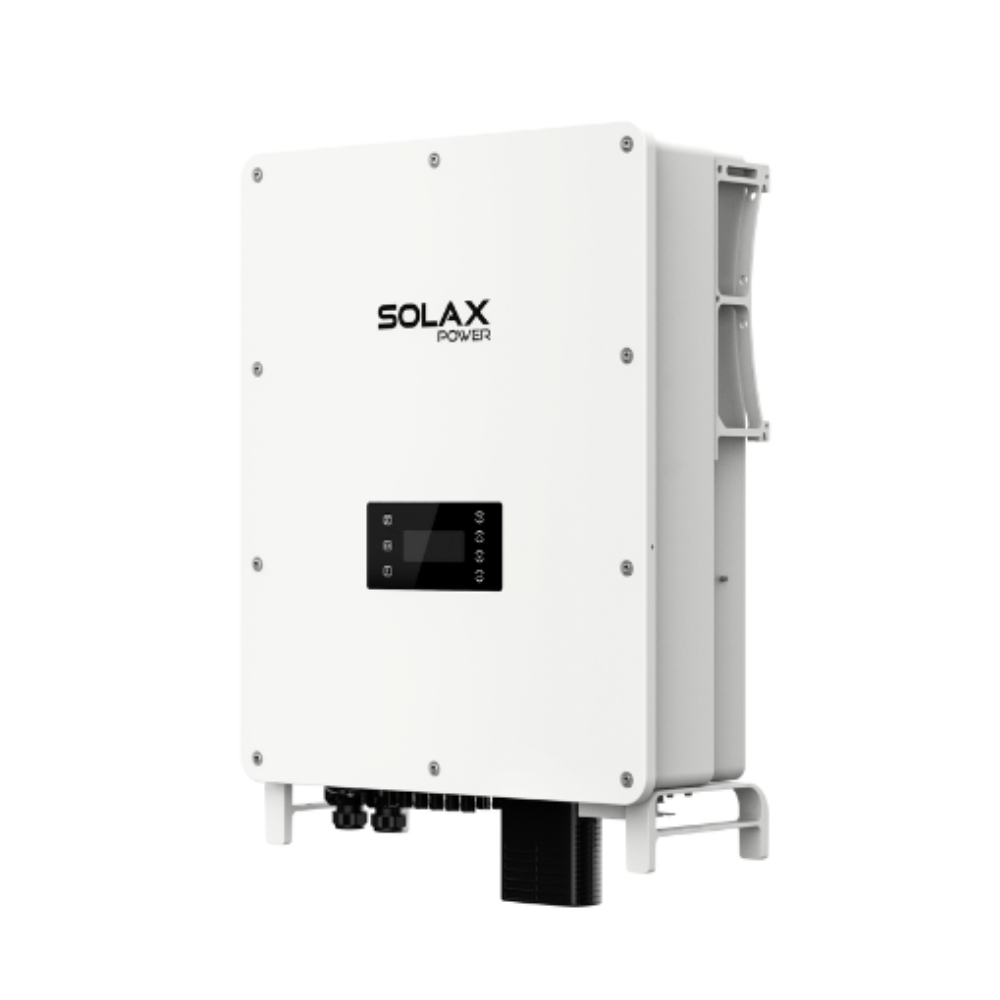
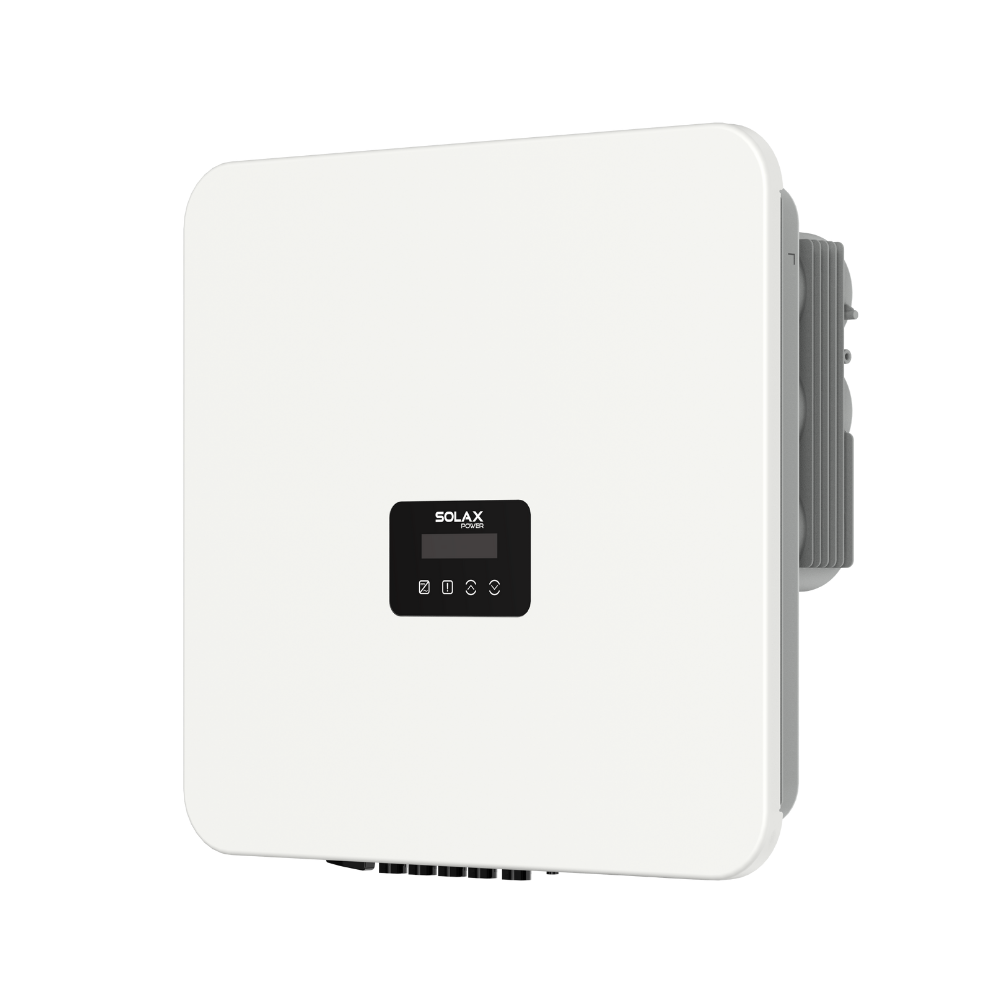
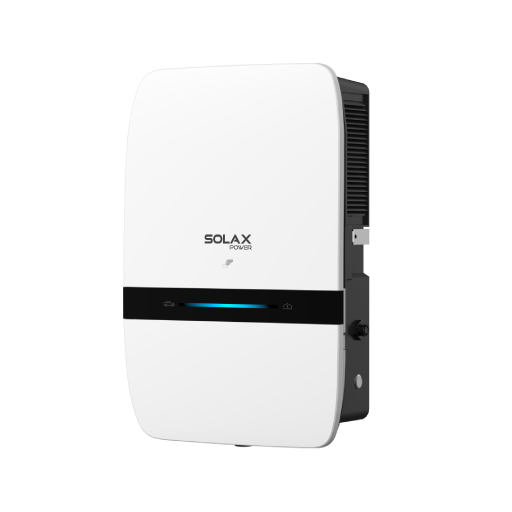
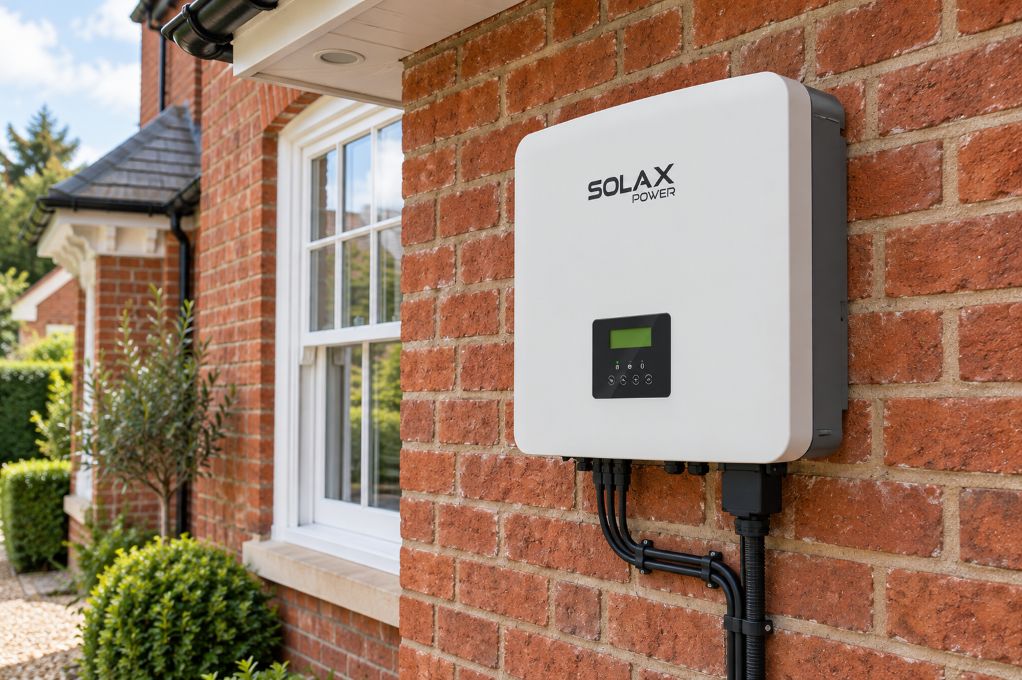
This is the right hybrid inverter style when you want fewer compromises during outages and enough headroom for larger household loads. SolaX places the X1-SPT 10kW / 12kW in this lane with split-phase backup support, three MPPTs, and under-10 ms switchover, which is the kind of spec mix that matters more in daily use than a flashy peak number alone.
Why it stands out:
The X1-SPT 10kW / 12kW is built for whole-home backup planning with split-phase EPS output.
SolaX lists 3 MPPTs, which helps when your roof has multiple orientations or partial shading.
The unit is rated at up to 96.6% efficiency and switches to backup in under 10 ms.
It also supports dual battery ports and generator support, which gives you more design flexibility later.
Best for:
Larger homes.
Buyers planning future battery expansion.
Homes that want one solar inverter to coordinate solar, battery, and backup loads.
What to watch:
Whole-home backup still depends on load planning, not just inverter size.
Installation is more demanding than a critical-load-only setup.
Shop: X1-SPT 10kW / 12kW
2. Essential backup hybrid inverter
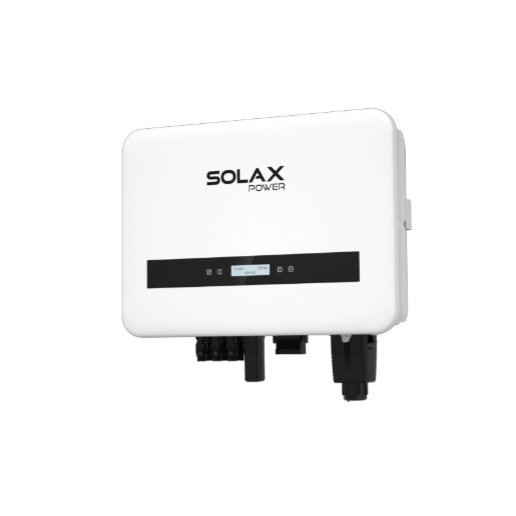
Some homes do not need every load backed up. They need refrigeration, lighting, internet, and a few outlets to stay live when the grid drops. In that case, a simpler backup-first solar power system can be the smarter buy, and SolaX positions the OG Series as a practical fit with fast switchover and lower daily operating complexity.
Why it wins:
The OG Series is aimed at resilient everyday backup without the bulk of a larger platform.
SolaX says it delivers seamless switching under 4 ms and up to 200% AC output overloading for 5 seconds.
Maximum PV input current reaches 28A, which helps with newer high-power modules.
Key specs to check:
Models shown: OG548 and OG648.
Smart load management via independent generator port.
Up to 3 units in parallel.
What to watch:
Better for critical circuits than fully electrified whole-home demand.
You still need a realistic runtime plan for the solar battery bank.
Shop: OG Series
3. Monitoring-first smart energy inverter
If your main frustration is not hardware but visibility, a monitoring-first hybrid inverter setup deserves a close look. This route works well when you want one screen for solar production, battery state, and grid flow, because performance questions usually start after commissioning, not before.
Why it stands out:
SolaX ties its inverter ecosystem to SolaXCloud, which is designed for real-time monitoring and user control.
The platform also supports broader smart scene automation for energy optimization.
This matters because better visibility makes troubleshooting and installer support faster.
Best for:
Homeowners who want clear app-level home energy management.
Installers who need remote diagnostics.
Buyers comparing smart energy platforms, not just boxes on a wall.
What to watch:
Great software does not replace correct battery sizing.
Ask how permissions, alerts, and installer access are handled before you buy.
4. LFP-ready expandable battery inverter
A phased upgrade plan often makes more sense than buying maximum storage on day one. If you expect your household loads to grow, or you want to start with a modest solar battery and expand later, the inverter should support parallel growth and broader battery compatibility without boxing you in too early.
Why it wins:
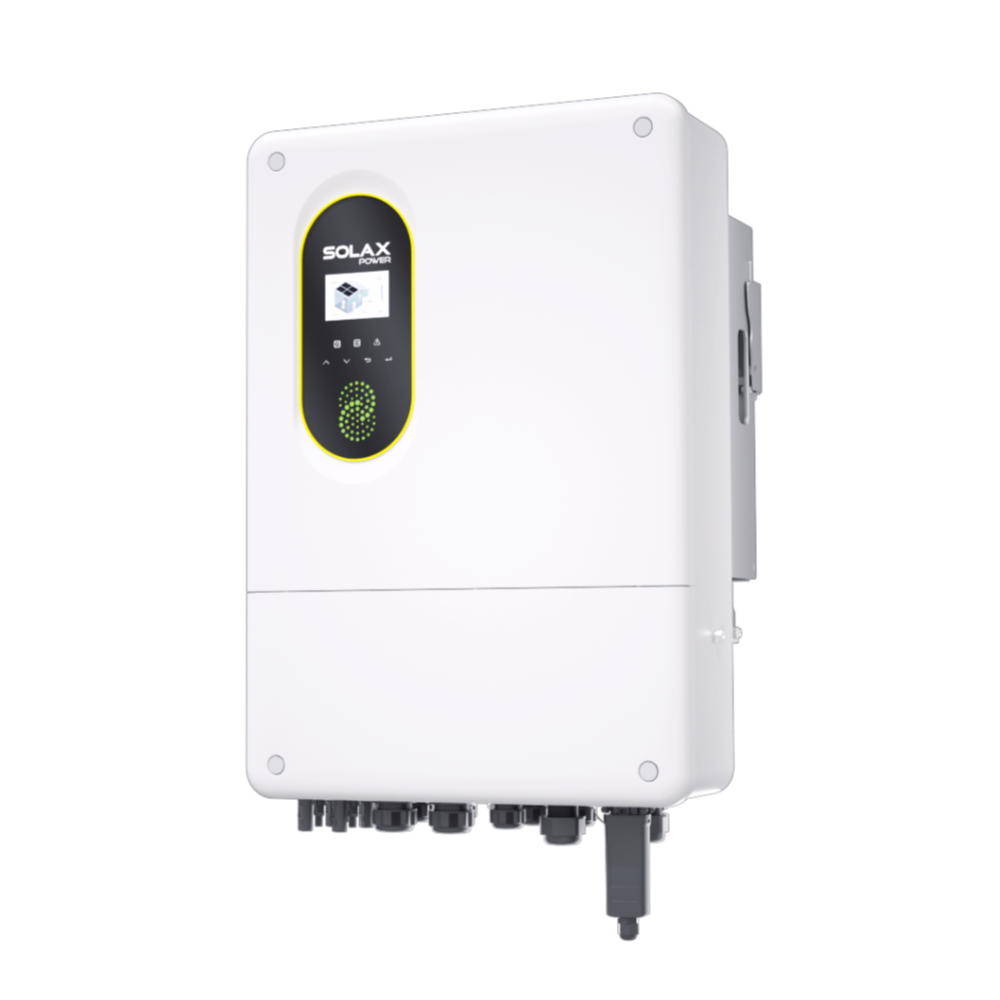
The X1-RENO-LV is positioned for flexible upgrades and retrofit-friendly expansion.
SolaX says it supports smart loads management and cloud monitoring and operations & maintenance.
It also supports max. 5 pcs parallel for on-grid and off-grid operation.
Compatibility with multiple third-party batteries can make staged growth easier.
Best for:
Growing households.
Retrofit jobs.
Buyers who want an inverter battery path with fewer closed-architecture limits.
What to watch:
Parallel capability is only useful if your installer plans the expansion path from the start.
Third-party battery compatibility should be confirmed model by model.
Shop: X1-RENO-LV
5. Time-of-use optimization inverter
In time-of-use markets, the best hybrid inverter is often the one that handles charging and discharging logic cleanly, not the one with the loudest marketing. Solar plus storage can shift energy into expensive evening windows, and battery storage keeps growing because that use case is becoming more valuable. According to the IEA, battery storage was the fastest-growing power technology in 2025, with capacity additions rising by around 40% to almost 110 GW.
Why it stands out:
Monitoring visibility matters here because you need proof that the schedule is actually saving money.
SolaXCloud gives homeowners and installers a clearer way to verify charging windows and grid interaction.
A strong hybrid inverter for TOU use should also coordinate smart loads, not just battery charging.
Best for:
Homes with peak evening rates.
Owners trying to improve self-consumption.
Buyers who care as much about software logic as hardware specs.
What to watch:
Savings depend on local tariff design.
Weak commissioning can erase the benefit of a good solar inverter.
6. All-in-one storage inverter system
If you want cleaner installation and fewer moving parts, an all-in-one platform can remove a lot of friction. This format usually works best when space is limited or when you want the handoff from installer to homeowner to feel simpler, because the inverter, controls, and storage architecture are already designed to work together.
Why it stands out:
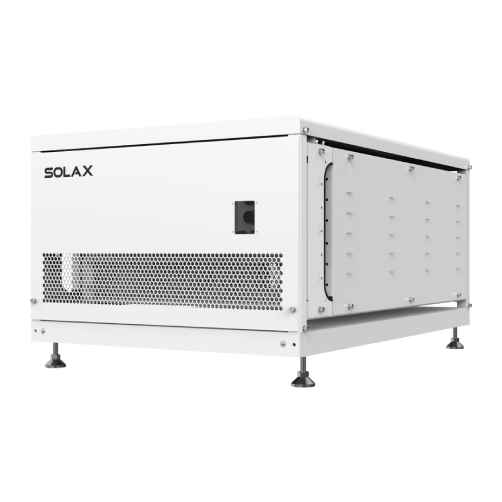
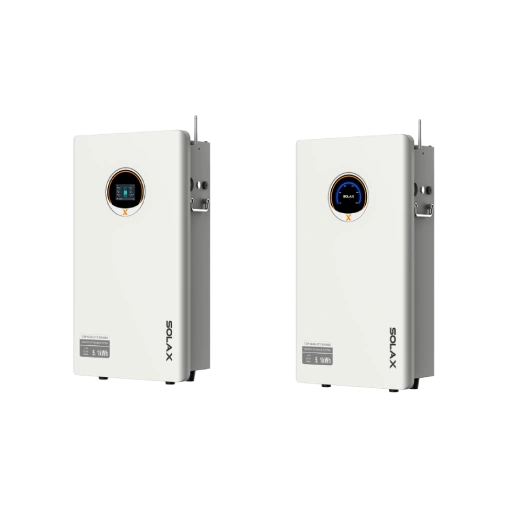
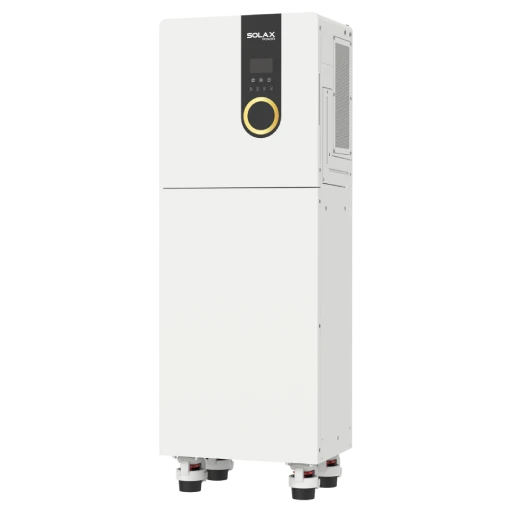
The X3-IES-P is SolaX's integrated energy storage system option for this use case.
It is offered in 8-15 kW configurations and shows 3 MPPTs on some variants.
SolaX lists switchover time under 10 ms, peak EPS output at 2 times rated power for 10 seconds, and IP66 protection.
Example dimensions shown for one variant are 717 × 405 × 209.5 mm with 40 kg net weight.
Best for:
Compact installs.
New builds.
Homeowners who prefer a tighter hardware ecosystem.
What to watch:
All-in-one systems can reduce mixing and matching freedom.
Battery expansion rules should be checked before you assume future growth is easy.
Shop: X3-IES-P
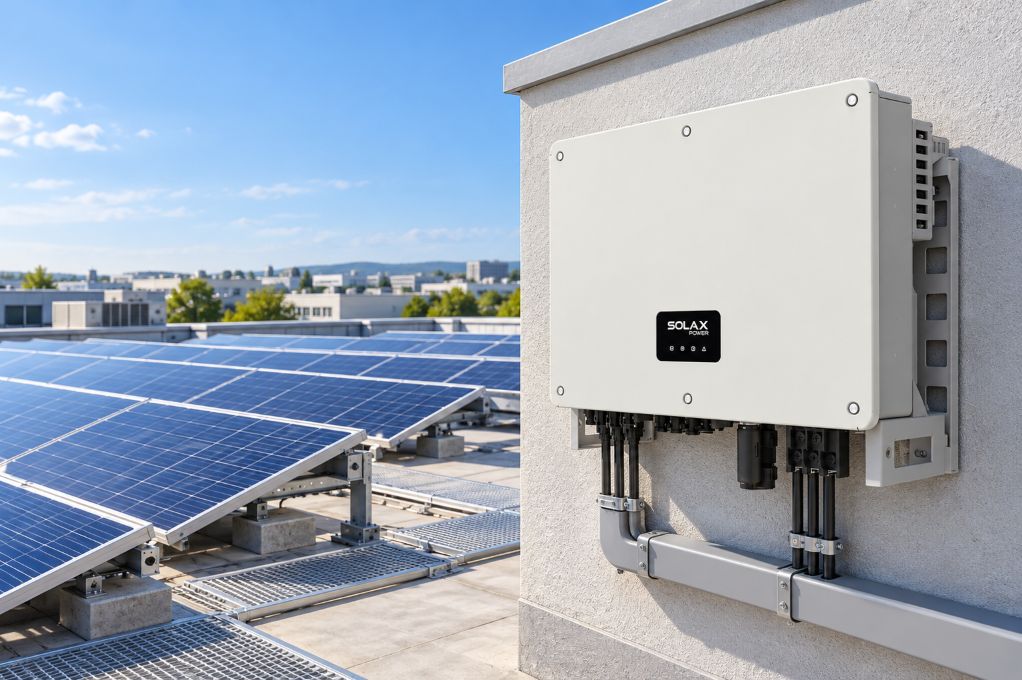
7. C&I-oriented hybrid energy controller
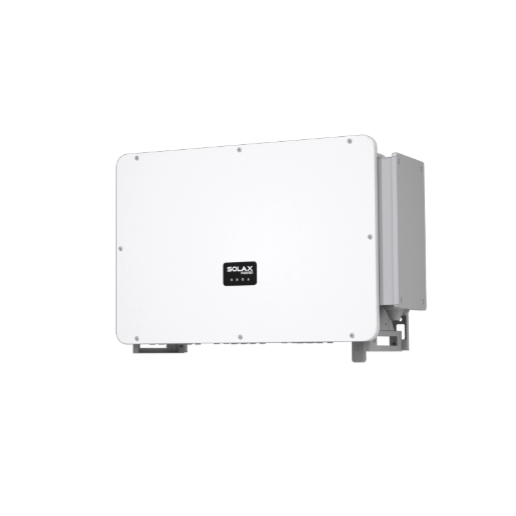
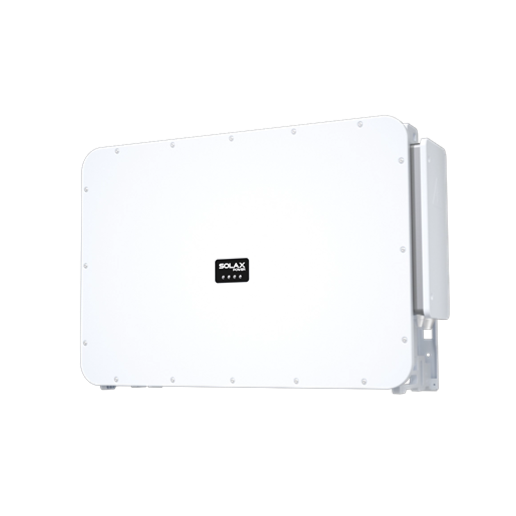
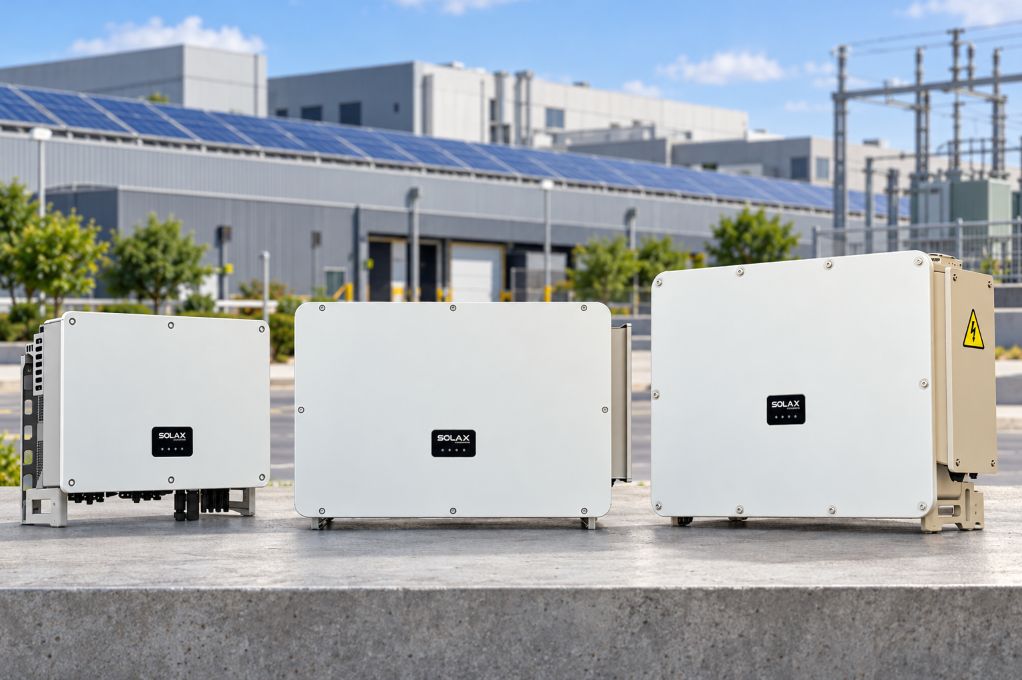
Some buyers are really choosing for a large home, farm, workshop, or light commercial site with more complex loads. In those cases, the better fit may be a three-phase hybrid inverter that can manage smart loads, larger PV input, and future control layers instead of just serving as a residential backup box.
Why it wins:
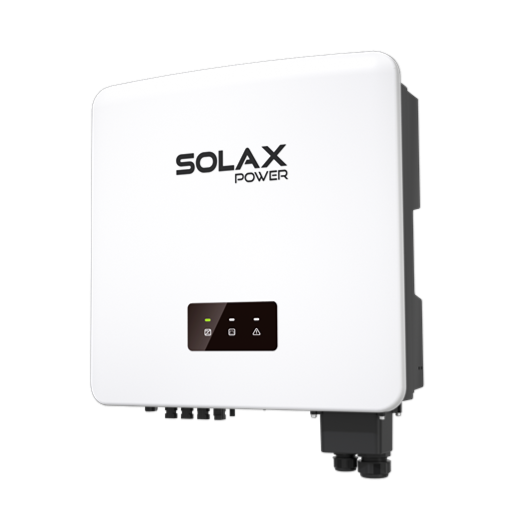
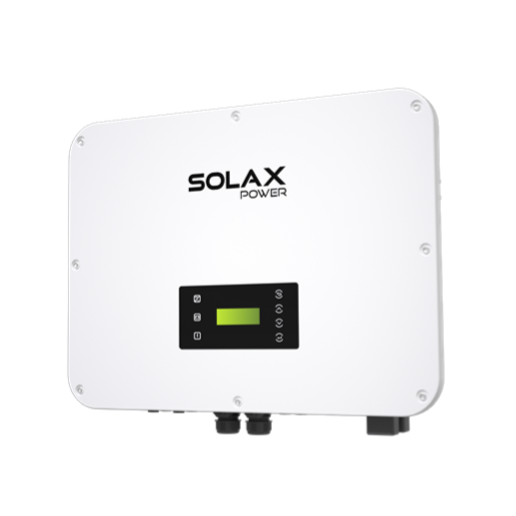
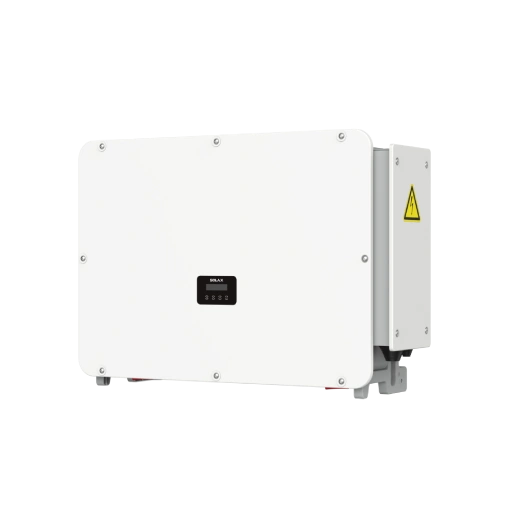
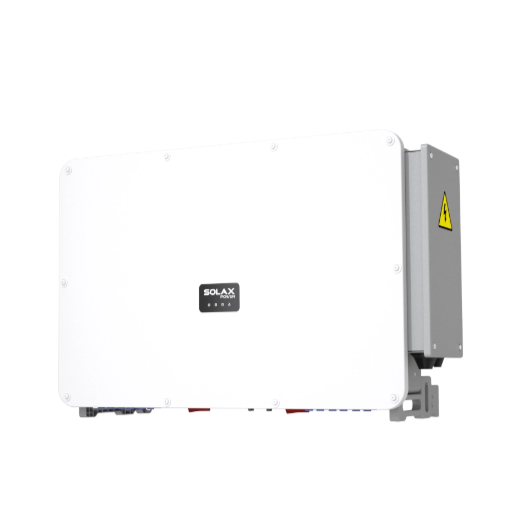
The X3-ULTRA is built for more demanding site loads and broader control strategy.
SolaX lists 200% PV oversizing, up to 110% AC output, and max. 60A charging/discharging current.
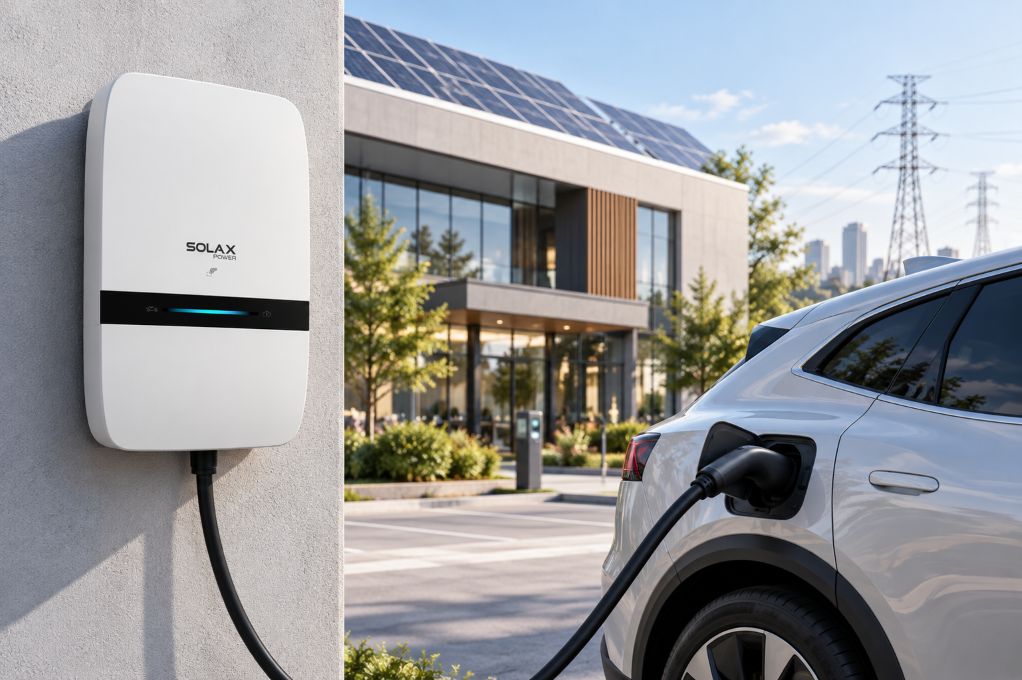
It also supports smart loads management, including examples such as heat pump and smart EV charger, with loads respond time within 0.3 s.
The platform is marked VPP ready with compatibility references including OpenADR and IEEE2030.5.
Best for:
Light commercial projects.
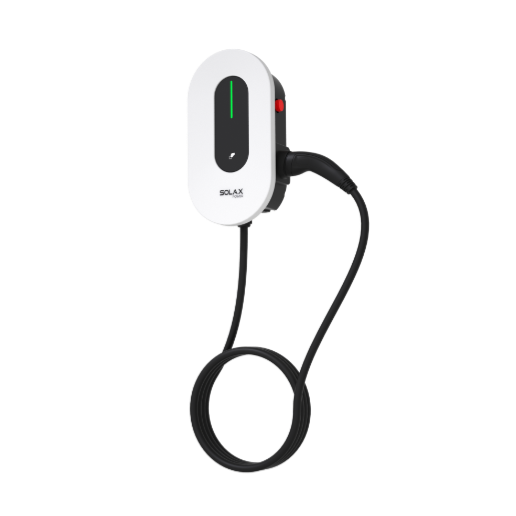
Mixed loads and future EV charging.
Buyers who need smart energy coordination beyond a standard home setup.
What to watch:
This class can be more than a typical home needs.
Commissioning quality matters even more once controls get advanced.
Shop: X3-ULTRA
Why SolaX stands out in this hybrid inverter list
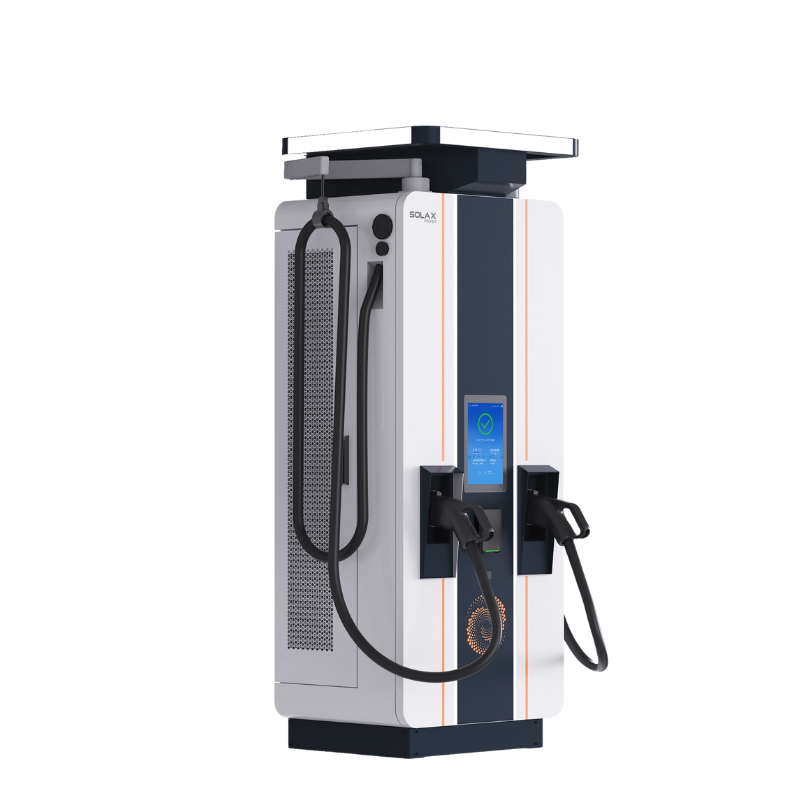
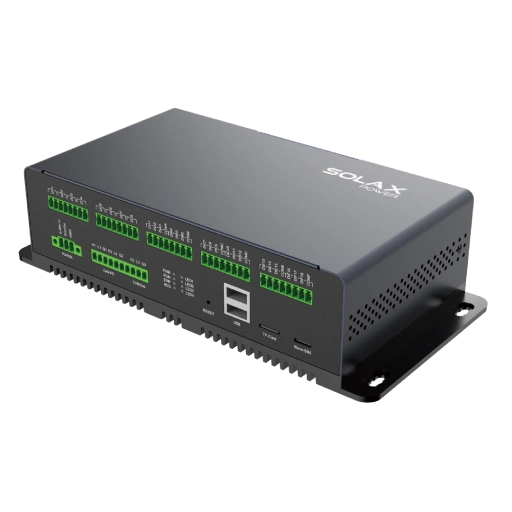
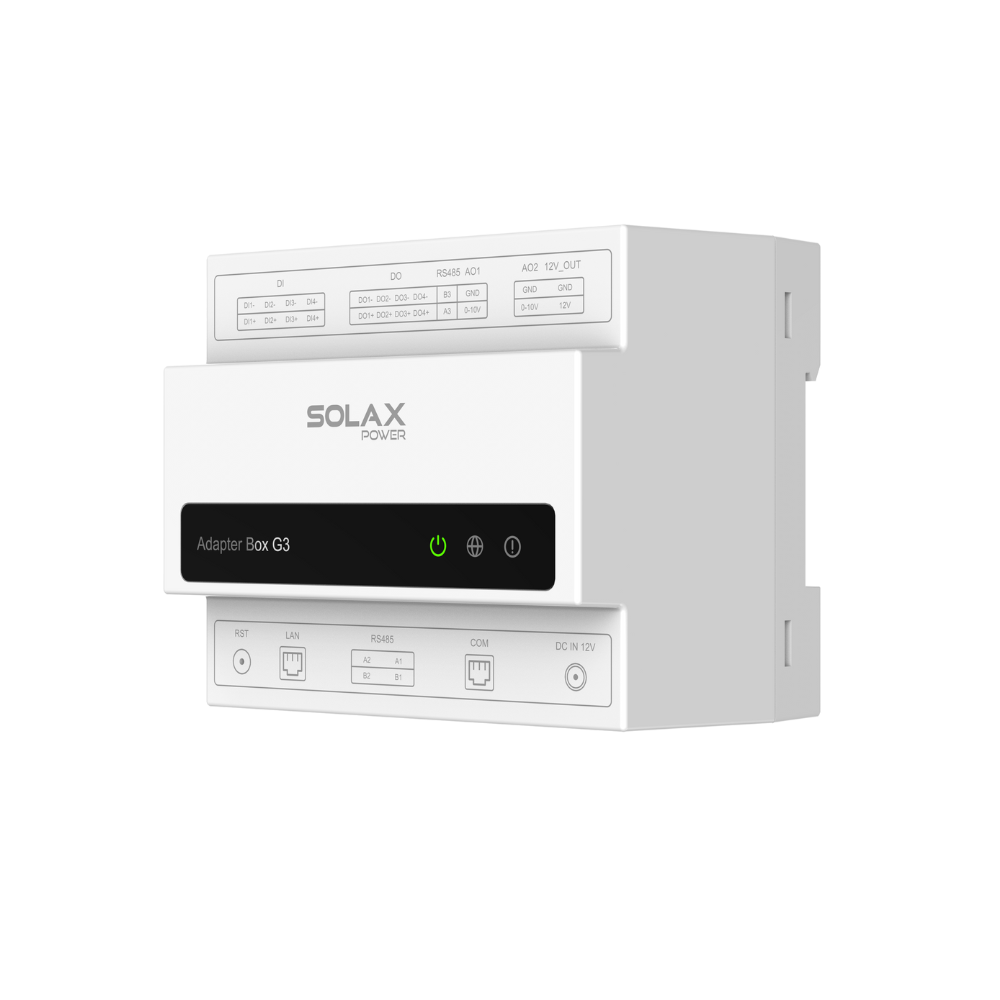
SolaX is strongest when you are not only buying an inverter, but planning a broader smart energy system. Its product structure spans residential and C&I hybrid inverter lines, batteries, all-in-one ESS, EV chargers, monitoring devices, SolaXCloud, and VPP tools, so the ecosystem has room to grow with your solar battery and load strategy instead of stopping at first install.
End-to-end ecosystem fit.
Residential, C&I, and utility solution paths are all part of the same platform story.
Monitoring and optimization sit alongside hardware, not outside it.
That makes SolaX a practical shortlist option when your future plan may include EV charging, smart loads, or phased storage growth.
FAQ
Table of Contents
Latest News
Explore expert insights, practical guides, and the latest news on SolaX Power.


To the Latest Newsletter
Stay Ahead with the Latest SolaX Updates!
Subscribe
I have read and agree to Privacy Policy and User Terms