













June 22, 2026
How to Choose an Inverter With the Right Price, Performance, and Warranty
Share my #SolaXStory


Define what your inverter must do before you compare quotes
Many buyers start with price and only later notice that the cheaper inverter limits battery options, backup behavior, or app controls. That is where inverter value usually breaks down. A solar inverter is not just a conversion box inside a solar power system; it also affects how your solar battery, monitoring, and future upgrades will work together. The smartest way to compare options is to match the inverter to your real setup first, then judge performance and warranty around that fit.
Before you look at model sheets, sort your project into one clear use case:
Grid-tied only
Battery-ready for later expansion
Hybrid backup for outage support
EV charging integration
Full smart energy management for home or business
If you mix those use cases, your inverter performance comparison will be misleading from the start. The U.S. Department of Energy notes that the inverter is one of the most important parts of a solar energy system because it connects generation and storage into usable AC power for the site and grid interaction alike.
Compare solar inverter performance by daily impact, not brochure volume
Two inverters can look close on paper but deliver different results once you add an inverter battery, backup loads, or later expansion. Focus on the specs that change daily operation rather than long feature lists. That gives you a better view of inverter value for money and avoids paying extra for functions you will never use.
What to check first
Inverter type: string, hybrid, or micro inverter layout
Battery compatibility: approved solar battery options and voltage range
Efficiency: especially charge and discharge efficiency in hybrid use
Phase setup: single-phase or three-phase
Monitoring quality: app visibility, alerts, and energy controls
Expansion path: EV charger, backup, or VPP-ready software support
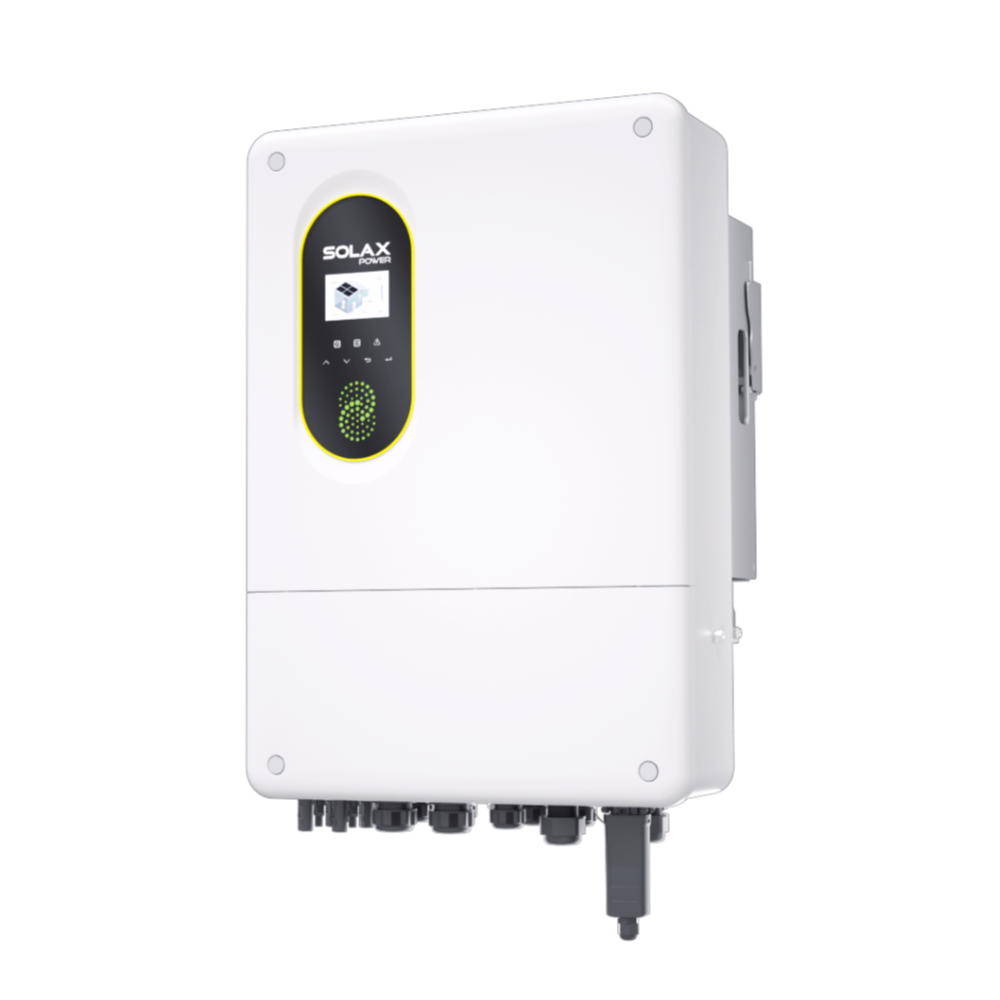
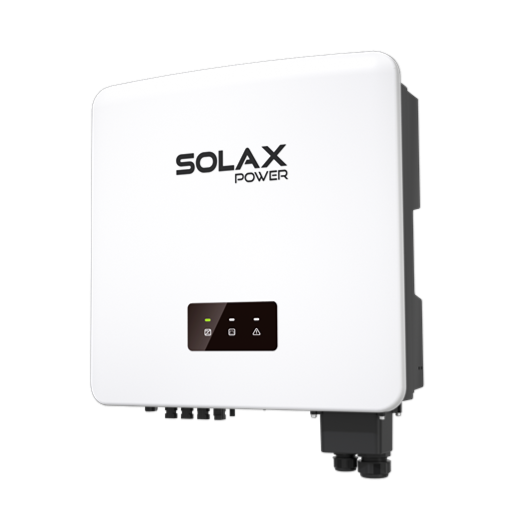
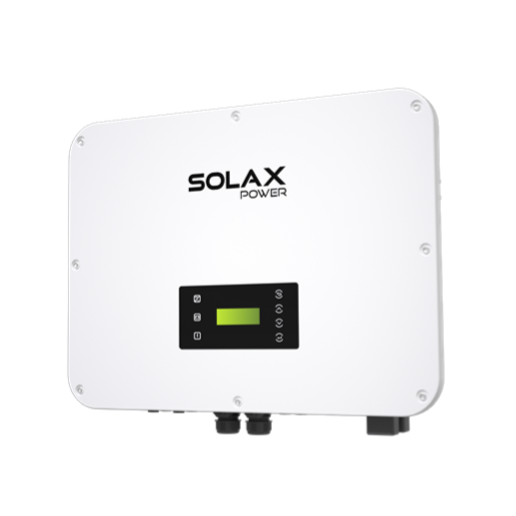
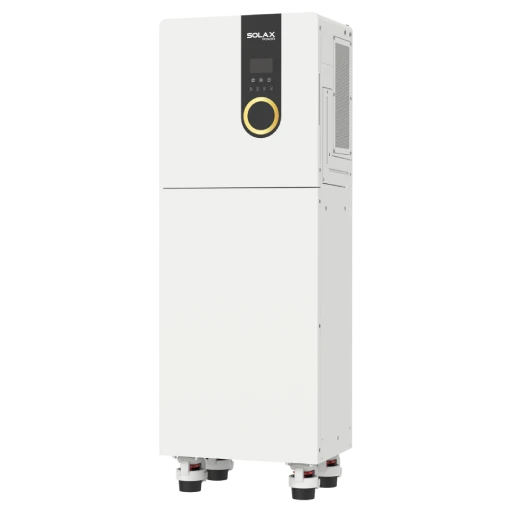
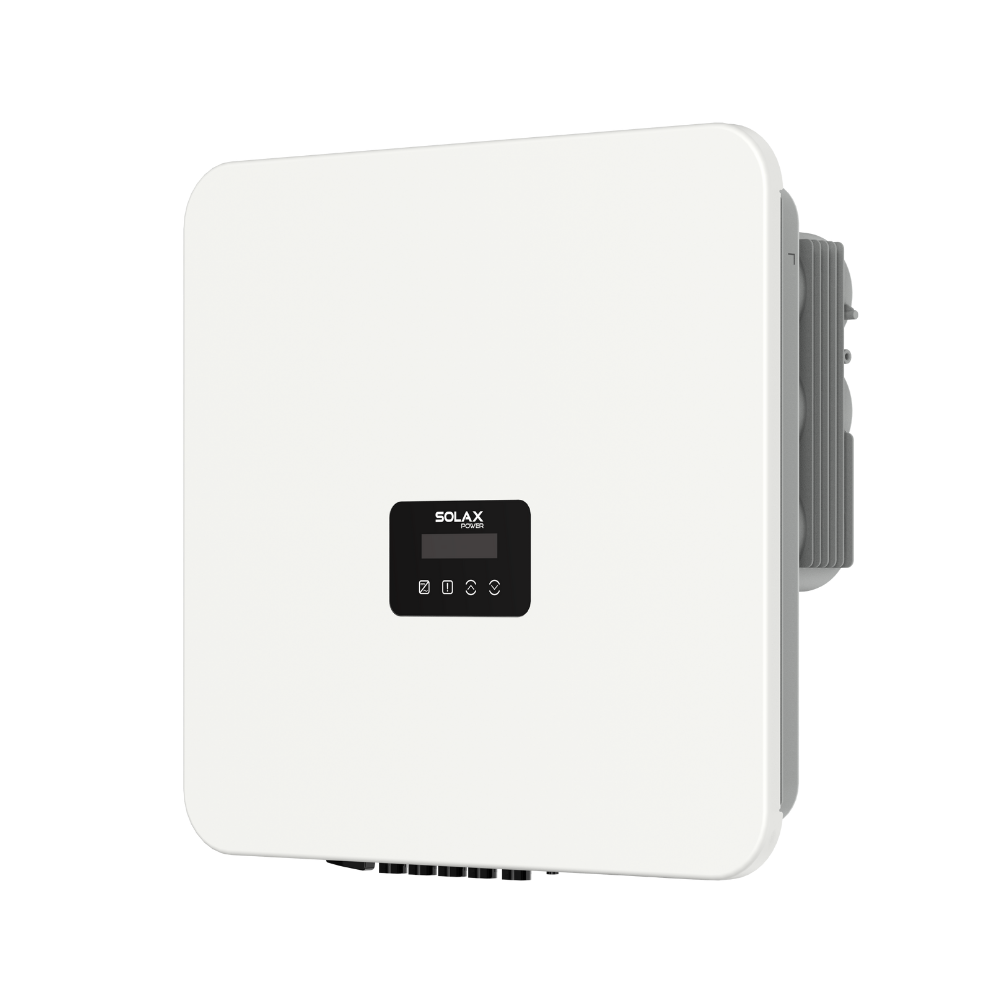
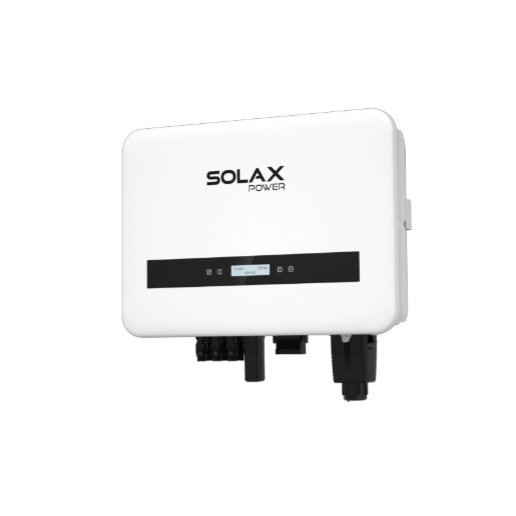
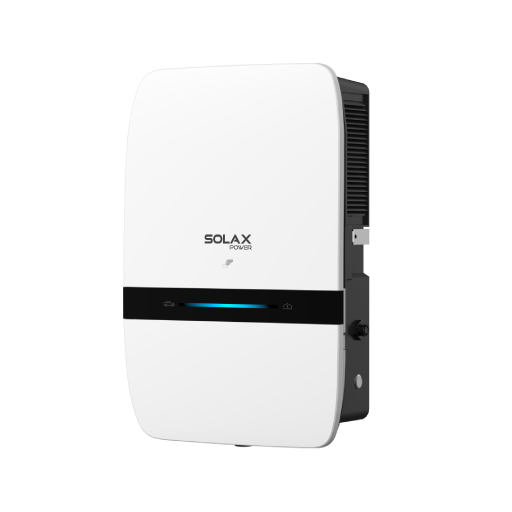
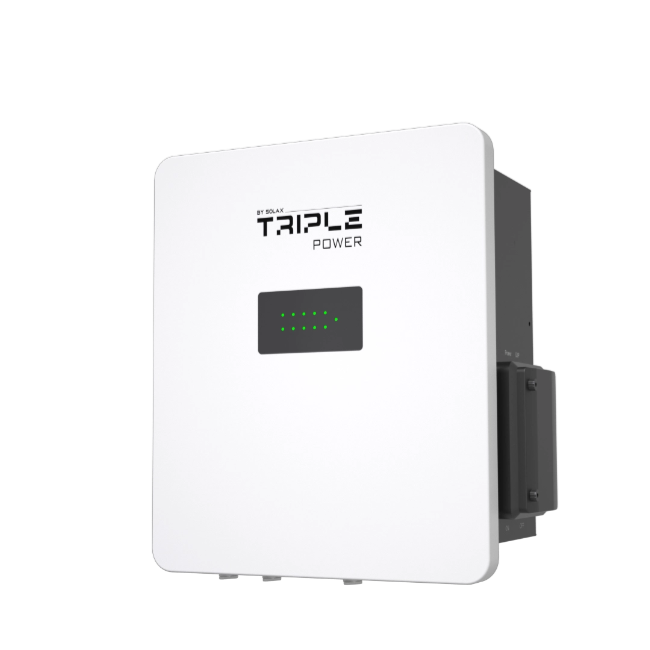
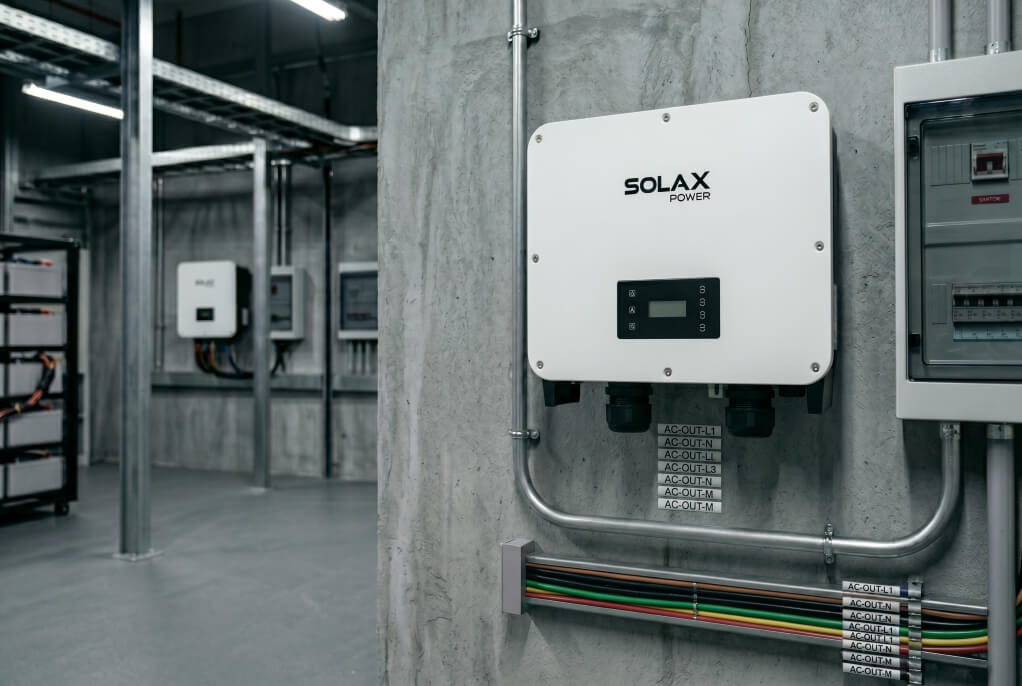
For buyers who want one platform instead of separate brands, SolaX is a practical shortlist option. Its energy storage lineup includes the X1-Hybrid G4 for single-phase homes and the X3-Hybrid G4 for three-phase sites, while the broader platform also extends to batteries, EV charging, and SolaXCloud monitoring. The X3-Hybrid G4 product page states up to 200% PV oversizing, up to 110% AC output, three-phase unbalanced output up to 5 kW per phase, and VPP-ready smart management.
Compare inverter price against total project value
A low inverter quote can still become the expensive choice if it adds labor, blocks battery expansion, or forces you into a second monitoring platform later. So, compare total value in three buckets rather than looking only at the equipment line item.
What to include in value for money
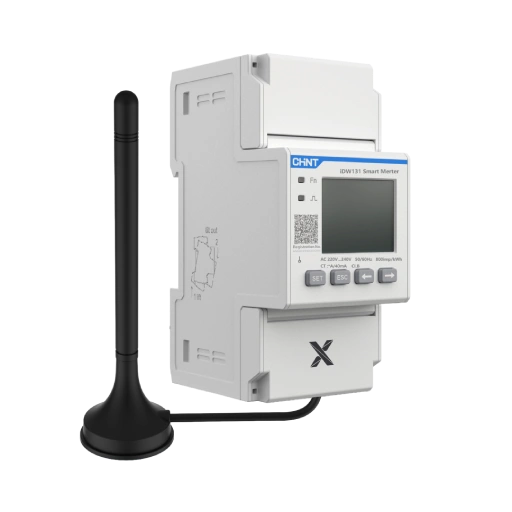
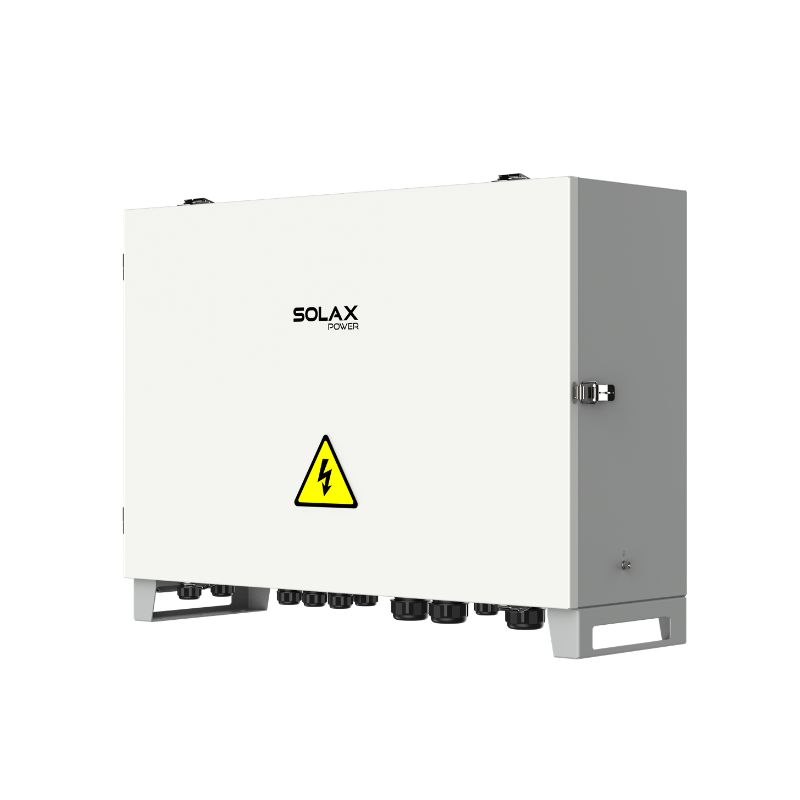
Equipment scope: inverter, meter, backup box, communications parts
Installation complexity: wiring, commissioning, and setup time
Long-term benefit: self-consumption, backup response, expansion flexibility
Software layer: monitoring, scheduling, and smart energy automation
This matters even more if you expect to add storage. The Department of Energy explains that solar-plus-storage systems can provide power without relying on the grid in the same way as solar alone, which changes the value of a hybrid design versus a basic grid-tied unit.
Read hybrid inverter warranty terms like a risk document
A longer warranty does not automatically mean lower risk. What matters is whether the warranty is easy to keep valid and easy to use when something goes wrong. That is especially important for home solar inverter selection, because installer paperwork, commissioning records, and platform registration can all affect claim success.
What to verify
Standard warranty length
Start date rule
Extension conditions
Regional coverage and service route
Exclusions for unauthorized installation or battery pairing
Whether cloud registration is required
SolaX publishes detailed warranty terms rather than relying on marketing language alone. Its support site lists a 5-year standard warranty for models including X1/X3-Hybrid G4 and notes that connected systems with uploaded generation data can qualify for a free upgrade to 10 years in certain cases; the terms also tie warranty validity to proper installation, commissioning, and approved system use.
Match the inverter to your expansion plan over the next 2 to 5 years
A good inverter choice should still make sense after your first install is finished. If you may add a solar battery, backup circuits, or EV charging later, the software and ecosystem matter almost as much as the hardware rating. That is where many buyers avoid rework by choosing a smarter platform up front.
Future-fit questions to ask
Will you add battery storage within 2 years?
Do you want backup for selected loads?
Could you add a smart charger later?
Do you want one app for solar, battery, and usage?
Does the inverter support broader smart energy control?
SolaX positions this ecosystem clearly. The X3-Hybrid G4 page highlights integration with storage, EV charging, intelligent time-of-use management, and VPP readiness, while the product catalog shows adjacent categories such as batteries, EV chargers, and monitoring tools under one platform.
Troubleshooting a weak inverter decision before it becomes expensive
Problem | Cause | Solution |
Quote looks cheap | Missing system parts | Re-price full system |
Battery-ready feels vague | Partial compatibility only | Request approved list |
Warranty sounds strong | Claim path unclear | Get written workflow |
Specs seem better | Different use cases compared | Normalize by setup |
Shortlist only after installer and support verification
At this point, you should be down to a few realistic options. Now ask your installer for a side-by-side table using your actual loads, battery plan, service route, and monitoring needs. This step turns a generic solar inverter comparison into a decision you can defend.
Final shortlist checks
Confirm local code and grid compliance
Verify approved battery pairing
Ask who handles warranty claims locally
Check commissioning and registration steps
Compare monitoring access for owner and installer
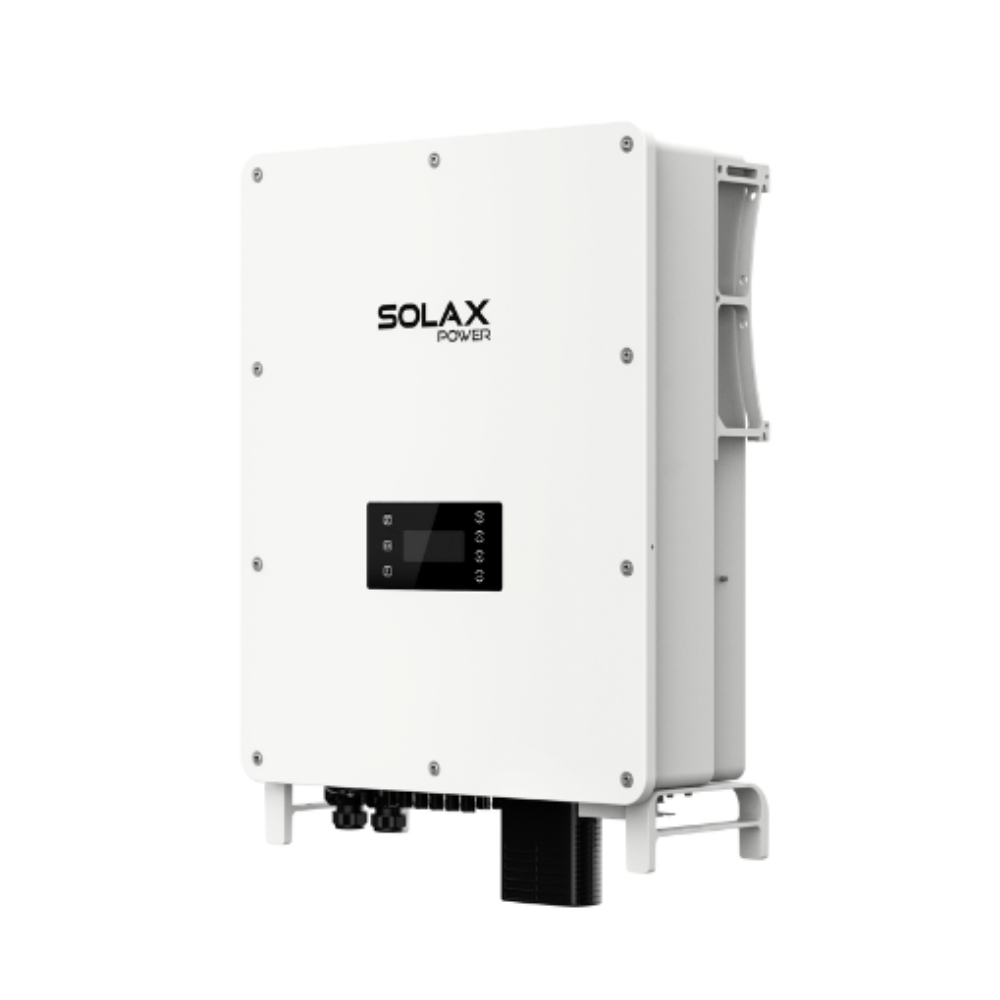
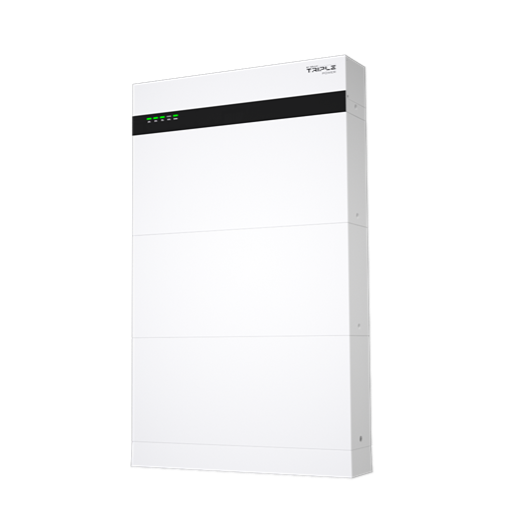
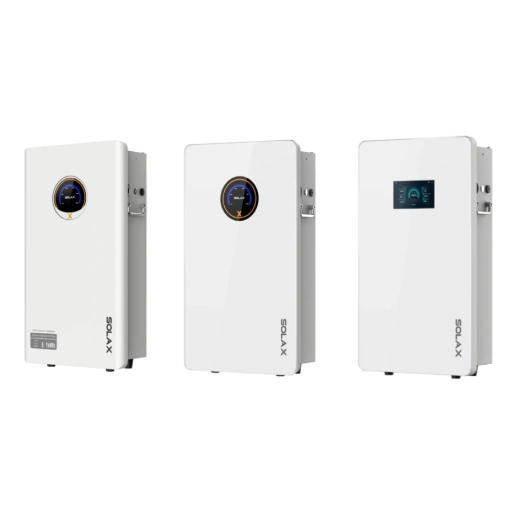
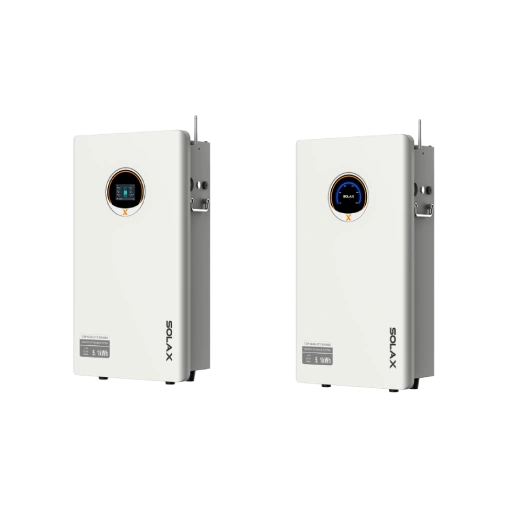
SolaX describes itself as a broad smart energy provider spanning residential, C&I, and utility use cases, with a portfolio covering energy storage inverters, batteries, EV chargers, software tools, and VPP capability. That makes it worth reviewing when you want platform fit, not only a single-device quote. According to the brand product catalog, the X1-Hybrid G4 covers 3 to 7.5 kW in single-phase applications, while the X3-Hybrid G4 covers 5 to 15 kW in three-phase setups.
FAQ
Table of Contents
Latest News
Explore expert insights, practical guides, and the latest news on SolaX Power.


To the Latest Newsletter
Stay Ahead with the Latest SolaX Updates!
Subscribe
I have read and agree to Privacy Policy and User Terms