













June 22, 2026
Whole-Home Energy Management Solutions for Solar + Battery + Smart Loads 2026
Share my #SolaXStory


A lot of homeowners buy solar, then add a solar battery later, then try to bolt on EV charging or a heat pump after that. The problem is not the hardware alone. It is the missing control logic between generation, storage, and household loads. When each device follows its own app or timer, your whole-home energy management plan starts to leak value through bad charging windows, missed solar use, and manual switching.
A better setup treats your solar power system as one coordinated workflow. In practice, that means your solar inverter, inverter battery, smart loads, and monitoring platform should follow clear priorities.
What makes a whole-home energy system actually work?
A good system works because it can decide where energy goes every minute. You want solar energy to serve live loads first, then charge the battery, then export only when that choice makes sense.
Core foundations every buyer should know
EMS: Energy Management System, the logic layer that schedules energy flow.Hybrid inverter: A solar inverter that can manage PV, battery charging, and backup behavior together.ESS: Energy storage system, usually the inverter plus battery and control hardware.Smart loads: Devices or circuits you can control on purpose, such as EV charging or a heat pump.TOU: Time-of-use pricing, where electricity costs change by hour.VPP: Virtual Power Plant, where distributed assets can support grid programs.
How the ecosystem fits together
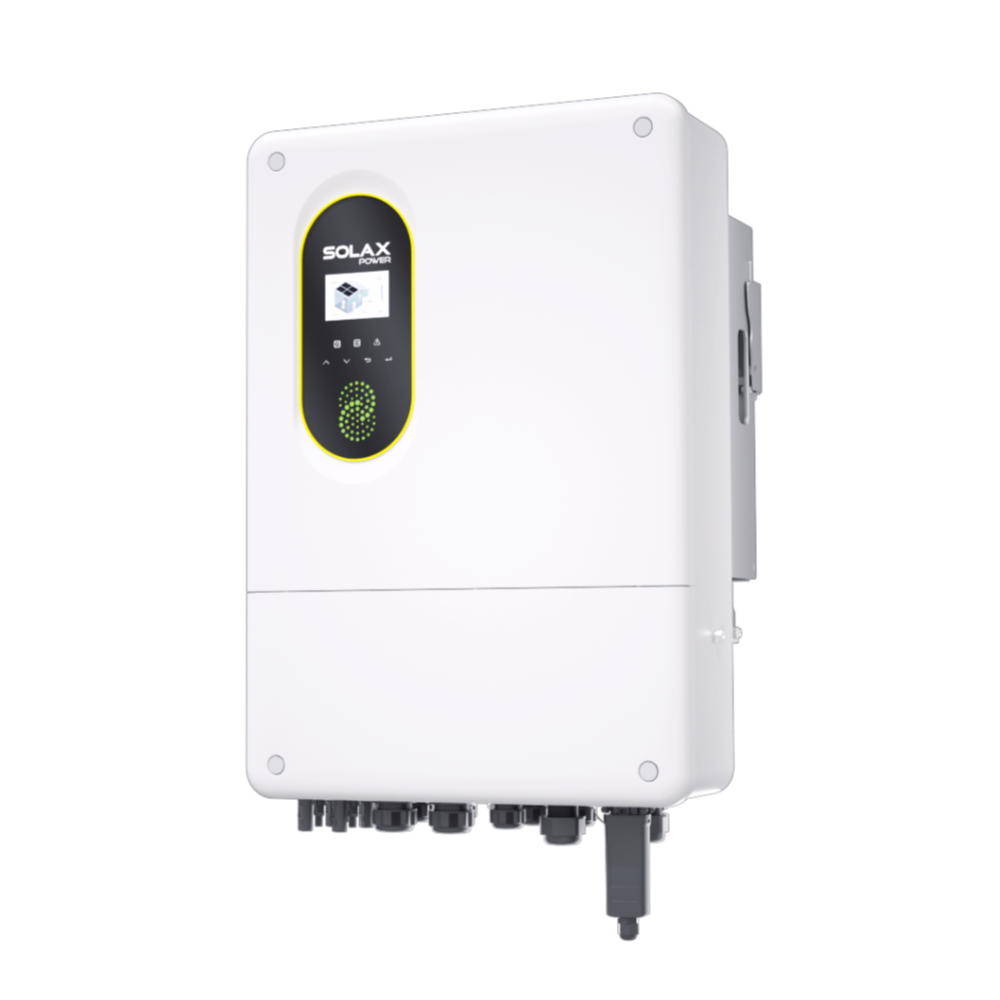
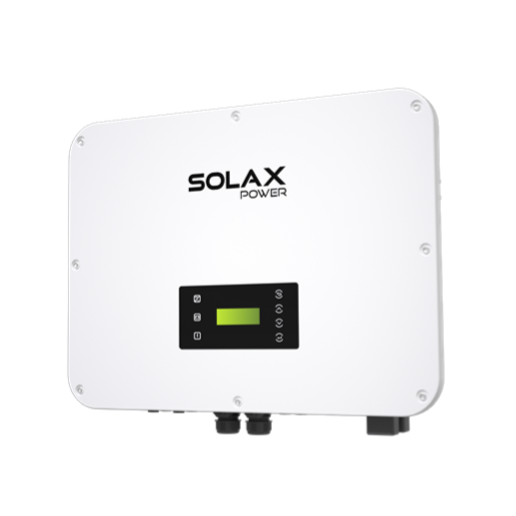
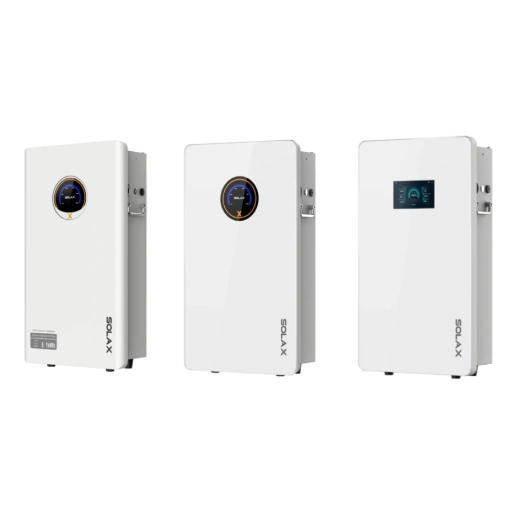
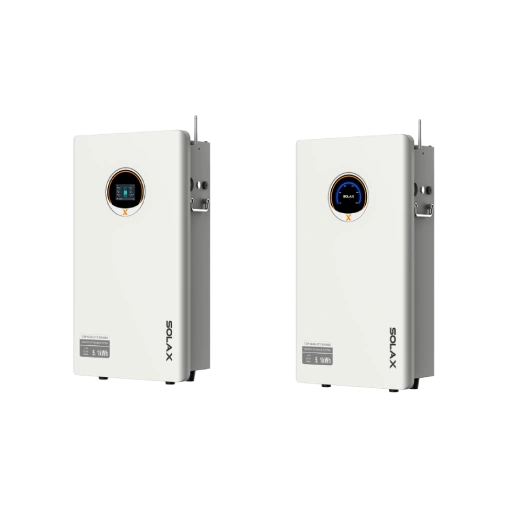
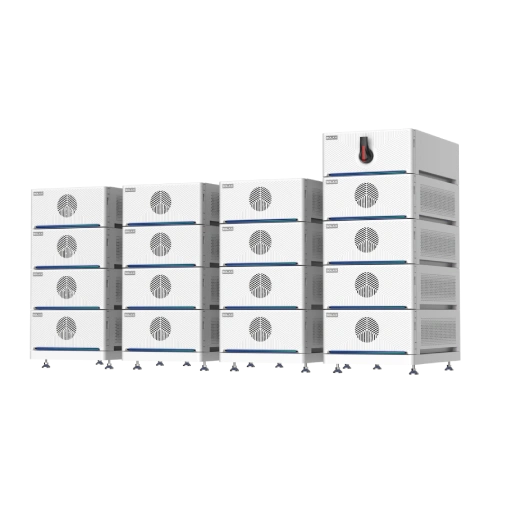
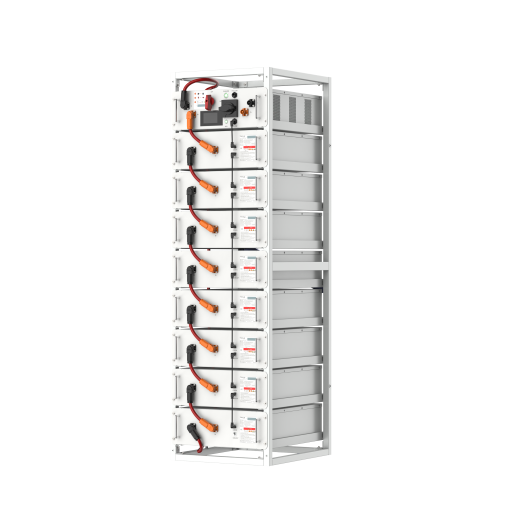
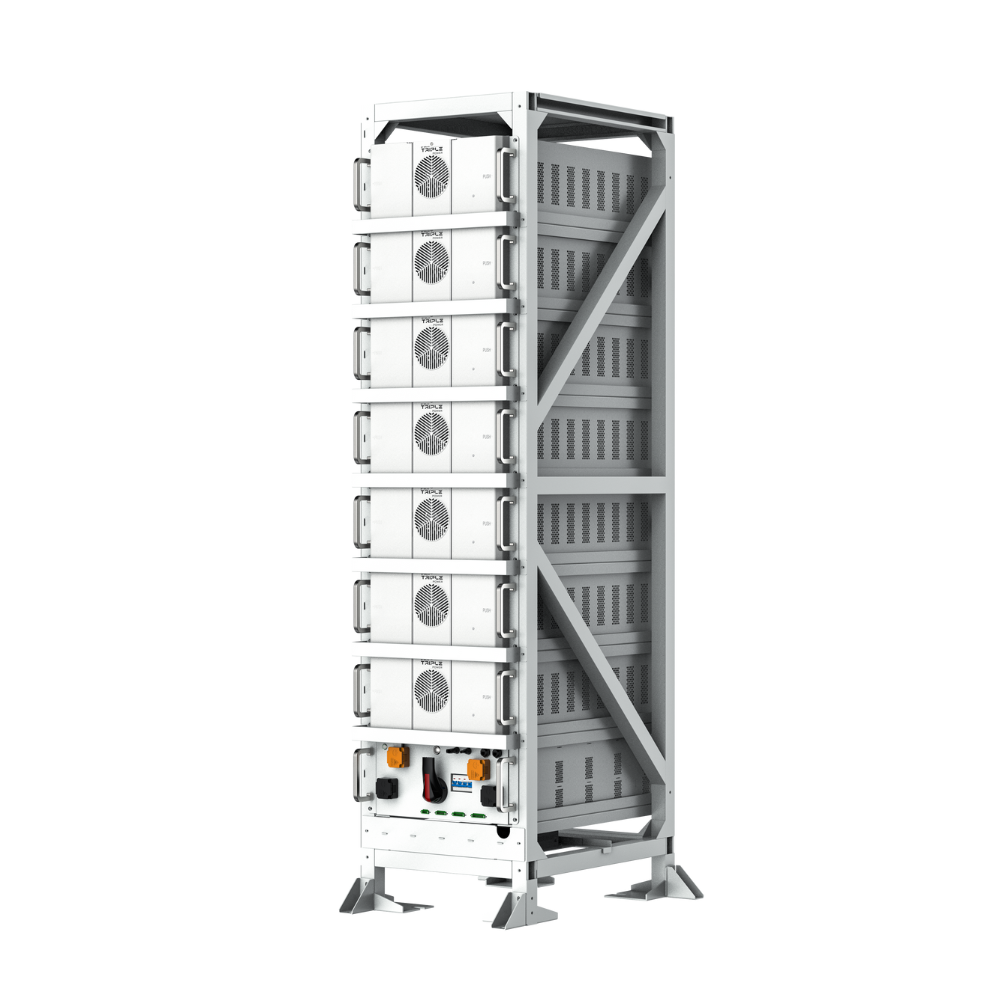
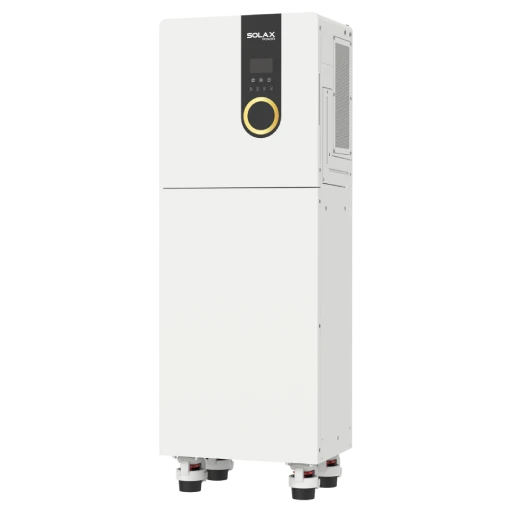
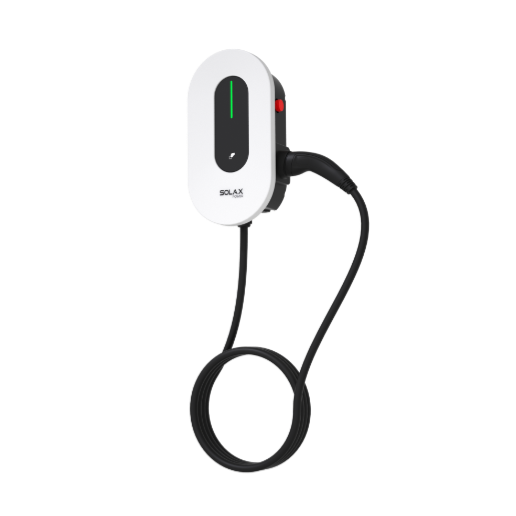
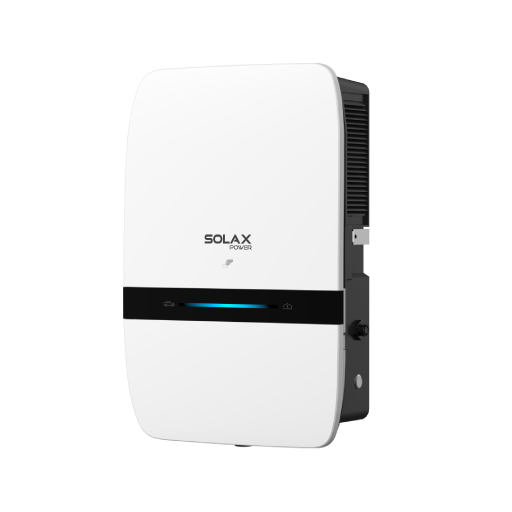
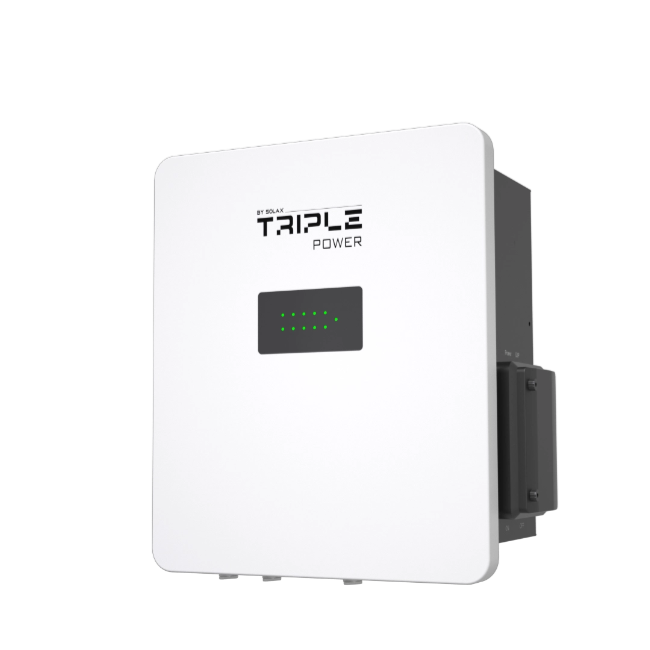
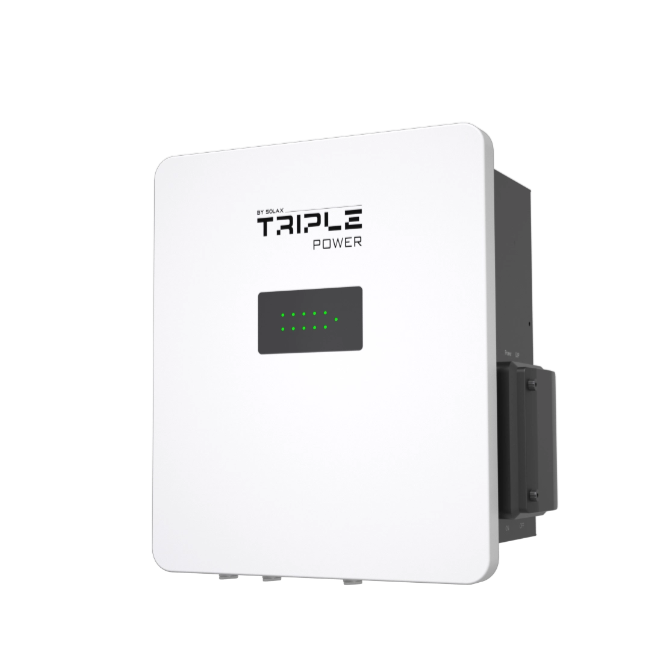
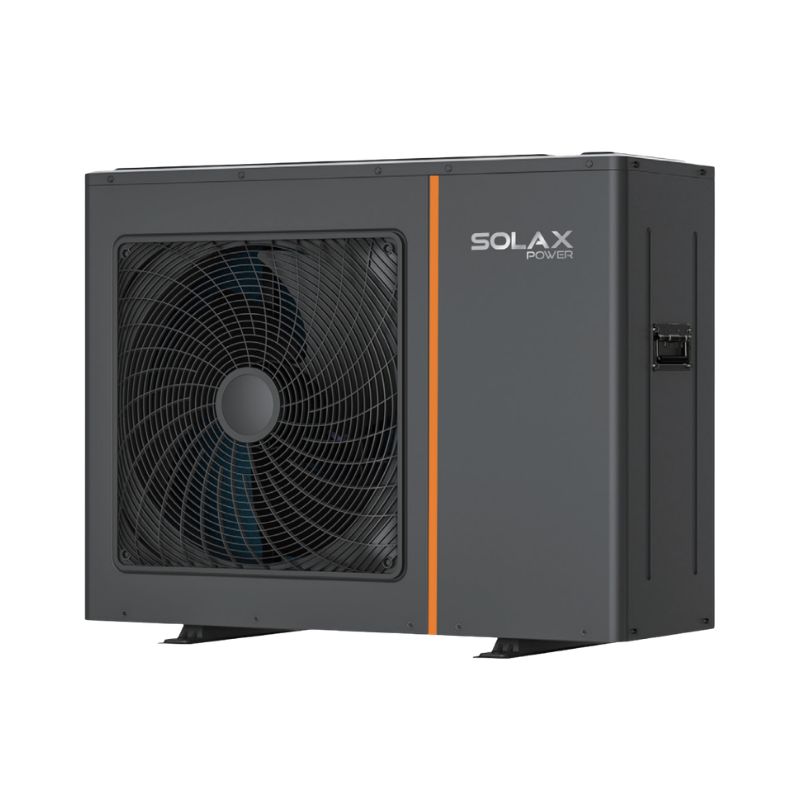
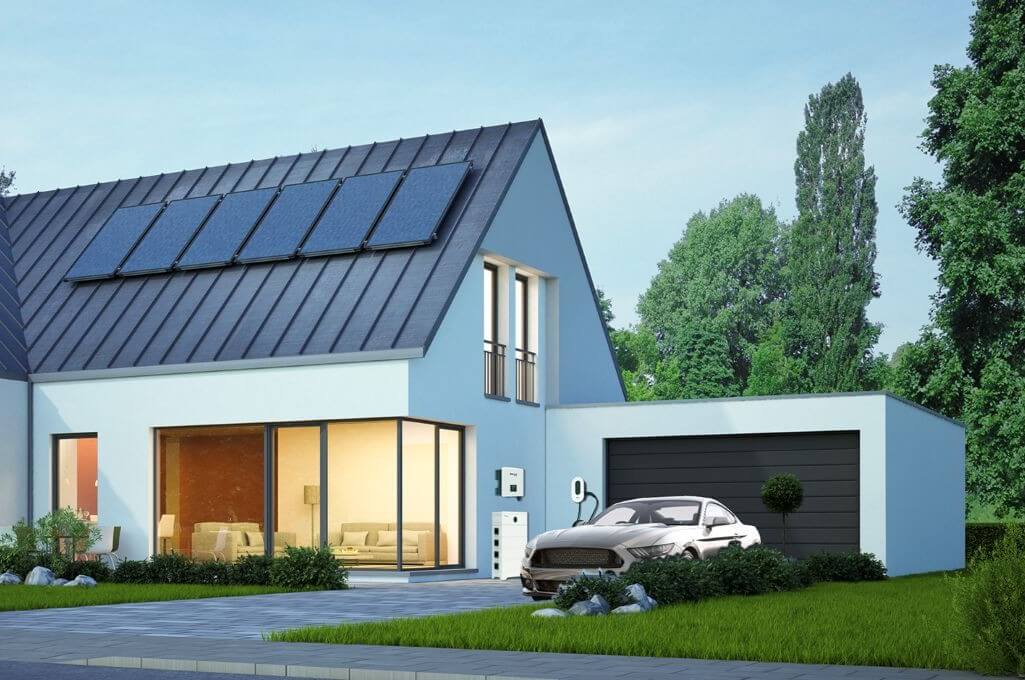
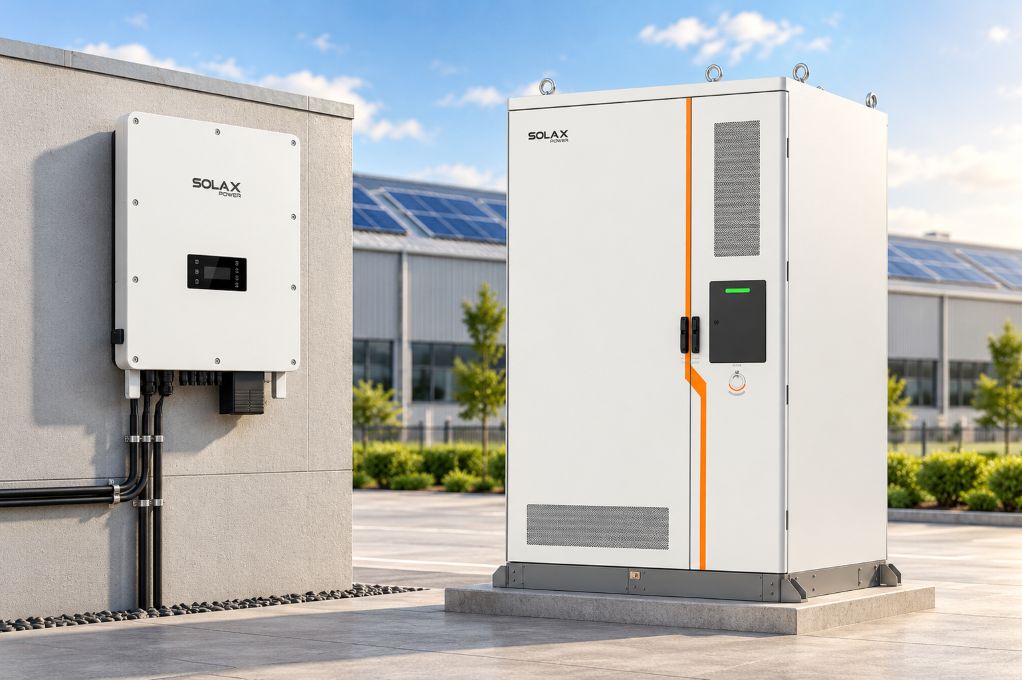
In a whole-home energy management setup, five pieces matter most: PV generation, battery storage, inverter control, controllable loads, and monitoring. SolaX positions these as one ecosystem across products such as the X1 HYBRID G4, X-ESS G4, residential EV charging solutions, and heat pump integration pages. Its Residential Solar Power Energy Storage Systems also describe smart load management, TOU-driven operation, and real-time monitoring through SolaXCloud, which is exactly the kind of coordination you need if you want one smart energy workflow instead of isolated devices.
How do you design the control path from solar production to household loads?
The strongest control path is simple on paper and precise in operation. Use solar first, protect backup reserve second, and let the grid fill gaps only when it is the cheapest or safest option.
Start with energy priority rules
Set your priorities before you compare equipment. For most homes, the default order looks like this:
Run daytime household loads from solar energy first
Charge the solar battery with excess PV next
Shift flexible loads into solar-rich hours
Keep a backup reserve for outages if needed
Import from grid during low-tariff windows when useful
This is where hybrid architecture usually beats a patchwork retrofit. The SolaX X1 HYBRID G4 supports multiple work modes, two charging periods, load response via CT measurement, and intelligent load management for devices such as a heat pump. Its specs also highlight up to 200% PV oversizing, up to 97.0% charging and discharging efficiency, and switchover time under 10 ms for backup-sensitive homes.
Add the right execution tools
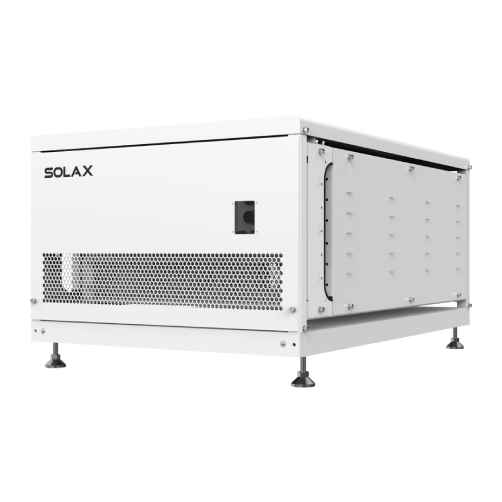
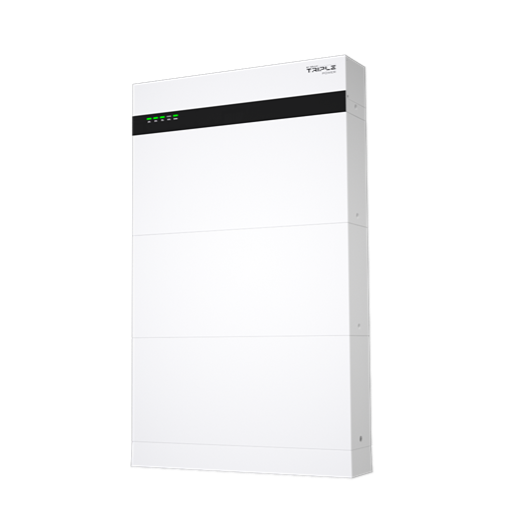
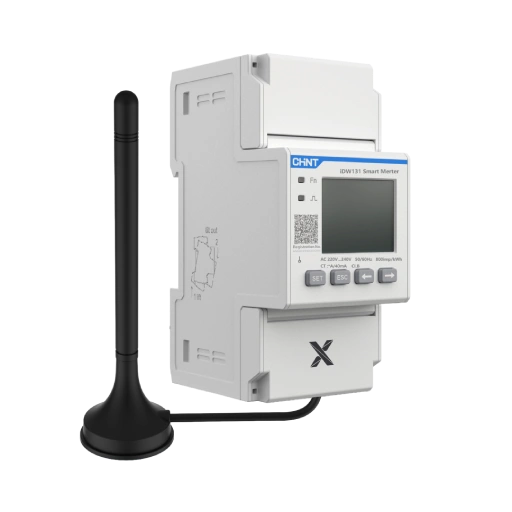
Rules only work if the system can execute them. That means you need metering, app-level scheduling, and dedicated control points for smart loads. The X-ESS G4 is designed as an all-in-one residential ESS with SolaXCloud monitoring, intelligent TOU-driven energy management, and compatibility with EV chargers and heat pumps. SolaX says the platform supports smart load management, real-time monitoring, and plug-and-play installation, which makes it easier to reduce the handoffs that usually cause operating errors in mixed-vendor systems.
Which buying factors matter most before you commit?
The best equipment list can still underperform if the control ecosystem is shallow. Before you buy, screen the platform the same way you would screen the hardware.
Decision factors that change system quality
Ecosystem depth: Check whether one brand covers inverter, battery, charger, monitoring, and smart load control.
Control savings: Ask how TOU schedules, export limits, and reserve settings actually reduce bills.
Monitoring granularity: Look for fast refresh data and clear visibility on PV, battery, import, export, and load use.
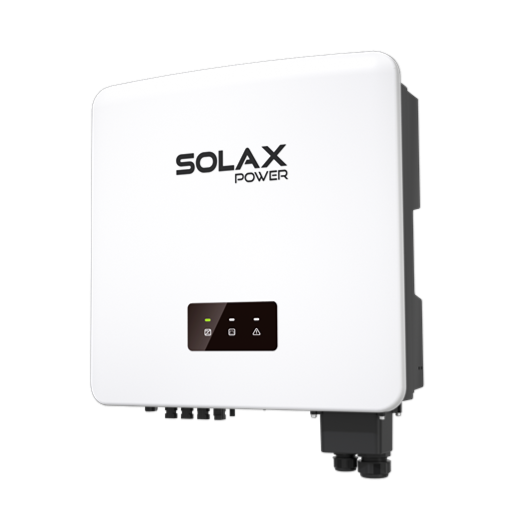
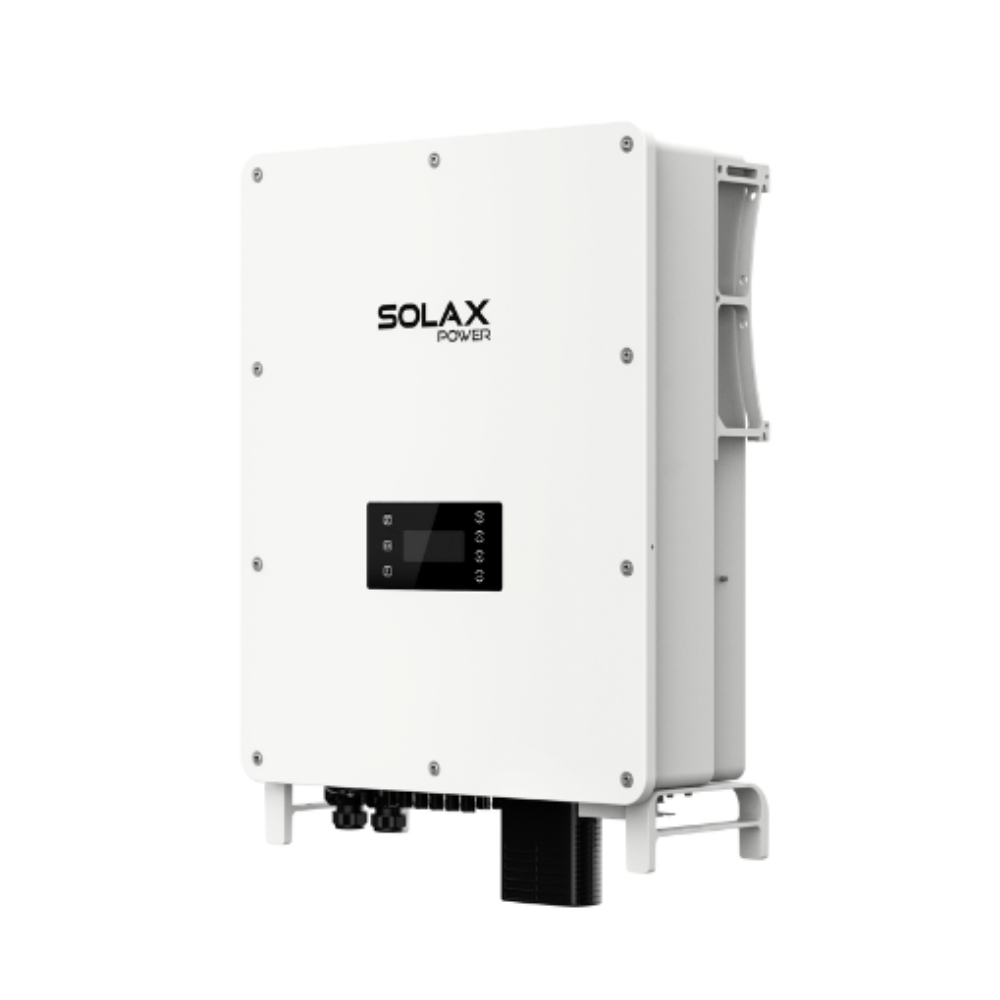
SolaX has unusually broad coverage for residential buyers because its portfolio spans energy storage inverters, batteries, all-in-one ESS, string inverters, micro inverter options, EV chargers, heat pumps, and cloud software. That matters if you want fewer compatibility risks and one app experience. The company also presents global operating scale, including presence in 110+ markets, 700+ partners, and more than 1,100 product certifications, which gives buyers useful service and compliance screening signals.
Scenario fit by customer type
A small home usually needs app clarity, backup basics, and a right-sized inverter battery plan. A larger electrified home may need three-phase support, higher output, and better smart-load orchestration. For example, the X3-IES-A is a three-phase residential ESS with up to 15 kW output, 98.6% peak efficiency, IP66 protection, and support for intelligent load management such as EV charger and heat pump coordination across 7x24 TOU scheduling.
Best practices and pitfalls
Planning quality matters more than feature count. If you map priorities first, your energy solutions stay easier to commission, explain, and expand.
Best practices
Rank loads as critical, flexible, and non-essential before sizing your system
Confirm tariff automation rules before purchase, not after installation
Keep solar inverter, solar battery, and app monitoring in one ecosystem where possible
Reserve battery capacity for outage support if your area has unstable service
Choose a platform that can grow into EV charging or VPP participation later
The safety side matters too. OSHA requires electrical work practices that protect workers from shock and arc hazards, so installer skill and commissioning discipline are not optional when backup circuits and batteries are involved. That lines up with SolaX's emphasis on partner and installer support rather than hardware-only claims.
Common pitfalls to avoid
Three mistakes show up again and again. First, people size a solar battery from guesswork instead of looking at evening load, outage needs, and tariff windows. Second, they mix incompatible control layers and end up with multiple apps that cannot share priority logic. Third, they buy for panel size alone and ignore smart-load outputs, CT metering speed, and backup switchover behavior, even though those details decide whether whole-home energy management feels automatic or frustrating.
Conclusion
Whole-home energy management works when control is coordinated, not when devices simply coexist. Your solar power system should follow a clear logic path from PV production to battery charging to smart-load scheduling and backup reserve. If you want that workflow to stay simple over time, match your home to one integrated ecosystem with solid monitoring, practical load control, and room to add EV charging or thermal loads later. In SolaX's case, that means evaluating hybrid inverter and ESS options alongside SolaXCloud, heat pump compatibility, and future-ready smart energy features.
FAQ
Table of Contents
Latest News
Explore expert insights, practical guides, and the latest news on SolaX Power.


To the Latest Newsletter
Stay Ahead with the Latest SolaX Updates!
Subscribe
I have read and agree to Privacy Policy and User Terms