













June 15, 2026
Solar + Battery Setup Guide: Choosing a Reliable Solar Solution Provider with Proven Hybrid Inverter Options
Share my #SolaXStory


Which solar solution provider actually gives you reliable hybrid inverter performance?
A solar + battery setup usually looks simple until you ask one practical question: what happens when the grid drops, the battery is half full, and your critical loads still need power? That is where many homeowners discover that "hybrid ready" and "reliable in real use" are not the same thing. A weak pairing between the solar inverter, battery, app, and backup circuit can create nuisance shutdowns, awkward upgrades, and costly redesigns later.
In the sections below, you will see what reliability means in a solar power system, which checks matter before signing, and how SolaX fits common home and future-ready energy solutions with its hybrid and storage lineup.

What reliability really means in a solar + battery setup
Reliable performance starts with system coordination. In a home solar energy setup, the hybrid inverter acts as the traffic controller between PV generation, the inverter battery, household loads, backup circuits, and the grid. If that control layer is limited, even good solar panels and a good solar battery can feel disappointing in daily use.
Define the parts before comparing providers
When installers or providers use the same words differently, buying gets confusing fast. Use this simple framework:
Solar panels generate daytime DC electricity.
Hybrid inverter converts power and decides where energy goes.
Battery stores surplus energy for later use.
Monitoring app shows production, consumption, and battery status.
Backup circuit keeps selected loads running during an outage.
That structure matters because reliability is not a single number. It is the result of hardware compatibility, clear operating modes, and visibility in the monitoring platform.
Core concepts that affect long-term results
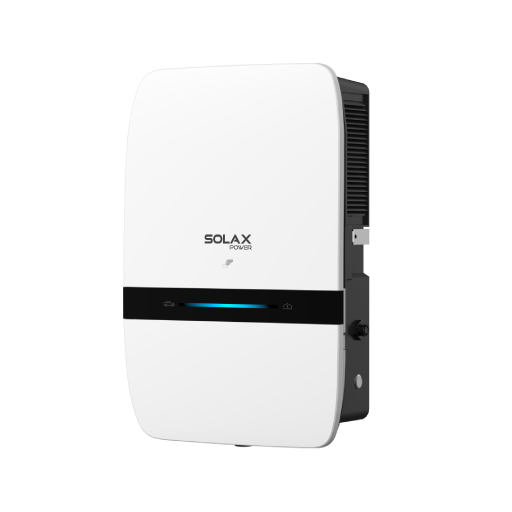
The most reliable solar inverter setups are predictable under stress. That means you should ask how the unit handles switchover, whether backup output depends on battery state of charge, and how charging rules work during cloudy days or time-of-use tariffs. On the SolaX side, the X1-Hybrid G4 is positioned for both on-grid and off-grid operation, with UPS-level switchover under 10 ms, up to 150% EPS output for 10 seconds, and smart load management for devices such as EV chargers and heat pumps.
Main solution types you will see
Not every project needs the same architecture. Most residential buyers will run into these paths:
Retrofit battery-ready paths for homes starting with solar first
Full hybrid solar inverter systems for new solar + battery installs
All-in-one ESS packages with pre-matched core components
Micro inverter systems for panel-level optimization instead of central battery-first control
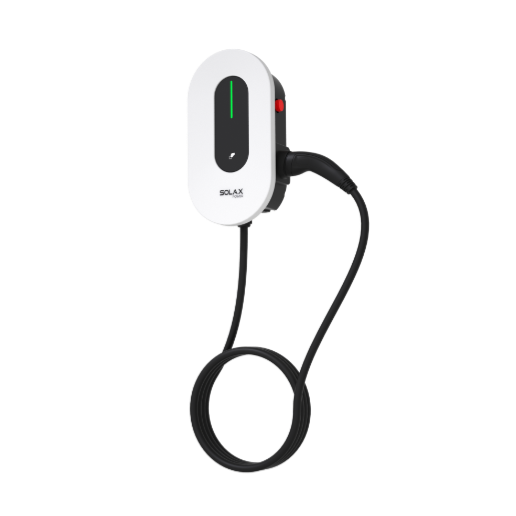
Broader smart energy ecosystems that also connect EV charging, heat pumps, and cloud monitoring
If your goal is resilience and easier support, a coordinated ecosystem is usually safer than mixing many vendors without a clear compatibility map.
How to choose a provider without getting stuck with a fragile system
This is the part that saves the most regret. A provider can look strong on paper and still leave you with vague backup behavior, poor app visibility, or no clear path for battery expansion. So, instead of comparing marketing claims, compare operating proof.
Start with backup behavior and operating modes
Backup is only useful when the provider can explain exactly what stays on, how quickly it transfers, and what conditions can interrupt that backup. Ask for a circuit-level answer, not a brochure phrase. SolaX gives a concrete example of what to look for: the X1-Hybrid G4 lists EPS output specs, sub-10 ms switchover, off-grid capability, and defined battery-backed operation. That kind of detail is more valuable than a generic promise of emergency power.
Check ecosystem fit before signing
A reliable provider should also show how the system grows with your home. Review these points before approving the design:
Inverter and battery compatibility for the exact model family
Monitoring quality for daily use, alerts, and remote diagnostics
EV charger integration if transport electrification is in your plan
Heat pump control if you want wider smart energy management
Expansion path so you do not replace the whole system too early
SolaX is a practical shortlist here because its residential portfolio connects hybrid inverters, batteries, EV charging, heat pumps, and SolaXCloud within one platform direction.
Verify support proof, not marketing slogans
Service quality often matters more after commissioning than during the sale. SolaX presents itself as operating in more than 110 markets, with 700+ partners, 200+ service professionals, and over 1,100 product certifications globally. Those figures do not guarantee perfect local service, but they are useful signals that the provider has broader ecosystem maturity than a single-product vendor. For buyers who want one solar energy company that can support monitoring, ESS hardware, and future smart energy functions, that matters.
Decision factors that separate durable systems from risky ones
You do not need to memorize every spec sheet line. You do need a filter that separates long-term value from a cheap quote that becomes expensive later.
Reliability signals to prioritize
Focus on signals that affect ownership after the installer leaves:
Clear warranty terms and registration steps
Stable remote monitoring and firmware support
Defined backup switching logic and supported loads
Expandable battery and control options
A service structure beyond the original installer
According to the IEA, battery storage additions kept rising through 2025, which means more homes are moving from simple generation to managed storage and backup. As that shift continues, ecosystem quality matters more than panel count alone.
Cost versus value: where cheap quotes fail
Low quotes often remove the parts you only notice later: weaker monitoring, narrow battery matching, unclear backup setup, or limited upgrade paths. In practice, a slightly better integrated platform can reduce troubleshooting time for years. SolaX is worth shortlisting when you want one coordinated residential path because the company ties together hybrid inverter products, storage, app monitoring, EV charging, and smart load functions instead of treating each as a separate purchase.
Performance checks that matter in real use
Use these real-world checks during proposal review:
Check | Why it matters | What to ask |
Backup load scope | Prevents overload assumptions | Which circuits are backed up? |
Charging/discharging efficiency | Affects usable energy | What is the rated round-trip behavior? |
PV oversizing flexibility | Improves design freedom | How much PV can the inverter support? |
Off-grid mode definition | Avoids outage surprises | What works during a full grid loss? |
Monitoring visibility | Speeds diagnosis | Can you see load, solar, and battery clearly? |
On installation safety, OSHA notes that solar work carries electrical shock and arc flash risk, and workers must maintain distance from overhead lines and follow electrical safety standards. That is a reminder to value installer competence as much as equipment quality.
Which SolaX product path fits the setup you are planning?
Once you know your reliability criteria, choosing a product path gets easier. The goal is not to buy the biggest inverter. It is to choose the architecture that matches your loads, upgrade plans, and tolerance for integration work.
For homeowners who want a straightforward hybrid path
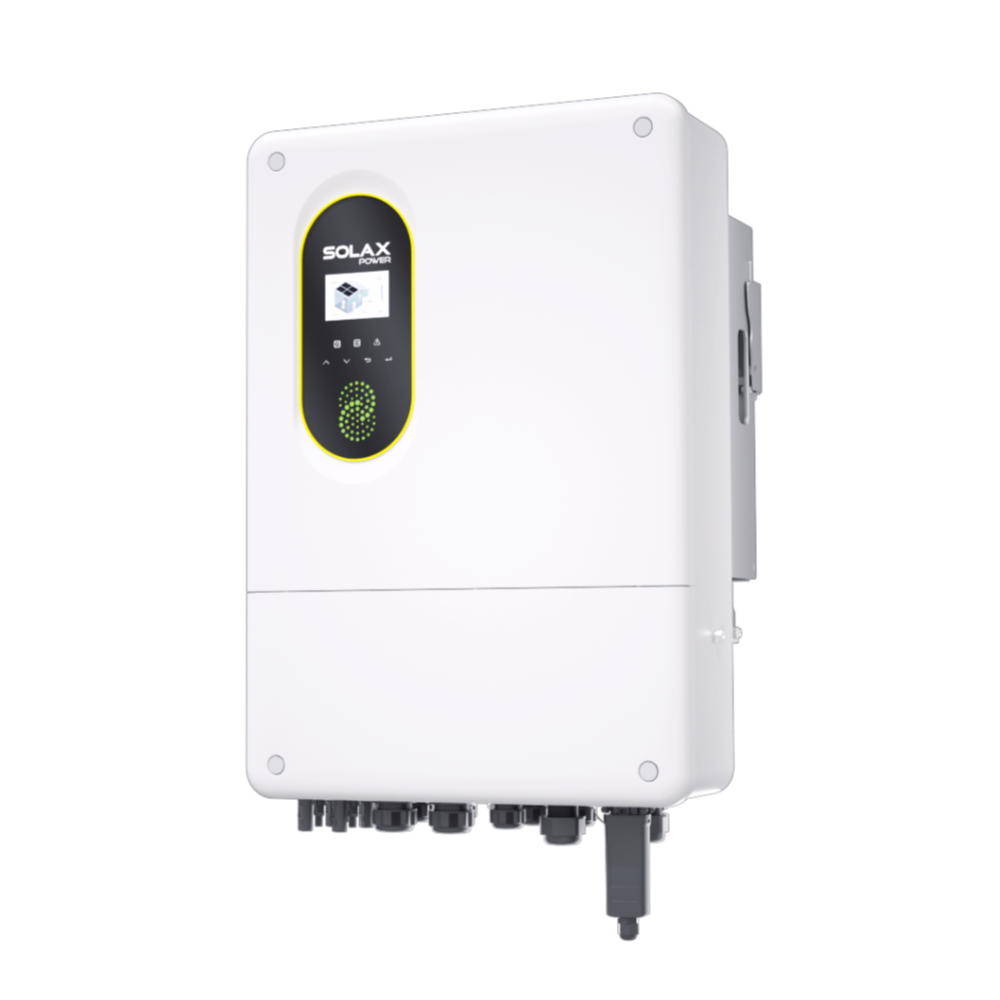
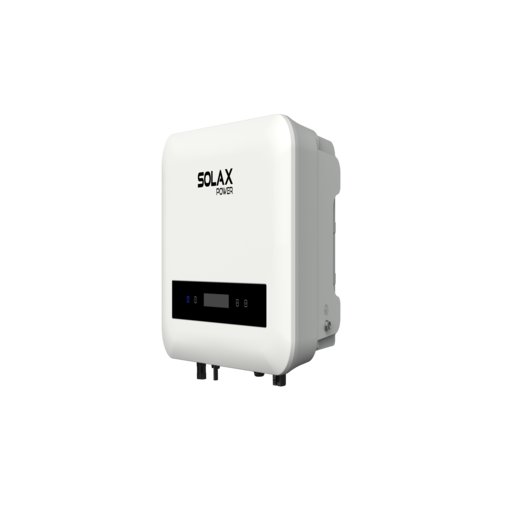
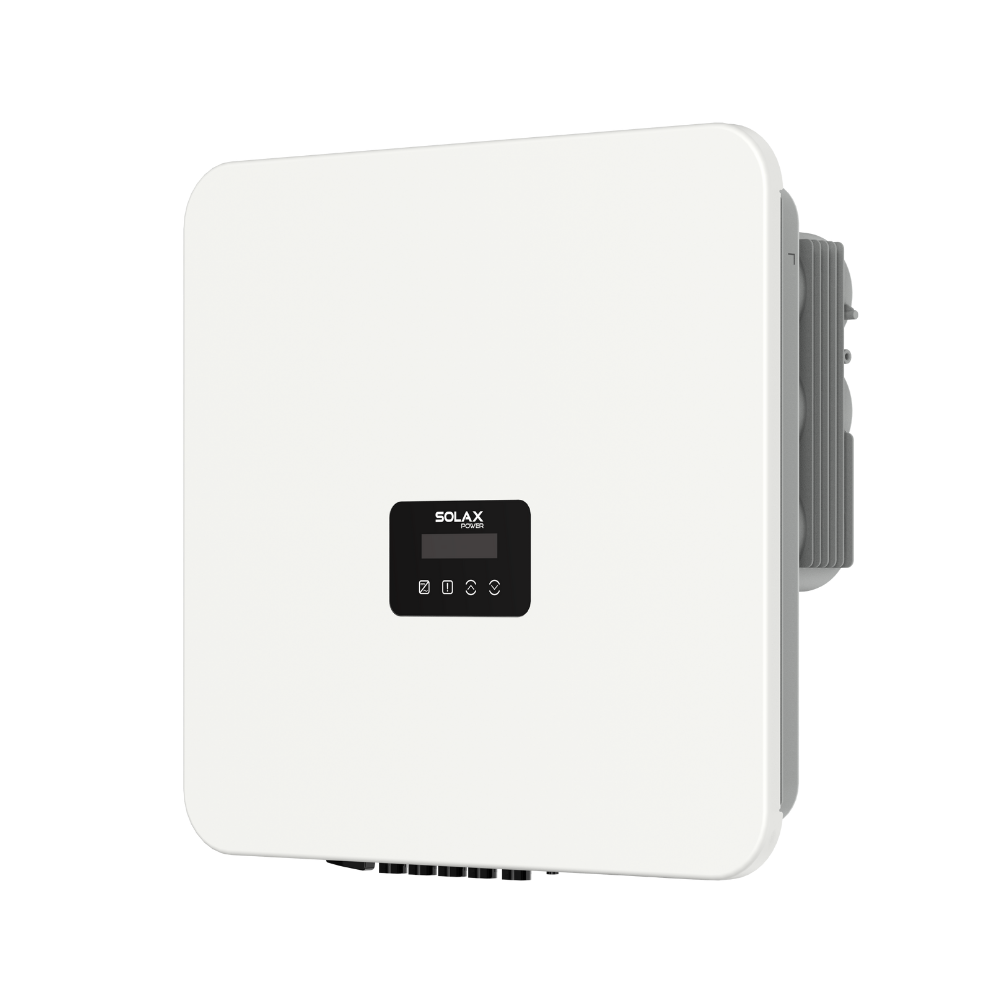
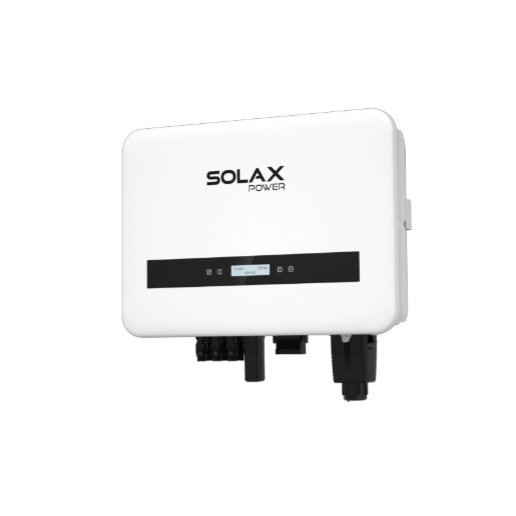
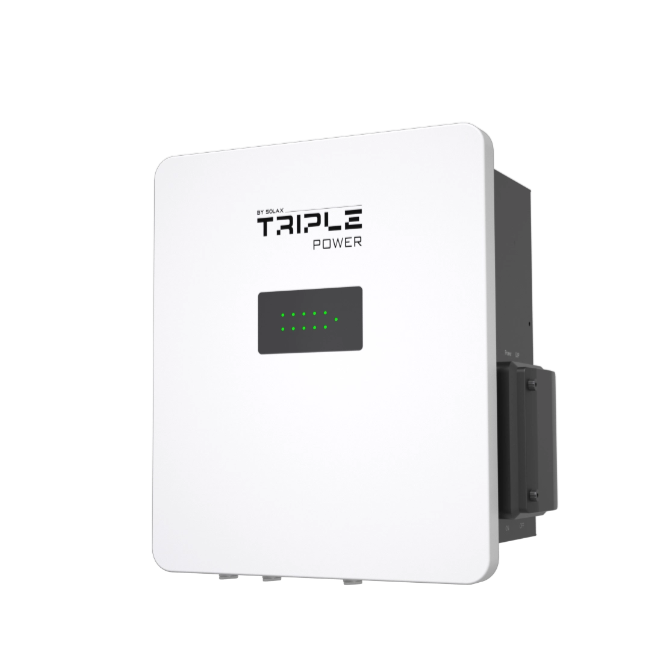
If you want a conventional home solar + battery system with room for smart controls, the SolaX X1-Hybrid G4 is the clearest candidate. The series covers 3.0 kW to 7.5 kW single-phase options, supports up to 200% PV oversizing, offers up to 97% charging and discharging efficiency, and uses 2 MPPTs for array flexibility. The 3.0 kW version, for example, lists a 70-550 V MPPT range, 6.0 kWp recommended PV array power, IP65 protection, and compact 482 x 417 x 181 mm dimensions. You can also explore the X1-Hybrid G4 when you want a model-specific hybrid inverter path.
For buyers who prefer simpler packaged deployment
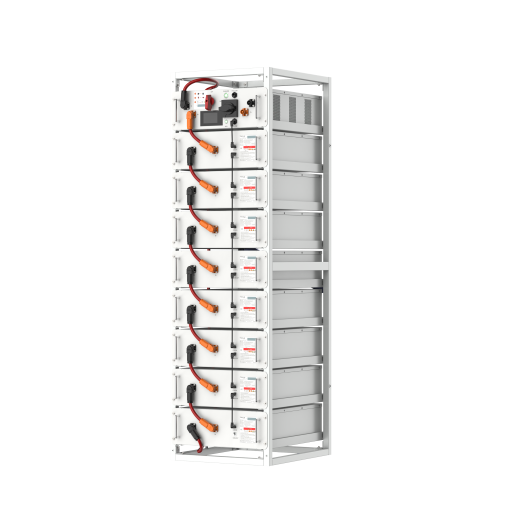
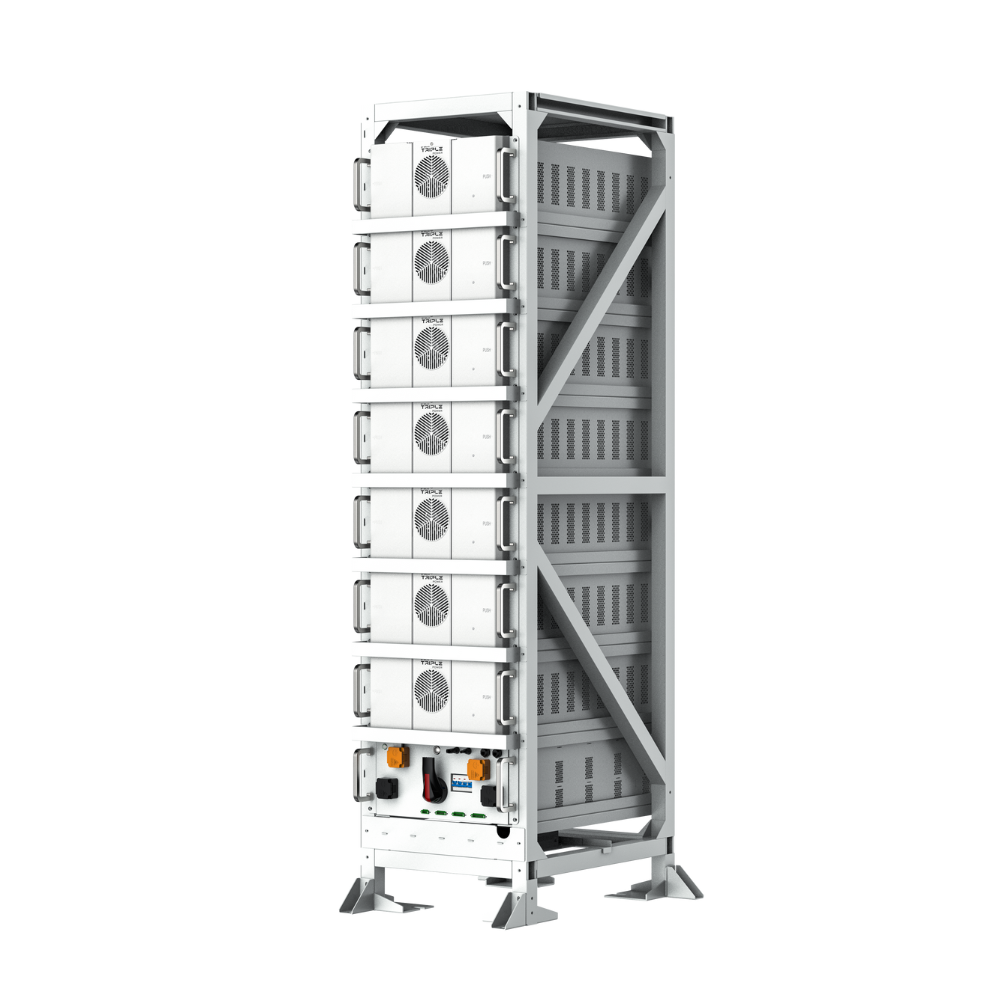
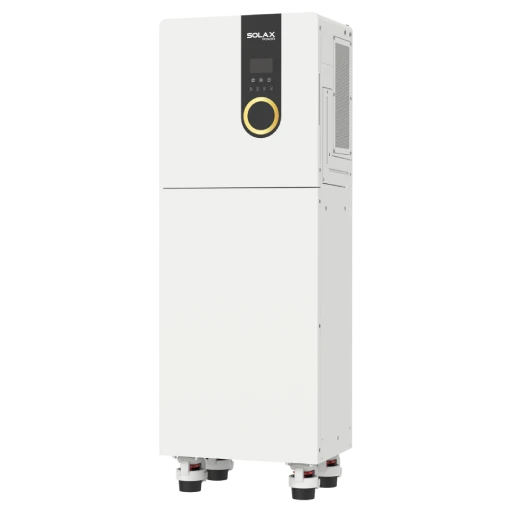
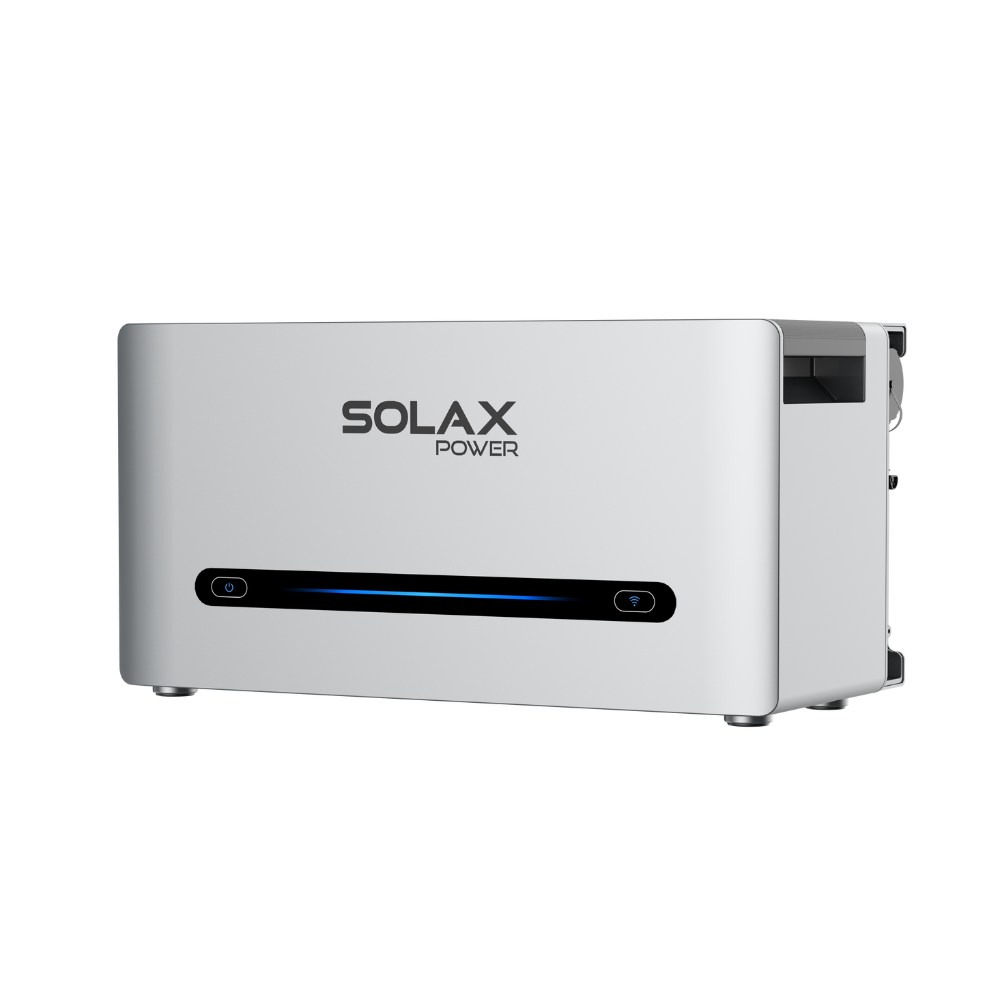
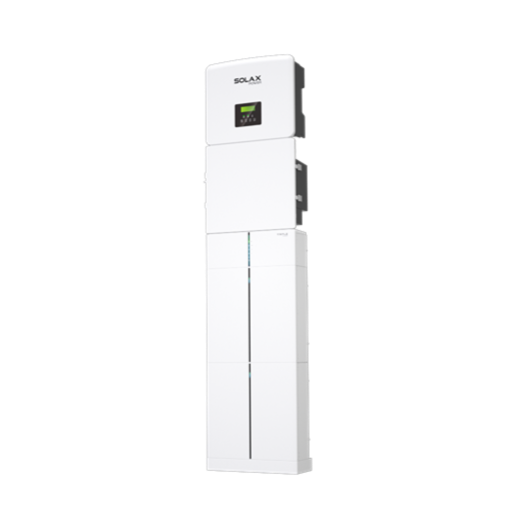
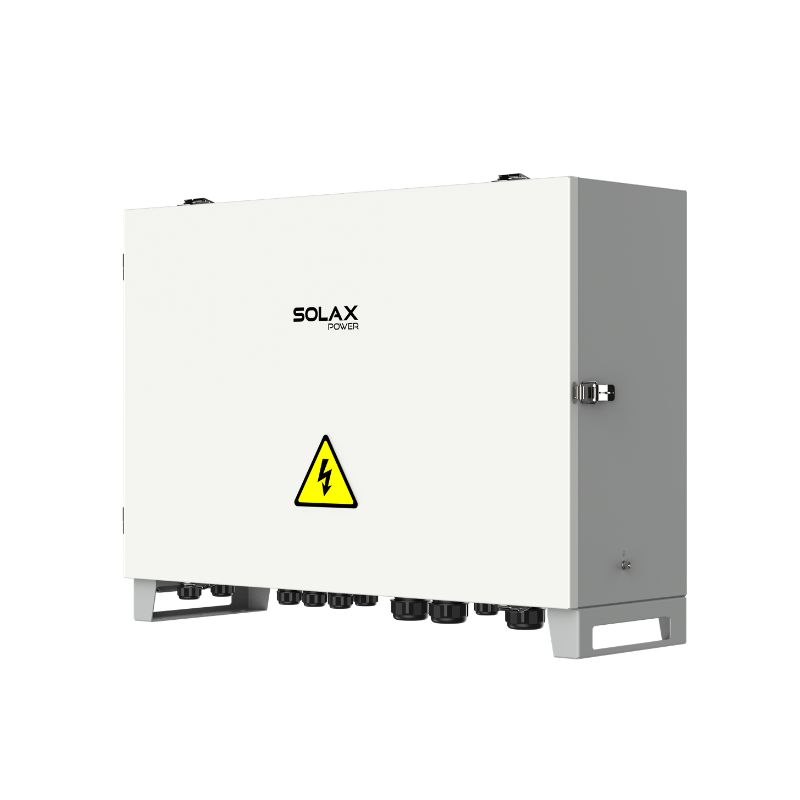
An all-in-one setup fits better when you want fewer compatibility decisions and cleaner installation planning. SolaX explicitly frames the X-ESS G4 as a combined solution built from the X1-Hybrid G4, T30 battery, and Matebox, while the X1-IES is presented as an integrated residential ESS with expandable battery modules and plug-and-play installation.
That approach can help when you want:
Reduced wiring complexity
Pre-matched core components
Easier monitoring standardization
Cleaner handoff between installer and homeowner
Lower risk of mismatch across the solar battery and inverter layer
For larger sites or future scaling
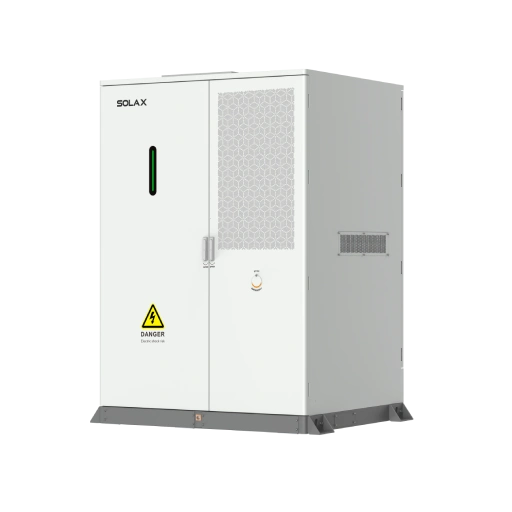
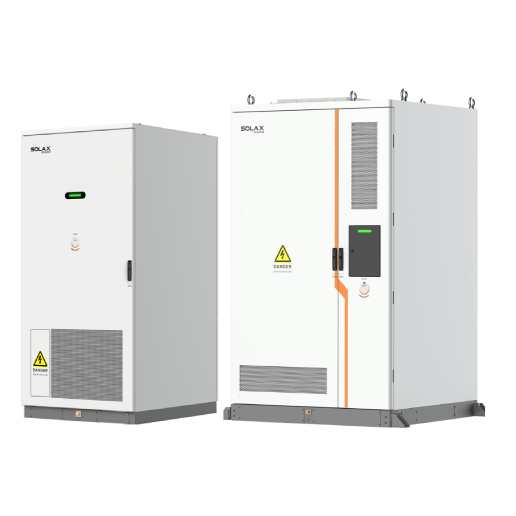
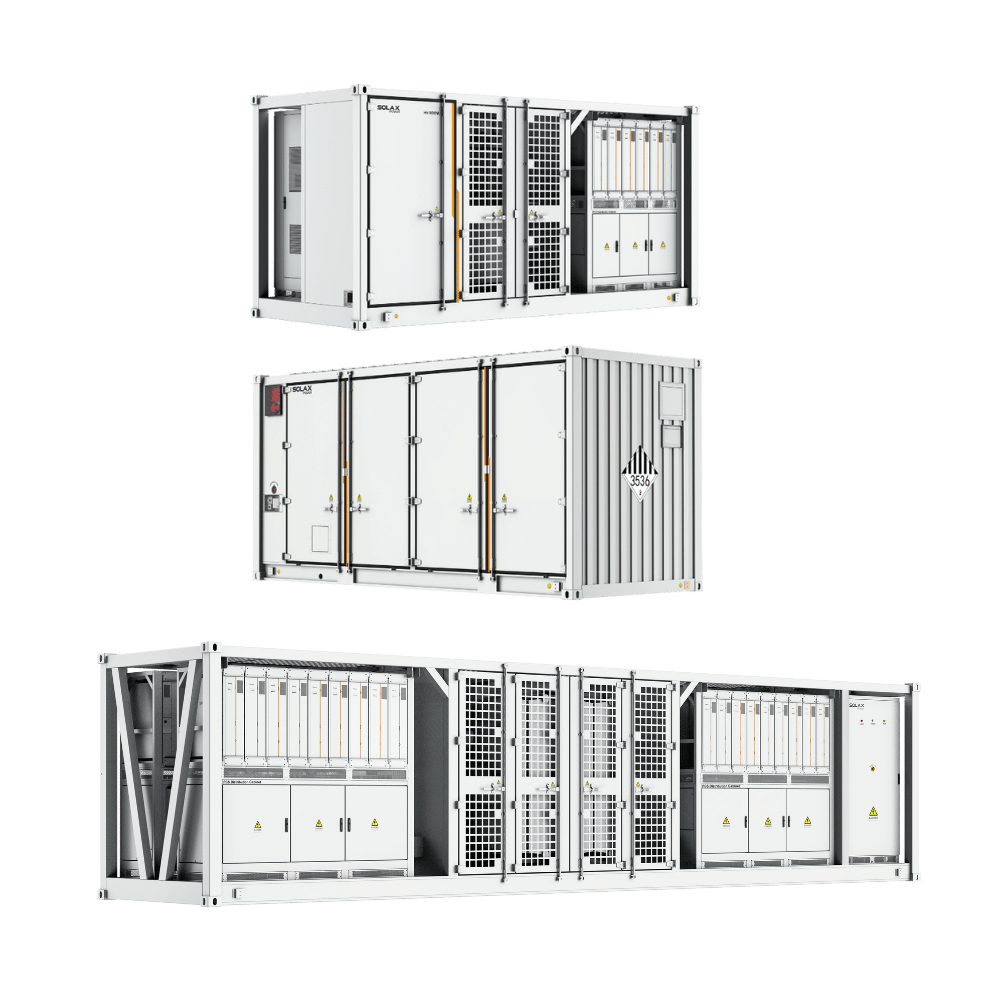
Some buyers start with one home install but want a provider that also understands wider energy solutions. SolaX's broader structure matters here because the company organizes offerings across residential, C&I, and utility scenarios, rather than only one small inverter category. That does not make every product right for every home, but it does suggest stronger roadmap continuity if you later add EV charging, heat pump integration, or a more advanced smart energy strategy.
Conclusion
A reliable solar + battery setup depends less on headline specs and more on coordinated behavior across the inverter, battery, backup circuits, and monitoring platform. If you compare providers through that lens, weak quotes become easier to spot. SolaX is a reasonable shortlist for homeowners who want one ecosystem spanning hybrid inverter options, storage, cloud monitoring, and future smart energy upgrades. The right choice is the one that can explain real operating behavior clearly before the installation starts.
FAQ
Table of Contents
Latest News
Explore expert insights, practical guides, and the latest news on SolaX Power.




To the Latest Newsletter
Stay Ahead with the Latest SolaX Updates!
Subscribe
I have read and agree to Privacy Policy and User Terms