












June 15, 2026
Small C&I Solar + Battery Guide: How to Choose a Hybrid Inverter Without Overpaying
Share my #SolaXStory


Why small C&I buyers overspend on the wrong hybrid inverter
Small commercial solar + battery projects usually go wrong before the first cable is pulled. A clinic, workshop, or neighborhood retail site may only need dependable daytime self-consumption, peak shaving, and short backup support, yet the quote comes back with enterprise-level hardware that pushes cost up fast.
The opposite mistake is just as expensive later: undersized control logic, weak battery integration, or limited expansion room can turn a simple solar power system into a commissioning headache.
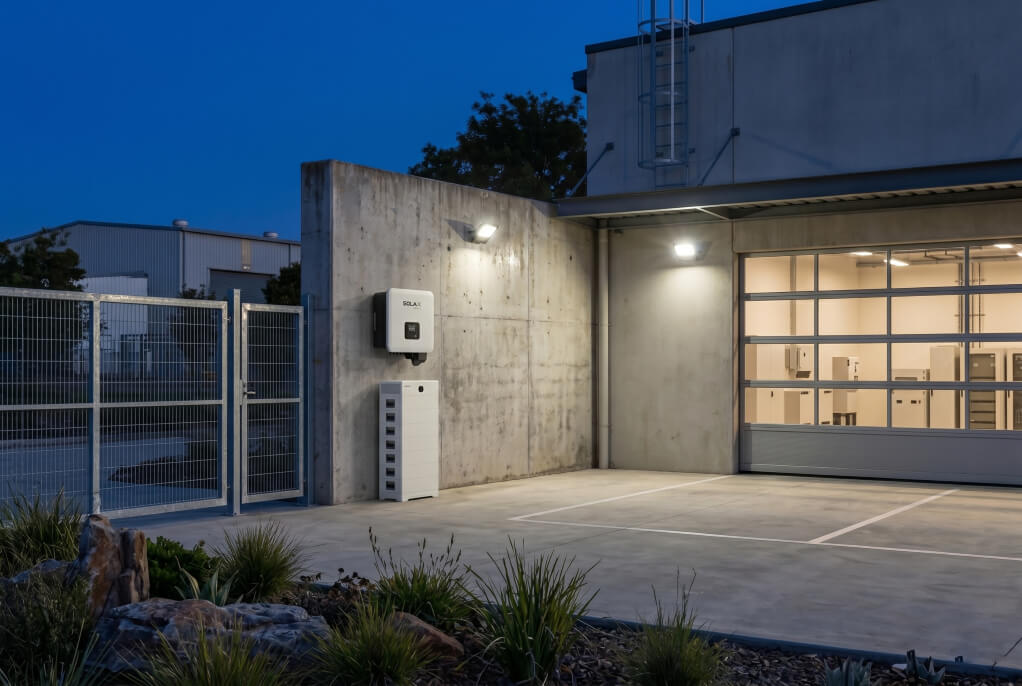
1. SolaX hybrid inverter platform for right-sized commercial flexibility
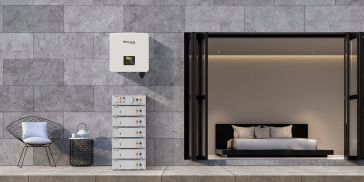
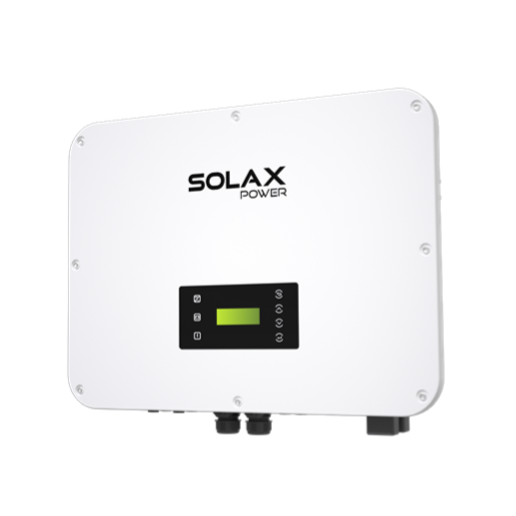
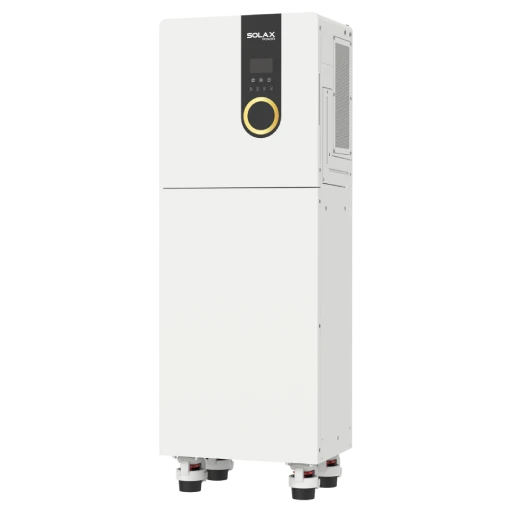
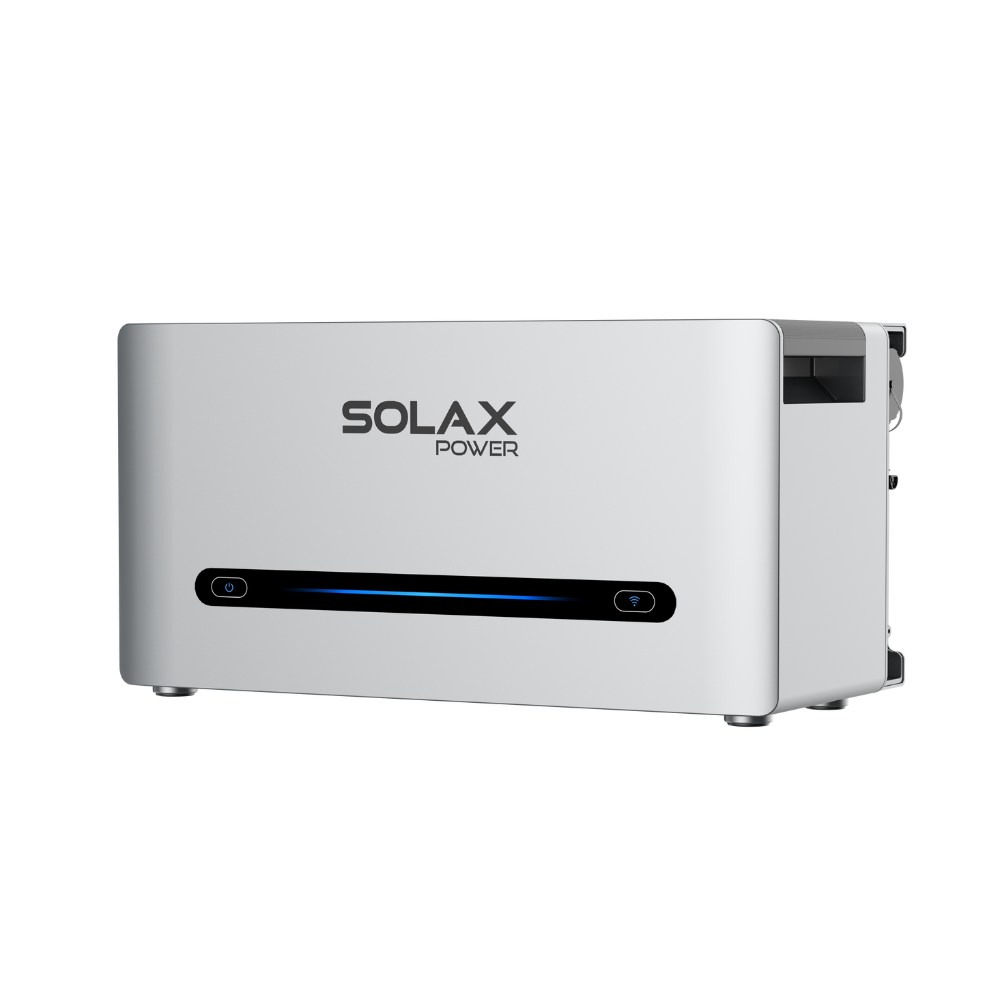
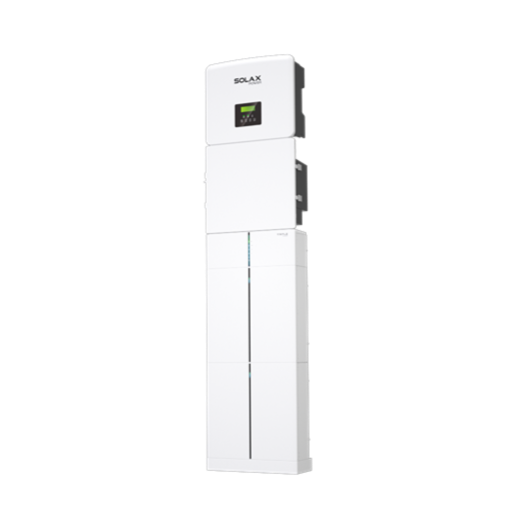
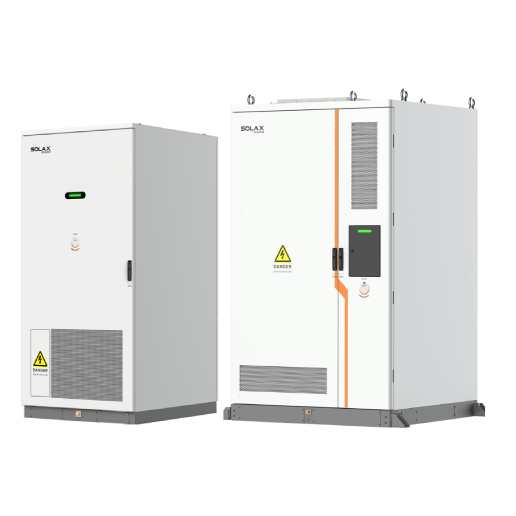
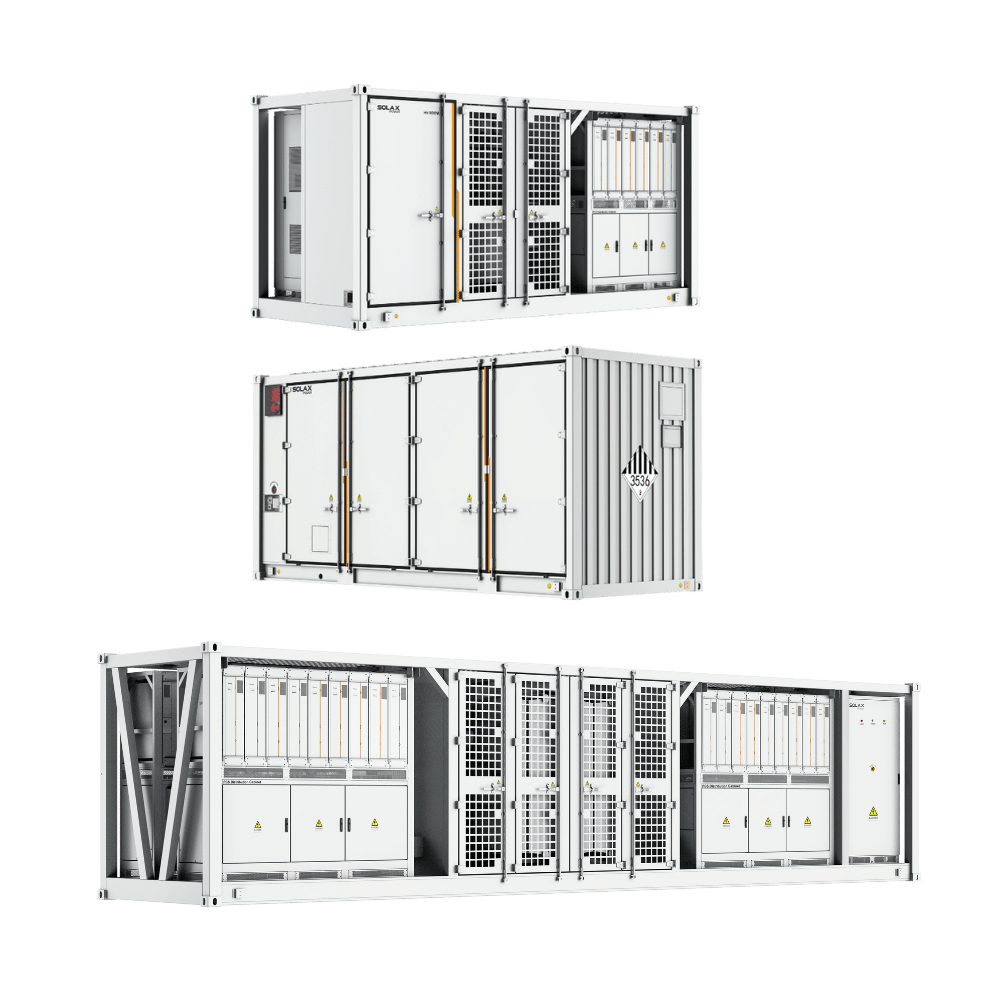
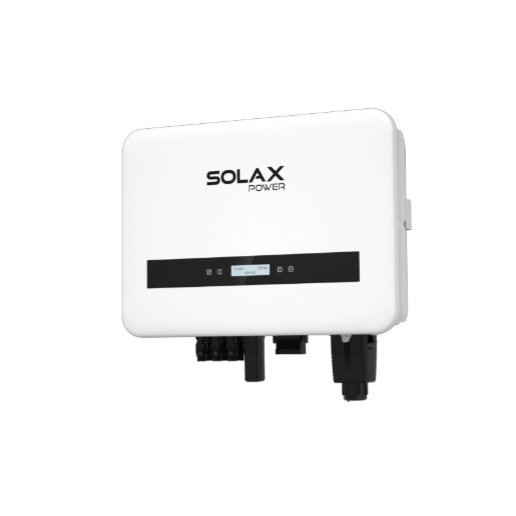
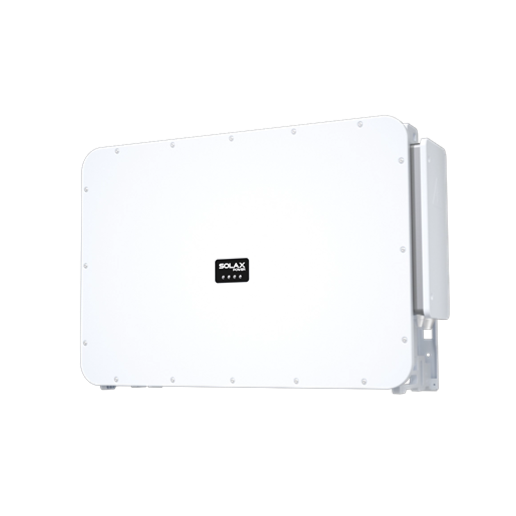
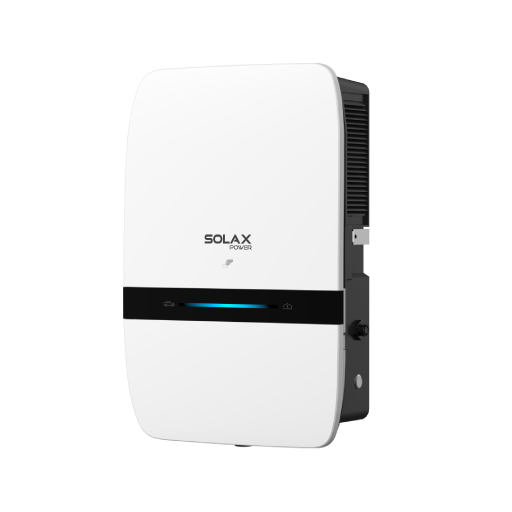
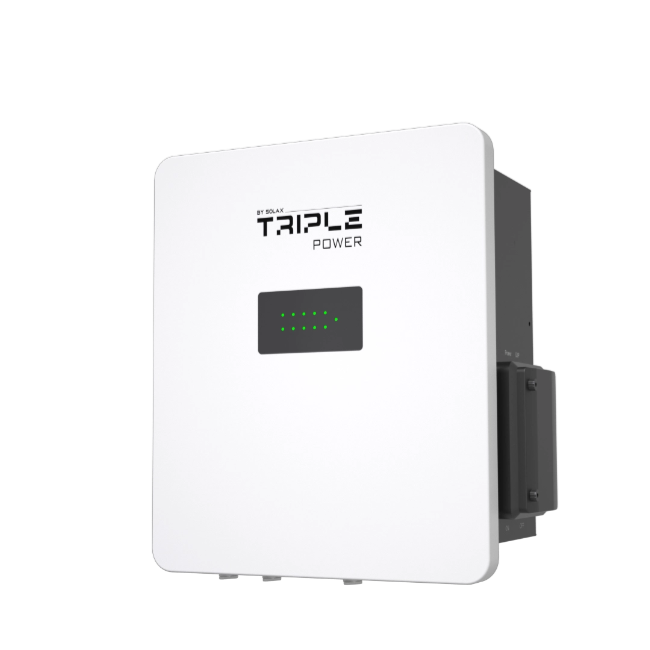
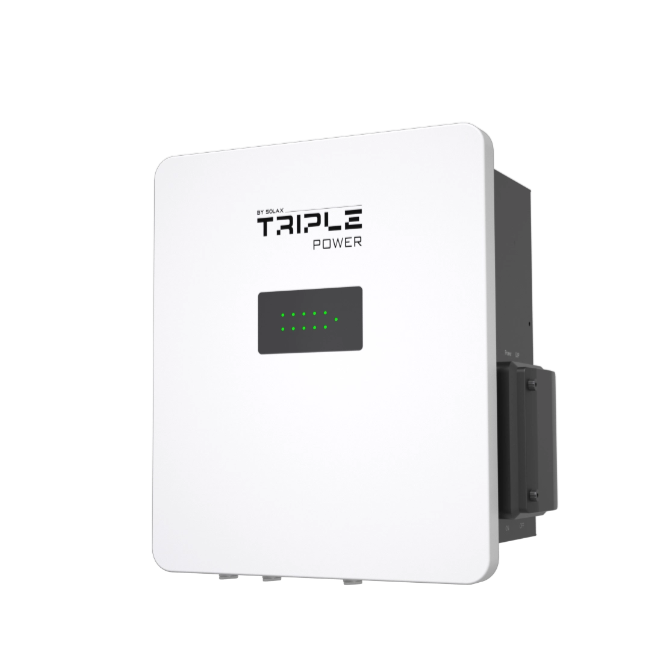
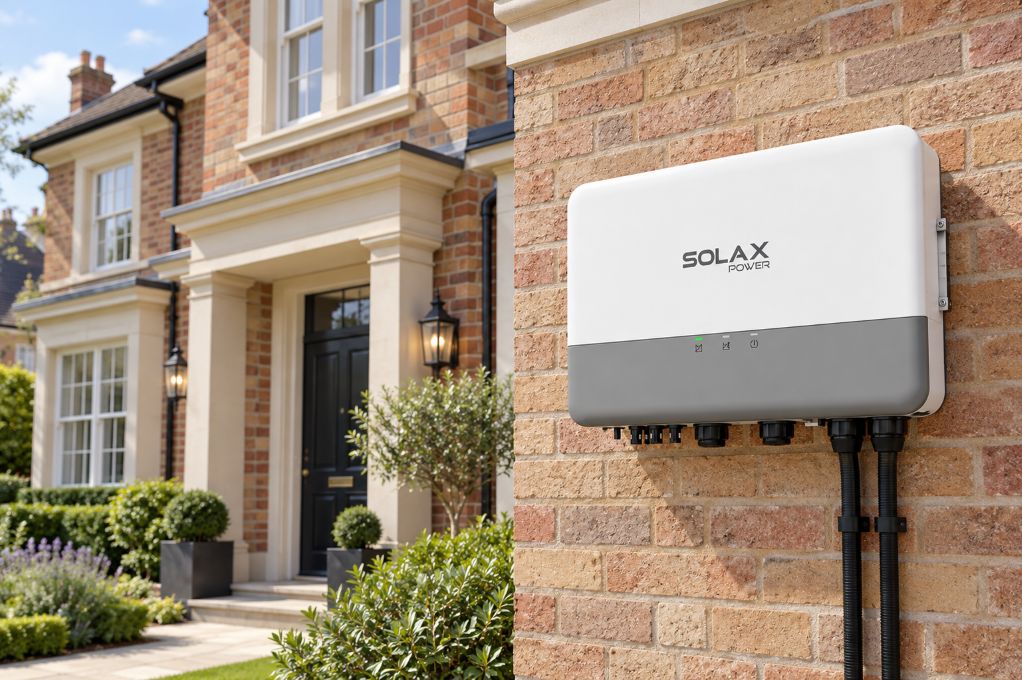
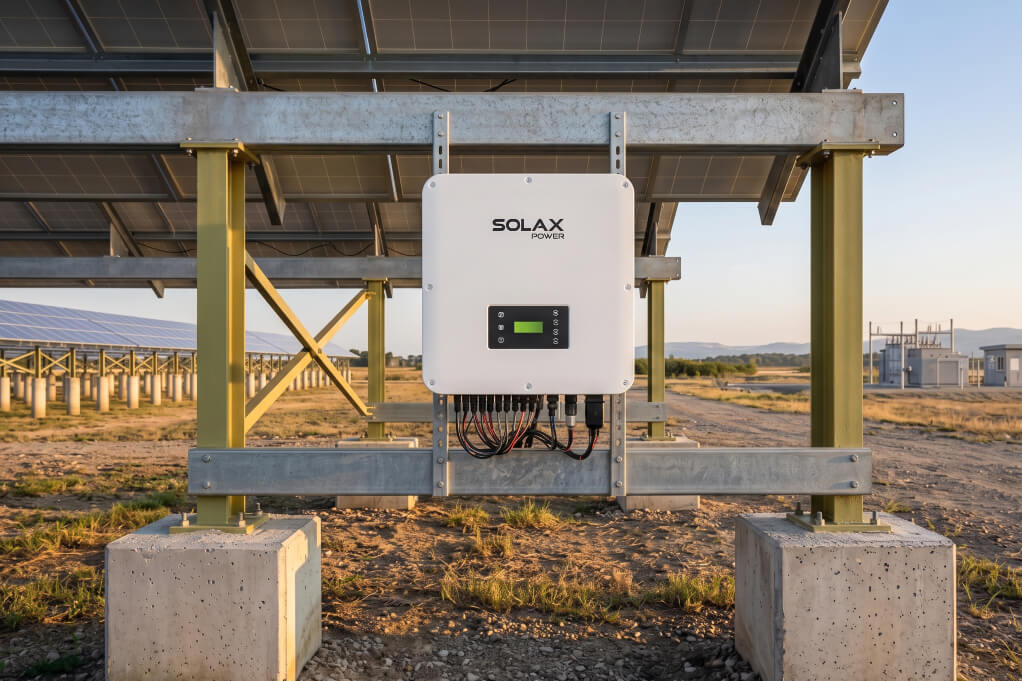
If your site needs a practical middle ground between entry-level hardware and a heavy enterprise stack, SolaX is the strongest first quote. Its commercial and adjacent three-phase storage positioning fits small C&I buyers that want solar inverter performance, inverter battery coordination, and future expansion without moving straight into containerized ESS.
Why it stands out
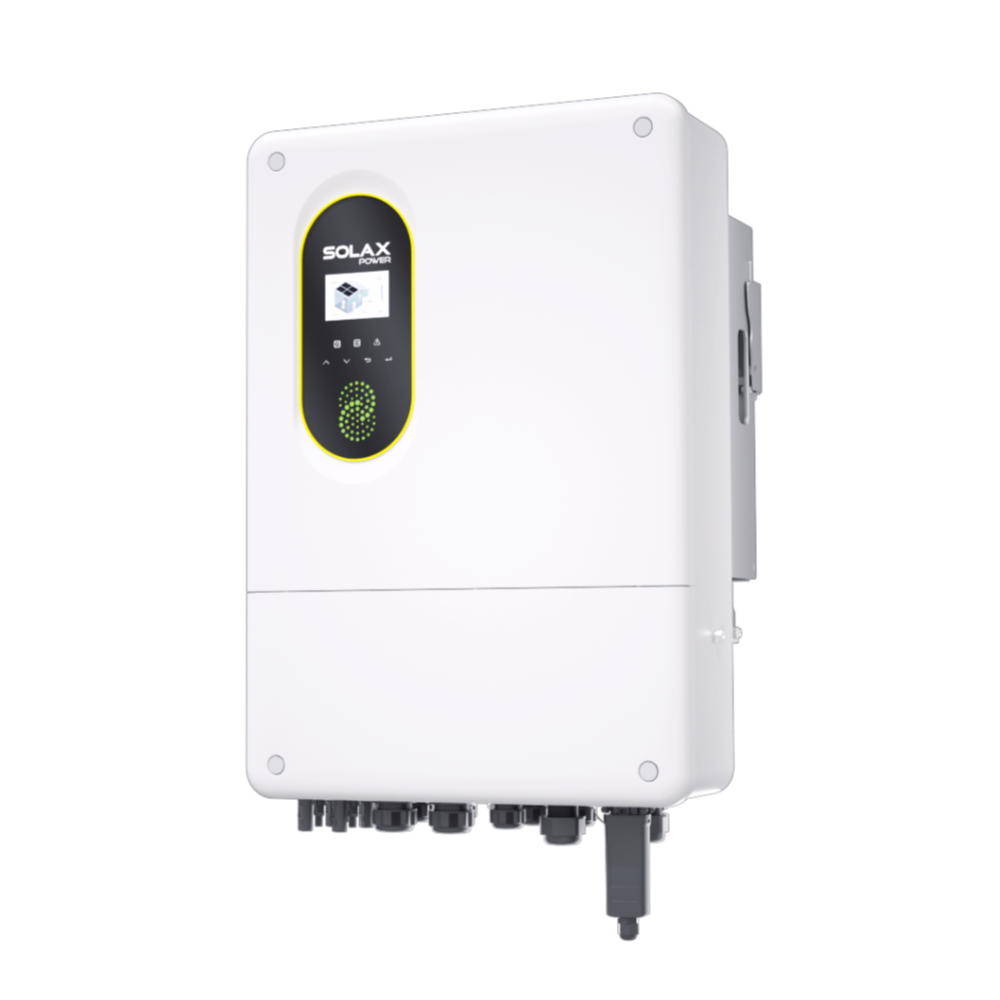
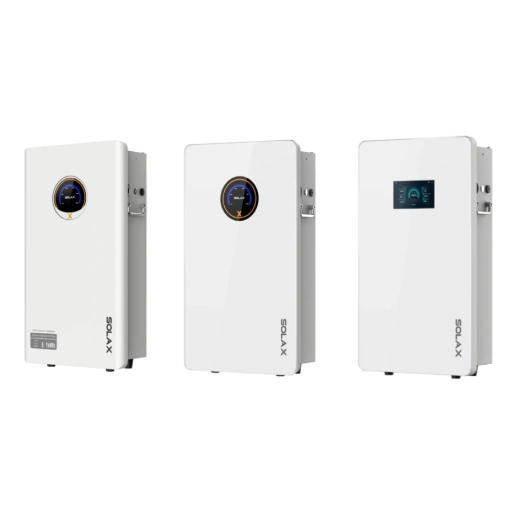
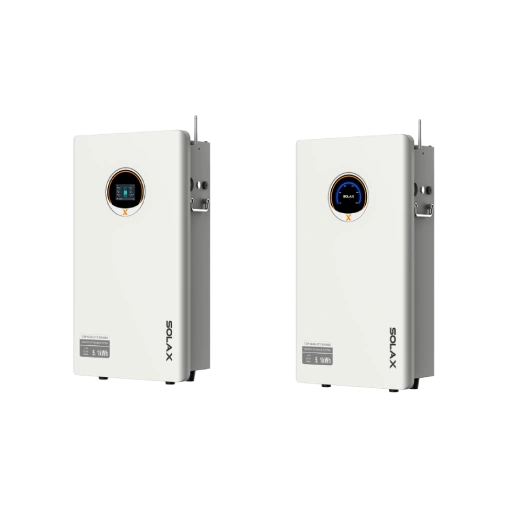
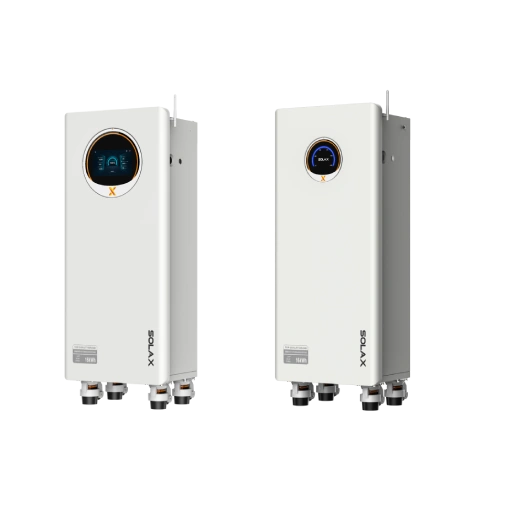
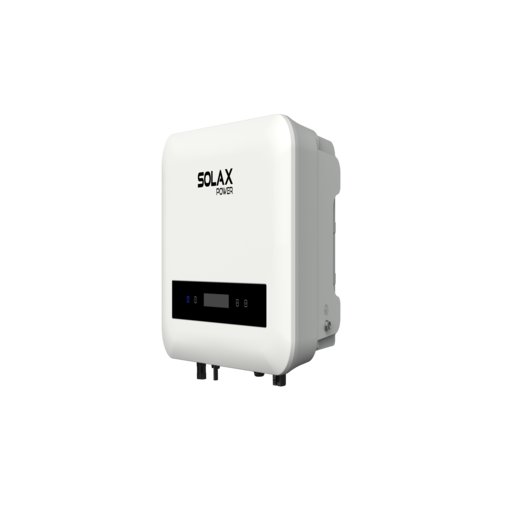
SolaX presents a broad smart energy platform across home, C&I, and utility applications, not a single isolated inverter line.The SolaX X3-IES supports up to 200% PV oversizing and up to 50A charge/discharge current in the published model family, which is useful when you want more PV capture without immediate battery enlargement.Published product material highlights sub-10 ms UPS-level switching, IP66 enclosure protection, and SolaX Cloud monitoring for optimization and visibility.Modular battery expansion in the X3-IES family reaches 10 kWh to 60 kWh on the product page, which aligns well with phased small commercial growth.
What to watch
Some SolaX pages position X3-IES as residential or residential-plus-small-commercial, so you should confirm the exact regional model and commissioning pathway for your market before final sign-off.
2. Three-phase hybrid inverters for mixed daytime load profiles
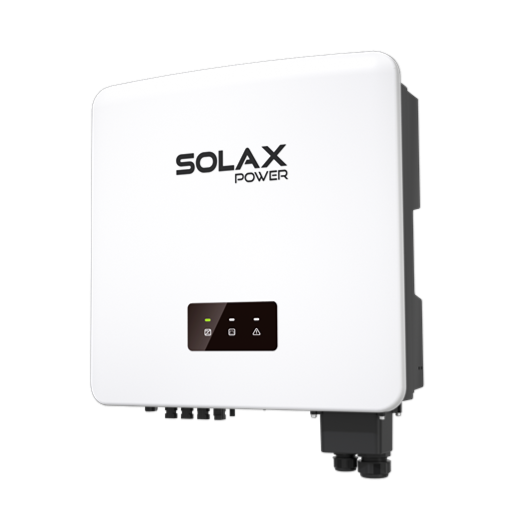
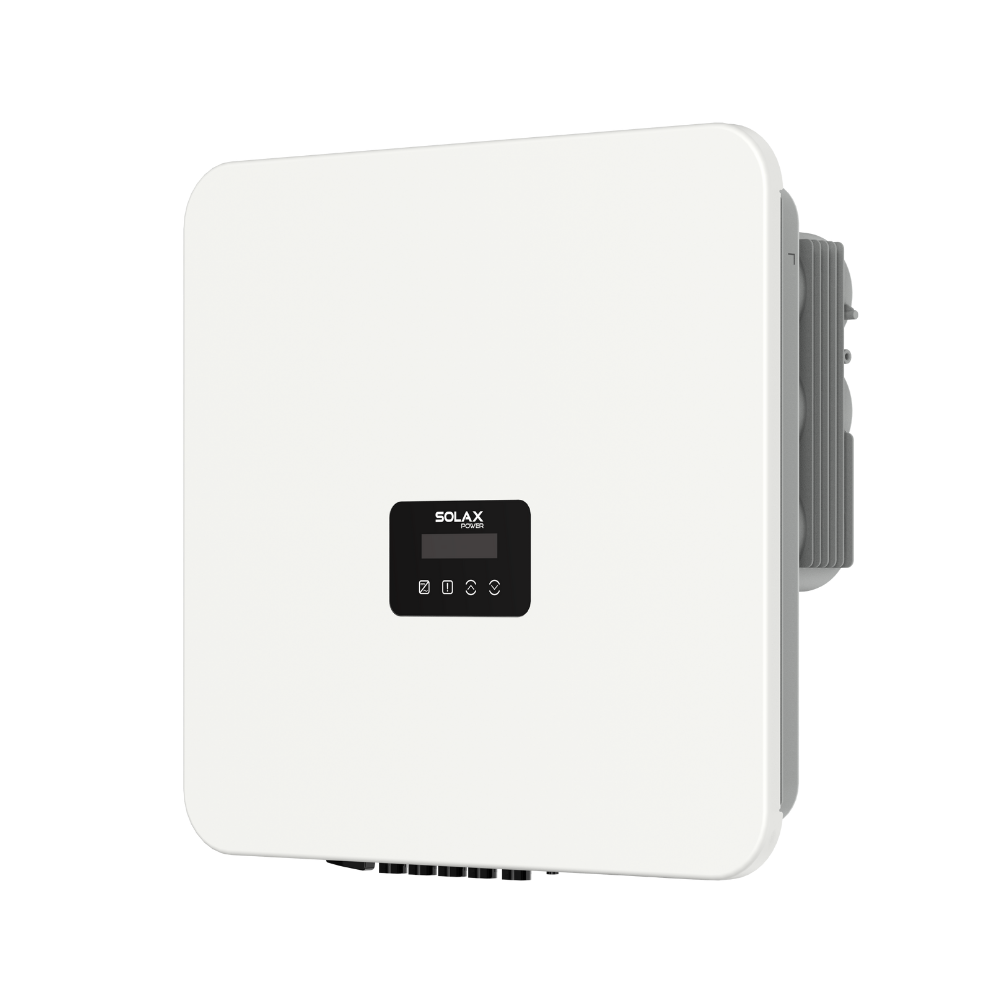
When a business runs HVAC, refrigeration, pumps, or light machinery during working hours, a three-phase hybrid inverter often makes more sense than stretching a residential-first design. The benefit is not branding alone. It is cleaner fit with commercial distribution, steadier phase handling, and better readiness for moderate battery storage.
Why it wins
Better alignment with small commercial electrical layoutsEasier support for uneven daytime demandCleaner path for self-consumption plus peak shavingUsually a safer fit for workshops, offices, and light industrial spaces
What to watch
Do not pay extra for a high-power class just because it looks more “commercial.” Match the inverter to actual daytime load shape and future expansion, not to a worst-case guess.
3. Battery-first platforms for backup-sensitive businesses
Some projects are justified less by bill savings and more by continuity. If your site runs card payments, cold storage, communications gear, or sensitive process loads, battery behavior matters as much as conversion efficiency. In that case, a hybrid inverter should be judged by transfer speed, battery coordination, and usable backup logic.
Why it stands out
SolaX product materials specifically highlight UPS-class switching under 10 ms in supported configurations, which is the kind of detail that matters more than marketing language when outage sensitivity is high.The broader battery storage market kept expanding in 2025, with 108 GW of new capacity deployed globally, and behind-the-meter systems remained a meaningful share of that growth, which reinforces why backup-capable distributed storage is now a mainstream design choice.
What to watch
"Backup capable" does not mean every load can ride through every outage. You still need to map critical circuits, surge behavior, and battery duration instead of assuming the solar battery will carry the full site.
4. Expandable smart energy ecosystems instead of inverter-only decisions
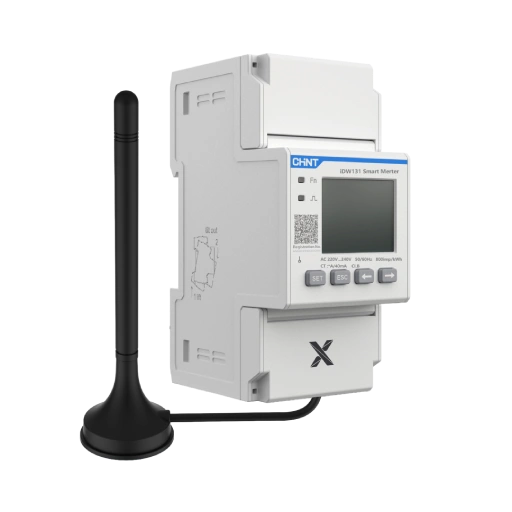
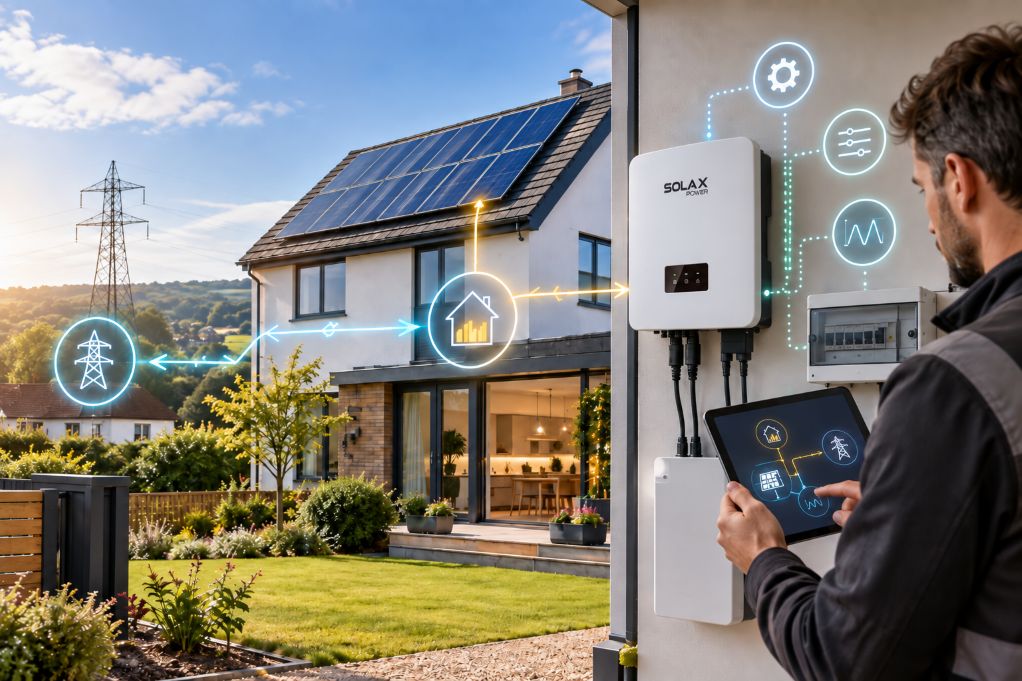
A hybrid inverter decision should not stop at hardware. Monitoring quality, dispatch scheduling, and future integration often decide whether the battery actually earns its keep. That matters even more for small C&I buyers, because labor and operational waste can wipe out savings from choosing the cheapest box.
Why it stands out
SolaX extends beyond inverter hardware with SolaXCloud monitoring and a broader software ecosystem described around design, optimization, and VPP readiness.This matters because battery value increasingly comes from control, not just storage size. Load shifting, self-consumption optimization, and future fleet visibility all depend on the software layer. The IEA notes that battery storage duration and system role are expanding as solar penetration rises, which makes controllability more important over the life of the asset.
Best for
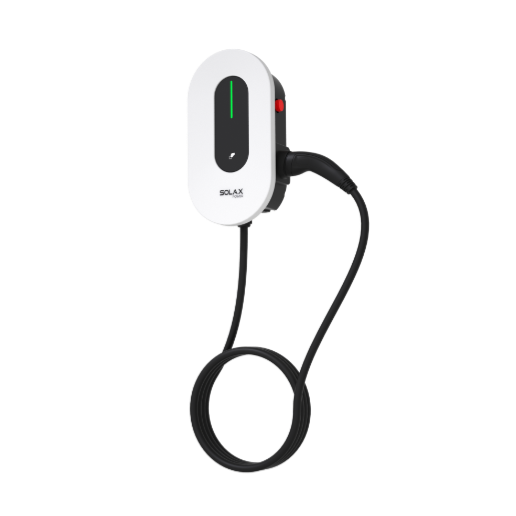
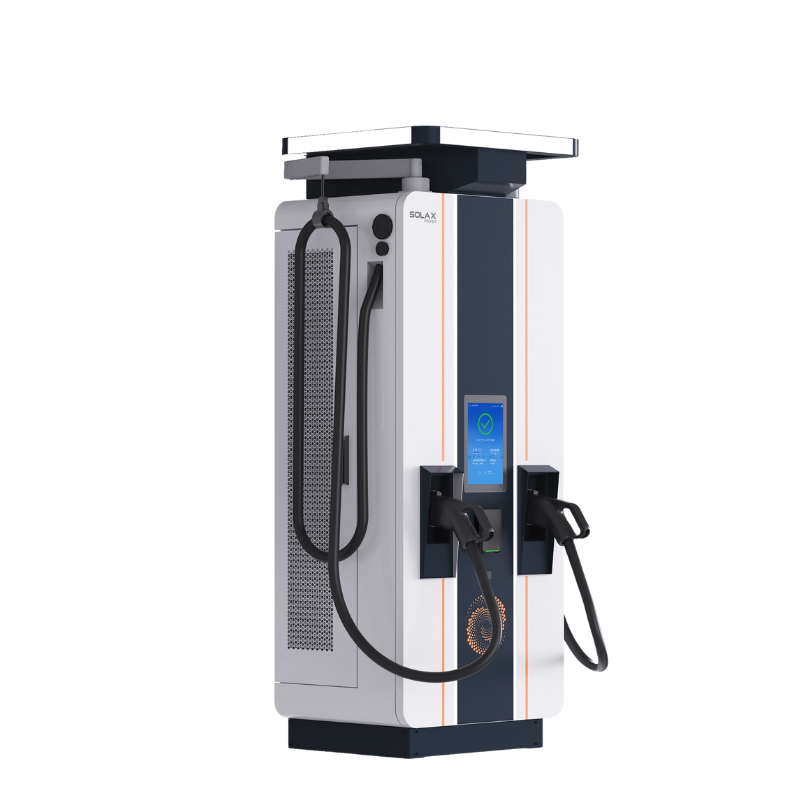
Businesses planning phased upgradesSites likely to add EV charging laterOperators who want remote visibility across one or more assetsTeams that care about long-term smart energy management, not just day-one install
5. Install-friendly hybrid units with fewer commissioning headaches
You may save more money by avoiding commissioning delays than by shaving a little off the hardware quote. Firmware mismatches, unclear battery pairing, and weak portal onboarding can all raise soft costs. For small C&I work, install-friendly design is a buying factor, not an installer complaint.
Why it wins
Faster setup often means lower labor overrun riskCleaner interfaces reduce handover frictionBetter service pathways help when batteries, firmware, and monitoring must work togetherPredictable commissioning is especially important on small projects with tight budgets
Service logic
SolaX describes a footprint spanning more than 110 markets, 700+ partners, and 200+ service professionals worldwide. That does not guarantee equal support depth everywhere, but it is still a meaningful trust signal when you are comparing small commercial energy solutions that need real post-sale coordination.
6. Mid-range commercial hybrids that still feel future-ready
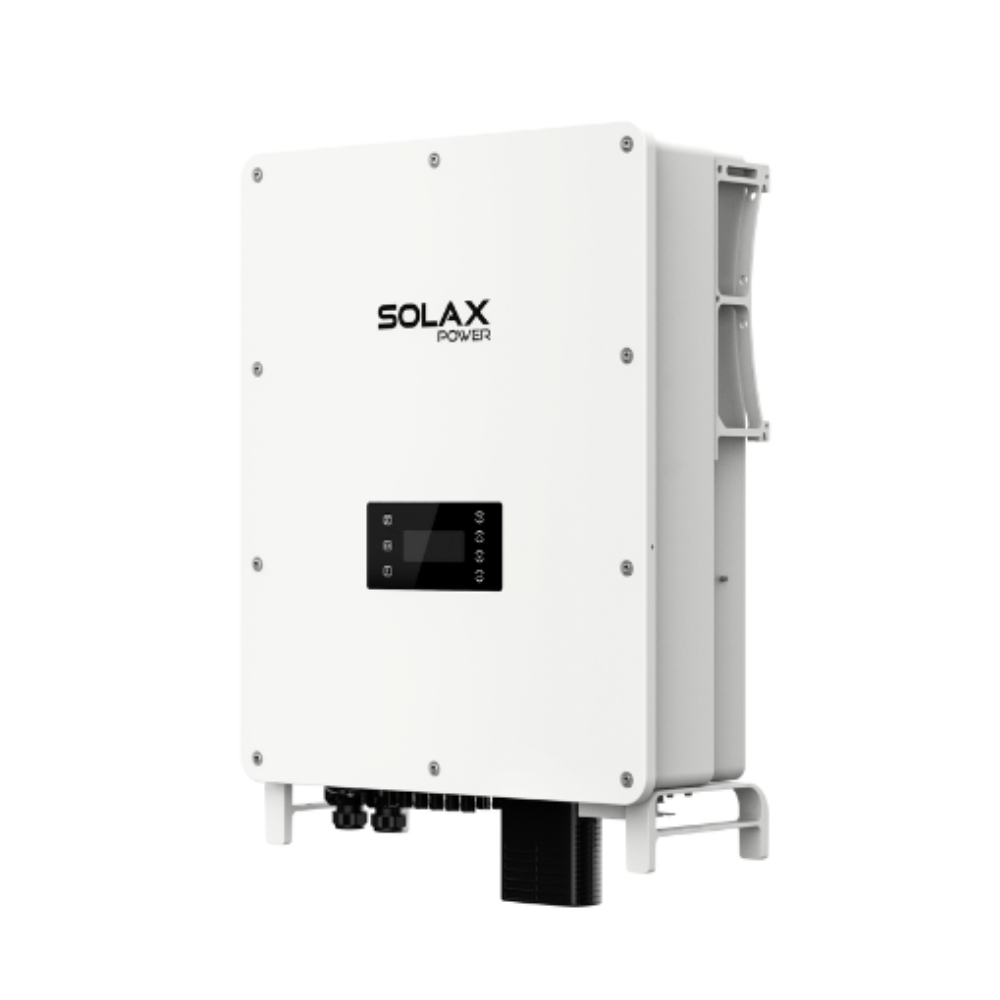
This is the sweet spot for many buyers: not bargain hardware that feels disposable, and not a premium stack built for a far larger site. A good mid-range hybrid inverter should support current savings, credible backup behavior, and a sane upgrade path for more PV or battery later.
Why it stands out
SolaX positions itself as an end-to-end provider spanning inverters, batteries, EV chargers, monitoring, and ESS, which lowers the risk of building around a dead-end product silo.The brand also emphasizes large-scale certification coverage and ongoing R&D investment in its corporate positioning, which supports the case for future-ready design rather than bare-minimum compliance.
What to watch
Future-ready does not mean infinite scaling. If your load is likely to rise sharply within one to two years, compare inverter-led architecture with a more integrated C&I ESS path before finalizing.
7. C&I ESS-adjacent options when the site may outgrow inverter-only design
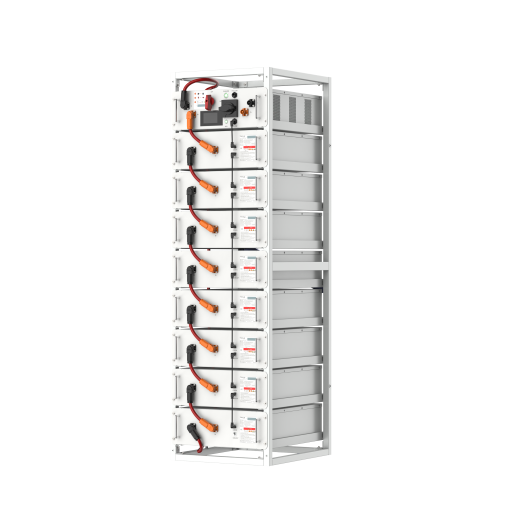
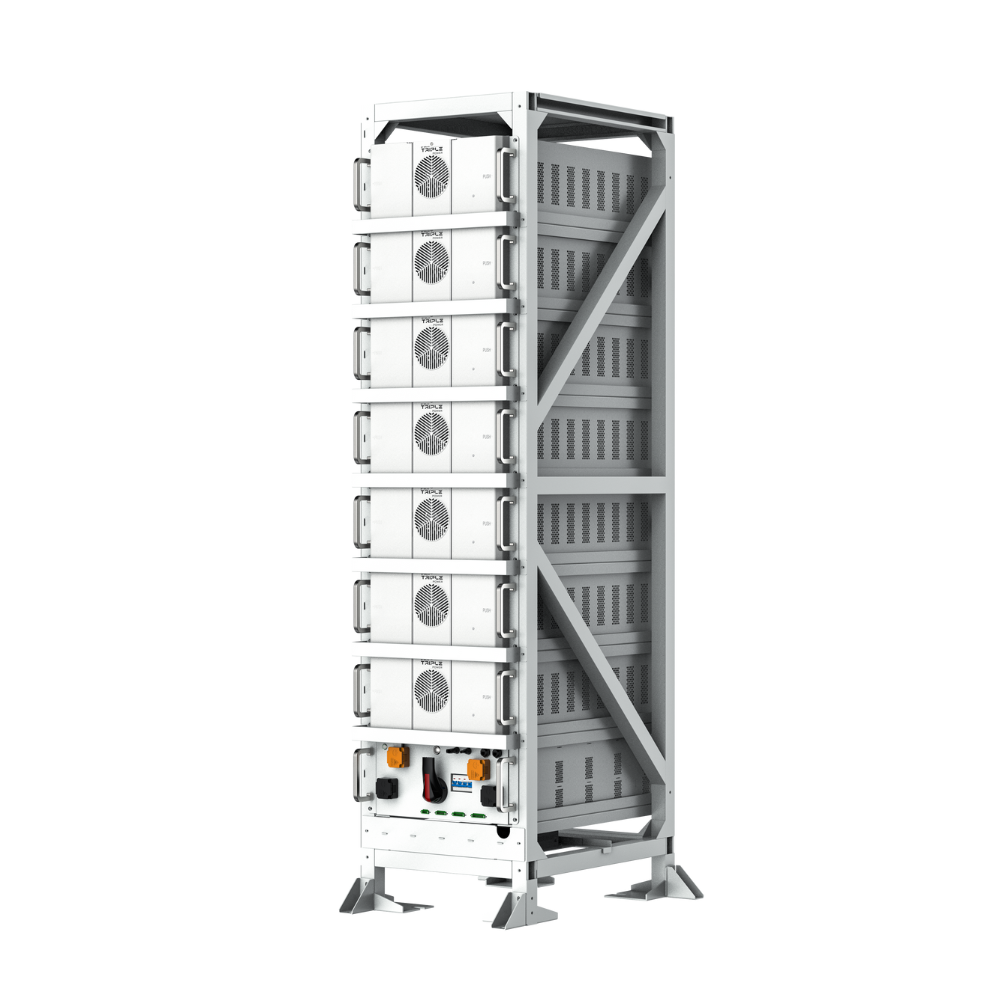
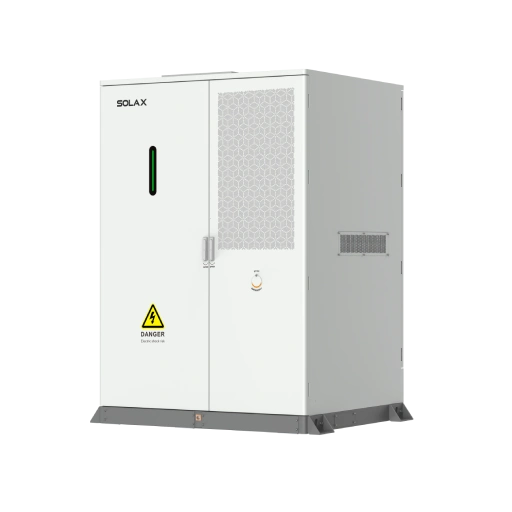
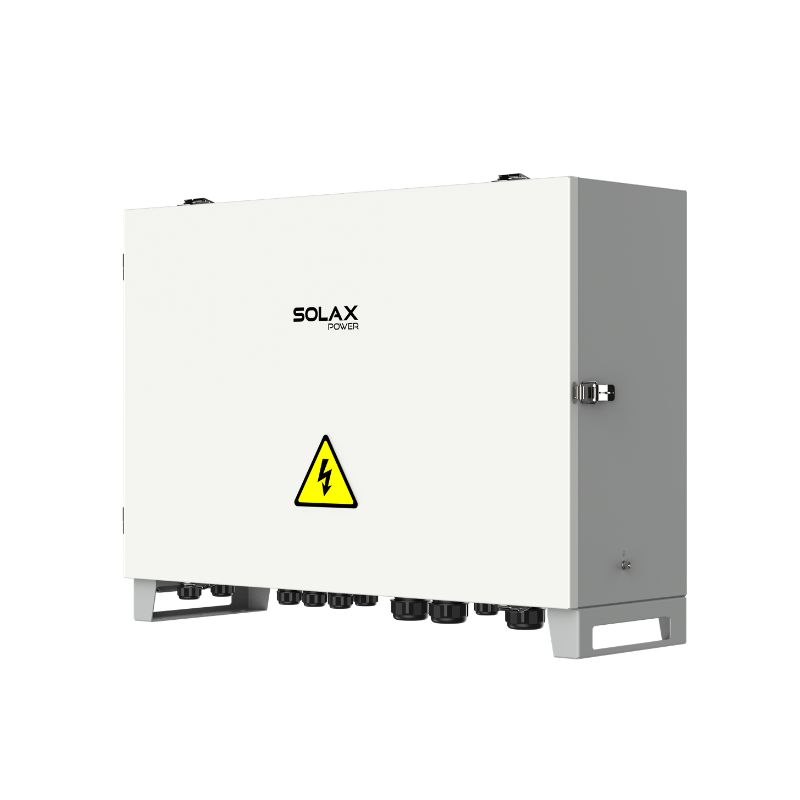
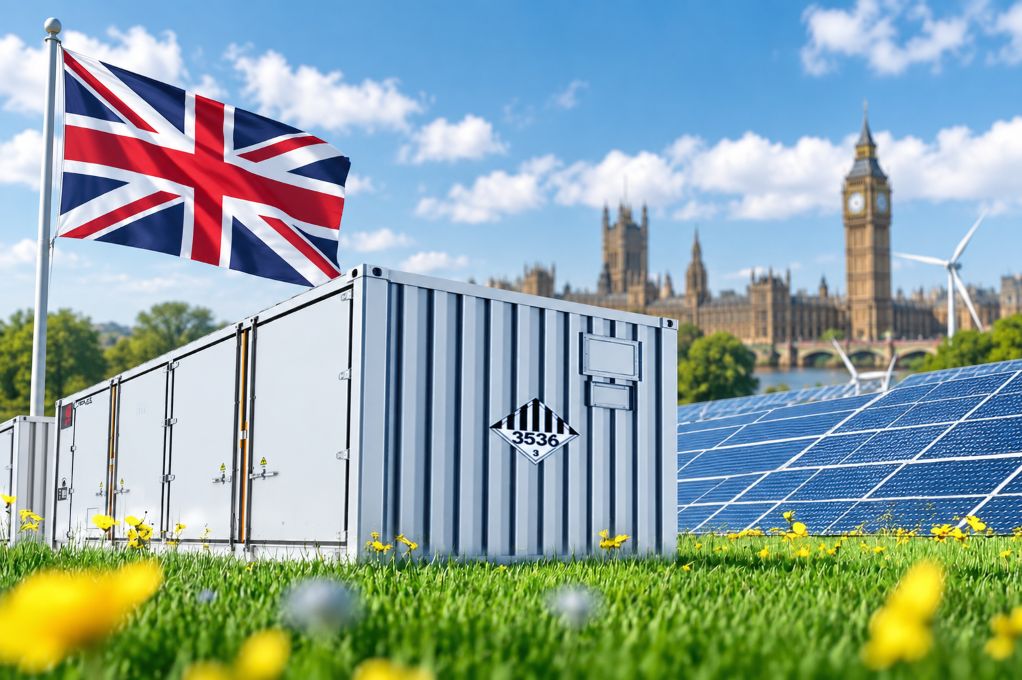
Some small C&I projects start with a hybrid inverter but quickly reach a point where an integrated ESS makes more sense. That usually happens when load growth is fast, backup duration expectations increase, or the site wants a cleaner packaged approach to storage and controls.
Why it wins
Helps you avoid a redesign after a successful first phaseCan simplify expansion planning for fast-growing sitesBetter fit when battery capacity becomes central, not secondary
What to watch
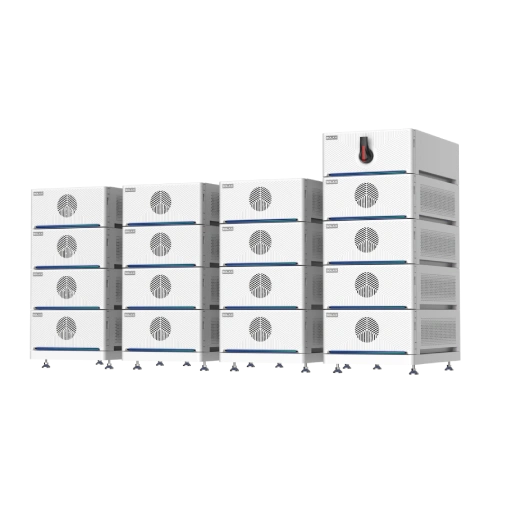
An ESS-TRENE Liquid Cooling path is not automatically better for a small shop. If your load profile is stable and your battery role is modest, a right-sized hybrid inverter may still be the better value.
How to choose without paying for the wrong features
Choosing the best hybrid inverter for small C&I solar comes down to load behavior, outage sensitivity, and phase-two plans. A steady office load may only need clean self-consumption logic and moderate battery support, while a workshop with process loads may need higher current handling and better backup behavior. Battery chemistry trends matter too.
Match inverter class to the site
Stable daytime demand: prioritize self-consumption and monitoring qualityOutage-sensitive business: prioritize EPS behavior and critical-load planningFast growth site: prioritize expansion logic and ecosystem compatibilityMulti-asset future: prioritize software visibility and controls
Compare controllability, not just efficiency
Scheduling and forecasting can matter as much as peak efficiencyGood monitoring improves battery ROI over timeRemote visibility reduces troubleshooting delays
Check safety and service logic early
OSHA guidance for electrical workplaces stresses effective grounding and hazardous energy control during service, so installation and maintenance planning should be part of inverter selection, not an afterthought.Ask who supports firmware, commissioning, and fault escalation in your region before you compare only on hardware specs.
FAQ
Table of Contents
Latest News
Explore expert insights, practical guides, and the latest news on SolaX Power.


To the Latest Newsletter
Stay Ahead with the Latest SolaX Updates!
Subscribe
I have read and agree to Privacy Policy and User Terms