










May 06, 2026
When the Grid Becomes the Risk: Why Off-Grid Storage Is Entering Its Infrastructure Era
Share my #SolaXStory


In mature solar markets, energy storage systems is often discussed in terms of tariffs, arbitrage, and grid services. In the Middle East and Africa, the conversation is becoming more basic — and in many ways more urgent: can the power stay on?
That question is reshaping the market. For customers facing weak grids, diesel dependence, high energy costs, or rapid PV penetration, energy storage is no longer an optional add-on to solar. It is the part of the system that determines whether the project works in real life.
The opportunity is not easy. These are hot, fragmented, finance-sensitive markets where installation quality and after-sales capability matter. But that is exactly why off-grid storage is moving from a fallback solution to a bankable infrastructure category.
The drivers behind that shift differ by region. In the Middle East, energy storage systems are increasingly being shaped by policy, utility planning, and the challenge of integrating large volumes of PV. In Africa, the story is often more practical: weak grids, diesel replacement, and the need for reliable off-grid power systems where centralized infrastructure cannot keep pace.
Policy is changing the role of energy storage in the Middle East
The Middle East has already proved it can build solar at scale. The next challenge is flexibility.
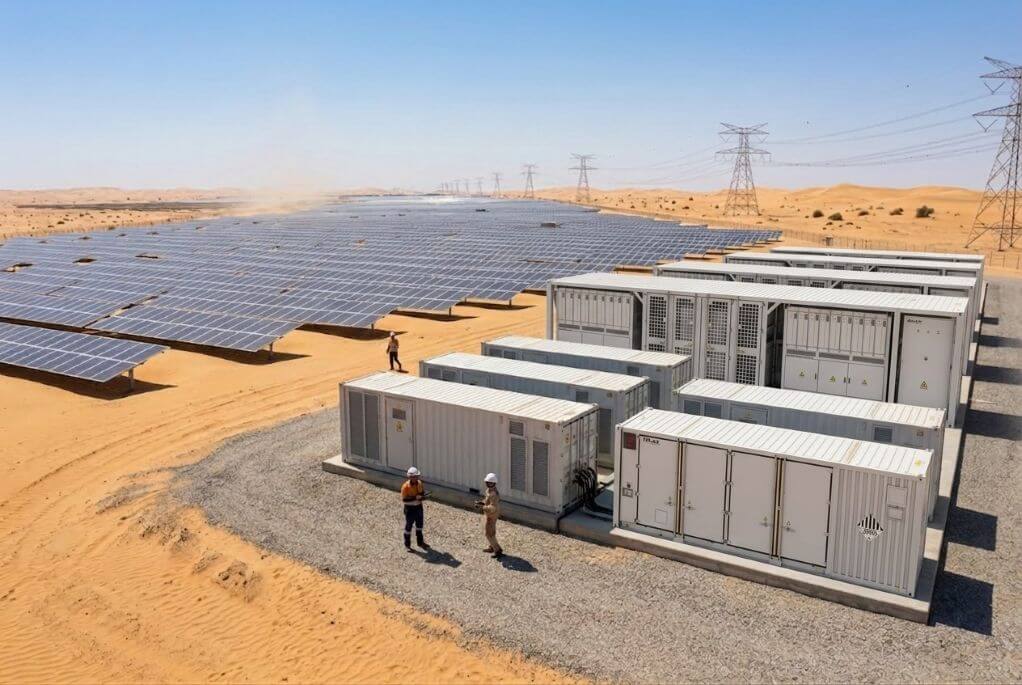
As utility-scale PV expands, governments and power planners are paying more attention to grid stability, evening peaks, and dispatchable renewable capacity. Storage is therefore being pulled into energy policy not just as a decarbonization tool, but as a grid-management asset.
This is an important shift. Once solar battery storage system is valued for capacity, resilience, and system support, demand becomes less dependent on short-term electricity-price arbitrage. It becomes part of infrastructure planning.
For suppliers, that creates opportunity — but not for generic storage products. Middle Eastern projects increasingly require energy storage systems that can tolerate high temperatures, unstable operating conditions, demanding loads, and long service expectations. The market is becoming more bankable, but also more selective.
Africa: The Fastest-Growing Off-Grid Solar Storage Market
Africa's storage story is different. In many countries, the strongest policy driver is not a subsidy programme. It is the daily cost of unreliable electricity.
For households, farms, small businesses, clinics, schools, telecom sites, and rural communities, off-grid solar battery storage is often not bought for optimization. It is bought because power interruptions are expensive, diesel is costly, and grid extension is too slow.
That makes off-grid and hybrid solar systems one of the most practical solar opportunities in the region.
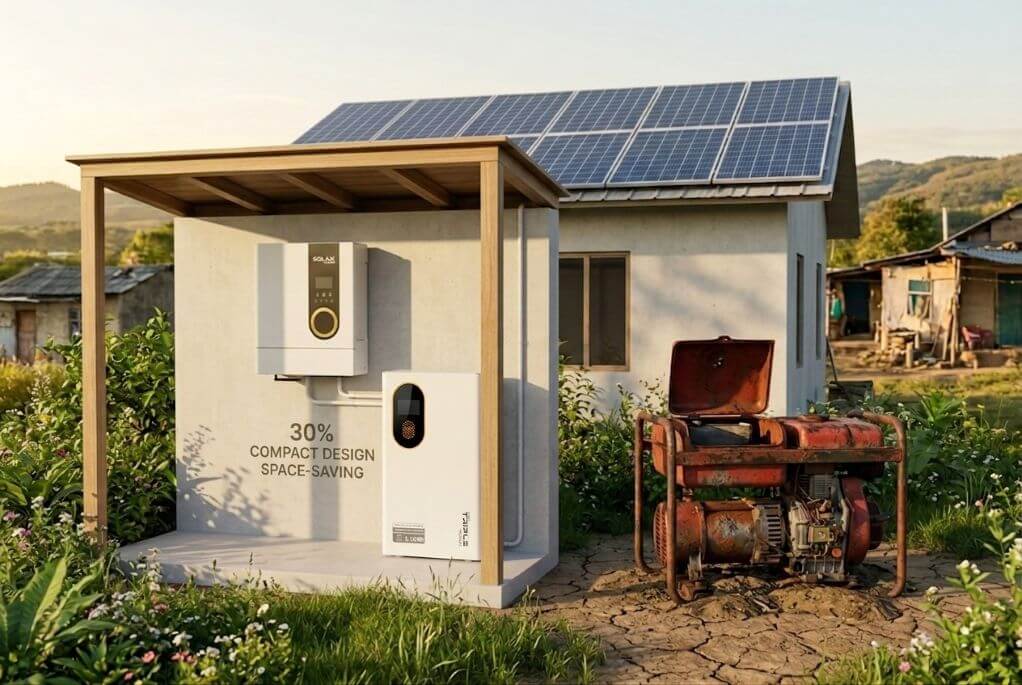
The most attractive projects are not always the largest. They are the most repeatable: rural homes, commercial buildings, agricultural loads, water pumps, cold storage, islanded sites, and hybrid diesel-replacement systems. These are exactly the applications where reliability, ease of installation, and after-sales simplicity matter as much as headline efficiency.
Africa may not yet have the same level of storage policy maturity as the Gulf, but demand is real. Development finance, blended capital, and private-sector energy service models are gradually turning that demand into deployable projects.
The Key to Reliable Energy in Weak-Grid Markets
Despite the differences between the Middle East and Africa, both regions point toward the same product requirement:
A successful solar-plus-storage system must be grid-agnostic.
It should operate when the grid is stable, when the grid is weak, and when the grid disappears altogether. It should support real household and commercial loads, not only light backup use. It should be simple enough for local installers to commission, robust enough for harsh environments, and flexible enough to expand as demand grows.
This is where many systems fail. A low-cost inverter, a third-party battery, and separate control logic may look attractive at the quotation stage. But in weak-grid environments, hidden costs often appear later: commissioning delays, communication errors, poor surge-load performance, complicated troubleshooting, and higher service costs.
In these markets, the winning energy storage solution is not necessarily the most feature-rich system. It is the one that reduces project risk for distributors, installers, and end users.
Why SolaX OD series fits this shift
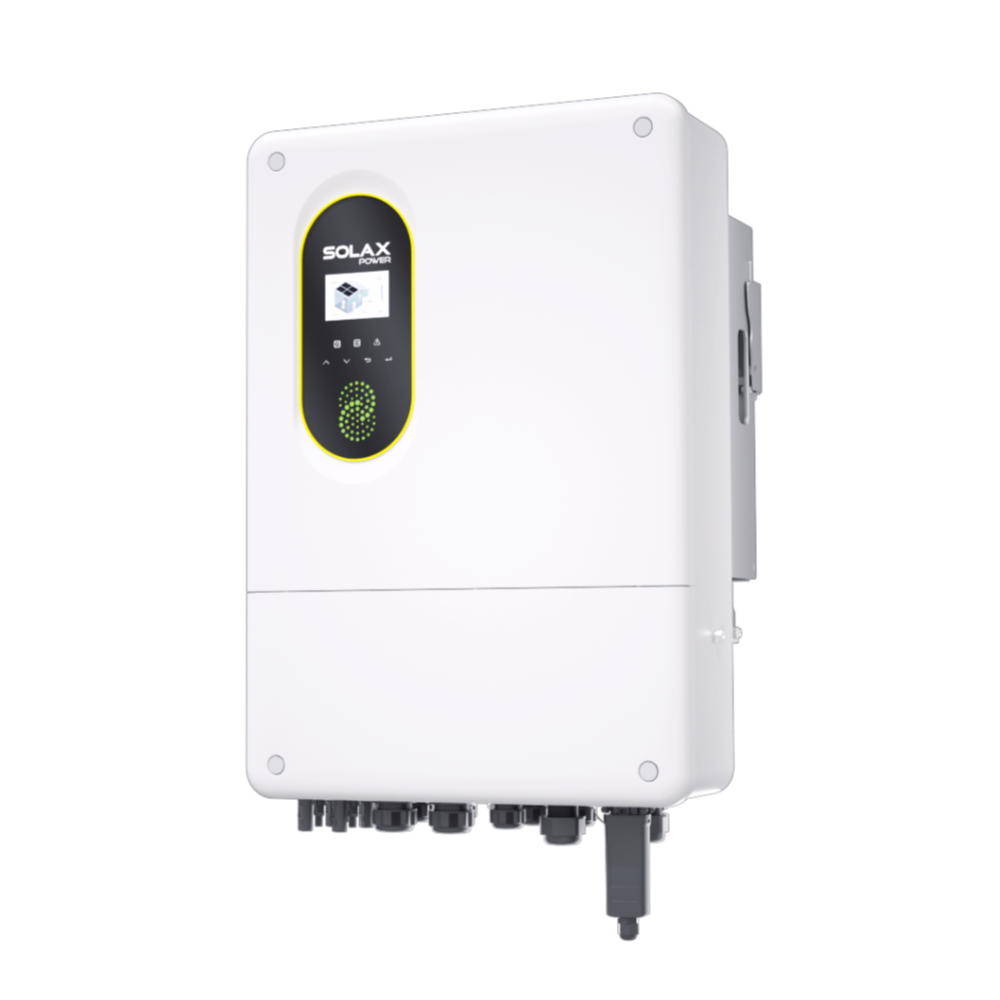
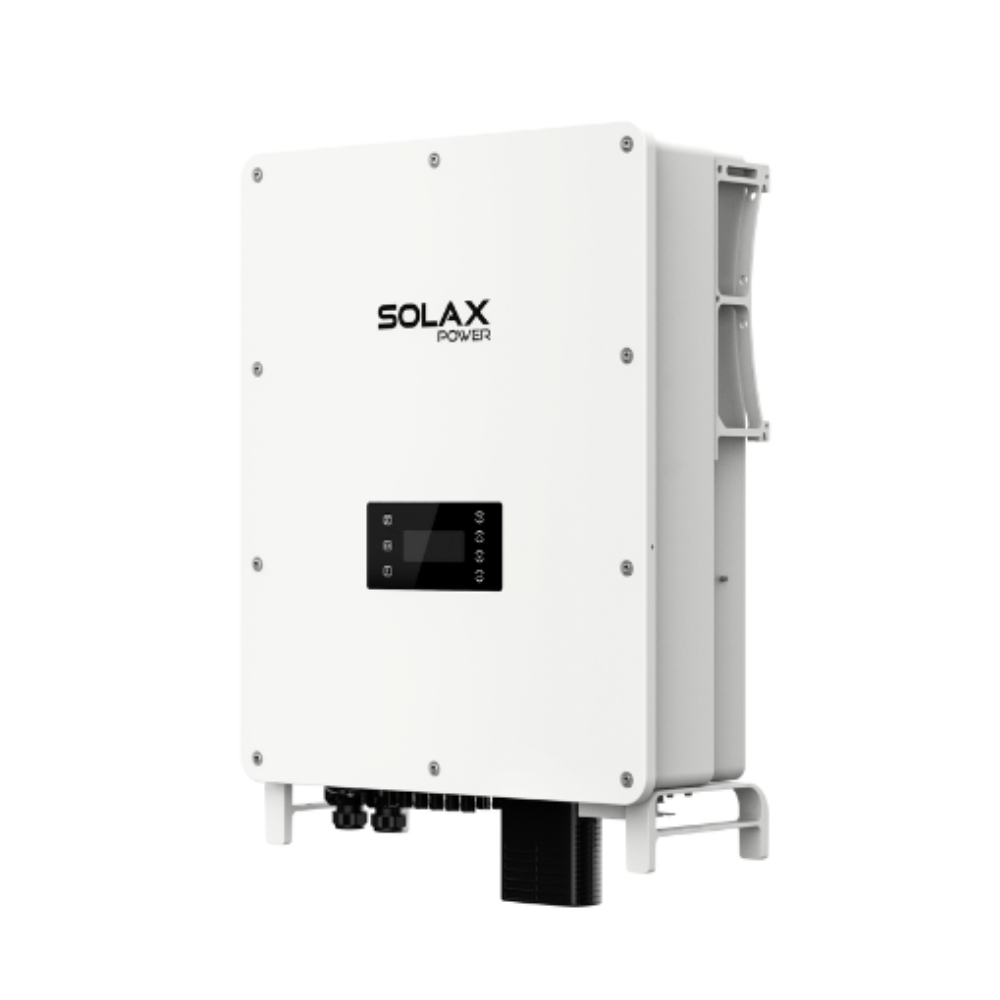
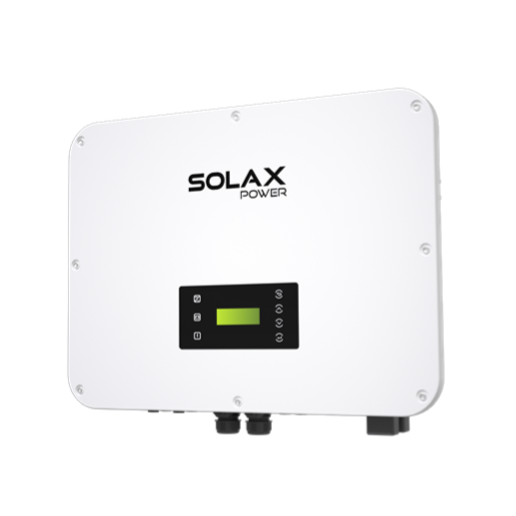
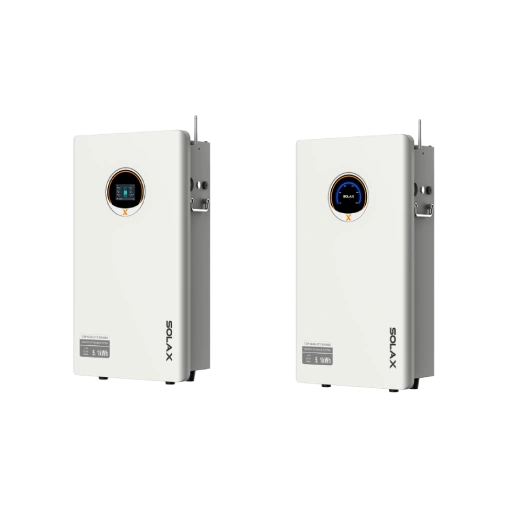
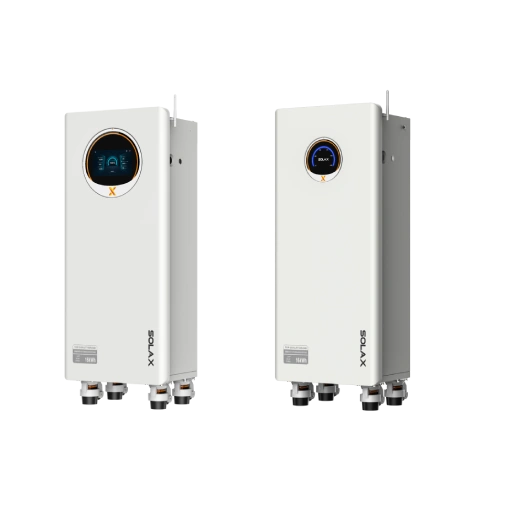
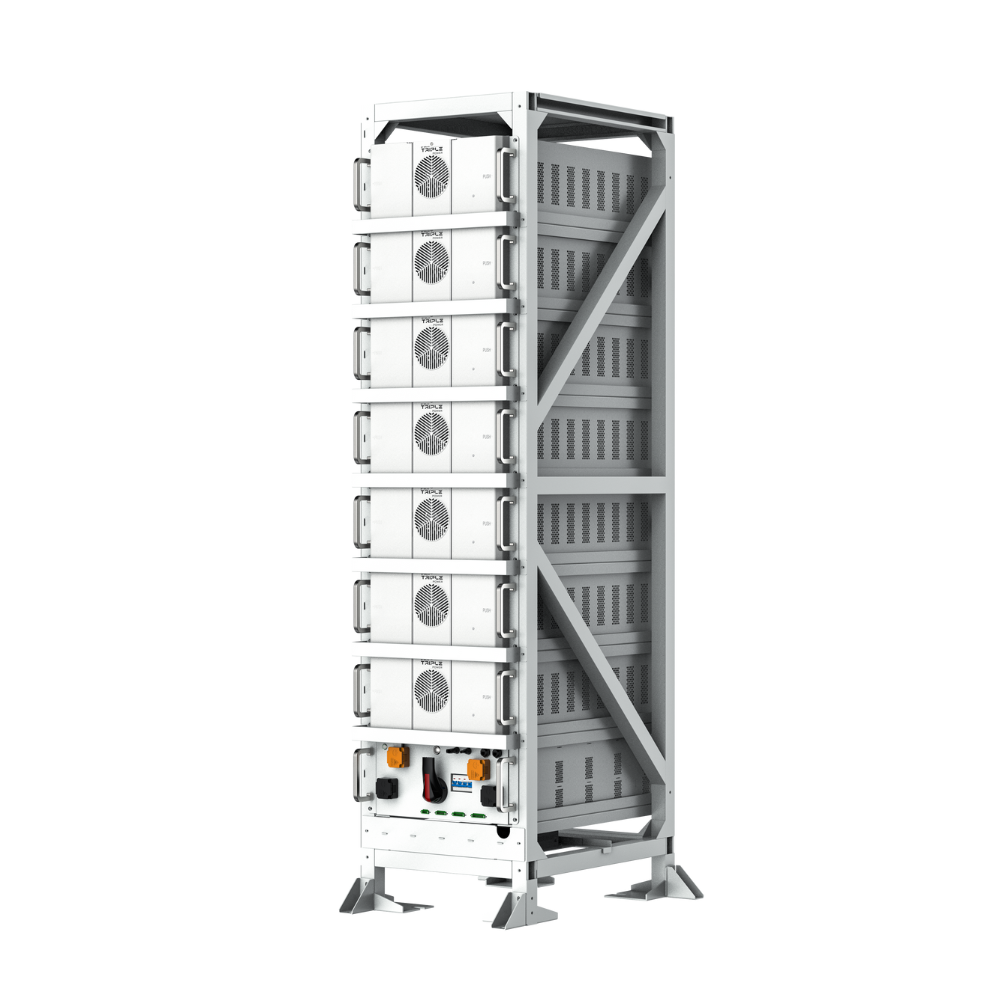
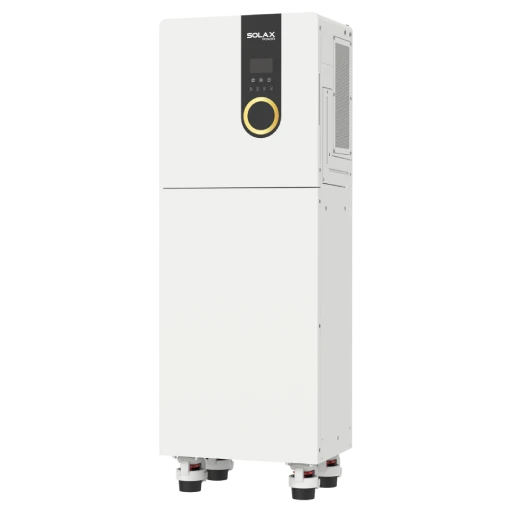
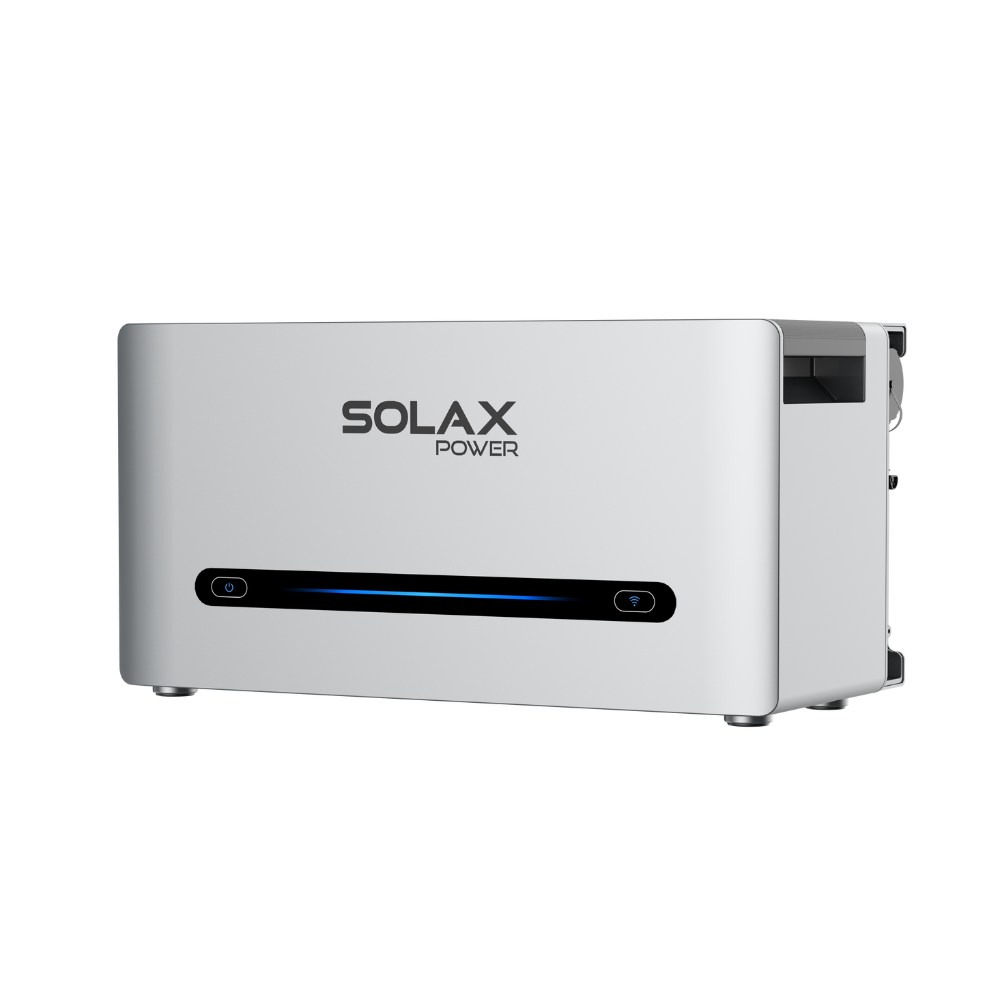
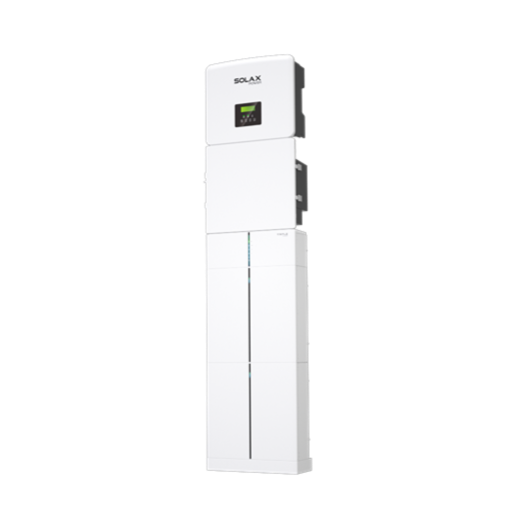
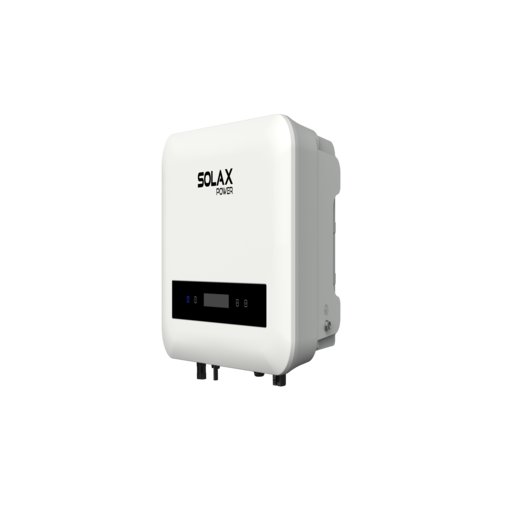
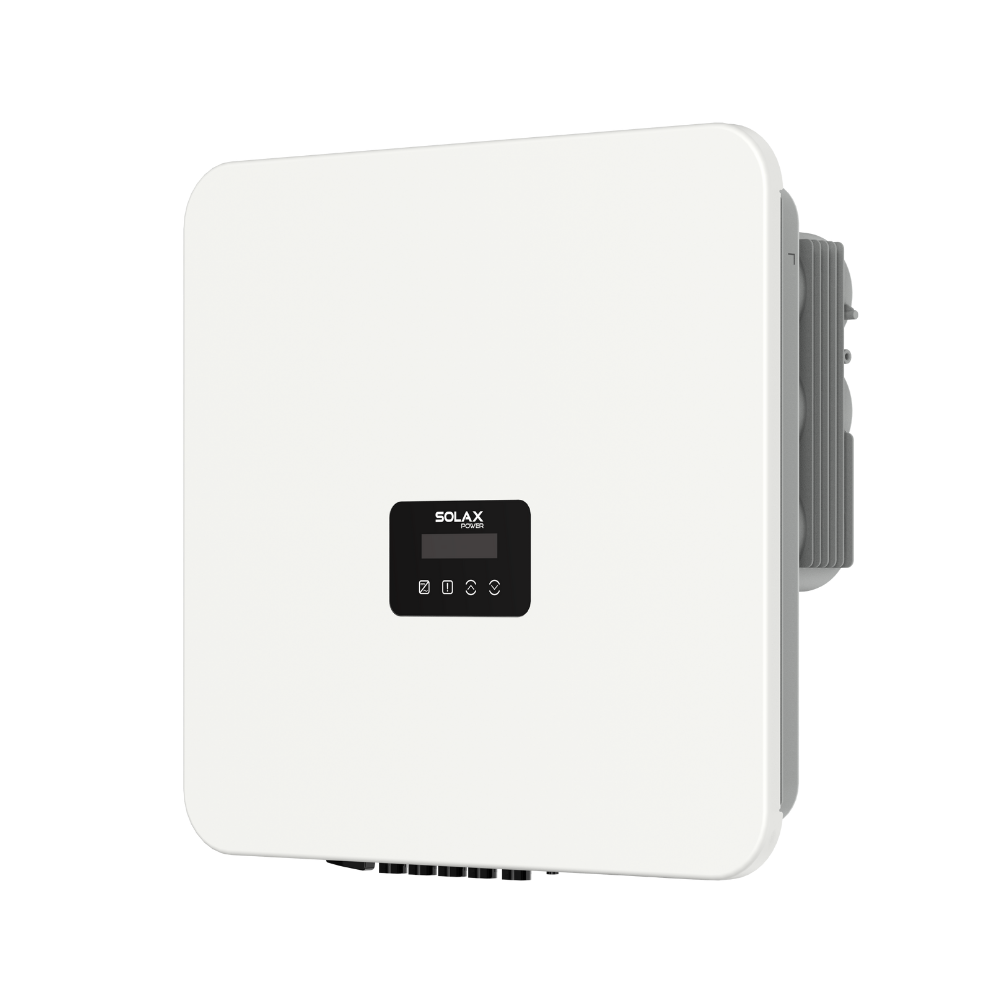
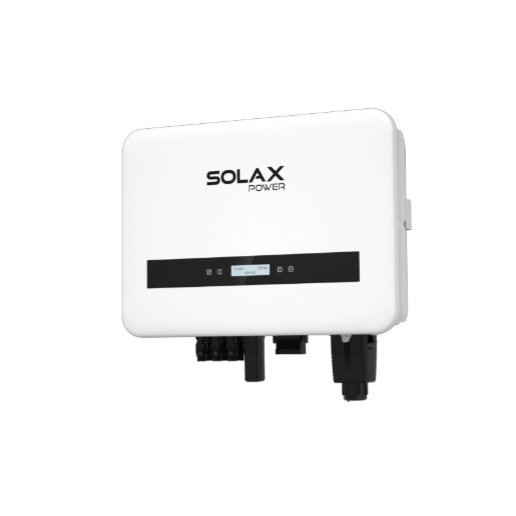
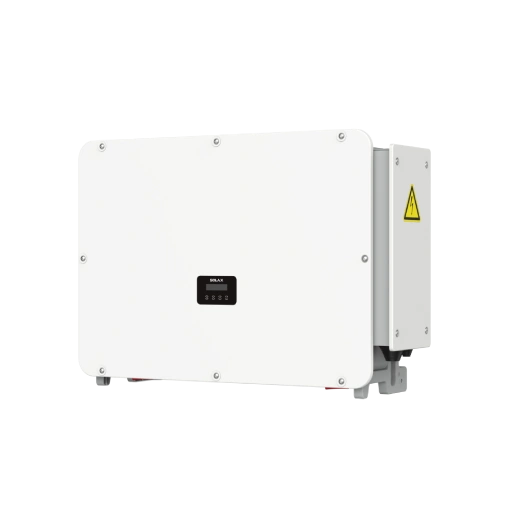
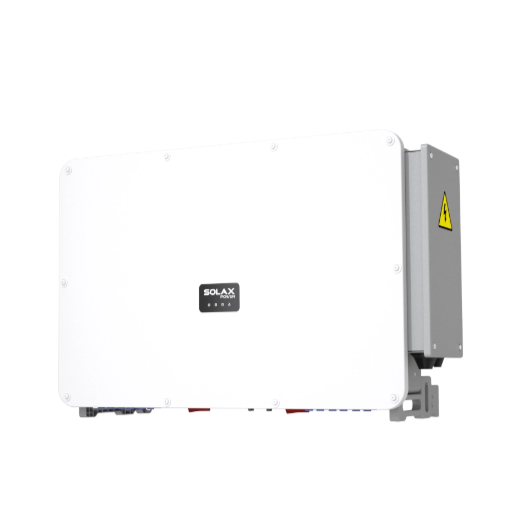
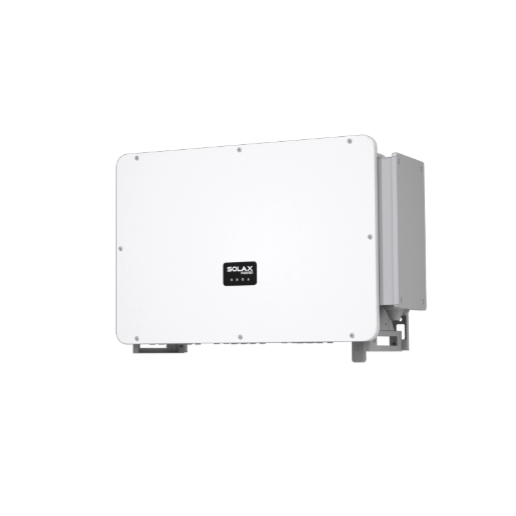
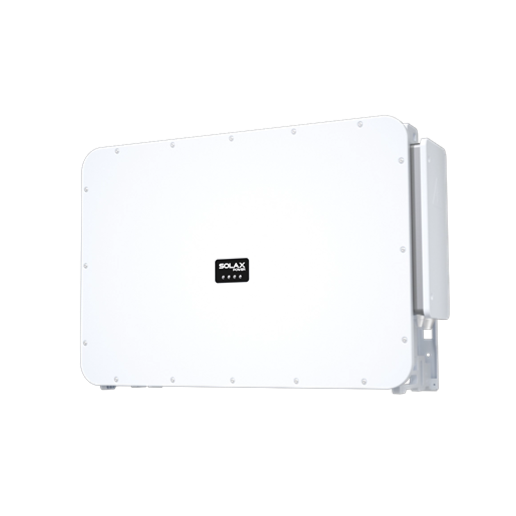
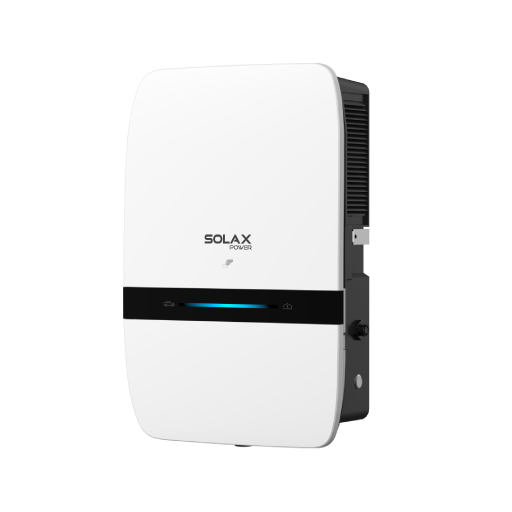
This is the context in which the SolaX OD series off-grid inverter becomes relevant.
Its value is not simply that it is an off-grid solar battery solution. Its value is that it addresses the practical problems emerging markets actually face: unstable grids, high starting loads, limited technical support, and the need for repeatable deployment.
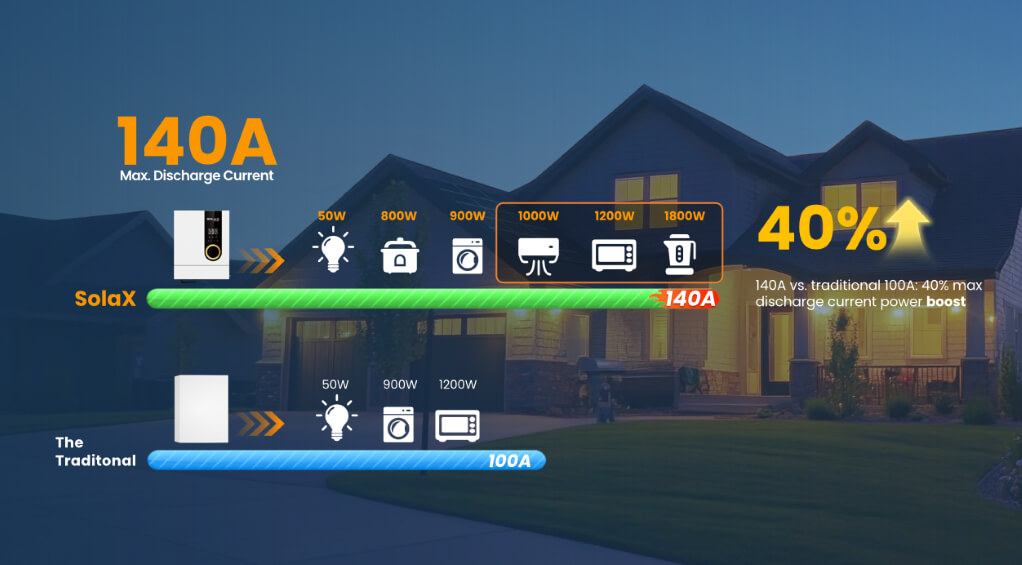
For weak-grid homes, rural businesses, agricultural users, and remote infrastructure, the key questions are straightforward:
Can the system keep power stable when the grid is unreliable?
Can it handle demanding loads such as pumps, motors, refrigeration, or compressors?
Can it reduce installation complexity for local EPCs?
Can it provide a clear upgrade path as energy demand grows?
The OD series off-grid inverter is positioned around these realities. By combining off-grid power conversion, battery compatibility, and intelligent system control, it helps turn solar-plus-storage from a customized engineering project into a more standardized energy solution.
That matters commercially. In the Middle East and Africa, customers are not only buying technology. They are buying confidence: confidence that the system will work in difficult conditions, confidence that installers can deploy it efficiently, and confidence that the investment will reduce dependence on unreliable grids or diesel generation.
The Commercial Reality of Energy Storage in Emerging Markets
The Middle East and Africa will not reward storage suppliers that treat these markets as simplified versions of Europe.
The opportunity is substantial, but the product-market fit is different. Customers need resilient systems, not just elegant specifications. Distributors need solutions that can be repeated across many sites. EPCs need fewer integration headaches. End users need power they can rely on.
That is why off-grid storage should no longer be marketed only as backup power. In these regions, it is becoming infrastructure.
For distributors looking at the next wave of storage demand, the question is no longer whether off-grid systems have a market. It is whether their portfolio is ready for markets where the grid cannot be taken for granted.
In that sense, the SolaX OD series is not just a product for today's off-grid applications. It is a response to where solar-plus-storage demand in the Middle East and Africa is heading next.
Table of Contents
Latest News
Explore expert insights, practical guides, and the latest news on SolaX Power.

To the Latest Newsletter
Stay Ahead with the Latest SolaX Updates!
Subscribe
I have read and agree to Privacy Policy and User Terms