












April 28, 2026
Beyond the Solar Boom: Why Latin America's Next Energy Chapter Belongs to Storage
Share my #SolaXStory


For years, the energy story in Latin America was simple: more solar, more capacity, lower costs. It was a race to install. But as any project developer from Santiago to São Paulo will tell you, the conversation is changing. We've reached a point where simply generating clean power isn't enough anymore. The real challenge now—and the real opportunity—is energy storage, enabling solar power to be used when the grid can't keep up.
Latin America is no longer just talking about the energy transition; it is starting to manage it. And that is why energy storage has moved from a "future luxury" to a "present necessity."
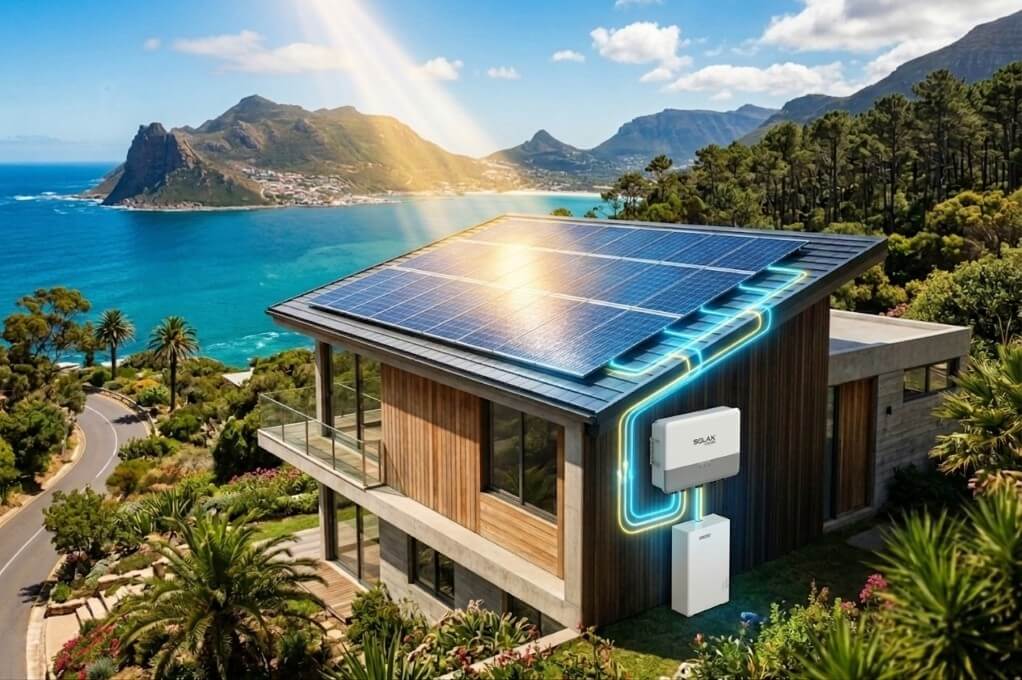
The Shift: From Infrastructure to Resilience
Unlike the unified regulatory landscape of Europe, Latin America is a mosaic of different speeds. But look closer, and the pattern is clear:
Brazil is moving toward the logical next step: keeping energy behind the meter to support a massive base of distributed solar.
Chile is our regional "look-ahead," treating storage as essential infrastructure to solve the limits of grid flexibility.
Mexico and Colombia are proving that the demand for storage is driven by a very basic human need for reliability.
Real Market Demand: Why Simple Energy Storage Solutions Win
In the industry, we often get lost in talk of "regulatory frameworks." But on the ground, the move toward storage is driven by practical, everyday frustrations.
For the homeowner in Brazil, it's the frustration of a power outage during a summer storm while their solar panels sit idle. For the business owner in Colombia, every voltage dip costs money in ruined inventory or halted production. And for the installer, the biggest pain point is complexity—they need solutions that are "plug-and-play" but robust enough to handle local grid fluctuations.
This market environment is forcing a "subtraction revolution." The winners will be those who can hide complex energy management logic inside a compact, reliable, and extremely easy-to-install package.
SolaX X1-SPT: Designed for Latin America's Energy Storage Needs
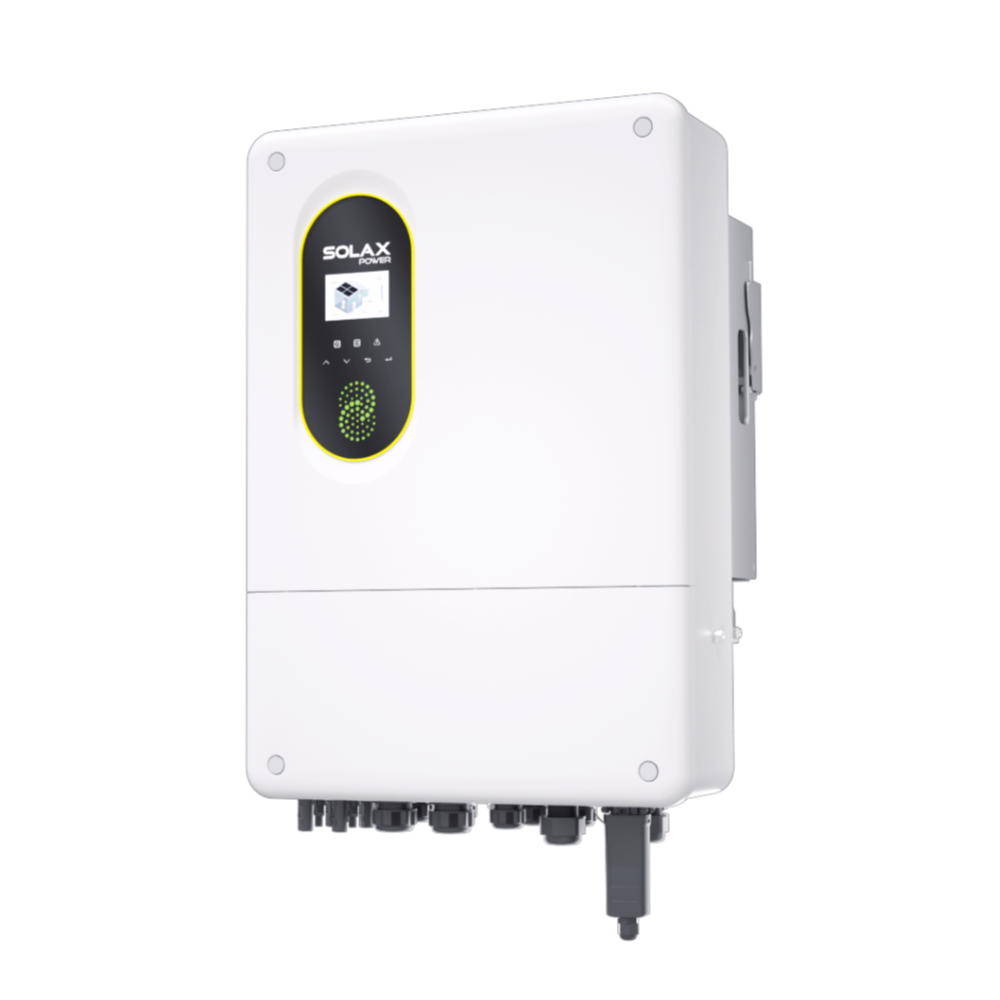
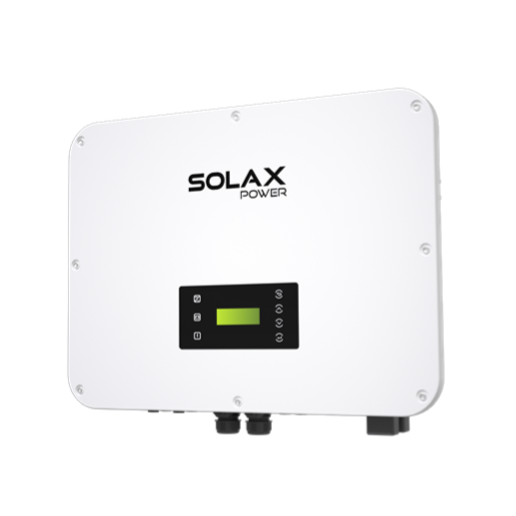
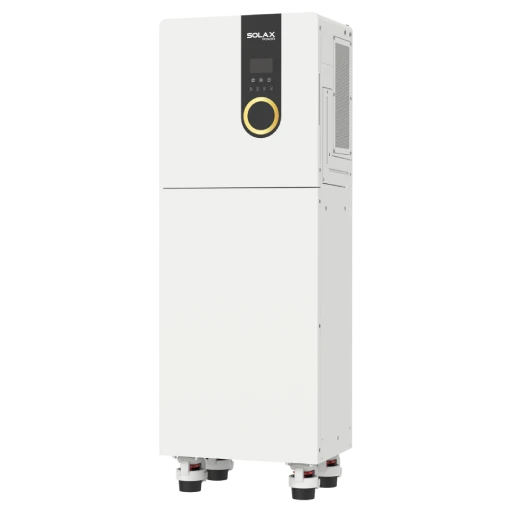
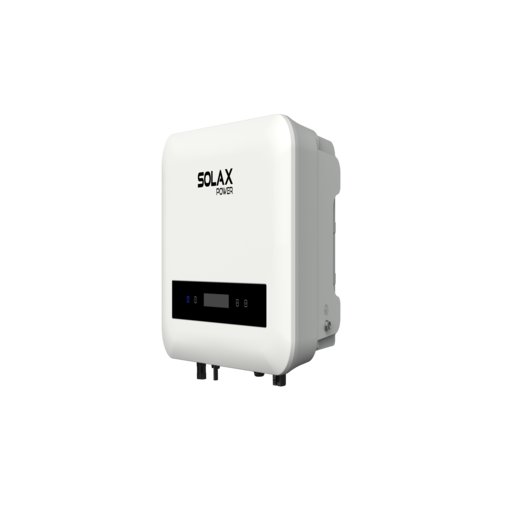
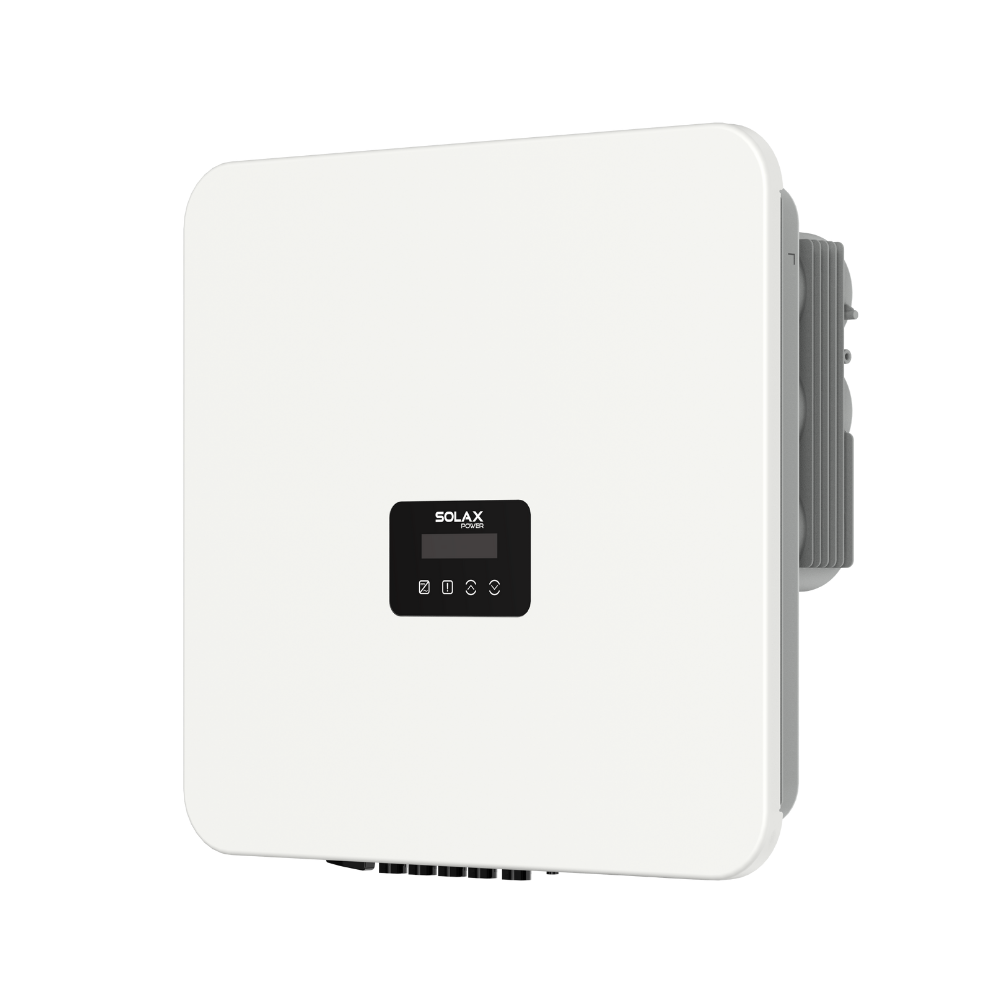
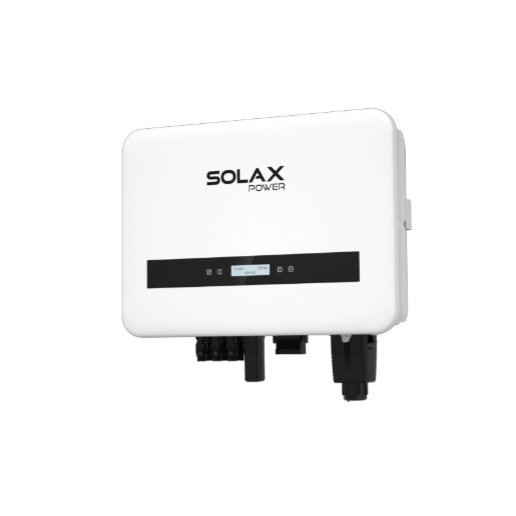
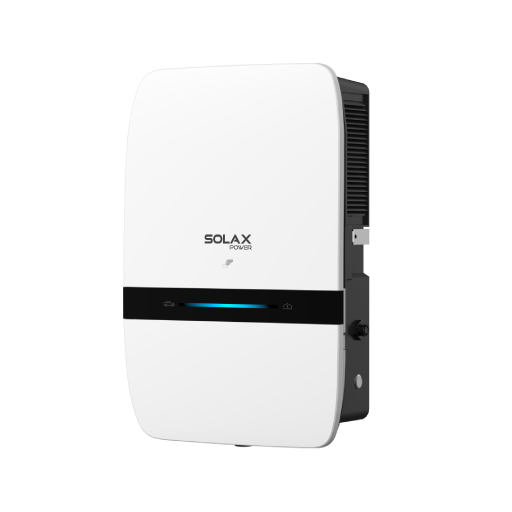
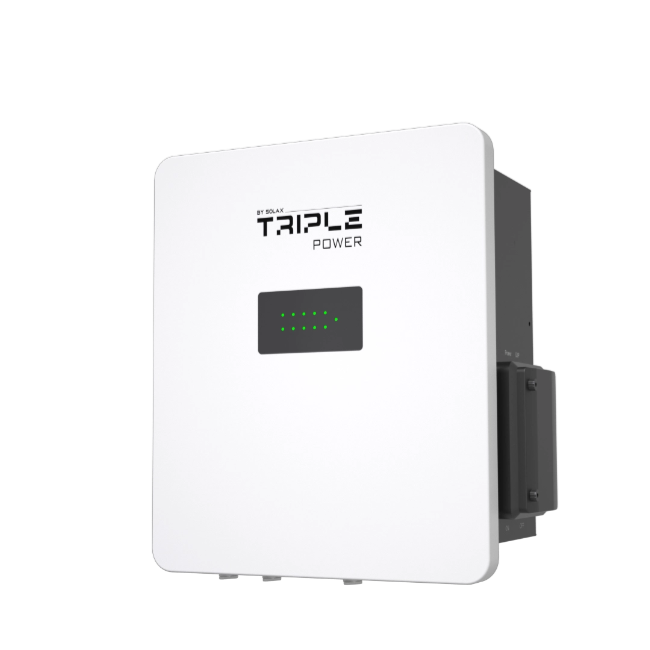
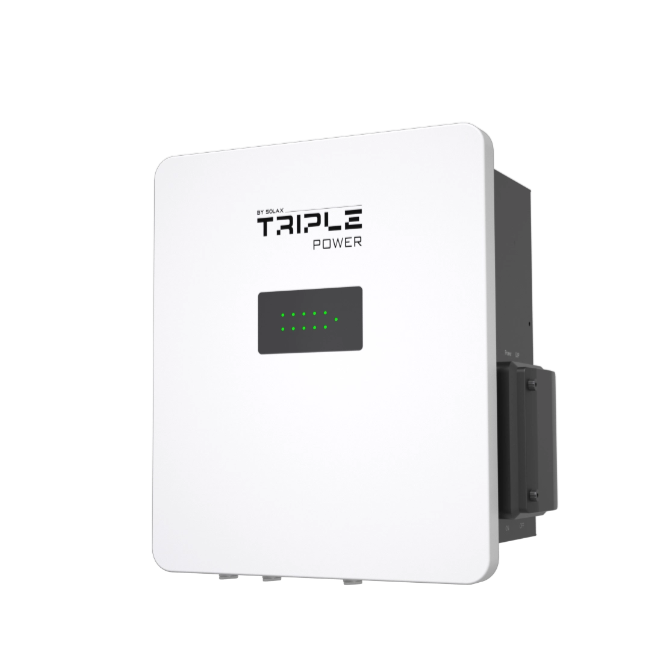
It is within this trend of "seeking simplicity over complexity" that the SolaX X1-SPT hybrid inverter becomes particularly relevant. It is not just a new product; it is a strategic tool tailored specifically for the current Latin American market.
When we observe the real-world needs of Latin American users—high rates of self-consumption, stable backup switching, and tolerance for harsh grid conditions—the X1-SPT hits every pain point with precision.
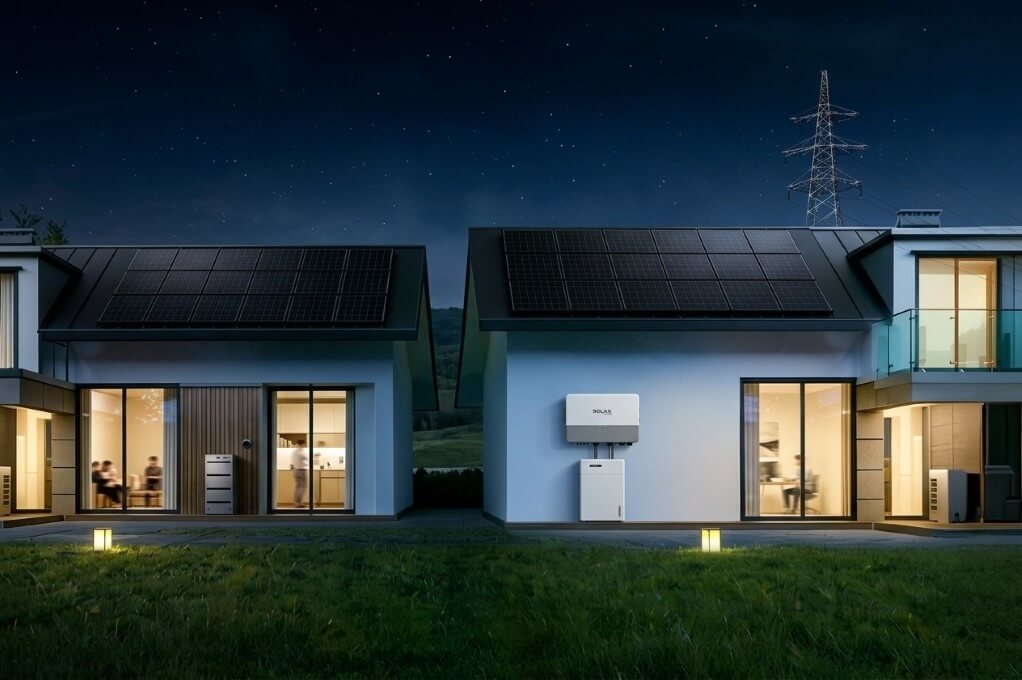
Featuring a highly integrated hybrid architecture, the X1-SPT enables a seamless transition from on-grid to off-grid without the need for complex external equipment. For residential areas in Brazil plagued by grid instability, or small commercial sites in Mexico that rely on power continuity, this "all-in-one" simplicity is exactly what most traditional solutions on the market currently lack.
More importantly, the design philosophy of the X1-SPT aligns perfectly with the reality of Latin American installers. It hides complex energy dispatching algorithms within a smart backend while maintaining a minimalist installation process at the front end. In a market like Latin America, which prizes efficiency and certainty, this "simplicity" is the most sophisticated technical barrier.
Market Outlook: 3 Key Energy Storage Trends by 2027
If we look past the immediate policy debates, I suspect we will see three major shifts define the region by 2027:
The "Retrofit" Wave will explode: Thousands of "solar-only" systems installed between 2020 and 2023 are about to become "storage-ready." Owners who initially only cared about lower bills now care about resilience. The massive demand won't just come from new installs, but from the millions of existing panels that need a battery "brain" to stay relevant.
Storage as "Insurance," not just "ROI": We will stop talking about "payback periods" in months and start talking about it in terms of "business continuity." For a SME (Small-to-Medium Enterprise) in Latin America, the cost of one major blackout often exceeds the cost of a storage system. The narrative is shifting from saving money to protecting livelihoods.
The Rise of the "Invisible VPP": Even if official Virtual Power Plant regulations are slow to arrive, we will see "de facto" aggregation. Smart hardware being installed today—like the X1-SPT—is creating a distributed network of energy nodes. When the regulation finally catches up, the hardware will already be on the walls, ready to talk to the grid.
Conclusion: The Future Belongs to Simple, Smart Energy Storage
The "second half" of the competition in Latin America's energy storage market is no longer about who has the largest installation capacity. It is about who can best solve the user's "last mile" of power anxiety.
As policies become clearer and customer awareness grows, solutions like the SolaX X1-SPT—which perfectly blend advanced storage logic with Latin American pragmatism—are redefining market standards.
Storage should not be a burden; it should be an invisible asset that grants users control over their own energy. When energy is no longer just a set of panels on the roof, but a quiet, reliable, and ready-to-serve intelligent terminal in the corner, that is when Latin America's energy transition truly hits the ground.
Table of Contents
Latest News
Explore expert insights, practical guides, and the latest news on SolaX Power.


To the Latest Newsletter
Stay Ahead with the Latest SolaX Updates!
Subscribe
I have read and agree to Privacy Policy and User Terms