












May 07, 2026
Understanding 5 to 10 kWh battery storage for evening-heavy homes
Share my #SolaXStory


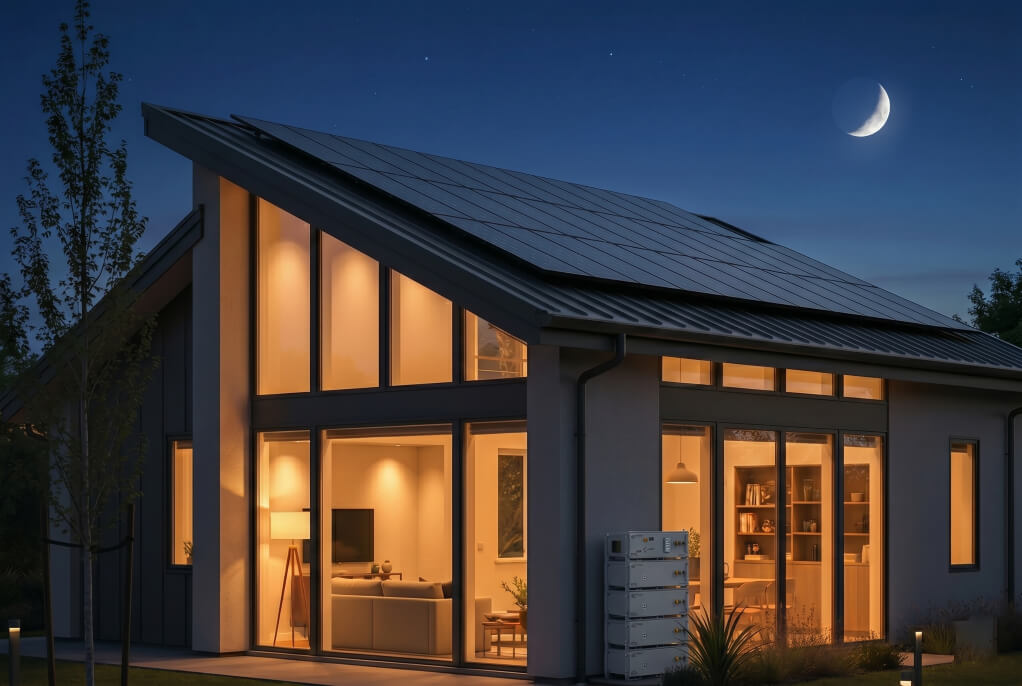
If your solar power system makes plenty of daytime solar energy but your bills still climb after sunset, the weak point is usually timing. Cooking, cooling, laundry, lighting, streaming, and device charging often stack into the same two to five evening hours. That is where many residential solar systems disappoint: the panels work, but the solar battery or inverter battery setup is too small, too rigid, or poorly matched to real evening demand.
That is why this shortlist focuses on practical 5 to 10 kWh battery storage for home decisions instead of headline claims. Below, you will compare six SolaX paths for a solar energy storage system, see which homes fit each option, and sort out when a modular battery, a low-voltage battery solution, or an integrated energy storage system makes more sense for smart energy management.
6 battery paths to compare for high evening usage
1. HS50E-D
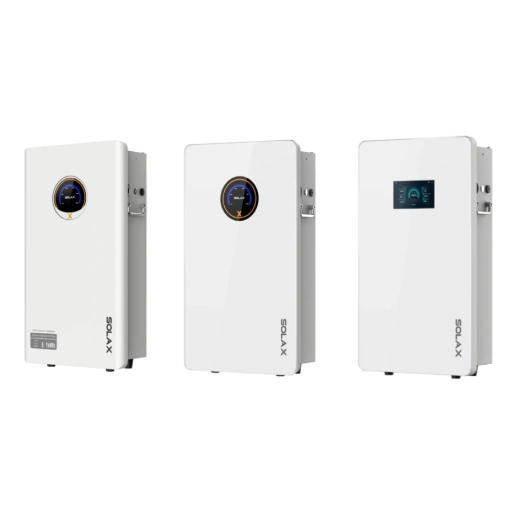
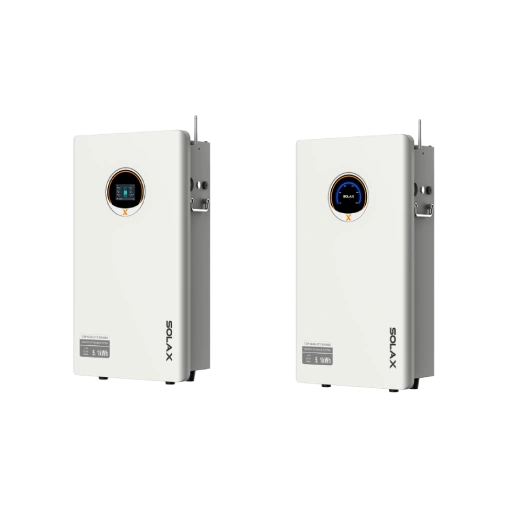
This is the cleanest starting point if you want a solar battery near the 5 kWh mark without locking your solar energy system into a fixed size. SolaX positions HS50E-D as a modular battery storage system from 5.12 kWh up to 92.16 kWh, so it fits homes that need useful evening coverage now and expansion later.
Why it stands out
Starts at 5.12 kWh and scales upward in the same platform.
Works with SolaX single-phase and three-phase inverter options.
Available in wall-mounted or floor-mounted formats for tighter installation planning.
Uses cobalt-free LFP chemistry with IP66 protection.
Supports 50A charge and discharge current plus OTA upgrades and AI-based SOC/SOH management.
Best for
Homes with moderate evening use
Buyers adding a hybrid inverter now and more battery later
Solar installation projects where outdoor placement matters
What to watch
If your evening peaks include heavy air conditioning and electric cooking at the same time, 5.12 kWh may feel tight unless you expand quickly.
2. T-BAT-SYS-HV-R2.5
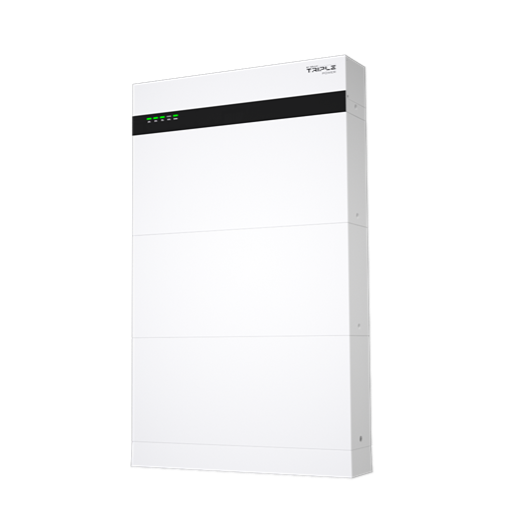
If you want to land close to 10 kWh without jumping into a much larger battery storage system, this is one of the most practical fits. SolaX lists T-BAT-SYS-HV-R2.5 at 5.1 to 33.2 kWh, which makes it easy to target a 10.24 kWh class setup for stronger evening solar power storage.
Why it wins
Strong fit for buyers who already know 5 kWh is probably too small.
High-voltage architecture can pair well with a hybrid solar inverter design.
Modular growth helps avoid replacing the full solar battery system when loads rise.
Key specs to check
Capacity range: 5.1-33.2 kWh.
Chemistry: LFP.
Product type: HV battery platform for residential solar storage.
Best for
Busy families with steady dinner-to-bedtime demand
Homes planning solar and battery expansion in stages
3. TSYS-HS51
Some homes do not just need more stored solar energy; they need faster delivery during sharper peaks. TSYS-HS51 is the better path when your evening profile includes several high-draw loads at once, such as cooling, cooking, and entertainment. SolaX states a 10.2 to 66.5 kWh range and up to 70A charging and discharging current.
Why it stands out
Starts in the 10 kWh class but scales far beyond it.
Higher 70A charge/discharge current helps with stronger load swings.
Cycle life is listed above 6000 cycles.
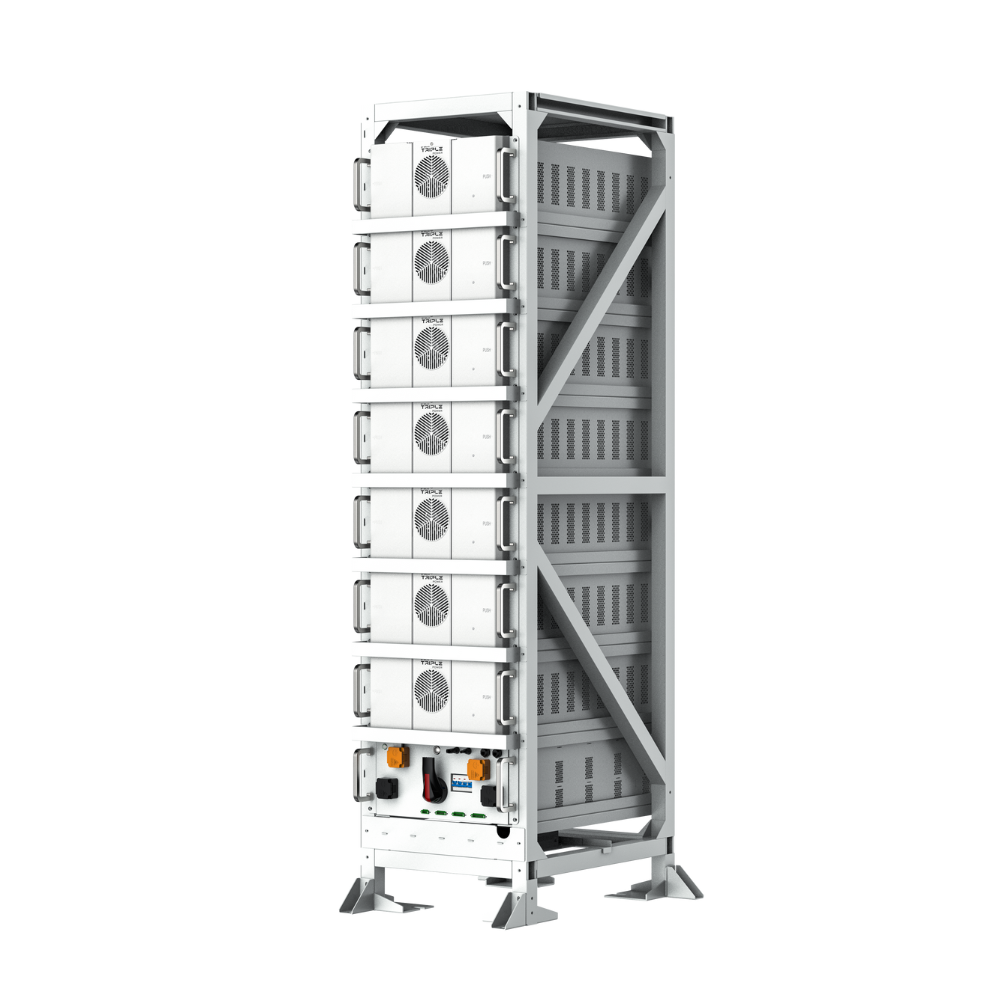
Compatible with TCBox-70 and up to 3 battery towers.
Best for
Larger families
Homes aiming toward whole-home backup readiness
Buyers who expect future EV or heat pump loads
What to watch
This platform can be more than you need if your true evening use is only a few targeted circuits.
4. T-BAT-SYS-LV D53
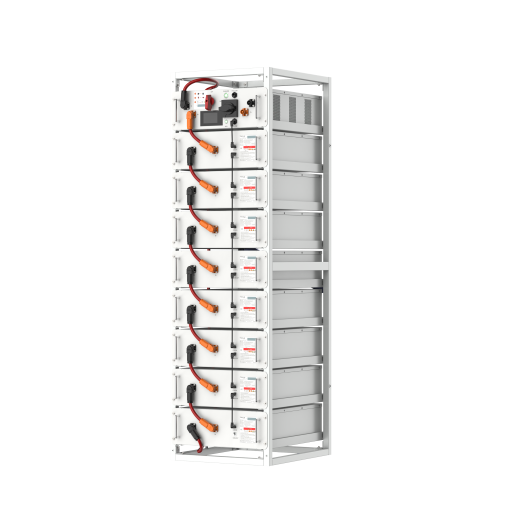
Low-voltage design can be the better fit when your installer prefers that architecture or when your residential solar systems plan values simpler staged growth. SolaX presents T-BAT-SYS-LV D53 as a next-generation LFP battery from 5.3 to 85.1 kWh with support for up to 16 units in parallel.
Why it stands out
Rated energy starts at 5.3 kWh per unit.
Max 16 units in parallel gives long runway for expansion.
100A charge and discharge current supports solid daily cycling.
Remote fault diagnosis and remote upgrade support smarter maintenance.
IP65 protection suits flexible placement.
Best for
Homes wanting phased battery storage growth
Installations where low-voltage battery architecture is preferred
Buyers who care about serviceability and smart energy monitoring
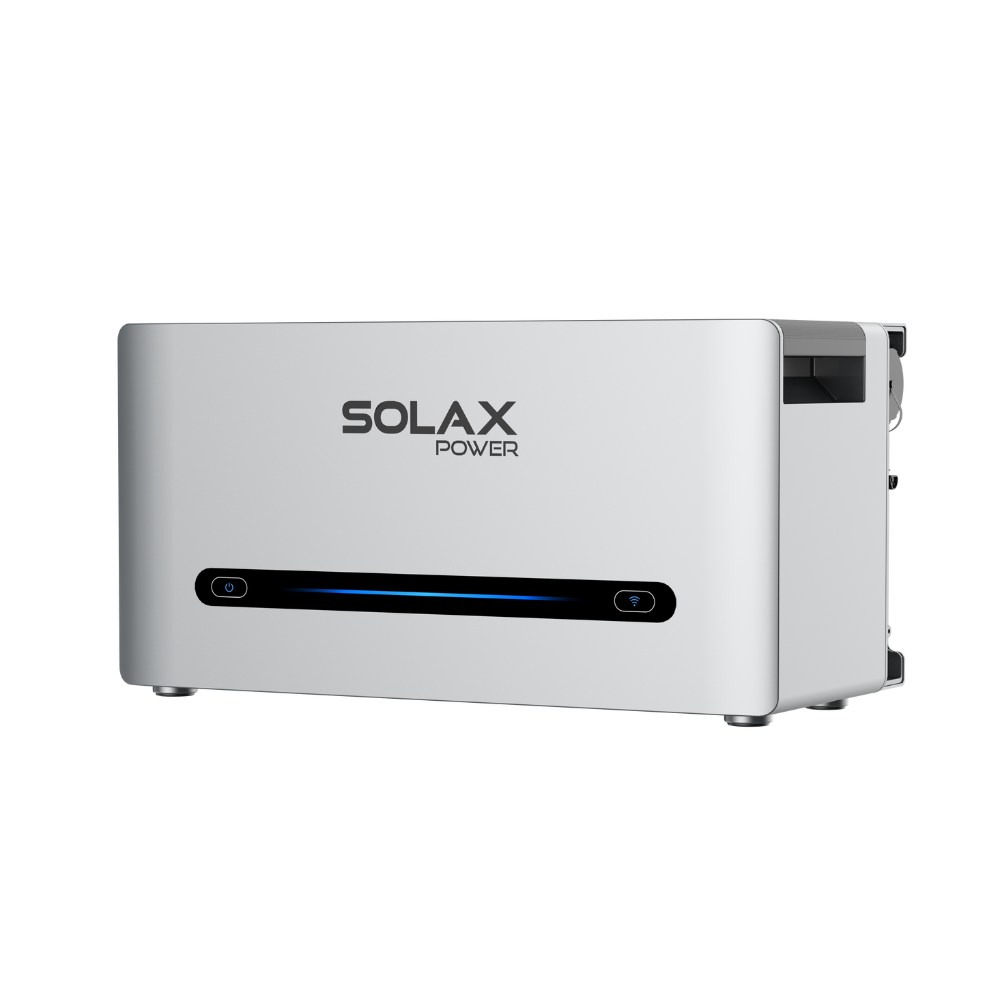
5. TSYS-LD51
If you want a simple 5.1 kWh entry into battery storage for home, TSYS-LD51 is the most direct option in this list. It is better for smaller homes or owners who want to shift solar pv into key evening loads rather than run a deeply electrified home overnight. SolaX lists 5.1 kWh nominal capacity and support for up to 16 units in parallel.
Why it stands out
Straightforward 5.1 kWh class starting point.
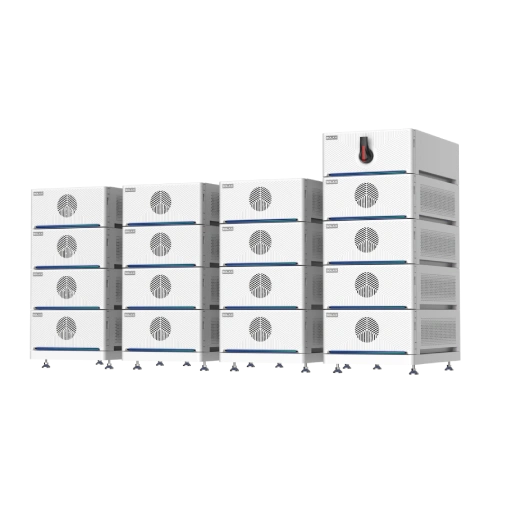
Floor, wall, and stack installation options add flexibility.
CTP design improves space use and energy density.
LCD touchscreen, remote diagnostics, and updates support easier smart energy control.
Best for
Smaller homes
Targeted evening circuits
First-time battery buyers keeping the system simple
What to watch
IP40 protection makes location planning more important than with outdoor-rated models.
6. X3-IES-P
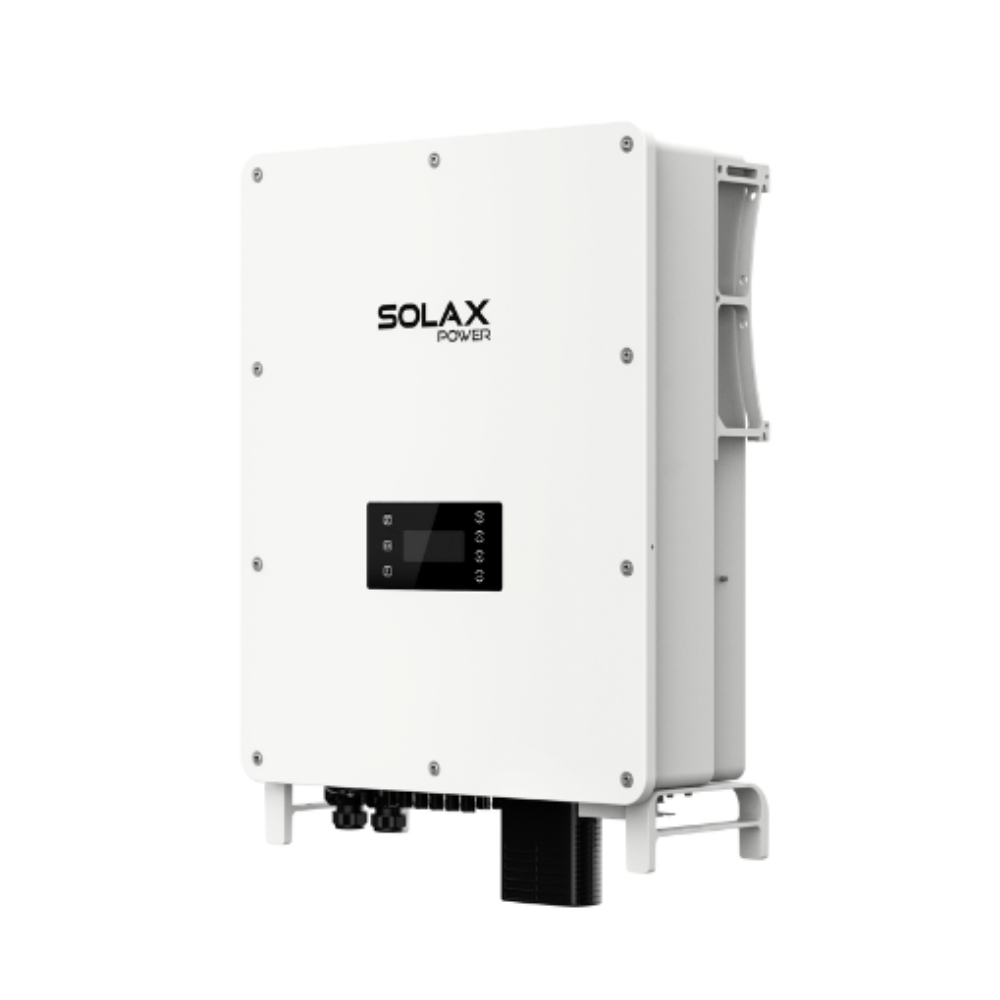
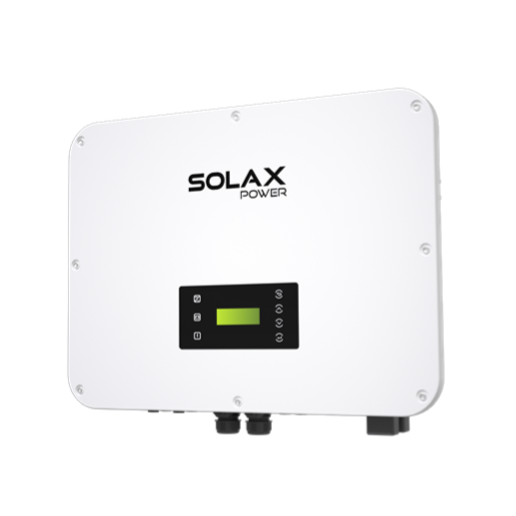
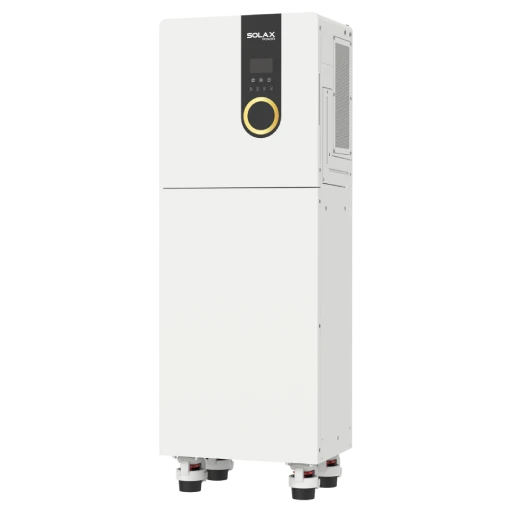
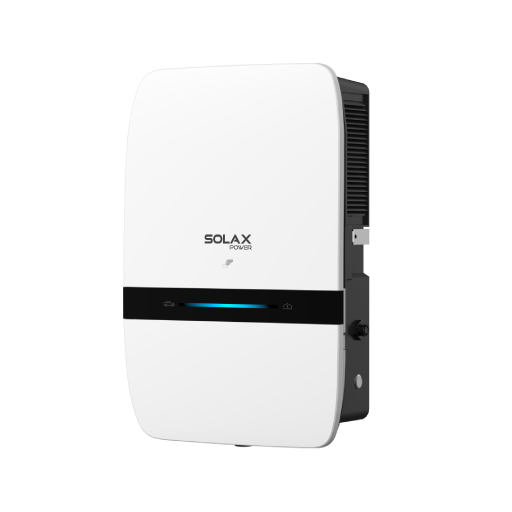
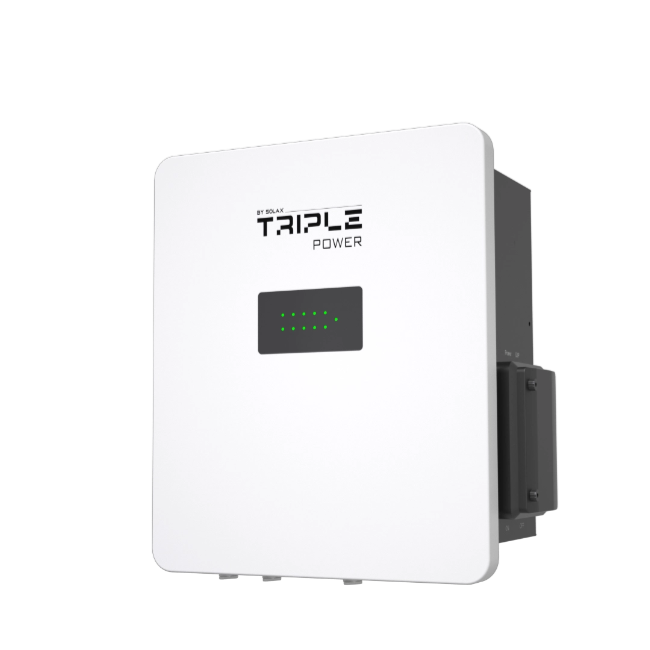
Not every buyer wants to mix a solar inverter, battery, controls, and backup logic one piece at a time. X3-IES-P is SolaX's integrated energy storage system path, combining inverter and storage functions into one coordinated platform. It includes IP66 protection, UPS-level switchover under 10 ms, and up to 200% EPS output for 10 seconds.
Why it wins
Cuts down matching issues between battery and inverter.
Supports stronger backup behavior with fast switchover.
Built for three-phase AC voltage formats used in larger residential solar applications.
Handles recommended PV array sizes up to 20 kWp on some models.
Best for
Buyers wanting one integrated solar and battery platform
Homes where backup loads matter almost as much as bill savings
Projects that also connect with SolaXCloud smart energy management tools.
Common sizing problems and fixes
Problem | Cause | Fix |
Battery empties too early | Evening load was estimated from monthly bill only | Check hourly use for 6 pm to midnight before choosing capacity |
Solar battery feels undersized | High-power appliances overlap | Stagger cooking, cooling, and laundry or choose scalable battery storage |
Savings are weaker than expected | Control settings favor export instead of self-use | Adjust smart energy management and reserve settings |
Which household profiles fit each path?
Smaller home, lighter night demand: TSYS-LD51 or HS50E-D
Busy family with concentrated peaks: T-BAT-SYS-HV-R2.5 or TSYS-HS51
EV adoption planned within a year: HS50E-D, TSYS-HS51, or T-BAT-SYS-LV D53
Backup readiness matters more than nightly shifting: X3-IES-P
How to choose the right solar battery size for your solar energy system
A 5 kWh solar battery usually fits homes that want to cover lighting, refrigeration, internet gear, and selected evening appliances for a few hours. A 10 kWh class battery storage system makes more sense when your solar system for home must carry longer evening use, larger family routines, or overlapping high-draw loads. The U.S. Department of Energy notes that solar plus battery storage can automatically switch to islanded operation during outages, which is why sizing should consider resilience as well as savings.
Quick fit guide
Choose about 5 kWh if your evening demand is short and controlled.
Choose about 10 kWh if dinner-time loads run for 4-6 hours.
Go modular if EV charging, a heat pump, or bigger residential solar plans are likely.
Prioritize software if your goal is smart energy management, not just raw storage.
According to American Clean Power, the U.S. energy storage market hit a record 18.9 gigawatts of installations in 2025, showing how quickly battery-backed energy solutions are moving into mainstream planning. Research highlighted by Stanford found many U.S. households could lower bills and improve blackout coverage with solar pv and battery pairing, which reinforces the value of sizing around your real evening profile rather than buying the biggest label.
FAQ
Table of Contents
Latest News
Explore expert insights, practical guides, and the latest news on SolaX Power.

To the Latest Newsletter
Stay Ahead with the Latest SolaX Updates!
Subscribe
I have read and agree to Privacy Policy and User Terms