












May 09, 2026
What Makes a Solar Battery System Suitable for High Energy Needs?
Share my #SolaXStory


If your home runs central air, electric water heating, a pool pump, a workshop, and maybe one or two EVs, a small solar battery system can look fine on paper and still fail in real life. The usual mistake is sizing only for daily energy use while ignoring how much power your home pulls at one time. That leads to higher grid imports, shorter backup windows, and annoying limits during outages.
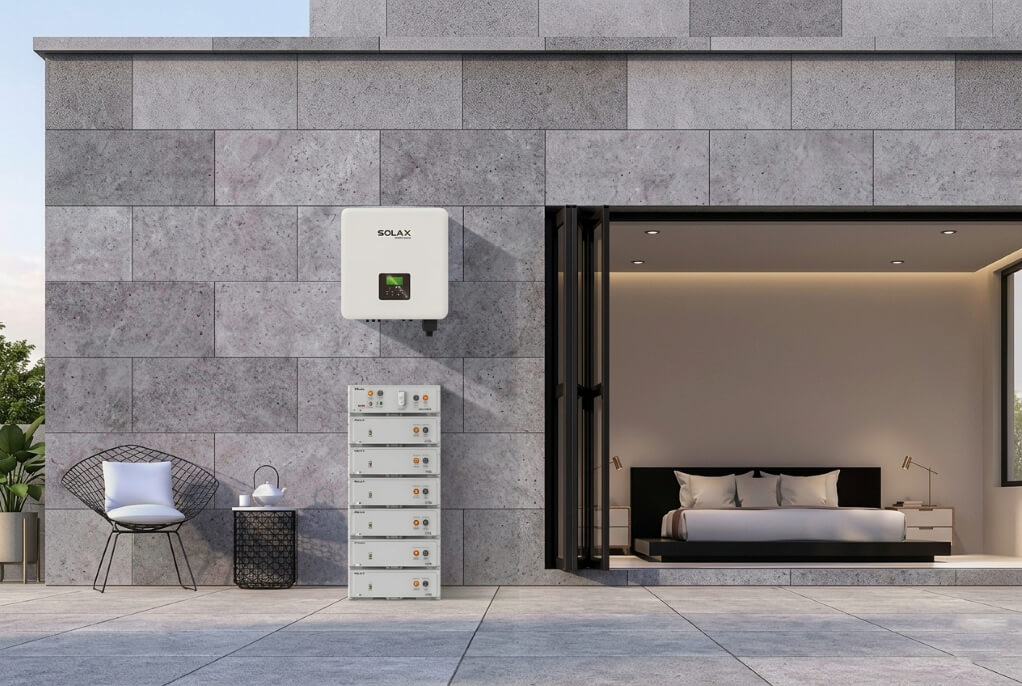
Not every home battery storage product is built for a large, power-hungry house. For heavier residential solar systems, you need enough stored energy for long evening use, enough inverter output for simultaneous appliance loads, and enough flexibility to add modules later. In 2026, that matters even more because solar-plus-storage adoption keeps expanding, and homeowners increasingly want one system to lower bills and improve resilience. According to a 2026 market update citing SEIA and Benchmark Mineral Intelligence, the U.S. installed 57.6 GWh of new energy storage in 2025, and residential storage rose 51% year over year. PV magazine USA reported that trend.
What to check first
Capacity in kWh: This tells you how long loads can run.
Power in kW: This tells you what can run at the same time.
Usable energy: Real battery capacity you can actually access.
Battery chemistry: LiFePO4 is a common choice for safety and cycle life.
Expansion path: Modular systems reduce the risk of undersizing.
Software layer: Smart monitoring software improves self-consumption and scheduling.
Why it matters
A big home may not only use more solar energy over 24 hours. It may also create sharp peaks when HVAC, cooking, laundry, and EV charging overlap. That is why a strong solar battery system should be viewed as a full energy storage system, not just a battery box. The U.S. Department of Energy says a resilient power system benefits from local resources such as solar panels and battery storage in homes and buildings, especially when electricity service is disrupted. Energy.gov frames home battery storage as part of broader energy reliability and resilience.
Core Foundations: Capacity, Power, and System Architecture
Before comparing products, it helps to separate the three decisions that usually get mixed together: how much energy you store, how much power you can deliver, and how the system is built.
Capacity means runtime
Capacity is measured in kilowatt-hours, or kWh. If your evening and overnight loads add up to 35 kWh, then a 10 kWh solar battery will not take you very far. High-use homes often land in the 20 kWh to 60 kWh range once they include HVAC, refrigeration, lighting, networking, and some reserve margin. That is why scalable battery storage matters more than headline marketing claims.
Power means appliance compatibility
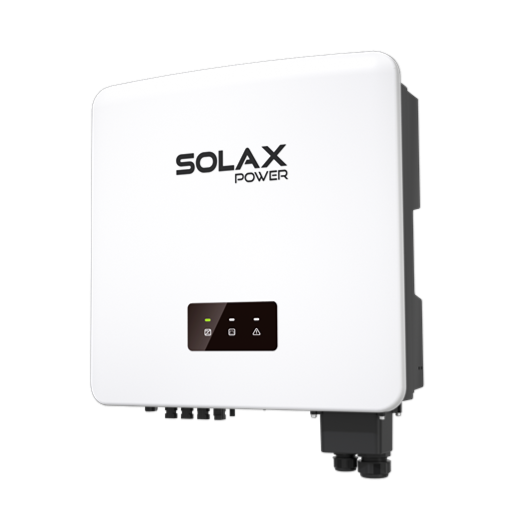
Power is measured in kilowatts, or kW. It decides whether your inverter can start and run heavy loads together. A home can have plenty of stored solar energy and still struggle if the inverter is too small. This is especially important for all-electric homes, homes with three-phase service, and any solar power system that aims for whole-home backup instead of essential-load backup.
Architecture shapes flexibility
You generally have two paths:
Battery plus inverter path: More design flexibility and easier phased expansion.
All-in-one path: Cleaner installation, fewer compatibility questions, and simpler service.
For many high-load homes, a modular architecture is the safest choice because your solar energy storage system can grow with future EV charging, a heat pump, or a larger solar PV system. If you are comparing residential solar storage options, keep your eye on battery management systems, inverter compatibility, and whether the platform supports smart energy management from day one.
Which SolaX Systems Stand Out for High-Use Homes?
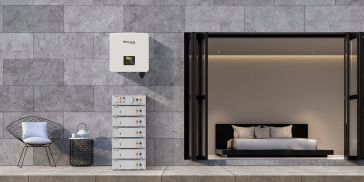
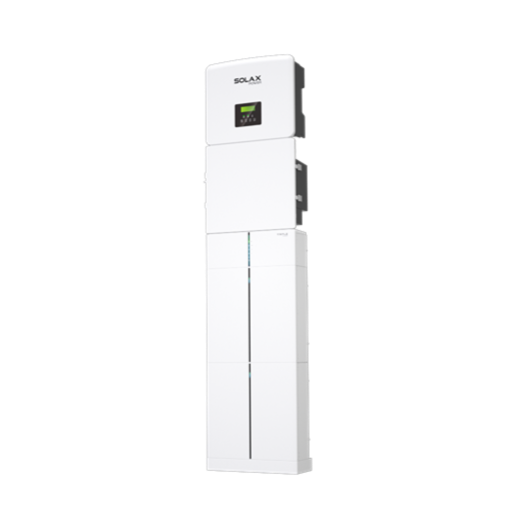
SolaX has several residential products that fit heavy-load homes well, especially if you want modular growth rather than a fixed battery solution. The brand’s residential batteries page lists TSYS-HS51 at 10.2-66.5 kWh and T-BAT-SYS-HV-R3.6 at 7.3-47.8 kWh, both using LFP chemistry in high-voltage configurations.
Battery-first path for larger storage windows
If your main goal is long evening coverage, storm backup, or time-of-use shifting, a battery-first design usually makes more sense than chasing a compact cabinet.
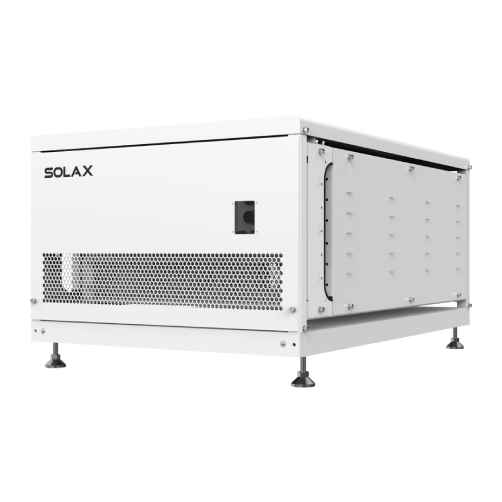
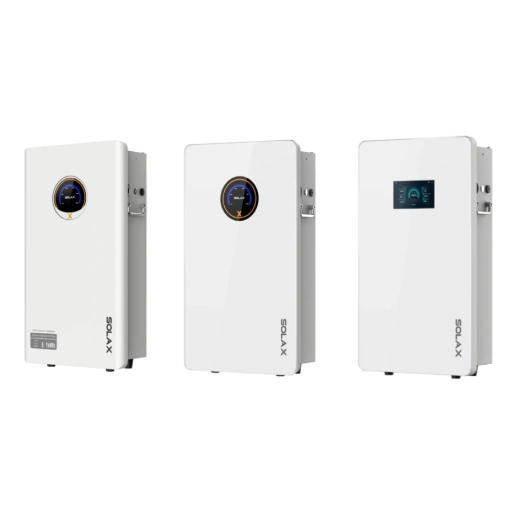
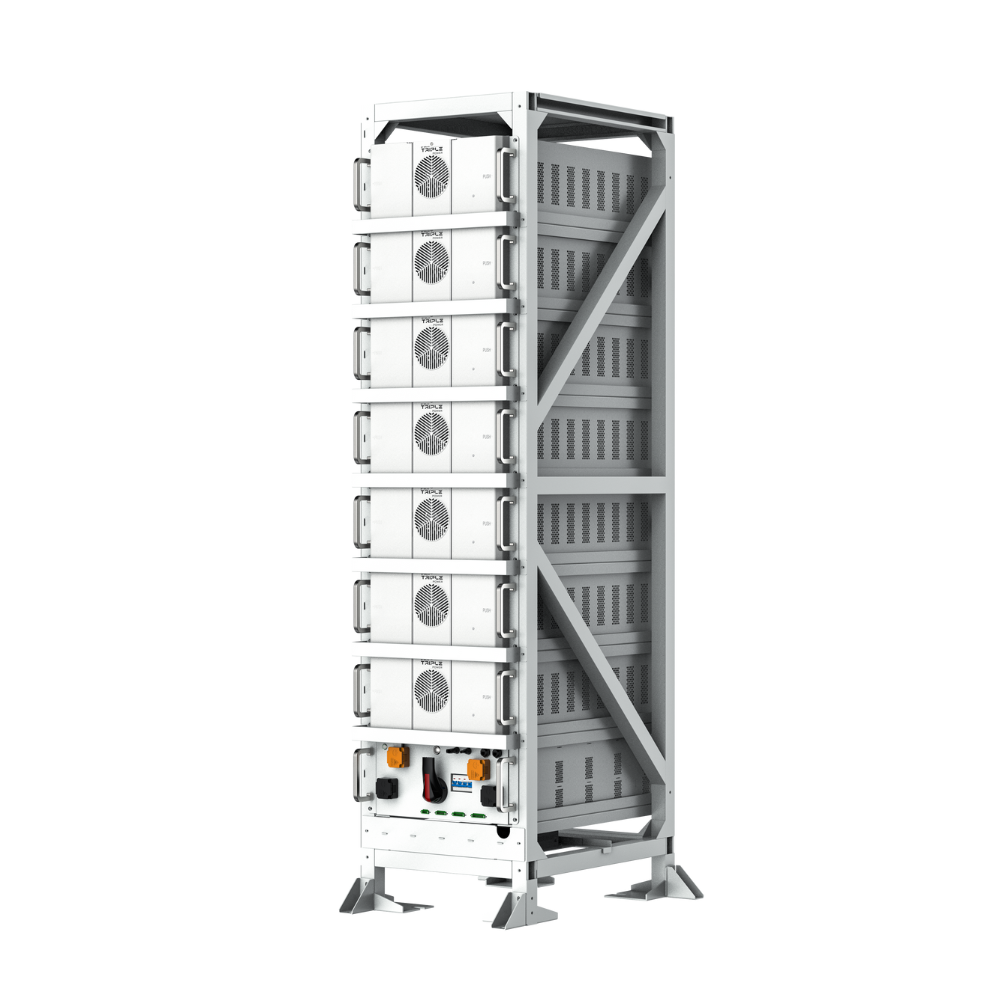
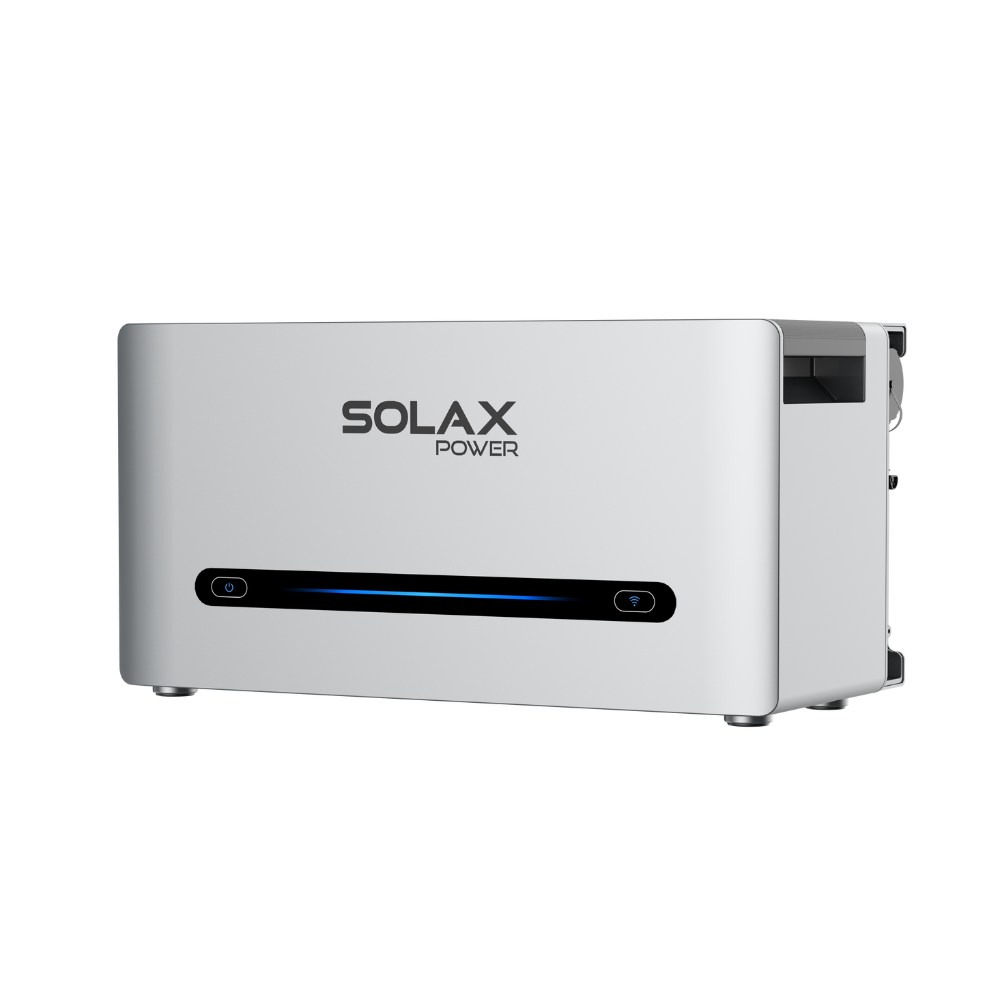
TSYS-HS51: SolaX lists this platform at 10.2-66.5 kWh, making it one of the strongest fits for households with heavy daily consumption and future expansion plans. The site positions it as an HV LFP platform for larger residential solar battery storage needs.
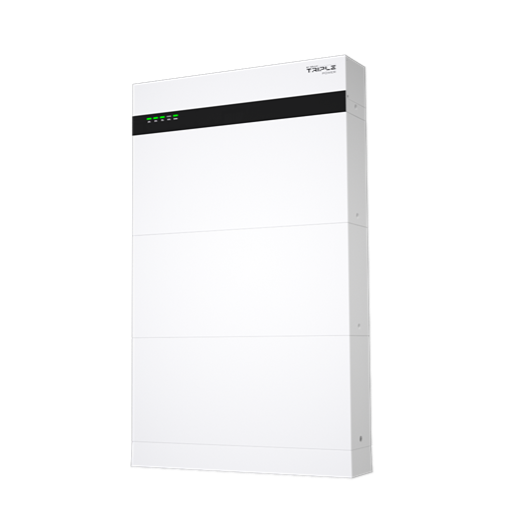
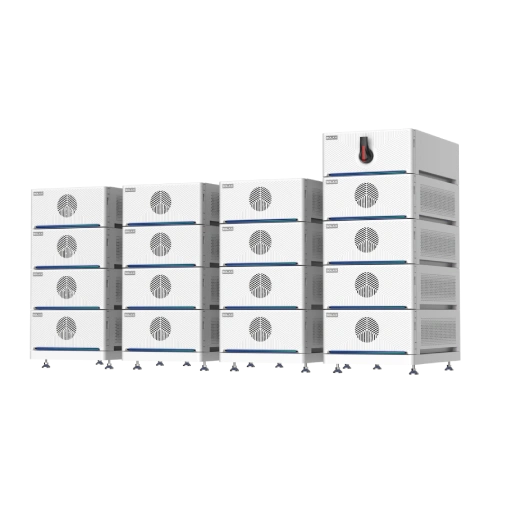
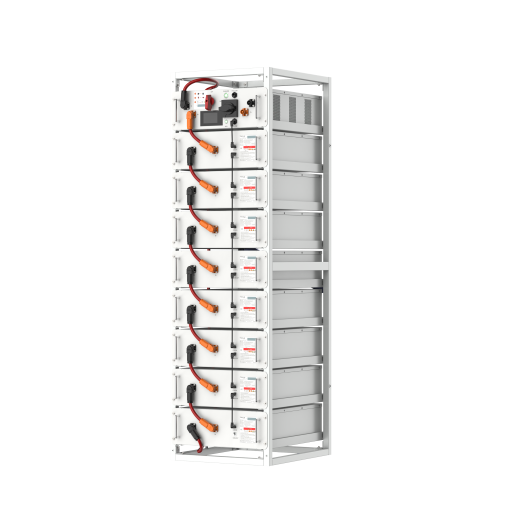
T-BAT-SYS-HV-R3.6: This modular solar battery storage line scales from 7.3-47.9 kWh per stack, uses Li-ion (LFP) cells, carries a stated >6000 cycle life, supports RS485/CAN communication, and lists 95% battery roundtrip efficiency with 90% DoD test conditions in the datasheet.
For a home with high nightly loads, either platform works best when paired with the right inverter battery setup and a load study that looks at peaks, not just averages.
All-in-one path for simpler deployment
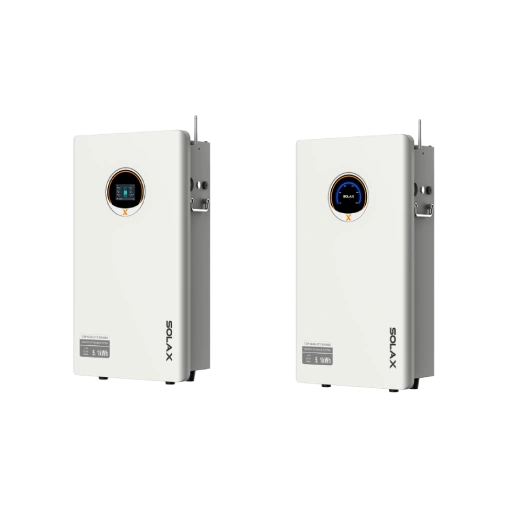
Some homeowners want a solar battery system that arrives as a more unified package. That is where SolaX’s integrated ESS products are more attractive.
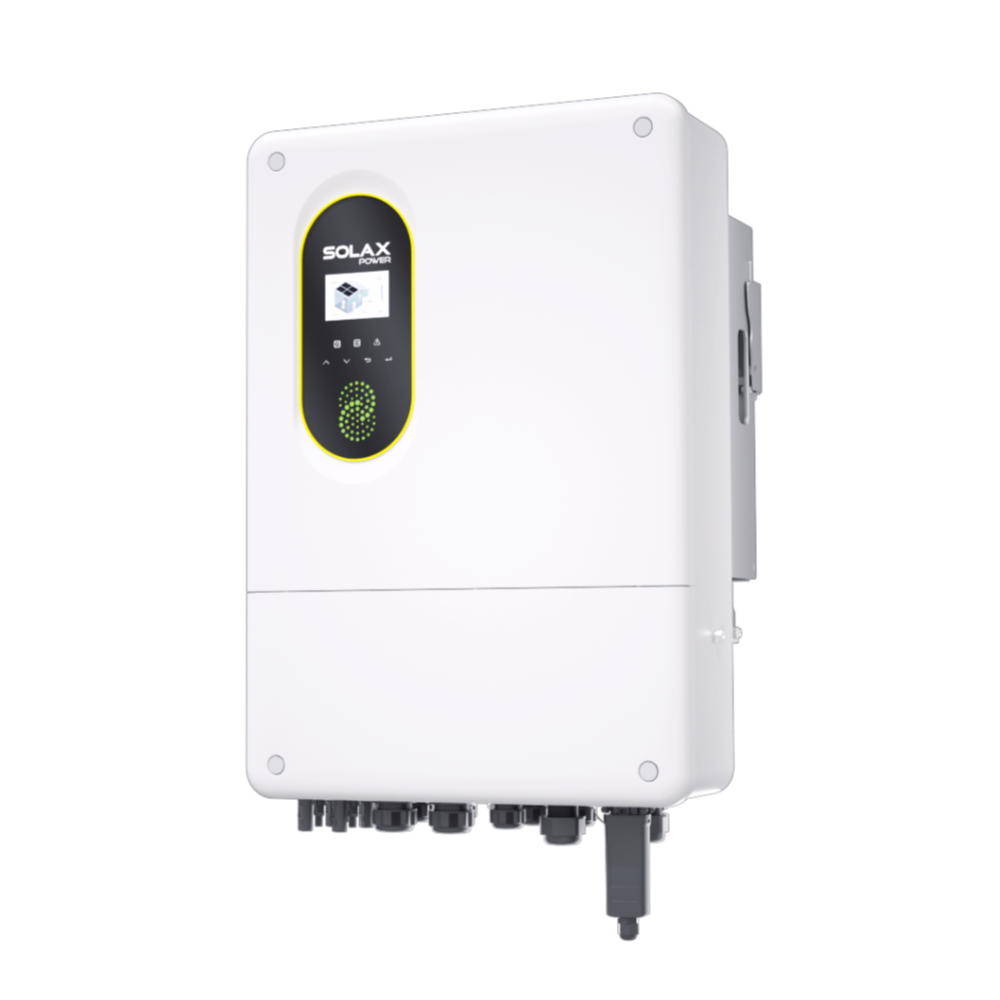
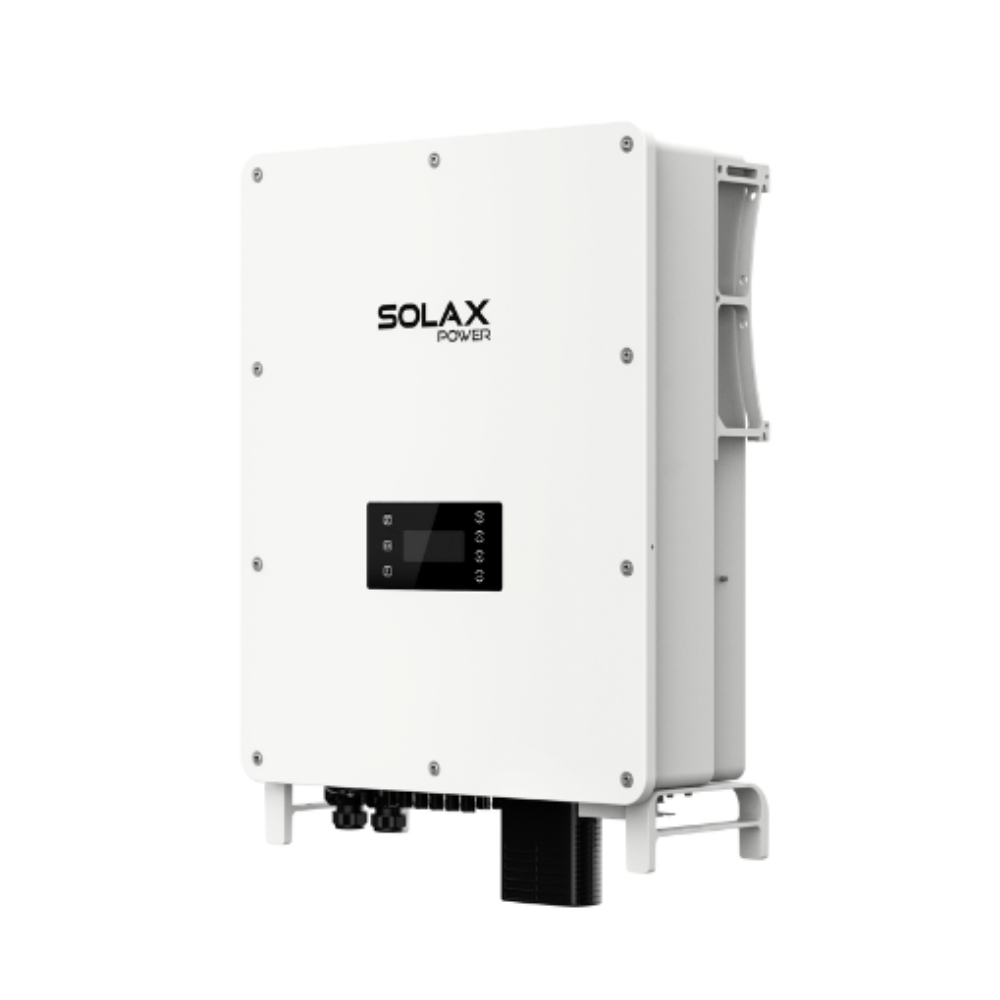
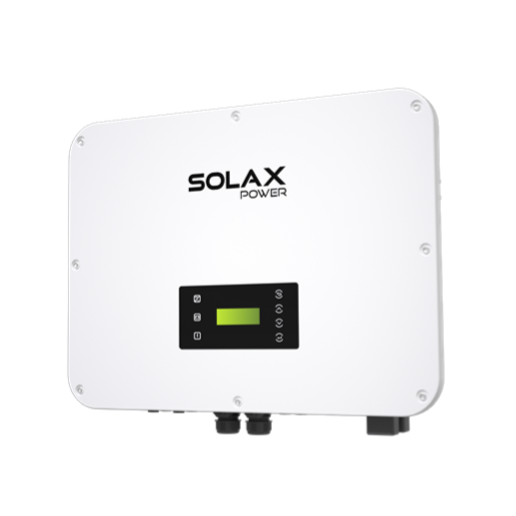
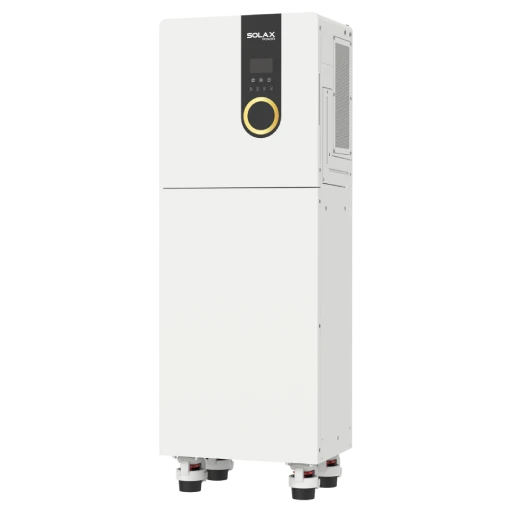
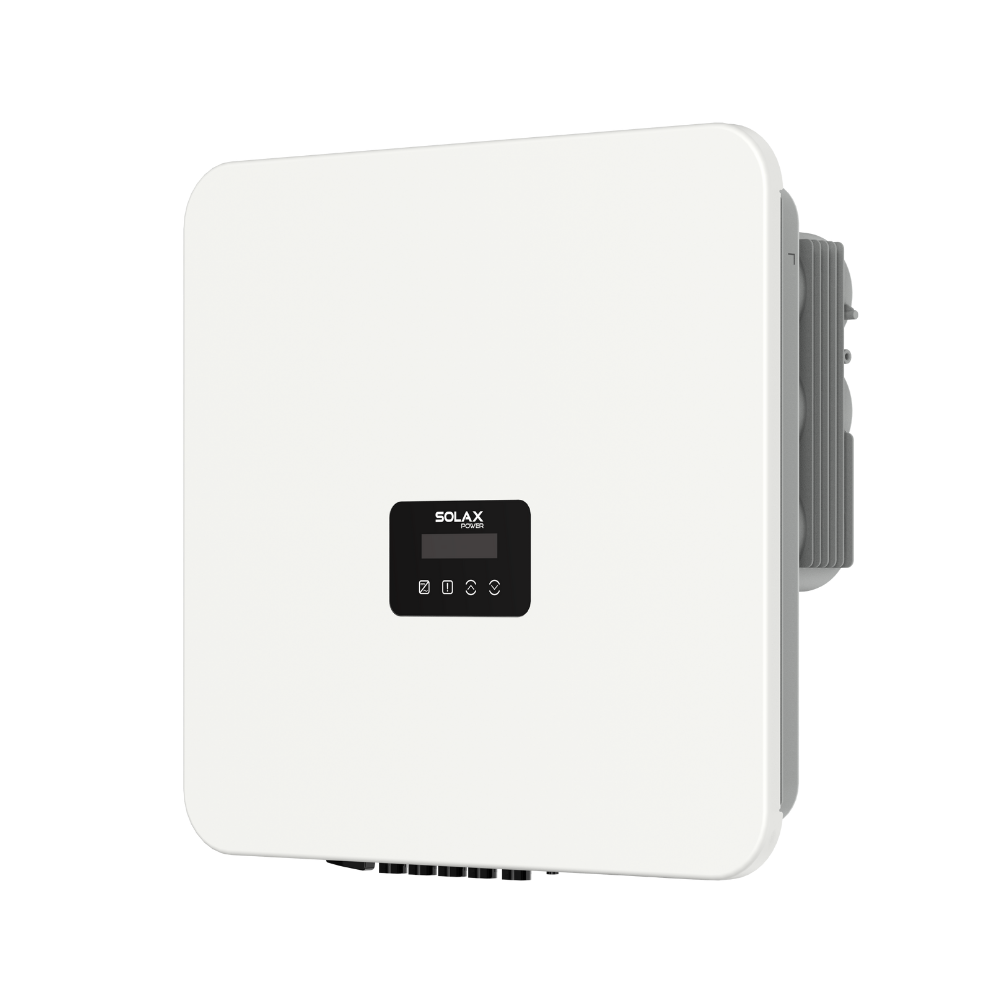
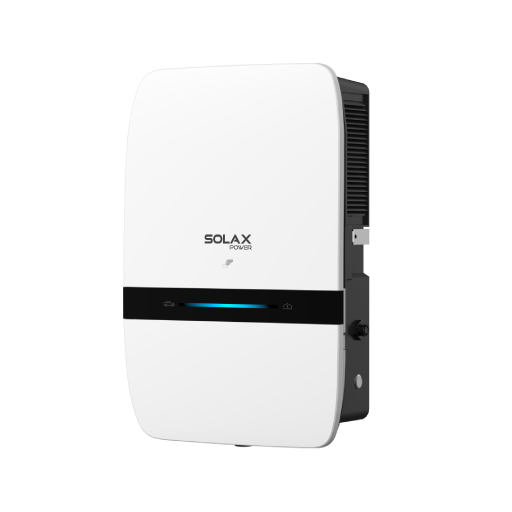
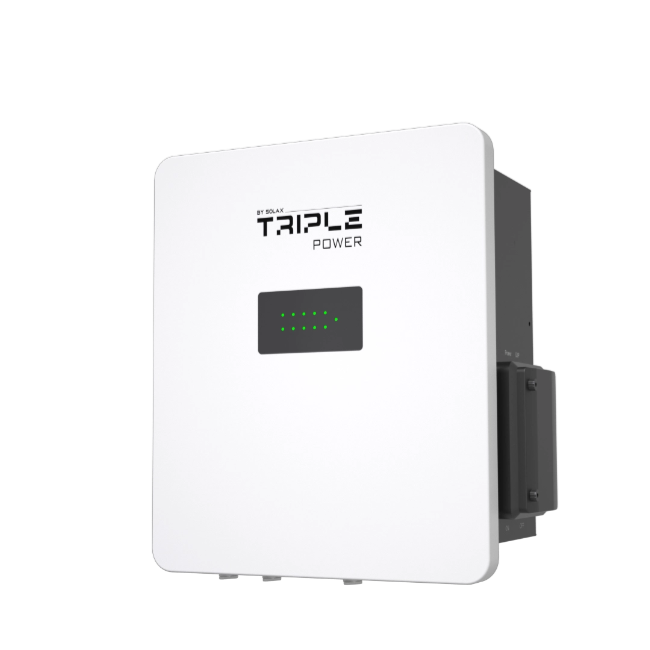
The X3-IES-A is a three-phase residential ESS with 5 kW, 10 kW, and 15 kW models, 10-60 kWh modular battery support, 98.6% peak efficiency, IP66 protection, and support for AI-powered energy optimization through SolaX Cloud. SolaX also says it supports intelligent load management for equipment such as a heat pump or EV charger and can deliver 200% EPS output for 10 seconds for critical backup events.
That combination makes it a strong fit for large homes that need higher inverter output, cleaner installation, and smarter control over a solar energy storage system.
How Should You Choose Between Battery Options?
Once you narrow the field, the decision becomes simpler. You are really matching the system to your load profile, backup goal, and future electrification plans.
What to check
Daily use: Review actual kWh from utility bills or monitoring data.
Peak demand: Look at the highest 15-minute or hourly spikes.
Backup scope: Decide between essential loads and whole-home backup.
Service type: Confirm whether the house is single-phase or three-phase.
Growth plan: Add EVs, a heat pump, or more solar later?
Software needs: Scheduling and smart monitoring software matter.
Why software is not optional anymore
For high-energy homes, software does real work. SolaX’s product ecosystem includes SolaXCloud and positions it as part of a broader smart energy platform. The company also highlights VPP-ready features, IEEE 2030.5 and OpenADR support on the X3-IES-A, and smart load management for devices like EV chargers and heat pumps.
If your goal is stronger self-consumption, time-of-use shifting, export control, or EV charging coordination, smart energy management can lift the value of the same battery hardware. In other words, the best battery storage system for home use is often the one that gives you better control, not just a bigger battery.
Scenario Analysis: Best Fits by Home Type
The right answer depends on how your house uses solar power, not just on brand or battery size.
Large all-electric family home
If your home has central HVAC, electric water heating, cooking, laundry, and strong evening peaks, start with a modular high-capacity system. TSYS-HS51 is the better battery-first fit when long runtime and expansion matter most because its published range reaches 66.5 kWh.
High-load home with EV charging
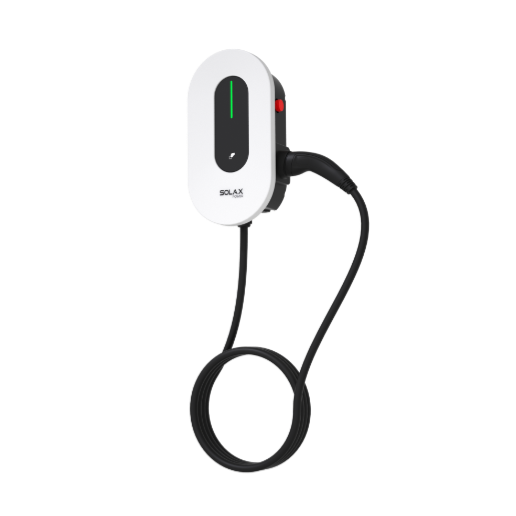
If EV charging is part of the load, bigger storage alone will not solve everything. SolaX’s Smart EV Charger G2 supports dynamic load balancing, app control, surplus green energy use, and models from 1.4-4.6 kW single-phase up to 11 kW and 22 kW three-phase charging. That makes coordinated solar EV charger control far more useful than a stand-alone charger on a large solar system for home use.
Home wanting simpler installation
If you want fewer boxes, a neater install, and one integrated monitoring workflow, X3-IES-A is usually the cleaner path. It combines inverter, battery controls, and modular storage in one platform, which reduces design friction for a larger solar and battery project.
Conclusion
For homes with high energy needs in 2026, the best solar battery system is usually not the smallest or simplest unit. It is the one that balances usable capacity, inverter power, modular growth, and smart energy management around your actual household loads.
If your priority is maximum storage runway, SolaX platforms like TSYS-HS51 and T-BAT-SYS-HV-R3.6 make sense. If you want a more integrated energy storage system with stronger output and cleaner deployment, X3-IES-A stands out for larger residential solar systems. The safest next step is to compare your daily kWh, peak demand, backup scope, and future EV or heat pump plans and find the best Residential Solar Battery System from SolaX Power.
FAQ
Table of Contents
Latest News
Explore expert insights, practical guides, and the latest news on SolaX Power.

To the Latest Newsletter
Stay Ahead with the Latest SolaX Updates!
Subscribe
I have read and agree to Privacy Policy and User Terms