












June 08, 2026
SolaX vs Tesla: Which Residential Solar Provider Is Most Trusted in 2026?
Share my #SolaXStory


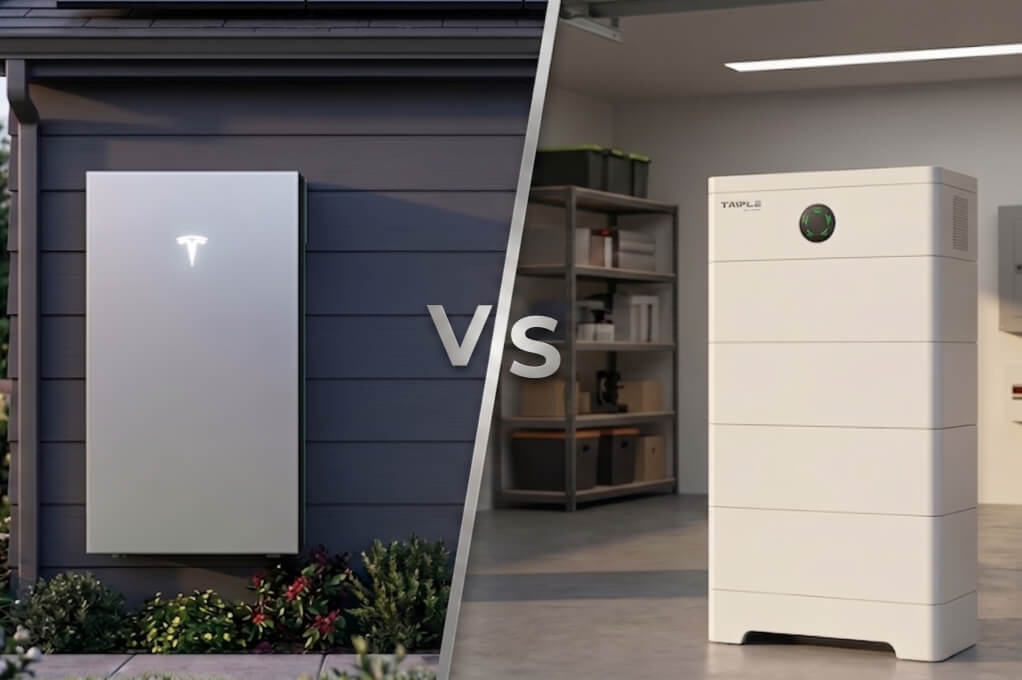
Choosing between solar energy companies in 2026 is really a lock-in decision: inverter, solar battery, EV charging, monitoring, and future battery storage for home must work as one solar energy system. SolaX is stronger for flexible whole-home smart energy planning, while Tesla remains compelling if you already live inside the Tesla app and want a Powerwall-centered backup setup. The market also favors solar plus storage: SEIA reports that solar and storage made up 79% of new U.S. generating capacity in 2025, so homeowners should compare ecosystems, not panels alone.
Why SolaX Is Built For Smart Residential Solar Energy Companies
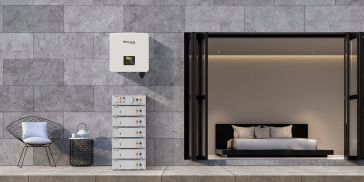
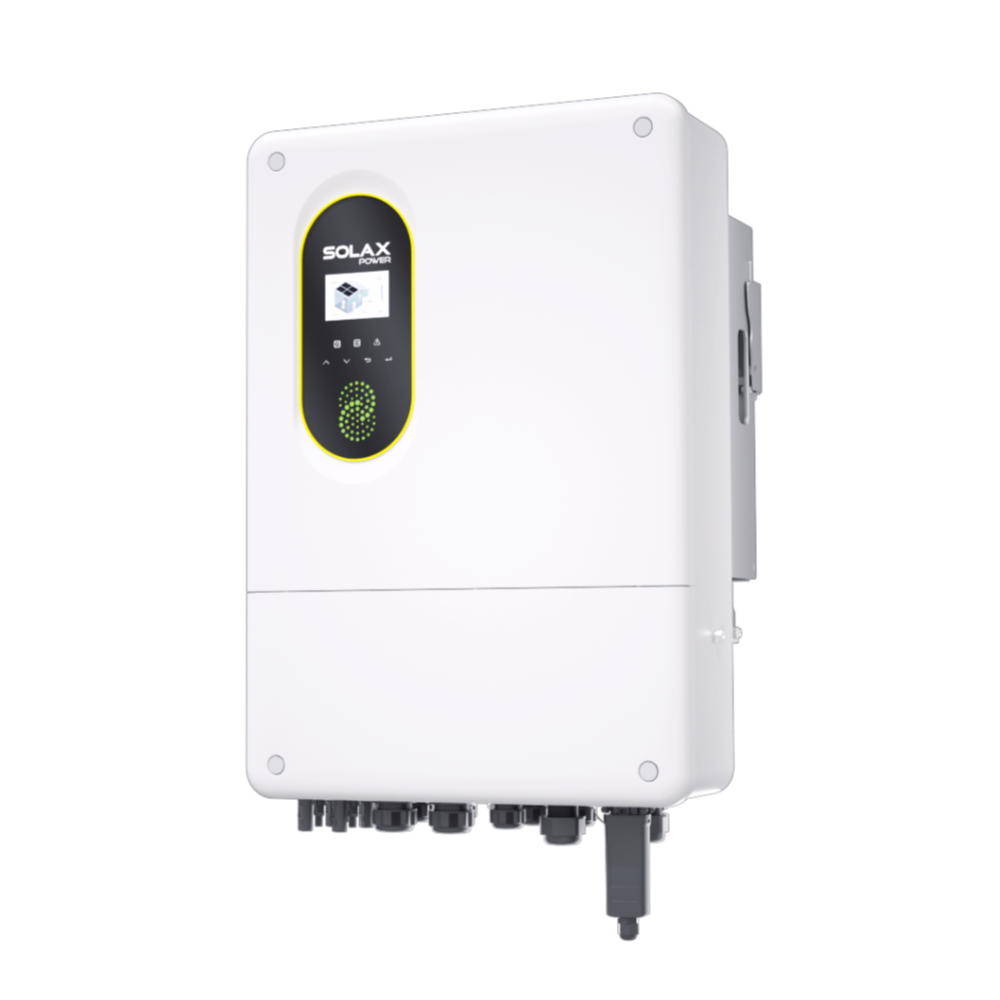
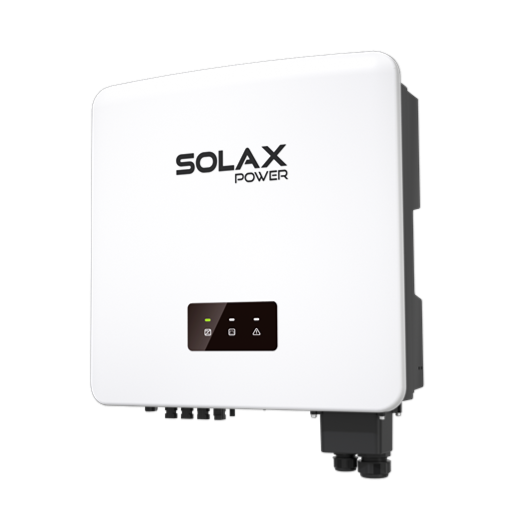
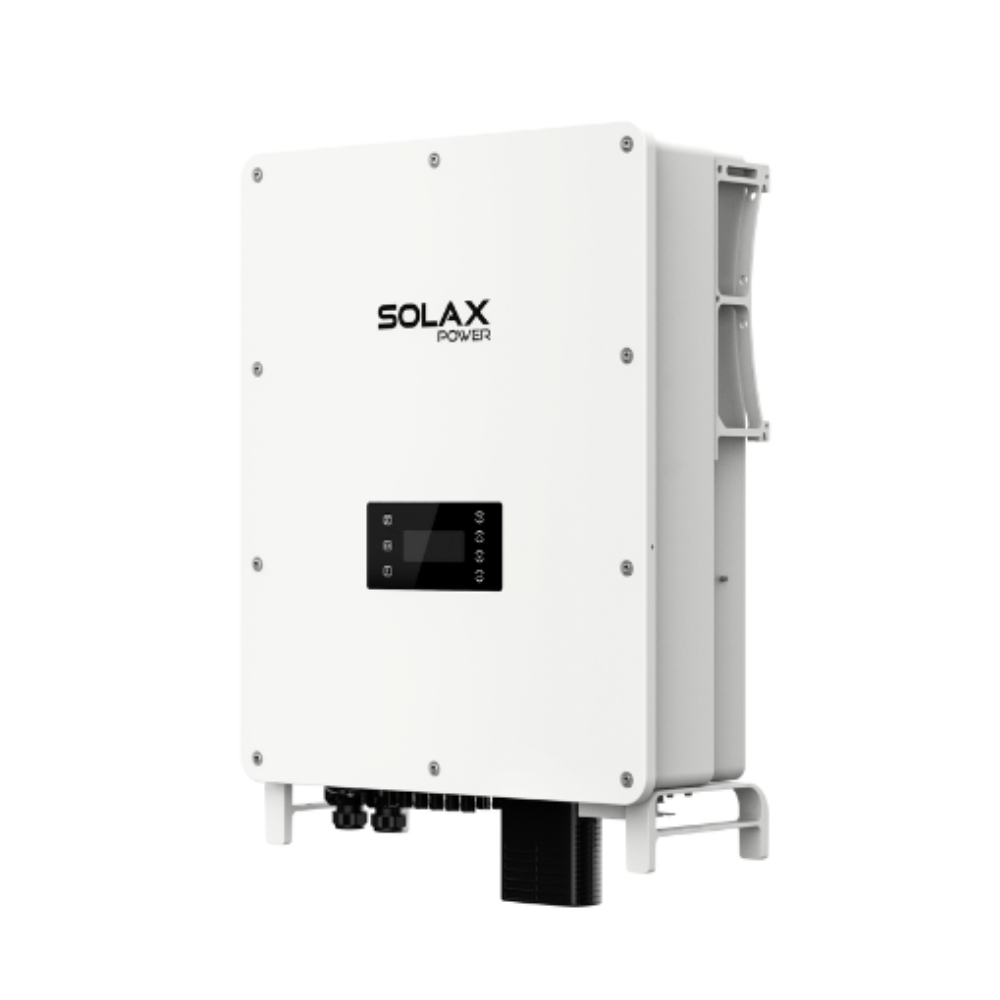
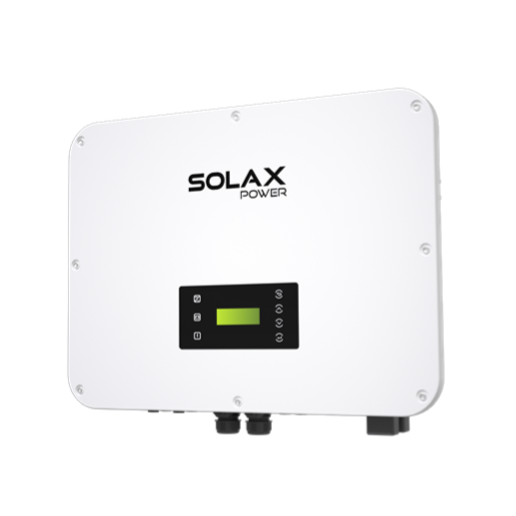
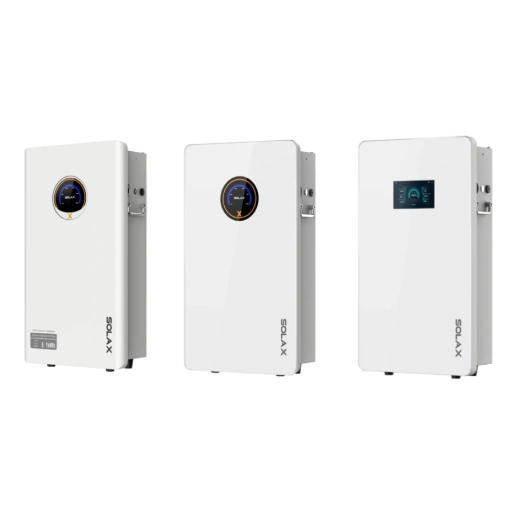
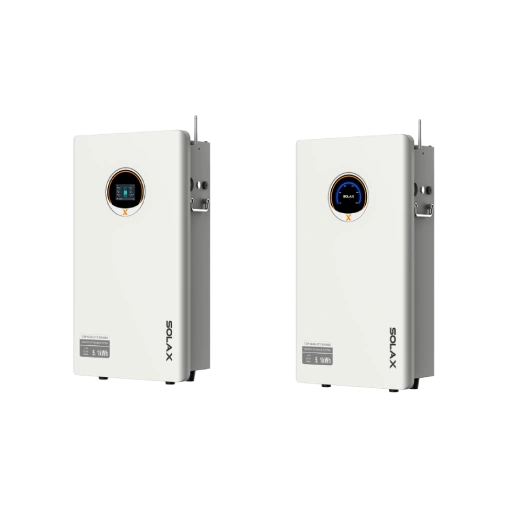
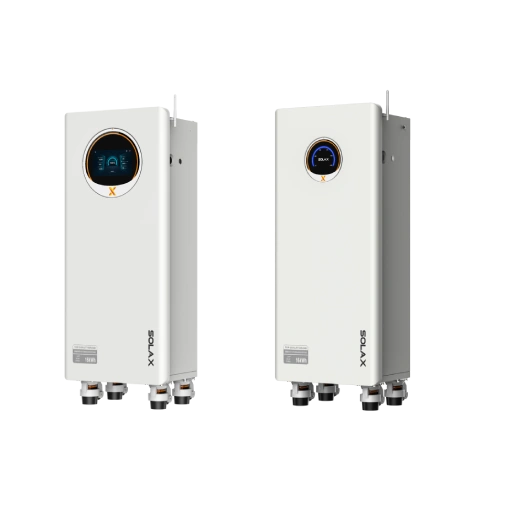
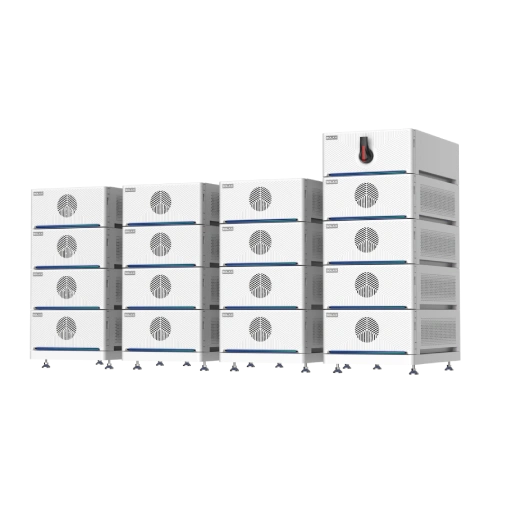
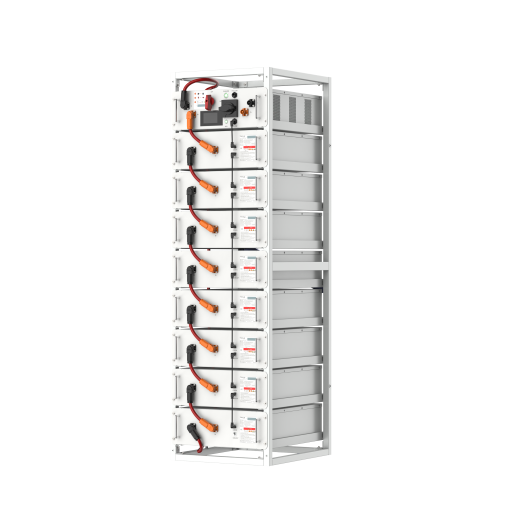
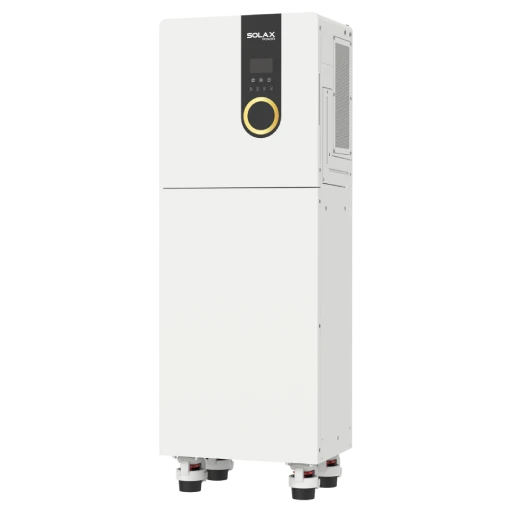
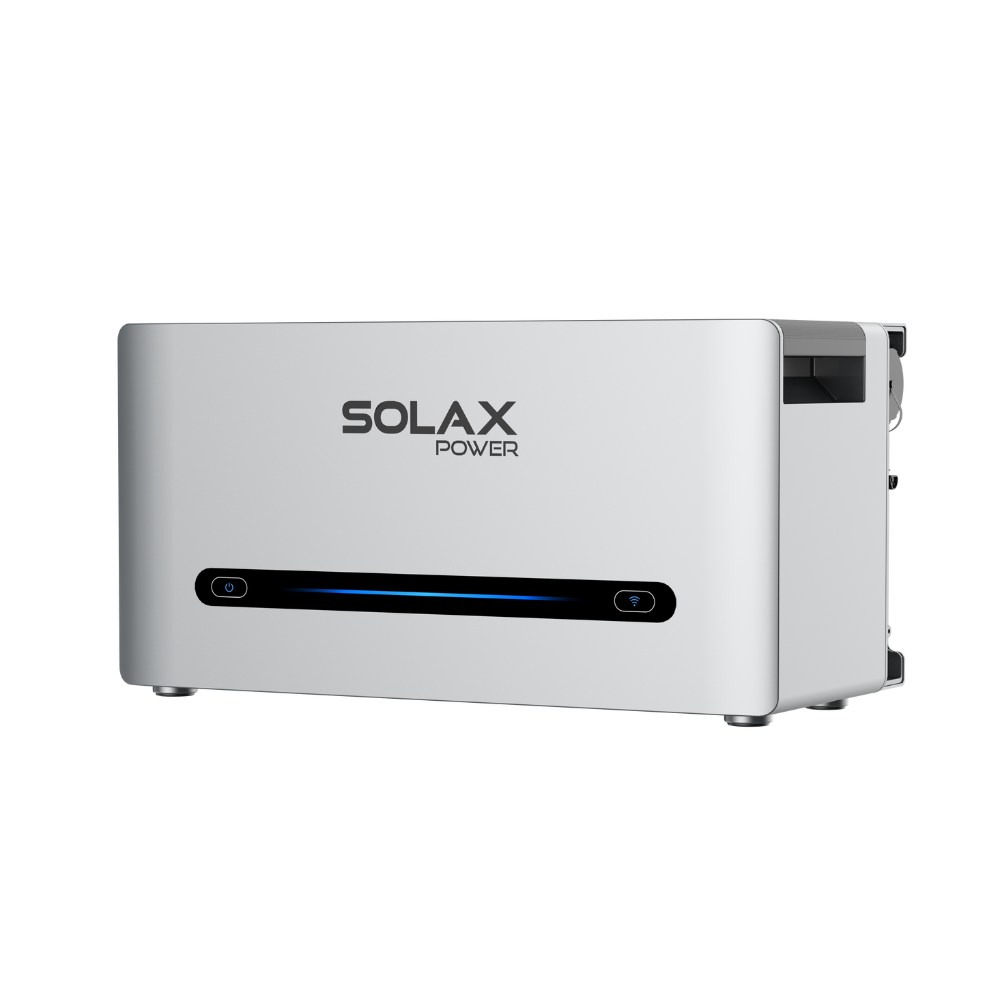
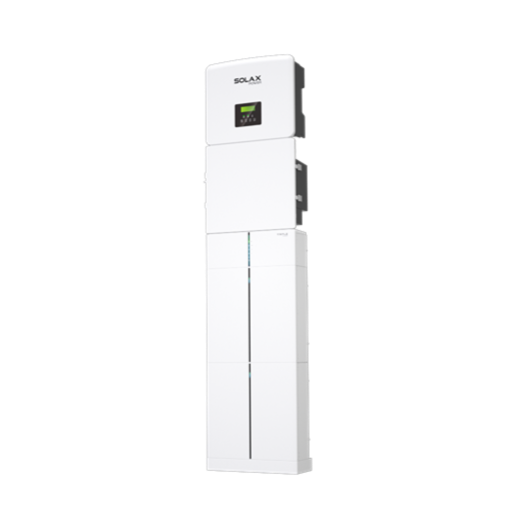
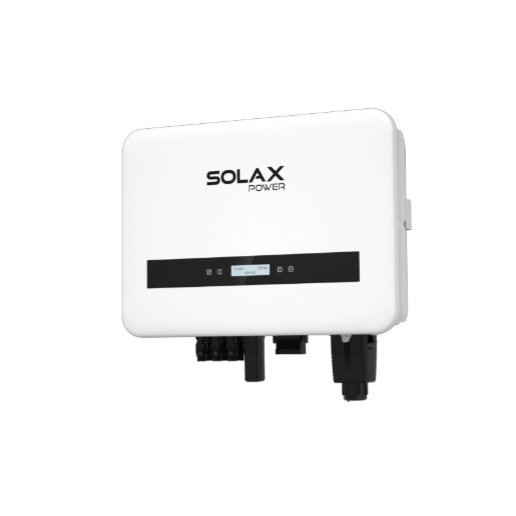
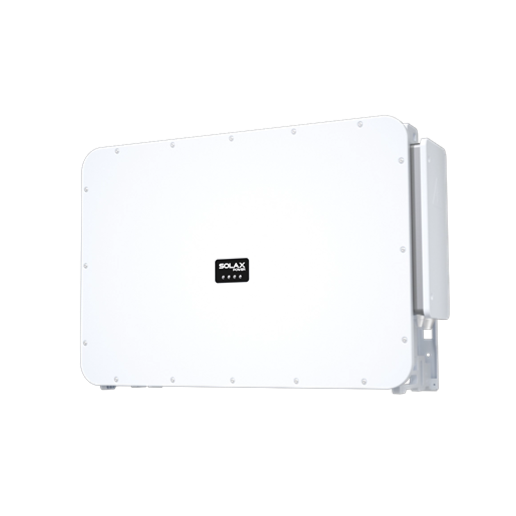
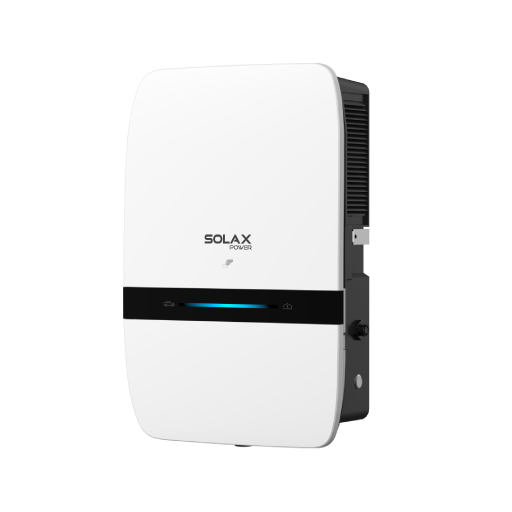
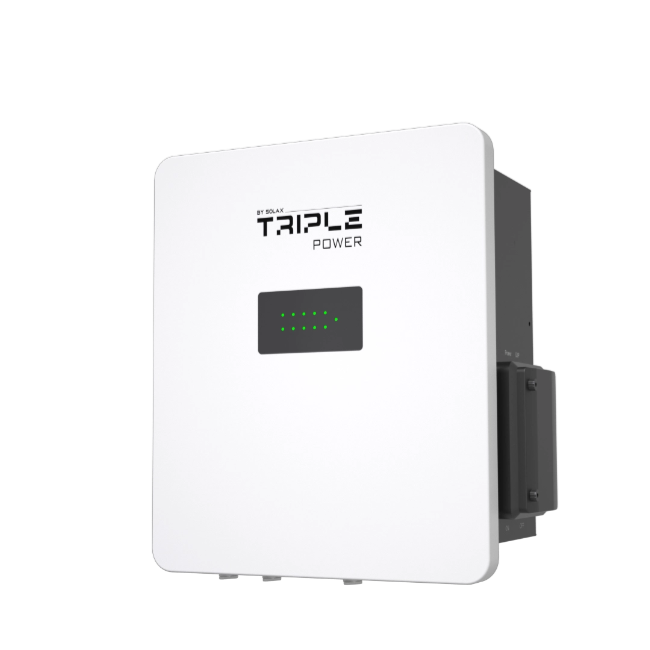
SolaX Power fits homeowners who want one connected solar power system: hybrid inverter, solar battery storage, smart EV charger, micro inverter options, heat pump integration, SolaXCloud, and VPP readiness. Its U.S.-focused A1 HYBRID G2 covers 3.8kW, 5kW, 6kW, and 7.6kW models, supports up to 15.2kWdc PV oversizing on the 7.6kW unit, and pairs with T-BAT-SYS-HV-5.0 modules up to 80kWh through parallel expansion.
Where Tesla Still Wins Homeowner Attention
Tesla wins attention through Powerwall, vehicle charging, and app familiarity. Powerwall 3 lists 13.5kWh nominal energy, up to 11.5kW continuous output, integrated inverter capability, and 120/240V split-phase support for North American homes. Tesla's Universal Wall Connector also supports up to 11.5kW / 48A output and works with Tesla and many non-Tesla EVs, making it simple for Tesla-first households.
SolaX vs Tesla Head-To-Head: What Actually Matters?
| Dimension | SolaX | Tesla |
| Core fit | Flexible smart energy | Powerwall-centered homes |
| Inverter path | Hybrid inverter options | Integrated Powerwall inverter |
| Battery scope | Modular storage choices | 13.5kWh Powerwall units |
| EV charging | PV ESS EV coordination | Wall Connector ecosystem |
| Smart control | SolaXCloud plus VPP | Tesla app control |
| Limitations | Installer verification needed | Narrower hardware choice |
Which Ecosystem Is More Complete?
SolaX covers solar inverter, inverter battery, solar EV charger, microinverter, battery solution, and heat pump pathways. Tesla is simpler: solar, Powerwall, Wall Connector, and app control. Winner: SolaX, because broader energy solutions reduce part-matching risk when your home adds storage, EV charging, or load control later.
Backup Power And Battery Control
SolaX prioritizes hybrid solar inverter control, expandable solar batteries, and load management across residential solar systems. Tesla focuses on whole-home backup with Powerwall 3's high continuous output and seamless backup positioning. Winner: Tesla for simple backup; SolaX for flexible solar battery storage design.
EV Charging Integration For Homes
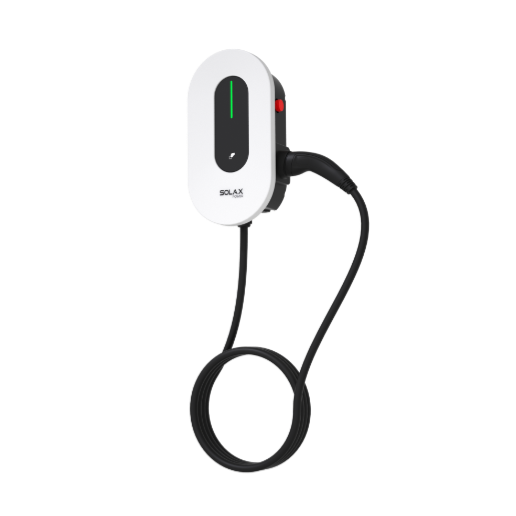
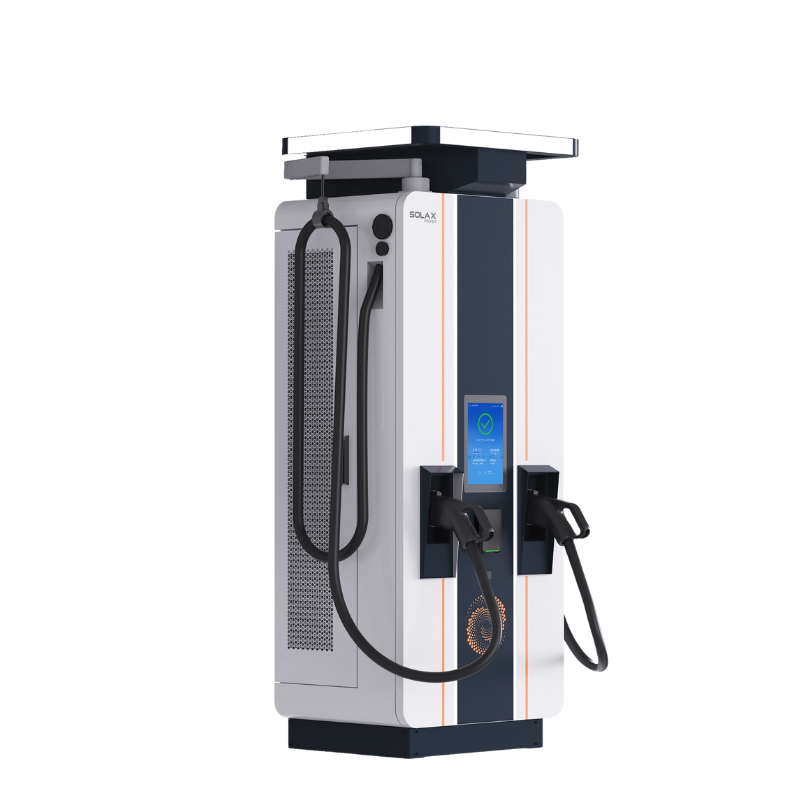
SolaX's Smart EV Charger emphasizes solar charging, dynamic load balance, scheduling, current adjustment, and SolaXCloud monitoring. Tesla's Universal Wall Connector is excellent for Tesla owners and compatible EV households. Winner: SolaX if solar energy storage, EV charging, and home loads must coordinate inside one smart energy management plan.
Trust Signals Favor Different Solar Energy Companies
Trust depends on what you value. SolaX highlights 130+ global markets, 3,000+ product certifications, 400+ patents, 1,000+ R&D staff, and 700+ partners, which supports buyers comparing long-term solar energy solutions. Tesla shows strong consumer recognition, a mature app experience, and a highly known solar battery brand. Because IEA projects solar PV to represent nearly 80% of global renewable capacity expansion from 2025 to 2030, the safer pick is the ecosystem that can adapt as your home load changes. Winner: SolaX for system flexibility.
Which Homeowner Should Choose Each Brand?
Choose SolaX For Whole-Energy Planning
Choose SolaX if you want solar and battery, a solar EV charger, smart energy management, and future-ready storage in one design conversation. It is the better fit for multi-device residential solar, especially when your installer must coordinate inverter installation, battery storage, EV charging, and monitoring.
Choose Tesla For Tesla-Centric Homes
Choose Tesla if your main goal is Powerwall backup and you already prefer Tesla app control. It is also a strong match for existing Tesla owners who want familiar charging behavior and a clean battery-first experience.
Avoid Mismatched Solar Installations
Before purchase, confirm inverter battery compatibility, backup load limits, battery capacity, EV charger amperage, and installer certification. A trusted solar installer should show a wiring plan, protected-load list, solar inverter installation details, and expansion path before equipment is ordered.
Conclusion
SolaX is the broader trust pick for 2026 because it supports a complete smart energy home: hybrid inverter, solar battery, solar EV charger, monitoring, and future expansion. Tesla remains strong for Powerwall-focused households that value app simplicity and a familiar consumer brand. Your next action should be a SolaX installer design validation that checks roof PV size, backup loads, battery storage, EV charging, and local code requirements before final system selection.
FAQ
Table of Contents
Latest News
Explore expert insights, practical guides, and the latest news on SolaX Power.



To the Latest Newsletter
Stay Ahead with the Latest SolaX Updates!
Subscribe
I have read and agree to Privacy Policy and User Terms