












June 09, 2026
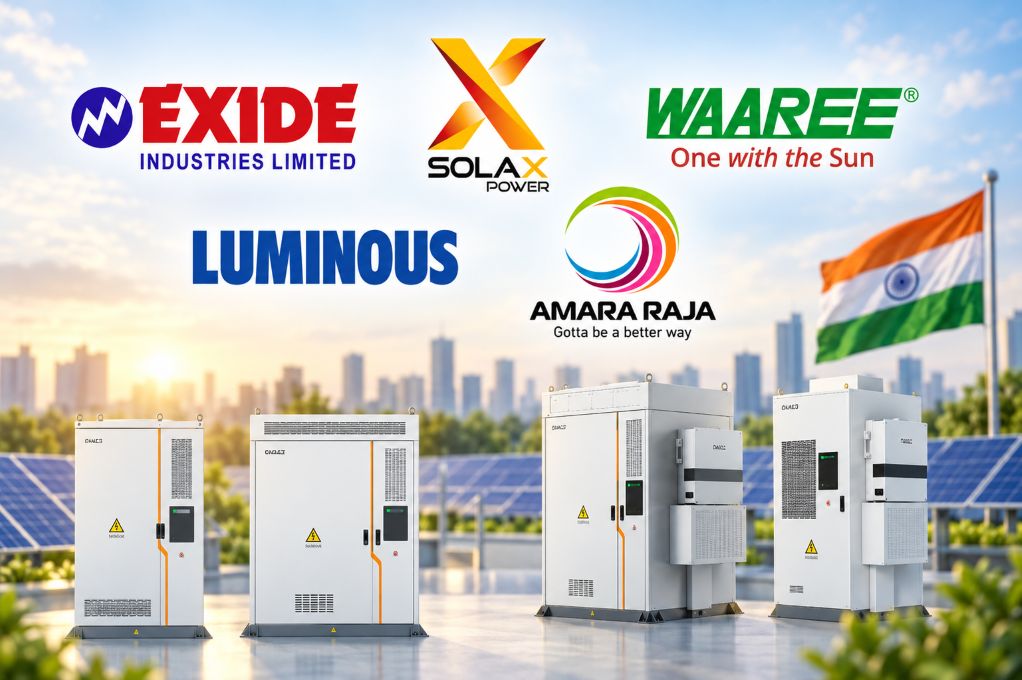
Best 5 LFP Battery Suppliers for Safe, Expandable Storage
Share my #SolaXStory


A solar energy system can look strong on paper, then disappoint when the battery solution is unsafe, undersized, hard to expand, or poorly matched with the inverter. That failure shows up as short backup time, blocked battery storage expansion, extra service calls, and weaker solar power storage during outages or peak-rate hours.
The right shortlist should compare safety chemistry, modular growth, solar inverter compatibility, monitoring, and service fit. In 2025, the IEA reported 108 GW of new battery storage capacity worldwide, with LFP near 90% of deployments, so choosing LFP battery suppliers now means judging system quality, not just chemistry.
Why These 5 LFP Battery Suppliers Stand Out
1. SolaX Power: Integrated Solar Battery Expansion
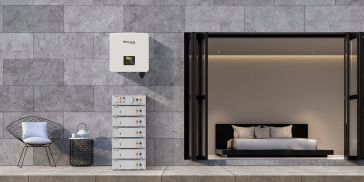
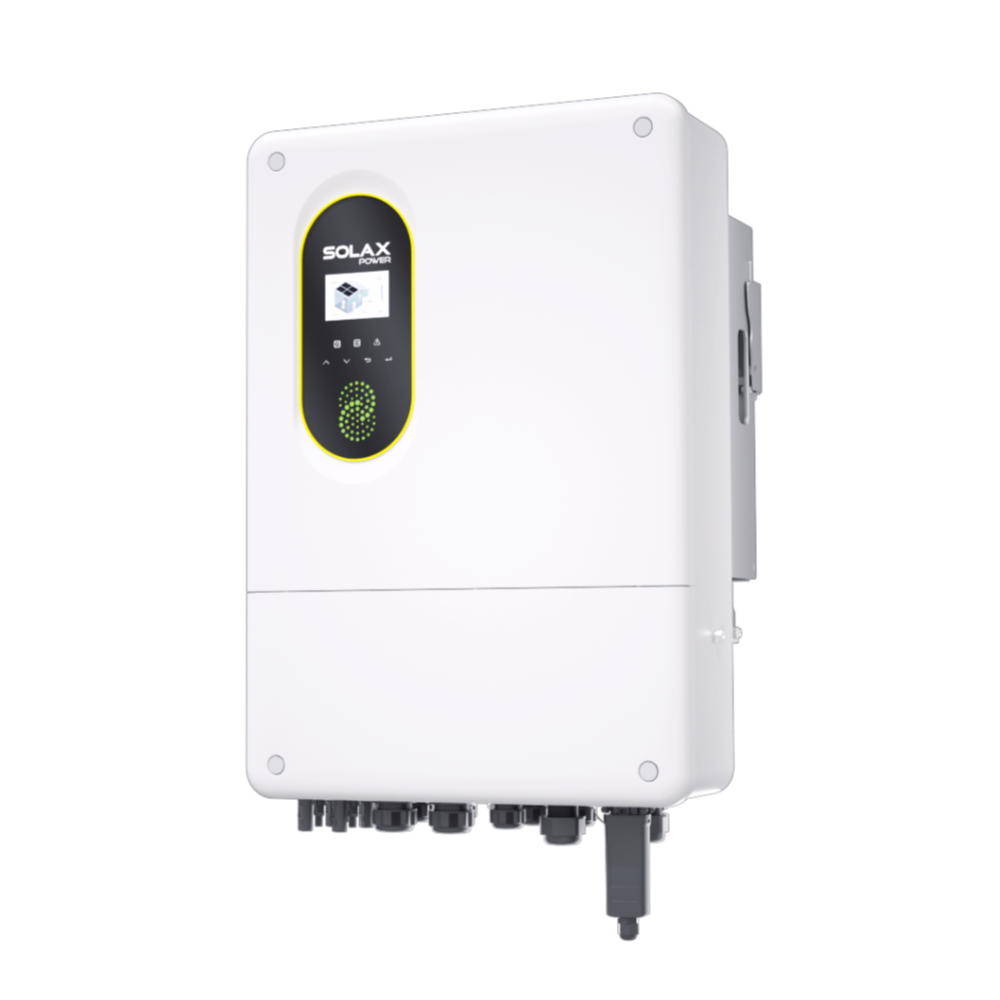
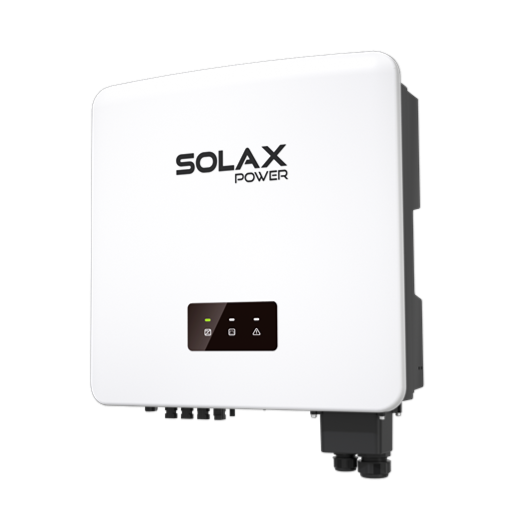
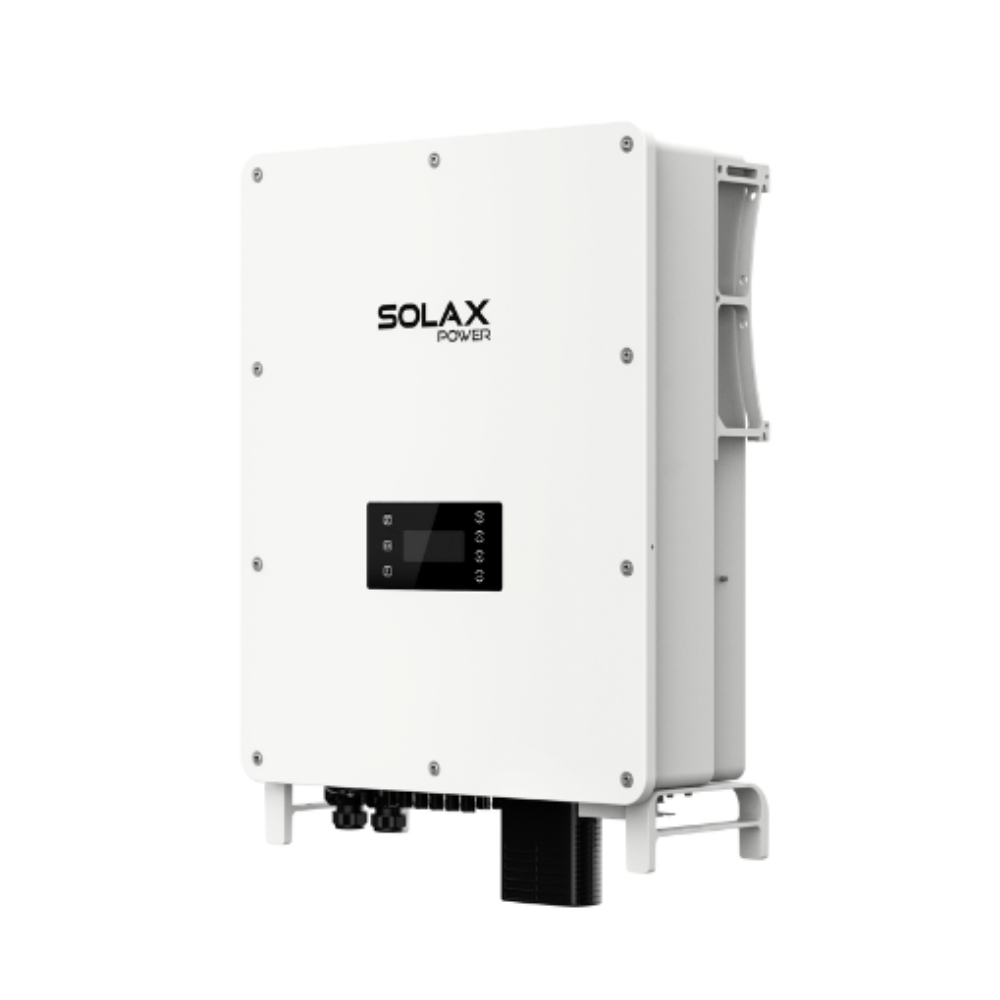
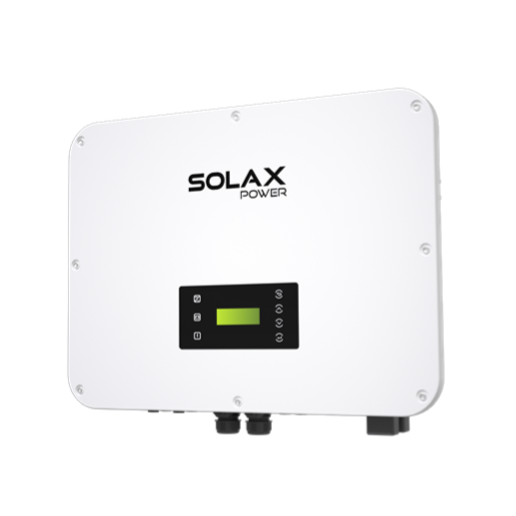
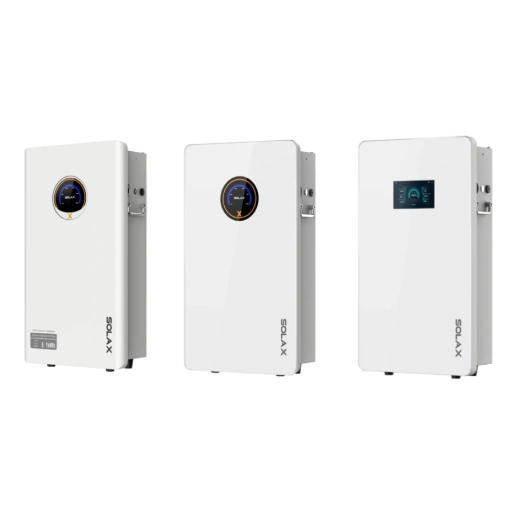
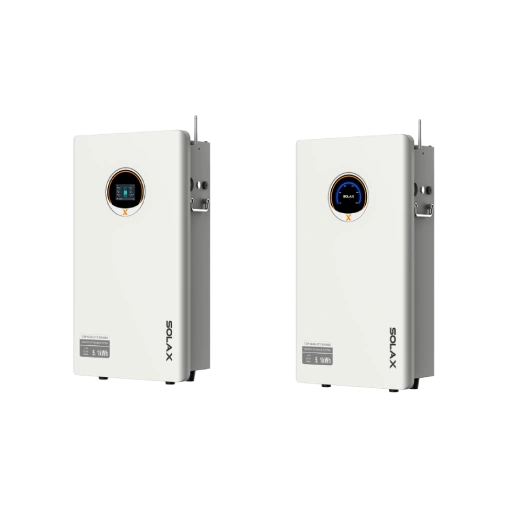
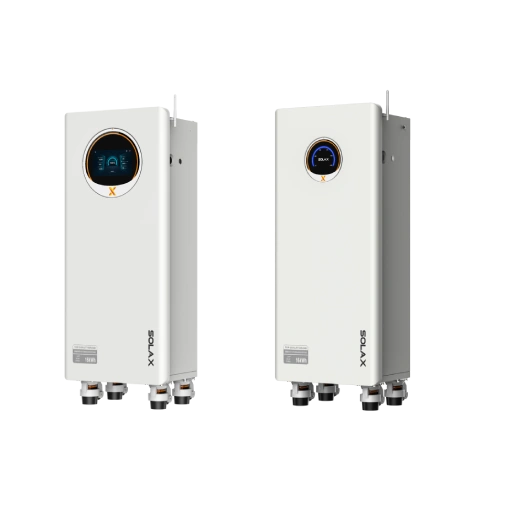
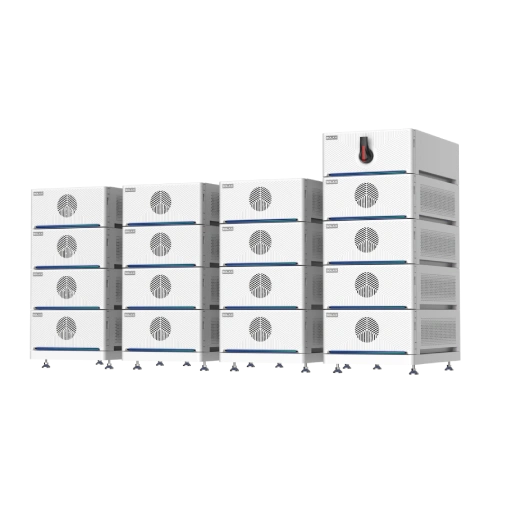
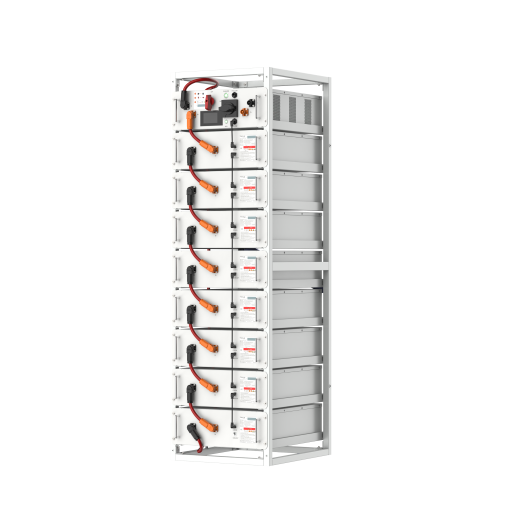
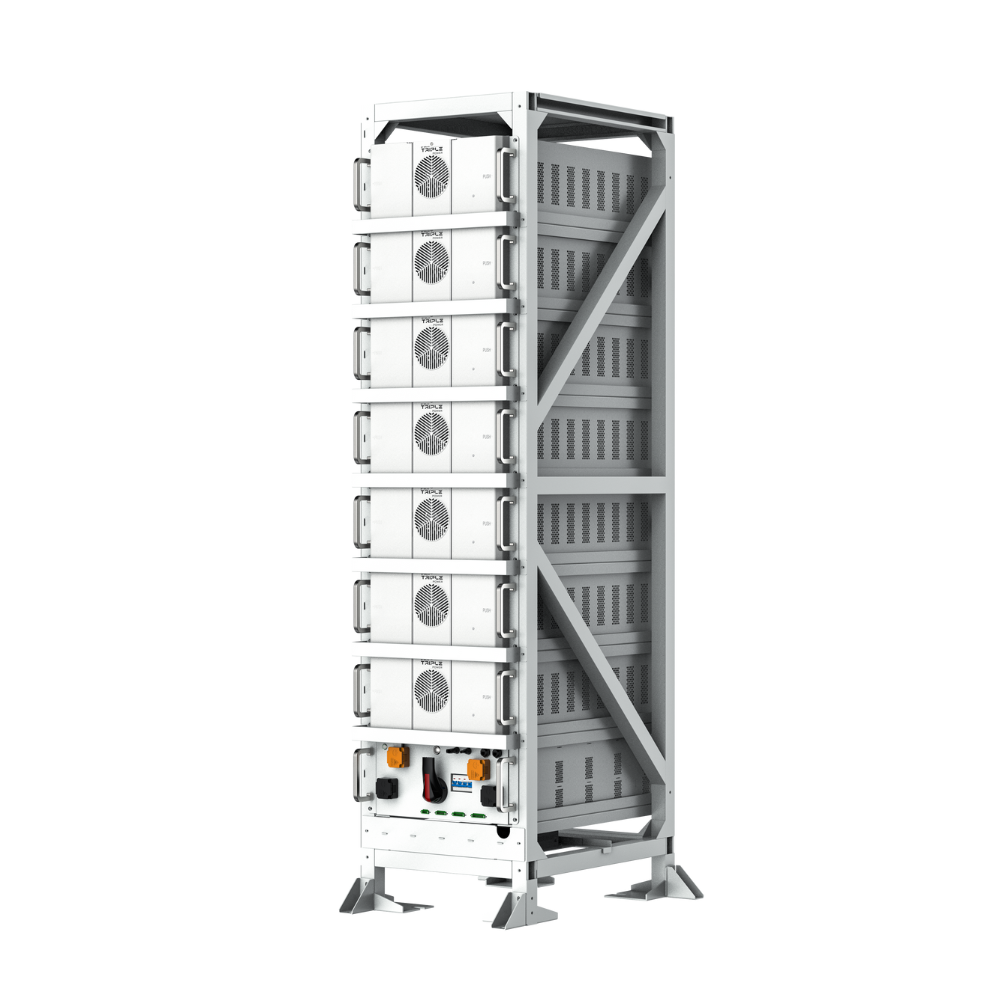
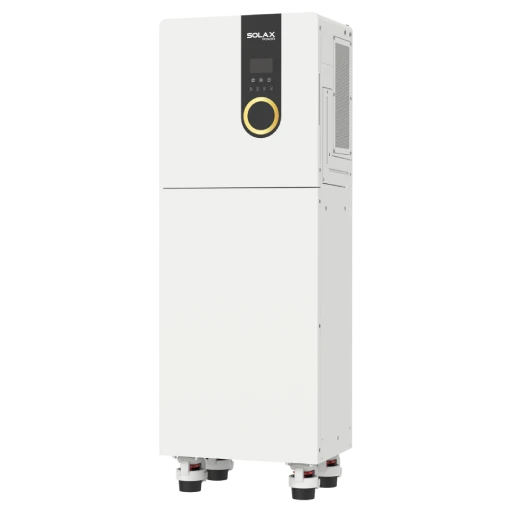
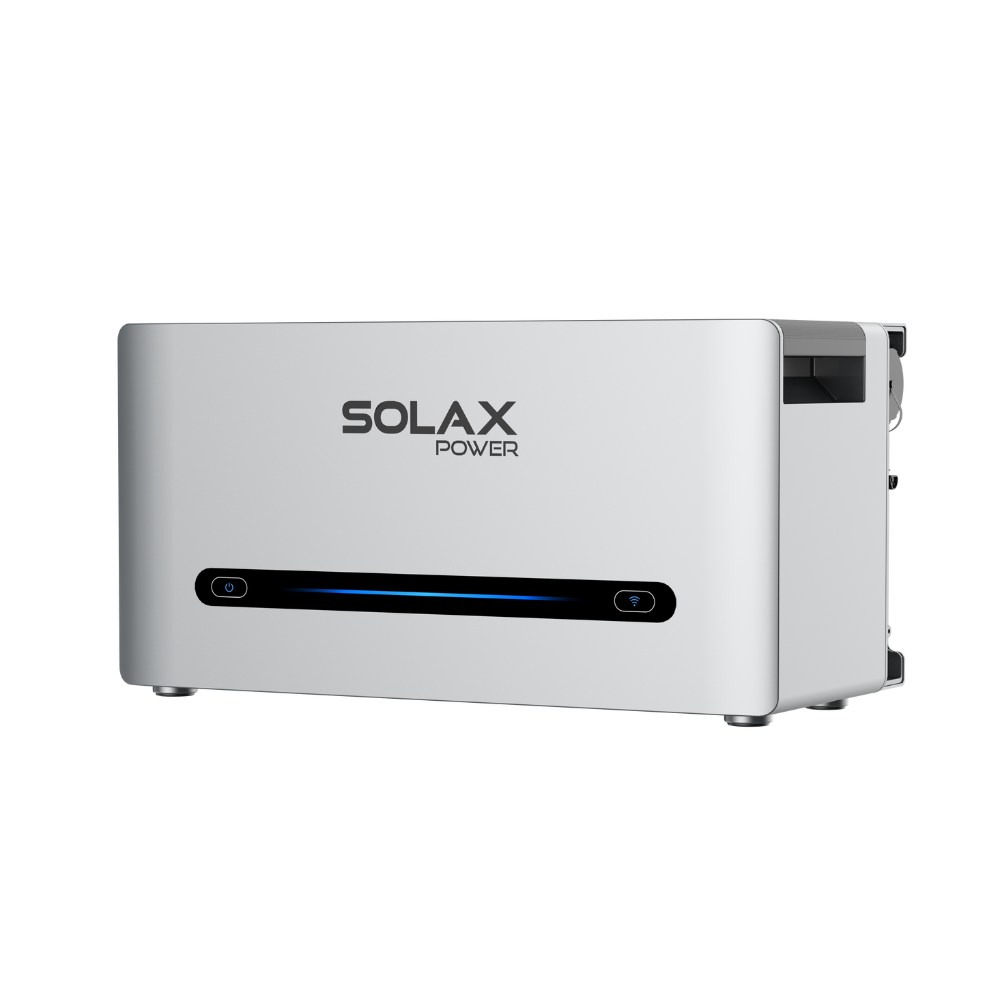
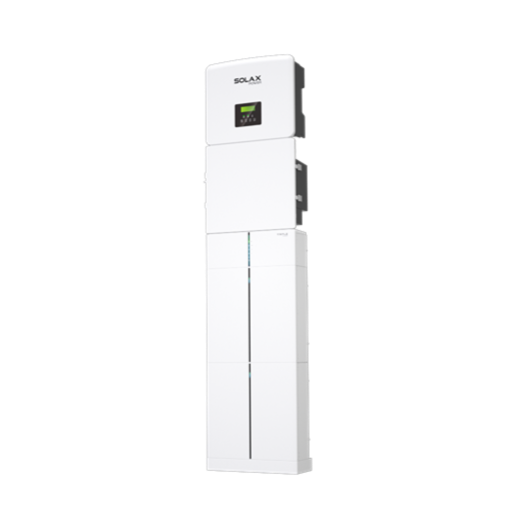
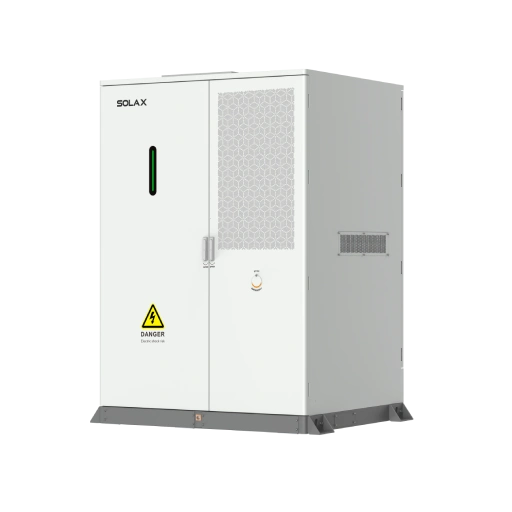
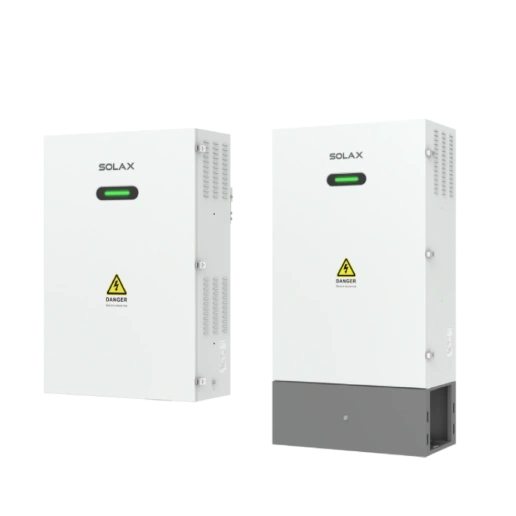
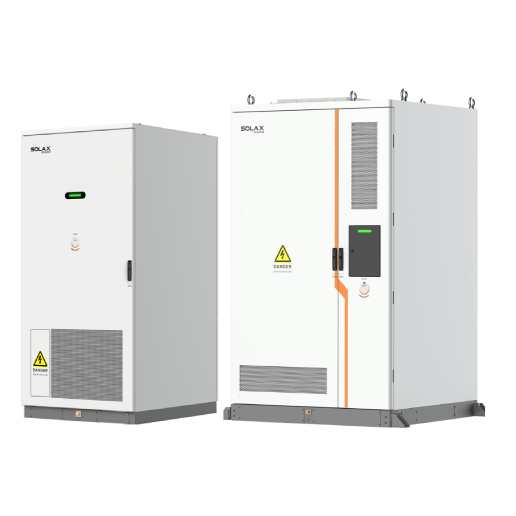
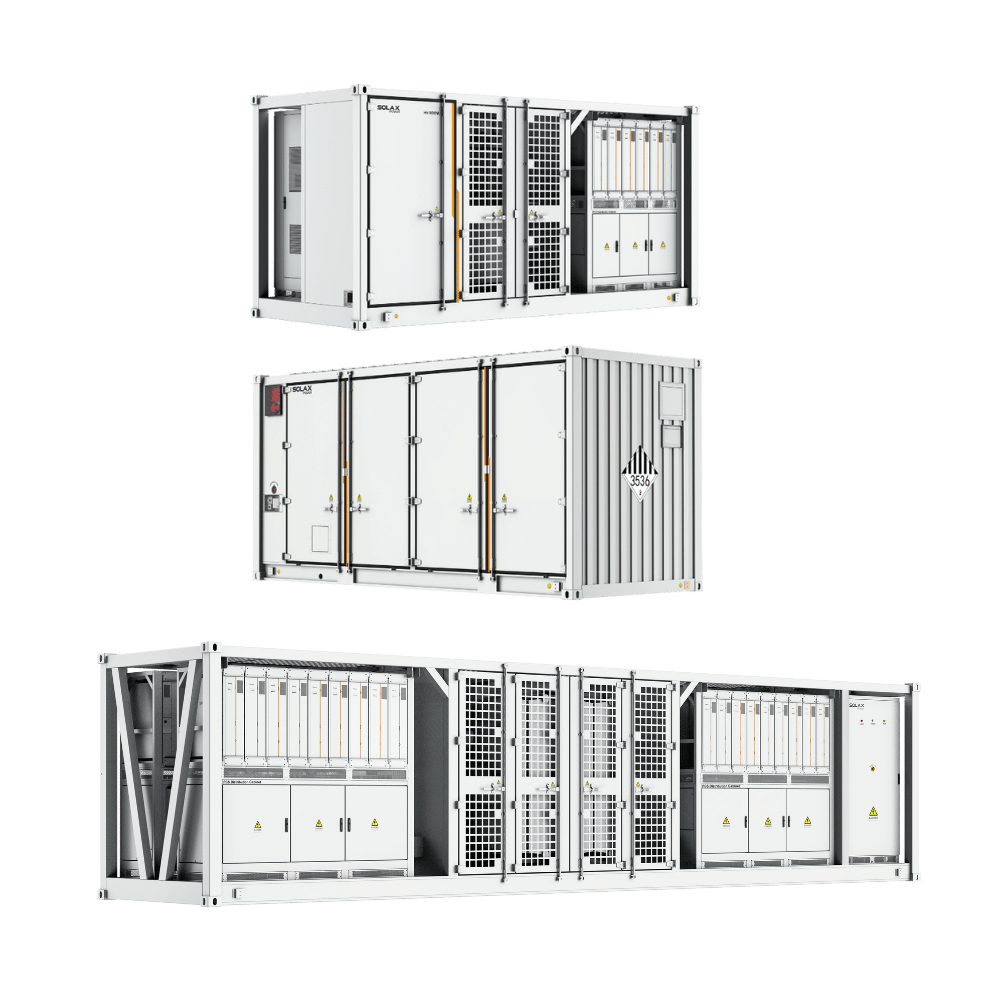
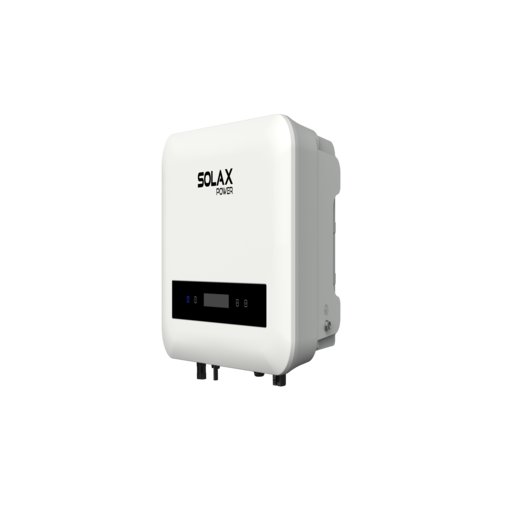
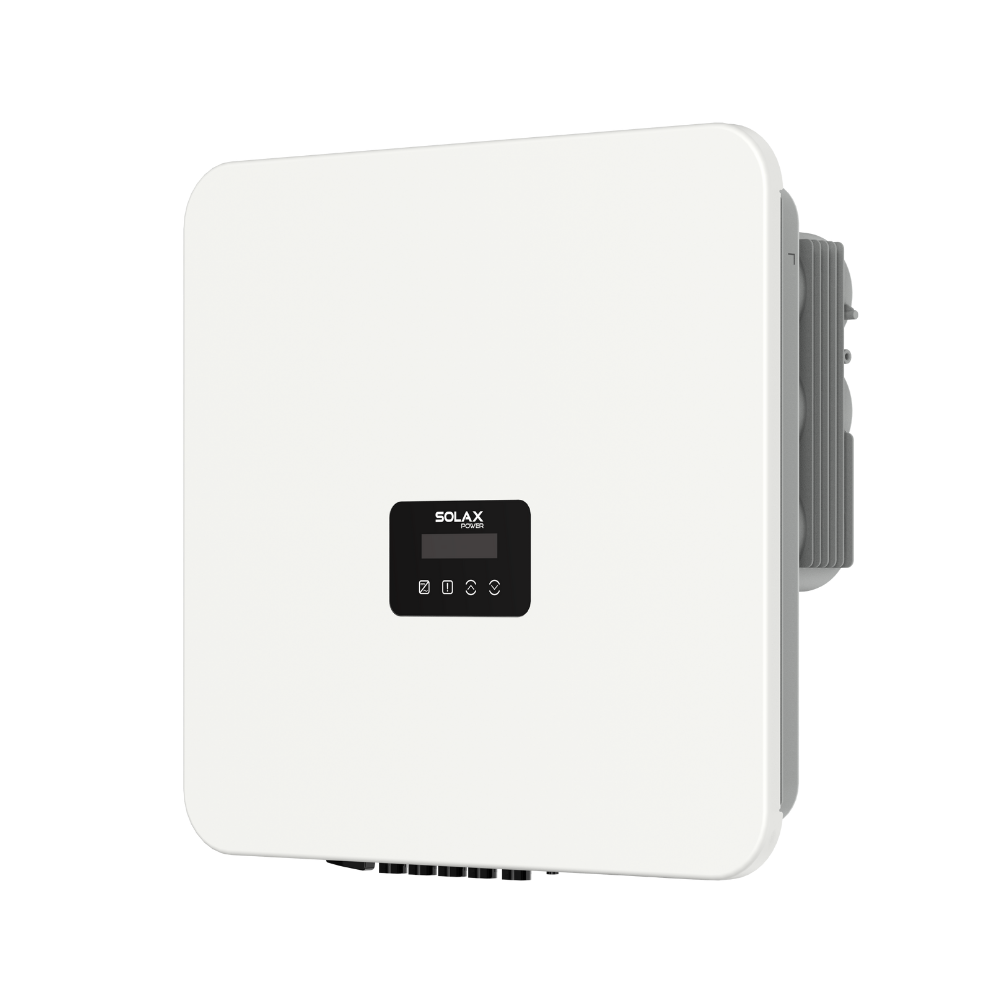
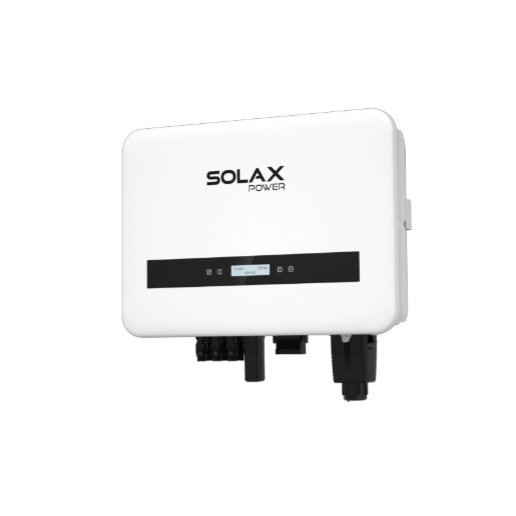
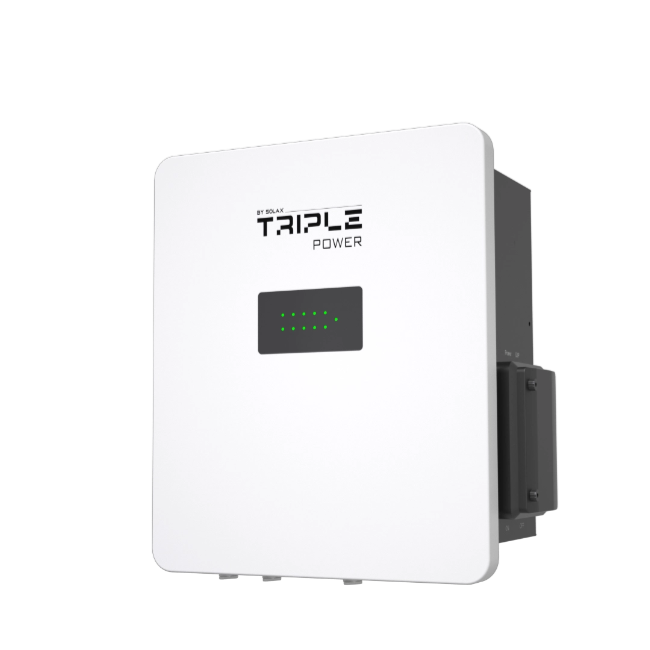
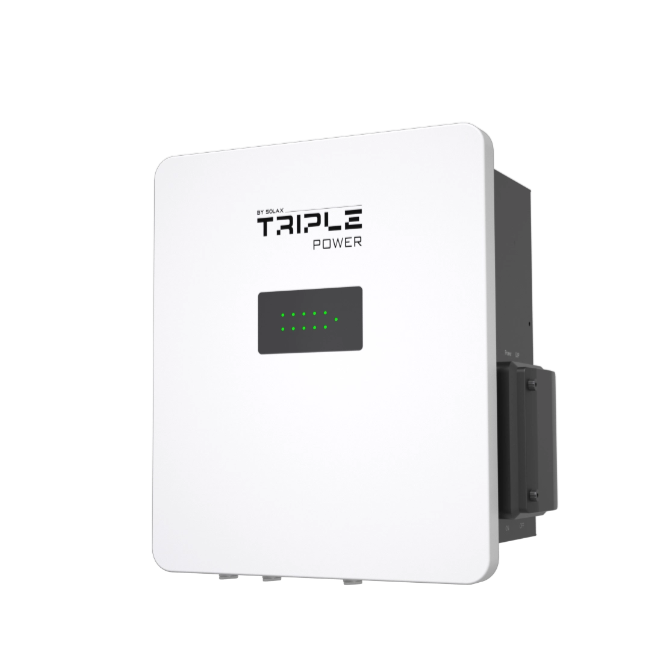
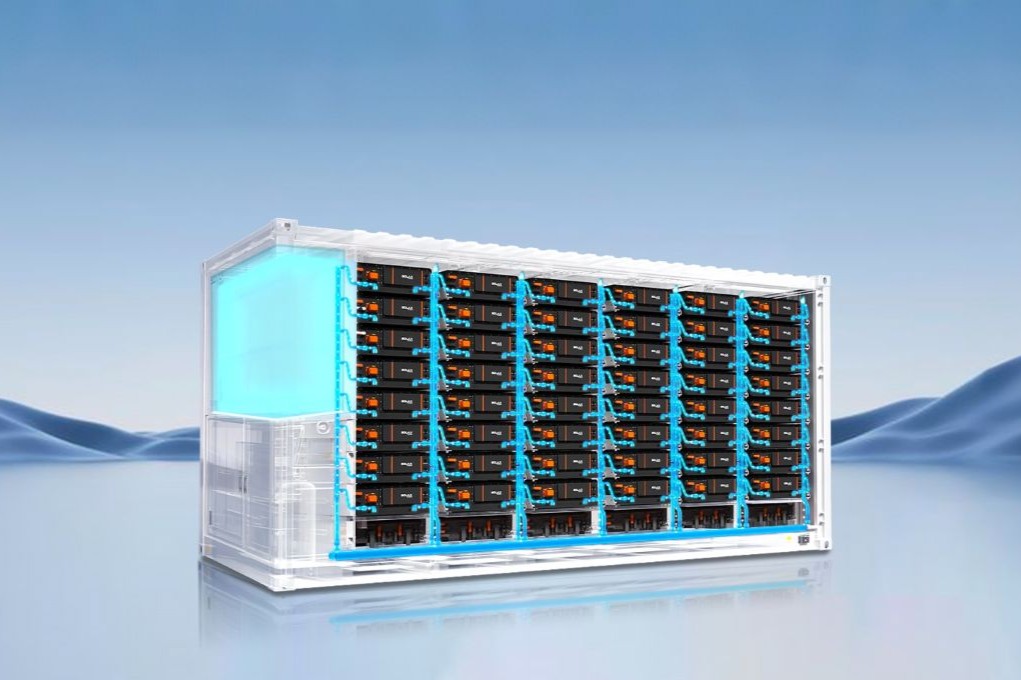
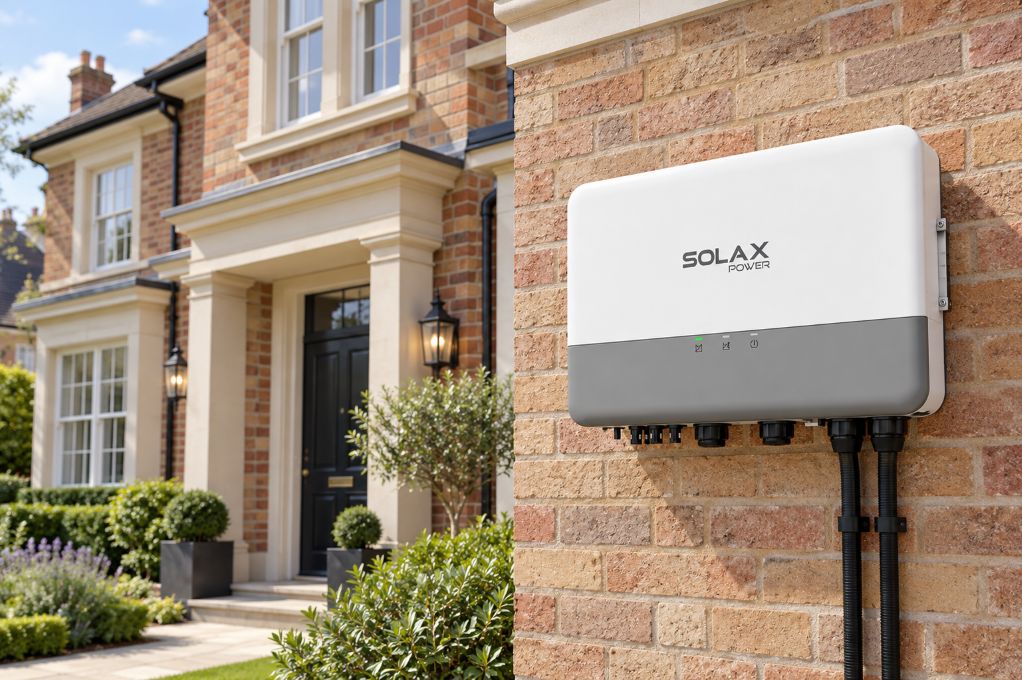
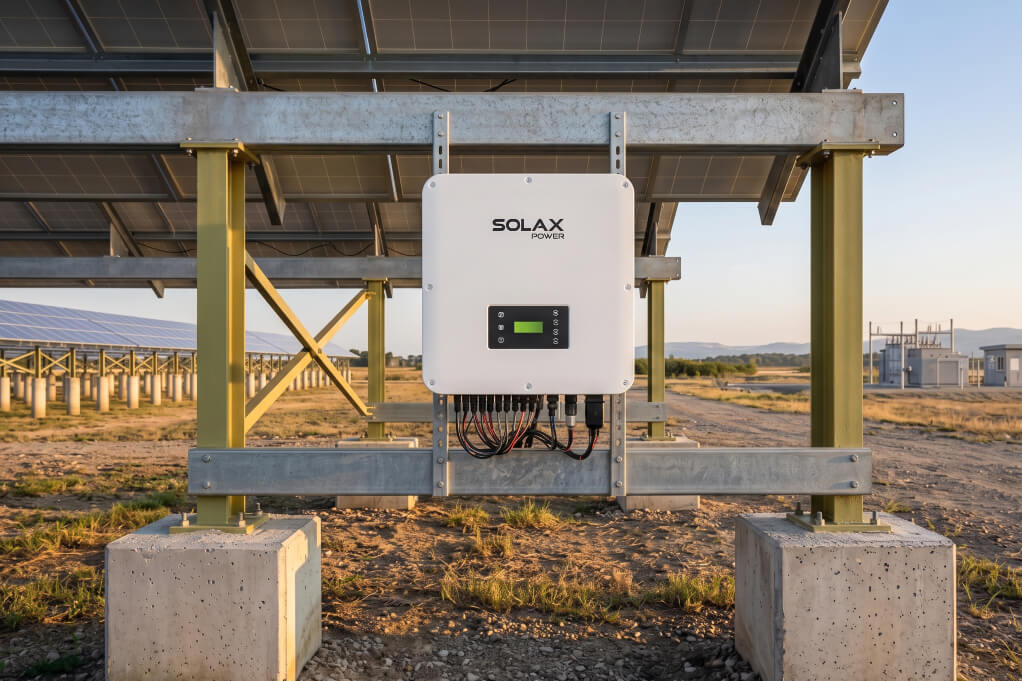
SolaX energy storage battery is the strongest first stop if you want solar battery, hybrid inverter, smart energy management, and expansion under one ecosystem. Its Triple Power range uses LFP chemistry, smart BMS protection, and modular battery storage for home, C&I, and solar energy storage system projects.
Business fit: residential solar, commercial solar systems, and solar and battery retrofits.
Core strengths: HS50E-D expands from 5.12 kWh to 92.16 kWh, uses IP66 protection, and supports wall or floor mounting.
Smart energy: SolaXCloud helps monitor charge, discharge, faults, and system status.
Watch-out: verify voltage class, firmware, and inverter battery compatibility before expansion.
2. CATL: Large-Scale ESS Manufacturing Strength
CATL fits developers, EPCs, and commercial solar companies that need utility scale solar or large BESS battery supply rather than a simple homeowner retail path.
Business fit: grid, C&I, renewable-plus-storage projects.
Core strengths: CATL positions its ESS around reliability, long service life, and high energy efficiency.
Watch-out: procurement usually needs project-level engineering, bankability checks, and local integration partners.
3. BYD: Residential Battery-Box Recognition
BYD is a practical option for installer-led home battery storage where Battery-Box compatible inverters are already supported.
Business fit: residential solar, small commercial storage, retrofit solar installation.
Core strengths: Battery-Box Premium LVS is LFP and scales from 4 kWh to 24 kWh per tower, with parallel growth up to 256 kWh.
Watch-out: every solar power system still depends on approved inverter and installer support.
4. EVE Energy: Cell-To-System Coverage
Eve Energy suits OEM, EPC, and battery storage system buyers comparing upstream cell depth and system development ability.
Business fit: commercial battery storage, energy storage solutions, and OEM programs.
Core strengths: prismatic LFP cells, modules, BMS, and battery system development appear in its product scope.
Watch-out: it is stronger for sourcing teams than homeowners searching for solar batteries for home.
5. Gotion High-Tech: LFP Manufacturing Breadth
Gotion High-Tech belongs on the list for buyers evaluating global storage project sourcing and LFP manufacturing experience.
Business fit: industrial storage, grid projects, and larger solar energy solutions.
Core strengths: ESS cell capability and international locations support project discussions.
Watch-out: confirm product certifications, enclosure ratings, and service coverage by market.
How to Choose LFP Battery Suppliers
Match Battery Architecture To Inverter Type
High-voltage batteries usually suit modern hybrid inverter systems, while low-voltage batteries can fit some retrofit and off-grid solar system designs. Check solar inverter installation rules, approved battery lists, firmware, backup output, and whether the supplier supports solar PV plus storage or storage-only retrofits.
Size Expansion Around Real Loads
Use daily kWh use, outage duration, EV charger demand, and solar PV system output. Do not size only for rare peaks. For battery storage for home, separate critical loads such as fridge, lights, router, and medical devices from whole-house comfort loads.
Check Safety, BMS, And Environment Rating
LFP reduces some thermal risk compared with higher-energy chemistries, but system design still matters. The EPA noted a 2025 BESS fire that caused a 24-hour evacuation of about 1,200 residents, which is why enclosure rating, spacing, BMS alarms, and installer access are not optional.
Adapt The List By Use Case
Home backup: choose modular solar battery storage with clear expansion limits.
Existing solar: verify inverter, power inverter settings, and communication protocol.
C&I: prioritize service network, monitoring portal, and spare-part access.
Utility scale solar: assess bankable supply, warranty process, and grid-code support.
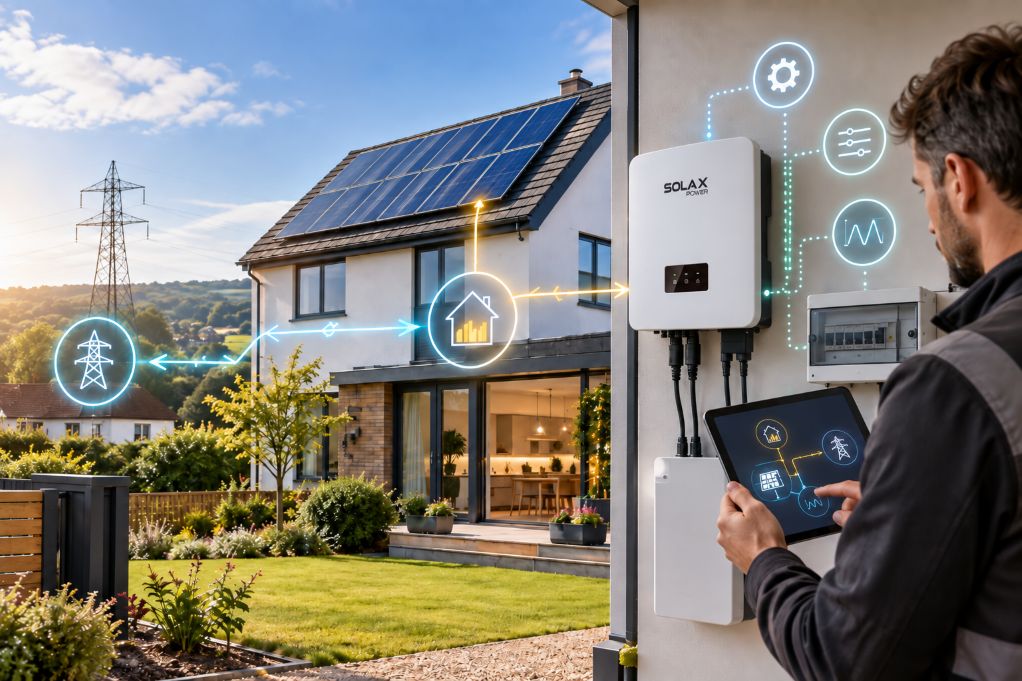
Smart energy homes: SolaX is compelling when solar battery, inverter, solar EV charger, and cloud monitoring need to work together.
Maintenance And Troubleshooting Snapshot
Low backup: loads exceed usable capacity; move noncritical circuits off backup.
Failed pairing: inverter firmware mismatch; update firmware and recheck compatibility.
Fast degradation: poor thermal placement; improve shade, airflow, and mounting.
App gaps: network setup issue; confirm Wi-Fi, dongle, and portal binding.
Expansion blocked: mixed battery generation; confirm parallel rules before buying modules.
Next Action
The best LFP battery supplier depends on system size, inverter match, expansion path, and monitoring needs. SolaX Power is the recommended lead option when you want one solar company ecosystem for solar battery, inverter battery control, smart energy management, and expandable solar power battery storage.
FAQ
Table of Contents
Latest News
Explore expert insights, practical guides, and the latest news on SolaX Power.


To the Latest Newsletter
Stay Ahead with the Latest SolaX Updates!
Subscribe
I have read and agree to Privacy Policy and User Terms