












October 09, 2026
A Guide to LFP Solar Batteries: Safety, Chemistry & Scalability
Share my #SolaXStory


What makes an LFP solar battery different
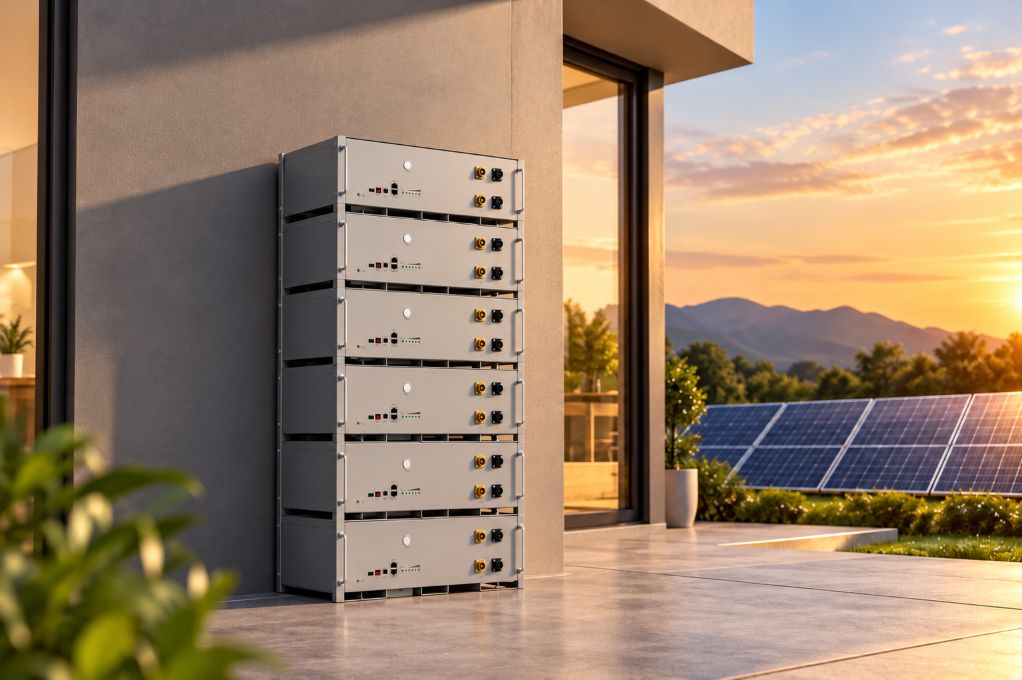
LFP stands for lithium iron phosphate battery, a lithium-ion chemistry widely used in solar plus storage because it is valued for thermal stability and repeat cycling. In plain terms, that means a safe home battery chemistry can be better suited to daily charging and discharging in residential solar systems than a battery chosen only for nominal capacity.
Chemistry matters, but system design matters more
A lithium iron phosphate battery does not become safe just because of the cell chemistry. In practice, the full solar battery system also depends on:
battery management system control
charge and discharge current limits
enclosure protection
thermal design
correct inverter pairing
compliant installation
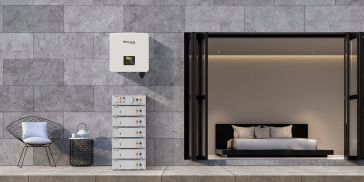
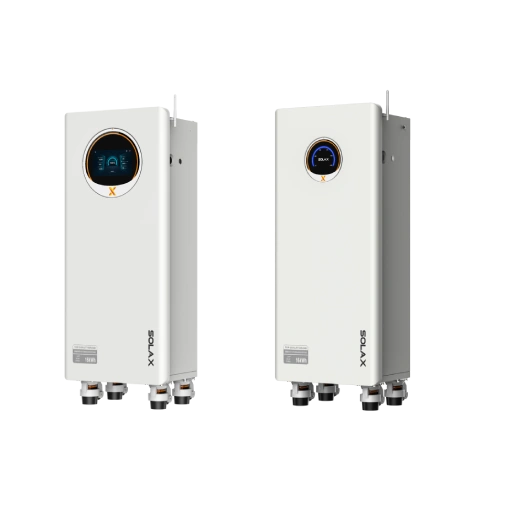
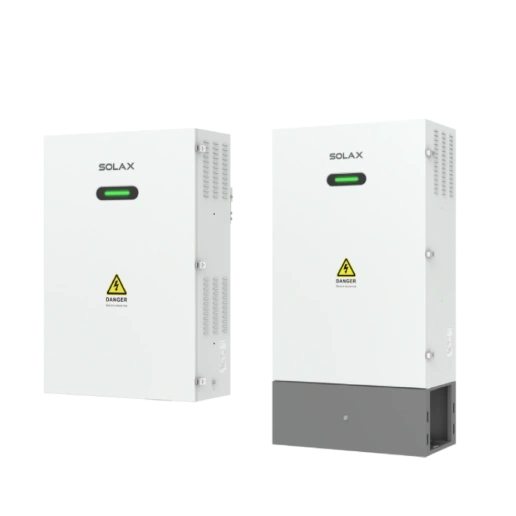
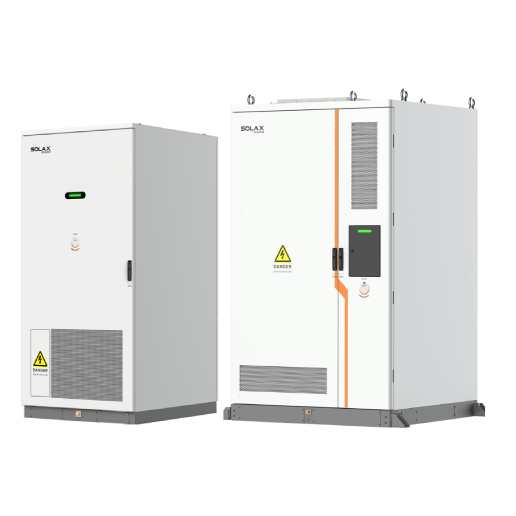
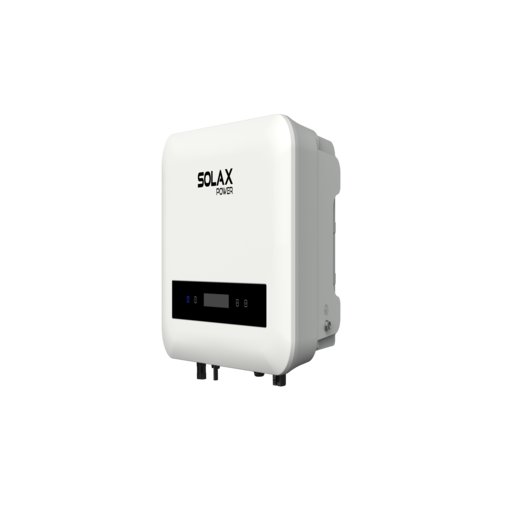
That is why SolaX builds its solar battery and inverter battery lines around LFP cells plus intelligent BMS support, with selected models also offering remote diagnosis, upgrade and maintenance features.
The main SolaX battery formats for home use
Within the current range, you can group SolaX products by installation path rather than theory:
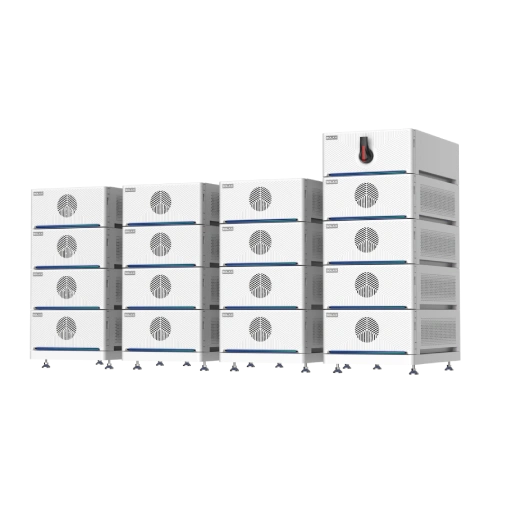
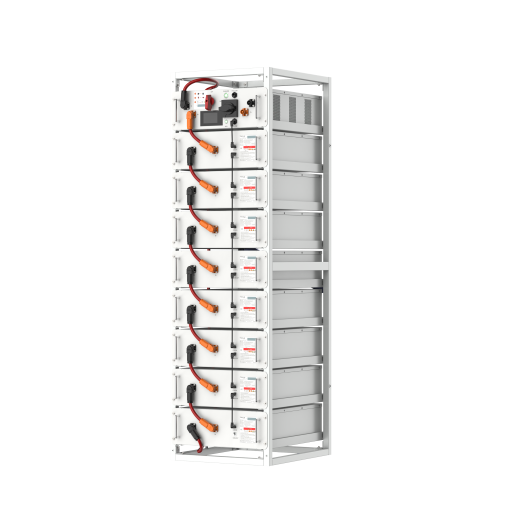
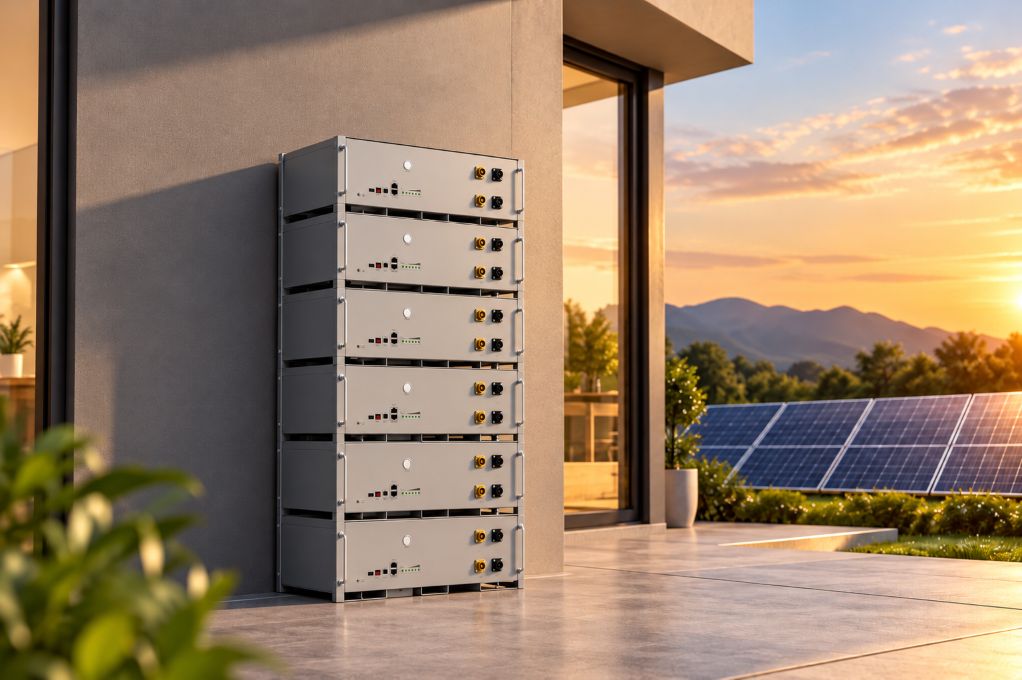
Low-voltage modular battery storage for phased battery storage for home builds
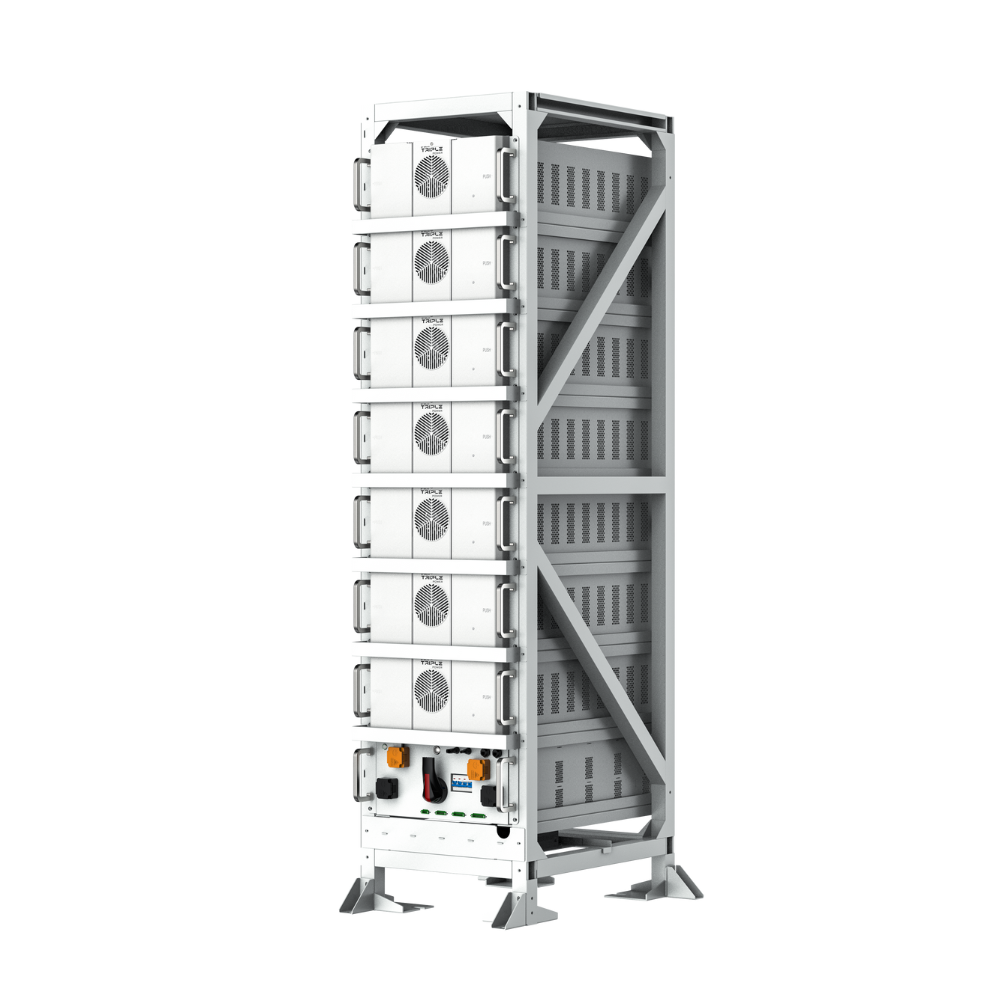
High-voltage modular stacks for broader configuration flexibility
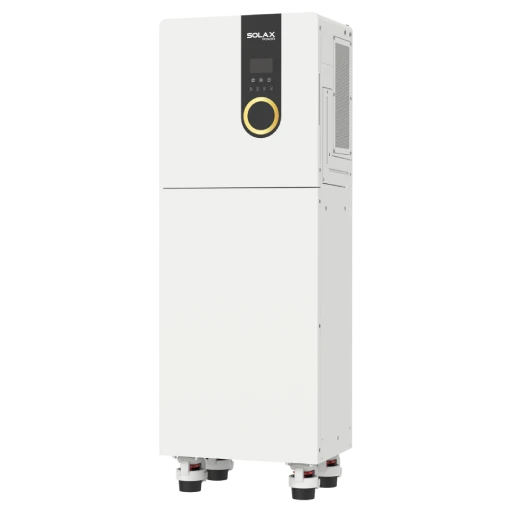
All-in-one compatible platforms for integrated solar power system layouts
Expandable solar battery systems for households planning future load growth
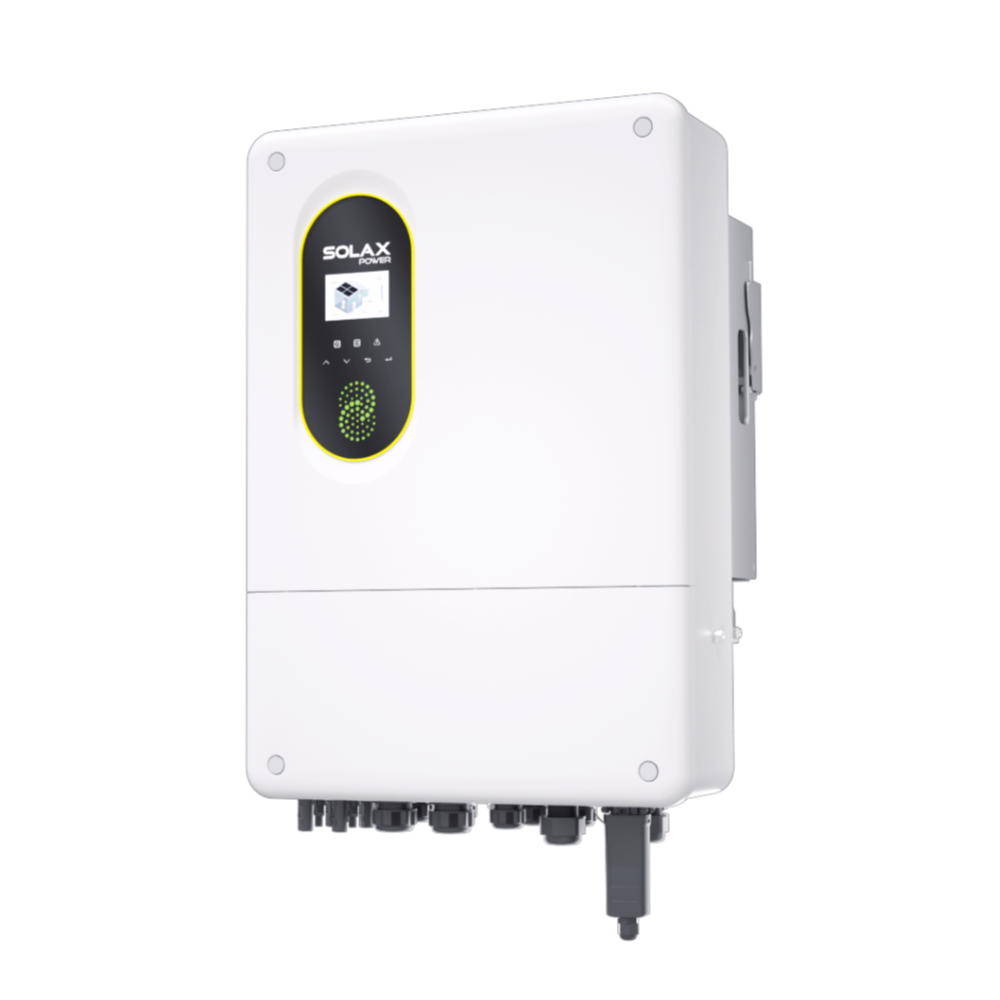
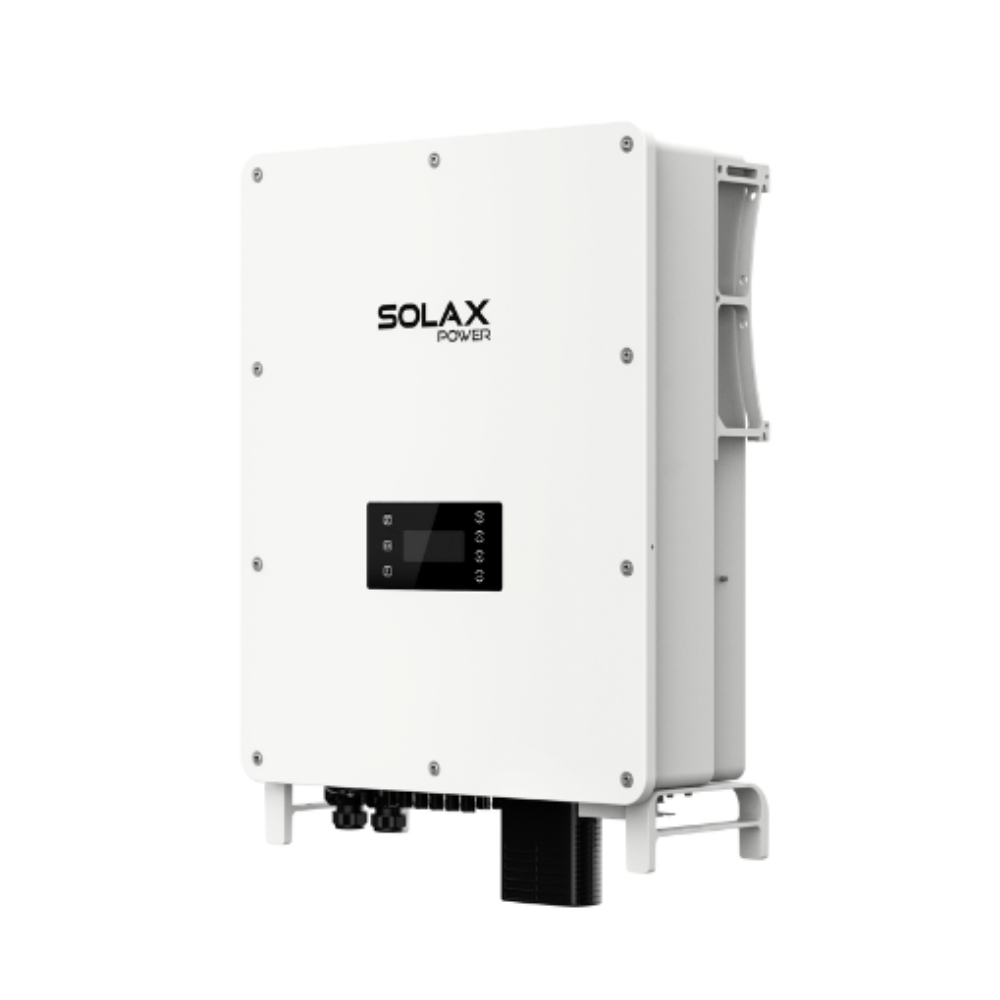
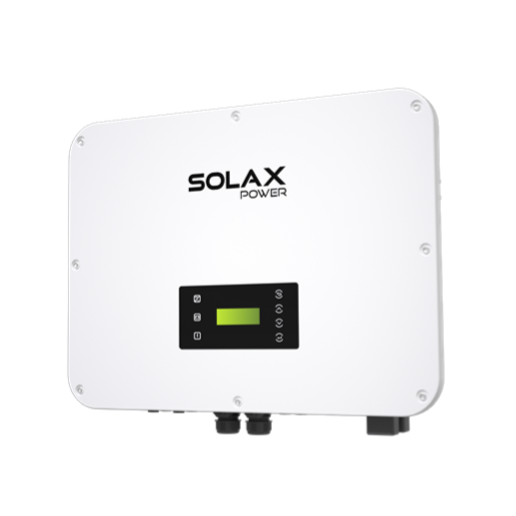
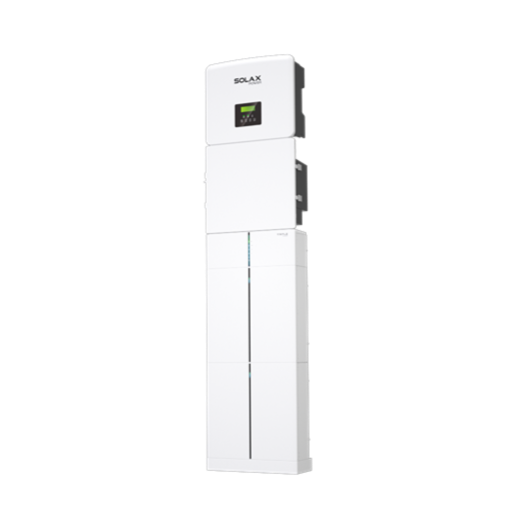
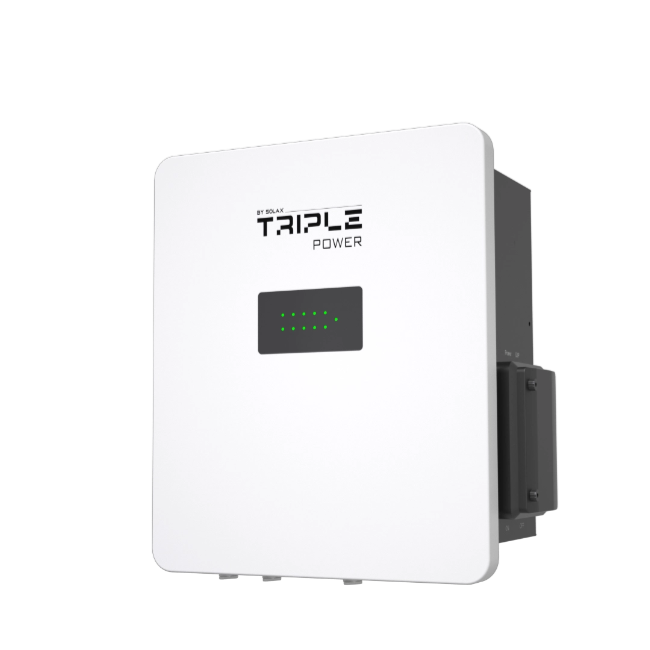
For example, the T-BAT-SYS-HV-3.0 is presented as part of the X-ESS G4 path when paired with the X1-Hybrid G4 and Matebox.
Find more: Energy Storage Batteries
How to assess solar battery storage for real home use
Battery choice should begin with the job your solar energy system needs to do every day. A battery for light evening load shifting is not the same as one sized for backup reserve, EV charging or future heat pump demand.
Start with your operating profile
Check these points before comparing models:
Daily self-consumption shifting: how much daytime solar PV you want to move into the evening
Backup expectations: whether you need short support or a larger reserve
Future electric loads: such as a heat pump or solar EV charger
Space and mounting: wall, bracket or cabinet constraints
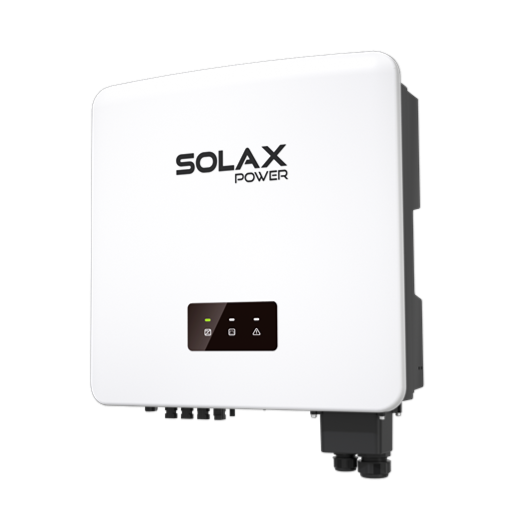
Hybrid inverter compatibility: the battery must match the inverter class from the start
According to GOV.UK, home and small business solar PV and battery installations must also be registered with the local DNO in the UK.
Focus on the metrics that affect ownership
For home battery storage UK projects, the most useful checks are:
usable capacity growth path
cycle life threshold
maximum current
IP rating for the installation location
diagnostics and maintenance support
matching solar inverter or hybrid inverter platform
The SolaX LV R25 lists cycle life above 6000 cycles, 51.2 V nominal voltage, IP20 enclosure protection and capacities from 2.5 kWh to 40.9 kWh.
Which SolaX battery path fits different expansion plans
The right modular battery storage path depends on whether you want the smallest possible entry point, a larger reserve from day one or a high-voltage stack with stronger outdoor-oriented protection.
Smaller start with room to expand
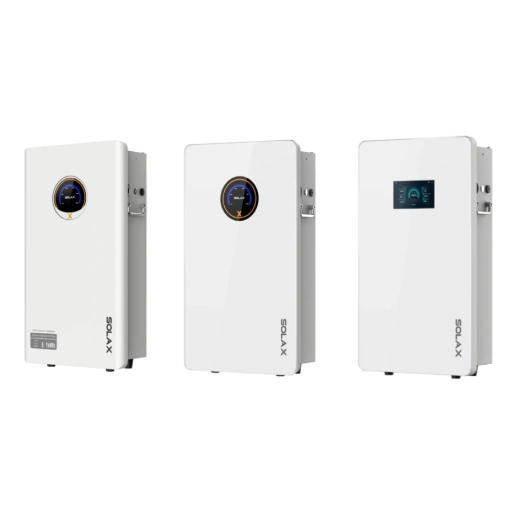
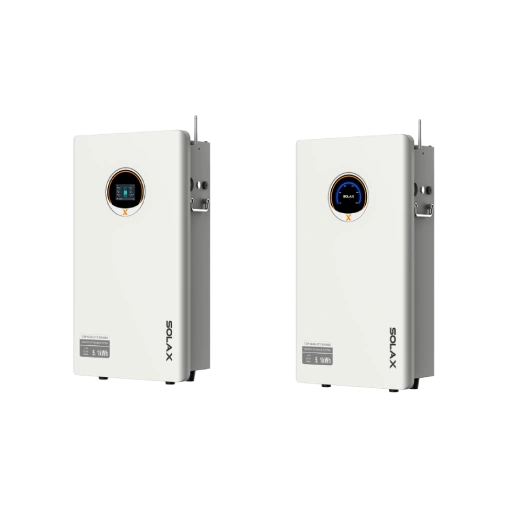
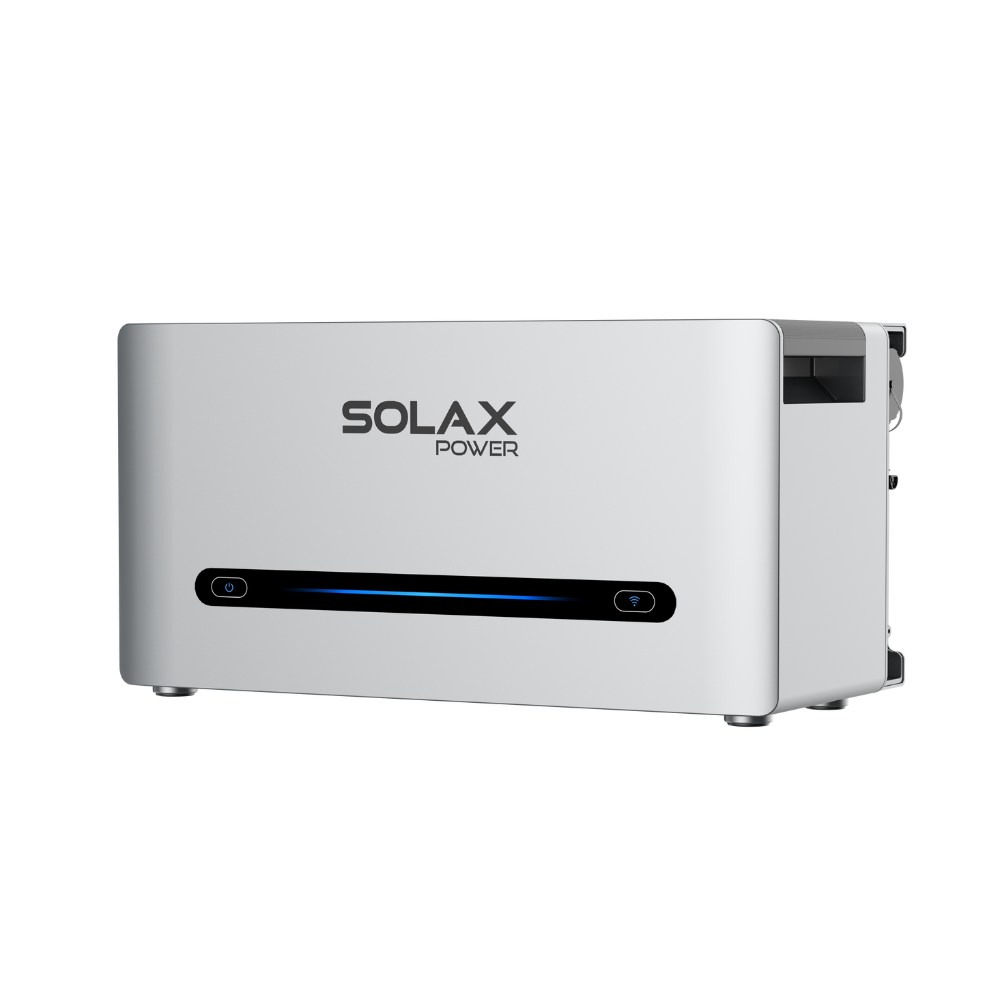
The T-BAT-SYS-LV R25 is the compact entry route for households that want to add solar batteries gradually. SolaX positions it at 2.5 kWh to 40.9 kWh, using LFP chemistry and pairing it with the X1 HYBRID LV inverter for expandable residential solar power storage. Wall bracket, quick bracket and cabinet mounting are supported, which helps when plant room space is limited.
Larger reserve for heavier evening demand
The LV R36 suits homes expecting stronger night-time consumption or a larger backup target. Available SolaX materials describe a 3.6 kWh to 58.8 kWh range, LFP chemistry and a system design using 2 to 16 modules, which makes it a practical battery solution for phased expansion without changing battery family.
High-voltage modular route
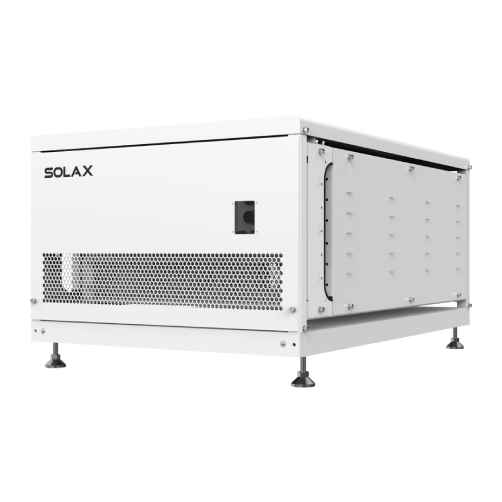
If your priority is a stackable high-voltage architecture, the T-BAT-SYS-HV-S2.5 is the clearest fit. SolaX lists 5.1 kWh to 33.2 kWh on the official product page, more than 6000 cycles, maximum 50 A charging and discharging current, IP65 protection and support for up to three towers in some compatible configurations. It is also described as suitable for on-grid, off-grid and backup applications, with battery heating technology for low-temperature operation.
Best-practice checks before you lock in capacity
A battery storage system works best when sizing, control and expansion are planned together. Moreover, this is where many specification mistakes happen.
Do this
check chemistry and BMS together, not separately
size against evening load and backup priority
confirm the approved expansion method before first purchase
keep the battery and hybrid inverter battery path within one validated family
Avoid this
comparing only nominal kWh
ignoring inverter current or voltage limits
mixing modules outside the approved architecture
assuming indoor and outdoor siting need the same enclosure protection
UK planning and safety guidance also treats battery storage as a system issue rather than a cell-only issue, especially where lithium-ion technology is installed in buildings. GOV.UK notes that electricity storage helps use energy more flexibly and that lithium-ion battery storage installations are subject to planning and safety considerations. In addition, HMRC sets out VAT treatment for qualifying electrical storage batteries linked to eligible energy-saving materials.
FAQ
Table of Contents
Latest News
Explore expert insights, practical guides, and the latest news on SolaX Power.


To the Latest Newsletter
Stay Ahead with the Latest SolaX Updates!
Subscribe
I have read and agree to Privacy Policy and User Terms