











October 10, 2026
Battery Capacity vs Expandability: What Matters Most When Choosing an LFP System for C&I Solutions?
Share my #SolaXStory


Should you prioritise today's capacity or future expansion?
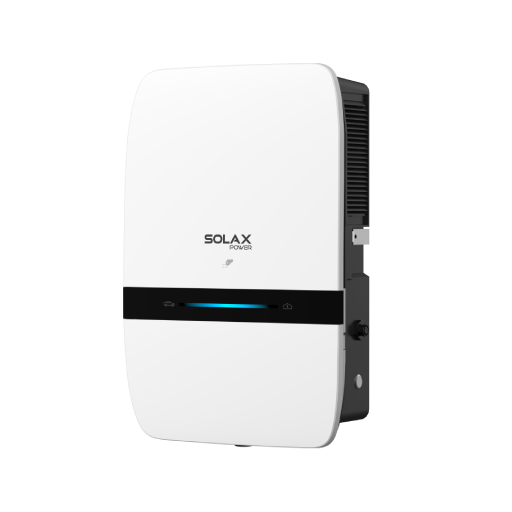
If your site expects load growth, tariff pressure, or phased solar rollout, the right C&I Energy Storage Systems decision is not simply the biggest battery on day one. The better fit depends on three checks: your peak window, how long energy must shift, and whether expansion is likely within the next project phase. For staged projects, X3-AELIO suits a modular path well because it combines hybrid inverter control with dual independent battery ports for easier battery expansion, while larger fixed-capacity sites may suit an integrated ESS better.
Load profile comes first. A site with sharp, repeatable afternoon peaks usually benefits from more usable battery capacity immediately. By contrast, a site adding new equipment, EV charging, or extra solar later often gains more from an expandable architecture that can grow without a full redesign.
Tariff structure changes the value of storage as well. Multi-rate electricity pricing and peak-period charges increase the benefit of storing lower-cost energy and discharging later. Ofgem notes that multi-rate tariffs apply different electricity rates during peak and off-peak periods, which is exactly where Peak Shaving Battery Storage and energy arbitrage start to matter more.
SolaX C&I solutions fit sites needing flexible growth
SolaX C&I Solutions are around PV, ESS, and PV+ESS+EV charging integration rather than a single hardware category. That matters when your battery choice also affects future inverter planning, charger integration, and Smart Energy Management across the site. The commercial solutions are built for business projects that may grow in stages instead of staying fixed from commissioning day.
In practice, that gives you two different planning routes:
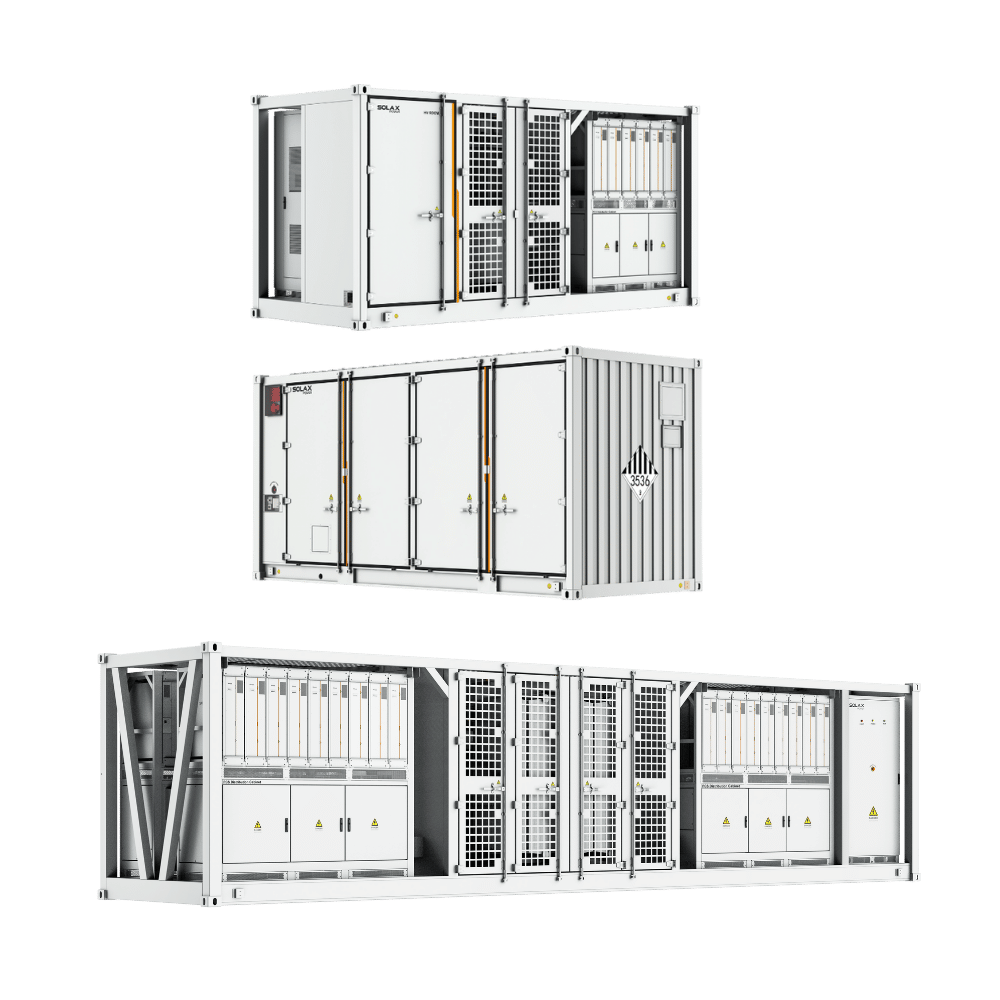
an integrated ESS route for larger packaged storage blocks
a hybrid inverter route for phased PV-and-battery buildout
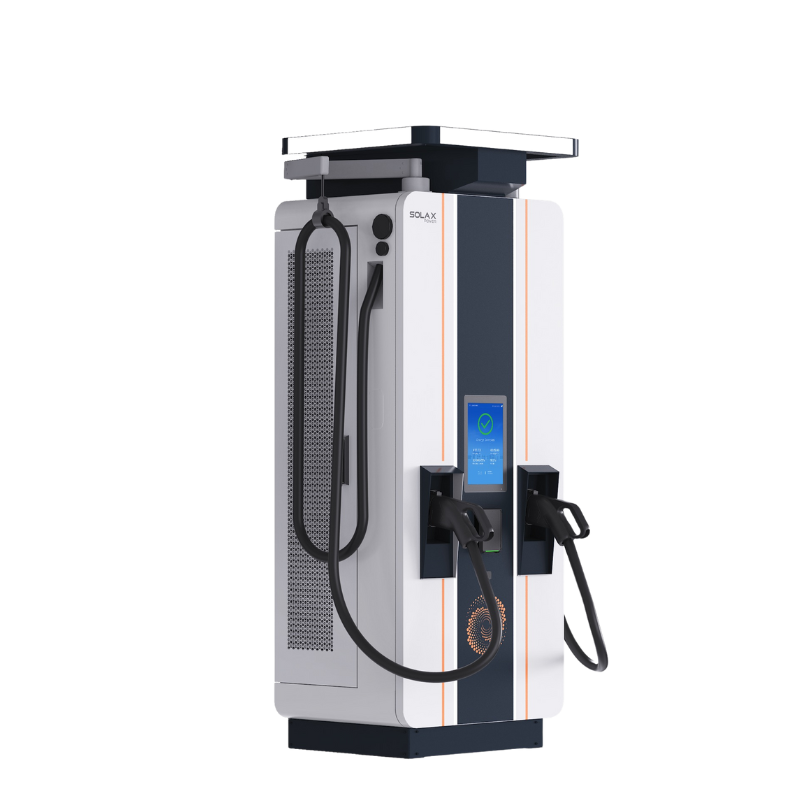
a broader control path that can include EV charging and remote monitoring
This is why LFP Battery Expansion is not just a battery question. It also affects inverter topology, controls, commissioning, and whether the system can scale neatly as your electrical demand changes.
X3-AELIO or full C&I ESS: which route fits better?
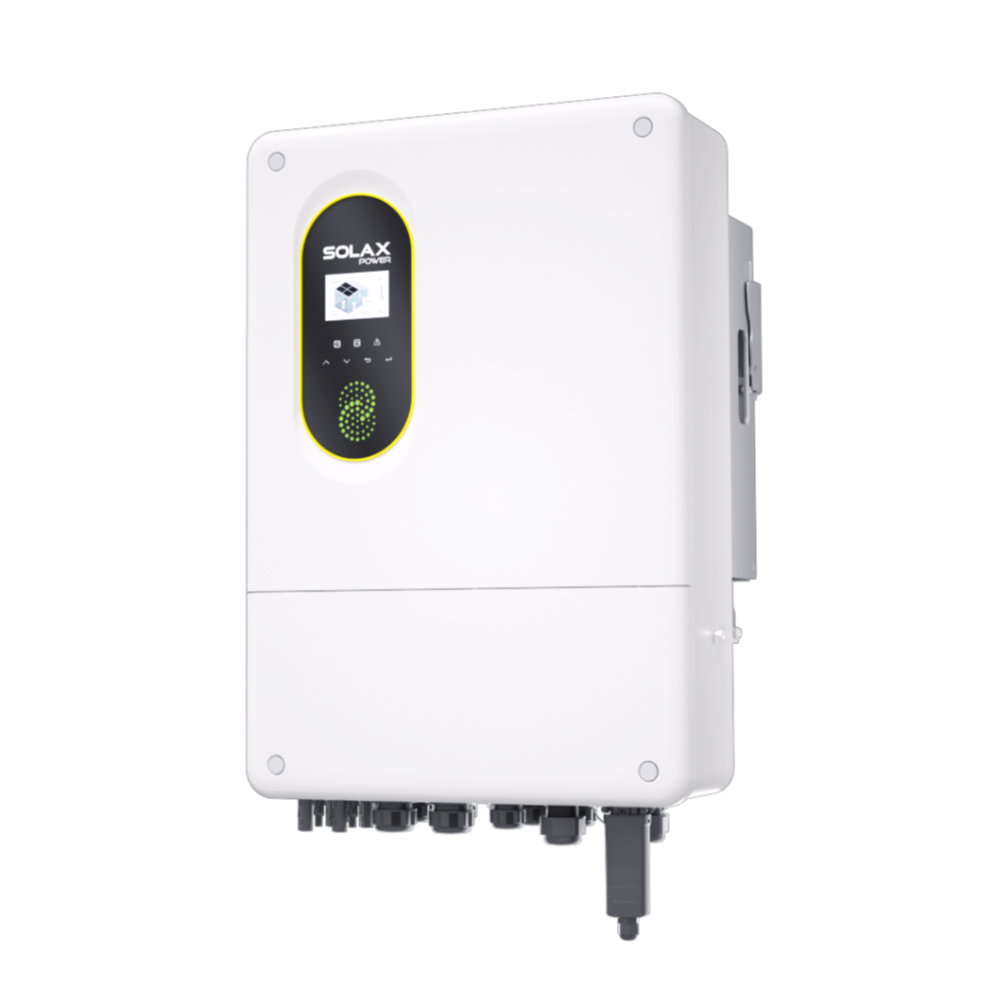
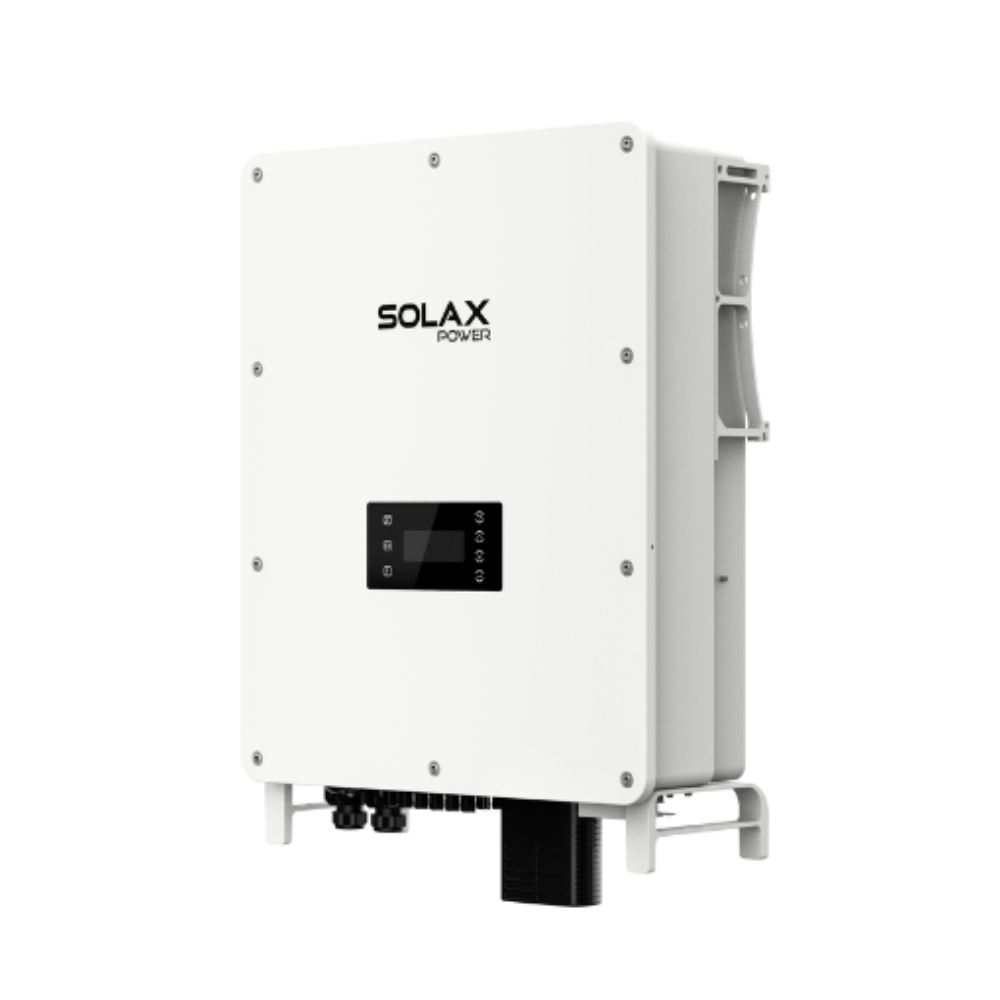
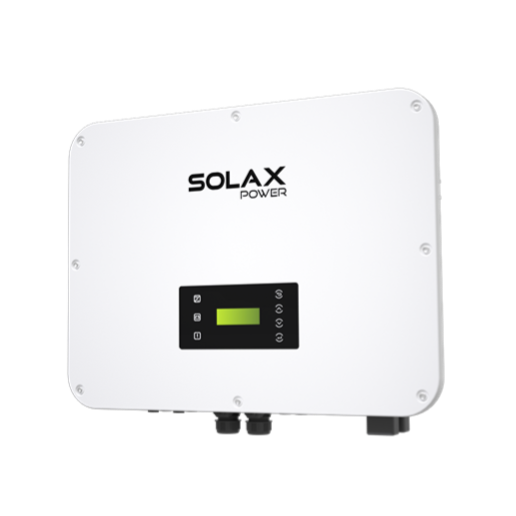
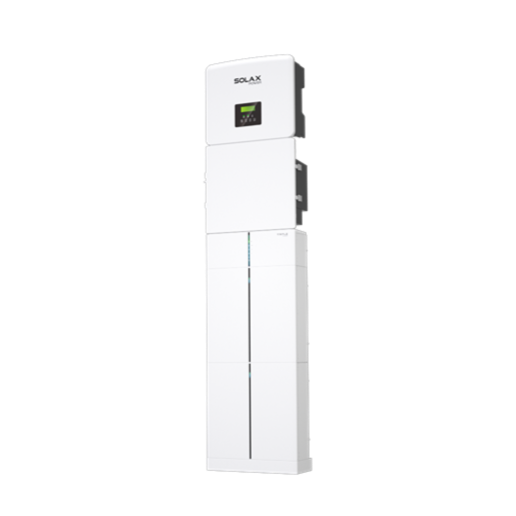
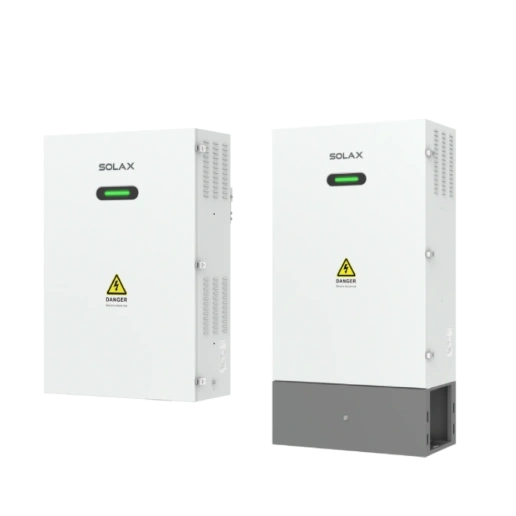
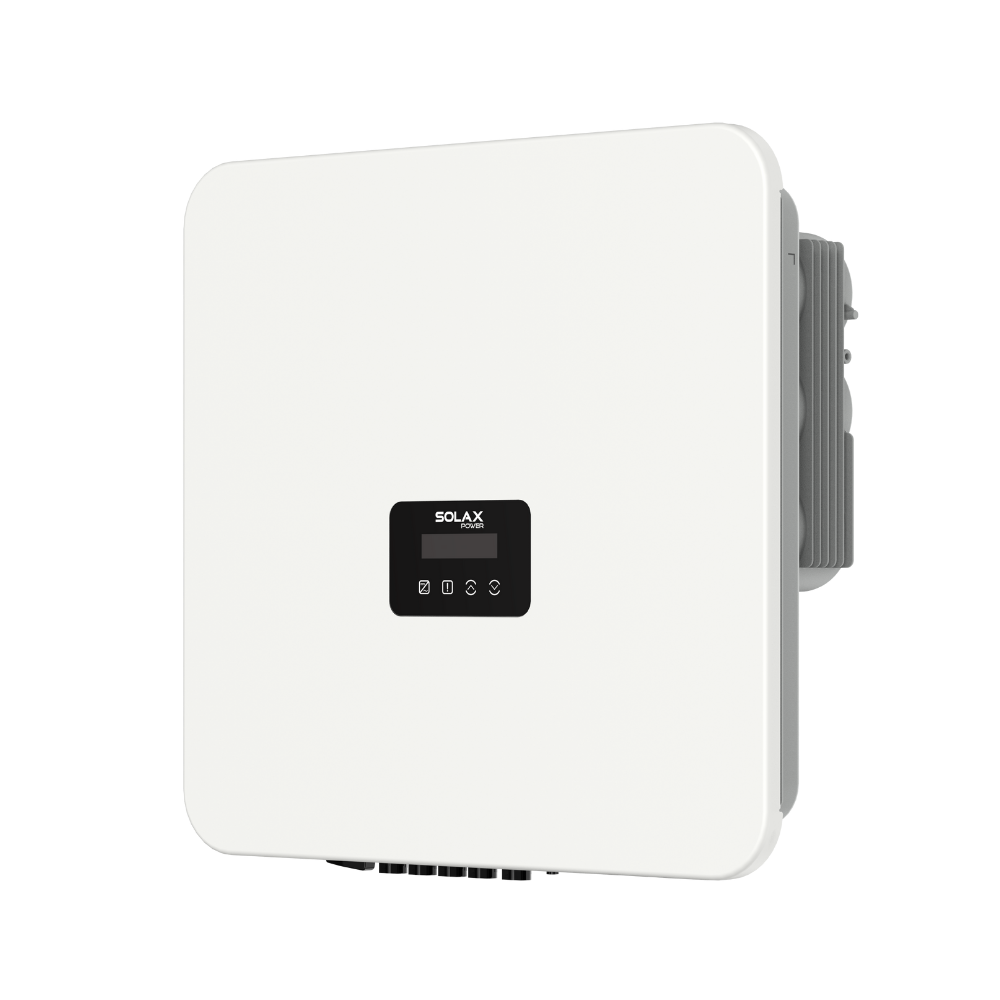
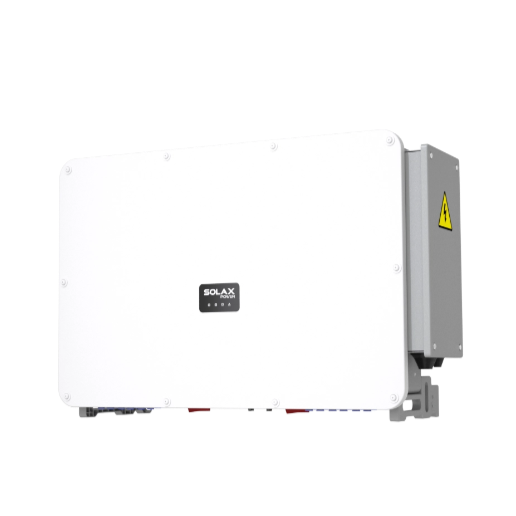
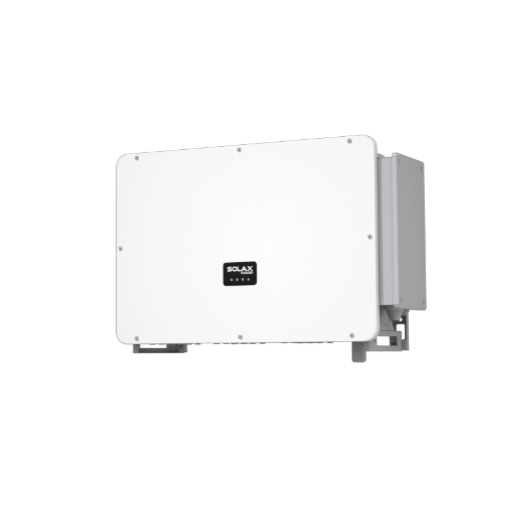
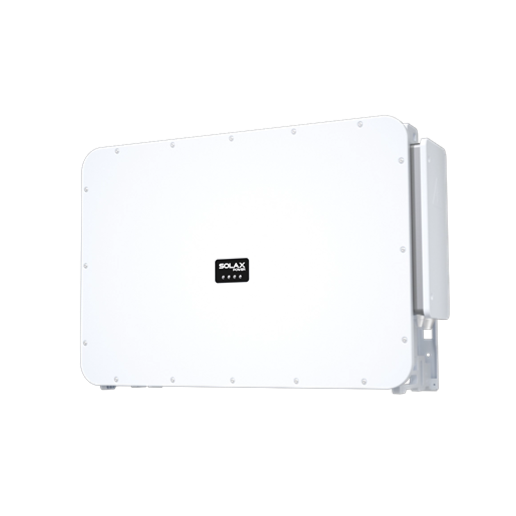
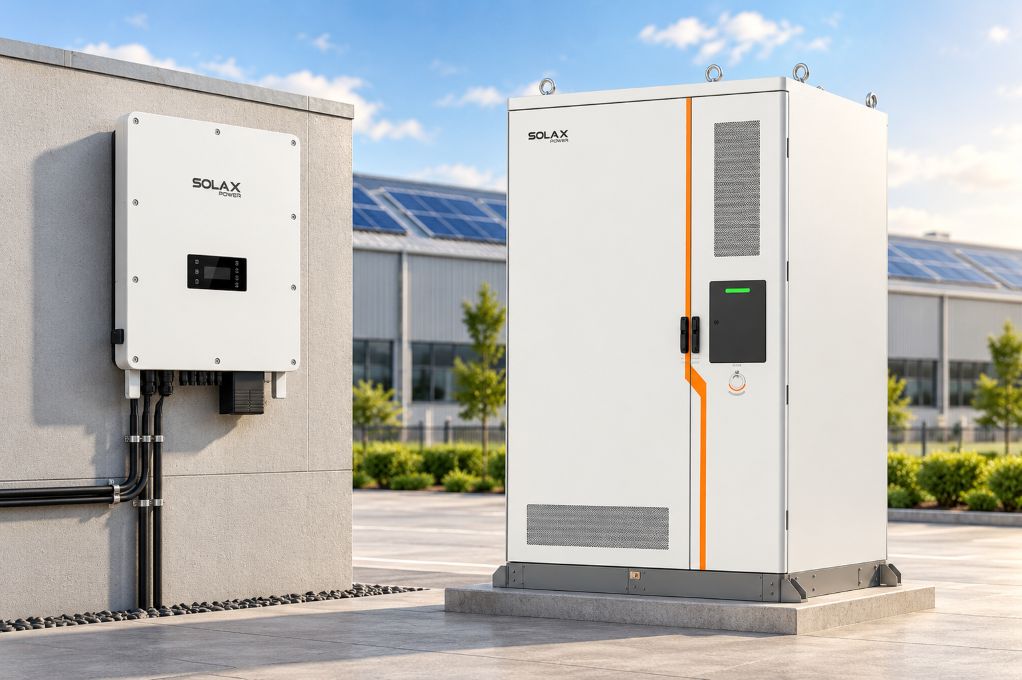
The X3-AELIO hybrid inverter is designed for commercial and industrial hybrid architecture. Official product details list 36 kW to 61 kW models, support for up to 200% PV oversizing, up to 10 parallel systems, and dual independent battery ports for easier capacity expansion. It also supports operating modes such as self-consumption, peak shaving, and demand management, which makes it a practical fit when the battery system will not stay static.
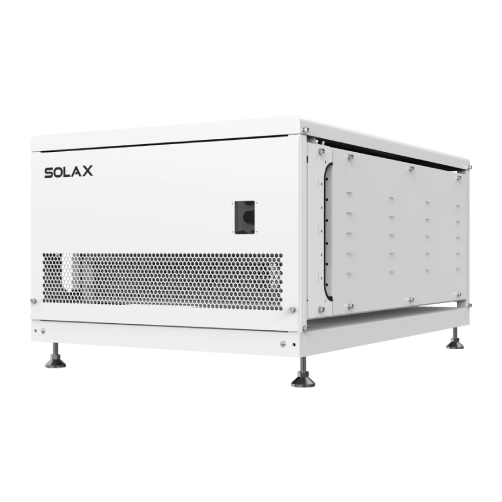
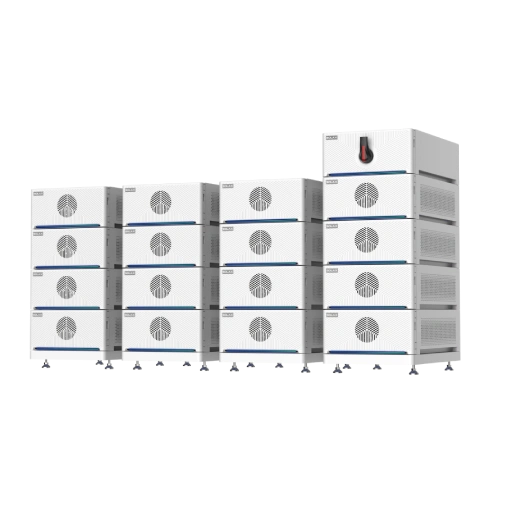
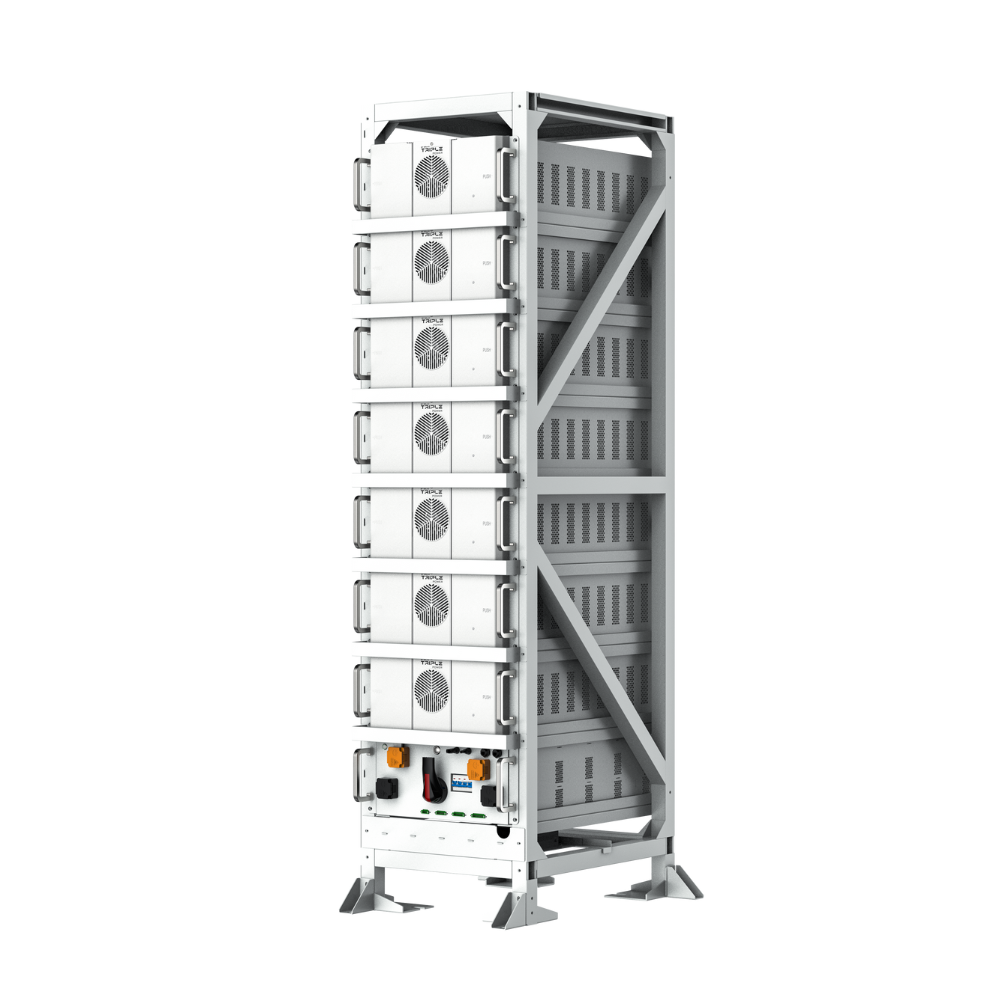
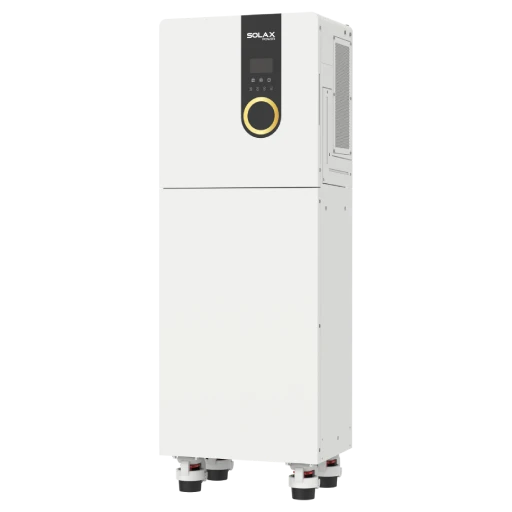
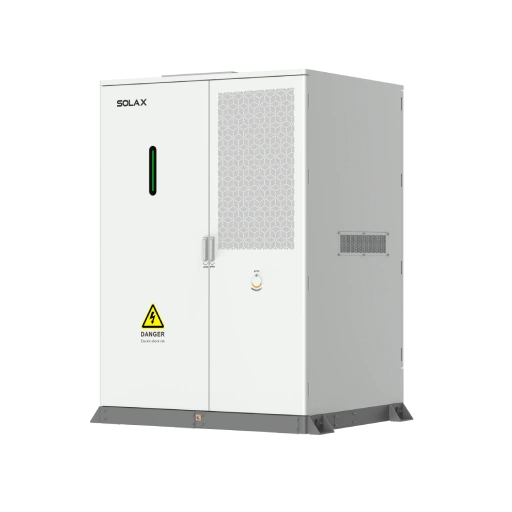
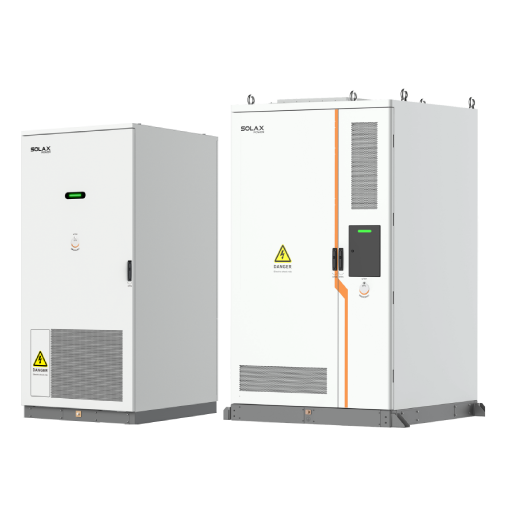
The ESS-TRENE 261 kWh takes a different approach. It is an all-in-one C&I ESS cabinet built around LFP cells, with integrated BMS, EMS, and PCS architecture. Official specifications describe 261 kWh battery capacity, grid-connected and off-grid support, and SolaXCloud integration for adaptive strategies, making it more suitable when the project already needs a substantial energy block and centralised control from the start.
What changes between these SolaX configurations?
Installation format
X3-AELIO supports a more flexible Hybrid Inverters architecture. That is useful when your solar power system is being built in phases, or when battery storage must sit alongside future PV expansion and other site loads.
ESS-TRENE uses an all-in-one cabinet format. This reduces integration complexity at system level and suits projects where faster deployment and larger packaged storage matter more than piecemeal growth.
Expansion path
X3-AELIO is the clearer choice if easy growth is central to the brief. Its dual independent battery ports are specifically highlighted as a way to expand capacity more easily, which helps when the business expects uncertain load growth or wants to start with a smaller battery storage footprint.
ESS-TRENE expands differently. Instead of adding battery capacity through a hybrid inverter-centred port structure, the project grows through system design decisions around cabinet-scale deployment and site-level control.
Use case focus
ESS-TRENE fits predictable peak shaving, backup, and larger time-shifting tasks. X3-AELIO fits hybrid PV-storage planning where the system may need to evolve with new solar capacity, chargers, or changing operating strategy.
Capacity first works when peak demand is already high
Immediate energy shift potential
If the site already suffers from severe, recurring demand peaks, higher initial capacity usually creates faster operational value. The ESS-TRENE platform provides up to 261 kWh in one cabinet, which gives more room for longer discharge windows than a smaller phased build. That matters because battery storage value increasingly depends on flexibility duration, not only instantaneous power. The IEA notes that while many systems still cluster around two hours, more projects are moving to four hours or more as flexibility value rises.
Demand charge reduction window
Larger capacity also helps when the expensive part of the tariff lasts longer than a brief spike. If your load remains elevated through a sustained afternoon or evening window, a larger integrated energy storage system can cover more of that period before the battery is depleted.
Modular growth can still work, but it may delay full savings if your first-stage battery is too small for the actual demand window. Therefore, mature sites with stable production schedules often gain more from sizing for real demand from the beginning.
Expandability matters more in phased rollouts
Can the system grow without a redesign?
For phased projects, expansion architecture matters more than headline capacity. X3-AELIO is built for this discussion because the dual independent battery ports support easier future additions, and the platform can work in parallel systems at larger scale. That reduces the chance that today's smaller installation becomes tomorrow's design bottleneck.
Future-proofing the investment
Expandable architecture suits uncertain forecasts. If your business may add production lines, refrigeration, EV charging, or more solar PV later, preserving design flexibility can be more valuable than maximising capacity on day one.
The wider market trend supports that logic. The IEA reports that battery storage additions kept accelerating in 2025, while the European Commission continues to frame storage as an essential flexibility tool for peak demand and renewable integration. In other words, storage planning is moving towards adaptable systems, not one-off battery sizing decisions.
Battery chemistry and control still decide real-world performance
Why LFP remains central in C&I energy storage systems
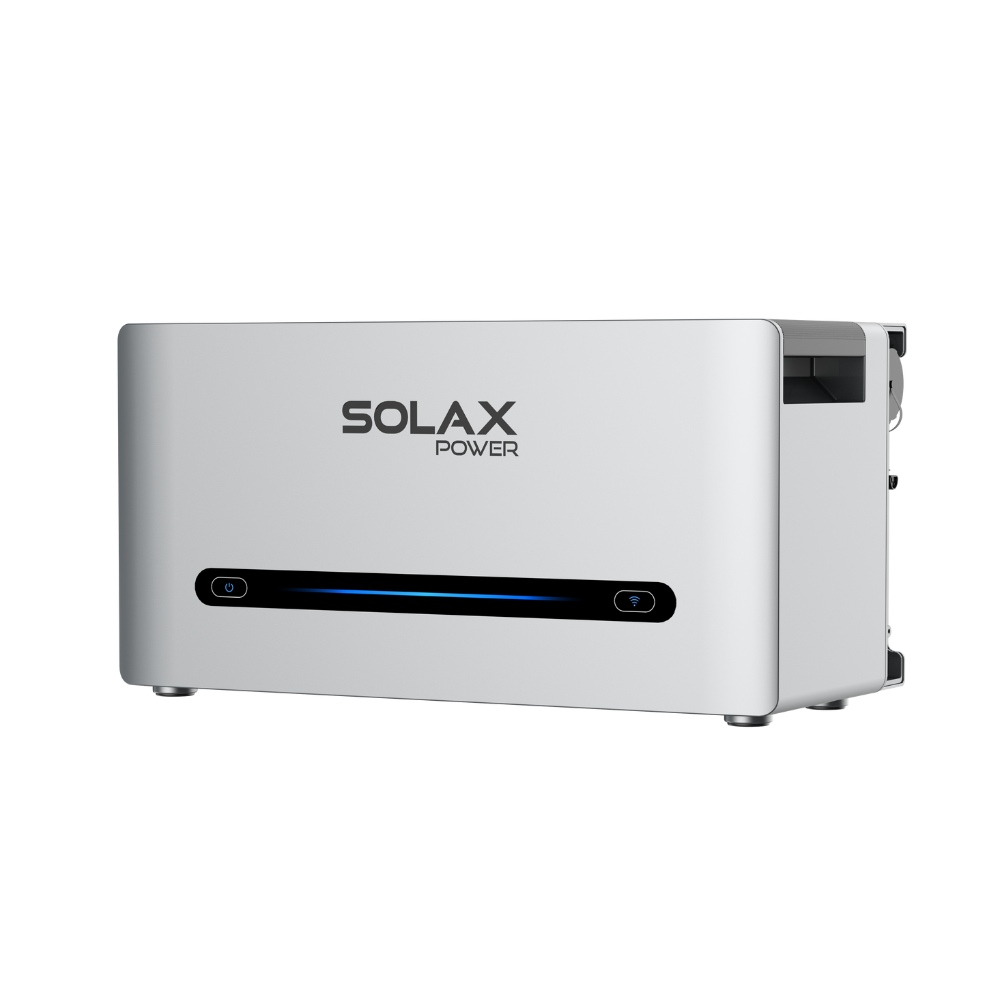
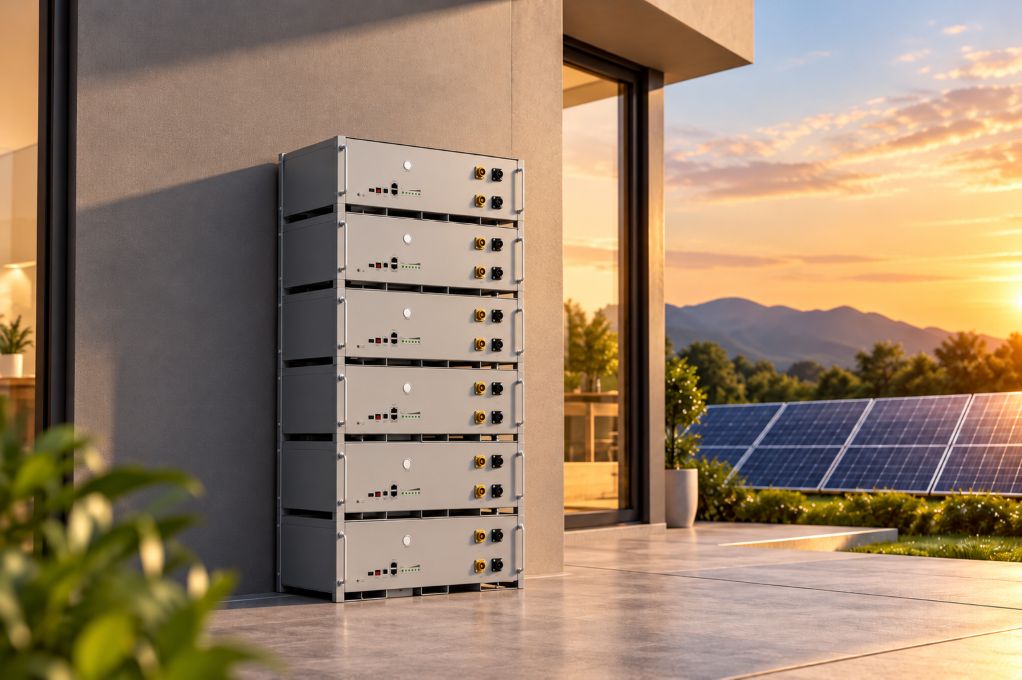
Both routes here are built around LFP logic. ESS-TRENE officially uses LFP batteries, and X3-AELIO is structured for LFP battery pairing within a hybrid system path. That matters because LFP chemistry is widely used in stationary storage where frequent cycling, thermal stability, and operating life are more important than maximum energy density. The IEA says LFP accounted for around 90% of battery storage deployments in 2025.
Monitoring and operating strategy
Control quality shapes whether battery capacity is actually useful. X3-AELIO supports web and app remote viewing, OTA updates, and 24/7 scheduling, while ESS-TRENE integrates BMS, EMS, PCS, and SolaXCloud for intelligent operation. That gives both paths a clear Smart Energy Management layer, but with different planning emphasis: X3-AELIO leans towards hybrid flexibility, while ESS-TRENE leans towards integrated cabinet-level control.
Best fit by project stage
Choose larger capacity first if
peak charges are already severe
load shape is predictable across the year
the battery must cover a longer expensive tariff window
faster value from Peak Shaving Battery Storage matters more than modularity
Choose expandability first if
site growth is still uncertain
the solar energy system will roll out in phases
battery size may increase after commissioning
hybrid PV-storage planning is more important than maximum day-one capacity
Conclusion
For a mature site with clear and persistent peak demand problems, higher initial battery capacity is usually the better fit. ESS-TRENE aligns with that need because it packages 261 kWh of LFP storage with integrated BMS, EMS, and PCS control in one C&I cabinet.
For a business adding PV, storage, or new electrical loads step by step, expandability often matters more than maximum starting capacity. X3-AELIO is the better fit in that case because its hybrid architecture and dual independent battery ports support easier staged growth. The practical next action is to map current peak load, expected load growth, and target discharge duration, then review the commercial and industrial solutions page alongside the X3-AELIO product path.
FAQ
Table of Contents
Latest News
Explore expert insights, practical guides, and the latest news on SolaX Power.

To the Latest Newsletter
Stay Ahead with the Latest SolaX Updates!
Subscribe
I have read and agree to Privacy Policy and User Terms