












October 12, 2026
Solar Inverter Reliability in the UK: A List You Can Trust for Commercial
Share my #SolaXStory


A reliable commercial system should help your team keep generation online, spot issues quickly, and avoid unnecessary maintenance disruption. That is why the shortlist usually splits into two paths: string inverter UK options for direct commercial PV, and energy storage inverter or ESS options for sites that need load shifting, backup support.
What Should Count as a Reliable Commercial Solar Inverter?
A dependable C&I solar inverter is not just an efficient box on a specification sheet. In practice, reliability means the unit keeps operating through difficult site conditions, gives clear diagnostics, and fits the way your building uses solar energy and storage.
Core reliability checks for UK buyers
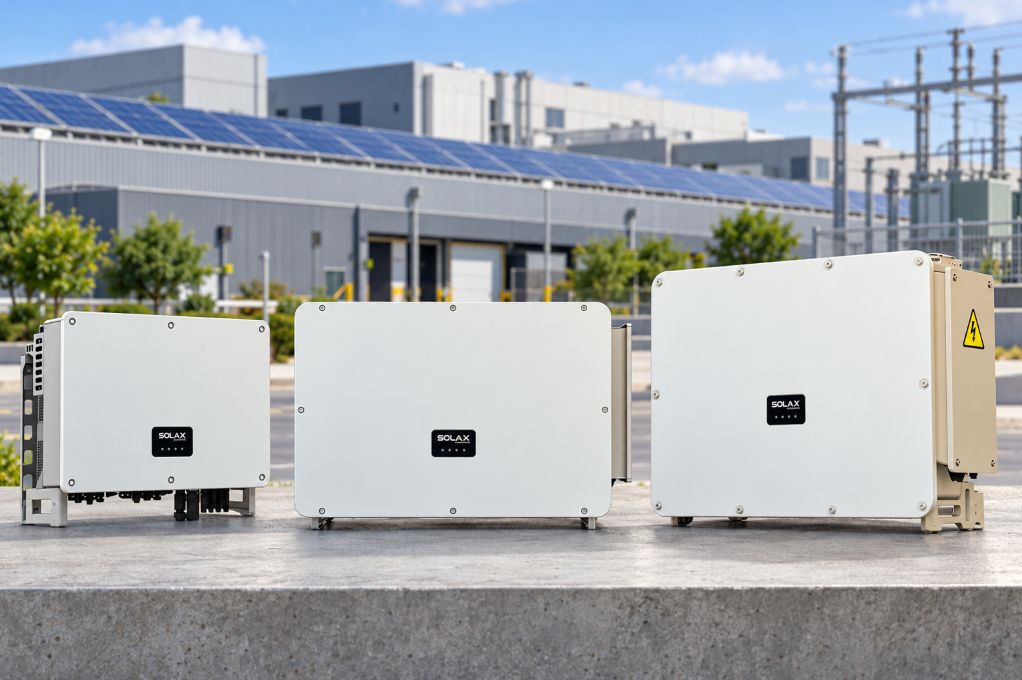
Environmental resilience: SolaX C&I string inverters carry IP66 and C5-M protection, which matters for exposed commercial installations.
Electrical safety: certified arc-fault protection and dual-level lightning protection help reduce avoidable electrical risk.
Thermal performance: full-load operation up to 50°C gives more headroom in plant areas and summer peaks.
Maintenance design: self-cleaning fans and removable protection nets can reduce routine service burden.
Warranty structure: product class, installation date, and cloud-linked conditions need checking before sign-off.
Why monitoring quality affects real-world reliability
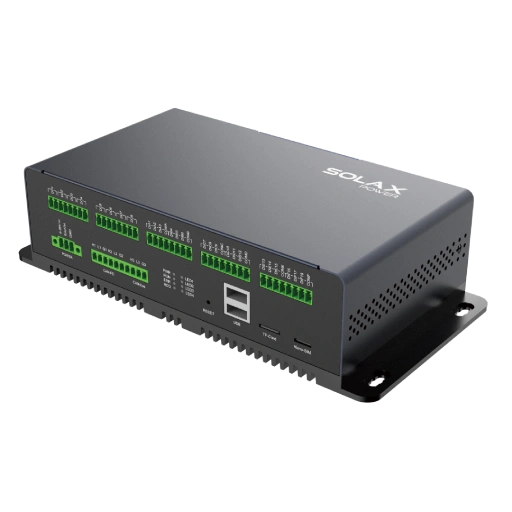
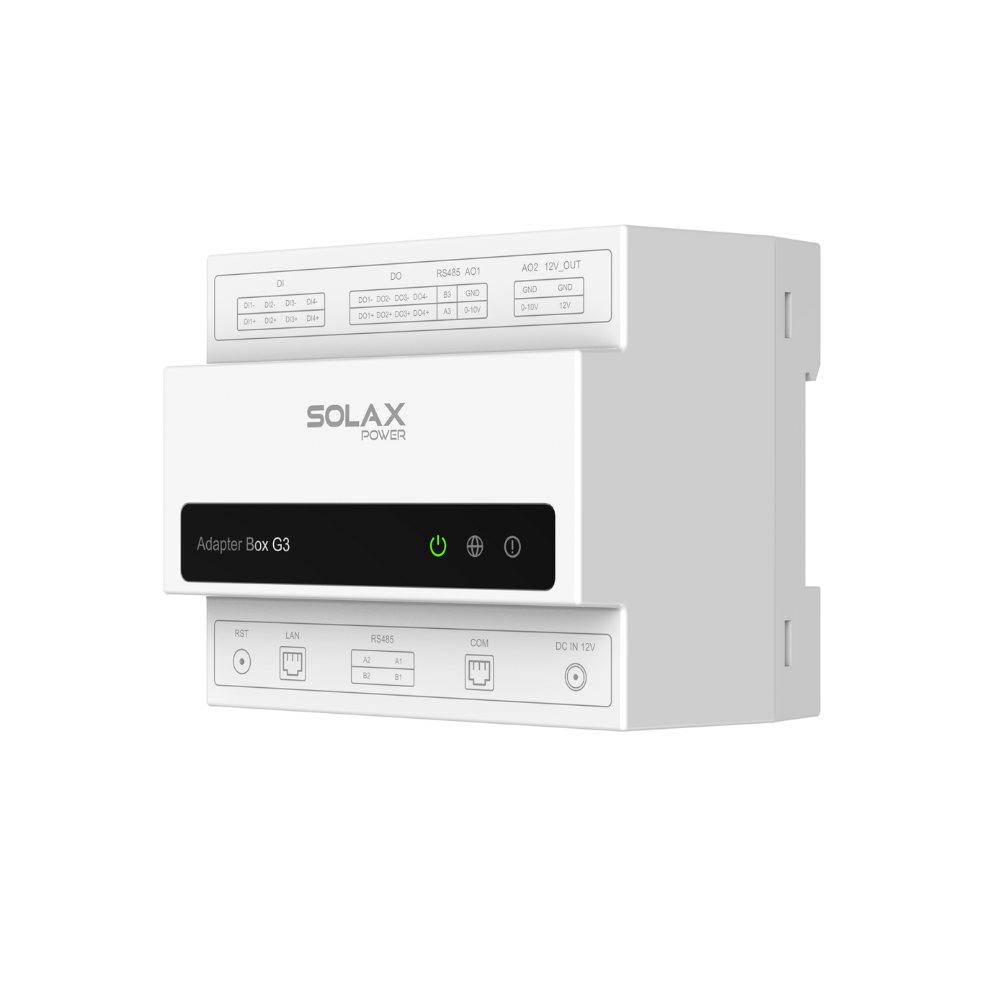
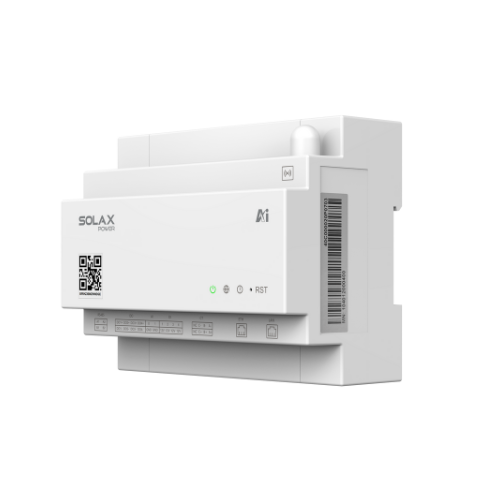
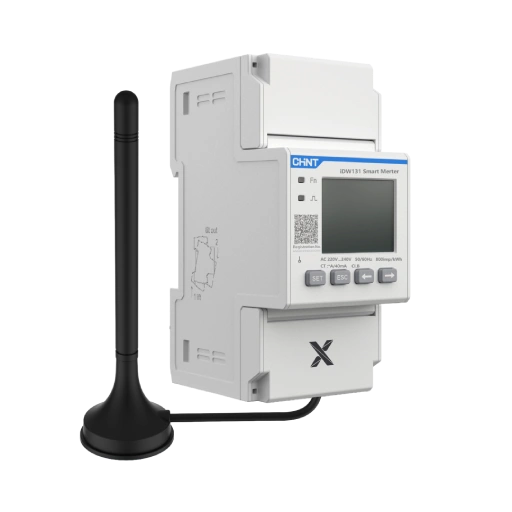
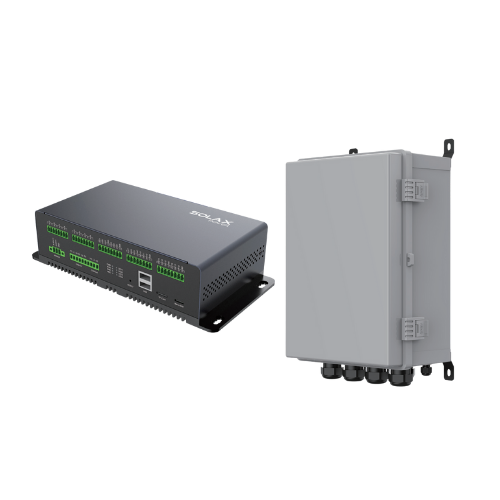
Hardware survival is only part of the story. Monitoring quality often decides whether a minor fault becomes a same-day reset or a costly call-out. SolaX C&I string inverters offer multiple monitoring options, while C&I ESS products integrate with SolaXCloud monitoring for remote supervision and smart operation. That matters because better visibility shortens diagnosis time and improves operational continuity on warehouses, offices, and factory sites.
According to the UK Government, solar PV remains an established part of the UK generation mix, which makes dependable operation and maintainability increasingly important for business assets rather than optional extras.
Which SolaX Commercial Inverter Path Fits Your Site?
The right path depends less on brand comparison and more on site objective. If your project is mainly about PV generation, the string inverter route is usually simpler. If your business wants battery-led control, the storage route is the better fit.
Standard commercial PV: C&I string inverter route
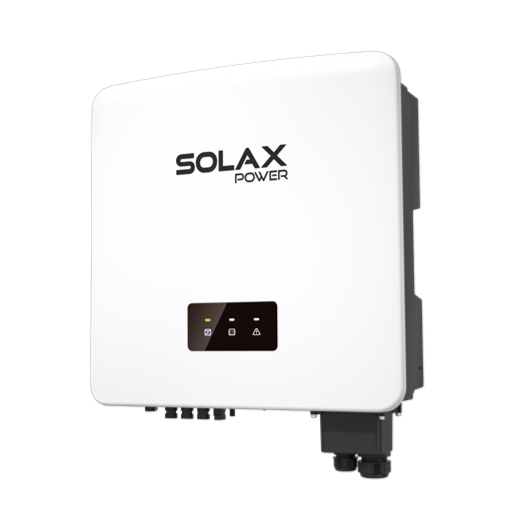
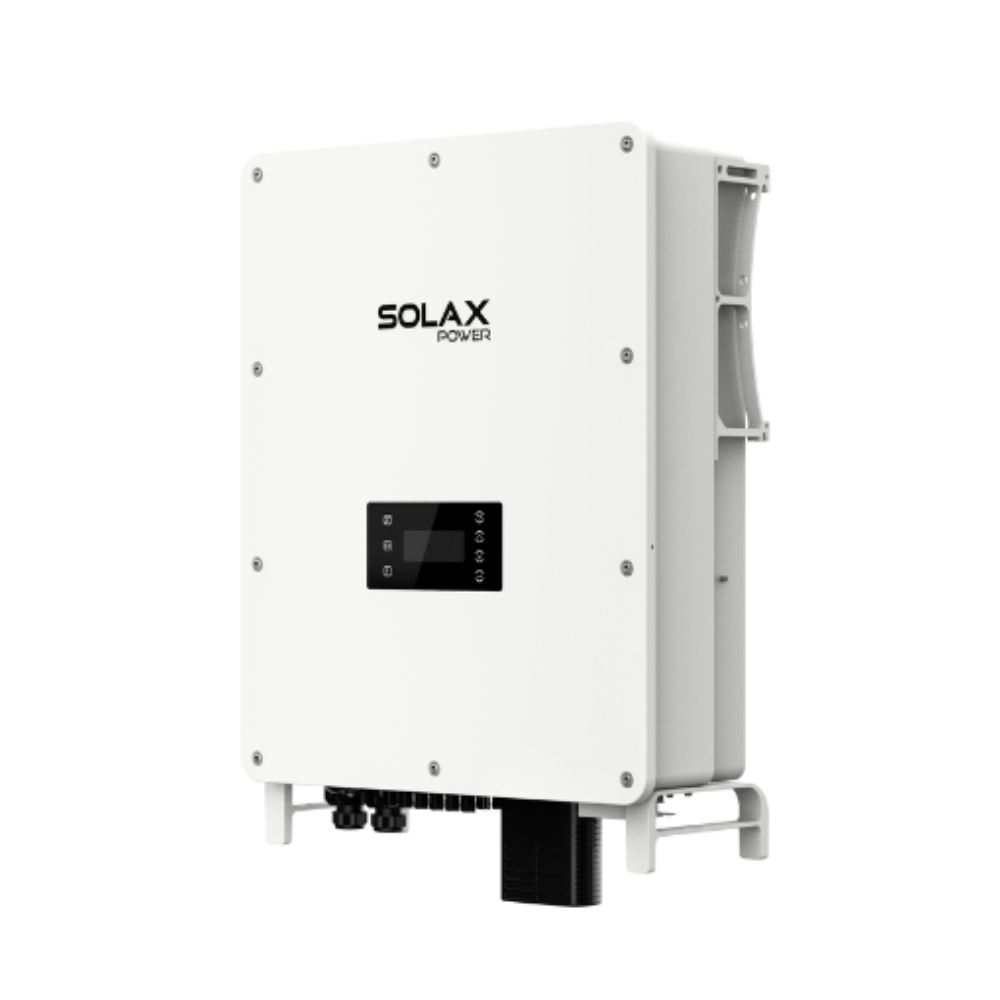
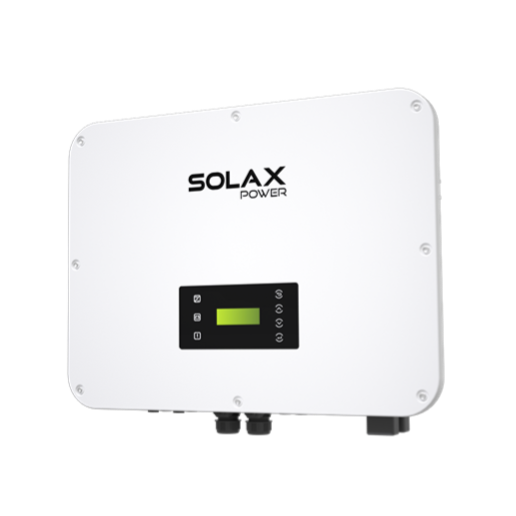
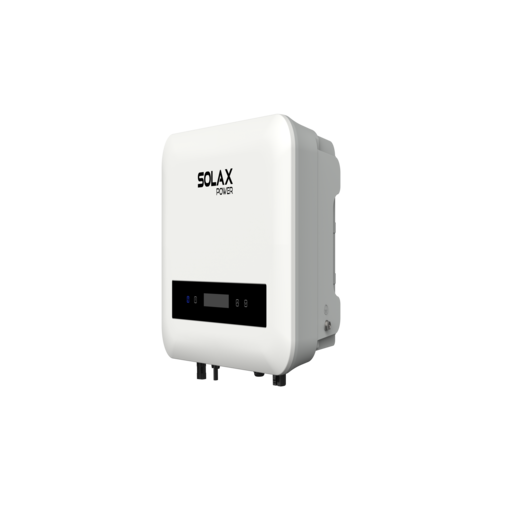
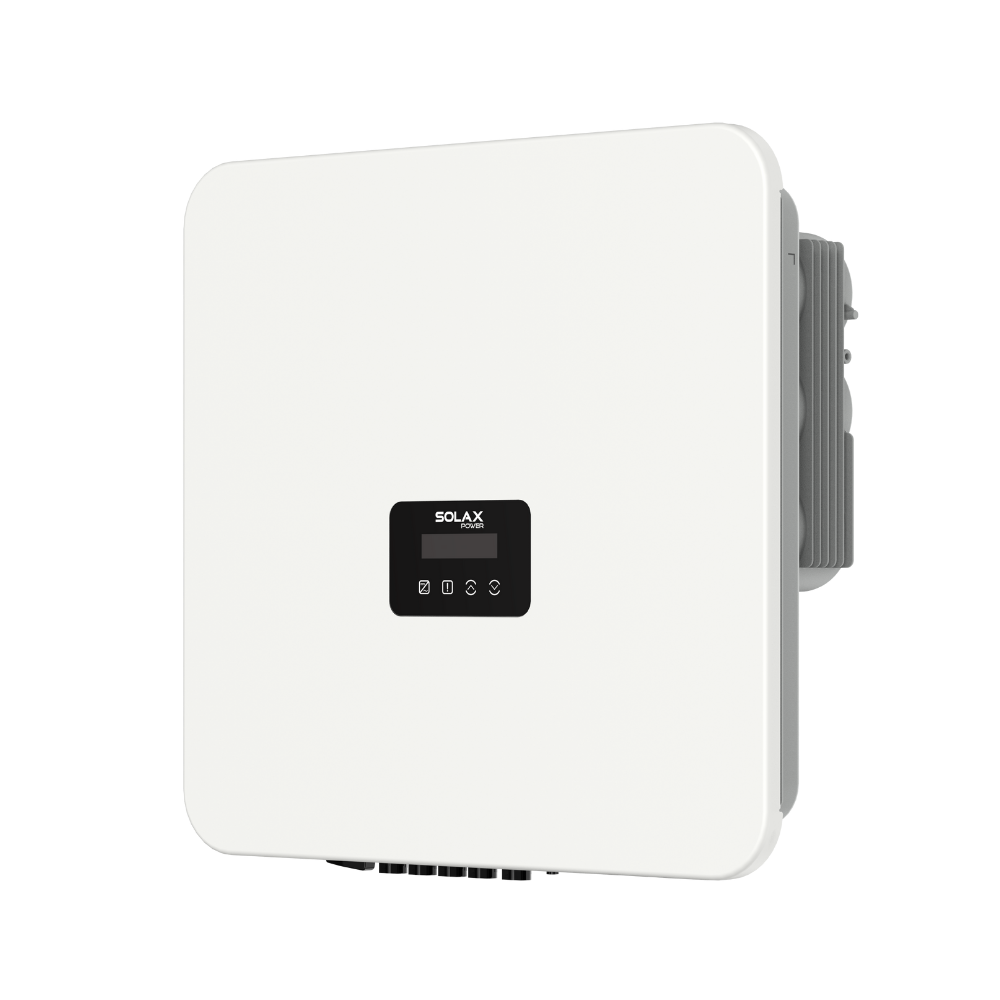
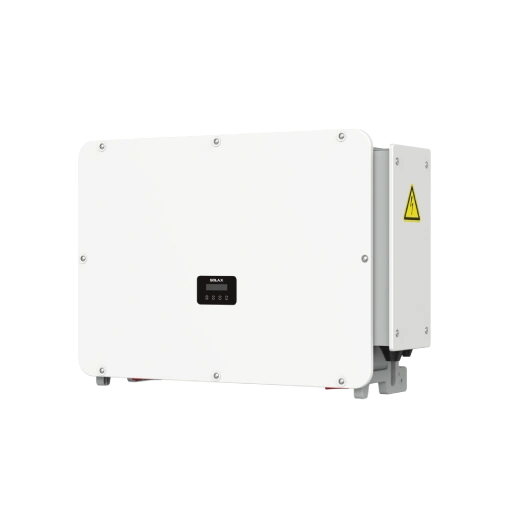
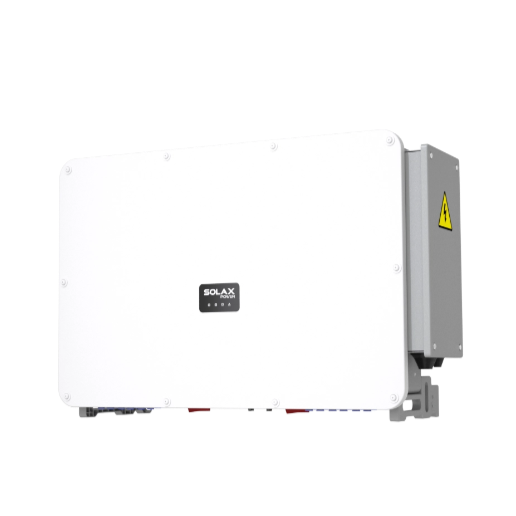
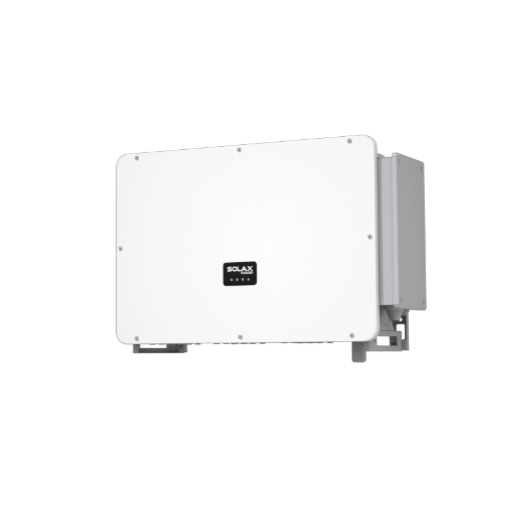
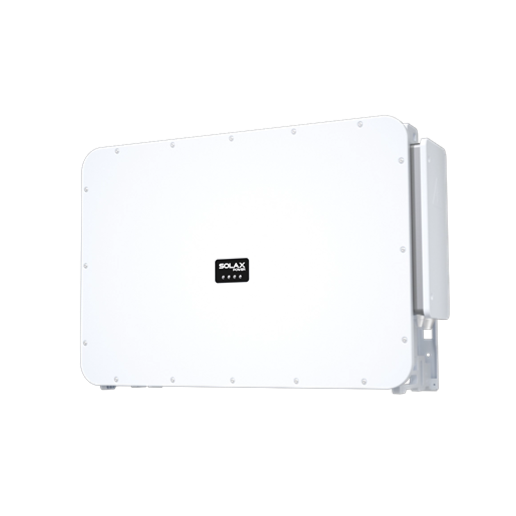
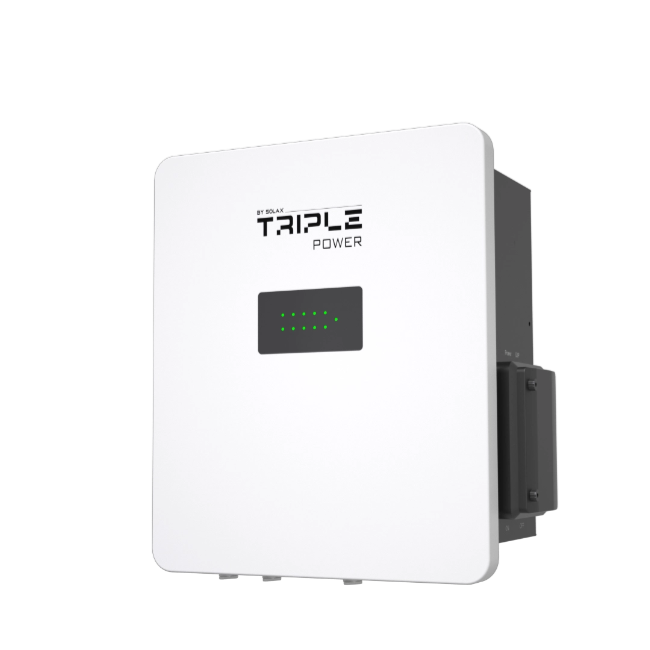
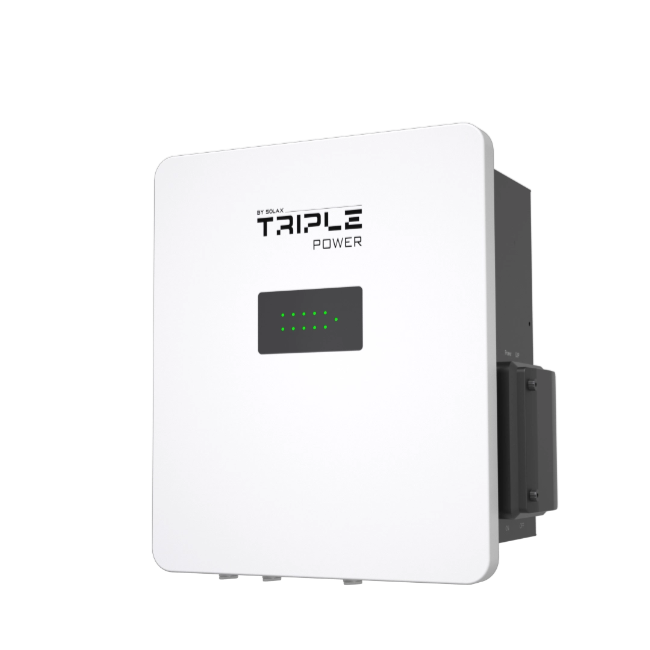
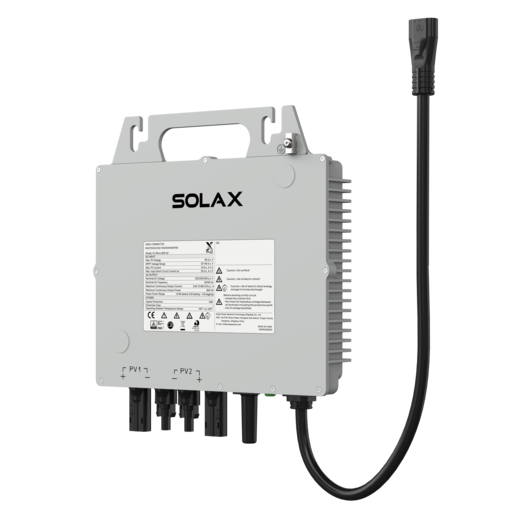
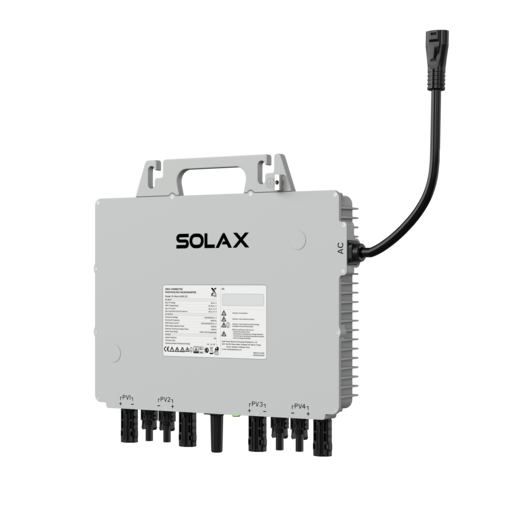
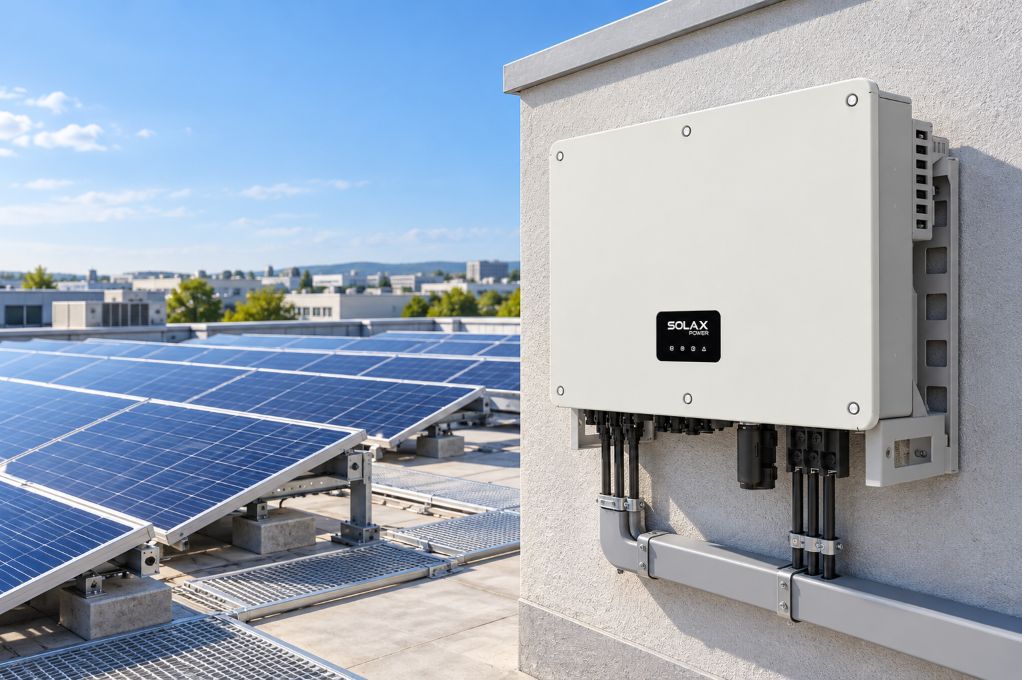
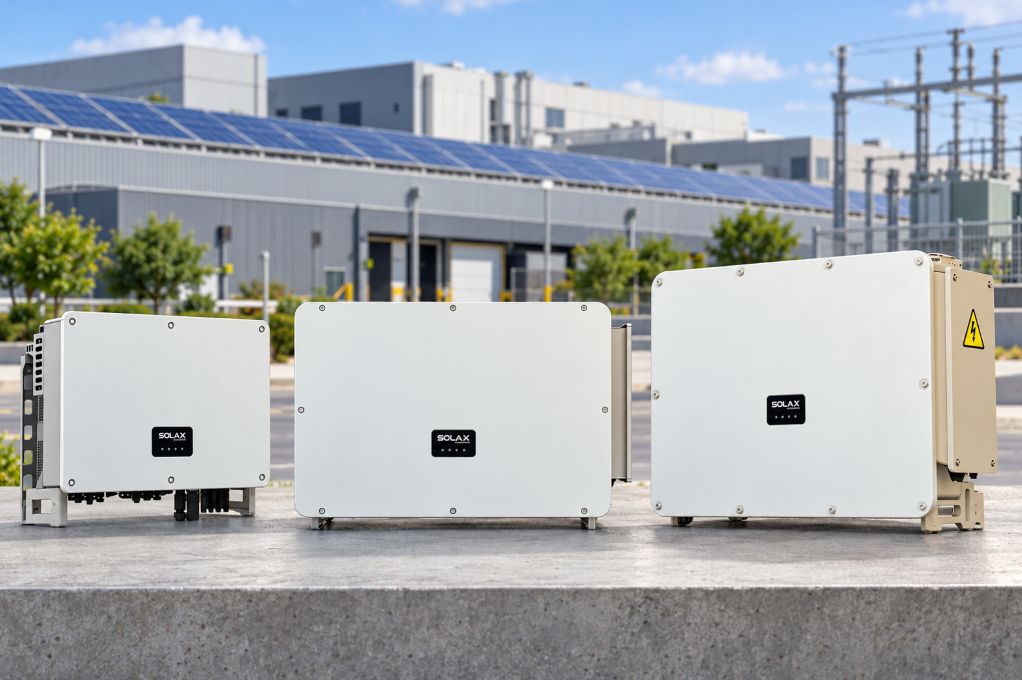
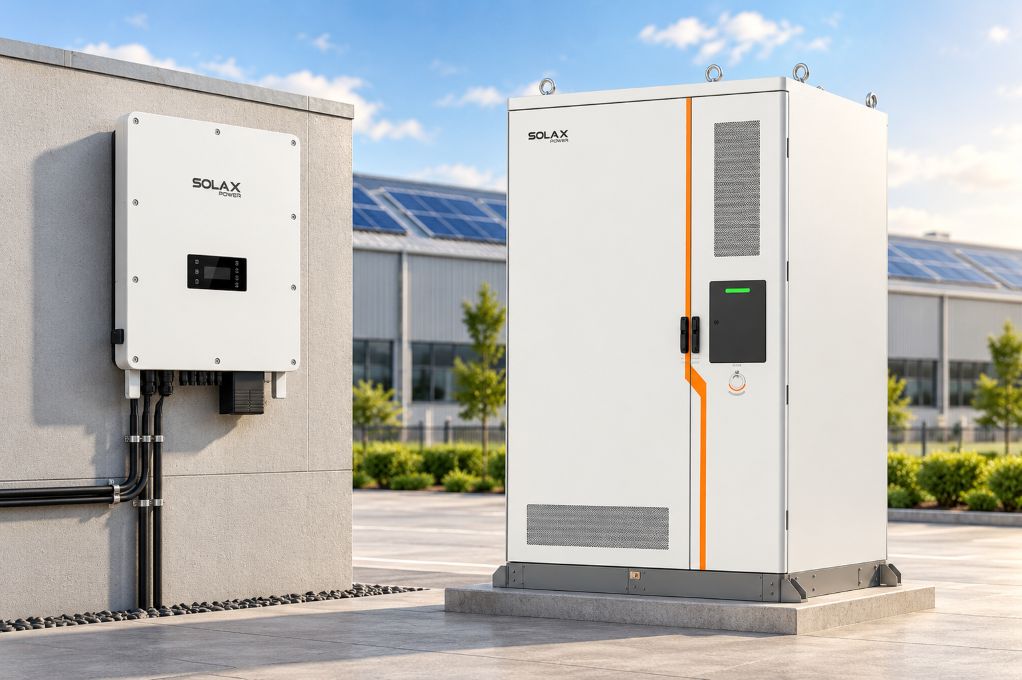
SolaX C&I string inverters suit offices, warehouses, retail units, and factories that want dependable PV generation without immediate battery integration. The UK range covers up to 150 kW, which fits medium to large commercial arrays. The focus here is practical reliability: multiple monitoring options, certified safety functions, and maintenance-minded design rather than a feature list that looks good only at tender stage.
Solar plus storage: C&I ESS inverter rout
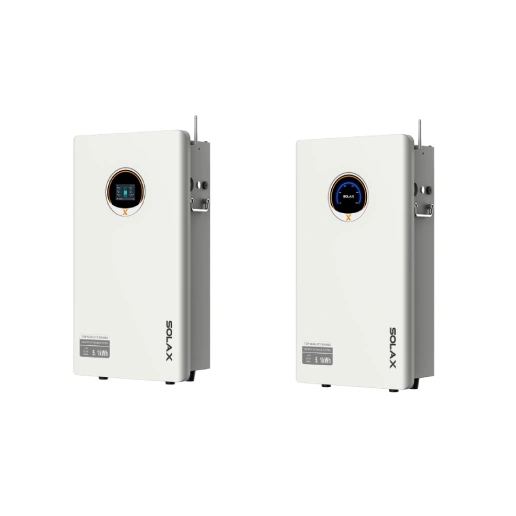
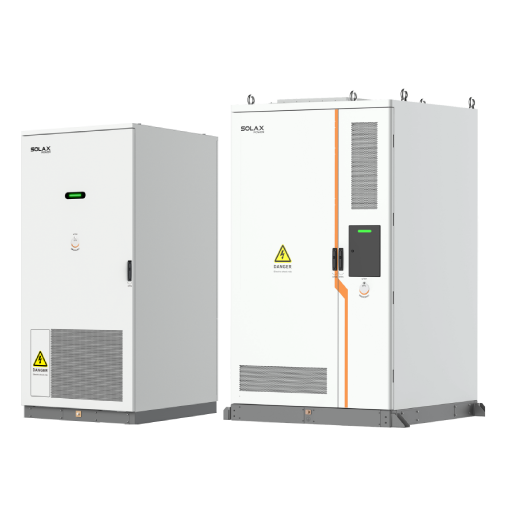
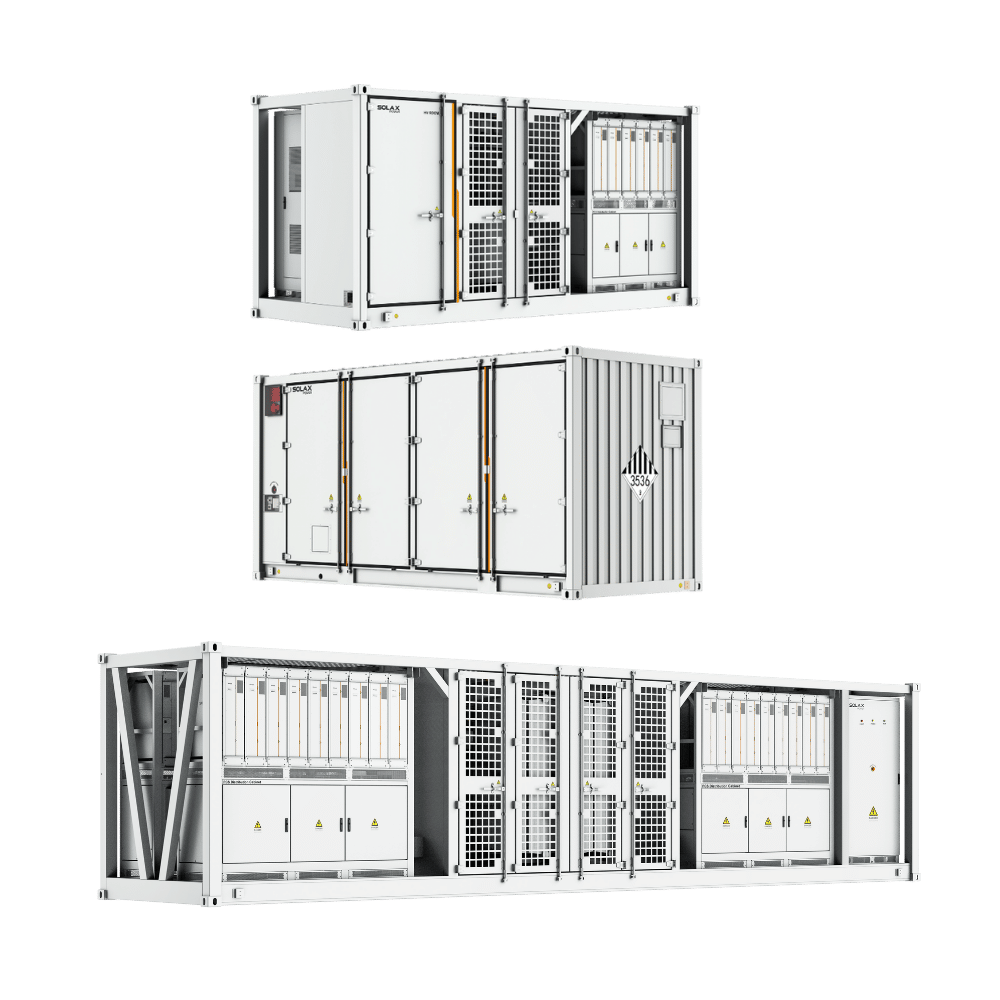
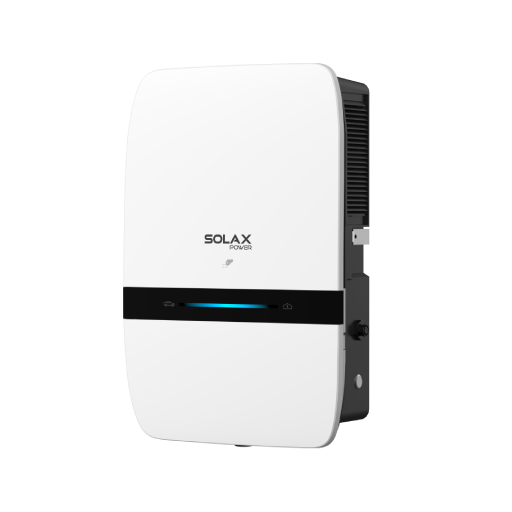
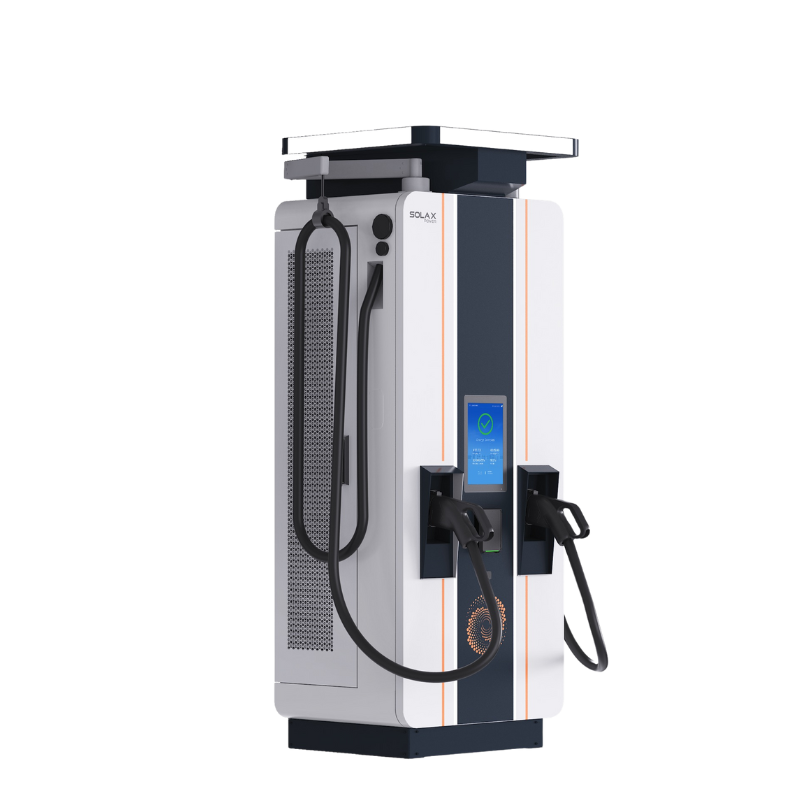
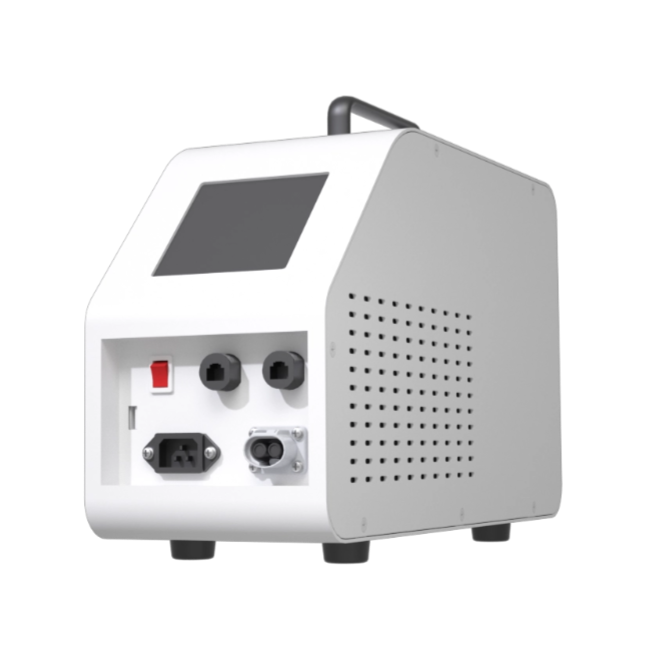
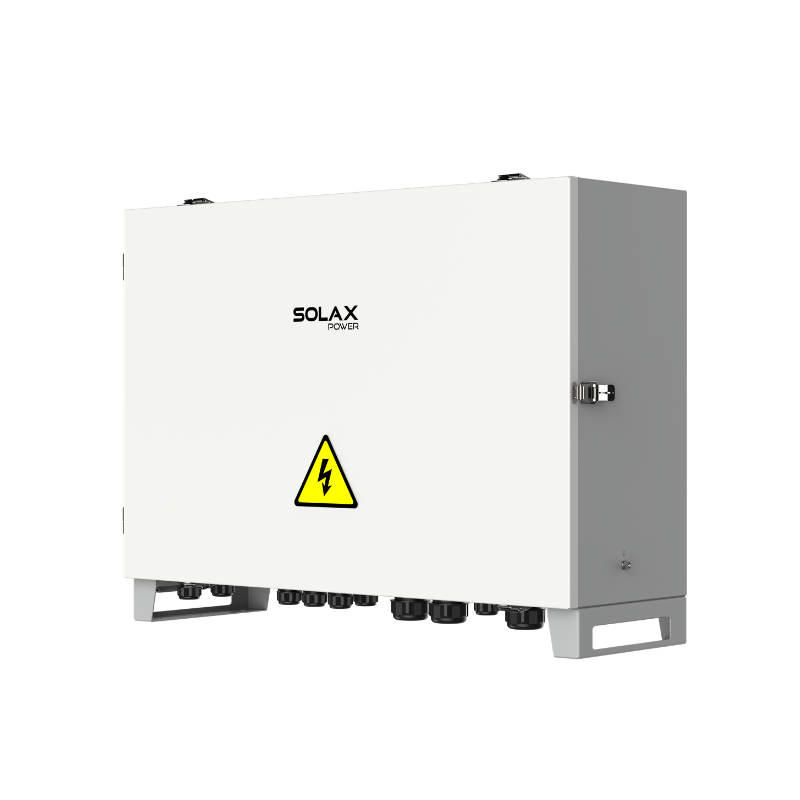
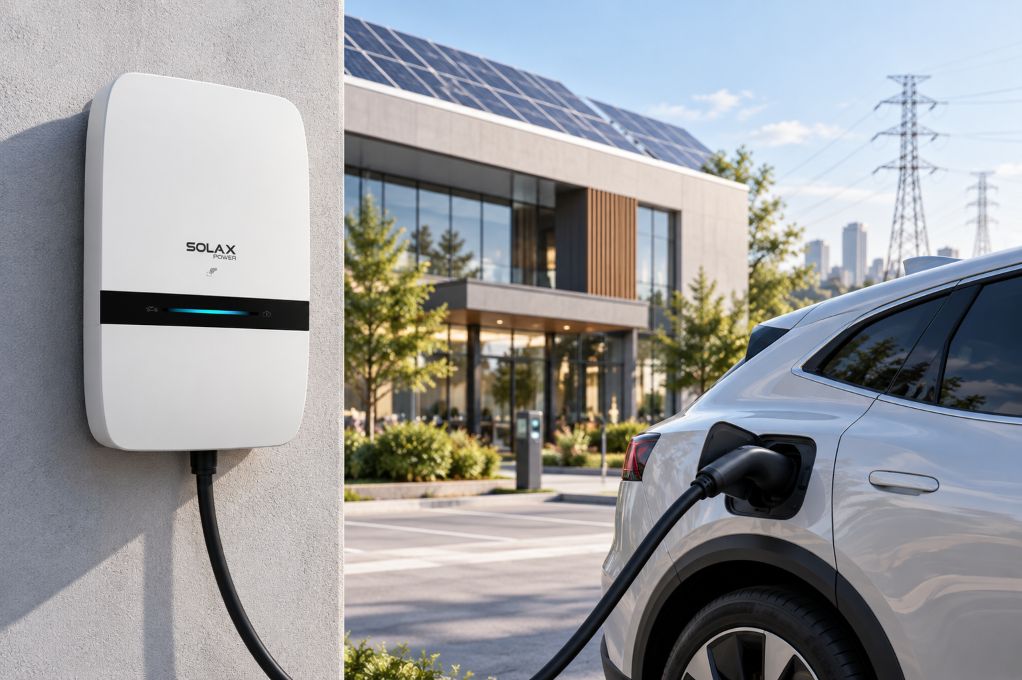
If the site faces demand charges, variable loads, or a need for backup resilience, a solar plus storage design becomes more persuasive. SolaX Commercial and Industrial All-in-One ESS support LFP battery chemistry, advanced EMS control, and integration across PV, storage, and energy management. That makes them relevant where a business wants peak shaving, energy arbitrage, or a more active energy storage system strategy rather than simple generation alone.
Modular versus all-in-one commercial storage formats
Within the SolaX ESS range, the format matters as much as the power class.
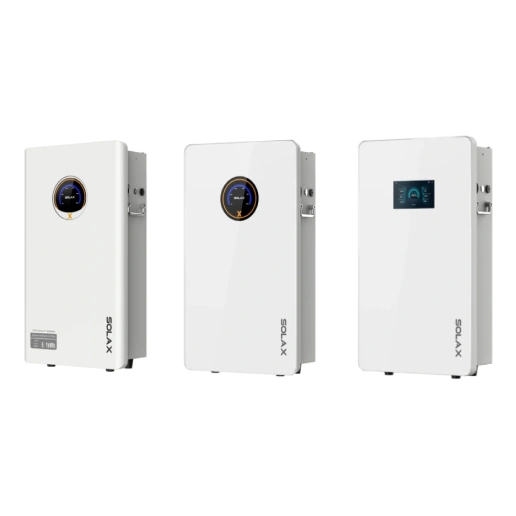
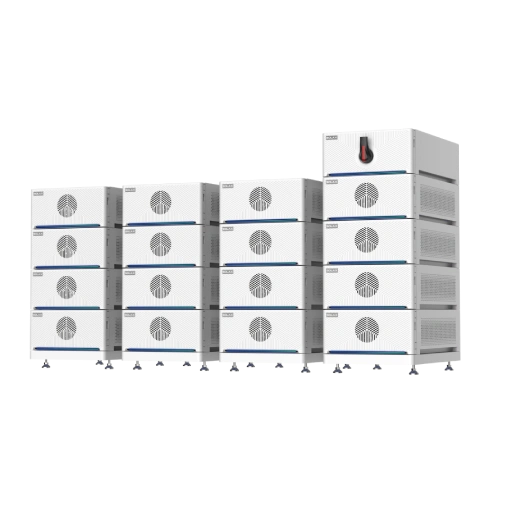
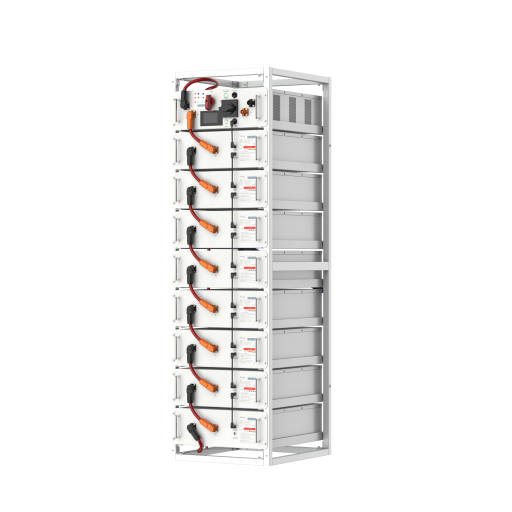
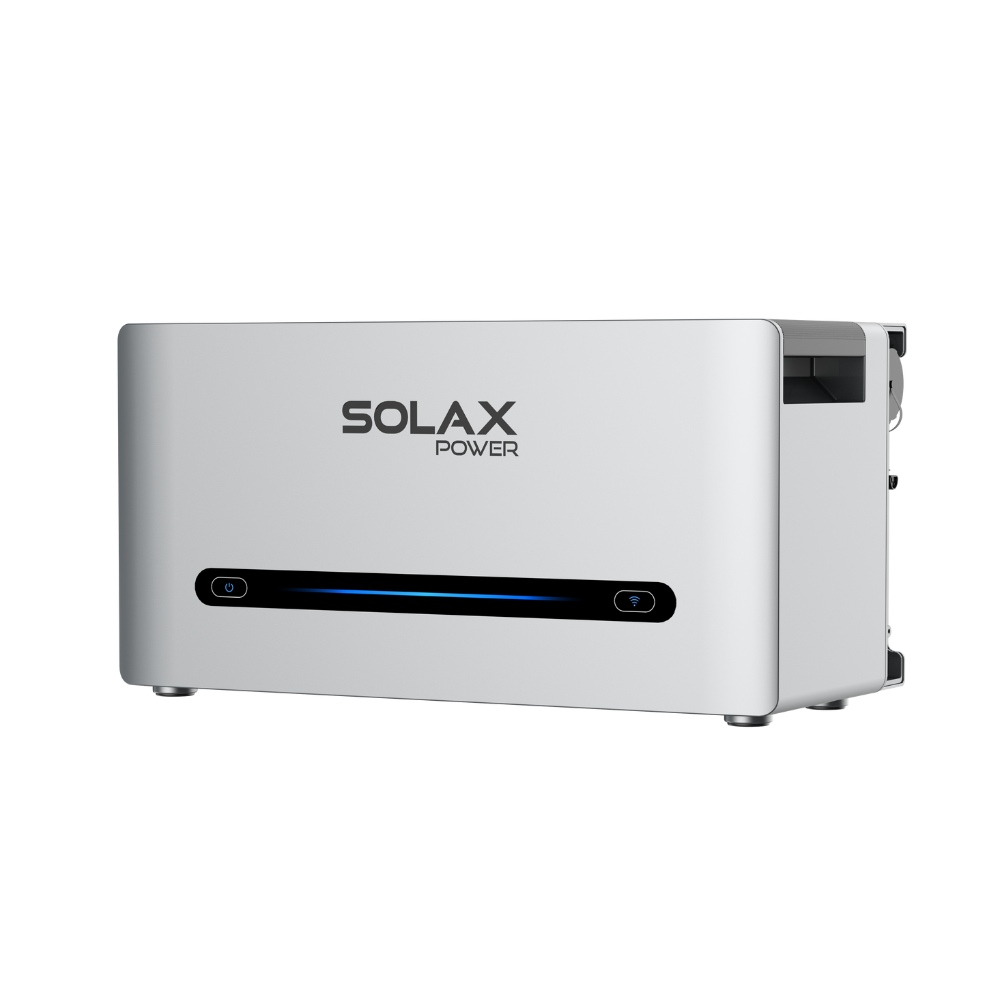
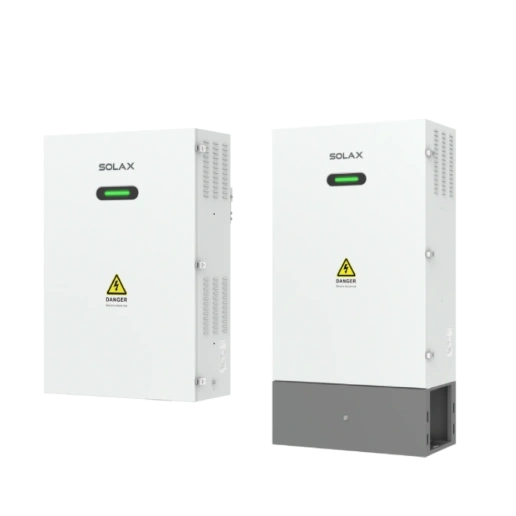
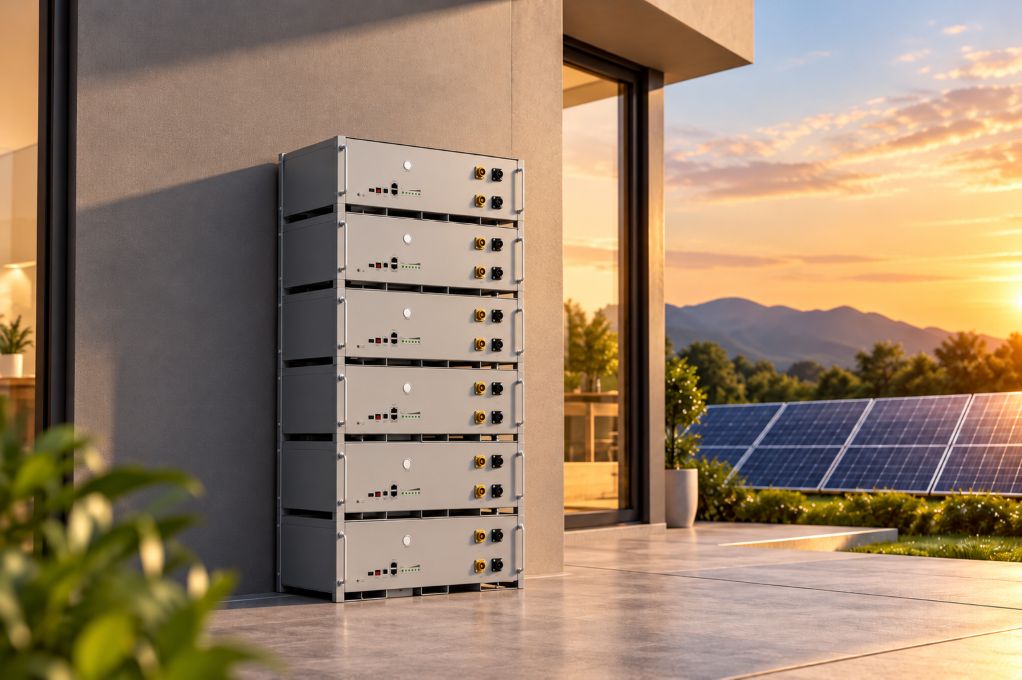
ESS-AELIO suits projects that need modular flexibility, phased expansion, or hybrid control. It is VPP-ready and supports SolaX Cloud aggregation functions.
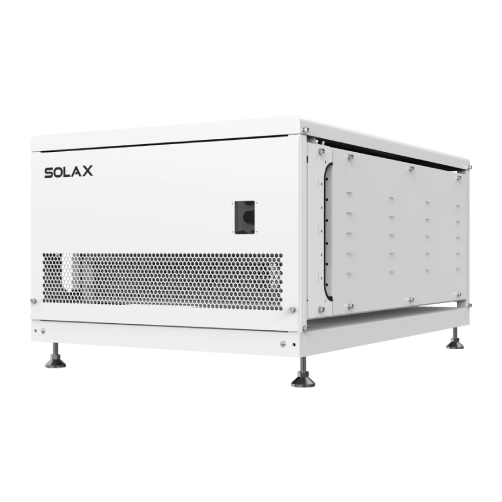
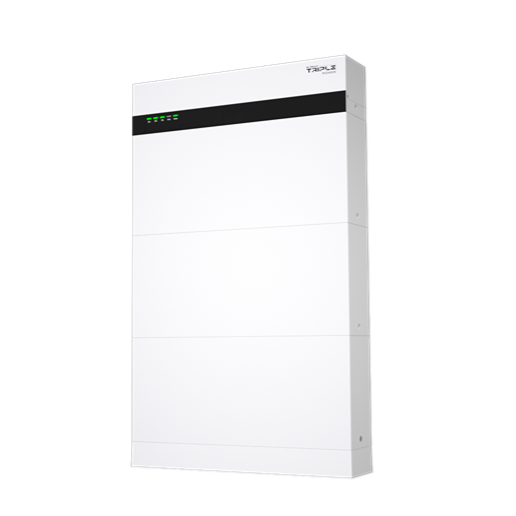
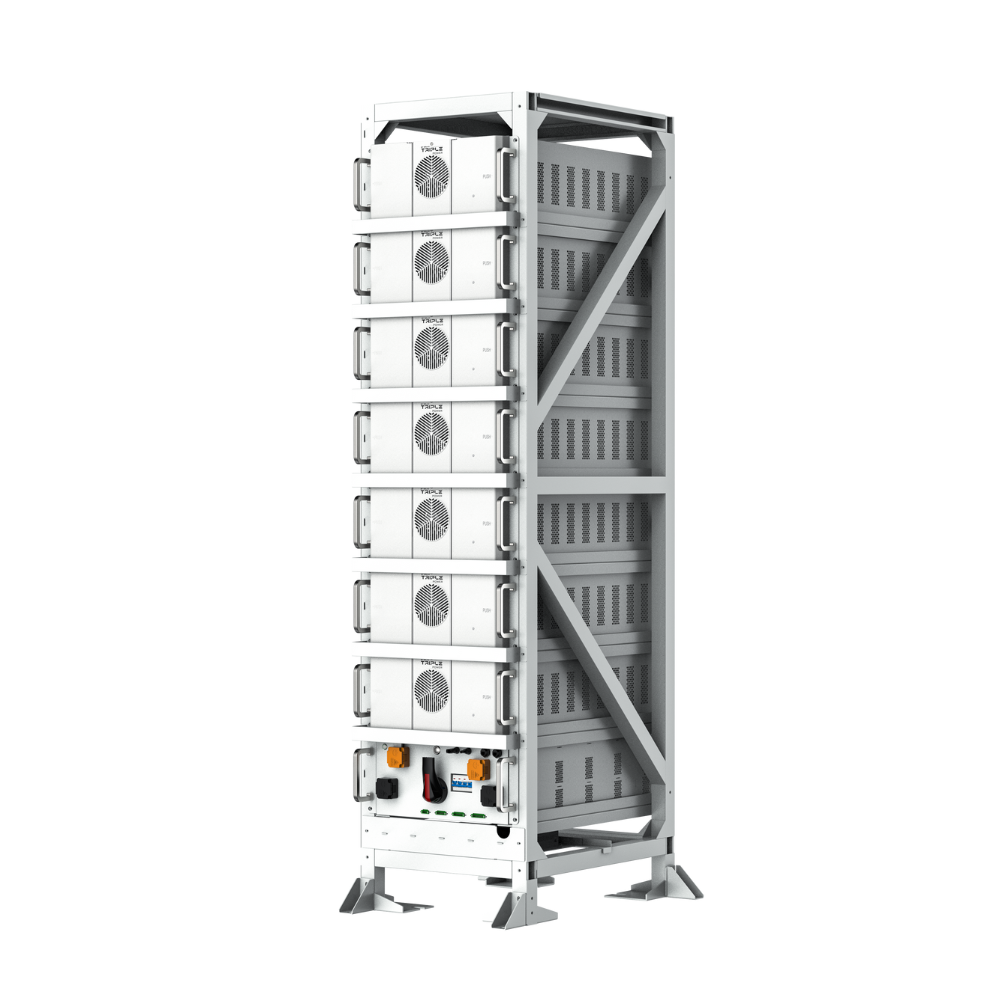
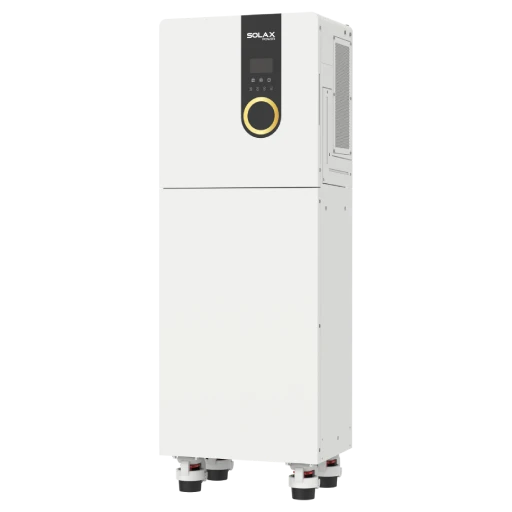
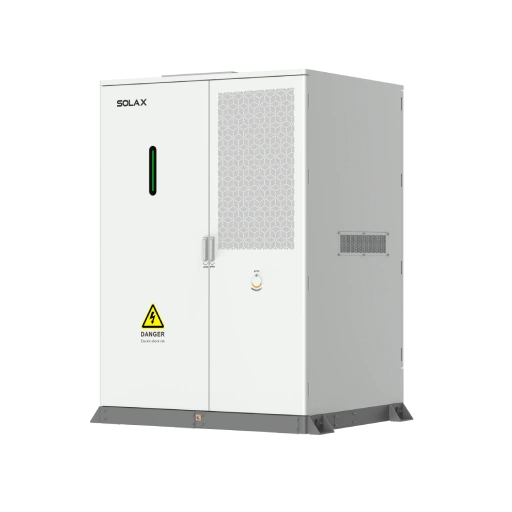
ESS-TRENE suits sites that prefer an all-in-one cabinet with integrated energy management, remote monitoring, and lower on-site integration complexity.
How to Judge Cost-Effectiveness Without Undervaluing Reliability
A lower purchase cost can be offset quickly by poor diagnostics, more engineer visits, and harder maintenance access. For commercial buyers, lifecycle reliability usually matters more than a narrow equipment saving.
Up-front price versus service burden
Check these points before treating one option as more cost-effective:
whether monitoring supports quick remote fault identification
whether plant access allows safe servicing
whether the cooling and protection design suits the site environment
whether storage expansion was planned from the start
SolaX addresses this with self-cleaning fans, removable protection nets, multiple monitoring options, and smart O&M functions on ESS products. Moreover, the TRENE line integrates remote monitoring and intelligent energy management to reduce maintenance overhead in day-to-day operation.
Warranty terms that deserve a closer look
Warranty comparisons only help if you read the operating conditions properly. Some current UK and Ireland SolaX terms list 5 years standard warranty for qualifying inverter classes, and some products may receive extended cover when connected to SolaX Cloud and successfully uploading data. However, you should verify the exact model, product class, and current UK warranty document before procurement, because terms are not identical across every inverter, hybrid inverter UK, or battery category.
The Office for National Statistics has highlighted the broader business importance of low-carbon energy adoption, so warranty clarity and uptime planning increasingly affect board-level asset decisions rather than only installer preference.
Common Specification Mistakes That Reduce Reliability
Commercial reliability problems often start during specification, not after commissioning. A few repeat mistakes can undermine an otherwise capable solar inverter or battery solution.
Frequent commercial buying errors
undersizing communications or ignoring monitoring architecture
focusing only on conversion efficiency and not serviceability
overlooking IP and corrosion ratings for exposed sites
assuming battery storage can be added later without system planning
treating warranty headlines as the full warranty picture
leaving no practical maintenance access around the equipment
Best Practices for a More Dependable Commercial Installation
Reliability improves when procurement, design, and operations are joined up from the start. Therefore, use a short pre-order checklist rather than relying on brochure impressions.
Do
Match inverter type to the site load profile and control objective.
Check SolaXCloud monitoring and communications before procurement sign-off.
Verify safety and environmental ratings against actual site conditions.
Don't
Equate lower initial cost with lower lifecycle cost.
Ignore maintenance access around plant or cabinet areas.
Mix warranty assumptions across string inverter, ESS, and battery product classes.
FAQ
Table of Contents
Latest News
Explore expert insights, practical guides, and the latest news on SolaX Power.


To the Latest Newsletter
Stay Ahead with the Latest SolaX Updates!
Subscribe
I have read and agree to Privacy Policy and User Terms