












September 16, 2026
Easiest Inverters to Commission: Top 6 Picks for UK Domestic Solar Installers
Share my #SolaXStory


Where UK domestic solar commissioning usually slows down
A domestic solar job can look straightforward at survey stage, then lose time at handover because the inverter choice was slightly off. In practice, delays often come from small issues: export setup, battery pairing, retrofit logic, or app access not being ready when the homeowner expects live remote monitoring. For a UK installer, those small snags can turn one clean visit into an avoidable return call.
This shortlist compares six SolaX options through a commissioning lens rather than a headline-power lens. The aim is to help you sort mainstream hybrid, low-voltage, retrofit, AC-coupled and more specialist models faster, so your next solar inverter decision fits the property, the battery plan and the handover workflow with less friction.
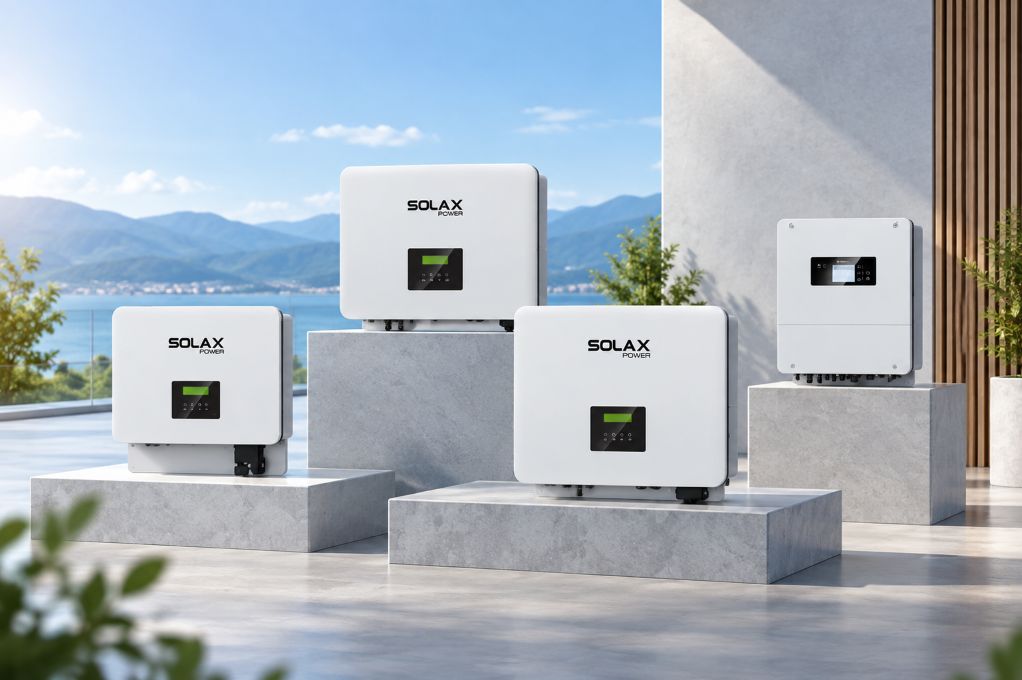
Top 6 SolaX picks for faster commissioning
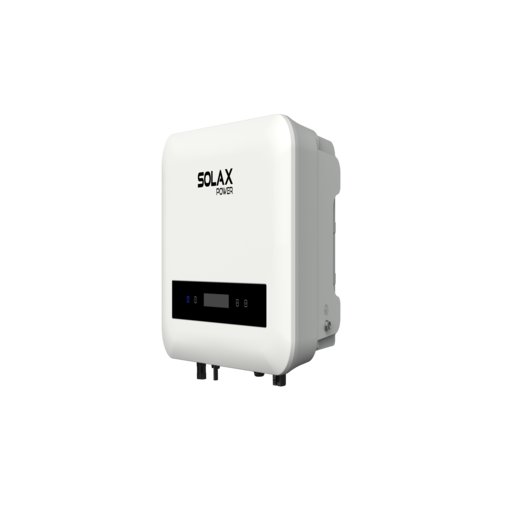
1. SolaX X1 HYBRID G4
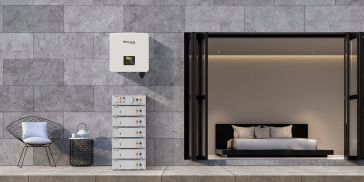
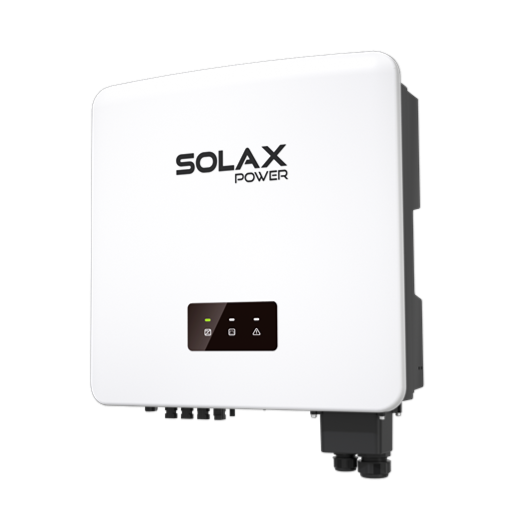
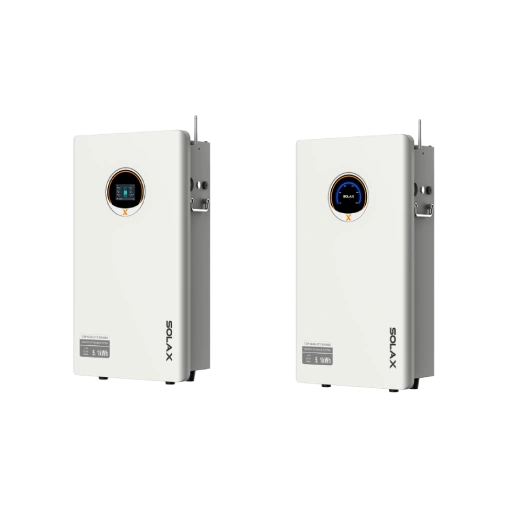
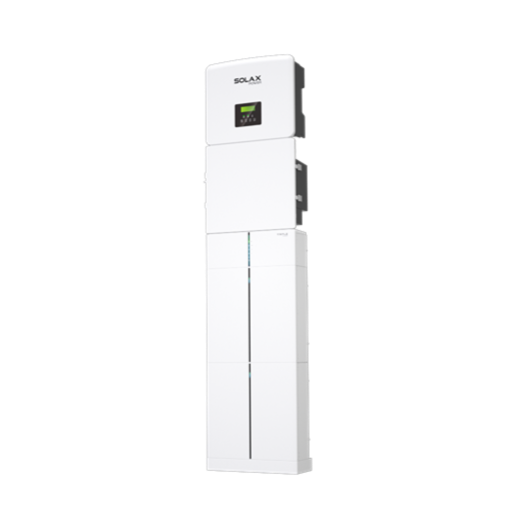
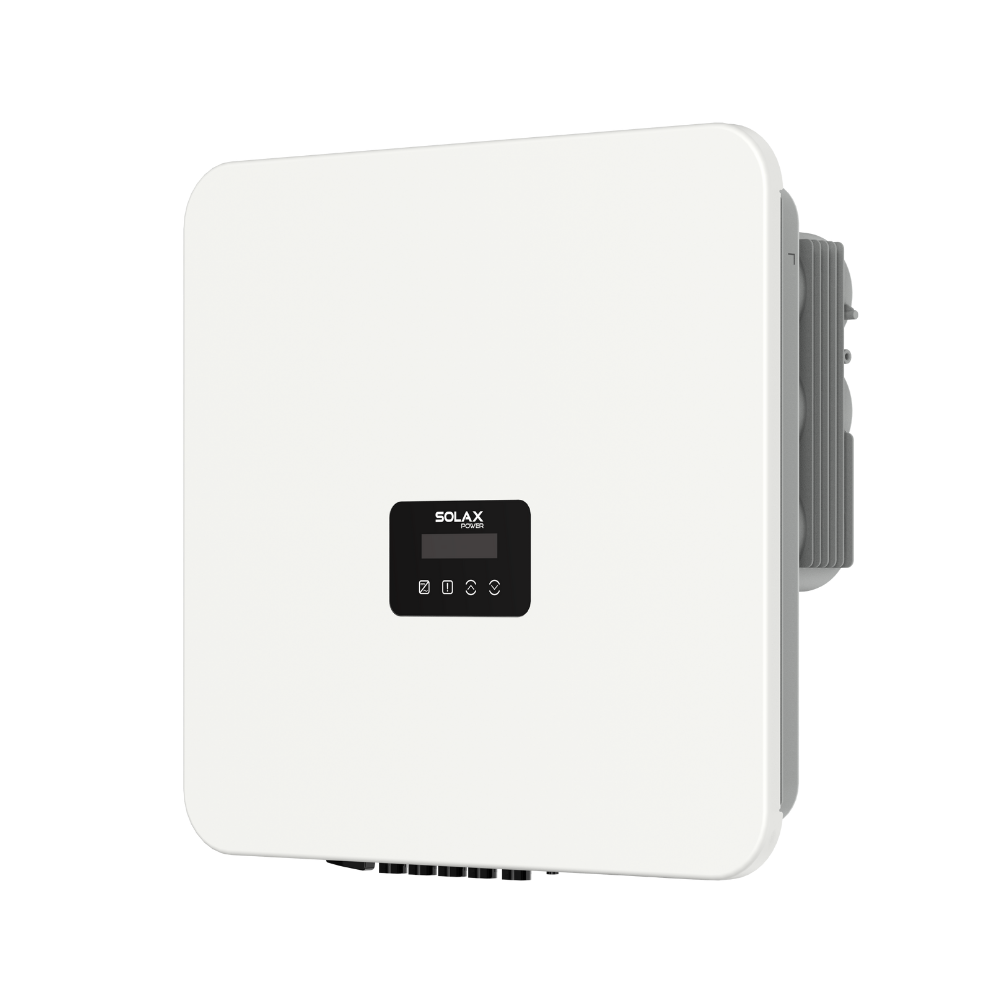
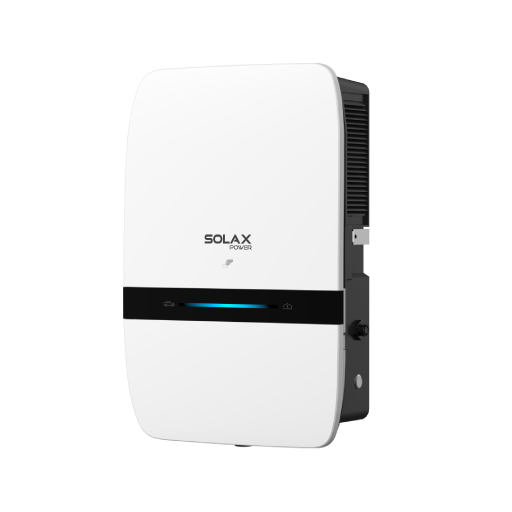
For many standard single-phase homes, this is the easiest benchmark to start from because it keeps the solar power system conversation simple. The SolaX X1 HYBRID G4 sits in the middle of the range for domestic fit, and the official line-up spans 3.0kW, 3.7kW, 5.0kW, 6.0kW and 7.5kW. It also sits naturally in monitored handovers because it is a part of a broader smart energy setup with battery, EV charger and heat pump integration.
Why it stands out
Broad single-phase range for common UK domestic solar jobs
Up to 200% PV oversizing and up to 97% charging/discharging efficiency on the official page
Clear fit for one-box hybrid installs where generation and inverter battery logic are commissioned together
2. SolaX X1 HYBRID LV
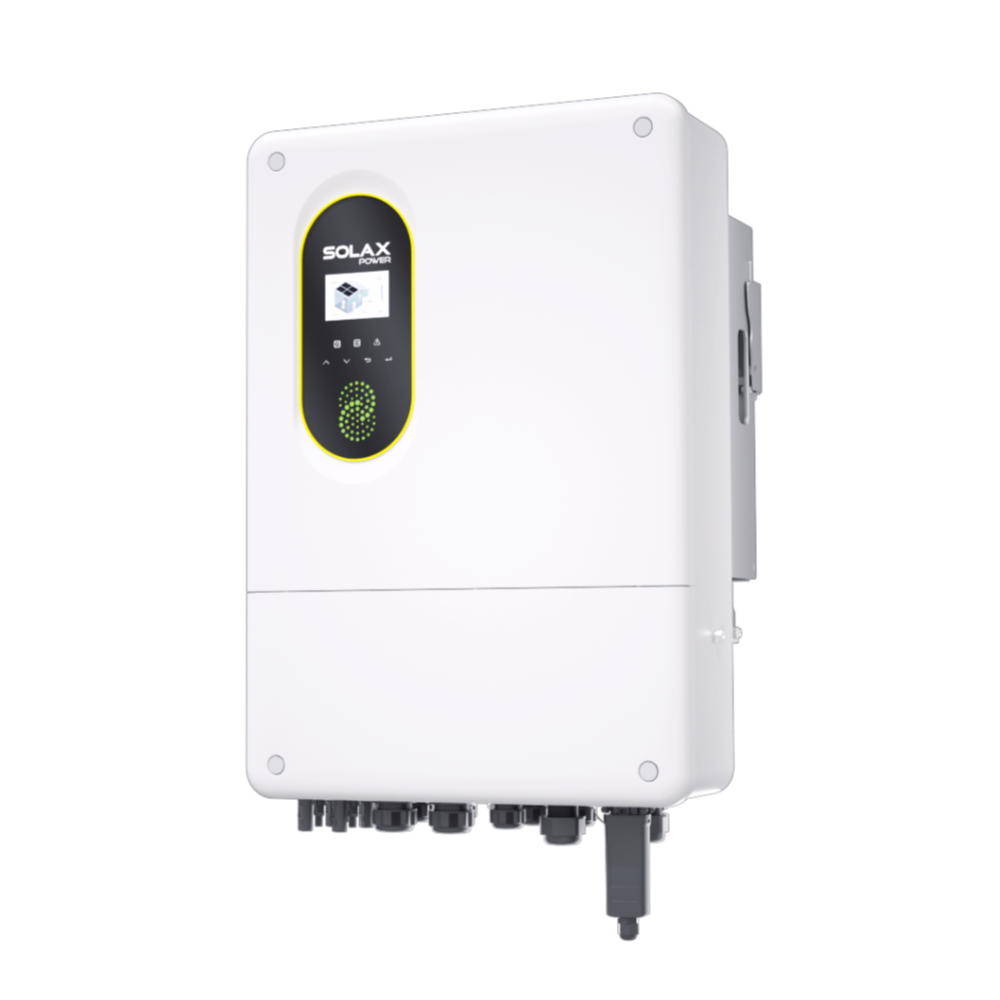
If the job starts with battery choice rather than inverter power alone, the SolaX X1 HYBRID LV is easier to position. SolaX lists it from 3.0kW to 6.0kW and highlights a user-friendly LCD screen, low-voltage hybrid architecture and generator or microgrid integration. That makes it useful when you want a simpler storage-led conversation for smaller or staged domestic solar upgrades.
Why it stands out
Low-voltage hybrid route for clearer system matching
UPS-level switchover under 4 ms and up to 120A charging/discharging current
IP65 rating, Type II SPD on AC and DC sides, and optional AFCI protection on the official page
3. SolaX X1 FIT G4
Retrofit jobs often become awkward when the proposal forces a full redesign too early. The SolaX X1 FIT G4 is easier to commission in those cases because it is framed specifically as a retrofit inverter rather than a default new-build hybrid. SolaX lists 3.7kW, 4.6kW, 5kW, 6kW and 7.5kW options, so you can keep the conversation focused on adding storage to an existing solar inverter setup without overselling a whole-system replacement.
Why it stands out
Retrofit-first logic keeps the recommendation aligned to existing PV homes
Up to 110% AC overload and up to 97.0% charging/discharging efficiency
SolaX states support for up to 150kW parallel operation and flexible on-grid/off-grid operation
4. SolaX X1-VAST
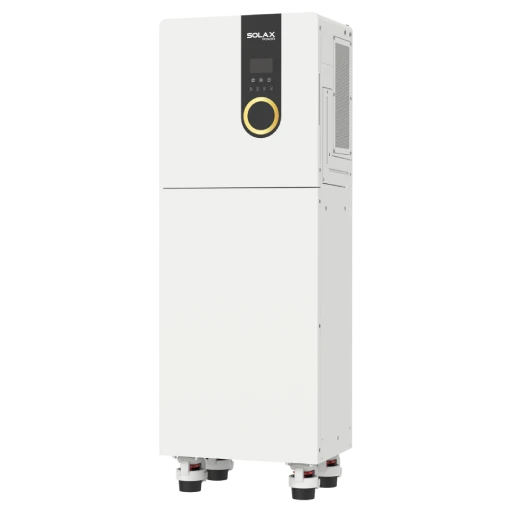
Bigger homes usually need more than a standard-size answer, especially if EV charging or heavier evening demand is likely. The SolaX X1-VAST is the capacity-up option in this list, with 5kW, 6kW, 8kW and 10kW single-phase variants on the official page. SolaX also positions it for advanced home energy systems with microgrid, generator, V2G and V2H support, which makes it easier to justify on future-growth projects.
Why it stands out
Higher-output single-phase hybrid path for larger domestic loads
Better fit when the home is moving towards fuller electrification
Useful where headroom matters more than minimum upfront specification
5. SolaX X1 AC
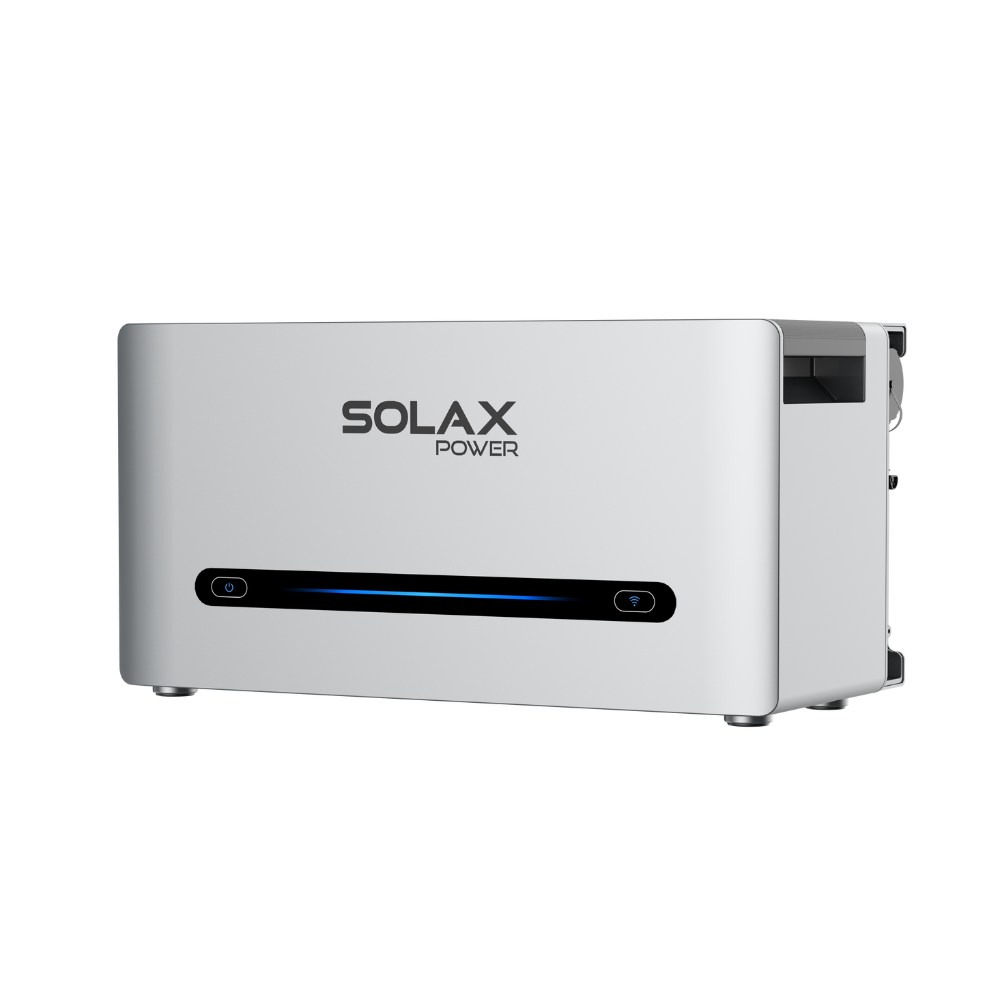
If the existing PV system is staying in place, AC-coupled storage can save commissioning time by avoiding a full DC-side rethink. The SolaX X1 AC covers 3kW, 3.6kW, 4.6kW and 5kW, and it is an AC-coupled battery inverter with natural cooling, high-voltage battery compatibility and VPP-ready positioning. That is a practical route when you want a phased upgrade with cleaner homeowner disruption control.
Why it stands out
Direct fit for battery add-ons to existing solar power systems
Natural cooling for quieter, lower-maintenance operation
Up to 97% efficiency and high-voltage battery compatibility listed on the official page
6. SolaX X1 SPT
This is the specialist boundary-setter in the list, not the universal answer. SolaX X1 SPT is around split-phase 120V and 240V output, with 3kW, 3.6kW, 6kW and 7kW variants, plus features such as switchover under 20 ms, 150% PV oversizing and built-in shadow tracking. For UK domestic solar installers, that makes it useful mainly as a reminder not to over-generalise when a model is clearly designed for a narrower output format.
Why it stands out
Good niche option where output format is the main technical driver
5 work modes and 2 charging periods available
Up to 97.4% charging/discharging efficiency on the official page
How to choose the right solar inverter for commissioning speed
Match the architecture before the power size
The cleanest way to reduce commissioning friction is to sort the job into hybrid, retrofit or AC-coupled first. X1 HYBRID G4 and X1 HYBRID LV fit the core hybrid path, while X1 FIT G4 and X1 AC suit existing PV homes more naturally. That keeps the solar inverter discussion tied to the real site brief rather than forcing every project into the same product family.
Use roof complexity as a practical filter
Straightforward roofs usually reward broad-fit models, whereas mixed orientations and more involved array plans deserve a more design-led choice. Moreover, choosing the right architecture early often prevents later compromises in settings, monitoring and handover.
Keep the UK handover workflow in view
For eligible UK small-scale generators, the Smart Export Guarantee requires export readings, typically through a smart meter, and installations usually need MCS-certified equipment and installer certification for access to SEG payments. In addition, government guidance says installers should submit the relevant EREC G98 form to the DNO within 28 days of installation for home or small-business energy devices. Those steps make commissioning paperwork and homeowner setup part of the same workflow, not separate admin tasks.
Common commissioning friction points and simple fixes
Export settings confusion — usually starts when the inverter type did not match the site brief early enough. Filter hybrid, retrofit and AC-coupled options before design sign-off.
Return visits after handover — often happens when remote monitoring was not explained on the first visit. Build app setup into the original commissioning sequence.
Over-specified product choice — appears when a niche model is used on a standard home. Keep specialist picks such as X1 SPT clearly labelled.
Future-load mismatch — shows up when the homeowner later adds an EV or larger battery plan. Move X1-VAST higher if electrification growth is already visible.
FAQ
Table of Contents
Latest News
Explore expert insights, practical guides, and the latest news on SolaX Power.




To the Latest Newsletter
Stay Ahead with the Latest SolaX Updates!
Subscribe
I have read and agree to Privacy Policy and User Terms