





















September 16, 2026
Solar saved Europe €30 billion in gas imports. The next bottleneck is flexibility
Share my #SolaXStory


Solar generated around 282 TWh across the EU in the six months from March 2026, helping avoid more than €30 billion in gas imports. But rising curtailment, negative prices and weaker solar capture rates show that Europe's next challenge is not simply to add more renewable capacity. It is to use that electricity more effectively.
Europe got a useful reminder this summer of what solar can do for energy security.
Between 1 March and the end of August 2026, solar PV generated around 282 TWh of electricity across the EU, according to SolarPower Europe. The association estimates that this avoided more than €30 billion in gas imports for power generation, equivalent to more than €1 billion a week.
In June alone, solar supplied a record 25% of EU electricity, making it the bloc's largest source of power for the month.

That is a meaningful contribution for a region still exposed to imported fossil fuels and volatile gas prices. Solar is no longer a marginal part of the European power mix.
At the same time, the market around solar is becoming more complicated.
Several European countries are seeing more renewable curtailment, more frequent negative-price periods and weaker solar capture rates. In some markets, electricity can be very cheap in the middle of the day and much more expensive only a few hours later.
That gap is becoming increasingly important for project economics.
Europe's Solar Power Growth Is Outpacing Grid Flexibility
The issue is partly a consequence of solar's own success.
PV systems across the same market tend to produce at roughly the same time. On a bright afternoon, electricity supply can increase very quickly. Wholesale prices fall and, in some cases, turn negative.
Later in the day, solar output drops while demand remains relatively strong. Prices can rise again.
For solar asset owners, this changes the way a project should be valued.
Annual generation is still important, but it no longer tells the whole story. What matters increasingly is the price that electricity can actually earn during the hours when the plant is generating.
This is where the solar capture price becomes more relevant.
A PV project may continue to produce large amounts of clean electricity, but if too much generation reaches the market at the same time, the value of each megawatt-hour can fall.
Solar curtailment is another expression of the same problem. In some places, renewable electricity is available, but the grid cannot absorb all of it economically or technically.
Europe still needs more solar. Electrification of transport, heating and industry will require much more clean electricity over the coming years.
The challenge is that new generation now needs to be developed alongside more flexible demand, stronger grids and more storage.
Battery Energy Storage becomes more valuable as timing matters
Battery storage helps because it separates the time of generation from the time of consumption.
Solar electricity produced at midday can be stored and used later in the evening. A business can reduce grid consumption during an expensive period. A larger battery can absorb renewable generation when supply is high and return it to the grid when conditions tighten.
The technology is similar across these applications, but the business case is different.
For a household, residential battery storage may be mainly about using more rooftop solar after sunset and reducing exposure to higher evening tariffs.
For a commercial or industrial site, the same battery may support several objectives at once: higher PV self-consumption, peak shaving, time-of-use optimisation and backup for critical loads.
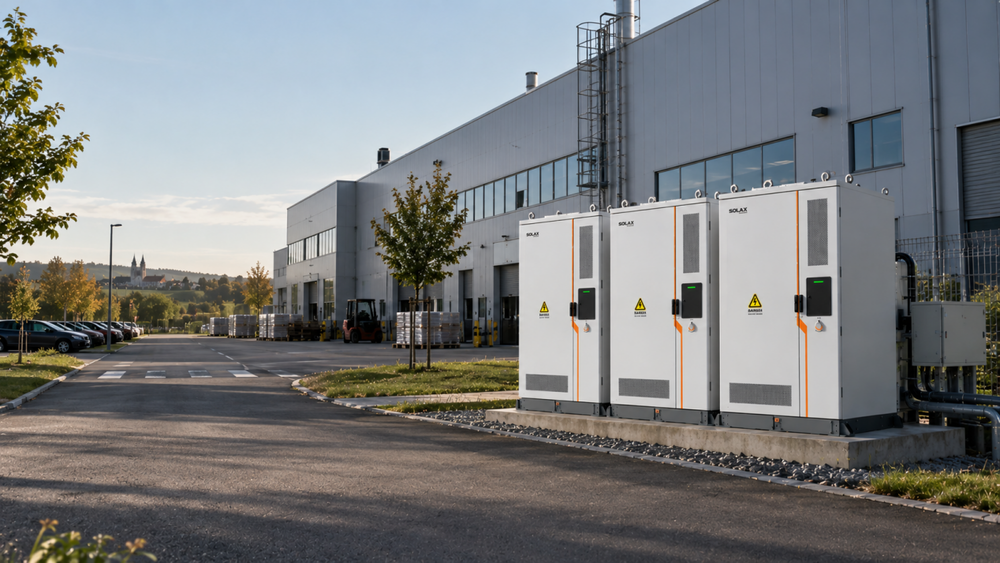
At utility scale, battery energy storage systems (BESS) can help shift renewable production between hours and support balancing or ancillary services where market rules allow.
This is why storage is increasingly becoming an energy-management issue, not just a hardware issue.
Battery size matters, but so do dispatch strategy, tariffs, forecasting, control systems and grid requirements.
For investors and asset owners, the more useful question is no longer only how much storage to install, but what value that storage can capture across different hours and use cases.
Negative electricity prices are a warning about power system design
Negative electricity prices often attract attention, but they should not be treated as the problem in themselves.
They are usually a signal that electricity supply and demand are poorly matched at a particular moment.
In a power system with a growing share of variable renewables, occasional very low prices are not surprising. What matters is whether the system has enough flexibility to respond.
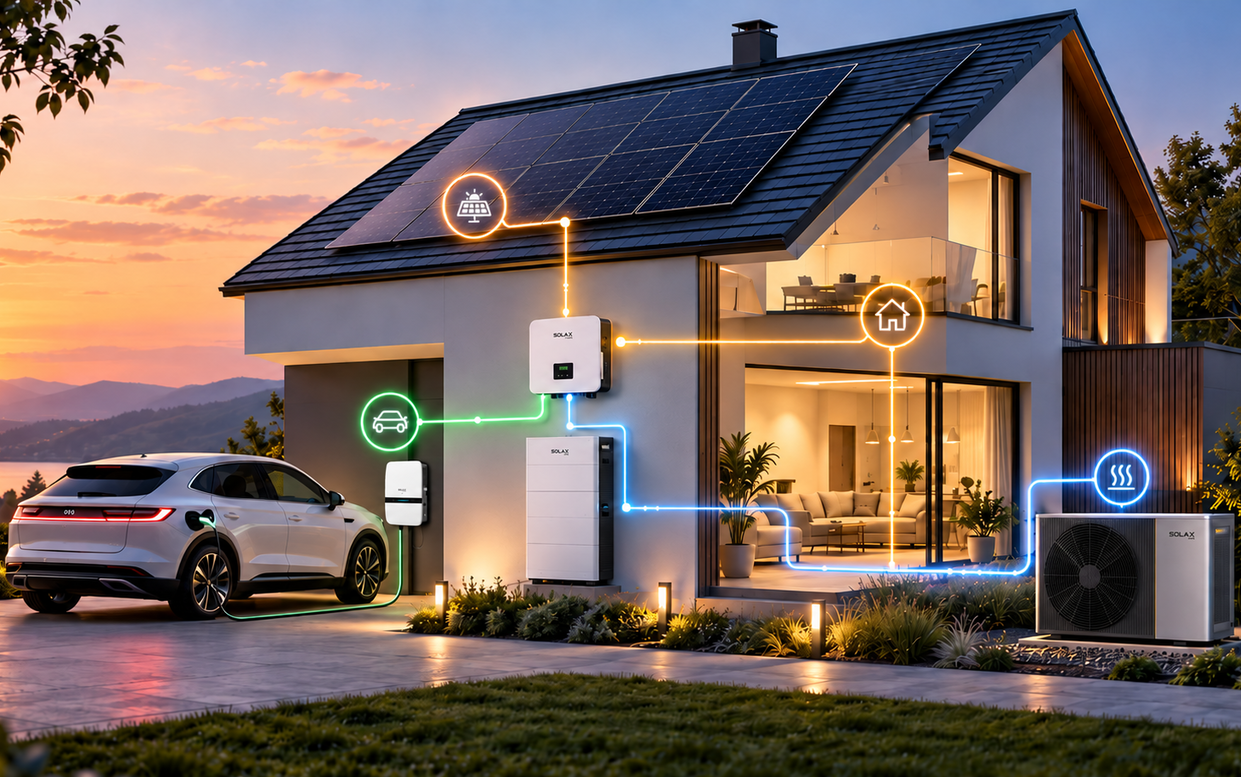
If batteries can charge, EVs can absorb power, heat pumps can run and industrial loads can shift consumption, periods of abundant renewable electricity can become useful.
Without that flexibility, curtailment and price volatility are likely to become more common.
Grid expansion remains essential, and storage is not a substitute for transmission and distribution investment. The two solve different problems.
Networks help move electricity between locations. Batteries help move it between hours.
As renewable penetration rises, Europe will need more of both.
SolaX energy storage solutions across the power system
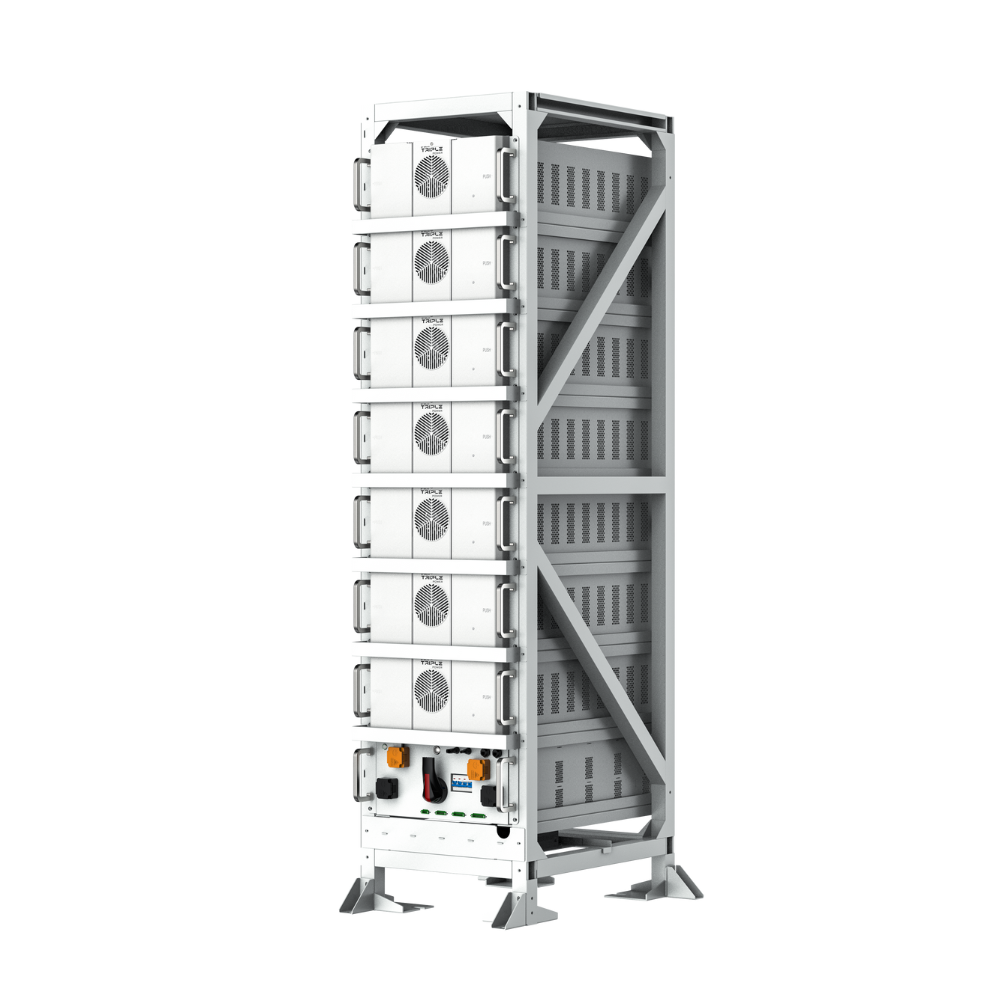
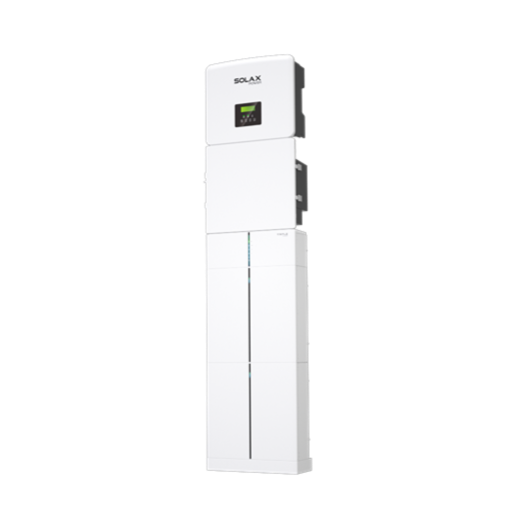
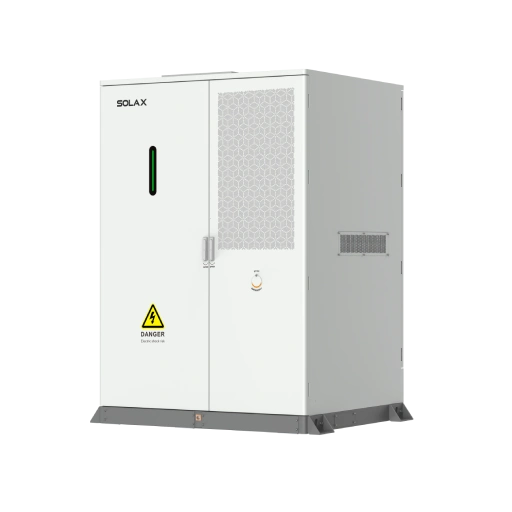
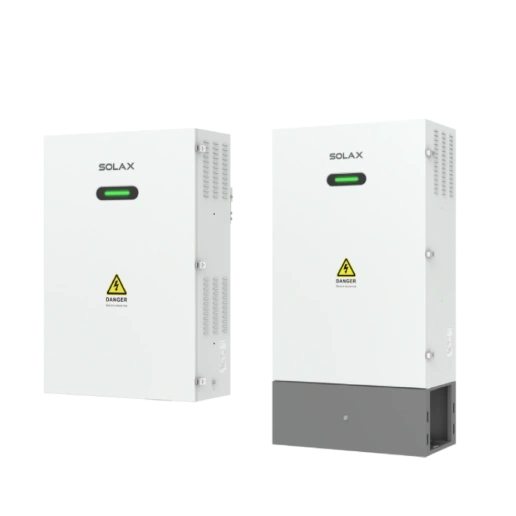
The same flexibility challenge appears at different levels of the electricity system, which is why SolaX addresses energy storage solutions across residential, commercial and industrial, and utility-scale applications.
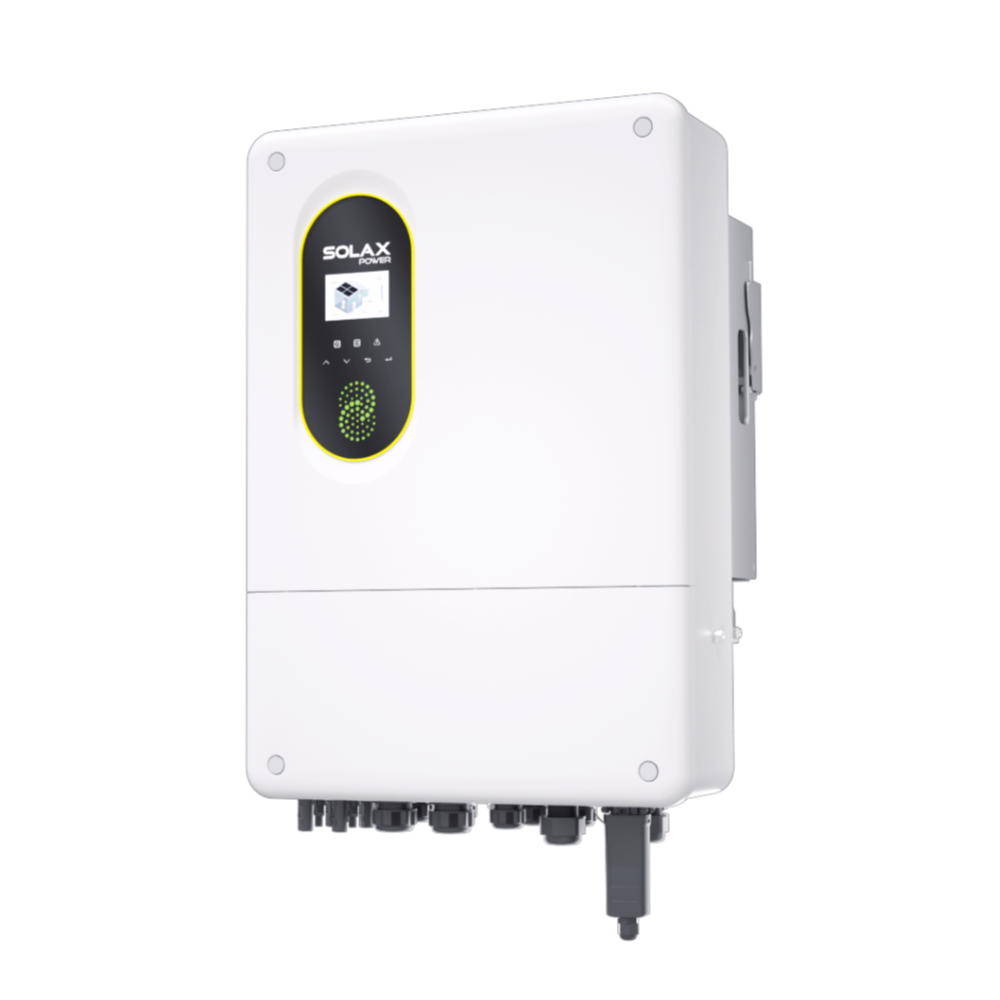
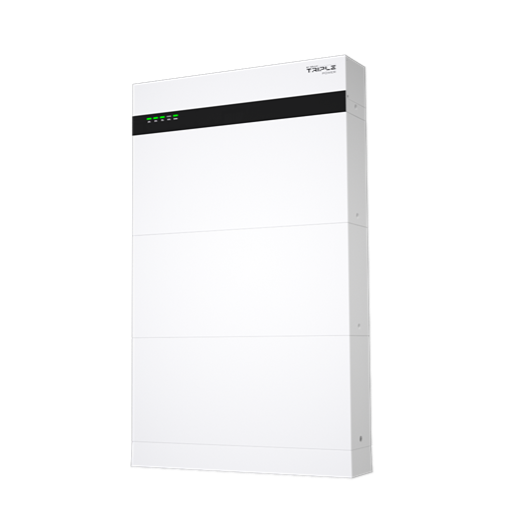
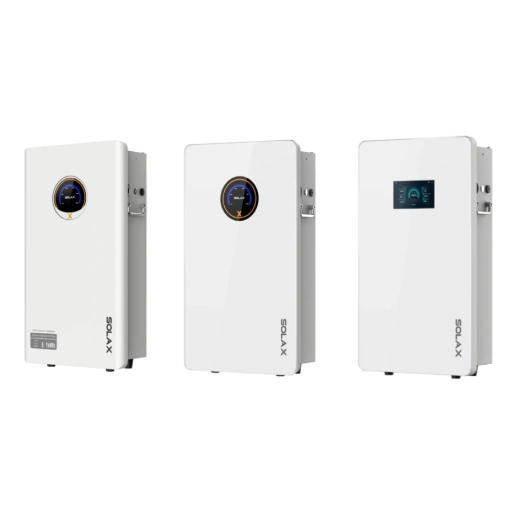
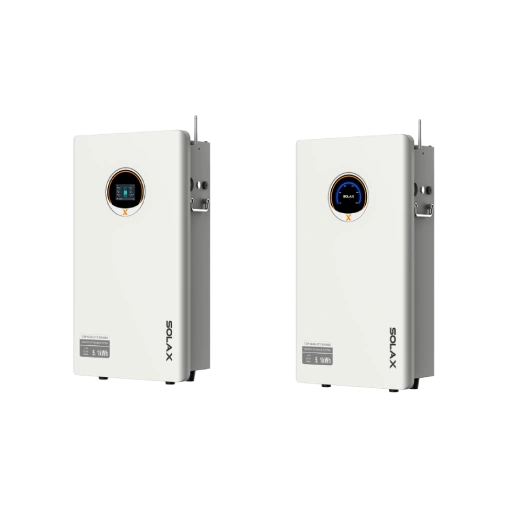
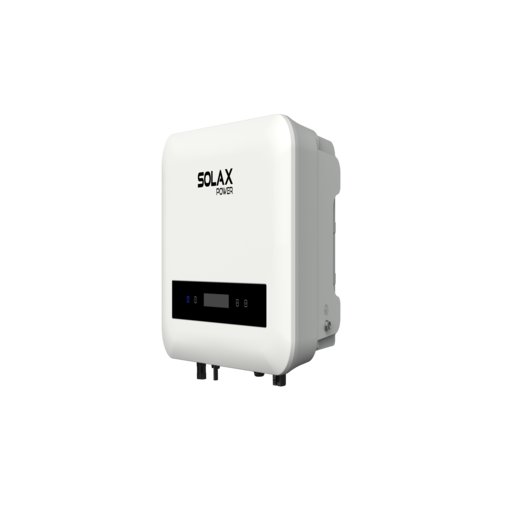
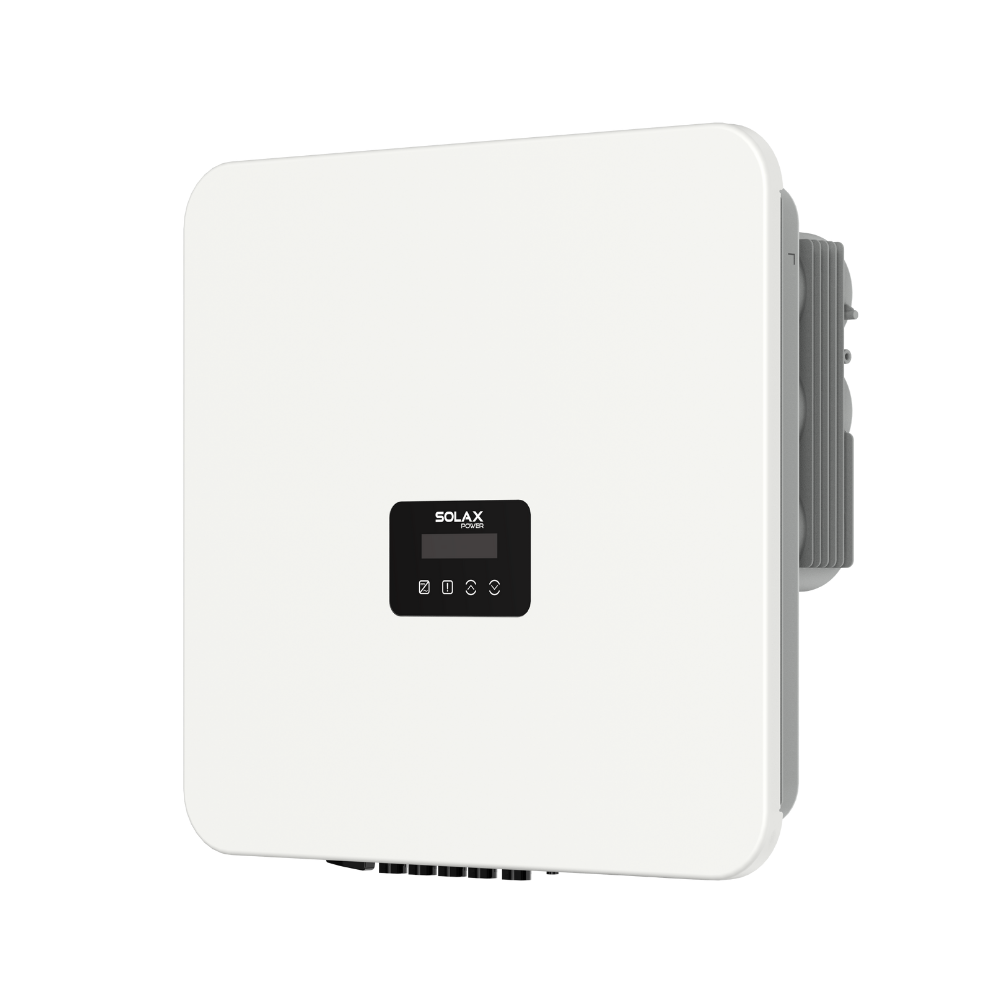
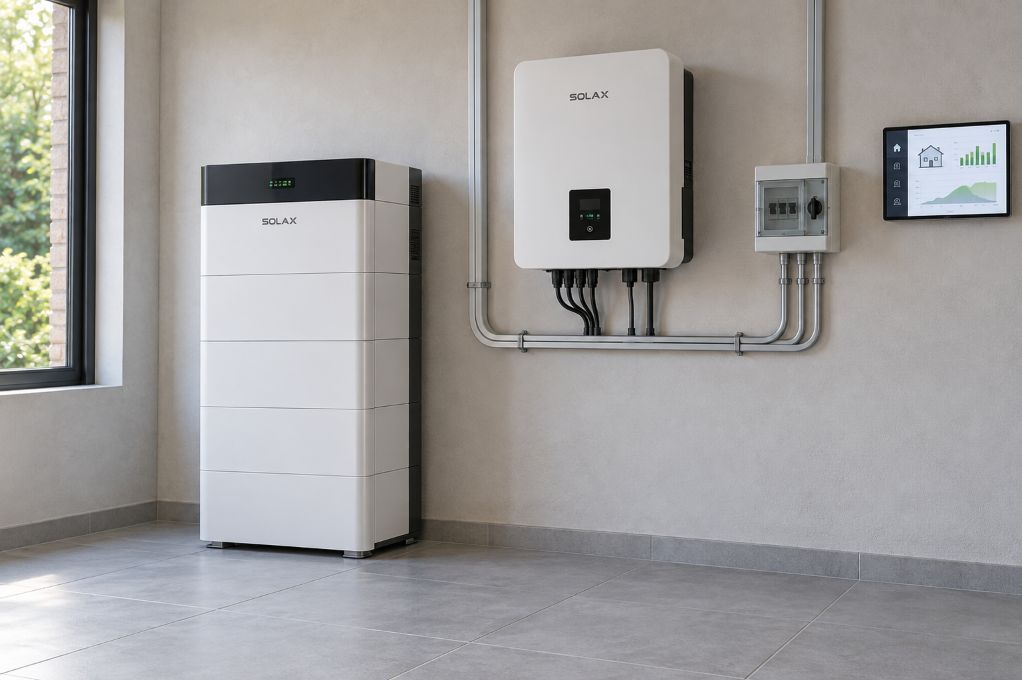
At residential level, SolaX residential energy storage systems allow surplus rooftop solar to be stored for later use, while supporting backup power and scalable capacity as household electricity demand changes. Through SolaXCloud, users can also manage charging and discharging around solar production, household consumption and electricity tariffs where supported.
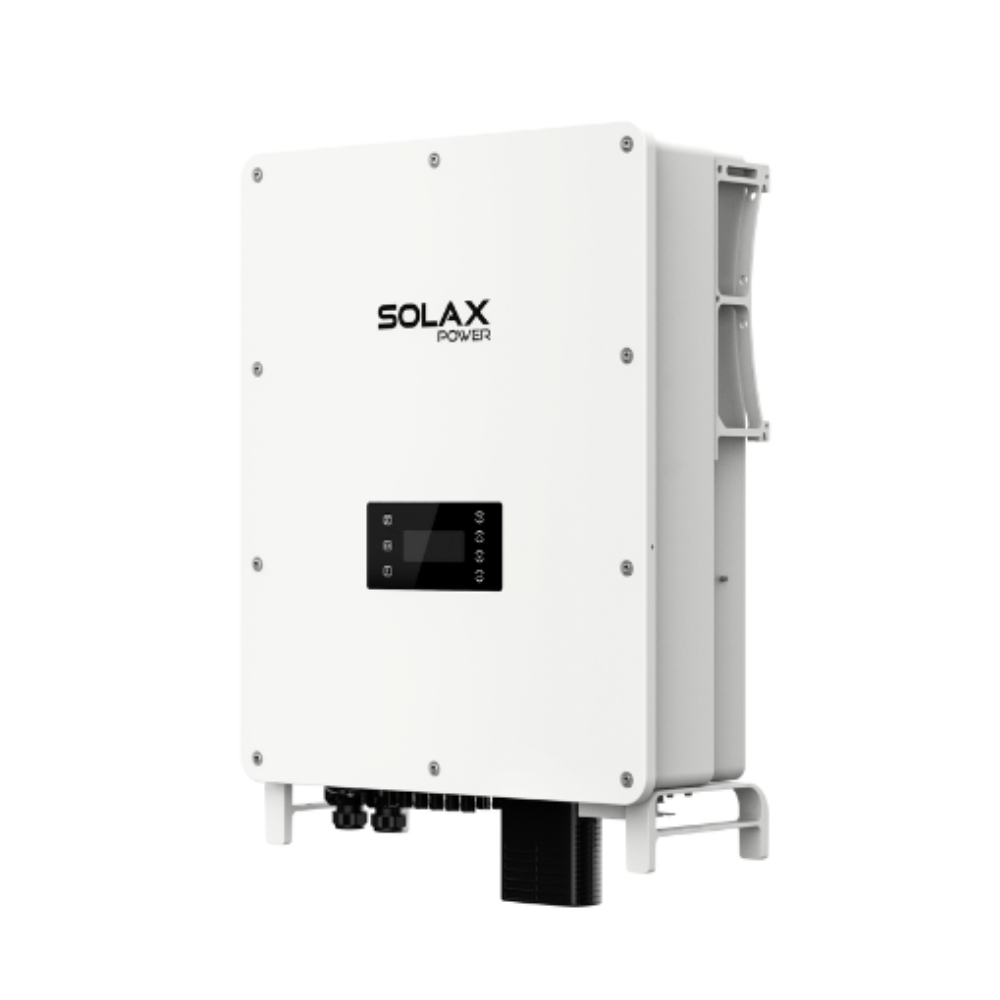
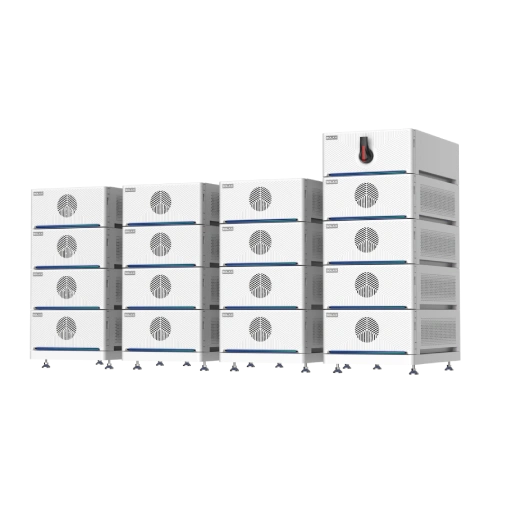
For commercial and industrial users, the focus is broader. SolaX C&I energy storage systems combines battery capacity with energy management for applications such as PV self-consumption, peak shaving and time-of-use optimization. It can also support microgrids and backup operation for sites where power continuity matters.
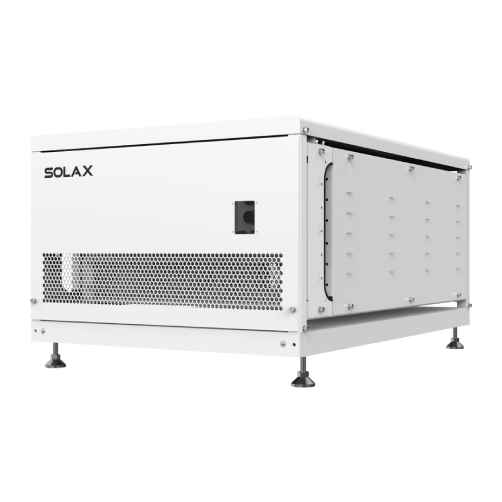
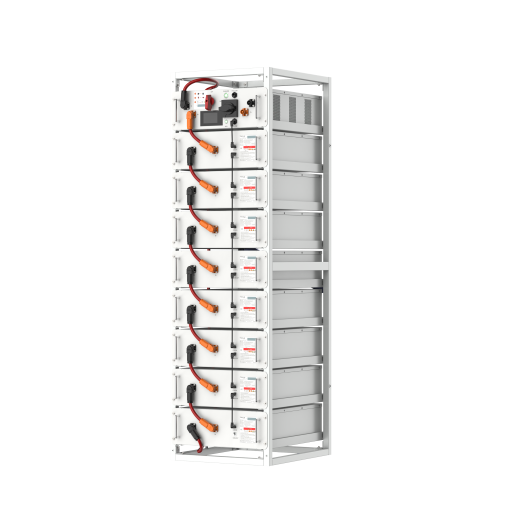
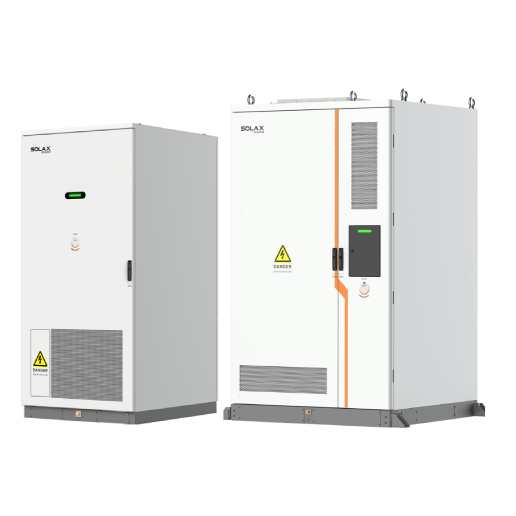
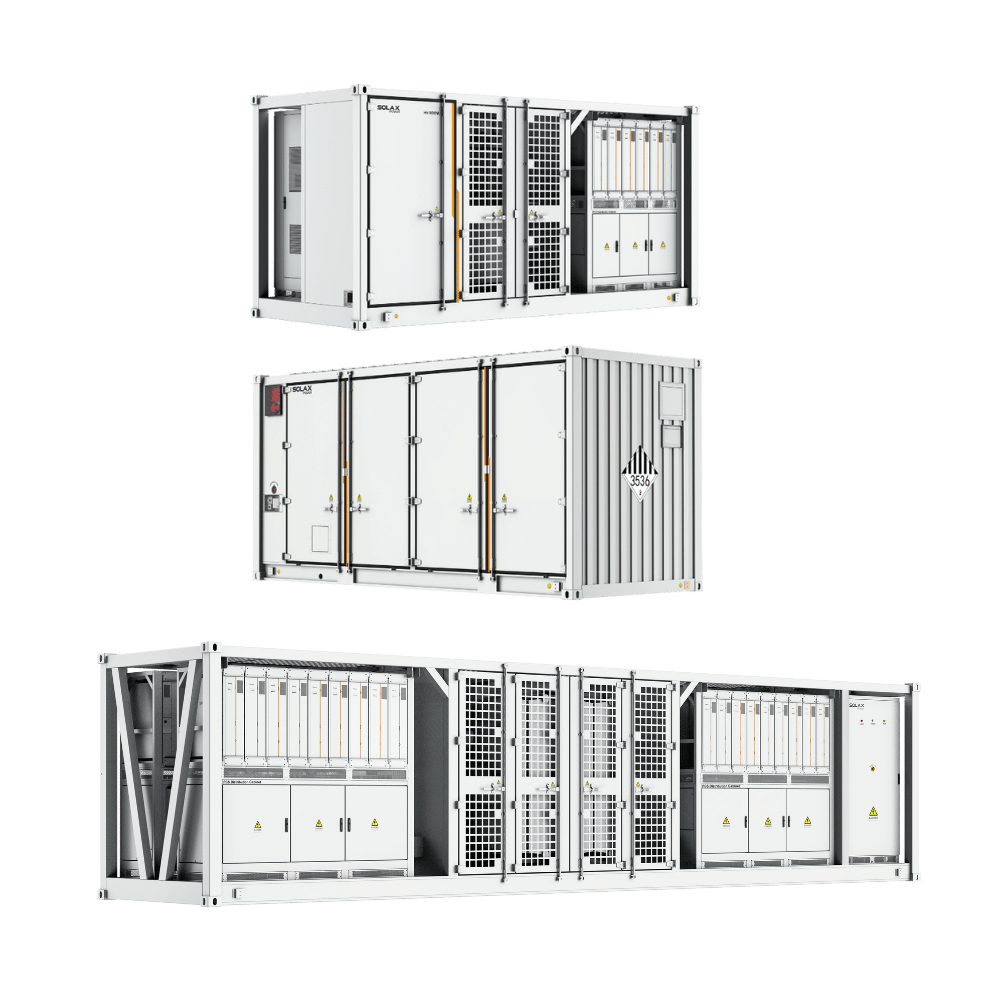
At utility scale, SolaX provides modular utility-scale energy storage solutions designed for larger renewable and grid applications, where thermal management, monitoring, system availability and safety become more important as project size increases.
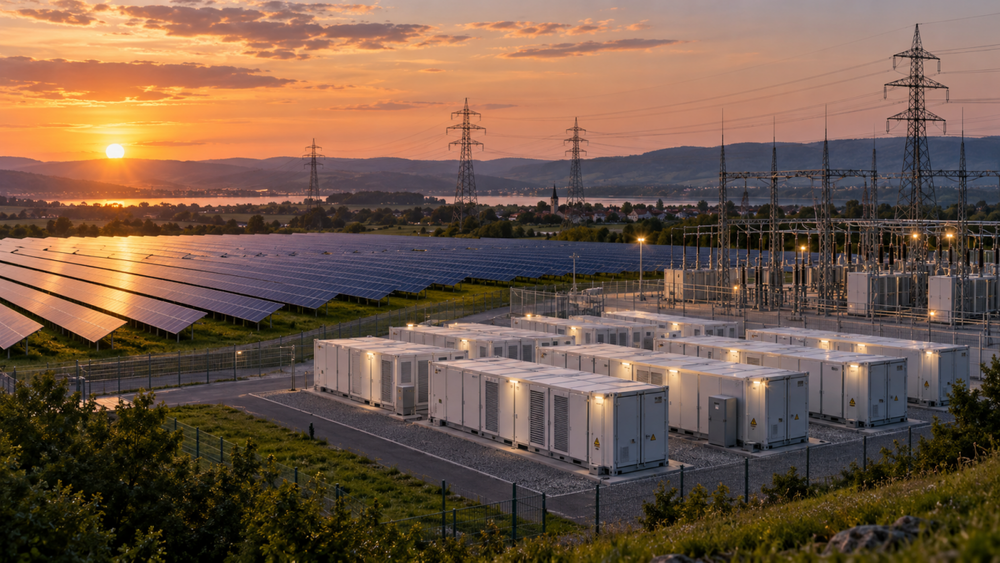
The scale is different, but the role of storage is similar in each case: making electricity available when it is more useful.
For a household, that may mean after sunset. For a factory, it may be during a production peak. For a developer or grid operator, it may be when renewable output falls and system demand starts to rise.
That is where storage starts to become an operating asset rather than simply additional capacity.
Europe's next solar challenge is making clean electricity more usable
For years, renewable progress in Europe was largely measured in installed gigawatts.
That was a useful measure when the main task was to build enough wind and solar.
It is becoming less complete now.
Developers increasingly have to think about capture prices and grid constraints. Businesses are looking more closely at how onsite generation matches their load profile. Households are becoming more exposed to dynamic tariffs as EVs, heat pumps and batteries change the way electricity is consumed.
The €30 billion reduction in gas imports shows why Europe should continue expanding solar. More domestic renewable electricity means less exposure to imported fuel and international gas-price shocks.
But the growth in curtailment and negative prices shows that generation alone will not complete the transition.
Europe still needs more solar. What is changing is the question that comes next: how much of that renewable electricity can be used when it has the greatest value?
Storage will not solve every problem in the power system. Europe will also need faster grid development, more flexible demand, deeper electrification and market rules that reward flexibility.
But batteries address one increasingly important weakness of variable renewables: timing.
They do not create another kilowatt-hour of clean electricity. They make an existing kilowatt-hour easier to use when it is actually needed.
That is why storage is moving closer to the centre of Europe's energy transition.
Table of Contents
Latest News
Explore expert insights, practical guides, and the latest news on SolaX Power.




To the Latest Newsletter
Stay Ahead with the Latest SolaX Updates!
Subscribe
I have read and agree to Privacy Policy and User Terms