













September 18, 2026
What Is a Battery Management System (BMS)?
Share my #SolaXStory


Safe and reliable solar energy storage depends not only on battery cells, but also on how those cells are monitored and controlled. A battery management system (BMS) tracks cell voltage, pack current and temperature, balances cells, and keeps charging and discharging within defined operating limits. It also sends battery status and allowable power limits to other parts of the energy storage system.
This guide explains how a BMS works, its core functions, how its architecture changes with storage scale, and how it differs from an energy management system (EMS) and a battery monitoring system.
What Is a Battery Management System?
A battery management system (BMS) is an electronic system that monitors, protects and controls a rechargeable battery pack.
In an energy storage battery, the BMS performs three main tasks:
Monitoring: Collects cell voltage, battery current and temperature data.
Estimation: Uses this data to calculate state of charge (SOC), state of health (SOH) and available power.
Protection and control: Balances cells and limits or stops charging and discharging when unsafe conditions occur.
A battery management system for a lithium-ion battery is especially important because lithium cells must remain within defined electrical and temperature limits. Whether installed in residential solar storage or a large BESS, the BMS is an integral part of the battery system—not an optional monitoring accessory.
How Does a Battery Management System Work?
A battery management system works through a continuous cycle of measurement, calculation, control and communication.
1. Collecting Battery Data
Sensors measure the voltage of individual cells, the current flowing through the battery pack and temperatures at key points. Cell-level monitoring helps the BMS detect differences that a pack-level reading may not reveal.
2. Estimating Battery Status
BMS software processes the sensor data to estimate:
State of Charge (SOC)
State of Health (SOH)
Allowable charging and discharging power
Faults and abnormal operating conditions
These calculations show how much energy is available and whether the battery can safely accept or deliver power.
3. Controlling Charge and Discharge
If the BMS detects overcharge, deep discharge, excessive current or abnormal temperature, it can reduce the permitted current, instruct the inverter or PCS to stop, or open a contactor to isolate the battery.
4. Communicating with the Energy Storage System
Through CAN, RS485 or other communication interfaces, the BMS sends operating data and power limits to the inverter, PCS, energy management system (EMS) and monitoring platform. This allows the entire energy storage system to operate safely and respond to changing conditions.
6 Core Functions of a BMS for Lithium-Ion Batteries
A BMS for lithium-ion batteries combines real-time monitoring with calculation and active protection. Its functions operate together to keep individual cells and the complete battery pack within defined electrical and temperature limits.
BMS Function | What It Monitors or Controls | Why It Matters in Energy Storage |
Voltage monitoring | Individual cell and total pack voltage | Prevents overcharge and deep discharge |
Current monitoring | Charging and discharging current | Protects against overcurrent and short circuits |
Temperature monitoring | Cell, module and enclosure temperature | Reduces thermal risks and performance loss |
SOC and SOH estimation | Available charge and long-term battery condition | Supports energy dispatch and maintenance planning |
Cell balancing | Voltage and charge differences between cells | Improves usable capacity and pack consistency |
Fault protection | Abnormal voltage, current and temperature conditions | Triggers alarms, power limits or shutdown |
How BMS Architecture Changes with Energy Storage Scale
BMS architecture becomes more layered as battery capacity, voltage and module count increase.
Residential Energy Storage
The BMS is usually integrated into the battery pack or a dedicated control module.
It monitors individual cells, calculates SOC, balances the battery and communicates with the energy storage inverter. A smart battery management system may also support remote monitoring and modular expansion.
Commercial and Industrial Energy Storage
Multiple battery modules or racks commonly use module-level BMS units connected to a master controller.
The master BMS combines battery data, sets charging and discharging limits, coordinates contactors and communicates with the PCS and EMS. Fault location and safe rack-level isolation become more important.
Utility-Scale Energy Storage
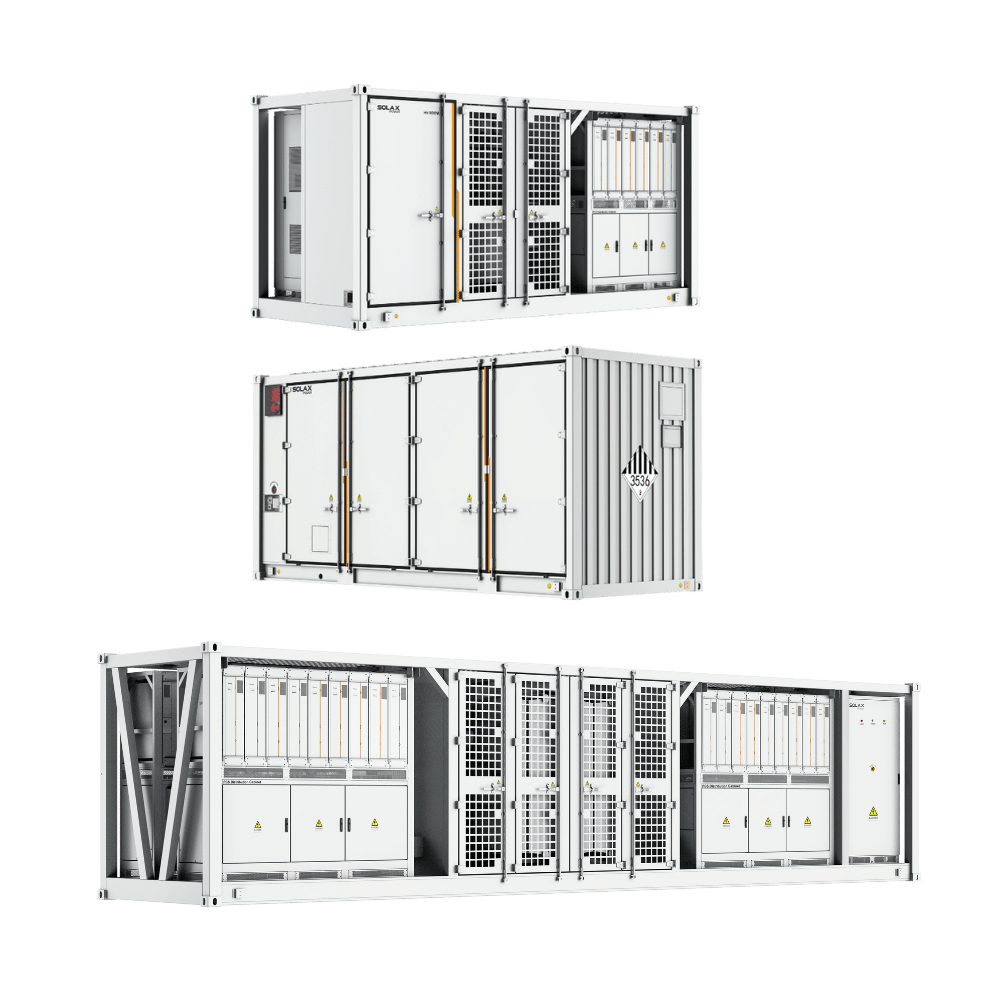
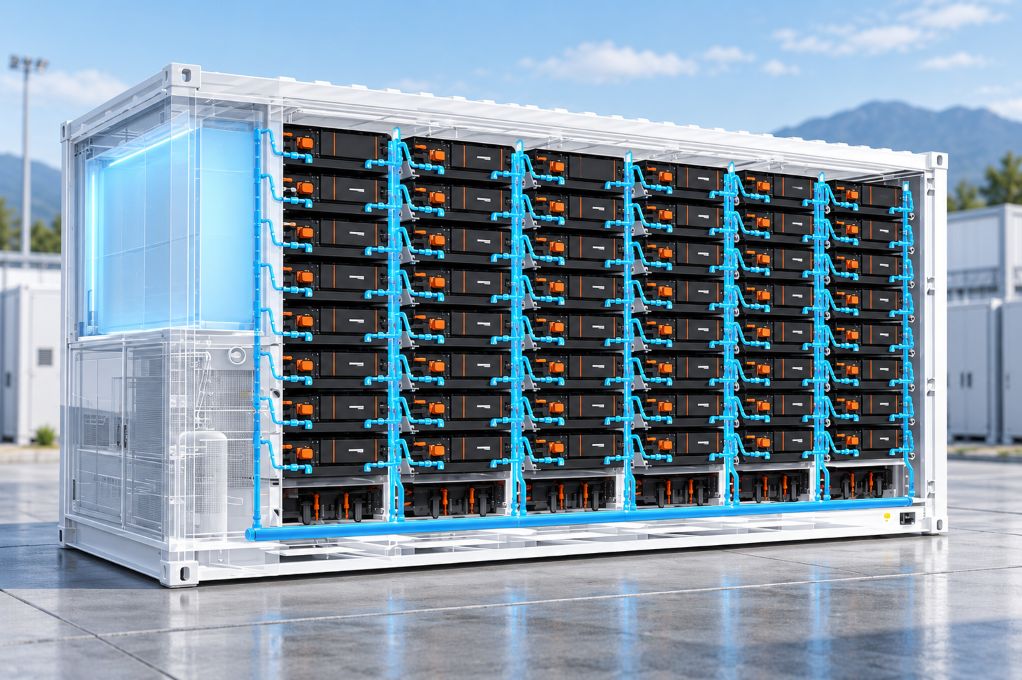
Large BESS projects use a multi-level structure covering battery modules, racks, containers and the complete storage plant.
A high-voltage BMS coordinates large numbers of cells while supporting electrical isolation, redundant protection and system-level fault management. It may also exchange data with thermal management, fire protection, SCADA and plant control systems.
Battery Management in SolaX Energy Storage Systems
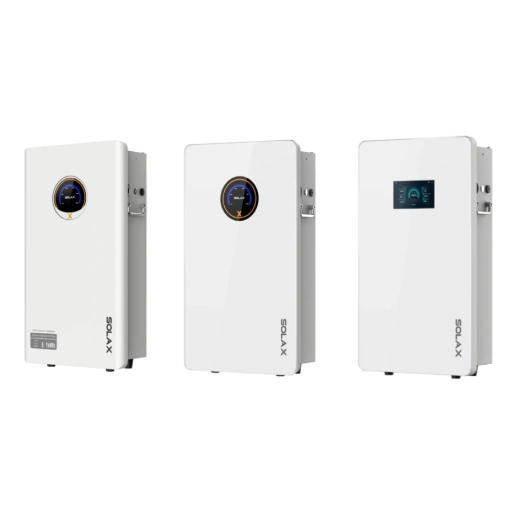
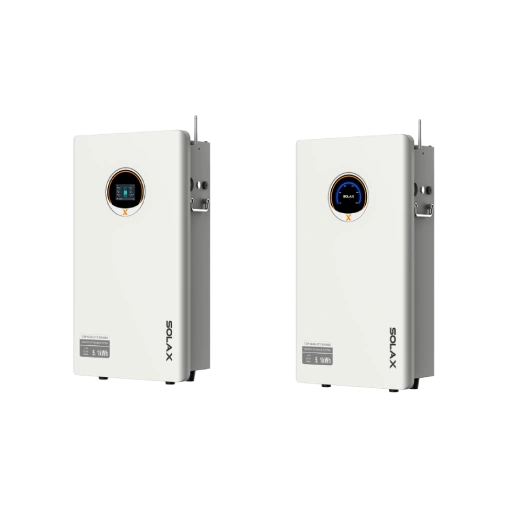
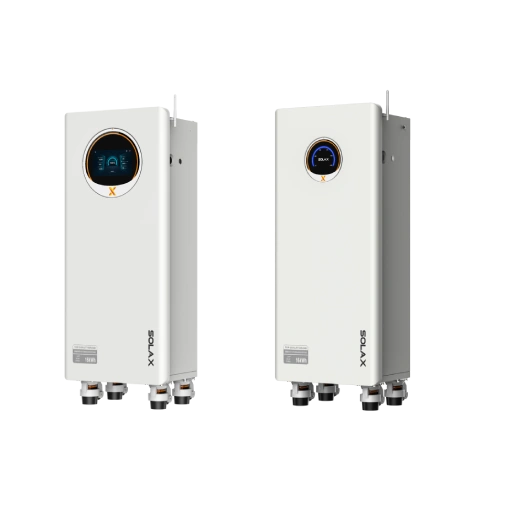
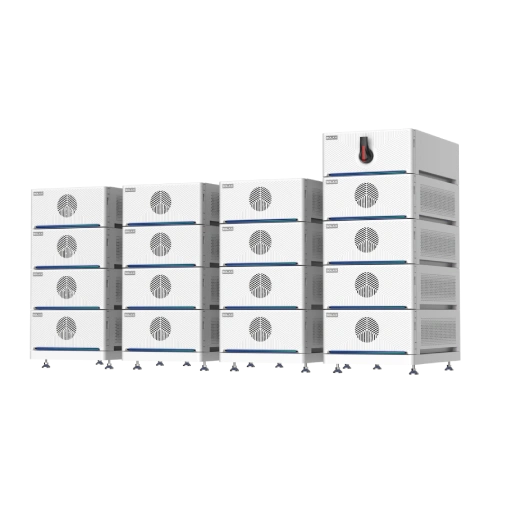
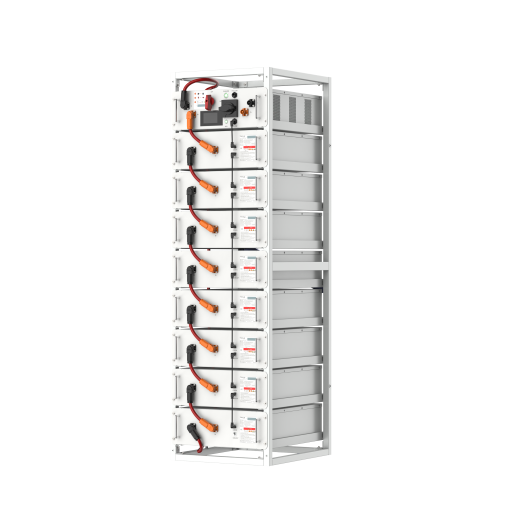
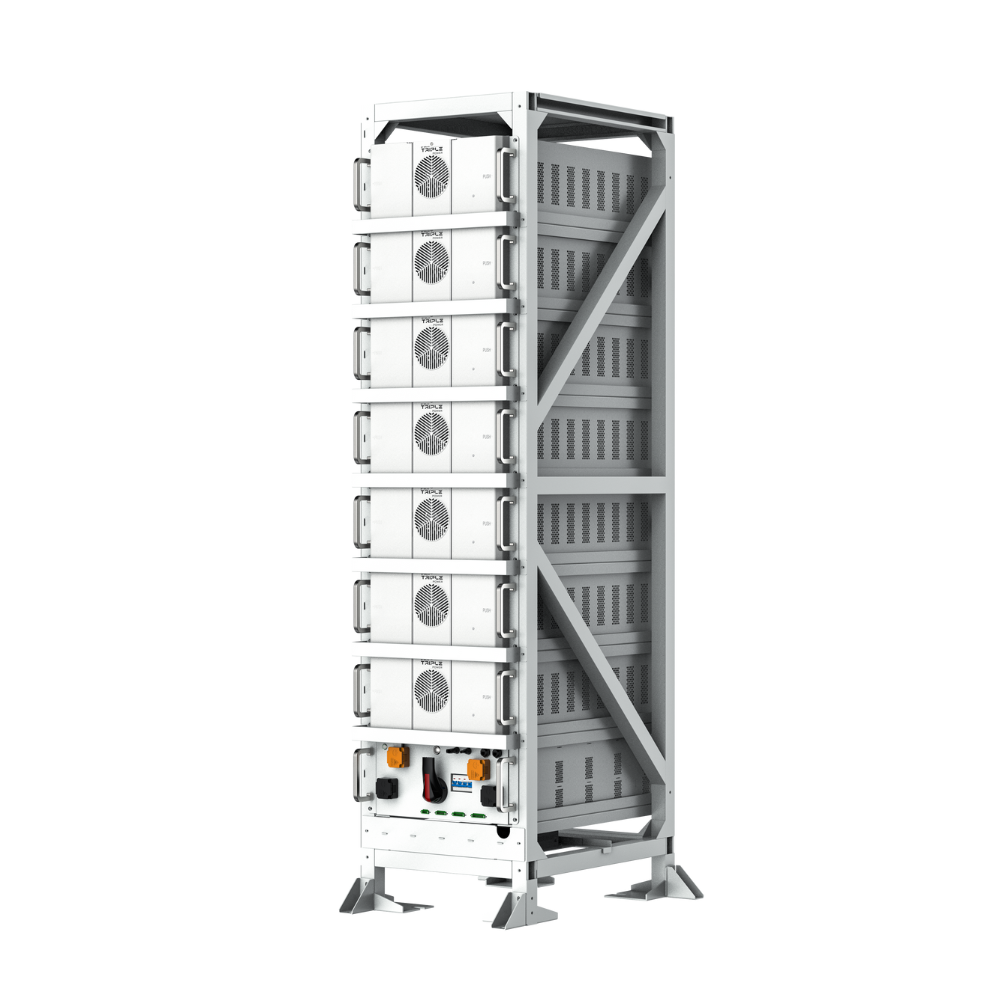
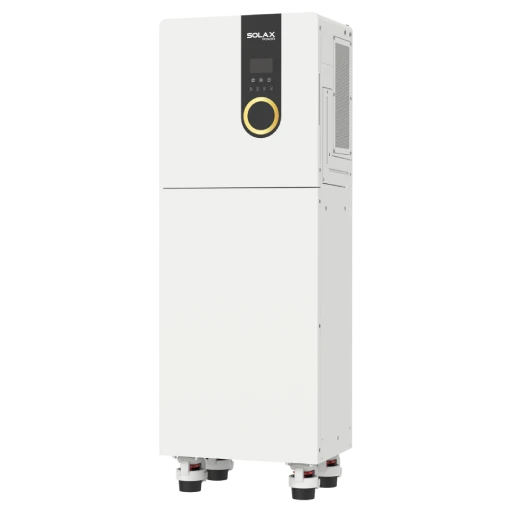
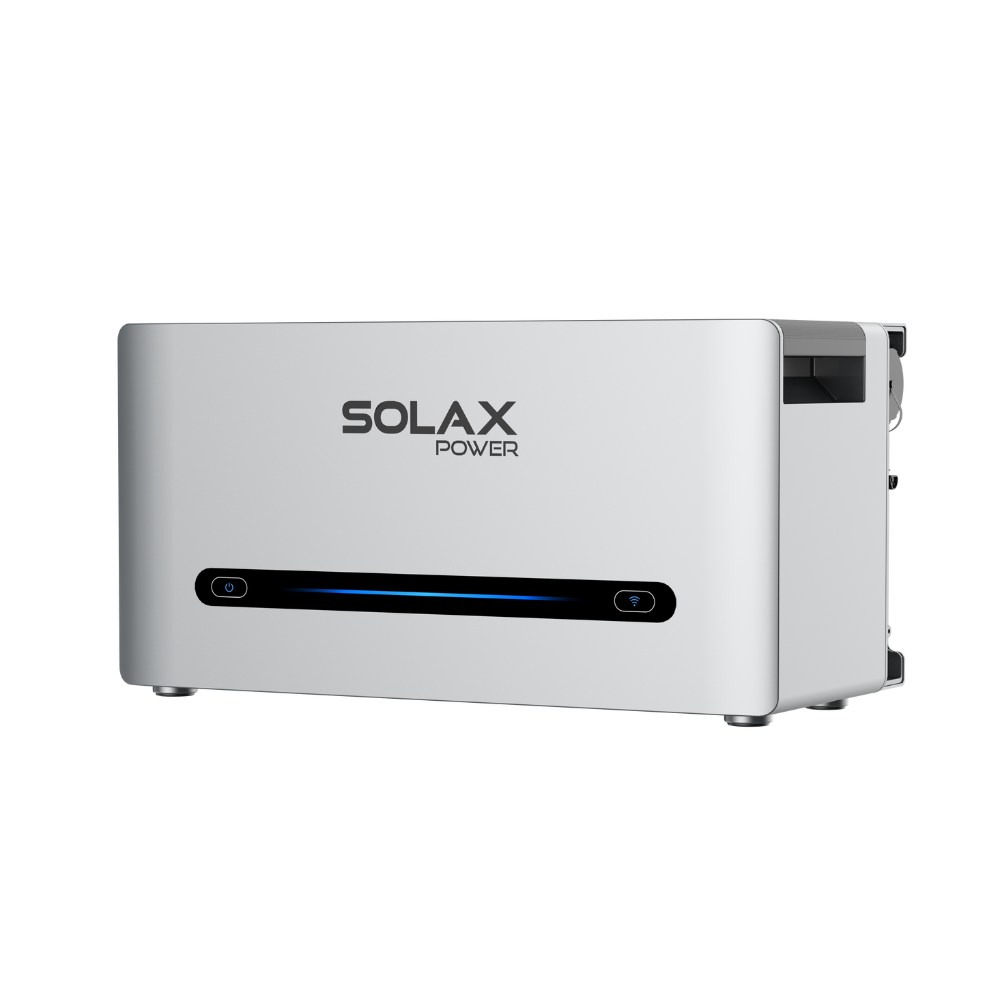
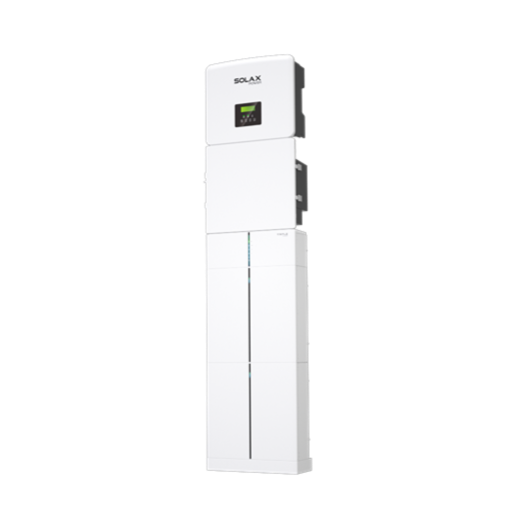
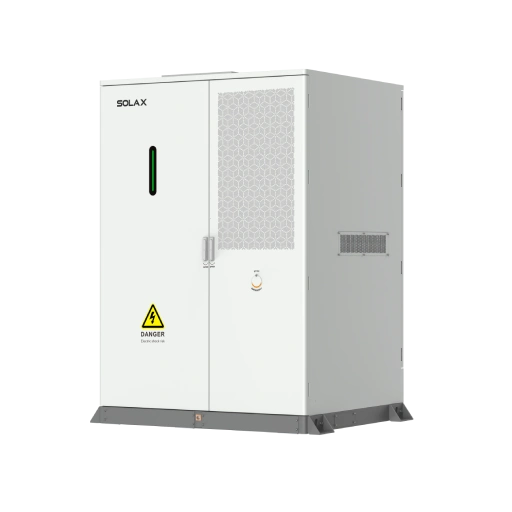
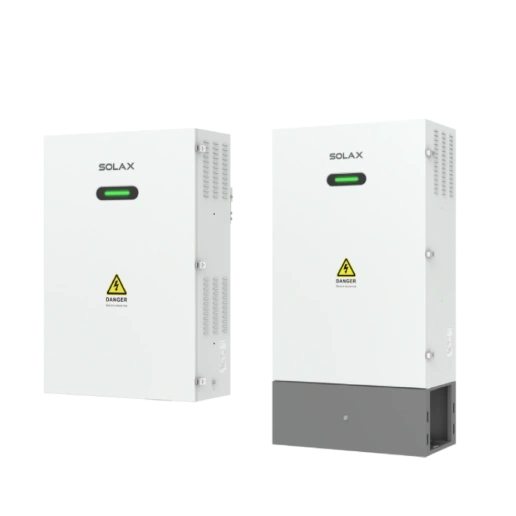
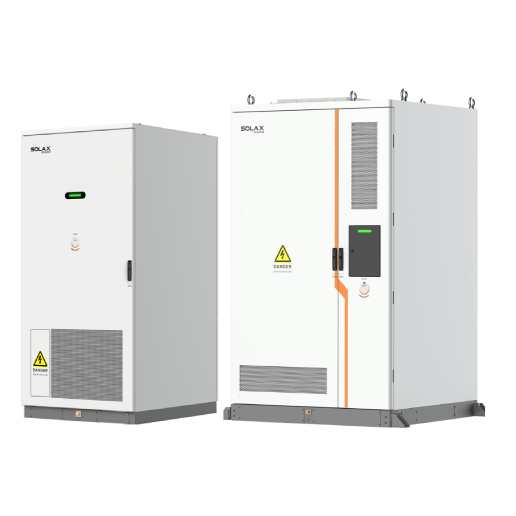
SolaX energy storage batteries combine LFP technology with an intelligent BMS to support safe and stable operation.
Battery protection: Monitors voltage, temperature, charging and discharging status, helping prevent overcharge, deep discharge and thermal issues.
Coordinated control: Exchanges battery data and power limits with compatible energy storage inverters, EMS and monitoring platforms.
Scalable applications: Supports different system requirements across residential, commercial, industrial and utility-scale energy storage projects.
Explore SolaX energy storage batteries and integrated ESS solutions designed for safe, scalable and intelligent energy management.
FAQ
Table of Contents
Latest News
Explore expert insights, practical guides, and the latest news on SolaX Power.





To the Latest Newsletter
Stay Ahead with the Latest SolaX Updates!
Subscribe
I have read and agree to Privacy Policy and User Terms