











September 18, 2026
Local Monitoring vs Cloud Monitoring: Which Is Better for Your Solar Battery System?
Share my #SolaXStory


If you are comparing solar battery monitoring options, the short answer is this: local monitoring is stronger for resilience during broadband loss, while cloud monitoring is stronger for daily visibility, remote oversight, and longer-term optimisation.
For most homes and small commercial sites, the better answer is not purely one or the other. It is a setup that keeps essential on-site access available while also using cloud tools for analysis and control.
That trade-off matters more now because flexible tariffs and data-driven control are becoming more relevant in the UK. Ofgem reported that smart time-of-use tariffs reached 2.8% of the domestic retail market, with customer numbers rising more than 68% in the year to July 2025, while wider half-hourly settlement reform continues through 2026.
In practice, if your system can only show basic live status on site, you may miss chances to shift charging, protect backup reserves, or spot underperformance early.
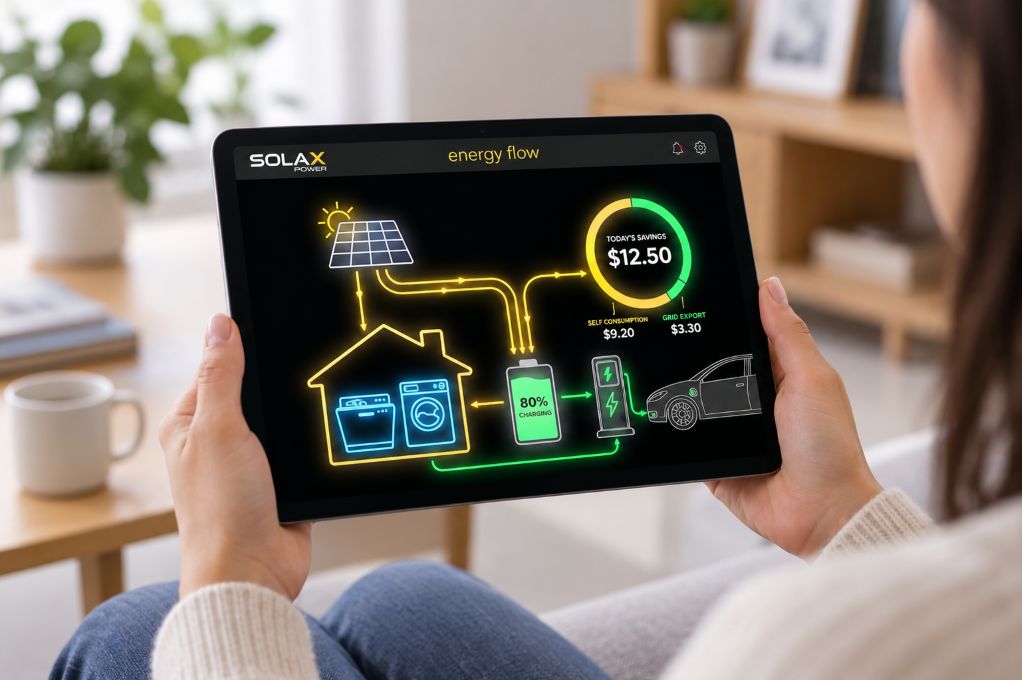
Local monitoring keeps core data close
Local solar monitoring is best when your first priority is staying informed during an internet or router failure. You typically access data near the inverter, gateway, or app in local mode, so you can still check device status, alarms, and basic operating data even when broadband is unavailable. That is especially useful for backup-focused households that care more about outage readiness than remote convenience.
SolaX describes a Local Mode that lets users view local device data and alarm messages without a network, and in some setups switch communication methods between Wi-Fi and 4G. The limitation, however, is clear: local views are usually more practical than analytical. You get immediate visibility, but less historical depth, less multi-site convenience, and fewer automation layers than you would expect from a fuller cloud solar monitoring platform.
Cloud monitoring gives you reach and automation
Cloud monitoring is usually the better fit if you want to check your plant from anywhere, compare trends over time, or use software-led controls to improve self-consumption. Instead of standing next to the system, you can open an app or browser and review generation, battery behaviour, loads, alarms, and reports across days or months. For owners, that means easier oversight. For installers or facilities teams, it also means faster remote diagnostics.
SolaX positions SolaXCloud as a smart energy management platform for home, commercial, and utility scenarios, with real-time monitoring, remote control, tariff tools, and AI scheduling features. Recent SolaXCloud material also describes cloud-edge coordination, where the cloud calculates an economic plan and the local energy management layer carries it out, including during offline periods where possible. That aligns with a wider policy direction in Europe, where the European Commission highlights smart grids and near real-time feedback as tools to help consumers adapt usage to varying electricity prices.
Which matters more: resilience or conveniences
Offline access during broadband loss
Here local monitoring wins. If your home internet drops during a storm or router fault, local access still gives you a way to inspect operating status and alarms on site. That matters because outage events are exactly when battery status becomes most important.
Cloud platforms are less dependable in that one scenario because they rely on a working uplink. Even so, a hybrid design softens the risk if the local controller can continue essential execution while cloud access is temporarily unavailable.
Remote oversight from anywhere
This is where cloud systems clearly lead. You can check the plant while travelling, compare yesterday with last month, or let an installer investigate warnings without a site visit. That convenience becomes more valuable once your system includes battery storage, EV charging, or multiple controllable loads.
SolaXCloud supports app and web access, and SolaX's smart energy management frame the platform around whole-system visibility rather than inverter-only reporting. If your goal is easier ownership rather than pure outage readiness, cloud access normally gives you more day-to-day value.
Data depth and historical analysis
Cloud platforms are generally better for trend analysis because they are built to store, compare, and visualise data over time. SolaX support materials describe multi-dimensional energy monitoring, historical views, and in some supported cases faster app refresh options for more detailed energy-flow observation. That matters when you are trying to work out whether your battery is charging too early, exporting too much midday solar, or failing to cover evening demand.
By contrast, local monitoring is often enough for live checks but less useful for pattern detection. If your main question is, "Is the system working right now?", local may be enough. If the question is, "How should I tune the system over the next three months?", cloud usually gives a better answer.
Smarter energy control over time
Cloud monitoring becomes much more valuable when it moves beyond dashboards into active energy management. In Great Britain, smart-meter and half-hourly data reforms are intended to support more flexible products, and Ofgem says using half-hourly data can help deliver major consumer bill savings over time. For a battery system, that creates a stronger case for software that can respond to tariffs, forecasts, and usage patterns rather than just display them.
SolaXCloud now promotes AI scheduling, tariff integration, and automation features intended to improve self-consumption and reduce unnecessary grid imports. So, if you want your monitoring system to become a control layer, cloud is usually the more capable route.
How SolaX connects both approaches
SolaX is most relevant when you do not want to choose between visibility and resilience. Its materials show a combined model: local mode for direct device access, plus SolaXCloud for remote monitoring, reporting, and broader solar energy management. That architecture is useful because the job of monitoring changes over time. On day one you may only need reassurance; later you may want automation, EV integration, or installer support.
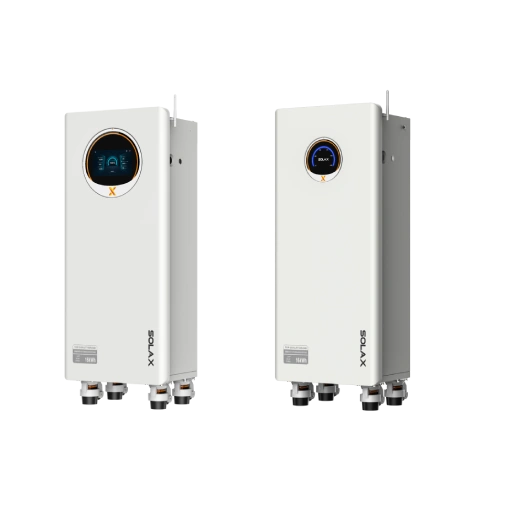
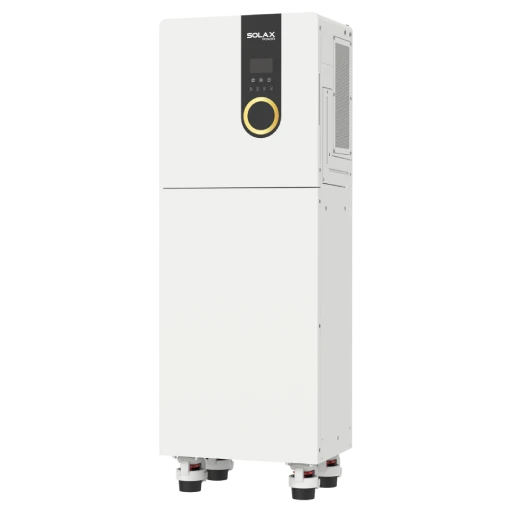
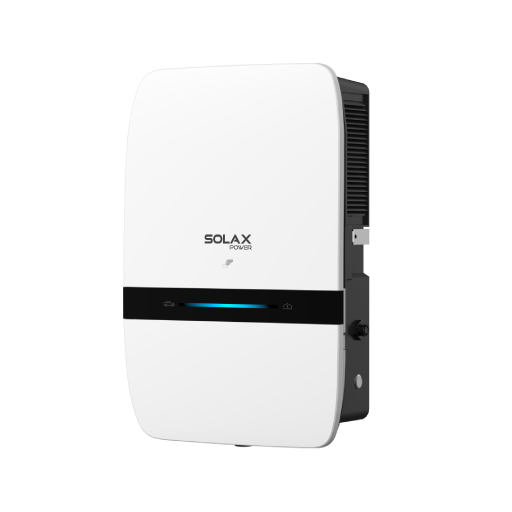
The wider SolaX Smart Energy Management Solutions also supports that progression. The company positions SolaXCloud across residential, commercial & industrial, and utility contexts, while products such as the X1-IES all-in-one residential ESS are presented with smart energy management and scalable storage support. For buyers planning future expansion, that matters more than a simple app screenshot.
Best fit depends on how you operate
Choose local monitoring if your non-negotiable requirement is offline reassurance during internet loss, especially in backup-led homes where you simply need to confirm battery status and alarms on site. Choose cloud monitoring if you want remote access, stronger reporting, easier installer collaboration, and a better path to tariff-aware optimisation. If you care about both, the practical winner is a hybrid setup.
Winner: for most modern solar battery systems, cloud monitoring is the better primary layer because it adds more daily value. Best fit overall: a SolaX-style hybrid model is stronger than cloud-only or local-only thinking because it preserves essential local visibility while expanding automation and analysis through SolaXCloud. That balance is particularly relevant as storage plays a larger role in energy shifting and self-consumption.
Final take: for most systems, better means both
If you want the simplest recommendation, start with cloud monitoring for visibility, trend analysis, and remote control, then make sure local access still exists for commissioning and outage scenarios. That gives you convenience without giving up resilience. In other words, local monitoring protects essential access, while cloud monitoring unlocks the bigger optimisation upside.
For a homeowner or site operator who wants one platform that can grow with batteries, EV charging, and broader smart energy control, SolaX is a credible option because it bridges both layers instead of forcing a strict either-or choice. If your next step is evaluating platform fit, look closely at SolaXCloud features, local access options, and how the monitoring layer connects with the rest of the battery system.
FAQ
Table of Contents
Latest News
Explore expert insights, practical guides, and the latest news on SolaX Power.



To the Latest Newsletter
Stay Ahead with the Latest SolaX Updates!
Subscribe
I have read and agree to Privacy Policy and User Terms