






December 11, 2024
String Inverter 101: Meaning, Application and Top Picks
Share my #SolaXStory


In the world of solar energy, string inverters play a crucial role in converting the direct current (DC) generated by solar panels into alternating current (AC) used by home appliances and the electrical grid. Understanding string inverters, their applications, advantages, and relevant standards is essential for optimizing solar power systems. In this blog, we will explore these aspects with a focus on SolaX Power, a leading brand in the industry.
What is a string inverter, and how does it work?
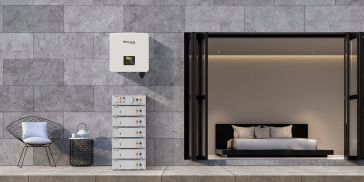
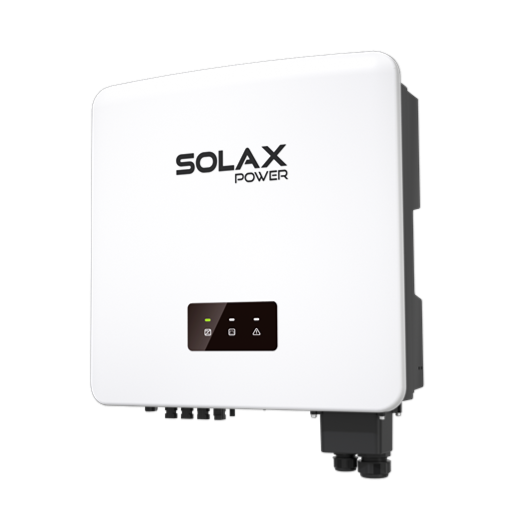
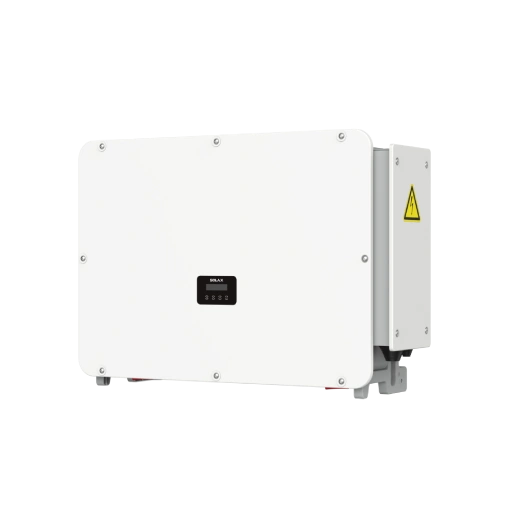
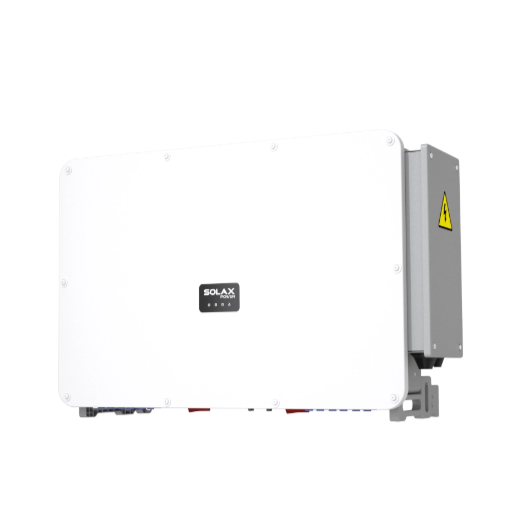
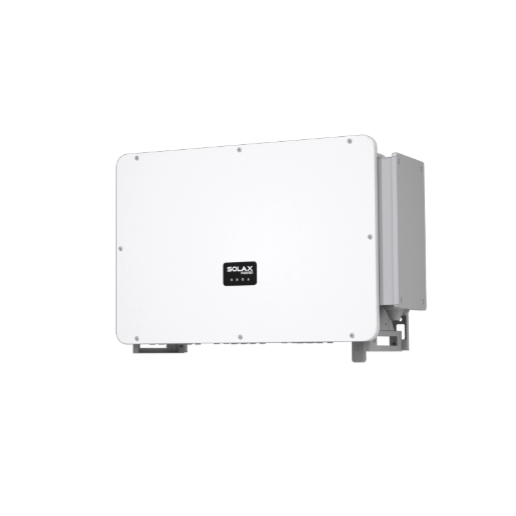
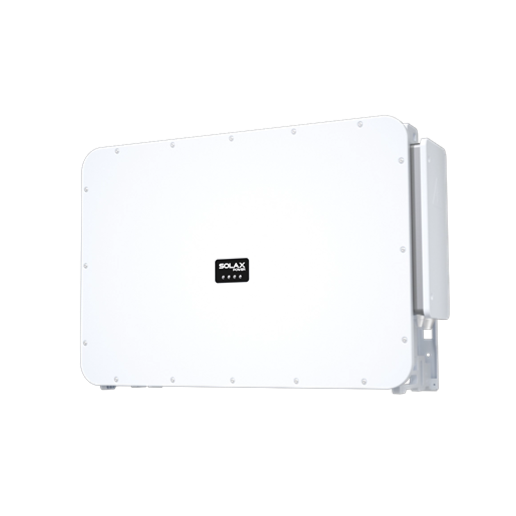
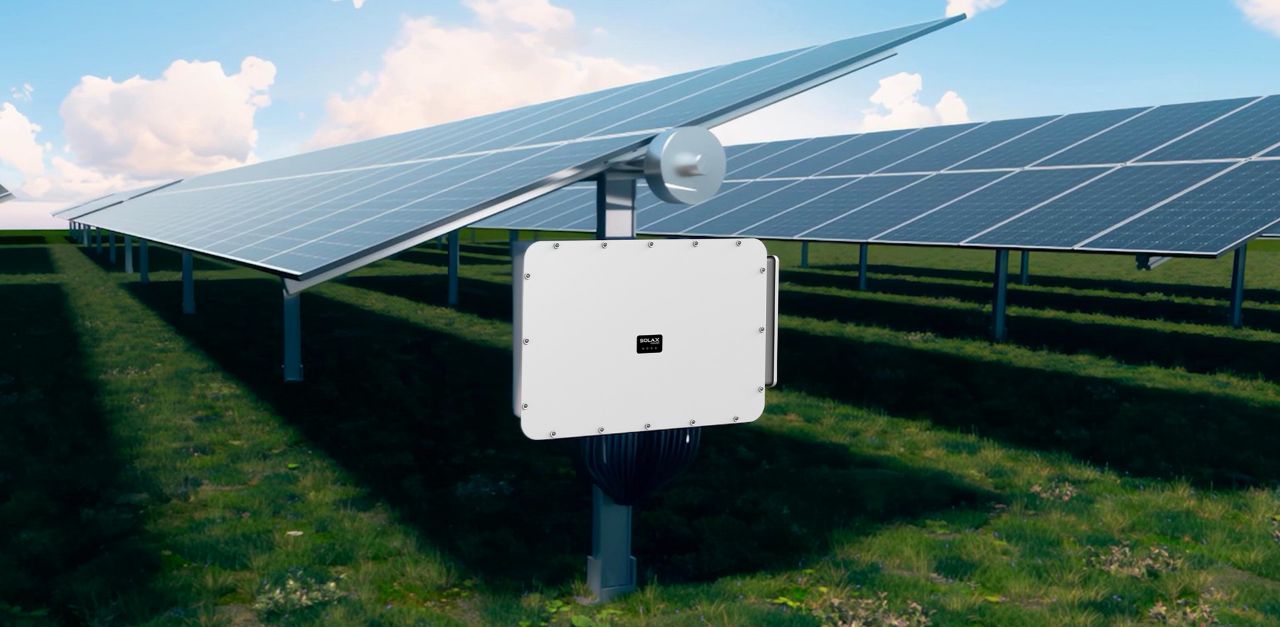
A String inverter is a centralized device that connects a row of solar panels arranged in a series, known as a "string." It works by aggregating the high-voltage DC generated by the entire chain of panels and converting it into AC electricity, which powers your home or feeds into the electrical grid.
Applications of String Inverters
The main applications of string inverters include:
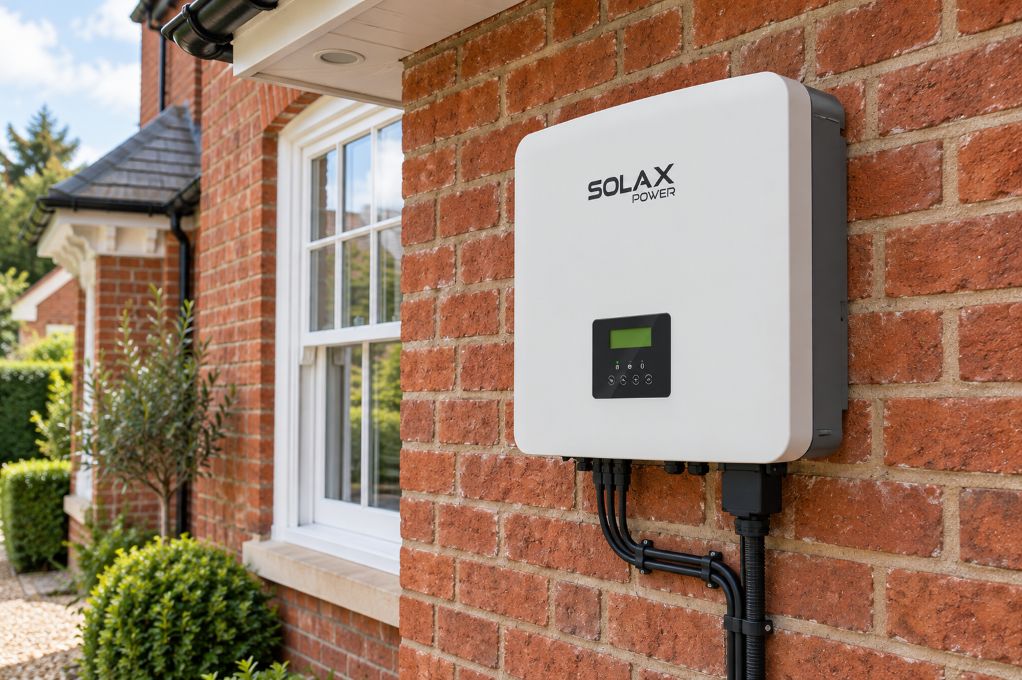
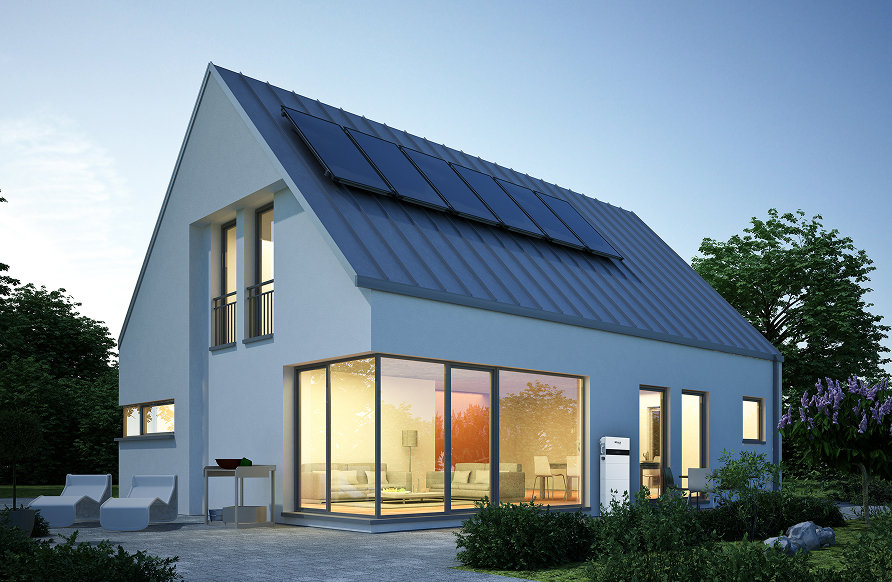
Residential Solar Systems: In home installations, string inverters are popular due to their cost-effectiveness and reliability. They efficiently convert the DC electricity generated by rooftop solar panels into AC power for household use.
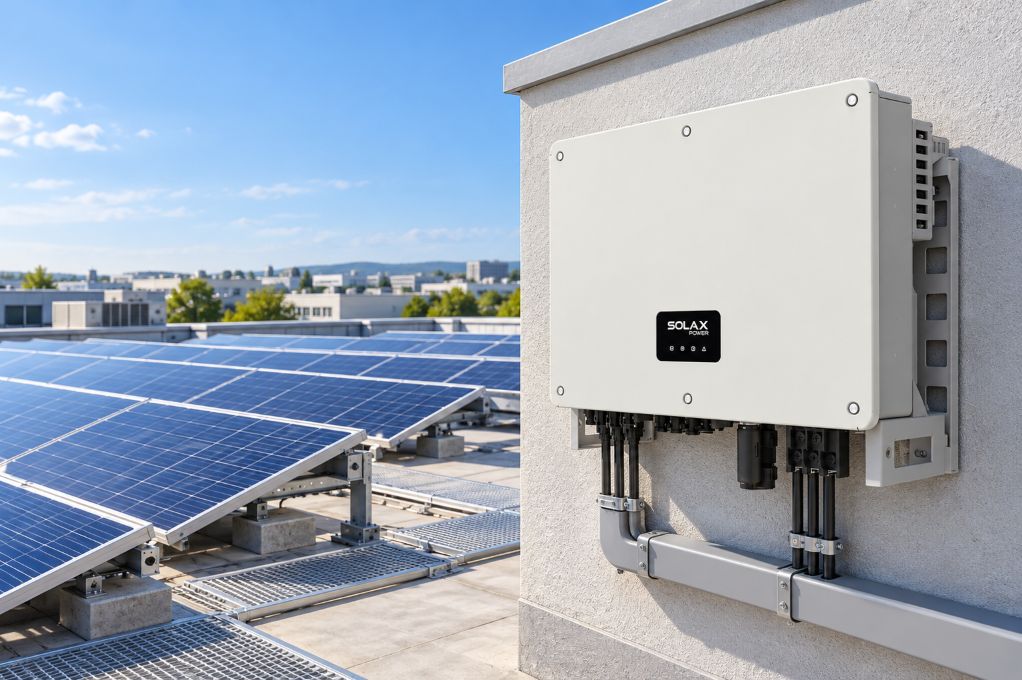
Commercial Solar Installations: For small to medium-sized commercial projects, string inverters are used to manage the power output from solar arrays, ensuring that businesses can harness solar energy effectively.
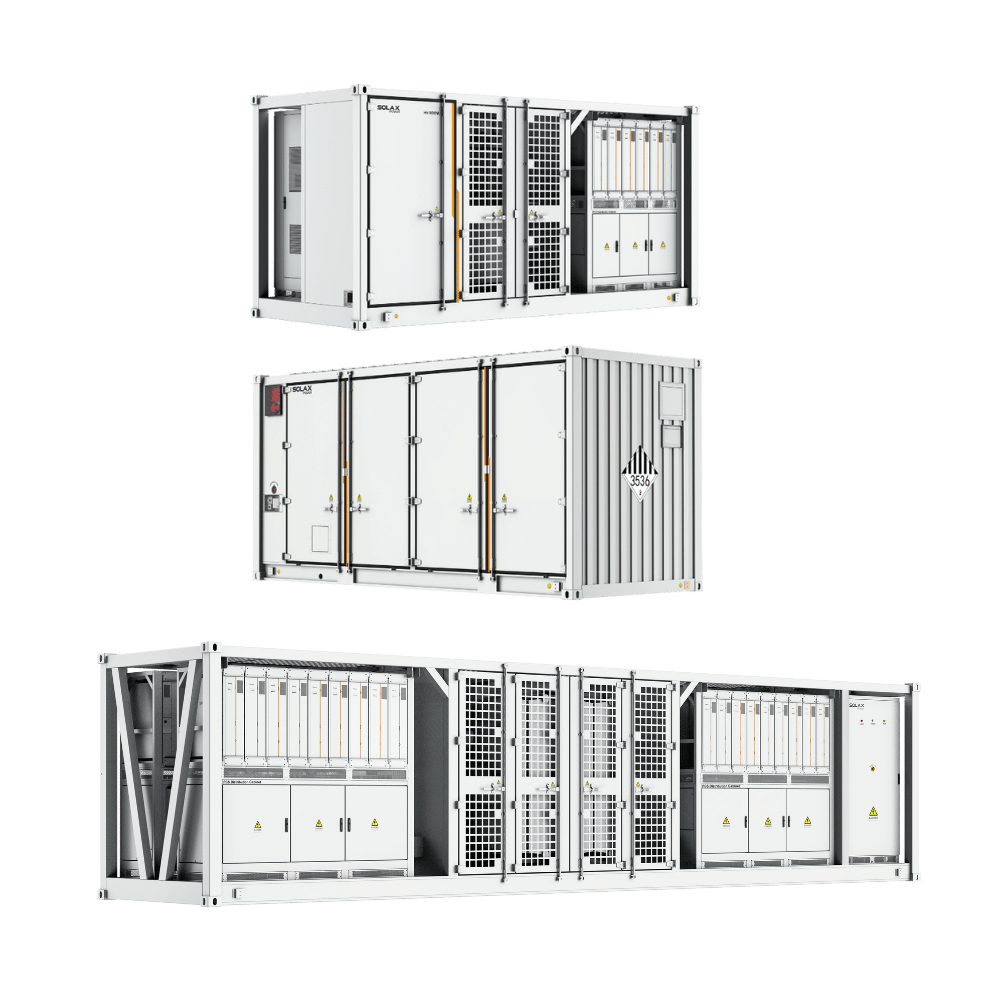
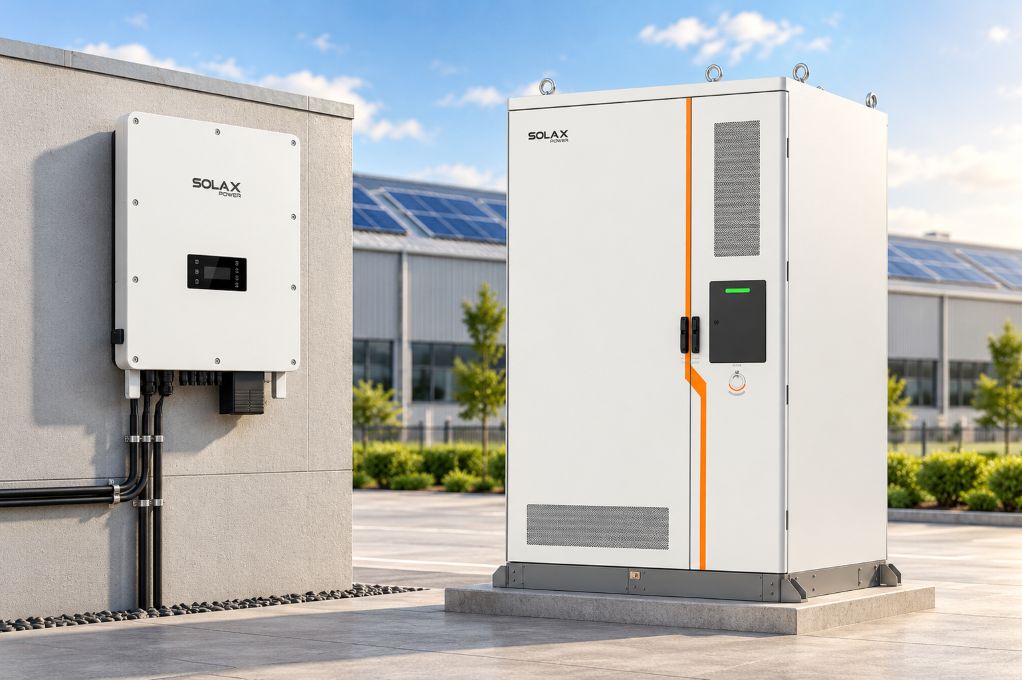
SolaX Power offers a comprehensive range of string inverters, from 0.6kW to 150kW, suitable for various applications, including residential, commercial, and industrial settings. These inverters ensure reliable and efficient energy conversion, meeting the diverse energy needs of projects of all sizes.
Advantages of String Inverters
Three-Phase String inverter provides several benefits that make it a popular choice for solar power systems:
Cost-Effectiveness: Compared to other inverter types, string inverters are generally more affordable, making them an attractive option for both residential and commercial solar installations.
Ease of Maintenance: With fewer components than central inverters, string inverters are easier to maintain and repair. If one inverter fails, it does not affect the entire system, allowing other strings to continue operating.
Modularity and Scalability: String inverters can be easily scaled to accommodate additional solar panels. This flexibility allows users to expand their solar systems as their energy needs grow.
Enhanced Monitoring: Many string inverters, including those from SolaX Power, come with advanced monitoring capabilities. This feature enables users to track the performance of individual strings and identify any issues quickly.
Relevant Standards for String Inverters
String inverters must meet various industry standards to ensure safety, performance, and compatibility. Key standards include:
IEC Standards: Internationally, string inverters are required to comply with the International Electrotechnical Commission (IEC) standards, such as IEC 62109, which covers safety requirements for inverters used in photovoltaic systems.
EN Certification: It ensures compliance with European safety, performance, and environmental standards, enabling products to meet EU regulations and obtain CE marking for market access.
CE Marking: In Europe, string inverters must have CE marking, indicating that they comply with European safety, health, and environmental protection standards.
SolaX Power's string inverters adhere to these standards, ensuring that they deliver high-quality and reliable performance for various solar applications.
String Inverter vs Microinverter vs Hybrid Inverter
The main difference lies in how they connect to solar panels and whether they support battery storage. Here is a breakdown of their working principles:
String Inverter: Connects panels in a series to a single central unit. It is the most cost-effective option but the entire string's performance is limited by the weakest (shaded) panel.
Microinverter: Installed on each individual panel, converting DC to AC independently. This optimizes performance for shaded or complex roofs but comes at a higher installation cost.
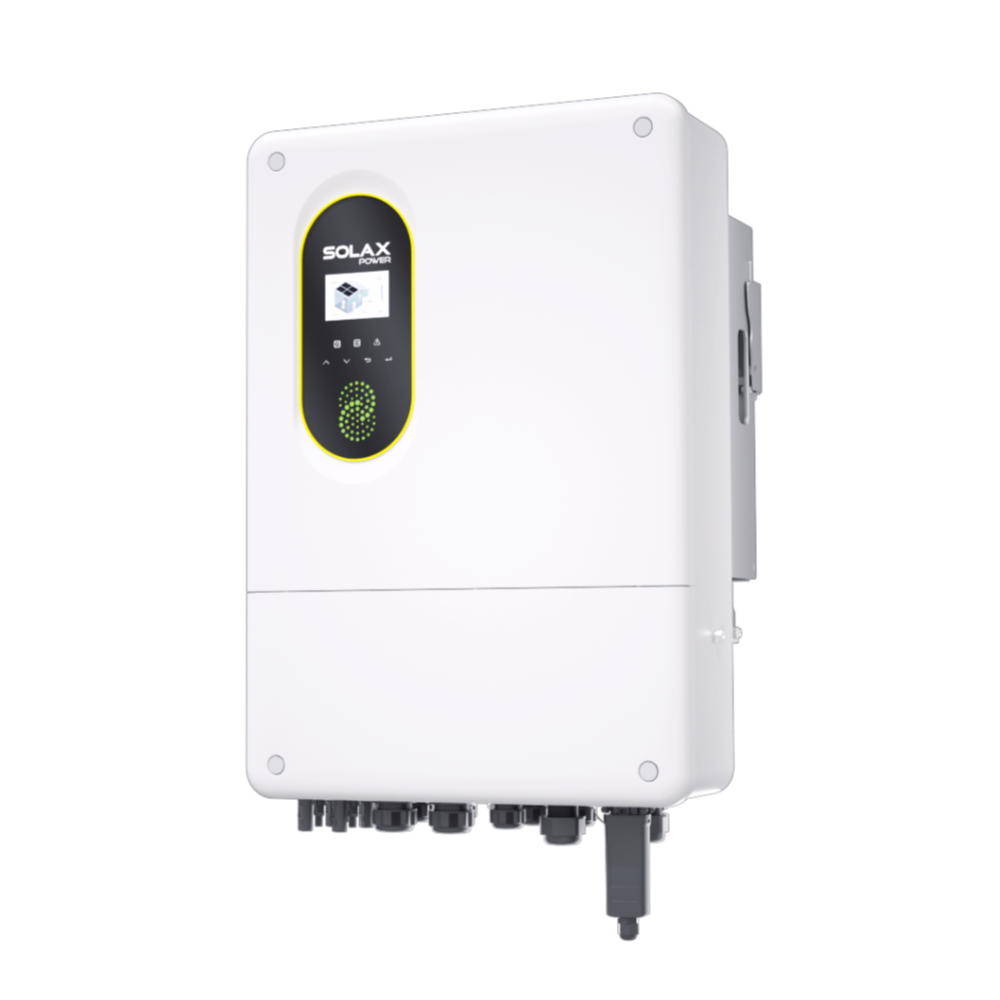
Hybrid Inverter: Functions like a string inverter but includes a built-in battery connection. It manages both solar generation and energy storage, allowing for backup power during grid outages.
How to Choose the Right String Inverter?
To choose the right string inverter, you must evaluate four key technical factors to ensure system performance and durability:
Power Rating: Match the inverter's capacity to your solar system's size and ensure it can handle the total DC input voltage.
MPPT Capability: Select a model with multiple MPPT (Maximum Power Point Tracking) inputs if your roof has complex angles or shading issues.
Grid Compatibility: Verify whether your home requires a single-phase or three-phase connection.
Durability: Look for a high IP rating to ensure the device withstands outdoor weather elements.
Why is Solax the best String inverter manufacturer?
SolaX Power stands out as a top-tier manufacturer by combining high efficiency with robust safety features. Their string inverters are designed with ultra-low start-up voltage, ensuring longer daily energy generation, and boast a maximum efficiency of up to 98.5%. SolaX inverters distinguish themselves with:
Superior Performance: They support 150% PV oversizing and 110% AC overload output, allowing you to maximize energy yield from your solar array.
Advanced Intelligence: Features like Global MPPT Scanning ensure peak performance even under shading conditions, while built-in Shadow Fixing technology optimizes output.
Durability & Safety: With an IP66 rating, SolaX inverters are fully protected against harsh weather, and integrated SPD (Surge Protection Device) safeguards the system from electrical surges.
Top Recommended SolaX String Inverters
Based on residential and commercial needs, here are the best models from the SolaX lineup:
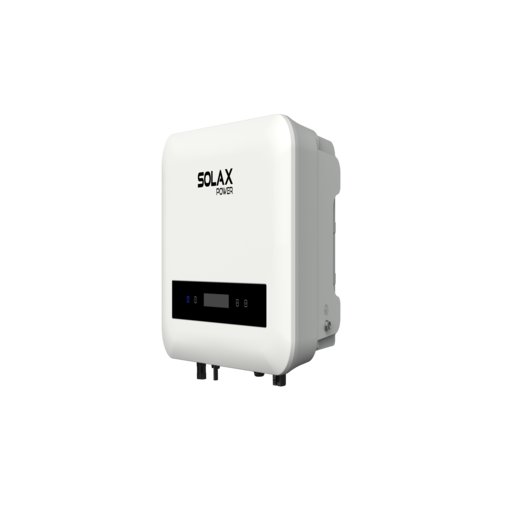
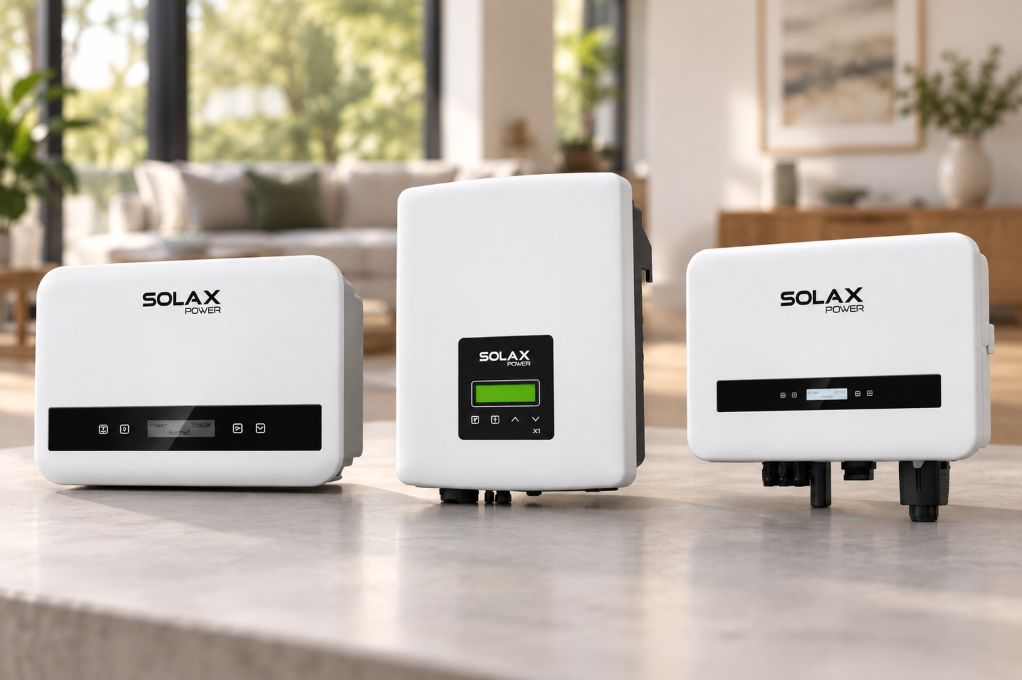
X1 Smart Inverter
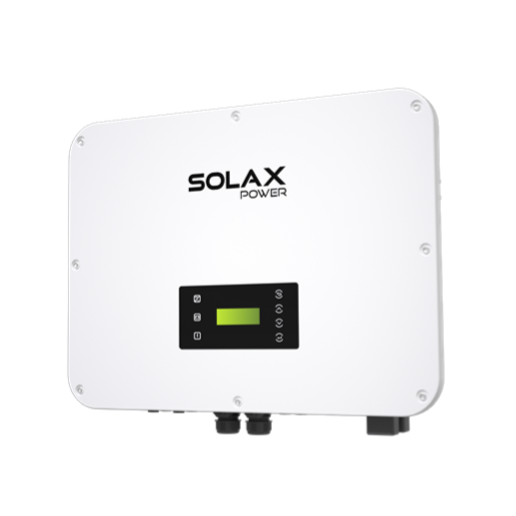
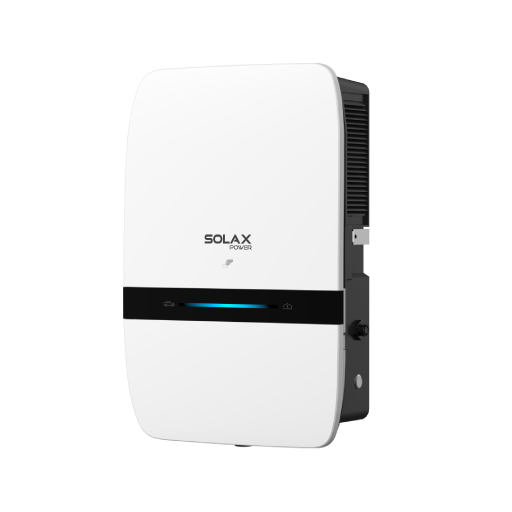
The X1 Smart Inverter offers a single-phase solution with power options ranging from 5kW to 10kW. It features 150% DC oversizing and 110% AC overloading, maximizing energy capture. With a compact design and easy installation, Smart X1 supports smart load management and remote upgrades, making it ideal for residential applications. Its high efficiency and user-friendly interface enhance energy management.
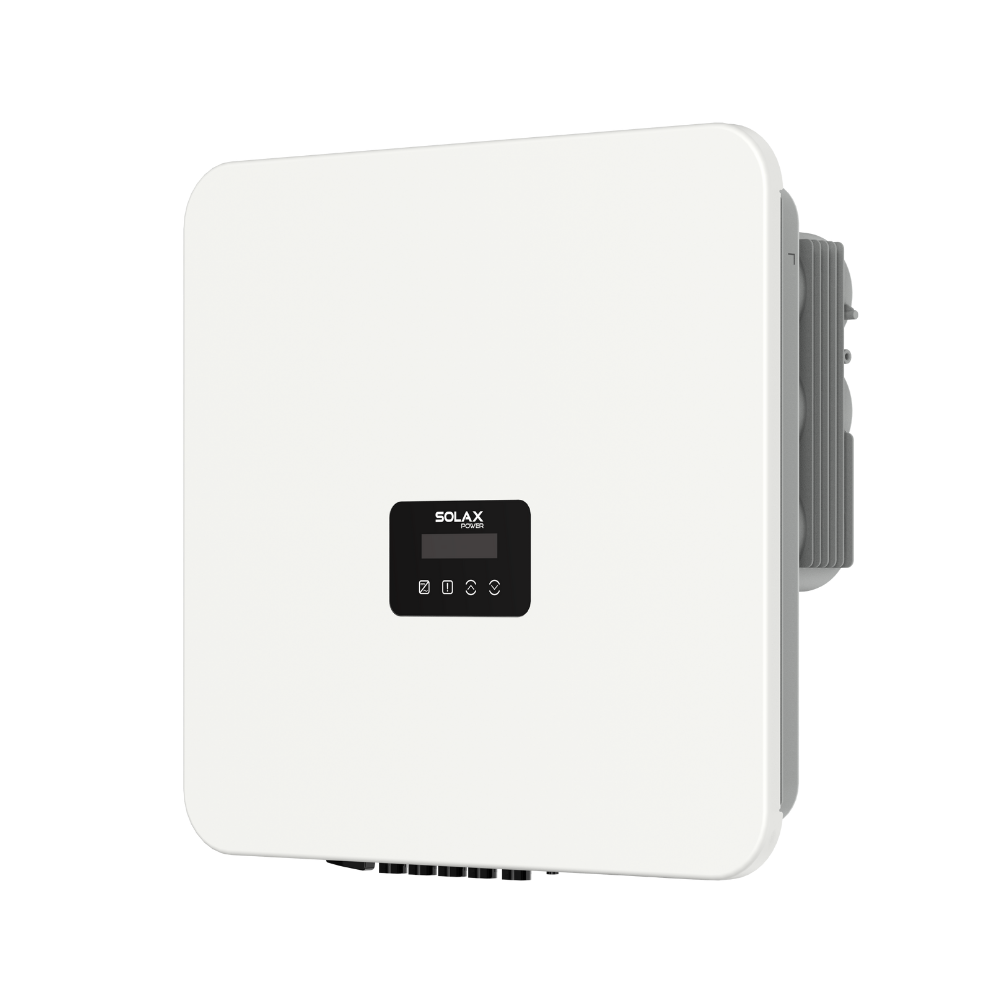
X3 Mic Pro Inverter
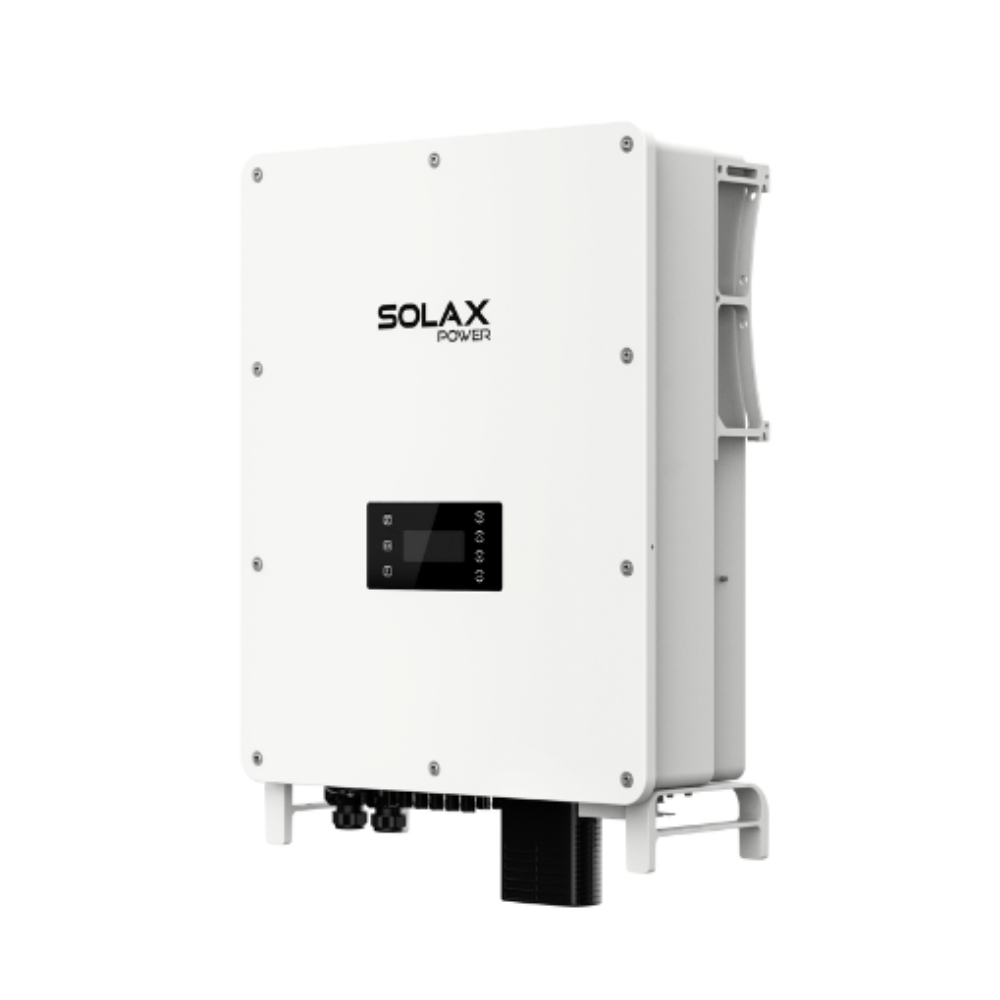
The X3 Mic Pro Inverter is a three-phase inverter that ranges from 8kW to 30kW. It boasts an impressive efficiency of up to 98.5% and supports 32A per MPP tracker. SolaX X3 Pro features built-in global MPP scanning and export power control, providing robust performance for larger installations. Its IP66 rating ensures durability, making it suitable for various conditions.
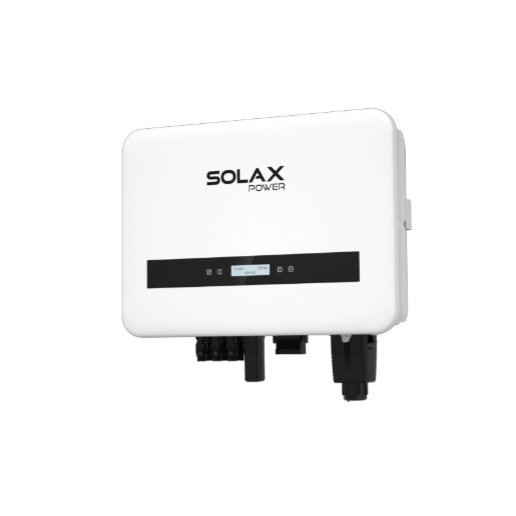
X3 Grand HV Inverter
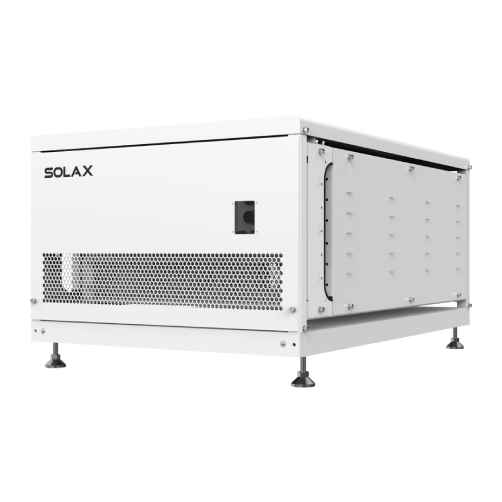
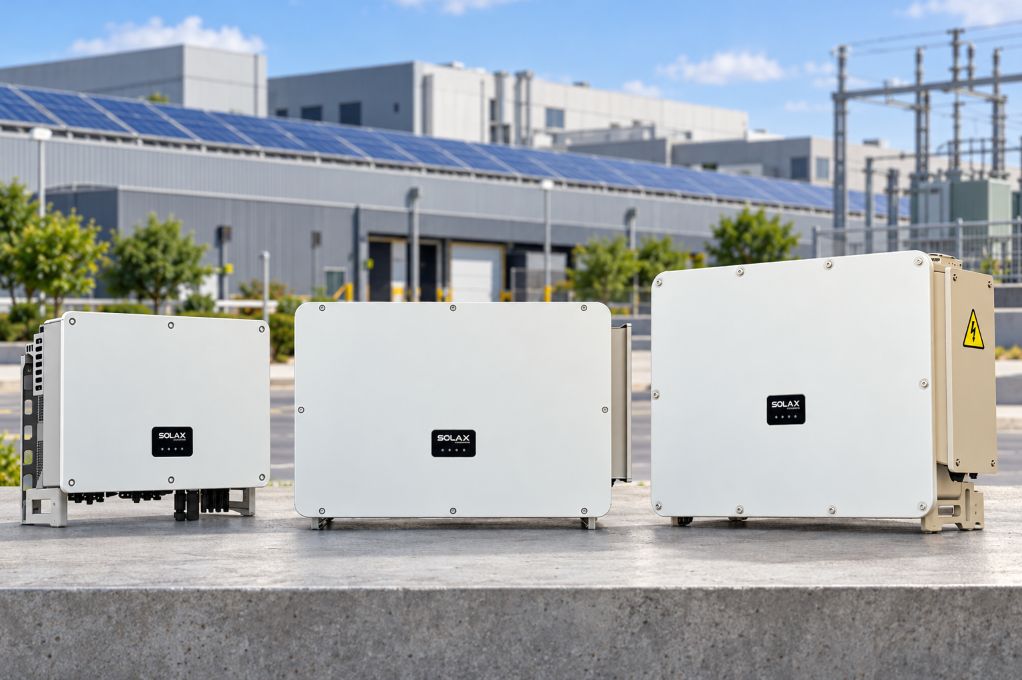
The X3 Grand HV is a high-capacity inverter, available in sizes from 300kW to 350kW. It excels in flexibility with six MPPTs and 150% DC oversizing. Designed for commercial and industrial use, it offers maximum safety features, including Type II SPD and AFCI support. Its high efficiency and extensive monitoring capabilities make it a powerful choice for large-scale solar systems.
While the X1 Smart focuses on residential efficiency and ease of use, the X3 Mic Pro caters to medium-scale applications with superior performance and smart features. The X3 Grand HV stands out in commercial settings with its robust capacity and advanced safety measures, making it the best option for large installations. Each inverter excels in its intended application, offering unique benefits tailored to specific energy needs.
Table of Contents
Latest News
Explore expert insights, practical guides, and the latest news on SolaX Power.
To the Latest Newsletter
Stay Ahead with the Latest SolaX Updates!
Subscribe
I have read and agree to Privacy Policy and User Terms