













June 10, 2026
Vehicle to Load (V2L): How It Works & Smart EV Charging Solutions
Share my #SolaXStory


According to the International Energy Agency (IEA), global electric vehicle (EV) sales have reached a historic milestone in 2025, surpassing 20 million units. Today, one in every four new cars sold worldwide is electric. Beyond the environmental benefits, the true revolution lies in the battery: with capacities now ranging from 40 kWh to over 100 kWh, a single EV stores enough energy to sustain a typical household for several days.
At the center of this shift is Vehicle-to-Load (V2L) technology. By enabling bidirectional energy flow, V2L allows a vehicle to do more than just charge; it can discharge power to external devices, tools, and even home loads, fundamentally expanding the boundaries of how we use energy.
In this comprehensive guide, we will explore the mechanics of V2L technology, its practical benefits, and the smart charging solutions—such as EV load management systems—that turn your vehicle into a resilient energy hub.
What is Vehicle to Load?
Vehicle-to-Load is a bidirectional energy technology that allows an electric vehicle to convert its stored Direct Current (DC) into Alternating Current (AC) to power external devices. A car equipped with this capability, often referred to as an "Electric Loading Vehicle," essentially functions as a high-capacity mobile power station and is a cornerstone of the future smart grid.
The versatility of V2L is typically categorized into two levels of application:
V2L for Devices: Using a simple vehicle to load adapter or internal cabin sockets to power coffee machines, laptops, or camping lights.
V2L for Homes: When integrated with an EV load management system, V2L can provide critical backup power to a home's essential circuits during a grid outage.
How V2L Works in a Smart Home Energy System?
So how does V2L work in real-world applications? For more advanced applications — such as powering selected home circuits — V2L can be integrated with an EV charger with load management.
In this configuration, the energy flow becomes more intelligent:
EV Battery → Onboard Inverter → AC Output → External Load
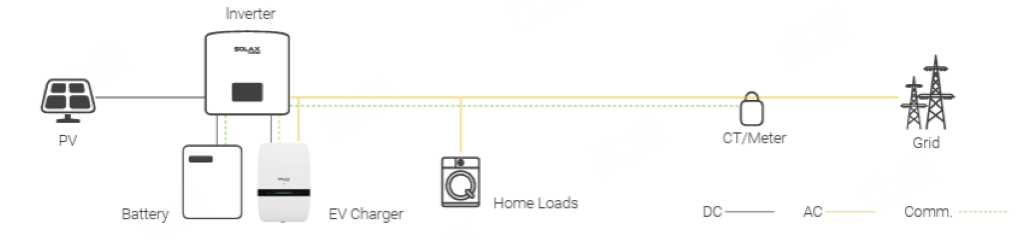
A dedicated EV load management system enables:
Dynamic load balancing between EV discharge and household demand
Controlled energy allocation to prevent overload
Automatic phase switching (single-phase / three-phase)
Coordination with solar PV and home energy storage systems
This approach transforms V2L from a simple device-level power solution into a controlled residential energy strategy.
V2L vs V2G vs V2H: What's the Difference?
Many people are confused by the terms V2L, V2H, and V2G. Although all three involve energy flowing out of an electric vehicle, their application scenarios and technical requirements are different.
V2L (Vehicle-to-Load)
The simplest form. The vehicle supplies power directly to external devices through a socket or vehicle-to-load adapter. No grid communication is required.
Energy flow: Vehicle → Device
V2H (Vehicle-to-Home)
The vehicle powers selected home circuits through a connection to the distribution panel. This typically requires a compatible EV charger with load management to ensure safe and stable operation.
Energy flow: Vehicle → Home
V2G (Vehicle-to-Grid)
The most advanced level. The vehicle feeds electricity back into the public grid and may participate in peak shaving or dynamic load management programs. This requires certified bidirectional charging equipment and utility approval.
Energy flow: Vehicle ↔ Grid
In short: V2L powers devices, V2H powers homes, and V2G supports the grid. The higher the integration level, the greater the need for intelligent charging and load management systems.
Real-World Use Cases for Vehicle to Load Technology
The real value of vehicle to load technology becomes clear when a wall socket is nowhere to be found. By transforming an electric loading vehicle into a mobile energy hub, V2L addresses several critical real-world needs:
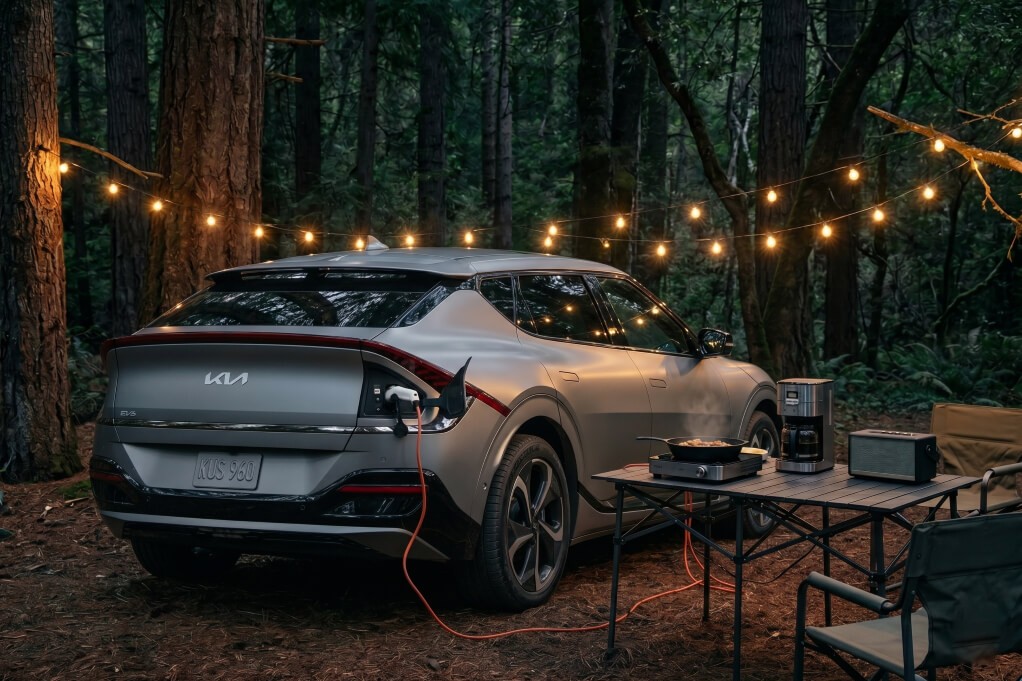
1. Camping and Outdoor Power
V2L is a game-changer for outdoor enthusiasts. You can ditch noisy, polluting gas generators and enjoy a silent, eco-friendly campsite. Whether it's powering an electric grill, a projector for an outdoor movie night, or a coffee machine in the morning, v2l cars provide clean energy without the fumes.
2. Emergency Power Backup
During a storm or grid failure, V2L serves as a vital lifeline. While it may not run your entire HVAC system without a dedicated EV charging load management setup, it can easily keep essential appliances running,such as your refrigerator, Wi-Fi router, and phones.
3. Construction Sites and Mobile Work
For contractors and DIY enthusiasts, V2L provides professional-grade power on the go. You can run high-draw power tools like saws, drills, and compressors directly from your vehicle.
4. Smart Home Energy Optimization
When paired with a smart home system, V2L can be used for "peak shaving". By discharging the car's battery to power high-demand household appliances during expensive peak hours, you can significantly reduce your electricity bills.
Key Factors for Implementing V2L Technology
Successfully turning your electric loading vehicle into a reliable power source requires more than just a plug, it demands a clear understanding of load limits and system safety.
Power Output of the Electric Loading Vehicle
Most V2L cars provide a continuous output between 2.4kW and 3.6kW. While this is sufficient to run high-wattage appliances like an electric kettle or a microwave, it is not enough to power multiple heavy loads simultaneously. Users must be mindful of the total draw to avoid tripping the vehicle's internal circuit breaker.
Battery Capacity and SOC (kWh)
The duration of your power supply depends on the vehicle's battery capacity and its current State of Charge (SOC). A modern EV with a 77kWh battery can sustain essential household appliances for several days; however, it is important to set a discharge limit (e.g., stopping at 20% SOC) to ensure you have enough range to reach a charging station.
Safety and ISO Compliance
Handling high-voltage power outdoors or in residential circuits demands professional-grade safety. You should only use a V2L charger or adapter that meets strict regulatory standards.
Device Compatibility
While most V2L technology provides a pure sine wave output (safe for sensitive electronics like laptops), always check the start-up "surge" requirements of motorized appliances like pumps or compressors. These can momentarily draw 2-3 times their rated power, which may exceed the car's output threshold.
Why a Standard EV Charger Is Not Enough for V2L?
A standard EV charger is designed for one-way energy flow — it simply charges the vehicle from the grid. It does not monitor household demand, manage discharge, or coordinate power distribution when the vehicle begins supplying energy.
In contrast, an EV charger with load management enables controlled bidirectional interaction, ensuring that V2L power is safely allocated across home circuits. Through intelligent EV charging load management, the system dynamically balances household consumption, prevents overload, and integrates seamlessly with solar or storage systems.
Best EV Charger with Load Management for V2L: SolaX Binary Series
To fully unlock the potential of EV charging load management, V2L should not operate as a standalone feature. Instead, it should be integrated into a structured Home Energy Management System.
While basic V2L setups allow vehicles to power individual appliances, a smart EV charger enables controlled energy distribution across home circuits, optimizes solar utilization, and ensures system stability.
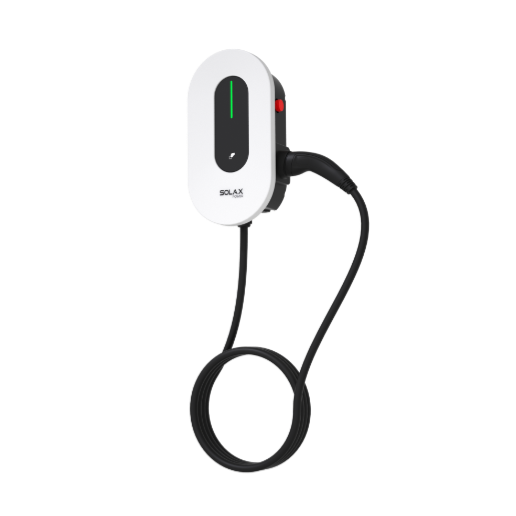
One such solution is the SolaX Binary Series Smart AC EV Charger, designed specifically for advanced V2L and V2X integration.
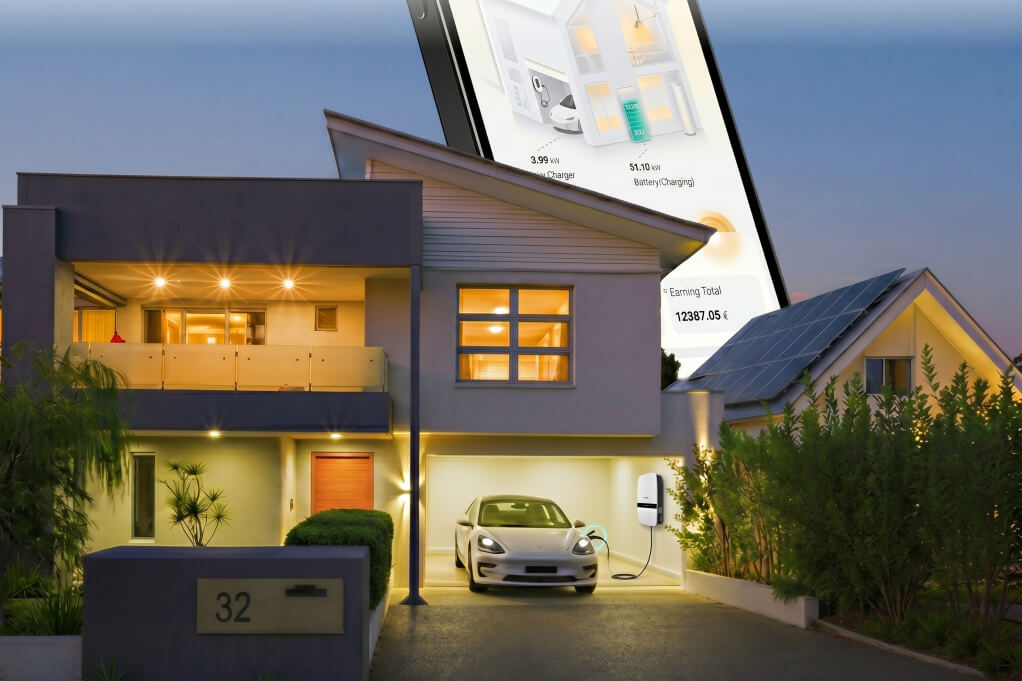
Built for V2L and V2X Integration
The Binary Series is developed as an integrated charging and discharging solution for vehicles equipped with V2L functionality. It bridges the EV battery with the home energy ecosystem, transforming the charger into a bidirectional energy management interface.
Advanced EV Load Management System
The system supports intelligent and dynamic control of household and vehicle energy flow, including:
Smart dynamic load balance control
Automatic single- and three-phase switching
Zero-export green energy optimization
This ensures that energy discharge from the EV remains stable, compliant, and aligned with household demand.
Enhanced Safety Protection
Safe bidirectional energy flow requires multi-layer protection mechanisms. The Binary Series includes:
Current leakage protection
ISO insulation verification on DC output cable
Decoupled charge and discharge architecture for reliability
These features reduce electrical risk and ensure consistent performance during both charging and discharging operations.
Intelligent Energy Scheduling
The charger also enhances operational flexibility through:
RFID-based vehicle and user management
Multi-time slot charging and discharging scheduling
Charging and discharging history tracking
This enables homeowners to optimize energy usage based on tariffs, solar production, or peak demand periods.
Black Start Backup Capability
In the event of a grid outage, the system supports:
Using the EV battery as a backup power source
Seamless integration with PV-ESS systems
This allows the EV to function as part of a resilient home energy solution rather than just a mobile battery.
The Future of V2L Technology
The future of V2L is evolving toward a broader V2X (Vehicle-to-Everything) ecosystem. As dynamic load management in EV charging becomes more advanced, electric vehicles are expected to play a central role in residential microgrids, working alongside solar PV, energy storage, and smart EV charger systems.
The growing EV load management system market reflects this shift, with brands like SolaX integrating RFID management and multi-time-slot charge–discharge scheduling to make intelligent energy coordination simple and accessible.
FAQ
Table of Contents
Latest News
Explore expert insights, practical guides, and the latest news on SolaX Power.


To the Latest Newsletter
Stay Ahead with the Latest SolaX Updates!
Subscribe
I have read and agree to Privacy Policy and User Terms