















June 19, 2025
Understanding the Basics of C&I Battery Storage ROI
Share my #SolaXStory


As global industries move toward cleaner, smarter, and more resilient energy infrastructure, commercial and industrial (C&I) sectors are rapidly adopting energy storage solutions. At the forefront of this shift is SolaX, a leading name among C&I solar companies, providing cutting-edge solar battery storage system. Understanding the return on investment (ROI) of a C&I battery storage system is essential for businesses looking to optimize energy costs, improve sustainability, and enhance energy security.
The Return on Investment (ROI) of a C&I Storage System
The ROI of an industrial & commercial battery storage system refers to the financial benefit a business gains over time from deploying battery storage, compared to its initial capital and operational expenditure. Beyond just storing energy, modern battery storage solutions like those from SolaX deliver value by reducing electricity bills, securing revenue through grid services, and enhancing the performance of on-site renewables.

How C&I Battery Storage Boosts ROI?
Peak Demand Savings
One of the most significant advantages of a solar battery system for C&I users is peak shaving. Electricity demand charges during peak hours can account for up to 70% of a business's energy bill. By discharging stored energy during high-cost periods, C&I storage systems dramatically reduce demand charges, increasing ROI.
Demand Response and Grid Incentives
C&I energy storage can also participate in demand response programs and grid services. Utilities often reward businesses for reducing or shifting energy use during grid stress periods. SolaX systems are designed to communicate with the grid and respond quickly, enabling C&I customers to monetize energy flexibility through incentive payments, boosting their ROI further.
Key Factors Shaping C&I Battery Storage ROI
C&I System Design and Initial Investment Costs
The ROI of commercial & industrial battery storage systems largely depends on the design and scale of the system. Tailored systems from providers like SolaX ensure optimal sizing and integration, minimizing overspending while maximizing efficiency. Though upfront costs are considerable, proper system engineering significantly shortens payback periods.
Utility Rates and Billing Structures
In 2023, the global weighted average levelised cost of electricity (LCOE) from newly commissioned utility-scale solar photovoltaic (PV), onshore wind, offshore wind and hydropower fell, battery storage project costs dropped by 89% between 2010 and 2023(IRENA). Local utility rate structures play a pivotal role in ROI. Time-of-use (TOU) pricing, demand charges, and tiered billing make commercial battery storage especially cost-effective in regions with volatile rates. A well-optimized SolaX solution can exploit these billing structures to drive down costs and improve energy management.
Incentives Benefits
Government and utility-based incentives further improve the ROI of C&I projects. Rebates, tax credits like the Investment Tax Credit (ITC), and accelerated depreciation programs reduce upfront expenses and improve returns. In some regions, additional compensation is available for grid support, making investment even more attractive.
Integration with C&I Solar and Renewables
The synergy between C&I solar systems and battery storage is a key ROI accelerator. Solar energy alone may underperform when demand is low or generation peaks during off-business hours. Integrating solar with SolaX's battery storage solutions ensures stored excess solar energy can be used later, enhancing solar energy return on investment and reducing grid reliance.
C&I Battery Storage: Strategic ROI Analysis & Value Drivers
ROI Categories | Key Drivers & Mechanisms | Financial Impact & Benefits |
Operational Savings | Peak Shaving: Discharging stored energy during high-cost peak hours. | Reduces demand charges, which can account for up to 70% of energy bills. |
Revenue Generation | Revenue Stacking: Participating in grid services and demand response. | Diversifies income streams and counters diminishing returns of simple arbitrage. |
System Efficiency | Solar + Storage Synergy: Storing excess PV generation for later use. | Optimizes solar energy ROI and reduces reliance on the utility grid. |
External Incentives | Supportive Frameworks: Leveraging tax credits (ITC), rebates, and depreciation. | Significantly reduces initial capital expenditure (CAPEX) and shortens payback. |
Cost Dynamics | Falling Technology Costs: Battery project costs dropped 89% (2010–2023). | Lowers the entry barrier and enhances the long-term LCOE for C&I users. |
Reliability Value | Energy Security: Mitigating grid instability and price volatility. | Provides a competitive advantage through energy independence and ESG goal alignment. |
Step-by-Step ROI Calculation
Step 1: Define your ROI goal
Start by locking the decision target before you touch spreadsheets. Decide whether your project must hit a simple payback threshold, an internal rate of return target, or a net present value target. For most commercial solar systems and storage reviews, you should check all three. That keeps your energy storage system model from looking strong on payback while failing on lifecycle value.
Set scope at the same time. Are you judging battery storage only, solar pv plus storage, or a full smart energy management upgrade with controls and a hybrid inverter strategy? If the scope shifts midstream, your ROI will drift too. Write down the baseline year, the expected operating years, and the exact savings categories you will allow.
Step 2: Gather baseline energy data
Pull at least 12 months of utility bills, interval meter data, and operating schedules. This is the foundation for every energy storage systems estimate. You need three things: when your load peaks, how long it stays high, and how your solar power system or existing solar system already changes that profile. If your site has seasonal swings, production shutdowns, or new equipment coming online, adjust for them now instead of hiding them in a later assumption.
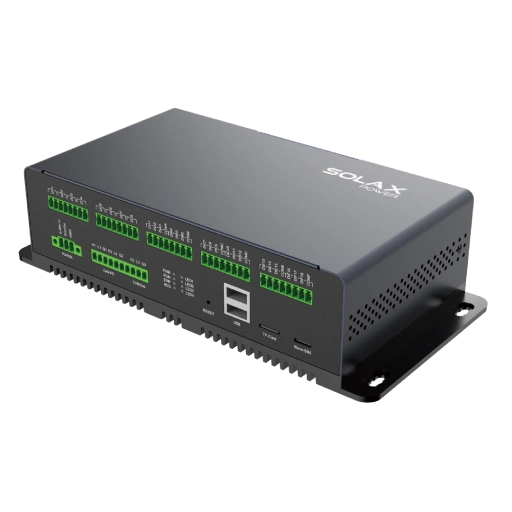
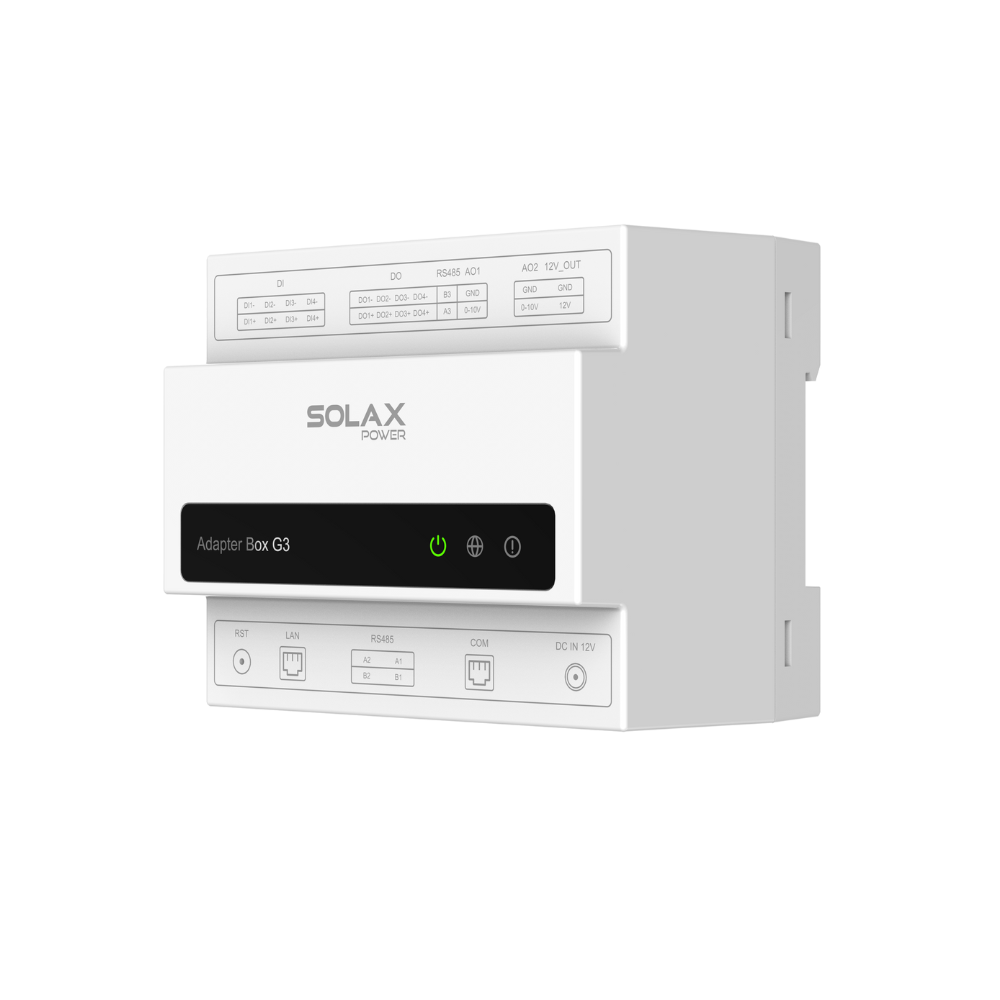
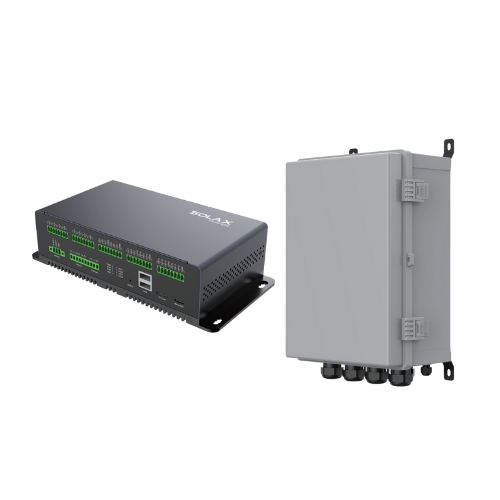
For a site using SolaX smart energy tools, you can pair the hardware plan with monitoring and control visibility. SolaX lists the EMS1000 PRO with RS485 x 8 communications, CAN ports, and a 10-second sample rate on some configurations, which is useful when you need consistent operational data rather than rough monthly averages. That matters because a weak baseline usually creates fake savings.
Step 3: Map tariff cost drivers
Next, break the bill into parts. Separate energy charges, demand charges, time-of-use periods, fixed fees, and any export or interconnection limits tied to your solar pv system. Many teams only model energy arbitrage, but the bigger value often comes from shaving short demand peaks. If your tariff punishes a 15-minute spike, your battery storage dispatch plan must match that billing logic.
Use a simple worksheet with columns for charge type, billing unit, trigger hour, and annual cost contribution. Then ask one practical question: which part can your inverter battery system actually change? Demand savings, energy shifting, solar self-consumption, and backup value each need separate math. IEEE's 2025 work on techno-economic metrics for energy storage systems shows why standardizing economic inputs matters before you compare projects across sites or technologies.
Step 4: Size the operating window
Now estimate the real charge and discharge window. Do not size around nameplate alone. Size around usable hours, tariff windows, and site operations. A battery that can only discharge during one short peak block delivers a different return than one cycling across multiple price windows. This is where solar energy storage system planning gets practical: you are matching battery behavior to the bill, not chasing the biggest cabinet.
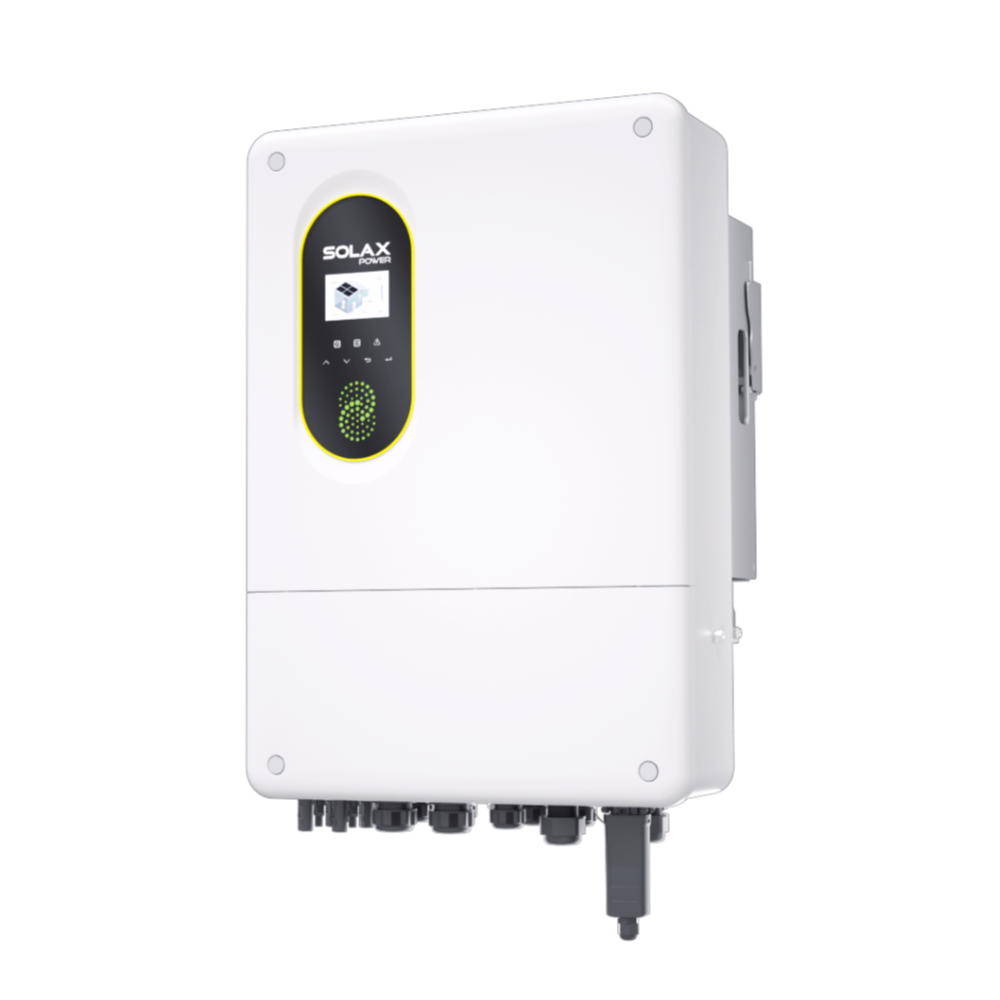
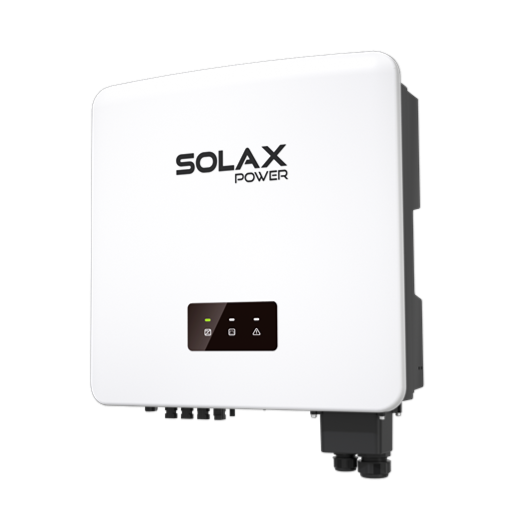
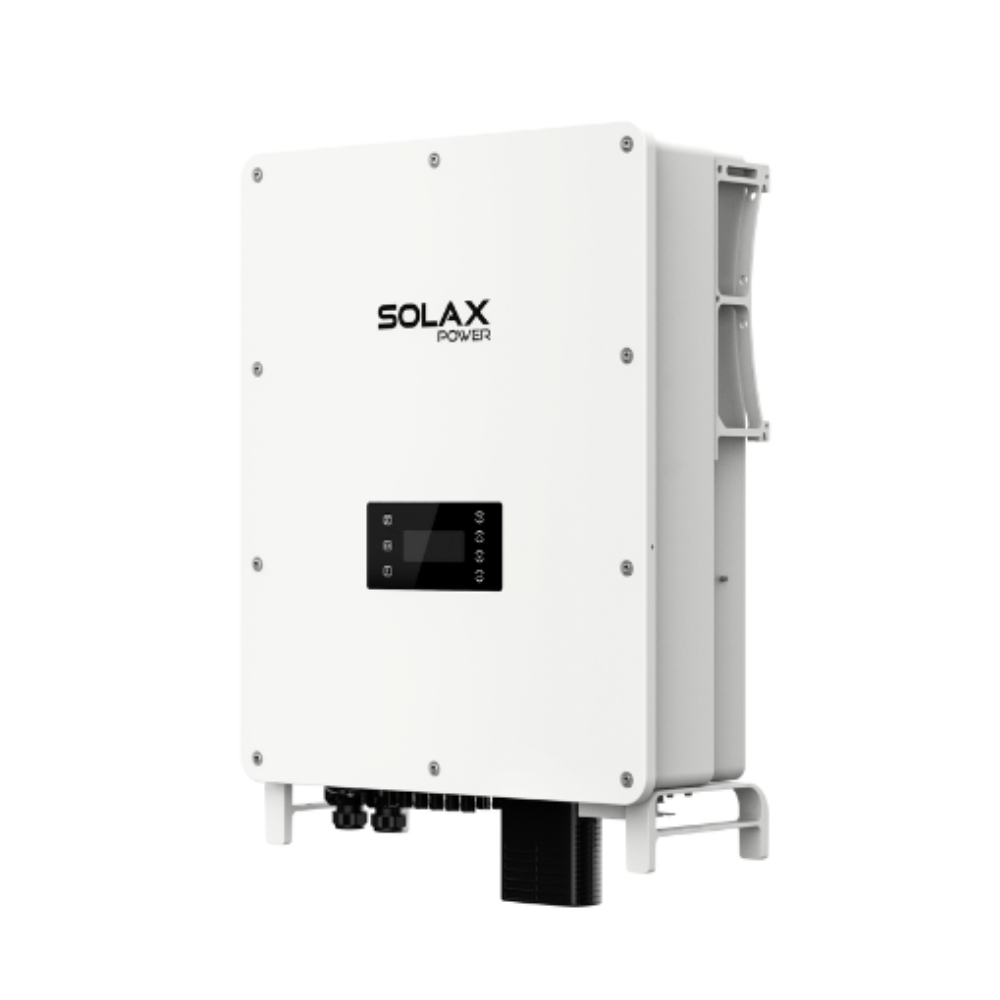
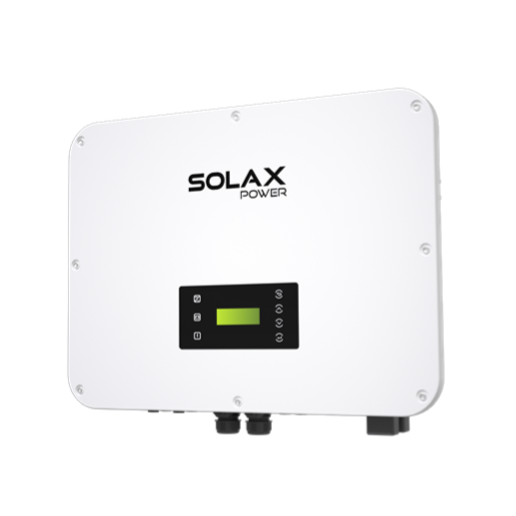
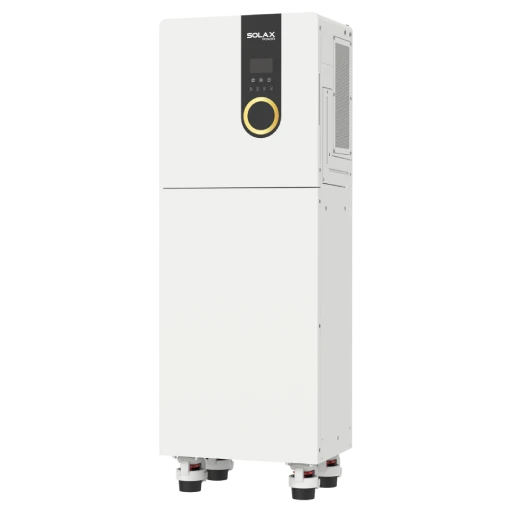
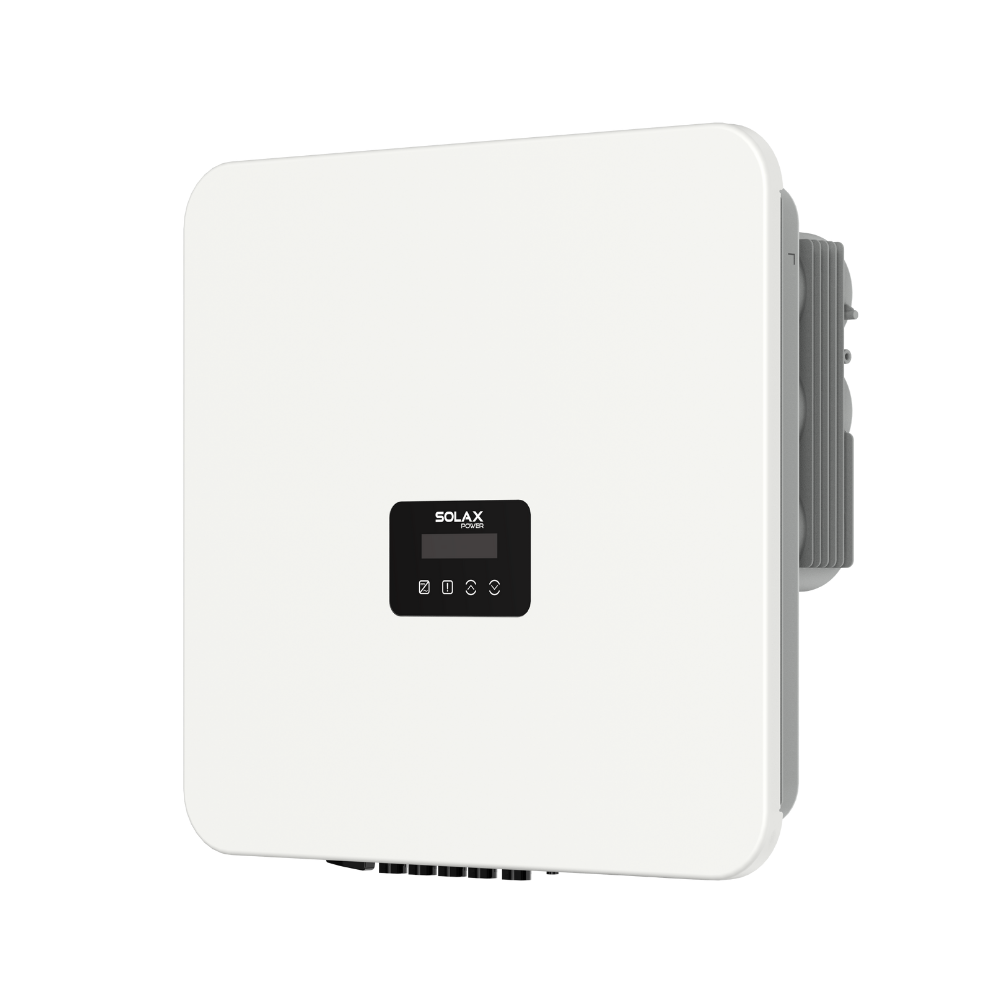
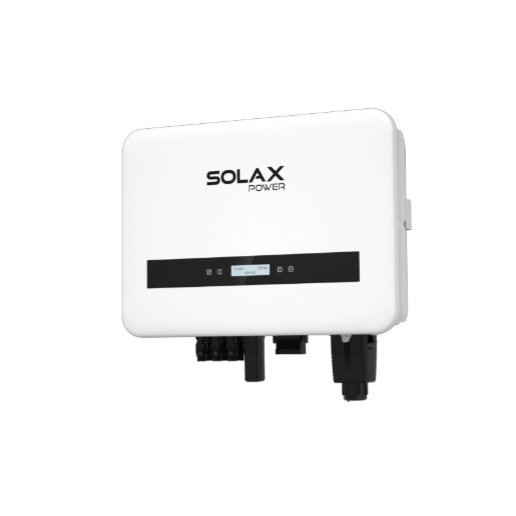
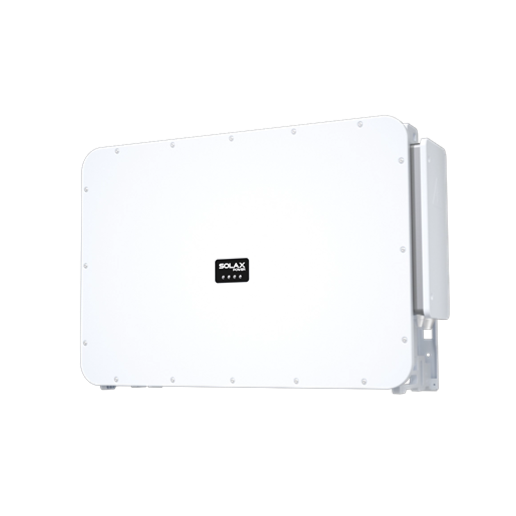
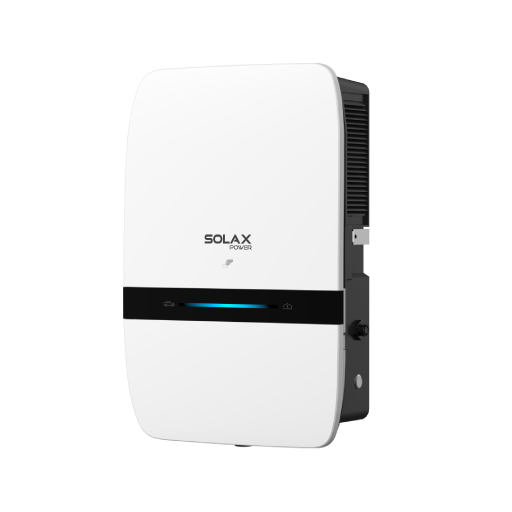
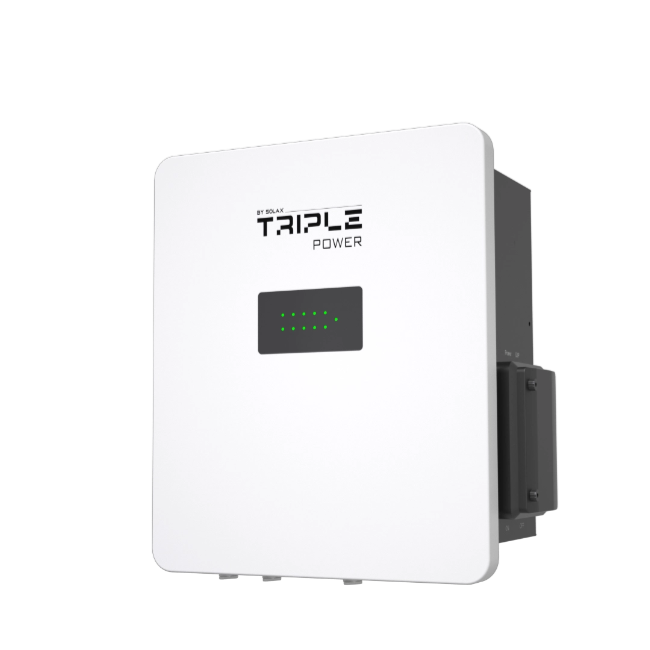
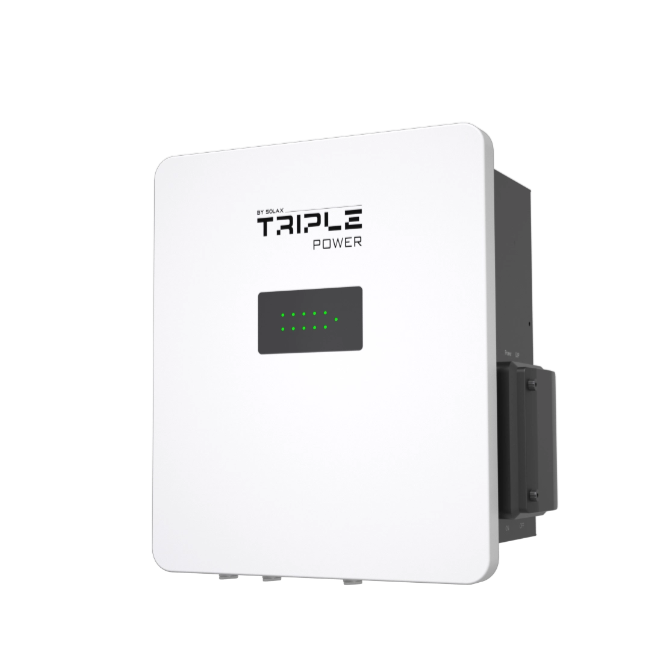
SolaX gives you several ways to frame that window. The X3-AELIO commercial hybrid inverter line includes models from 49.9 kW to 60 kW, with up to 120 kWp recommended PV array power on the 60 kW model, six MPPTs, 40 A max input current per MPPT, and switchover time under 10 ms. If your project combines solar pv, battery storage, and backup support, those specs help you test whether the inverter can support the dispatch profile you are modeling.
Step 5: Calculate annual savings
Build annual savings from separate buckets, then total them. Typical buckets include demand charge reduction, time-shifted energy savings, improved solar self-consumption, backup loss avoidance, and operational gains from better controls. Keep backup value conservative unless outage losses are documented. Otherwise, your ROI will look stronger on paper than in operations.
Use this basic structure:
Annual demand savings = avoided kW x demand rate
Annual energy arbitrage = shifted kWh x price spread
Solar capture gain = avoided export loss or imported kWh
Net annual benefit = total savings - annual O&M - software costs
If you are evaluating a solar energy system with storage, add only savings you can explain with load data. A site with midday solar surplus and expensive evening import rates usually shows better battery storage economics than a flat-load site with cheap tariffs.
Step 6: Count full project costs
Now build the denominator honestly. Include hardware, electrical work, controls, commissioning, engineering, permits, interconnection, monitoring software, service labor, augmentation planning, and ongoing maintenance. This step often decides whether a project is truly bankable. Miss enough soft costs and the payback period can look years shorter than reality.
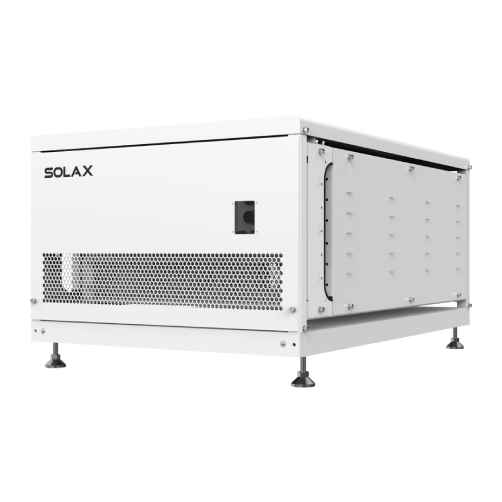
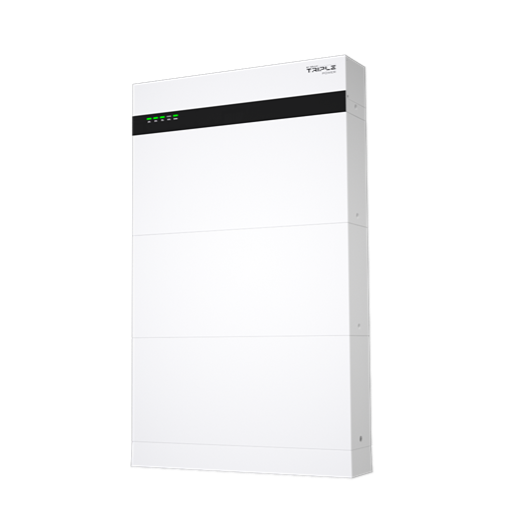
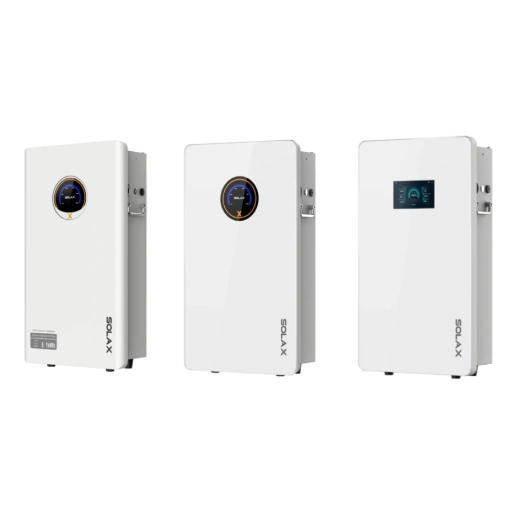
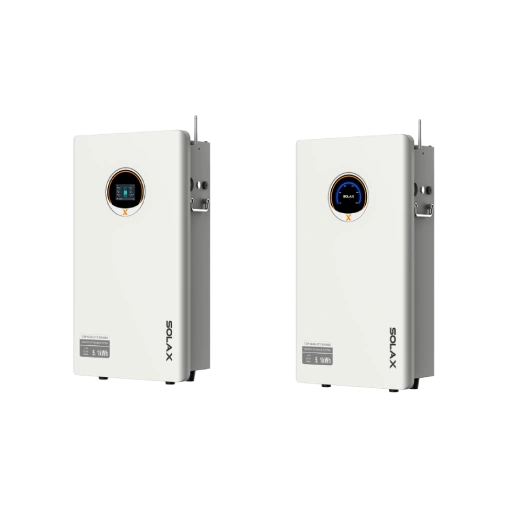
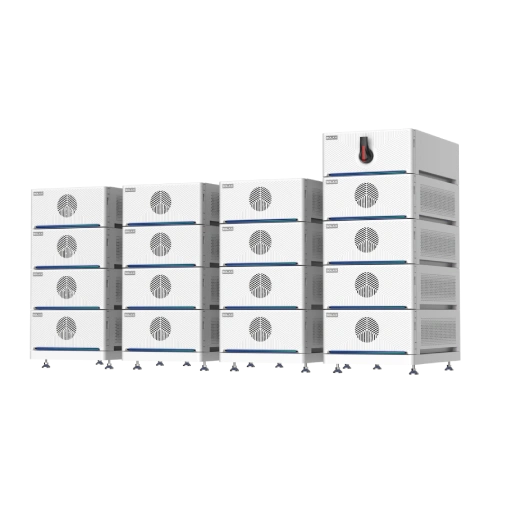
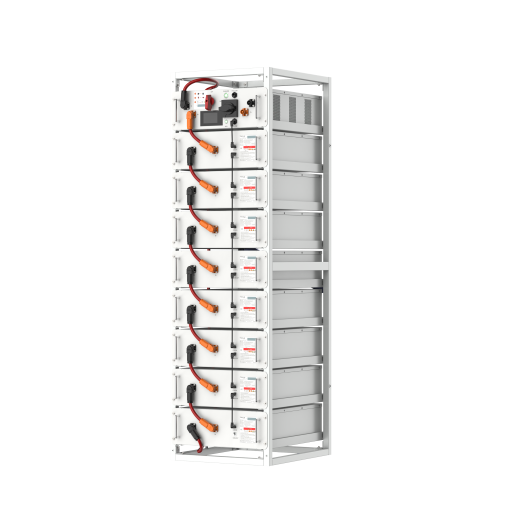
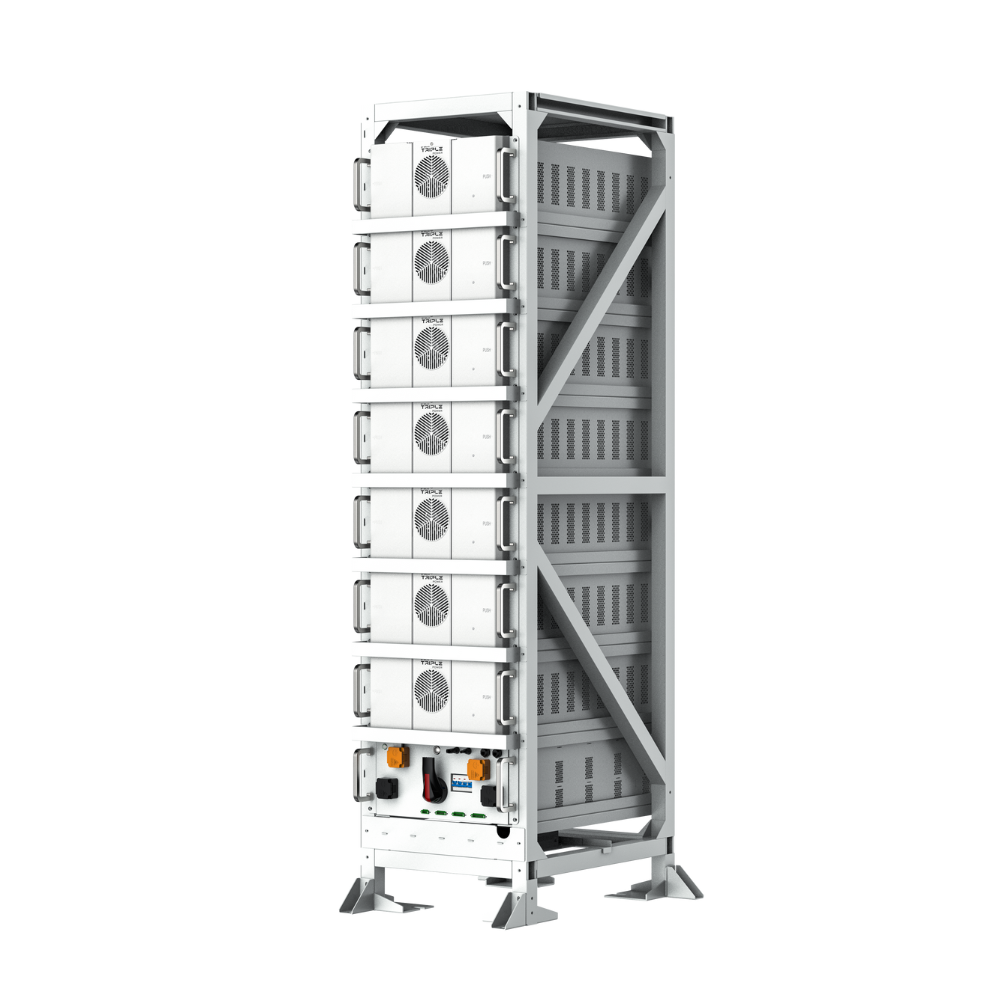
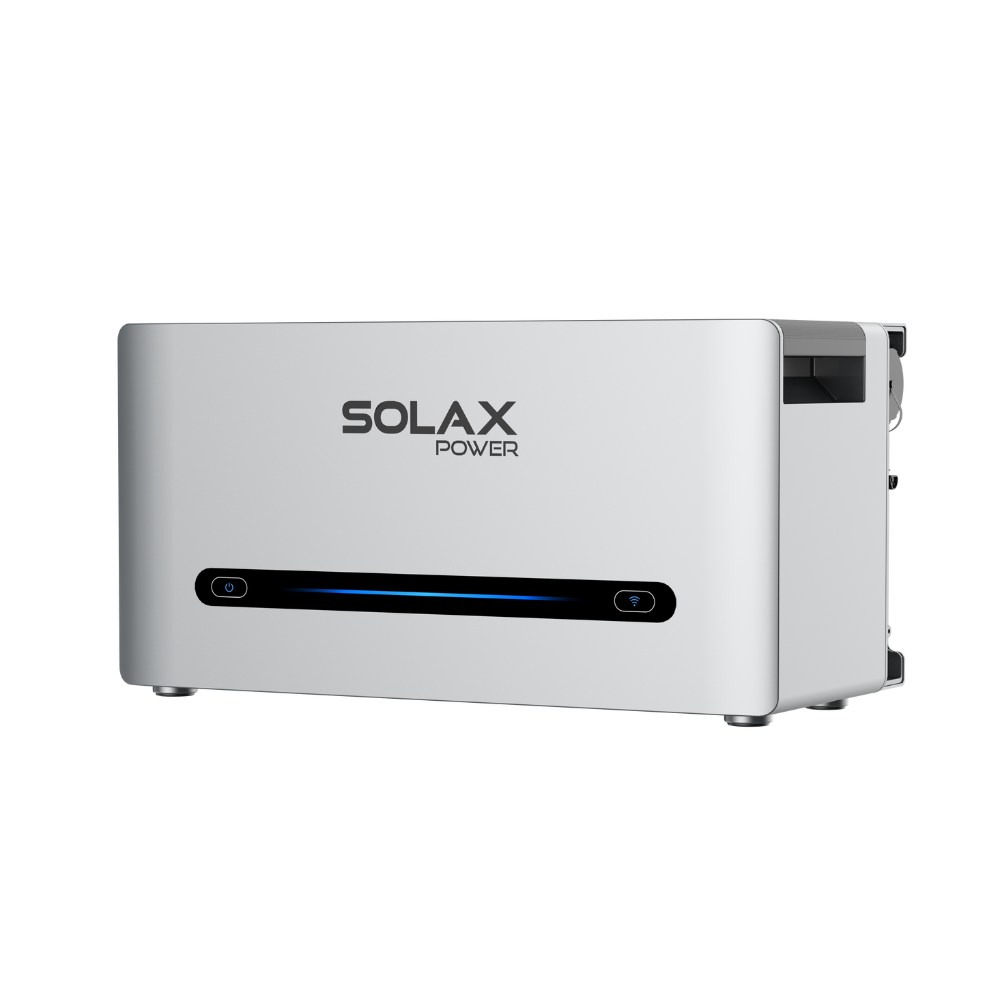
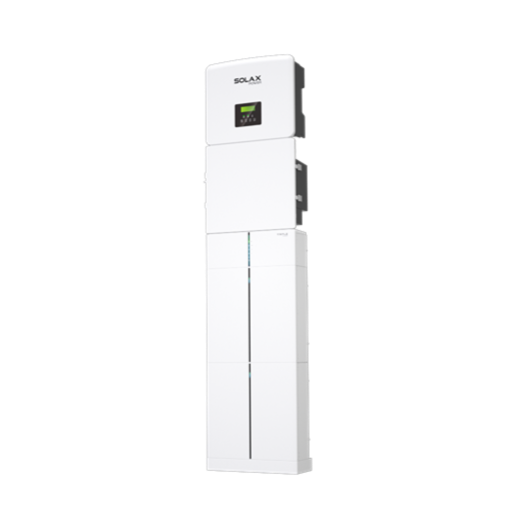
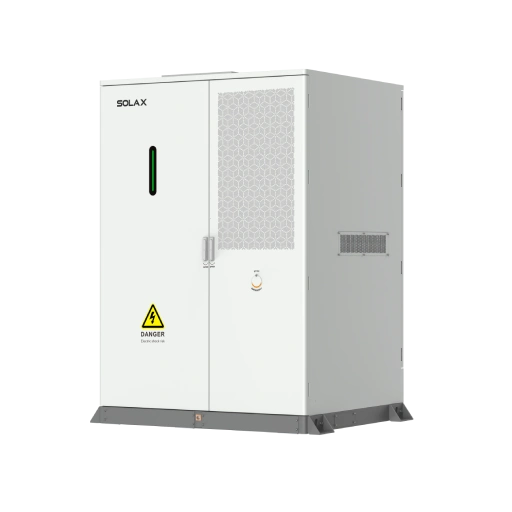
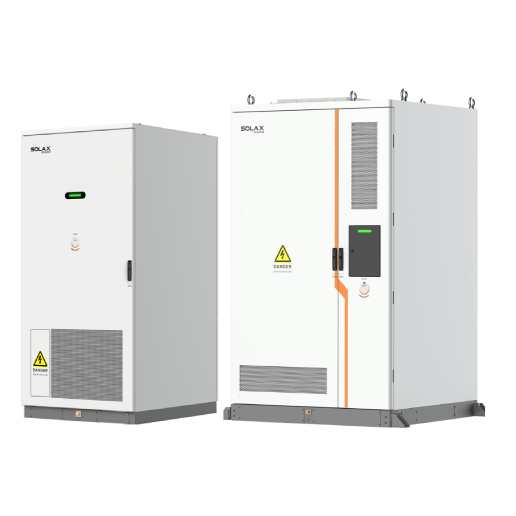
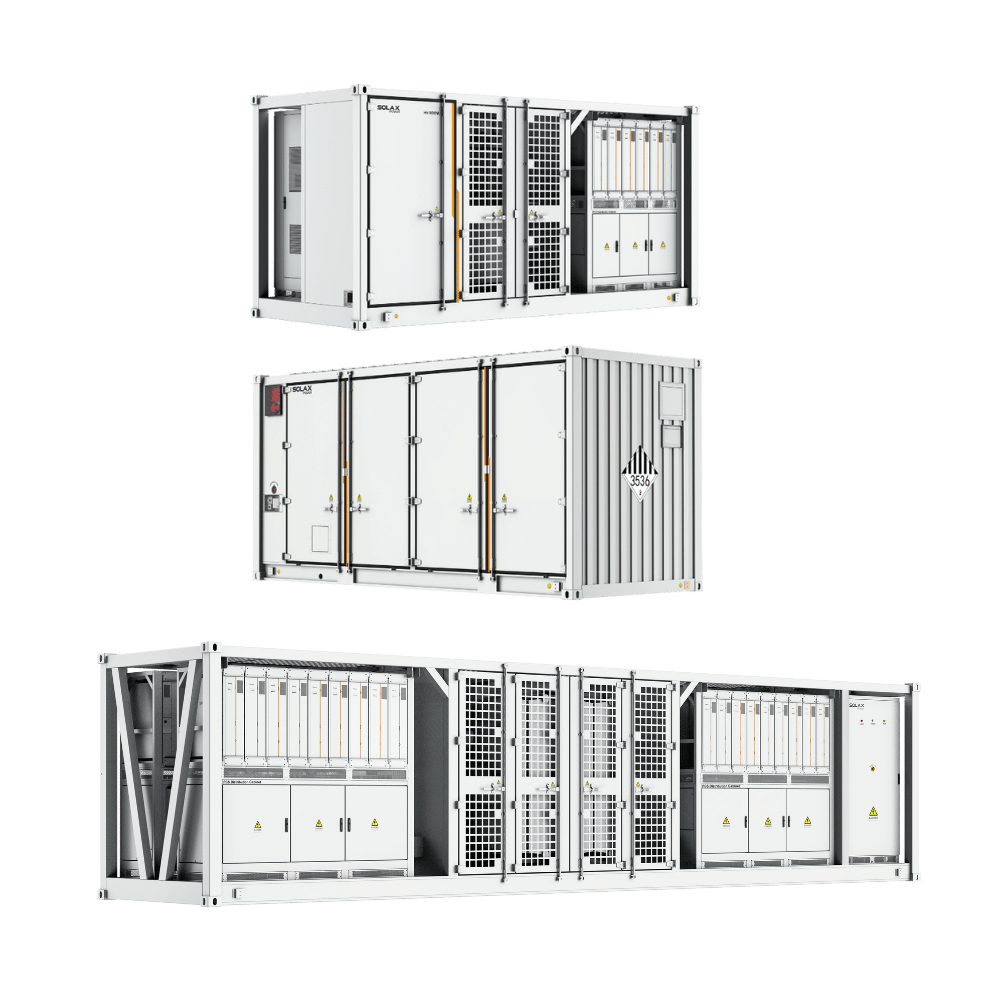
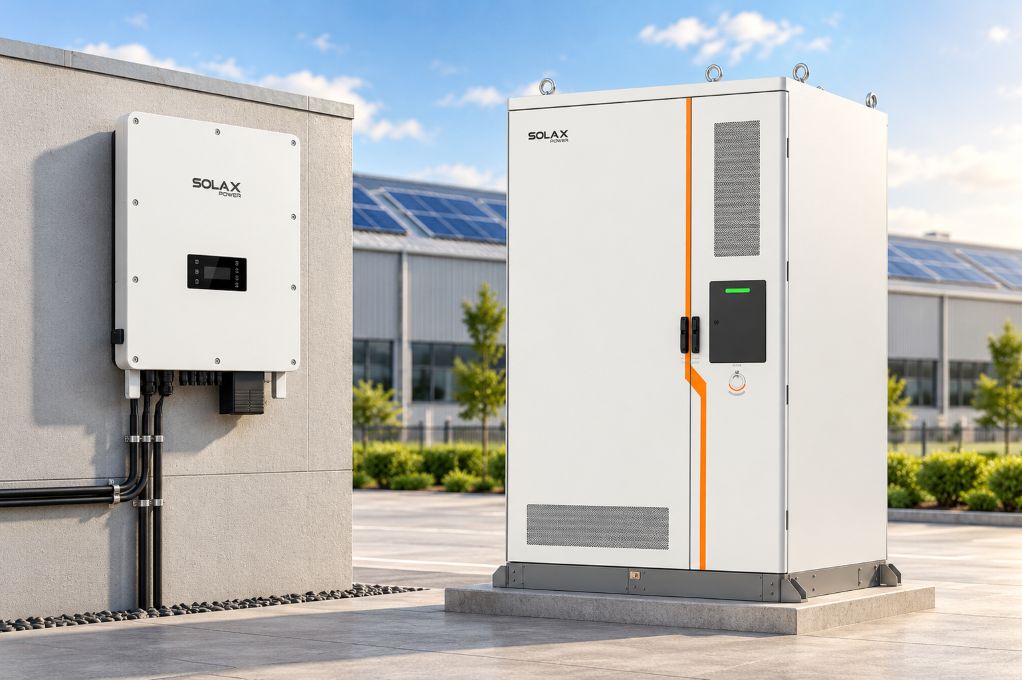
SolaX has multiple C&I hardware paths, so your cost model should match the system architecture. The TSYS-HR76 battery platform uses 7.68 kWh LFP 150 Ah modules, and larger system configurations shown on the product page scale to 84.4 kWh, 92.1 kWh, and beyond with 150 A max charge and discharge current. For a cabinet-style option, the ESS-TRENE liquid-cooling line lists LFP 314 Ah batteries, 1044 kWh capacity on one configuration, IP55 protection, and liquid cooling. Those differences affect installation scope, HVAC assumptions, and lifecycle service planning.
Step 7: Adjust for incentives and risk
After gross cost, subtract incentives, rebates, tax benefits, and any tariff-linked program revenue you can document. Then add risk factors back into the model. Use degradation, downtime, dispatch error, and policy uncertainty as explicit adjustments, not hidden caution in a single savings line. Reuters has reported that battery pricing swings continue to shape project economics and timing decisions across the storage market, which is exactly why you should pressure-test your assumptions instead of relying on one vendor-era cost snapshot.
For a cleaner decision, run three cases: base, upside, and downside. If your energy storage system still clears your hurdle in the downside case, you have a more credible project.
Why Solar Energy Companies Invest in C&I Battery Storage Now?
C&I solar companies are increasingly investing in commercial battery storage systems to meet rising demand for clean, cost-effective, and reliable energy. The falling cost of batteries, combined with supportive regulatory frameworks, makes now a strategic time to invest. Considerable BESS volumes are now being deployed across Europe – 11 GW as of 2024, at a 9% CAGR over the ten-year outlook with 35 GW expected in 2034(Wood Mackenzie: BESS valuation: revenue and risk outlook).
For businesses focused on ESG goals, energy independence, or reducing operational costs, SolaX offers scalable solutions tailored to meet the dynamic needs of commercial and industrial clients.
With greater grid instability and energy price volatility worldwide, C&I battery storage is no longer a luxury—it's a competitive advantage. SolaX empowers businesses to take control of their energy usage, strengthen resilience, and maximize ROI from every watt.
FAQ
Table of Contents
Latest News
Explore expert insights, practical guides, and the latest news on SolaX Power.



To the Latest Newsletter
Stay Ahead with the Latest SolaX Updates!
Subscribe
I have read and agree to Privacy Policy and User Terms