













July 13, 2026
Interoperability, dynamic tariffs and the next phase of home energy management in Europe
Share my #SolaXStory


European households are putting more energy assets behind the meter. Rooftop PV, home batteries, EV chargers and heat pumps are becoming common. Each can help cut electricity bills or carbon emissions. The harder part is making them work together.
That matters more now. Europe's power system is becoming more decentralised. It is also more exposed to variable renewable energy generation. The EU's electricity market reform is pushing consumers towards a more active role. Germany and the Netherlands also show how grid limits and tariff changes can reshape the value of residential solar and storage.
For many homes, the old model was simple. Generate solar power during the day. Use what you can. Export the rest. Buy electricity later. That model is starting to look less reliable. Dynamic electricity tariffs, grid congestion, export limits and electrified heating all need better coordination.
A home energy management system, or HEMS, is therefore no longer just a dashboard. It is becoming the layer between the home, the electricity market and the grid.

From connected devices to coordinated smart home energy systems
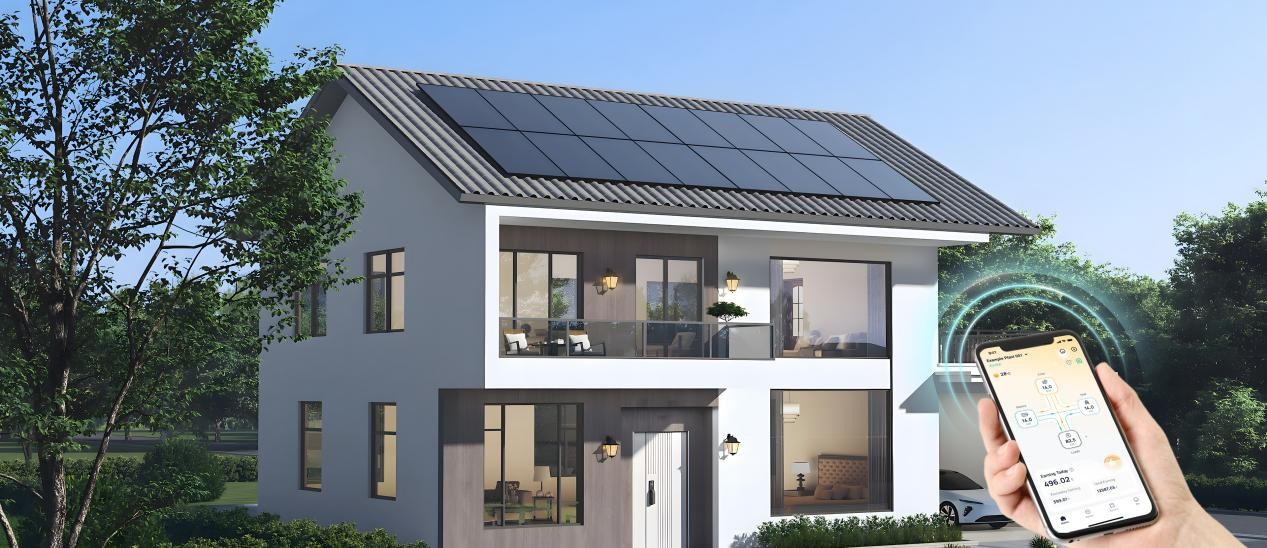
A modern solar home may include an inverter, battery, EV charger, heat pump, smart meter and several apps. On paper, that sounds flexible. In practice, it depends on whether these devices can exchange data in a reliable way.
A battery needs to know whether the EV will charge overnight. A heat pump may need to avoid local peak periods. An inverter may have to follow export limits. A household with a dynamic electricity contract needs to decide when cheap grid power should be stored, used, or ignored in favour of solar.
Without a common communication layer, each device tends to optimize for itself. The homeowner may have PV, storage and electrified heating. But the full system may still run below its potential.
This is why interoperability has become a serious topic in residential energy management. It affects installation time, reliability and user experience. It also affects the ability of homes to provide grid flexibility.
What EEBUS brings to home energy management
EEBUS interoperability addresses one part of this problem. It gives energy devices a shared language. It is not an optimization engine. It is a communication framework. Devices can exchange status data, receive limits and respond to energy management commands.
Interoperability enables coordination. The real value comes from what the HEMS does with the information.
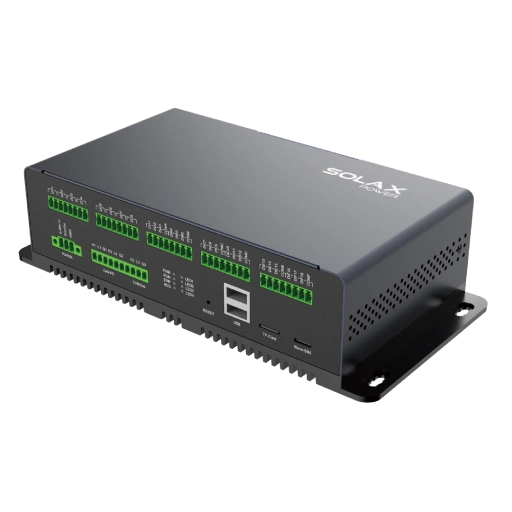
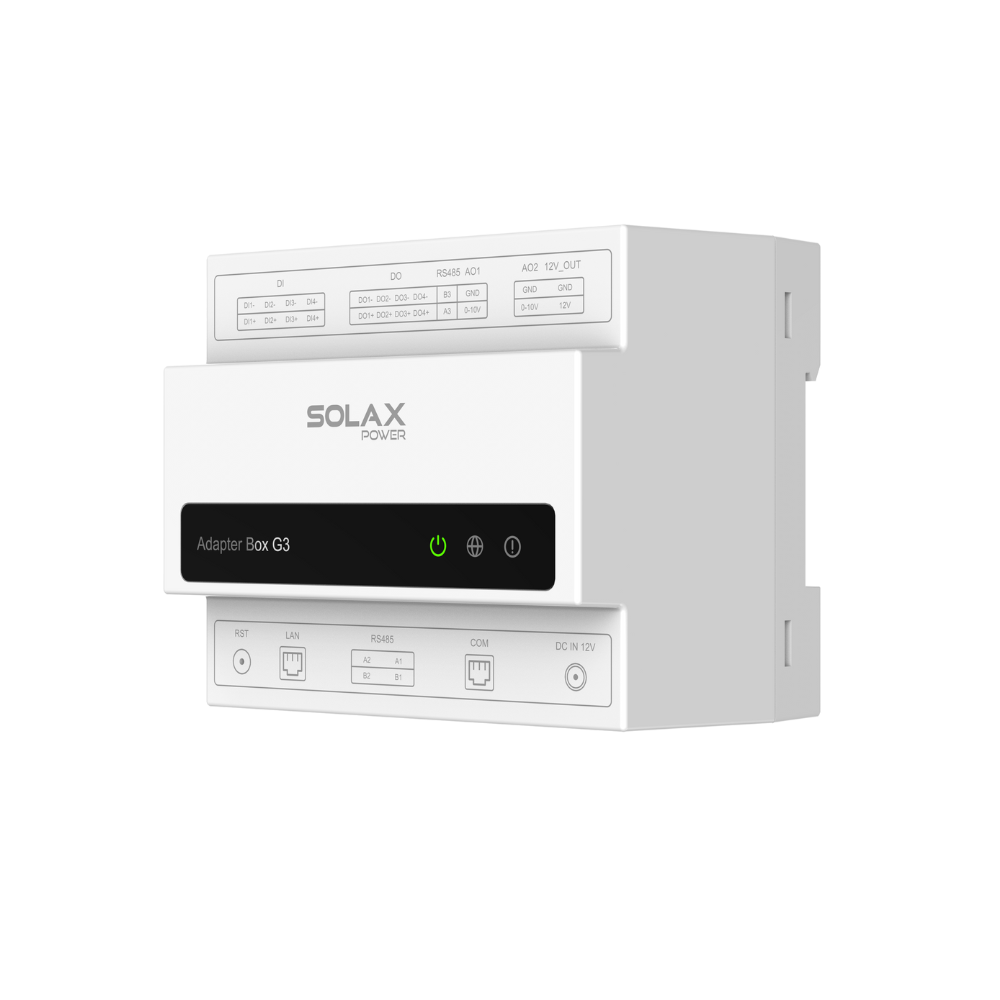
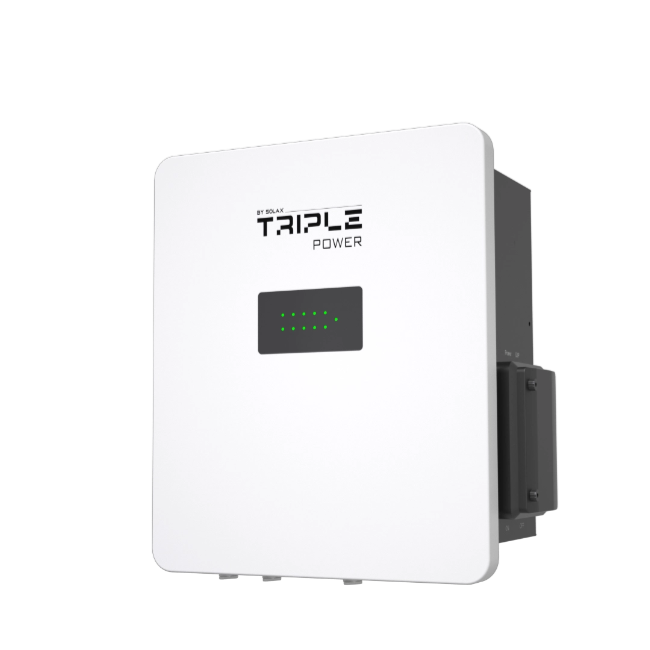
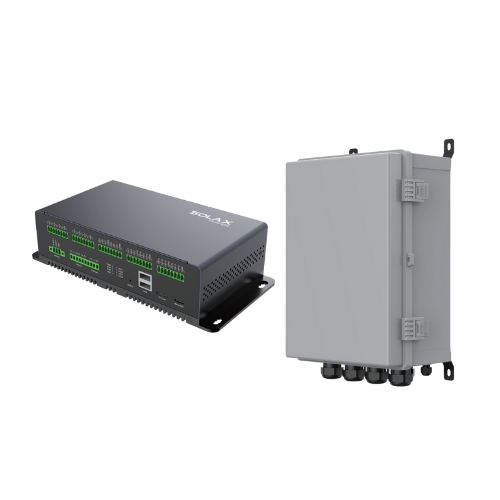
SolaX recently announced that its XHub home energy management device has been listed on the Living Lab Cologne / EEBUS device list as pilot-qualified in the EMS category. The listed configuration supports three EEBUS use cases: Limitation of Power Consumption, Limitation of Power Production and Monitoring of Power Consumption.
The point is not just another line on a product sheet. It reflects a wider shift. The home energy management market is moving from “can the devices connect?” to “can they respond to price signals, grid signals and household priorities?”
LPC, LPP and MPC in plain terms
The three EEBUS use cases linked with XHub sound technical. Their purpose is practical.
Limitation of Power Consumption, or LPC, allows flexible loads to reduce demand when needed. In a home, this could mean an EV charger, heat pump or battery charging process reducing power in response to a local limit or grid signal.
Limitation of Power Production, or LPP, works from the other side. It allows the system to limit output from PV or storage when feed-in needs to be managed.
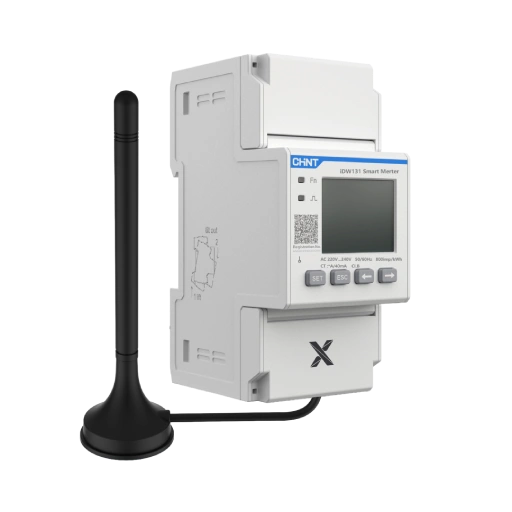
Monitoring of Power Consumption, or MPC, provides measurement data. It helps check what actually happened.
In simple terms: LPC limits demand, LPP limits export, and MPC checks the result.
This matters in Europe. In Germany, rules on controllable consumer devices under §14a EnWG allow network operators to temporarily reduce the power of assets such as heat pumps and private EV charge points where there is an acute local grid risk. For homeowners, interoperability is no longer only about convenience. It is becoming part of how electrified homes stay compatible with grid requirements.
Why smart scheduling matters
If EEBUS provides the communication layer, smart scheduling provides the decision layer.
A HEMS needs to decide when to charge a battery, when to discharge it, when to prioritise solar self-consumption, and when to export solar power. It may also need to shift flexible demand from an EV charger or heat pump. These decisions depend on solar forecasts, household load, battery state of charge, electricity prices, user settings and local grid conditions.
This is where dynamic electricity tariffs become important. As Clean Energy Wire explains, dynamic tariffs can reward households that shift use to cheaper periods, often when renewable generation is high. But few homeowners want to manage this by hand every day.
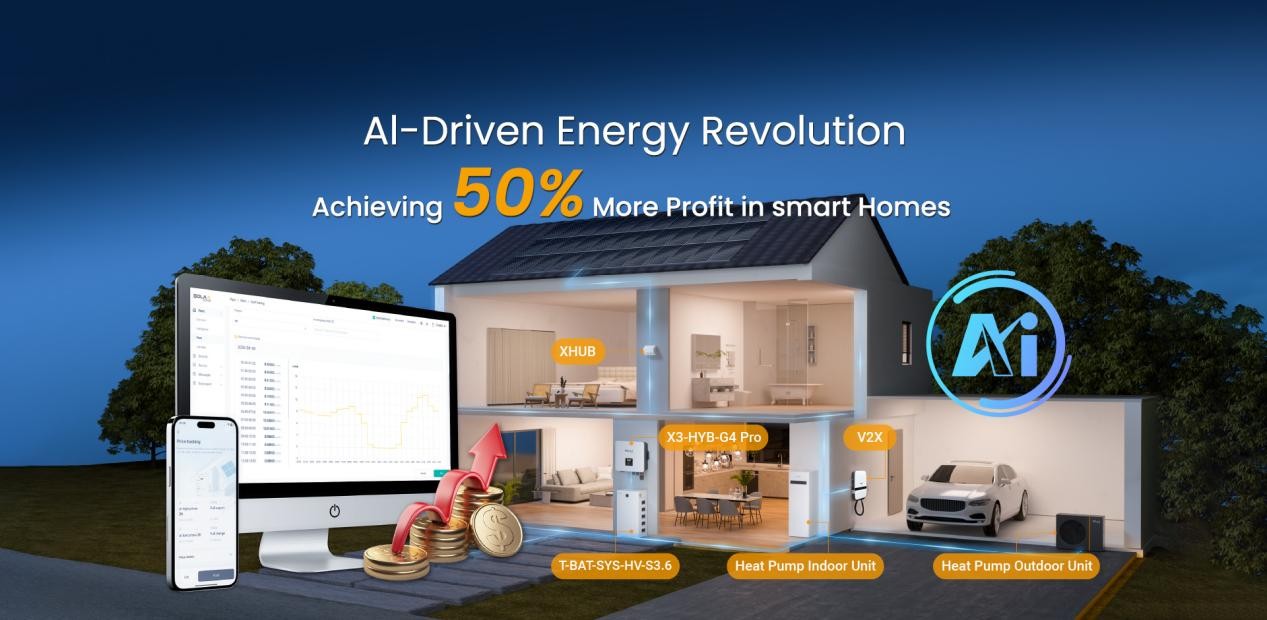
This is where SolaX positions XHub and its Smart Schedule function. Instead of treating PV, storage, EV charging and heating as separate systems, XHub is designed as a central coordination point within the SolaX residential energy ecosystem. The aim is simple enough: schedule charging, discharging and load operation around solar production, electricity prices and household demand.
It should not be oversold. Not every household will see the same result. Outcomes depend on tariff design, weather, system size, export rules, battery capacity, user behaviour and installation quality. Still, the direction is clear. Optimization is becoming a software-defined part of home energy value.
The Netherlands as an early test case
The Netherlands is a useful market to watch. It has high residential solar penetration, growing interest in dynamic tariffs and a major policy change ahead. The Dutch netting scheme, or salderingsregeling, will end on 1 January 2027, according to the Dutch government's business portal on the end of the solar panel netting scheme.
That changes the role of home storage. When exported solar is no longer valued in the same way as imported electricity, households have more reason to consume solar locally, store energy at the right time and respond to tariff signals.
A selected SolaX installation in the Netherlands, the Lokveenweg Plant, gives a practical example. The site combines XHub, Smart Schedule, a 10 kWh battery and a dynamic electricity contract from Tibber. According to SolaX case data, XHub uses price signals to adjust when the battery charges, when it supports household demand, and when export or discharge makes more sense.
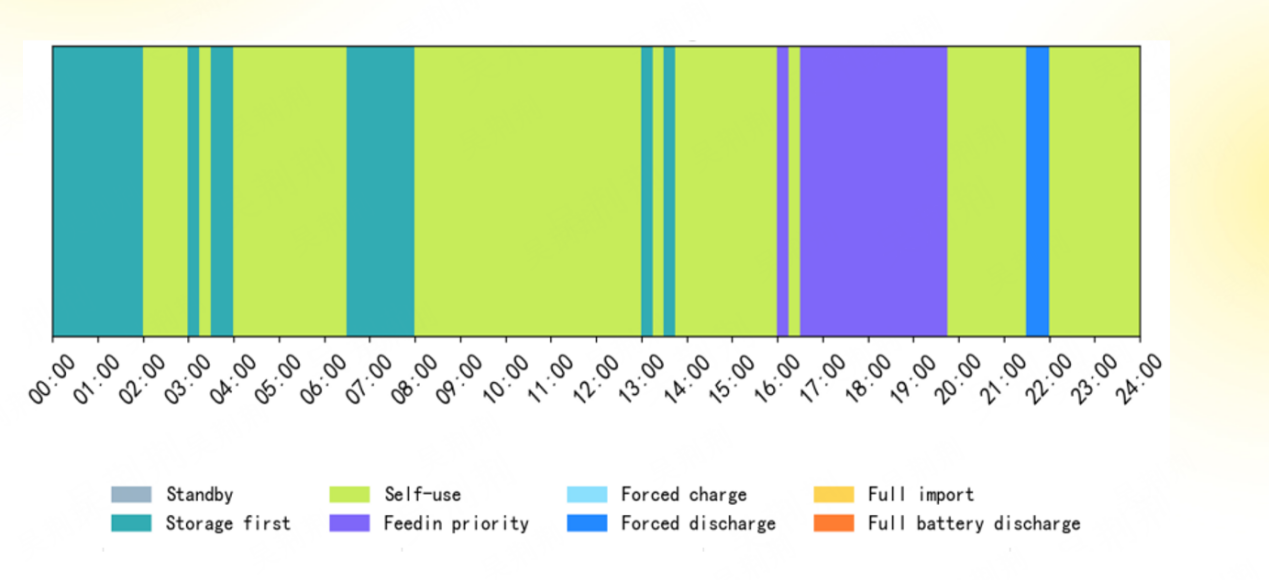
On 20 July, SolaX reports that this optimized strategy produced €2.56 of daily value, compared with €1.28 under a basic self-use strategy. The extra €1.28 came from smarter timing of charging, discharging and export. In this selected case, scheduling contributed 50% of the day's total optimized value.
This should be read carefully. It is not a guaranteed saving. Results depend on tariff structure, price spread, system design, weather, battery cycling, export rules and how value is calculated. Still, the case shows a simple point: when electricity prices change during the day, timing becomes part of the business case for solar battery storage.
Where XHub fits in the SolaX ecosystem
XHub is best understood as a coordination layer within the SolaX home energy ecosystem.
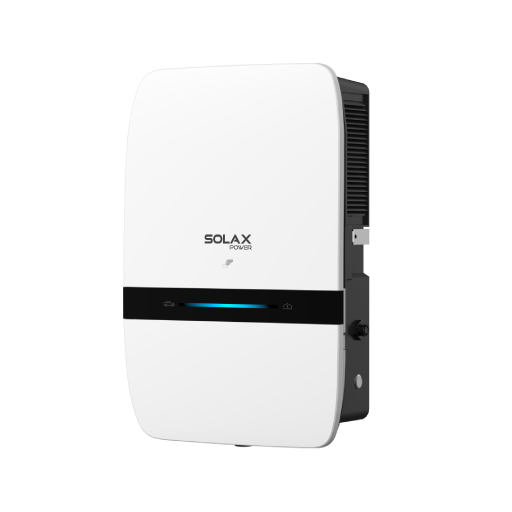
In a SolaX-based home, the system may include PV generation, hybrid inverters, battery storage, EV charging, heat pump integration, the SolaX app and Smart Schedule. The role of SolaX XHub is to help these assets work together, instead of running as separate devices.
For homeowners, that can mean clearer control over when energy is generated, stored, used or exported. For installers, it offers a more repeatable structure for complex residential energy systems. For grids, coordinated homes can be more predictable than unmanaged loads and exports.
There are limits. A HEMS can only optimize assets it can see and control. Compatibility, metering, commissioning, tariff rules and user settings all matter.
The next stage of smart home energy management will not be decided by one protocol or one product alone. Smart meters, tariff access, device compatibility, battery degradation, grid fees and export rules all still matter. These may not be neat marketing points, but they are the questions European installers and energy professionals will ask.
This is also why the stronger message around XHub is not simply that it connects devices. As more European homes combine PV, batteries, EV chargers and heat pumps, value will depend more on coordination than on single devices. EEBUS can provide part of the common language. Dynamic electricity tariffs and grid requirements provide the signals. Systems such as SolaX XHub then translate those signals into daily decisions: when to charge, when to export, when to reduce load and when to prioritize self-consumption.
That is the real move beyond monitoring — and, for European solar homes, perhaps the more important step beyond certification.
Table of Contents
Latest News
Explore expert insights, practical guides, and the latest news on SolaX Power.


To the Latest Newsletter
Stay Ahead with the Latest SolaX Updates!
Subscribe
I have read and agree to Privacy Policy and User Terms