












July 14, 2026
Simple and Reliable Solar Inverters: Which Supplier Should Homeowners Consider?
Share my #SolaXStory


High bills after a solar installation often come from one simple issue: the solar inverter was not matched properly to the roof, panel layout or future plans. That matters because the inverter is the part of the solar power system that turns panel output into usable electricity for your home. If it is undersized, poorly monitored or awkward to expand, you may lose visibility, flexibility and long-term value.
According to the European Commission, updated building rules are intended to increase solar uptake and future-ready design, while the EU also recorded 56 GW of new solar capacity in 2025. For most homeowners, the best route is to start with your roof shape, your current electricity use and whether a solar battery may be added later. Across Europe, rooftop solar remains a major part of residential self-consumption growth, and the policy direction continues to favour smarter home energy use and better integration with buildings.
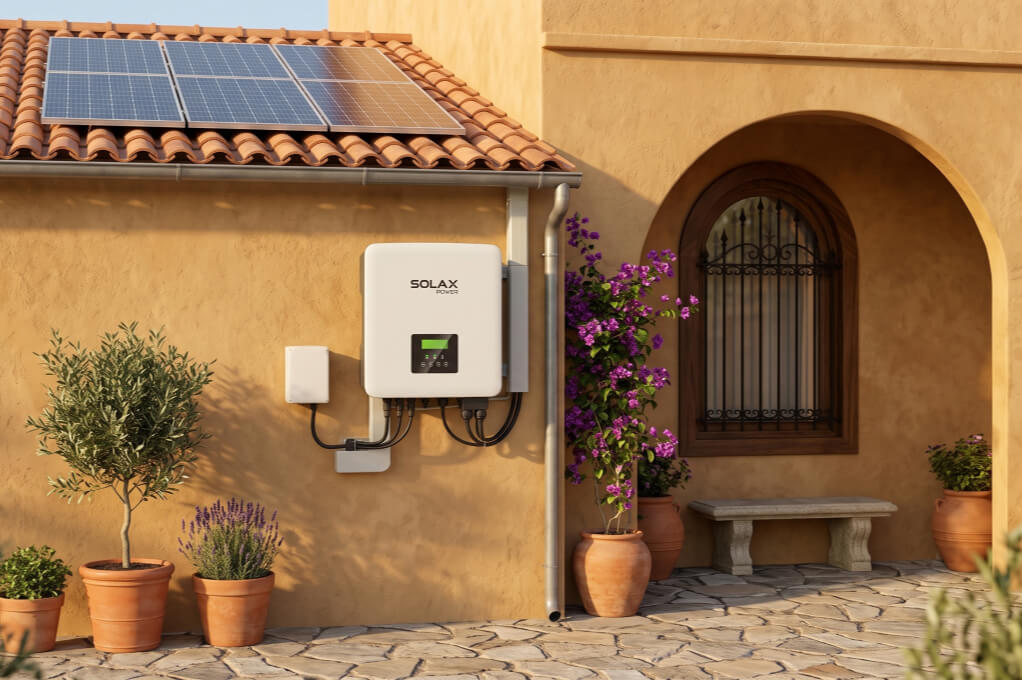
What makes a home solar inverter simple and reliable?
A reliable inverter is not just efficient on paper. It should be easy to size, easy to monitor and realistic to service over many years. Moreover, homeowners usually benefit more from a clear product path than from a long feature list.
Core terms homeowners should know
String inverter: one central inverter manages a group of panels. This suits many straightforward roofs.
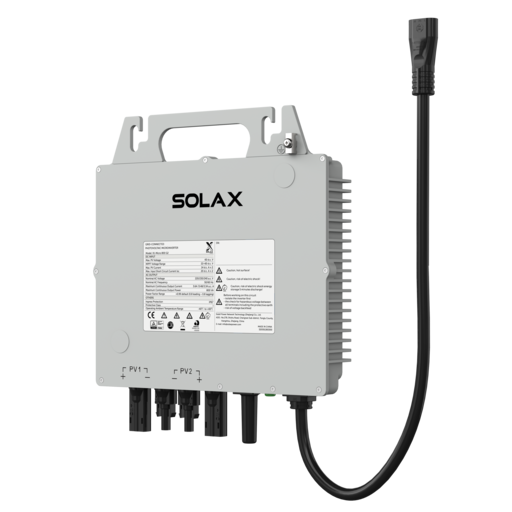
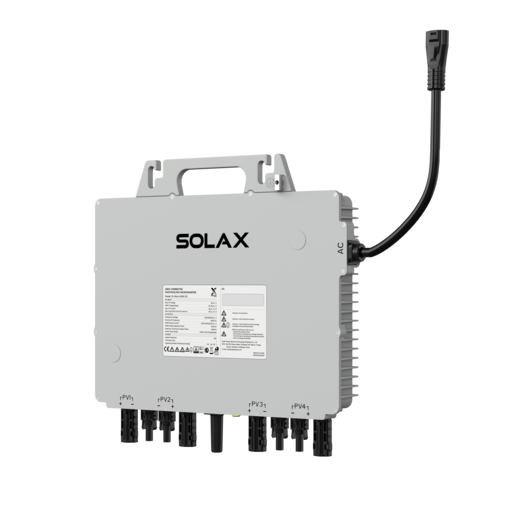
Micro inverter: a small unit works at panel level. This can help where shading or roof orientation varies.
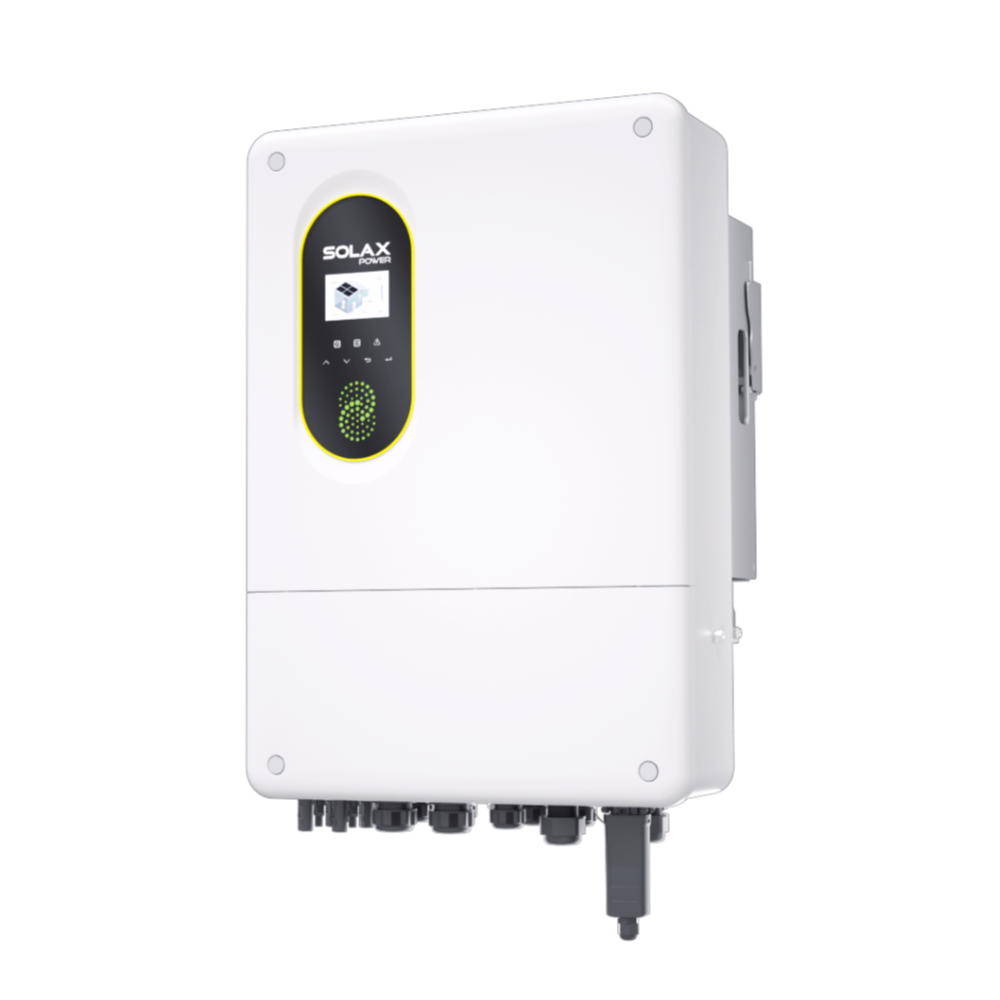
Hybrid inverter: an inverter designed to work with a solar battery, either now or as a later upgrade.
The reliability basics worth checking
Monitoring that shows faults quickly, not just total generation
MPPT range, which tells you how well the inverter can handle panel voltage variation
Export control, where local grid rules require limits
Warranty terms, activation conditions and regional service access
Main product paths in this guide
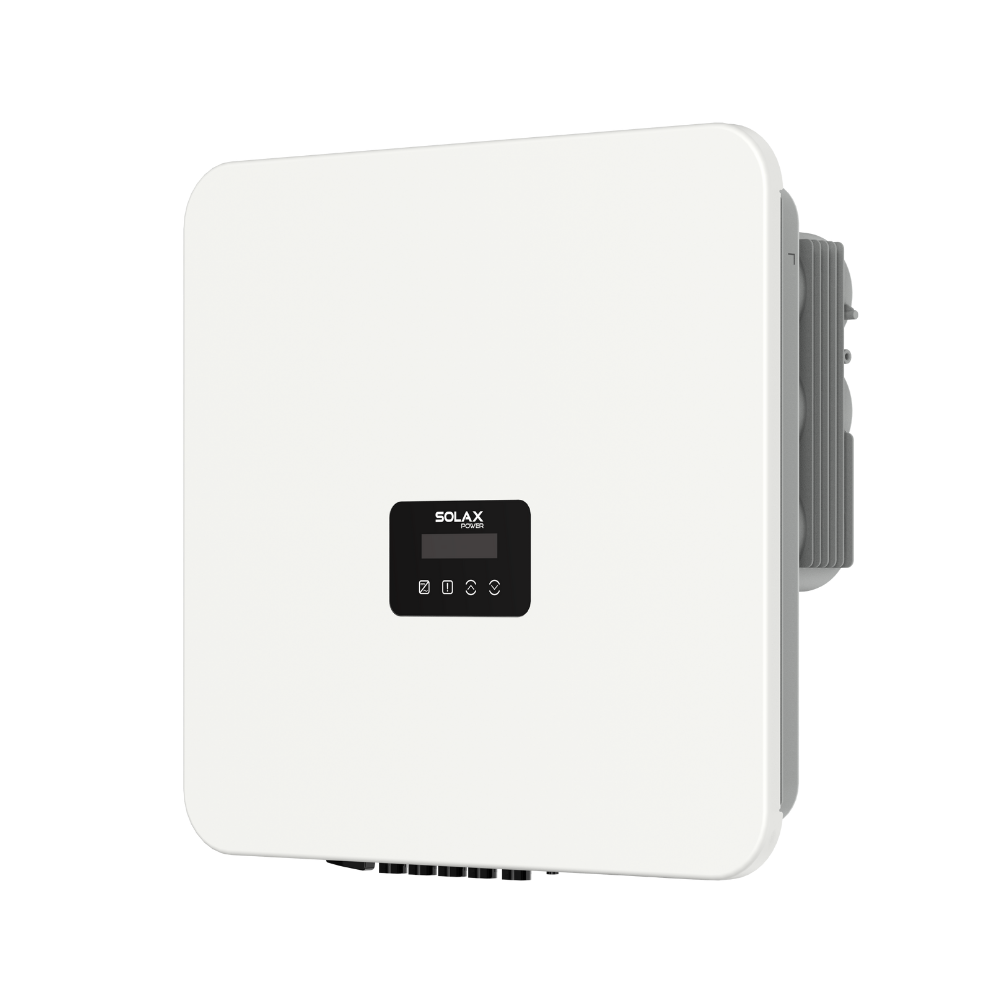
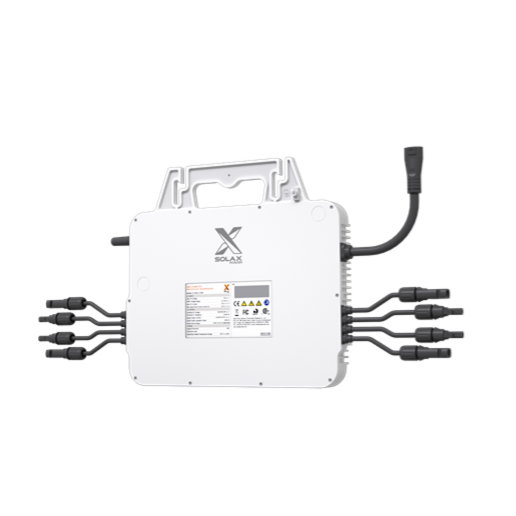
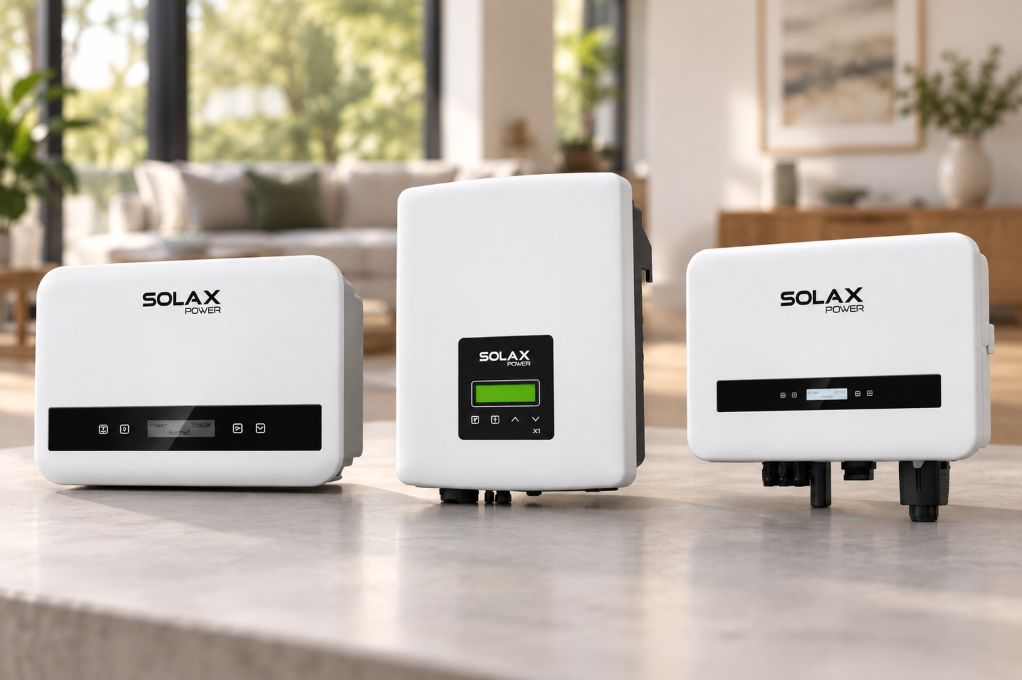
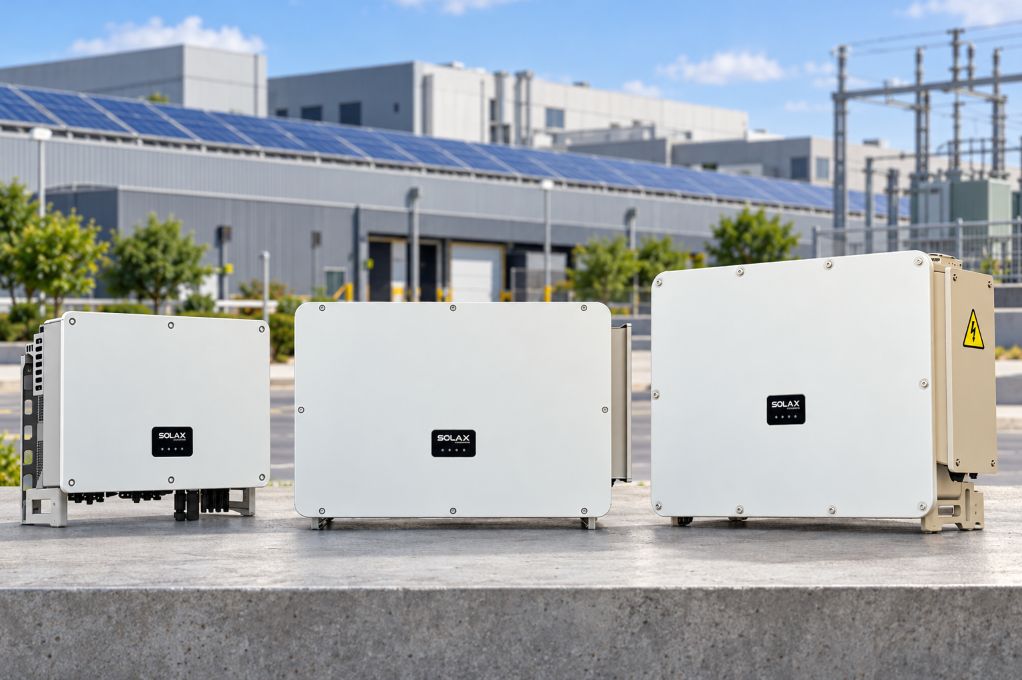
For smaller systems, a mini inverter can keep the installation compact. For mainstream homes, a single-phase string inverter is usually the practical middle ground. For larger properties with three-phase supply, a three-phase inverter may offer better fit and expansion headroom.
How to match inverter type to your home solar power system
Your best choice depends less on trends and more on roof conditions. In several EU studies, rooftop solar keeps gaining importance because it supports self-consumption and uses existing building space efficiently. The Joint Research Centre found that rooftop solar could supply around 40% of Europe's long-term electricity demand, which underlines why getting the home-level design right matters from the start. Joint Research Centre pointed out that estimate is based on EU-wide building data and current PV technology.
If your roof is small or straightforward
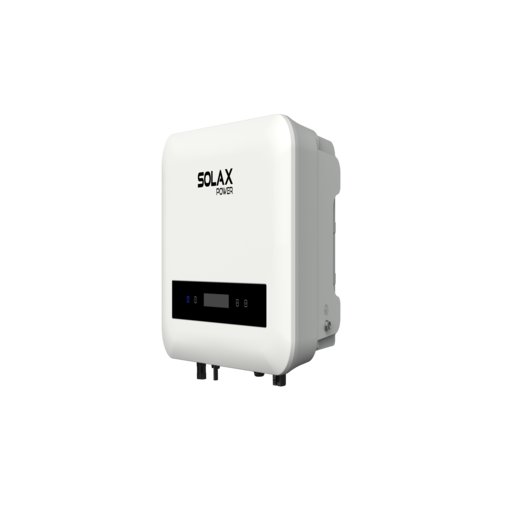
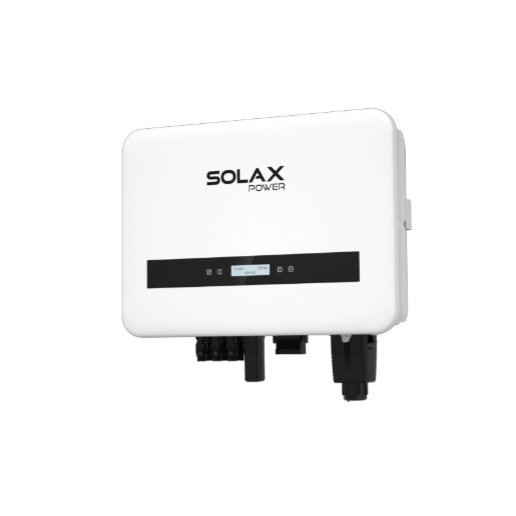
A compact array usually benefits from a mini inverter. The SolaX X1-MINI G4 range runs from 1.5 kW to 3.3 kW, with the X1-MINI-3.3K-G4 rated at 3,300 W and supporting up to 6.6 kWp of recommended PV array power. SolaX also lists IP66 protection and a slim 290 × 206 × 120 mm enclosure, which can help where indoor space is tight.
If you want a mainstream home setup
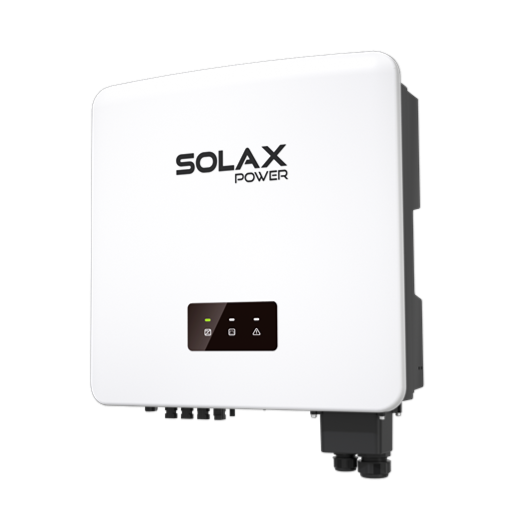
For many single-phase homes, a standard string inverter is the clearest choice. The SolaX X1 Boost G4 supports up to 200% PV oversizing, 16 A input, built-in export control and 10-second data refresh in SolaX Cloud. That combination is useful if you want a practical solar energy system with good monitoring and some design headroom, rather than a bare-minimum install.
If shading or panel layout is complex
A solar micro inverter or similar panel-level approach can make sense where panels face different directions or partial shading changes during the day. However, for simple roofs, a string inverter often remains easier to service and easier to procure. In other words, flexibility is valuable only when your roof actually needs it.
If battery-readiness matters later
If you may add a solar battery, raise that before the installer finalises cable routes, metering and platform choices. Even if you start with a standard inverter, checking compatibility early can reduce redesign later. That is especially relevant for households that expect EV charging, heat pump loads or broader smart energy control.
Which supplier signals matter before you buy?
A good supplier reduces ownership friction, not just equipment risk. Therefore, look at the whole support path rather than one headline specification.
Product range and upgrade path
One supplier across inverter, monitoring and future accessories can simplify integration.
Product families should cover small, standard and larger homes without forcing a platform change.
Monitoring should scale clearly if your energy solutions expand later.
Warranty, service and remote support
Read the standard warranty length and the activation process carefully.
Ask whether remote diagnostics are available before a site visit is booked.
Confirm installer familiarity with the platform in your region.
Compliance and quality assurance
Grid compliance should be easy to verify, not vague. The SolaX residential range highlights broad certification coverage and cloud monitoring across its home products, while public procurement specifications in the UK commonly require remote fault visibility and inverter warranties of at least 10 years for comparable solar PV work.
A practical shortlist of simple SolaX routes for homeowners
If you want one supplier with a clear residential path, SolaX gives you three sensible routes.
For smaller homes: X1 Mini series
The X1 Mini series fits compact residential PV systems where roof area and installation space are limited. It keeps the hardware small while still offering export control and support for smart loads management on the G4 line.
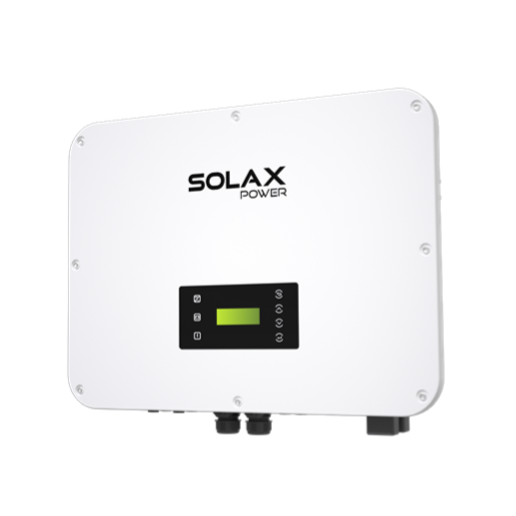
For standard single-phase homes: X1 Boost series
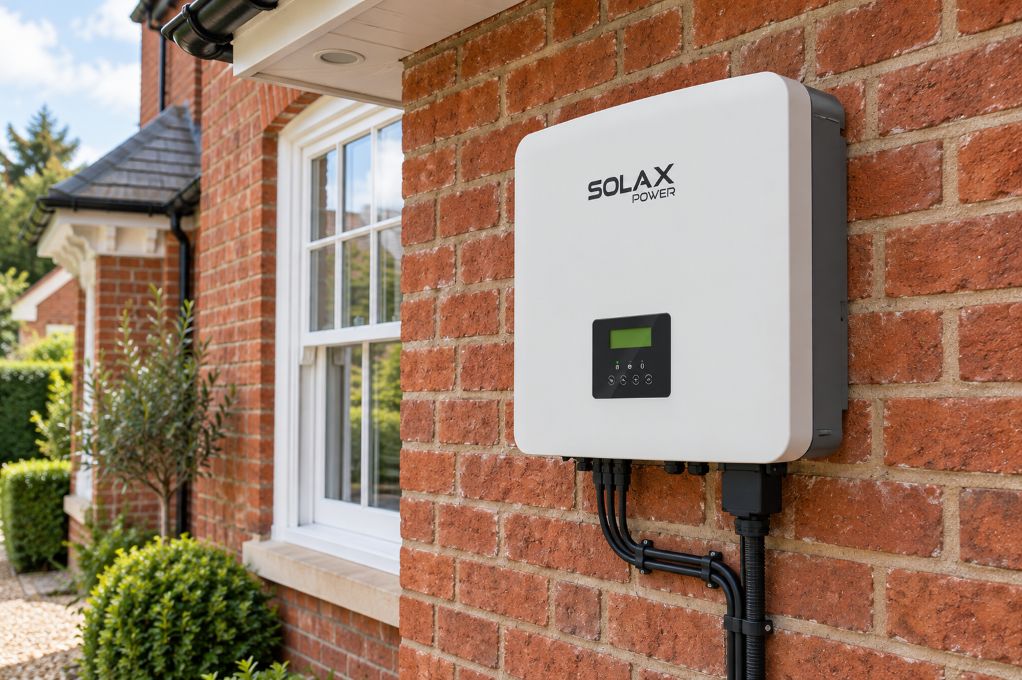
The X1 Boost series is the mainstream option for many households. It combines built-in export control, SolaX Cloud visibility and support for parallel operation of up to five inverters without an external EMS, which can help if the system grows later.
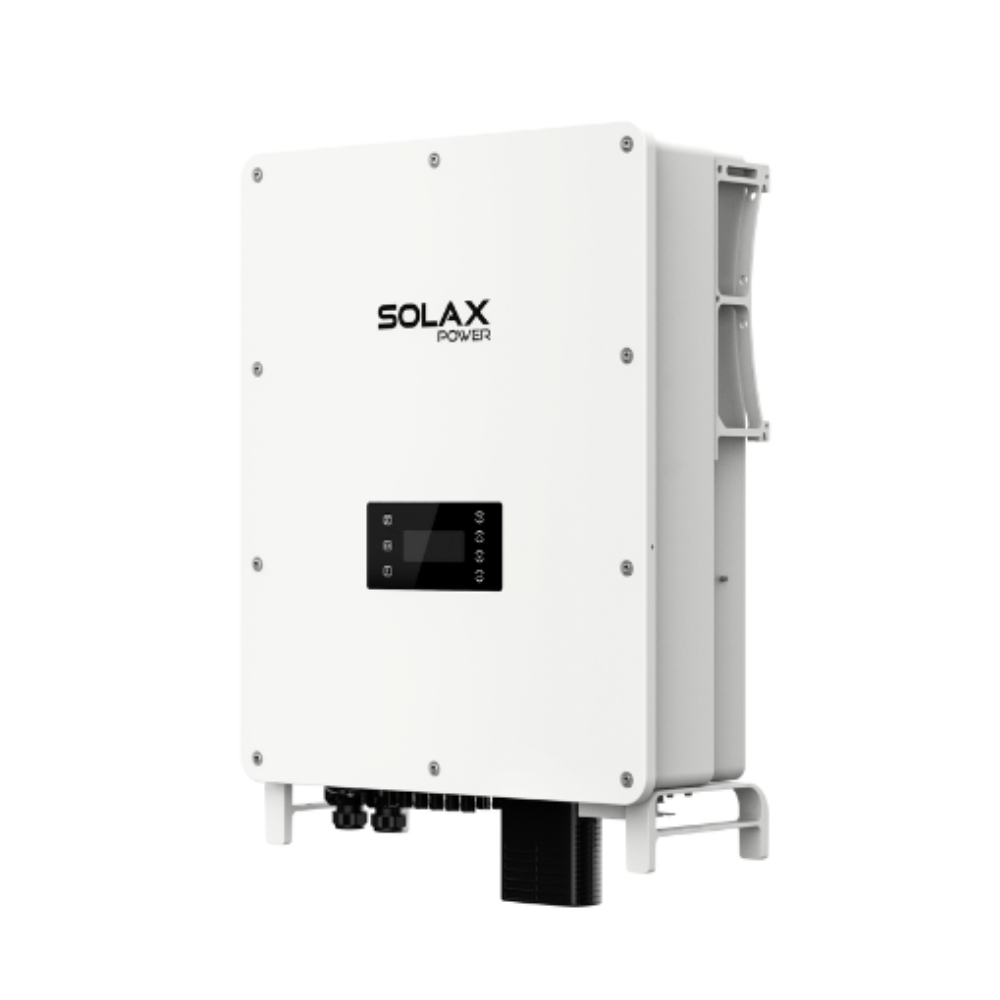
For larger three-phase homes: X3 MIC
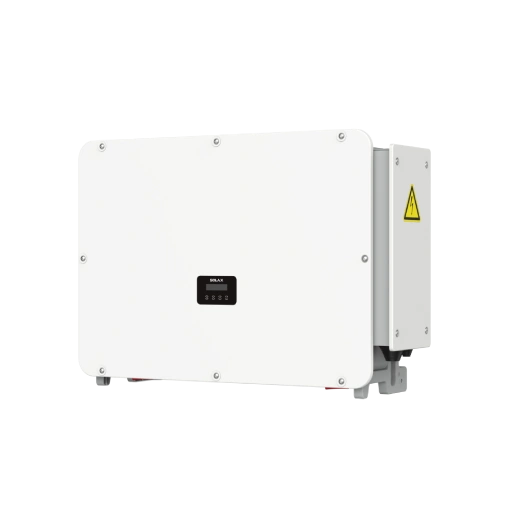
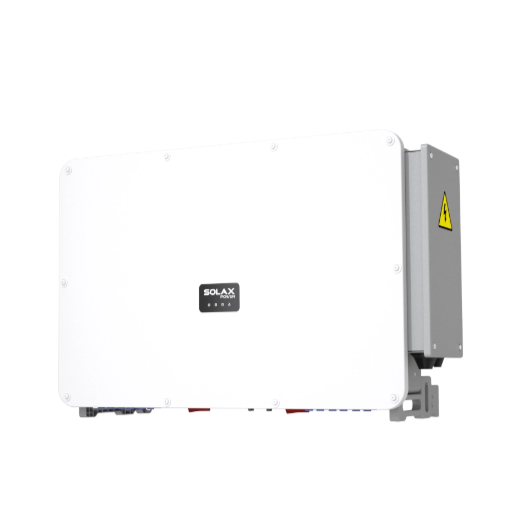
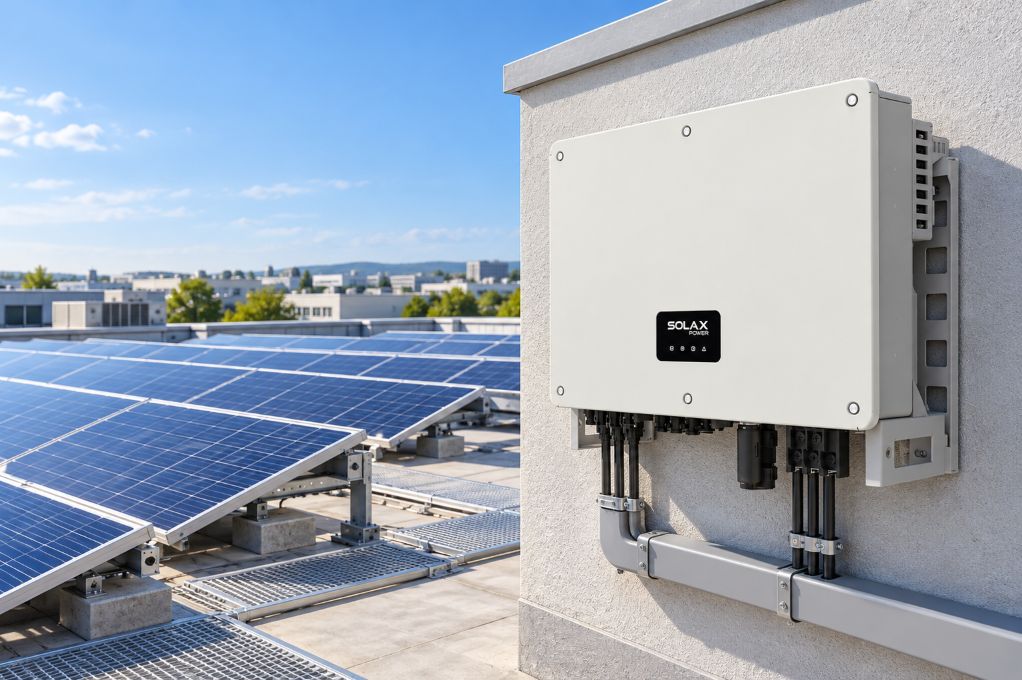
The X3-MIC G2 range suits larger homes or properties using three-phase supply. For example, the X3-MIC-10K-G2 is rated at 10,000 W, supports up to 20 kWp of recommended PV array power, uses a 120 to 980 V MPPT range and carries IP66 protection. For homeowners planning a larger solar power system, that wider operating range can make layout planning easier.
Final takeaway for choosing a reliable inverter supplier
The most reliable solar inverter is usually the one that fits your home cleanly, gives you useful monitoring and leaves room for sensible upgrades. For smaller roofs, the X1 Mini is the neatest route. For typical single-phase homes, the X1 Boost is the practical default. For larger three-phase properties, the X3 MIC offers more planning headroom. Shortlist by fit, support and visibility first, then compare features.
FAQ
Table of Contents
Latest News
Explore expert insights, practical guides, and the latest news on SolaX Power.


To the Latest Newsletter
Stay Ahead with the Latest SolaX Updates!
Subscribe
I have read and agree to Privacy Policy and User Terms