












July 14, 2026
Cost-Effective 2 Hybrid Inverters for Small Commercial Solar + Battery Systems
Share my #SolaXStory


Why hybrid inverter sizing matters in small commercial solar + battery projects
A small café, workshop, or office can waste money quickly if its hybrid inverter is sized around headline output rather than actual site demand. Oversizing can leave capacity underused, while undersizing can weaken backup performance and limit how well the inverter battery supports your solar power system during working hours or outages. In the UK, higher electricity costs have remained a real pressure for businesses, which makes fit-for-purpose smart energy planning more important than a bigger nameplate alone.
Rather than forcing a broad brand comparison, this shortlist looks at two SolaX options aimed at different small commercial scales. The goal is practical: compare the SolaX X3-ULTRA and X3-AELIO by power band, resilience features, expansion path, and control tools so you can decide which hybrid inverter better fits your solar energy setup today and which one leaves sensible room for growth.
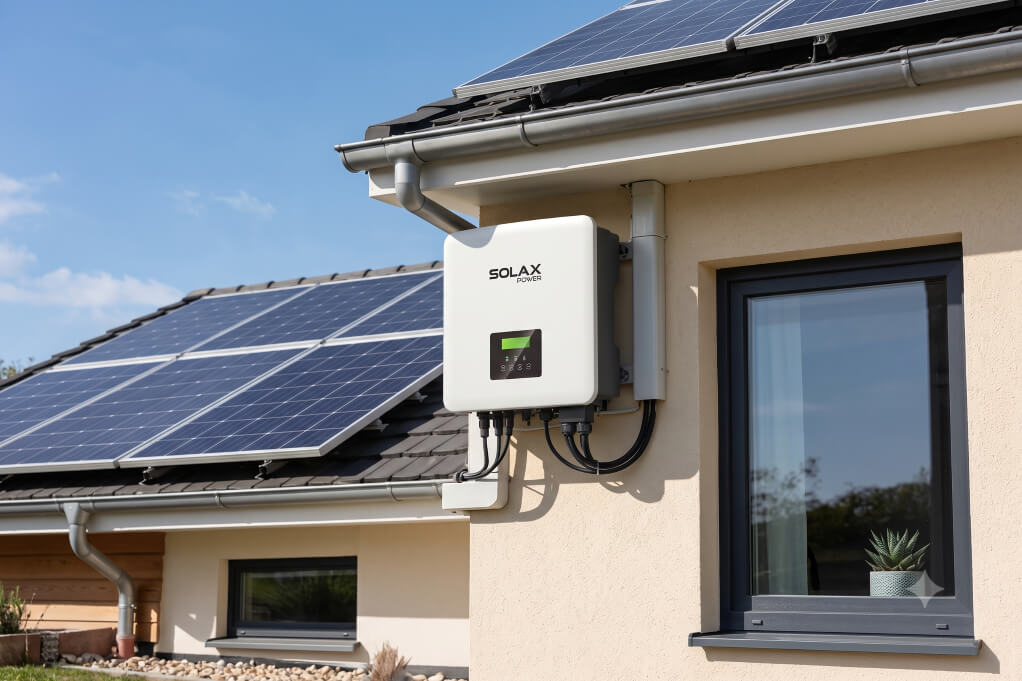
Top picks for a small commercial solar power system
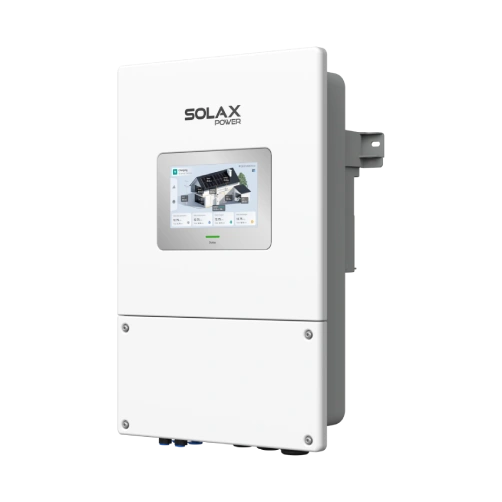
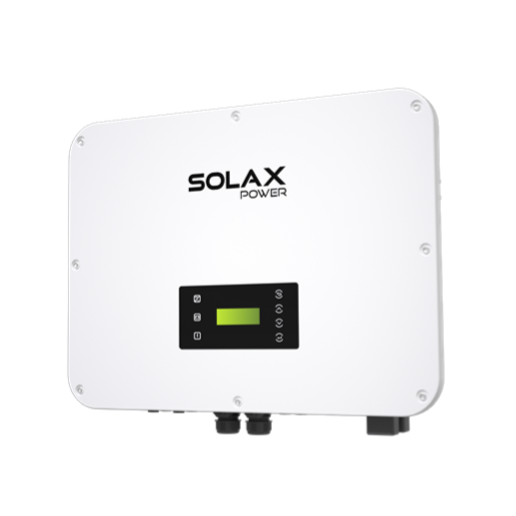
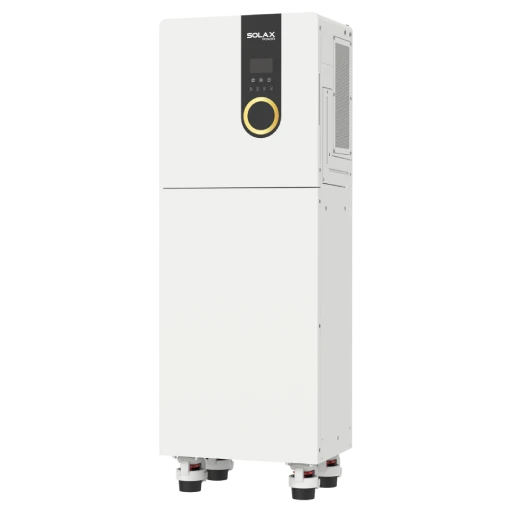
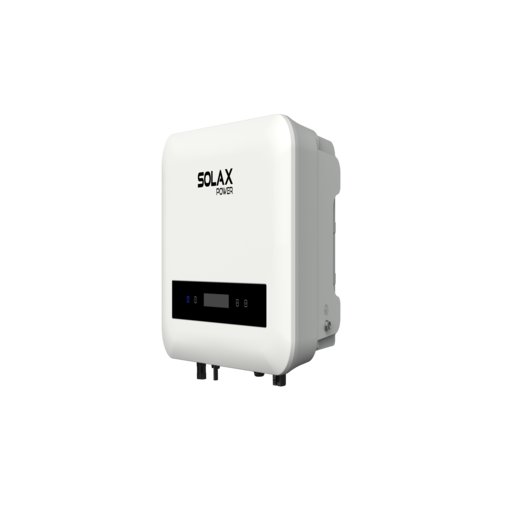
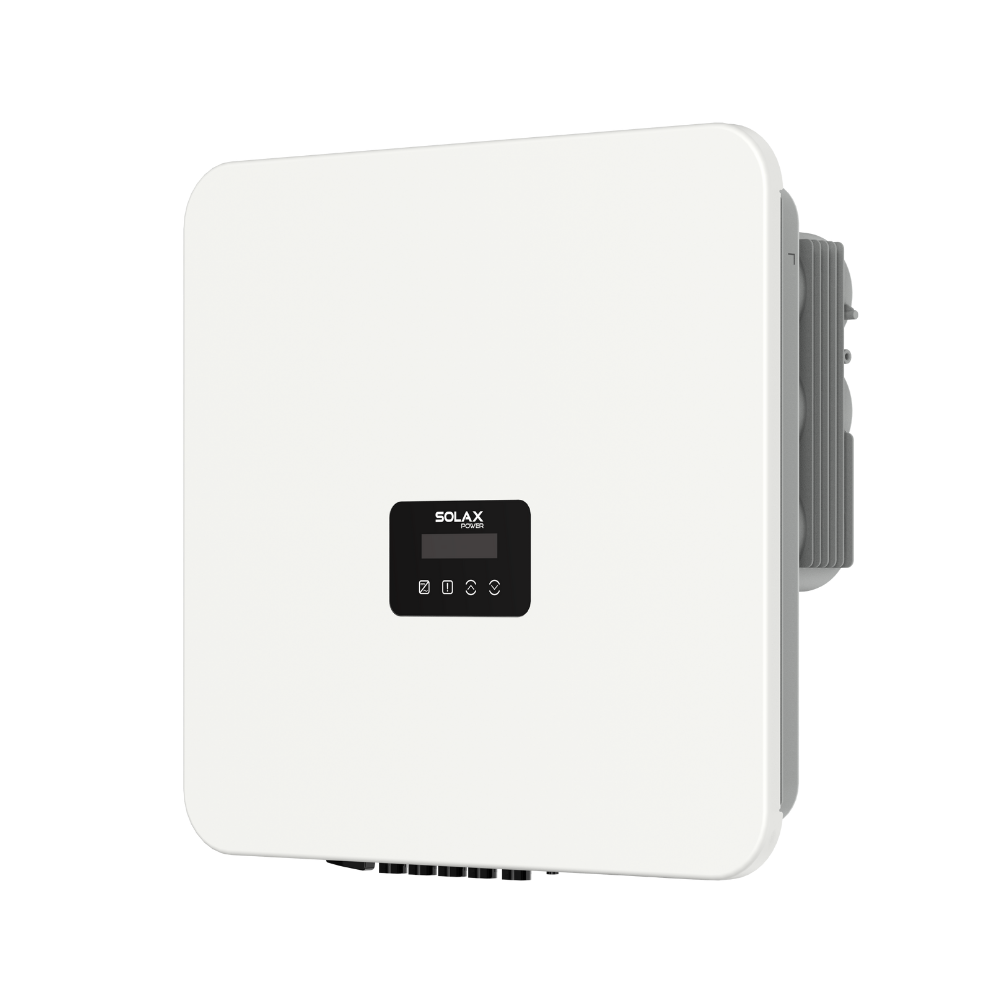
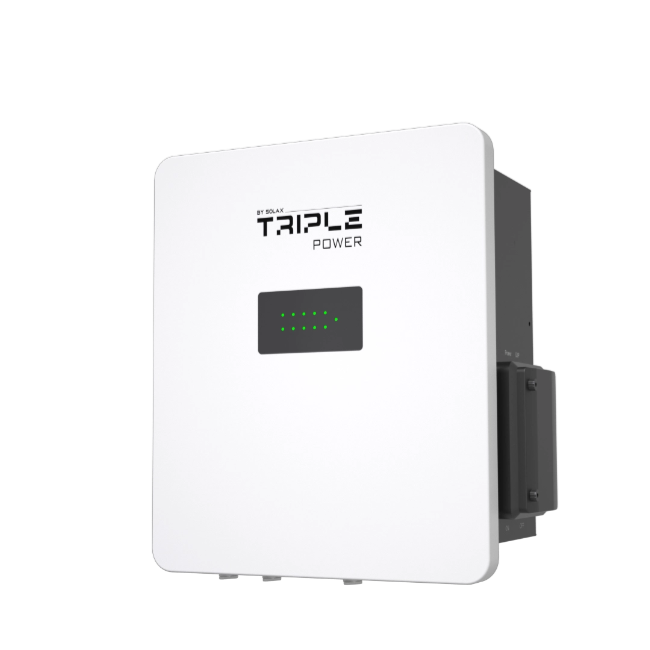
1. X3-ULTRA
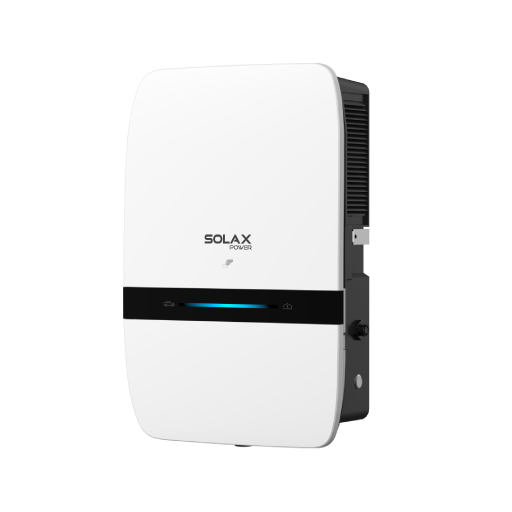
If your site is a modest three-phase business with contained daytime demand, the X3-ULTRA is the easier starting point. It suits buyers who want a commercial-ready hybrid inverter without jumping straight into heavier hardware. For a shop, light workshop, or small office, it offers a more measured balance of output, backup behaviour, and future expansion.
Why it stands out
Positioned in the 15kW to 30kW range
Supports up to 10 units in parallel for on-grid and off-grid setups
Offers microgrid and generator functions
Rated to IP66 for demanding installation environments
Supports 200% PV oversizing and UPS-level switchover under 10ms
Best for
Small shops and cafés
Light commercial premises
Phased solar battery expansion
Buyers prioritising resilience without overbuilding
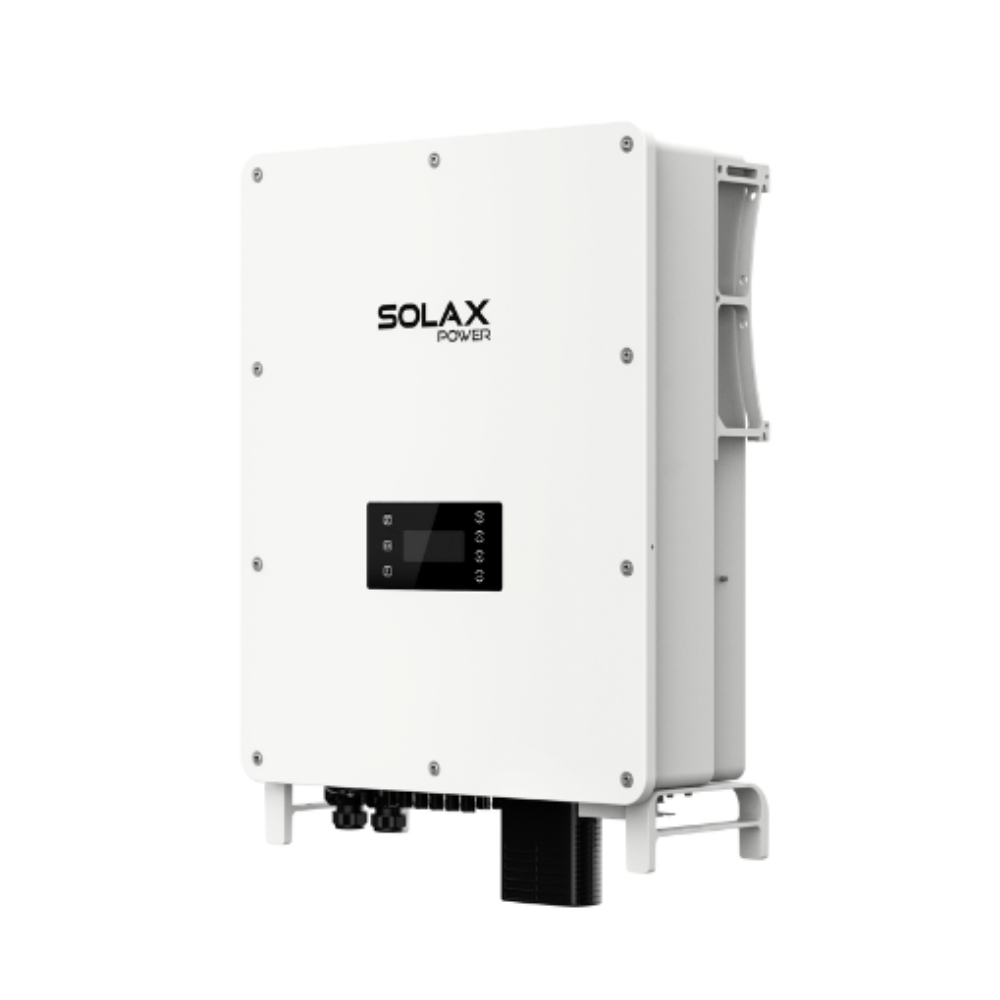
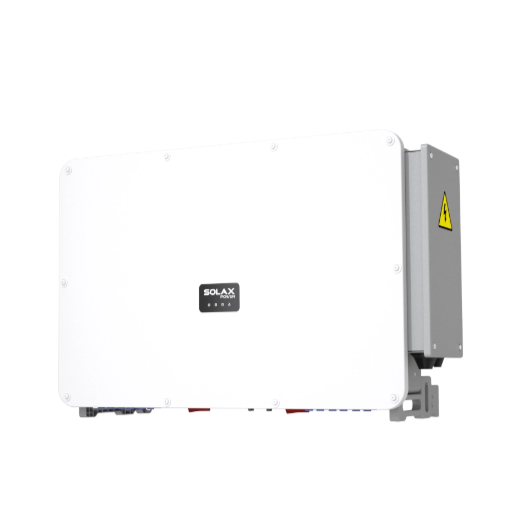
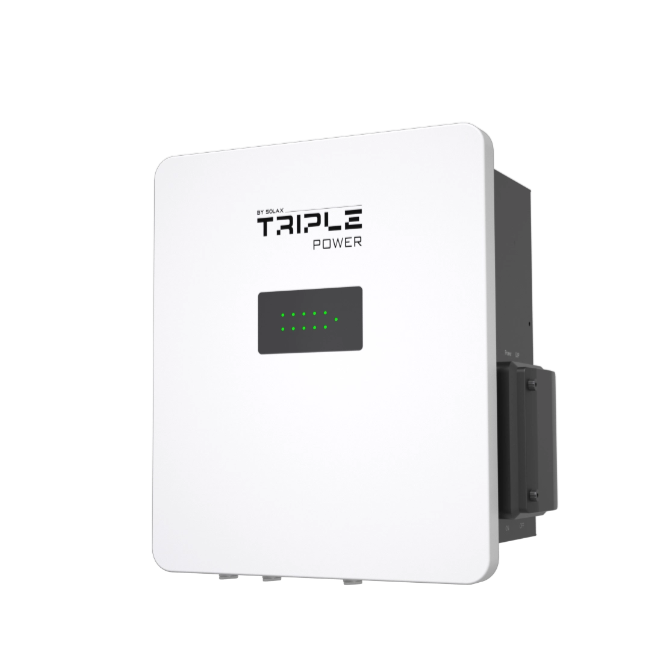
2. X3-AELIO
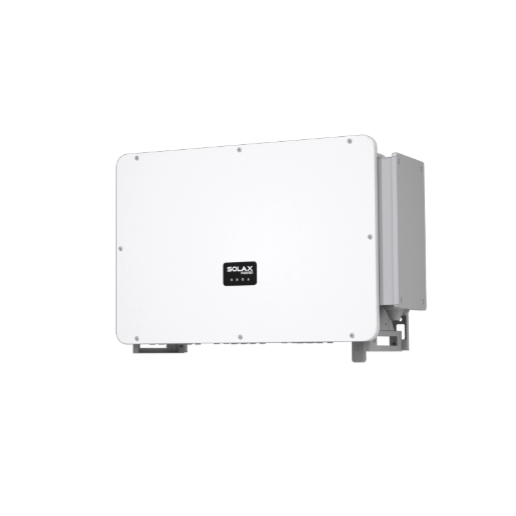
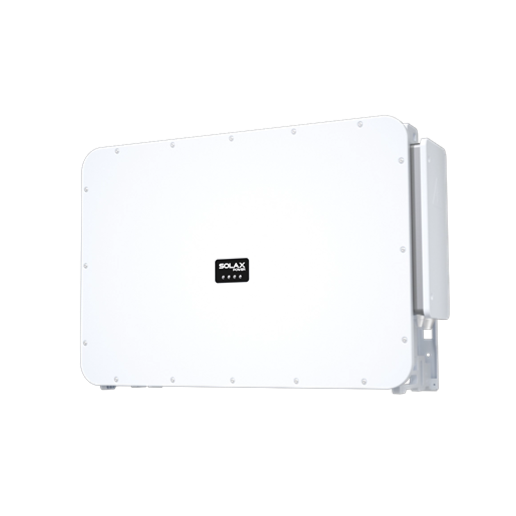
Once your premises moves into heavier daytime loads, the X3-AELIO becomes the more credible option. It is better suited to larger small-business sites where HVAC, machinery, or a broader inverter battery roadmap starts to matter more than entry-level sizing. In that context, the extra control and expansion framing can justify stepping above the smaller platform.
Why it stands out
Available around 49.9kW, 50kW, 60kW, and 61kW
Dual independent battery ports support easier capacity expansion
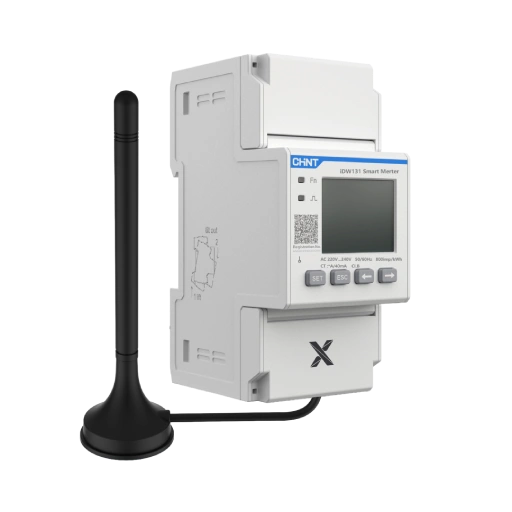
Includes microgrid capability, wireless metering, and 24/7 scheduling
Supports VPP integration pathways and generator control
Designed for both on-grid and off-grid operation with under 10ms switchover
Best for
Growing SME sites
Businesses with larger daytime demand
Projects needing broader scheduling and operational control
Sites planning future expansion across solar inverter and storage assets
How to choose the right hybrid inverter
Match the inverter to the real site profile
A small retail unit or workshop will often get better value from the X3-ULTRA, because the power band is closer to typical SME demand. By contrast, if the building has larger HVAC loads, more intensive equipment, or a bigger solar battery plan, the X3-AELIO is easier to justify. The right comparison is not small versus large in abstract terms, but which inverter fits your actual operating envelope.
Compare resilience, not just output
Backup quality matters as much as rated power in a small commercial solar power system. The X3-ULTRA highlights microgrid support, generator compatibility, smart load management, and switchover below 10ms. The X3-AELIO adds similar fast backup behaviour while leaning further into advanced control. Moreover, Ofgem advises organisations to plan specifically for power cuts and backup duration, which is why outage behaviour should sit near the top of your checklist.
Consider expansion and control
Growth rarely happens all at once. If your site may add more PV, storage, or smarter scheduling later, platform flexibility matters. The European Commission notes that solar power systems supporting self-consumption help cut bills, and storage can strengthen how locally generated electricity is used across the day, which aligns closely with the value of a well-matched hybrid inverter and smart energy controls in commercial settings European Commission.
Quick scenario guide
Small shop or café: prioritise X3-ULTRA
Growing commercial site: assess X3-AELIO
Outage planning focus: compare switchover, generator support, and backup loads
Phased expansion: check battery roadmap, monitoring, and parallel scaling first
Common selection mistake to avoid
Choosing on maximum output alone is usually the wrong shortcut. The real fix is to map actual daytime loads, backup priorities, and future expansion stages before comparing final models. Therefore, the more cost-effective hybrid inverter is the one that fits your site profile cleanly, not the one with the biggest headline figure.
FAQ
Table of Contents
Latest News
Explore expert insights, practical guides, and the latest news on SolaX Power.



To the Latest Newsletter
Stay Ahead with the Latest SolaX Updates!
Subscribe
I have read and agree to Privacy Policy and User Terms