













July 13, 2026
How to Find Solar and Battery Brands That Handle Smart Load Control Well
Share my #SolaXStory


A solar battery system can look excellent on paper and still disappoint in daily use. That usually happens when the app shows plenty of graphs, but the system cannot reliably decide when to charge, when to discharge, and which loads to prioritise. If your aim is lower peak-rate imports, better backup planning, or smoother EV charging, you need to compare control quality before battery size.
Start by defining the automation job you actually want. In UK and EU energy contexts, flexible demand and time-based control matter because households can shift consumption in response to price signals and grid conditions, not just generate more power.
Reader fit checks before shortlisting
Do you want tariff-led charging and discharge?
Will the system need to coordinate EV charging, a heat pump, or another flexible load?
Are you comparing monitoring only, or genuine automated control?
Is your property single-phase or three-phase?
Do you need backup reserve settings for outages?
Step 1: Start with the control logic, not the battery size
When you compare brands for smart load control, ask how the system decides between self-consumption, battery charging, discharge, export, and load shifting. A larger battery does not automatically create better home energy management. What matters is whether the control platform turns data into actions without constant manual changes.
What to do
Ask each installer to explain the control sequence in plain terms.
Check whether the platform supports automatic decisions or only fixed schedules.
Confirm whether solar surplus can trigger actions for battery storage or selected loads.
Ask how backup reserve interacts with normal daily optimisation.
Why this matters
A smart energy platform should act, not only report.
Poor logic can leave your solar power system importing at expensive times.
Good logic improves self-consumption and reduces mode switching.
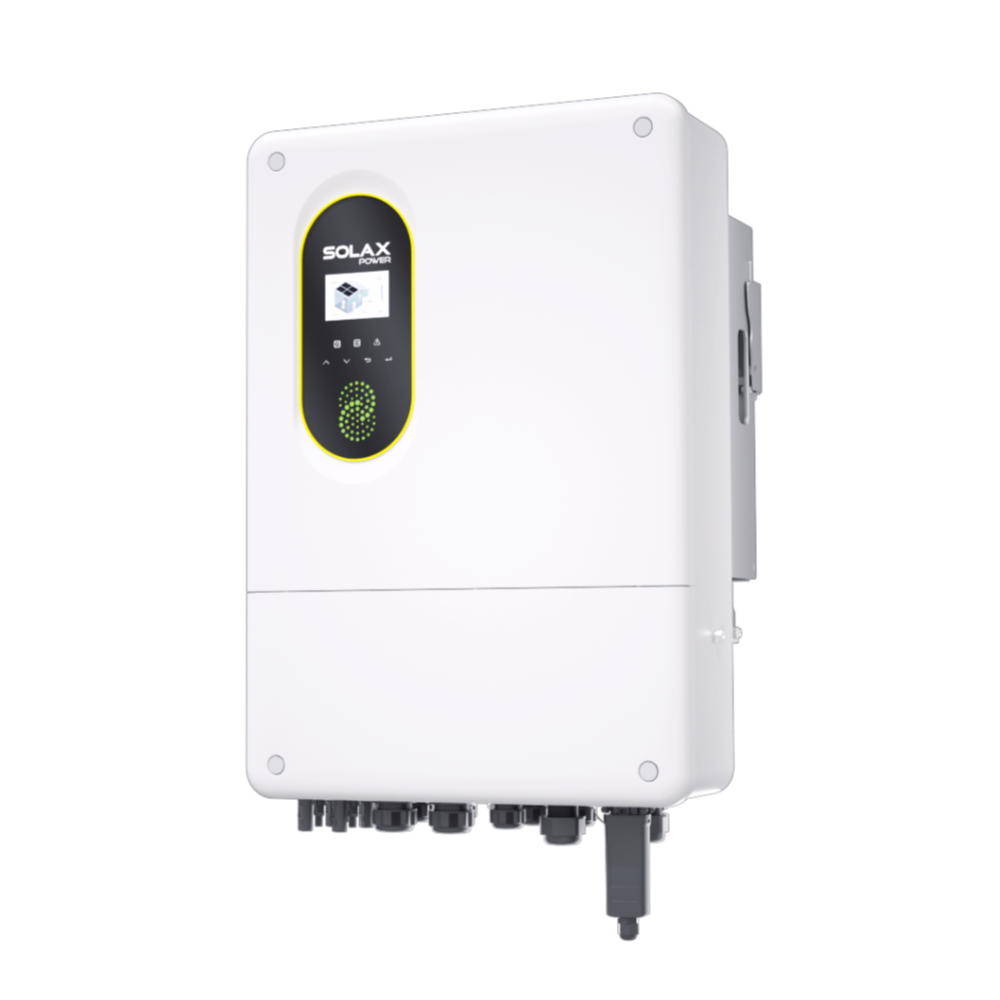
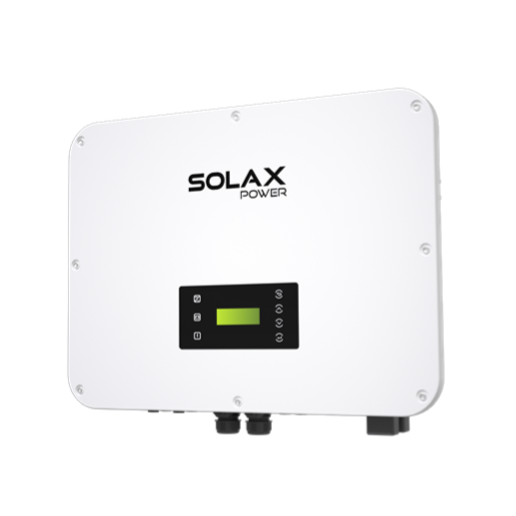
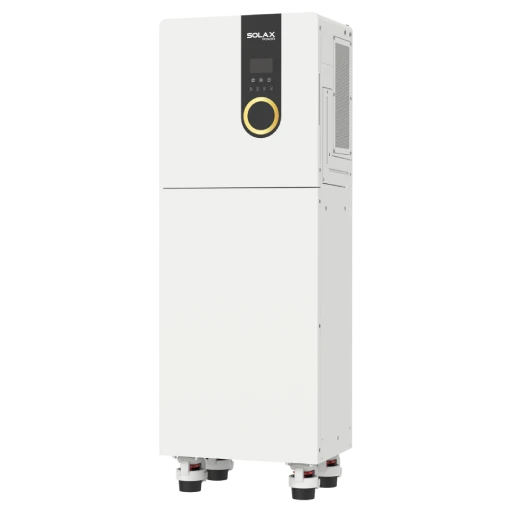
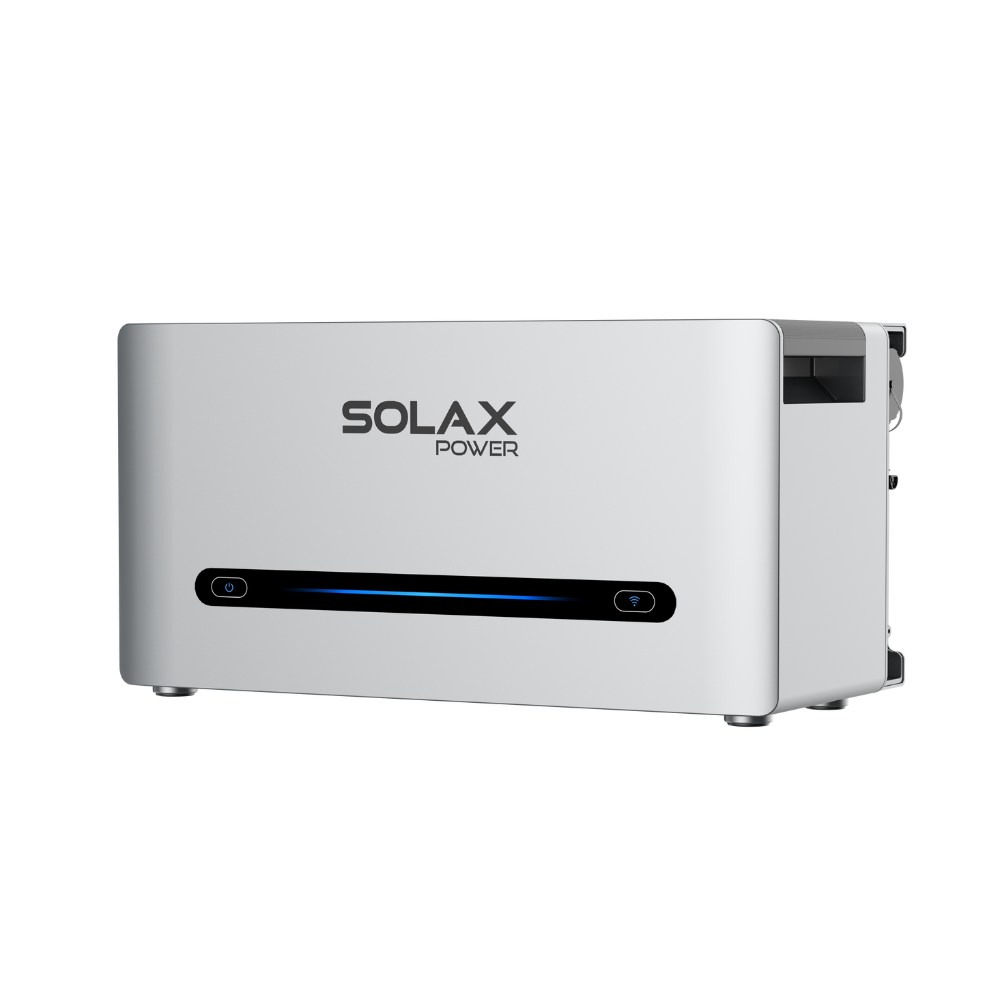
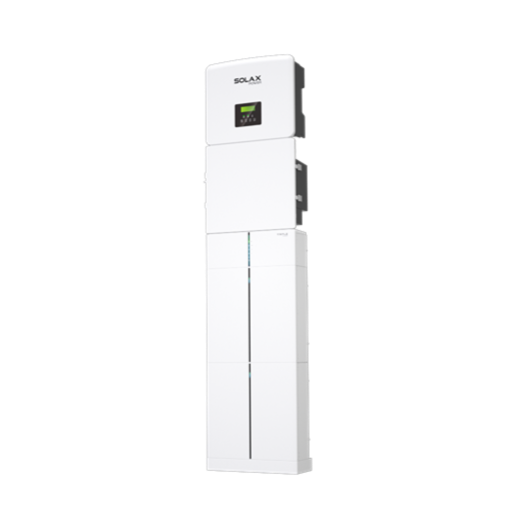
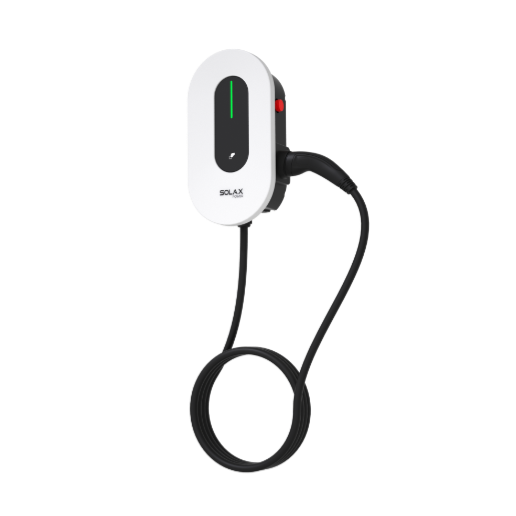
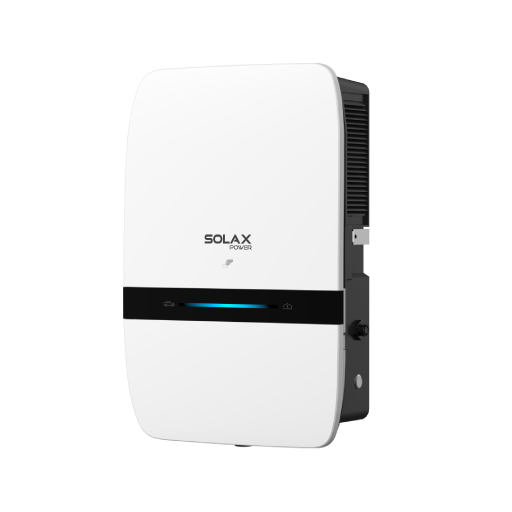
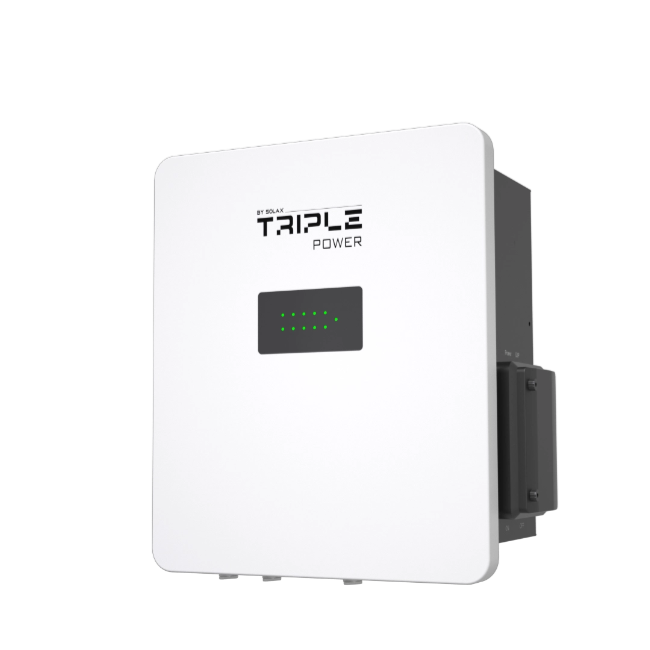
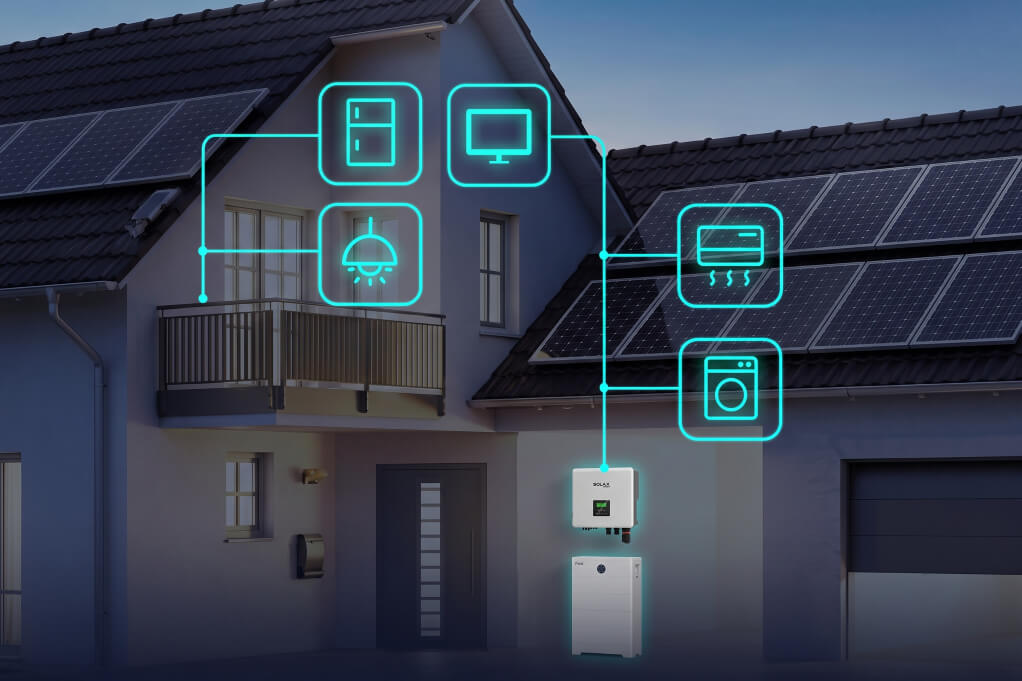
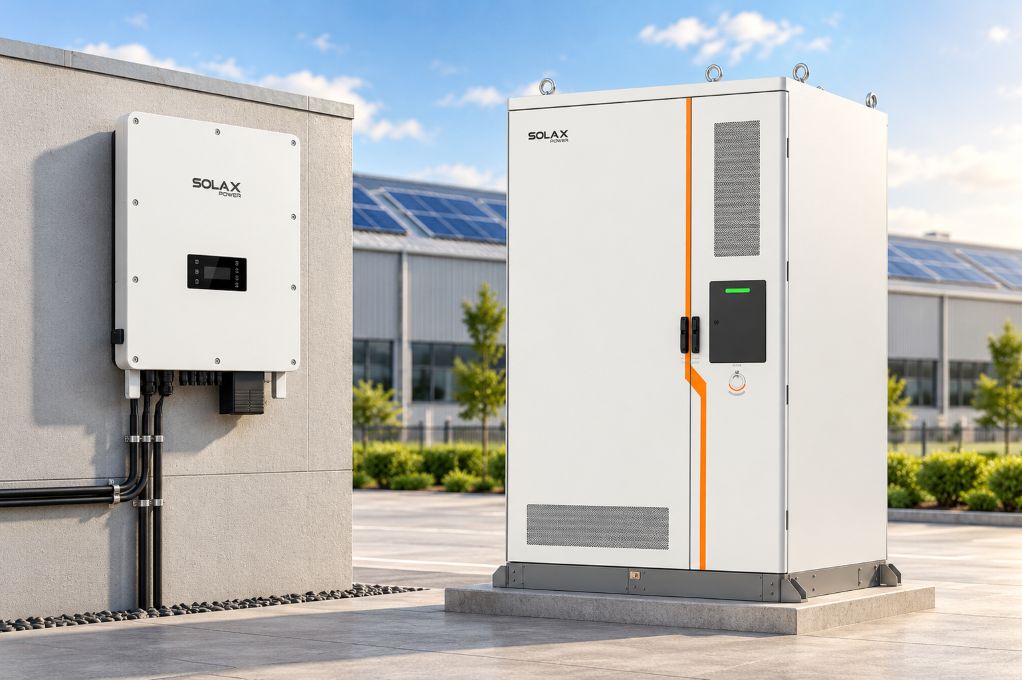
SolaX presents this coordinated approach through SolaXCloud, its wider smart energy platform, and device integration across inverters, batteries, EV chargers, and heat pumps. Its X-ESS G4 residential system is described as supporting real-time monitoring, intelligent time-of-use energy management, and smart loads management for devices such as heat pumps and smart EV chargers.
Step 2: Check whether the app can follow tariff schedules without constant edits
A good solar inverter app should make tariff automation easy to set and easy to maintain. If you must keep changing charge windows by hand, the system may be technically capable but not practically useful. This is especially important if you are working with off-peak import periods, reserve state-of-charge rules, or seasonal changes in household demand.
What to do
Test whether you can set charge and discharge windows.
Check for reserve battery rules for backup planning.
Ask whether tariff periods can be updated in the app.
Confirm whether device-level scheduling is available.
Look for forecast-led or price-led automation where available.
What to watch
Manual schedules only, with no adaptive behaviour
No clear battery reserve settings
Monitoring screens without editable automation rules
Complicated menus that make changes slow
SolaX support materials describe tariff settings inside SolaXCloud and Smart Scene conditions that can use date and time, weather, inverter and battery status, meter data, and electricity price. That suggests the platform goes beyond basic monitoring into rule-based automation, although your installer should still demonstrate the exact sequence you need in the live interface.
Step 3: Prefer one coordinated ecosystem for solar, battery storage, and controllable loads
Mixed-brand systems can work well, but they often create extra compatibility checks and blurred responsibility when automation fails. If smart load control is your priority, it is usually easier to manage one ecosystem where the hybrid inverter, battery storage, app, and flexible loads are designed to work together.
Why ecosystem design matters in practice
Better daytime self-consumption from solar energy
Lower grid imports during expensive periods
Fewer manual operating mode changes
Clearer planning for backup reserve
Simpler support when one device affects another
Smaller and larger home examples
Smaller home: one battery plus one flexible load, such as an immersion heater
Family home: battery plus EV charging on off-peak tariffs
Larger property: several circuits needing broader whole-home control
Retrofit case: existing monitoring, but limited automation
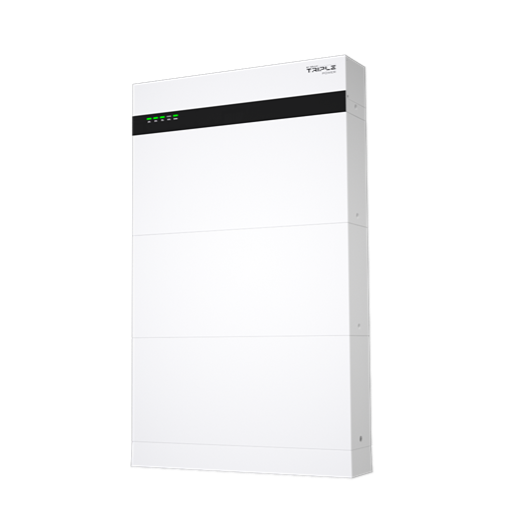
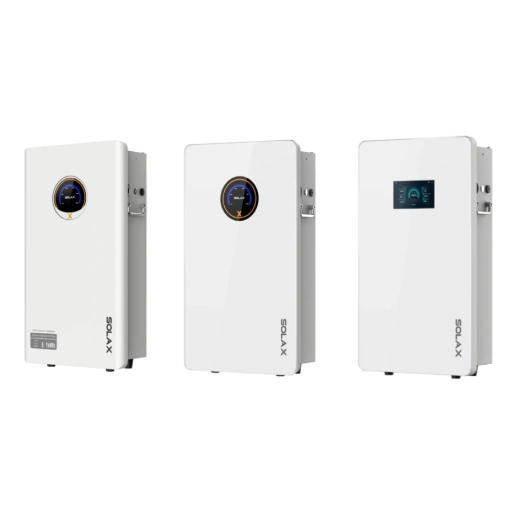
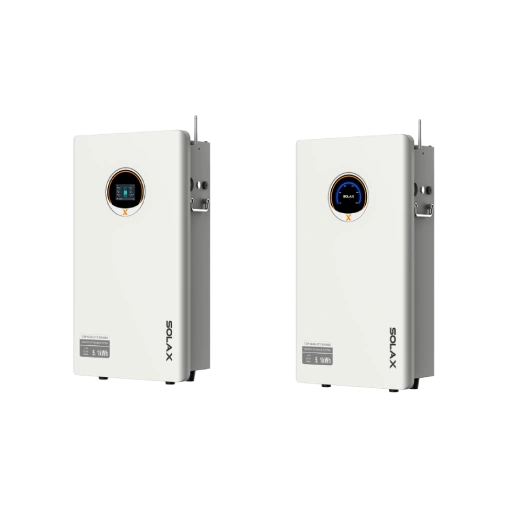
SolaX positions itself as an end-to-end provider rather than a single-device brand. Its residential ESS pages describe integration between the hybrid inverter, battery, Battery Management System, EV chargers, heat pumps, and SolaXCloud for real-time monitoring, dynamic load management, and time-of-use optimisation. That joined-up structure is useful when your aim is home energy management rather than a standalone solar battery system.
Step 4: Verify the hardware that actually performs smart load control
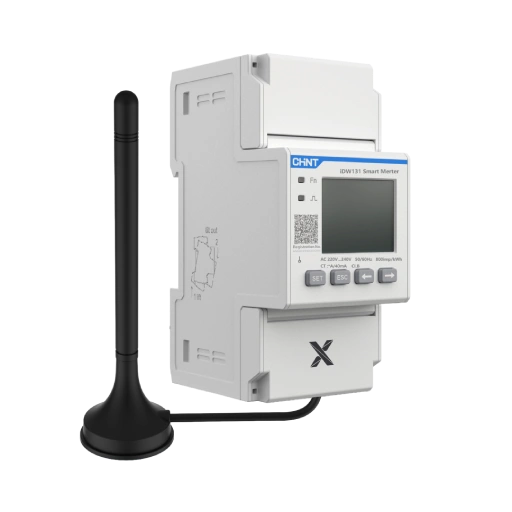
Software rules matter, but hardware execution is what turns a control plan into a real outcome. If a brand cannot show you what device switches, limits, or schedules the load, you may only be buying a monitoring layer. Ask whether load control happens through inverter logic, relays, hubs, meters, or a dedicated controller.
What to do
Ask what hardware carries out the control decisions.
Confirm whether the system can prioritise high-power loads.
Check compatibility with EV chargers and heat pumps.
Verify whether the system suits single-phase or three-phase homes.
Common mistake
Assuming app automation means physical load switching is included
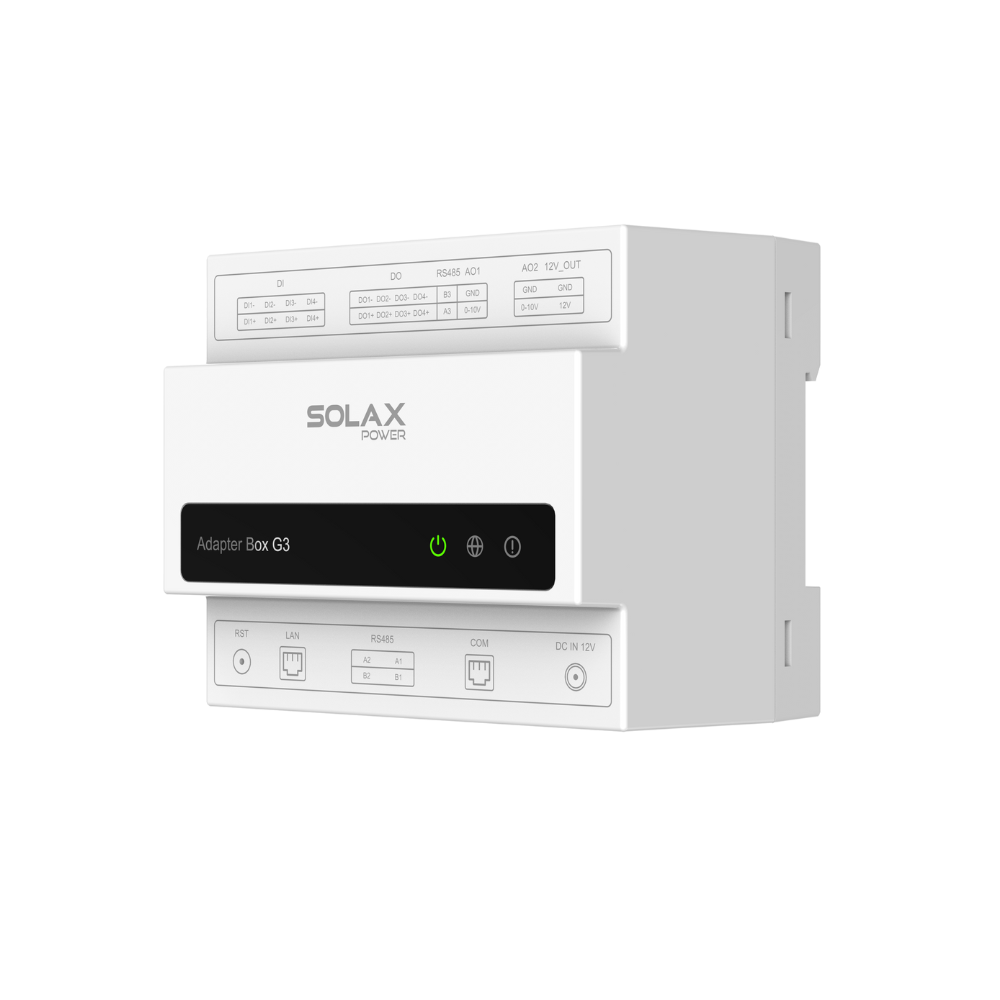
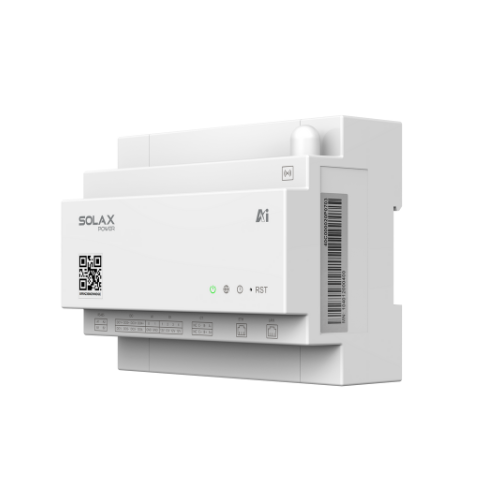
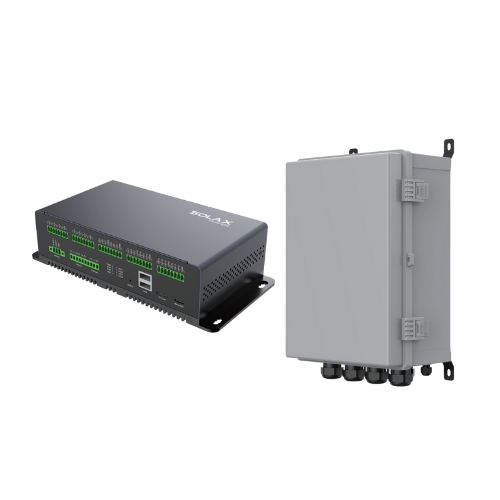
XHub is a central energy management system designed for integration across hybrid inverters, EV chargers, heat pumps, string inverters, and electrical devices. The product page says XHub supports intelligent load control, tariff-based adjustments, unified dispatching of PV, storage, EV charging, and heat pumps, plus priority-based handling of high-power loads. It is also listed with DIN-rail mounting, IP20 protection, and compact dimensions of 126 mm × 100 mm × 65 mm.
Step 5: Test monitoring depth and everyday usability
The best monitoring platform for this job links visibility with action. You should be able to see live power flows, edit schedules, review alerts, and understand why the system chose a certain mode. A polished dashboard is useful, but only if it helps you manage your solar battery system without guessing.
Ask for a live walkthrough
Live generation, load, battery, and grid views
Alert history and fault visibility
Schedule editing on phone or web
Remote changes to battery behaviour
Clear distinction between monitoring and automation
What good usability looks like
Fast access to key controls
Plain-language operating modes
Obvious reserve settings
Clear tariff windows
Reliable installer support for setup
SolaXCloud is presented by SolaX as an all-in-one monitoring and optimisation platform for home and business systems. Across its product materials, the platform is tied to real-time monitoring, automated optimisation, and time-of-use control rather than simple data display. That is the right direction for buyers who want smart load control instead of a passive solar inverter app.
Step 6: Use a shortlist scorecard before you choose a brand
Once you have narrowed the field, score each option against the same practical checks. This keeps the decision grounded in your actual workflow rather than broad marketing claims. If a brand cannot demonstrate your preferred automation sequence, it should not stay on the shortlist.
Five checks to score
Tariff automation: charge, discharge, reserve, and timing controls
Smart load control: can it trigger and prioritise loads?
Device integration: inverter, battery, app, EV, heat pump, meters
App usability: easy edits, alerts, and clear status
Installer support: setup quality and live demonstration
Troubleshooting snapshot
Problem | Likely cause | Fix |
Battery charges at wrong time | Tariff windows incorrect | Recheck TOU and reserve |
Solar available, grid still imports | Loads not integrated | Confirm relay, hub, or scene |
App shows data only | Monitoring without control | Verify automation support |
Savings vary each month | Rules too static | Use forecast-led scheduling |
If your priority is smart load control, SolaX is a sensible candidate to shortlist because its offer combines hybrid inverter options, battery storage, coordinated control, and a dedicated hub for broader energy management. That is an editorial inference based on the breadth of its integrated hardware and software platform rather than a claim that it is the only suitable choice.
FAQ
Table of Contents
Latest News
Explore expert insights, practical guides, and the latest news on SolaX Power.


To the Latest Newsletter
Stay Ahead with the Latest SolaX Updates!
Subscribe
I have read and agree to Privacy Policy and User Terms