












January 14, 2025
Essential Care for Your Energy Storage Systems and Batteries in Winter
Share my #SolaXStory


As winter arrives, it's crucial to ensure your energy storage systems and batteries remain in optimal condition. Cold weather can impact battery performance, making it essential to adopt the right maintenance practices to ensure efficiency and longevity.
Research from the National Renewable Energy Laboratory (NREL) highlights that lithium-ion battery capacity is highly temperature-dependent. At freezing temperatures ($0$°C/$32$°F), capacity can drop by approximately 20%, and in extreme conditions of $-30$°C, it can plummet by as much as 50%.
Understanding the Impact of Cold Weather on Battery Performance
How Low Temperatures Affect Lithium-ion Batteries
Lithium-ion batteries, commonly used in home energy storage system, are particularly sensitive to low temperatures. Most lithium batteries are rated at 25°C. When operated at 0°C, –10°C, or –20°C, reaction efficiency can drop by 30–70% depending on the chemistry.
When exposed to cold, chemical reactions within the battery slow down, leading to reduced capacity and slower charging. Extreme cold can even cause permanent damage if preventive measures are not taken.
Key Factors Influencing Battery Efficiency in Winter
| Factor | Impact on Battery | Recommended Action |
| Ambient Temperature | Prolonged freezing exposure degrades battery health | Maintain stable indoor temperature; use insulated/climate-controlled spaces |
| Usage Patterns | High energy demands stress batteries at reduced efficiency | Monitor and manage energy consumption |
| Storage Conditions | Improper storage exacerbates cold weather effects | Use weatherproof enclosures for outdoor systems |
Best Practices for Maintaining Home Energy Storage Systems During Winter
Optimal Storage Temperature and Conditions
To protect your batteries from the cold, maintain a stable indoor temperature for your energy storage system. Installing your batteries in insulated or climate-controlled spaces can help mitigate temperature-related issues. For outdoor systems, weatherproof enclosures are essential.
Cleaning and Charging Recommendations for Longevity
Regular Cleaning: Dust and debris can affect battery efficiency. Gently clean surfaces and connections to ensure optimal performance.
Charging Practices: Avoid overcharging or depleting your battery entirely. Use a smart charger to regulate charge levels and prevent excessive strain during winter.
Monitoring Battery Health and Performance
Frequent monitoring is crucial in winter. Use system management tools to track battery health and performance metrics. This helps identify potential issues early, such as reduced capacity or irregular charging patterns, enabling prompt corrective action.
Ensuring Reliable Functionality of Your Hybrid Solar PV System
Importance of Regular Maintenance and Inspections
Winter can be harsh on hybrid solar system, which combine solar panels and energy storage. Schedule regular maintenance to check for loose connections, damaged components, or signs of wear and tear. Inspect your system after heavy snowfall or storms to ensure all components remain operational.
Recognizing Signs of Battery Issues and When to Seek Help
Be vigilant for signs of declining battery performance, such as slow charging, reduced backup time, or visible damage to the battery casing. If you notice any issues, consult a professional immediately to prevent further damage and ensure safety. No matter the situation, SolaX is ready to assist. Reach out to us for expert guidance on maintaining your batteries during winter and selecting the ideal solar batteries for your energy requirements.
Recommendations for the Best Solar Battery Storage Systems for Home
Most Popular Home Battery Storage Options
(1) Hybrid Energy Storage Solutions
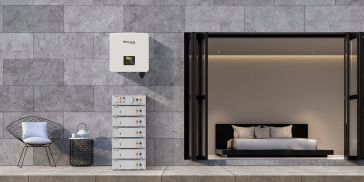
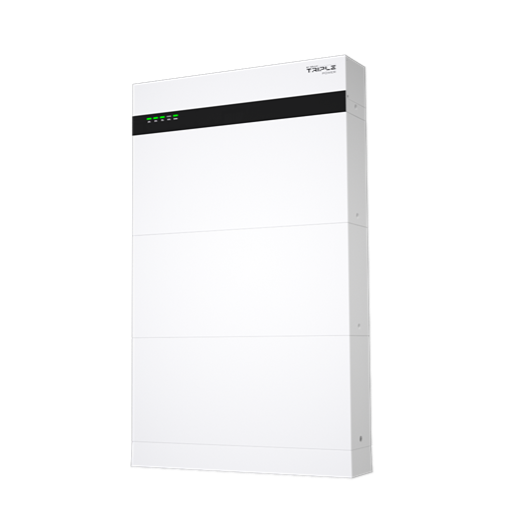
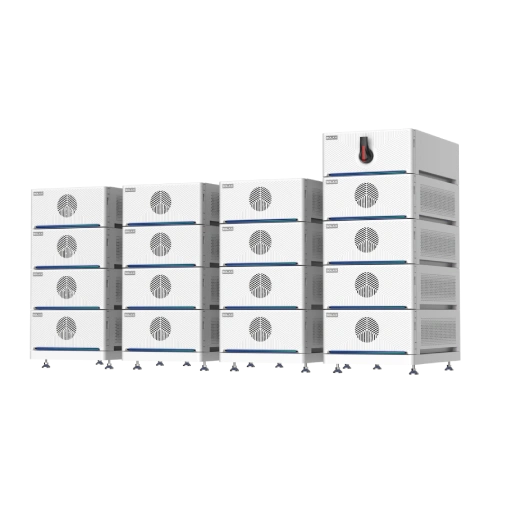
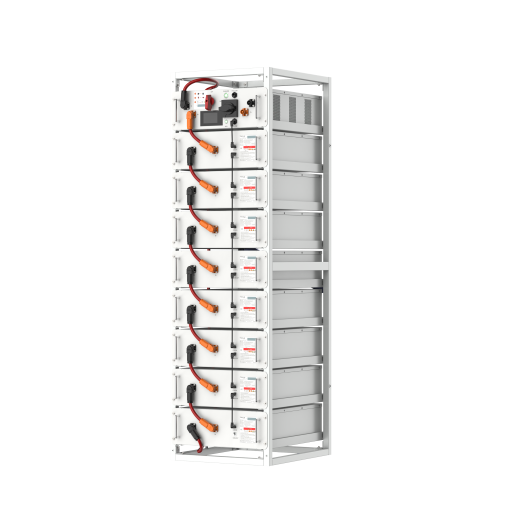
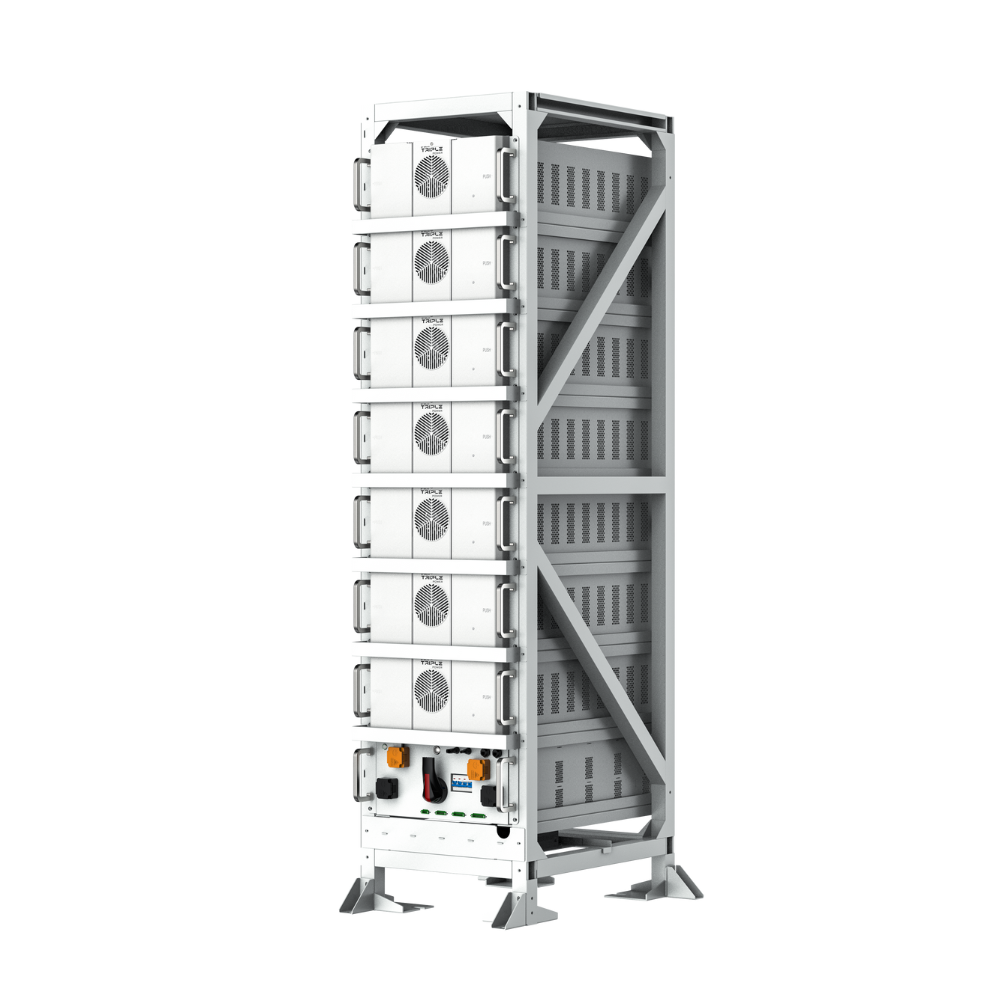
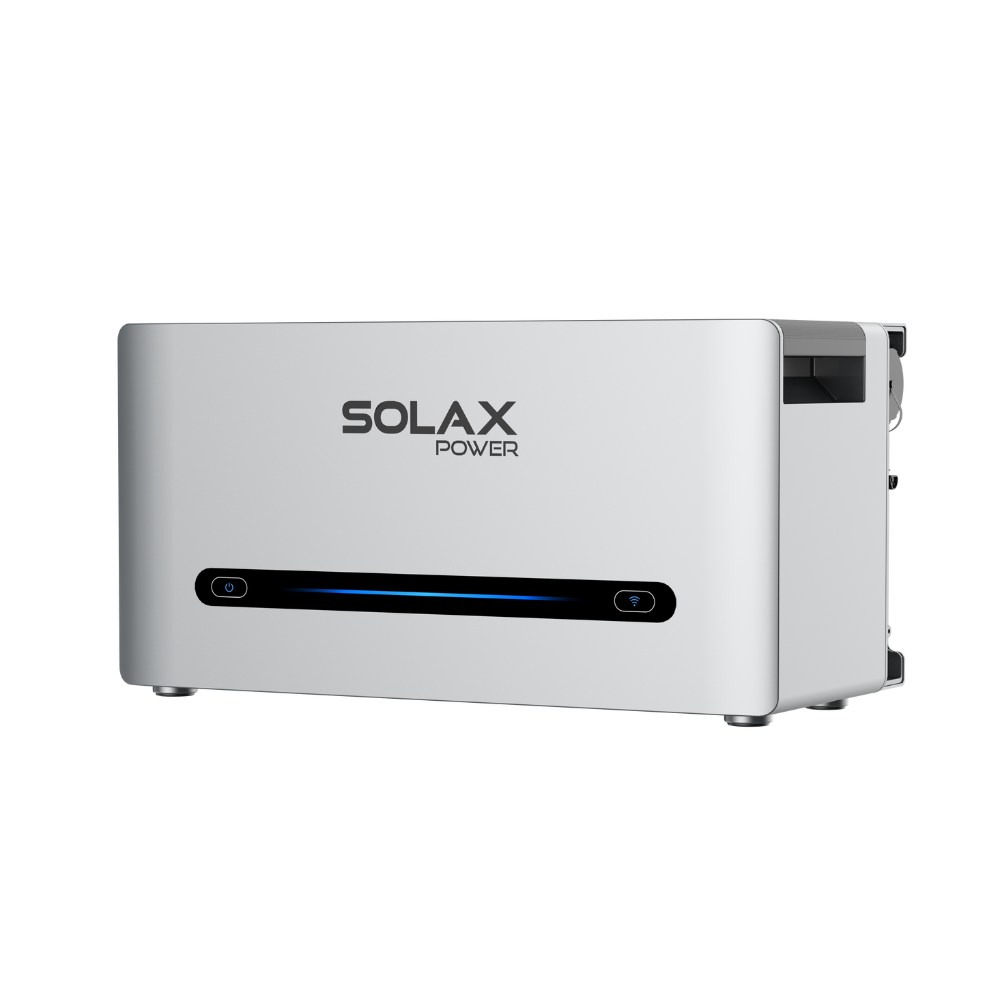
For homeowners seeking high-performance batteries, the T-BAT-SYS-HV-S2.5 from SolaX is an excellent choice. This LFP battery offers a maximum 50A charging/discharging rate and features IP65 protection, making it durable and reliable. Its innovative heating technology ensures unrestricted operation even in frigid weather conditions, maintaining continuous energy availability. With a long cycle life exceeding 6,000 cycles and a flexible capacity range of 5.1kWh to 33.2kWh, it adapts perfectly to diverse energy needs, providing both efficiency and dependability.
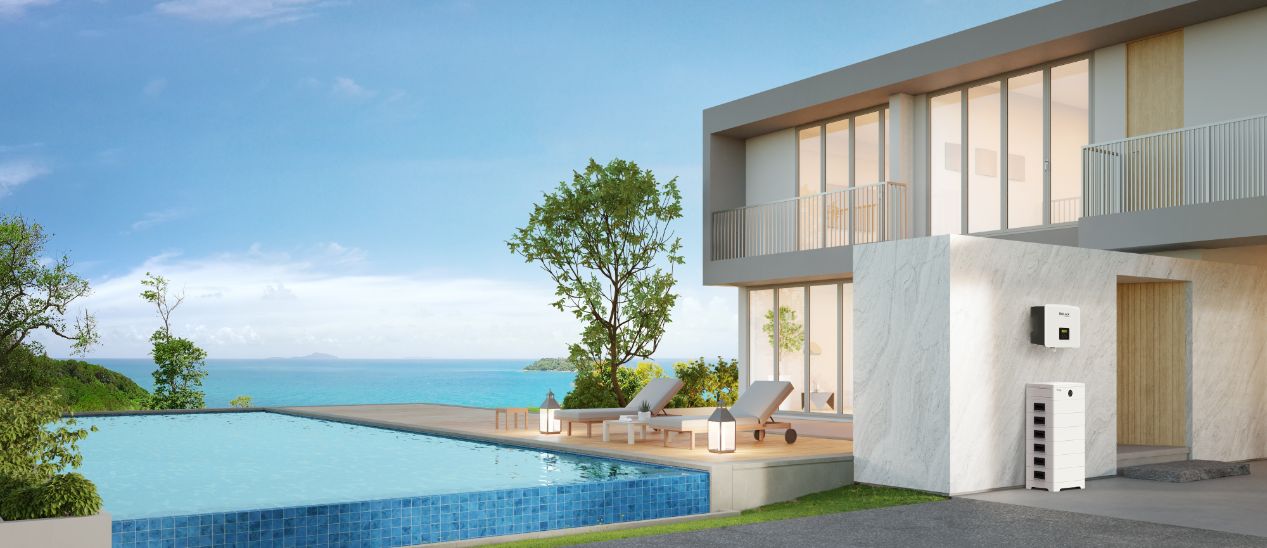
(2) All-In-One Solar Battery System
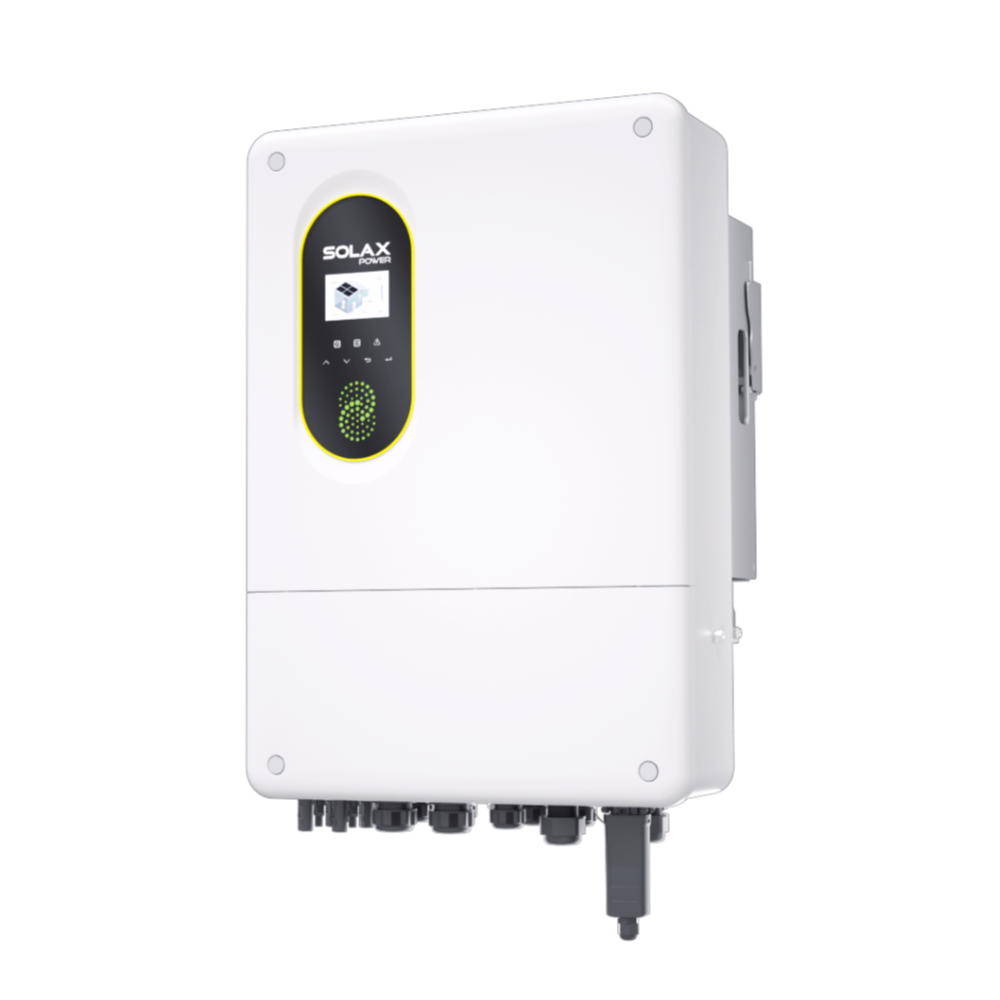
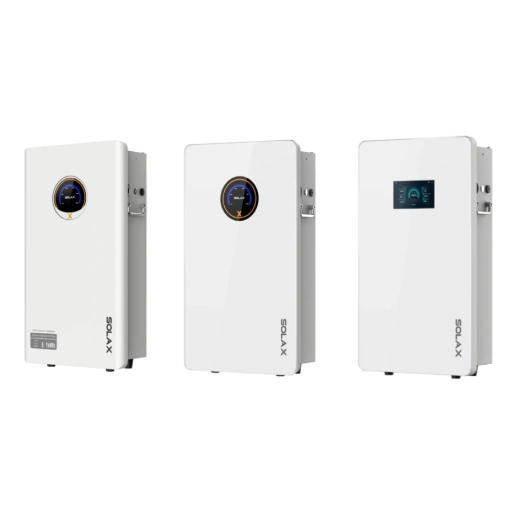
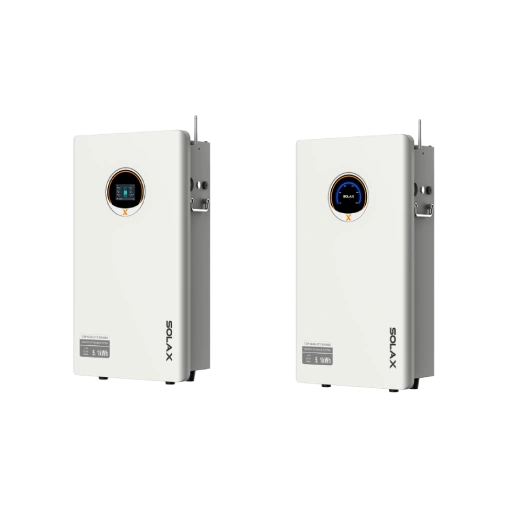
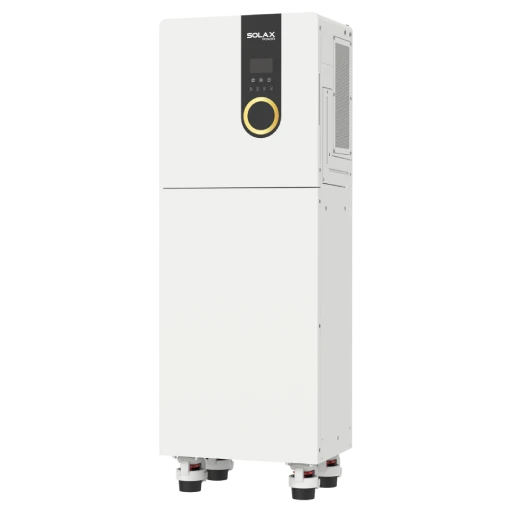
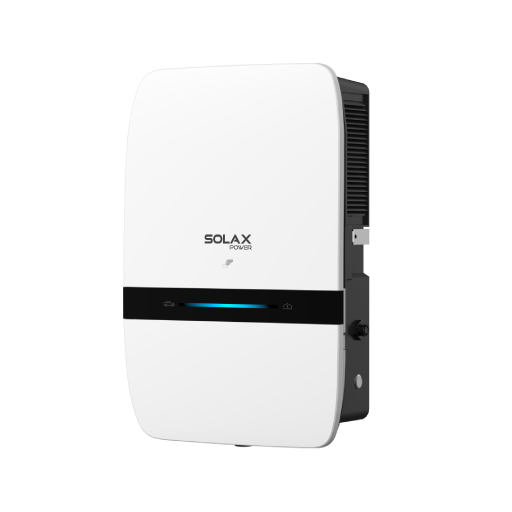
For an integrated and robust energy storage option, SolaX's X3-IES-P stands out. This all-in-one system is designed for maximum reliability, featuring a lightning-fast switchover time of less than 10ms. Additionally, its 200% EPS output capability for up to 10 seconds ensures uninterrupted power during high-demand periods. With advanced battery heating technology, it performs flawlessly in extreme temperatures as low as -30°C, making it a reliable choice for winter conditions.
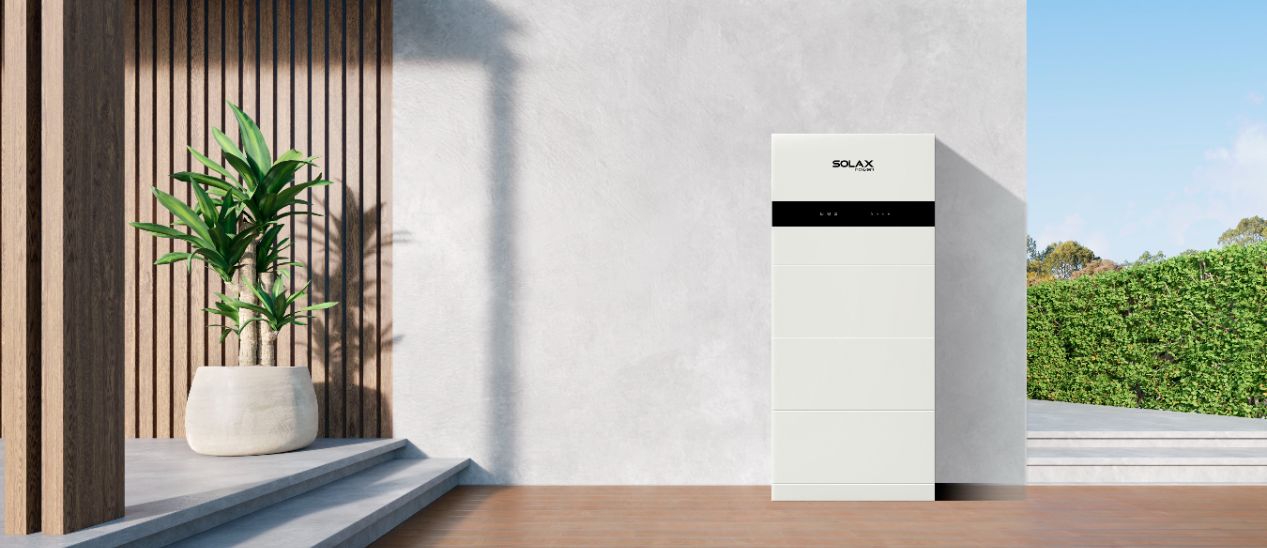
Key Features to Look for inhome Battery Energy Storage Solutions
High charging/discharging rates, long cycle life, wide capacity range, and robust performance in extreme weather.
Advanced technologies like integrated heating systems and seamless switchover times can significantly enhance reliability and efficiency, ensuring your home remains powered year-round.
With SolaX's advanced offerings, you can enjoy peace of mind knowing your energy storage needs are met with cutting-edge technology and proven performance.
FAQ
Table of Contents
Latest News
Explore expert insights, practical guides, and the latest news on SolaX Power.


To the Latest Newsletter
Stay Ahead with the Latest SolaX Updates!
Subscribe
I have read and agree to Privacy Policy and User Terms