












November 08, 2024
Commercial Energy Storage: Liquid Cooling vs Air Cooling
Share my #SolaXStory


As the foundation of modern energy systems, energy storage plays a pivotal role in maintaining grid stability by storing excess energy and releasing it when needed. In this space, cooling technologies, specifically air cooling and liquid cooling are crucial to ensuring optimal performance and safety.
In this article, we will delve into these two cooling technologies, providing insights on how businesses can make informed decisions to optimize their energy storage solutions.

What is Air Cooling?
Air cooling technology relies on aerodynamic convection to regulate system temperatures by circulating ambient air.
In the context of energy storage, the air cooling meaning is straightforward: it utilizes fans and ventilation systems to draw air across battery modules, dissipating heat to keep components within safe operating limits. It is a widely used and cost-effective method for temperature regulation.
Advantages of Air Cooling System
Simplicity of Design: Air cooling systems are easy to install and are compatible with varying scales of commercial operations.
Cost-Effective: These systems are less expensive upfront and require minimal maintenance, making them appealing for businesses with budget constraints.
Versatility: Ideal for small to medium-sized commercial environments with stable or moderate energy demands.
Challenges of Air Cooling System
Lower Cooling Efficiency: In high-power or heavy-load applications, air cooling may struggle to dissipate heat effectively, which could affect battery performance and longevity.
Noise: Fans generate noise during operation, which may be undesirable in noise-sensitive environments.
What is Liquid Cooling?
Liquid cooling technology involves the circulation of a liquid coolant, typically water or a glycol mixture, through pipes or cold plates to absorb and transfer heat away from battery cells.
Unlike air systems, the liquid cooling meaning centers on its superior thermal conductivity, which allows for precise temperature management. This makes it the preferred solution for high-energy density applications and environments requiring rigorous thermal control.
Advantages of Liquid Cooling System
High Cooling Efficiency: Liquid cooling systems deliver more effective heat dissipation, making them well-suited for high-power, high-energy-density applications.
Adaptability to Harsh Environments: These systems can maintain optimal performance in extreme temperatures, ensuring that equipment operates safely regardless of external conditions.
Lower Noise Levels: Compared to air cooling, liquid cooling operates much more quietly, ideal for environments where noise is a concern.
Challenges of Liquid Cooling System
Higher Upfront Costs: Liquid cooling systems have a higher initial investment and require more complex installation.
Complexity: These systems require more specialized maintenance and management compared to their air-cooled counterparts.
Liquid Cooling vs. Air Cooling: Key Differences
When deciding between liquid cooling or air cooling or commercial energy storage, it is crucial to compare efficiency, cost, and noise levels. Below is a detailed breakdown of their differences.
Attribute | Air Cooling | Liquid Cooling |
Cooling Efficiency | Suited for medium to low power applications; limited in high-load scenarios | Excellent for high-load and high-power applications |
Ideal Use Cases | Small to mid-sized businesses, mild climates | High-frequency charge/discharge applications, extreme environments |
Cost | Lower initial costs and simple maintenance | Higher upfront investment, with long-term cost benefits |
Noise | Fans generate noise | Quieter operation |
Adaptability | Performs well in moderate conditions | Outstanding in extreme environments |
SolaX's Commercial Energy Storage Solutions
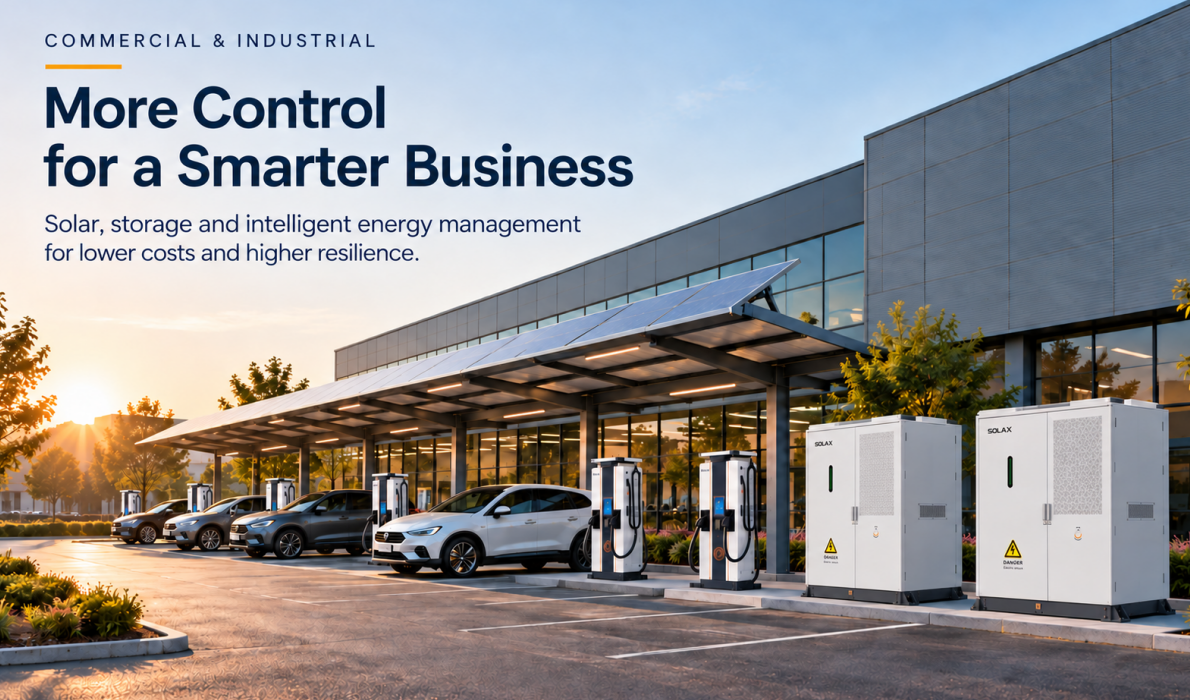
SolaX offers an impressive range of commercial energy storage solutions designed to meet the varied needs of businesses across Europe.
Whether you're looking for reliable air-cooled systems or cutting-edge liquid cooling technology, SolaX's product line delivers efficiency, safety, and superior performance.
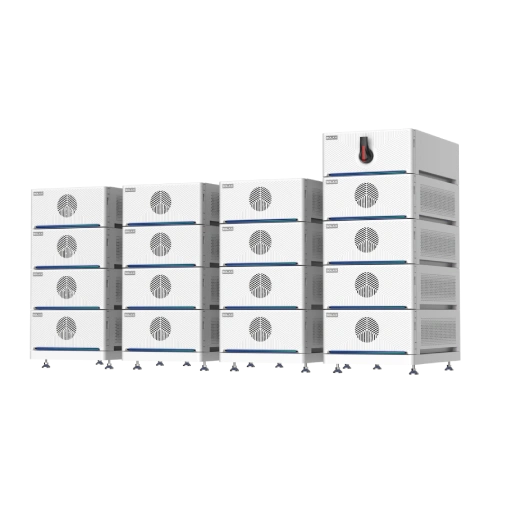
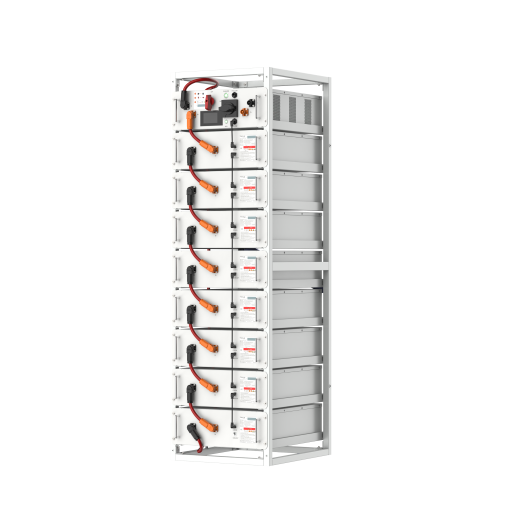
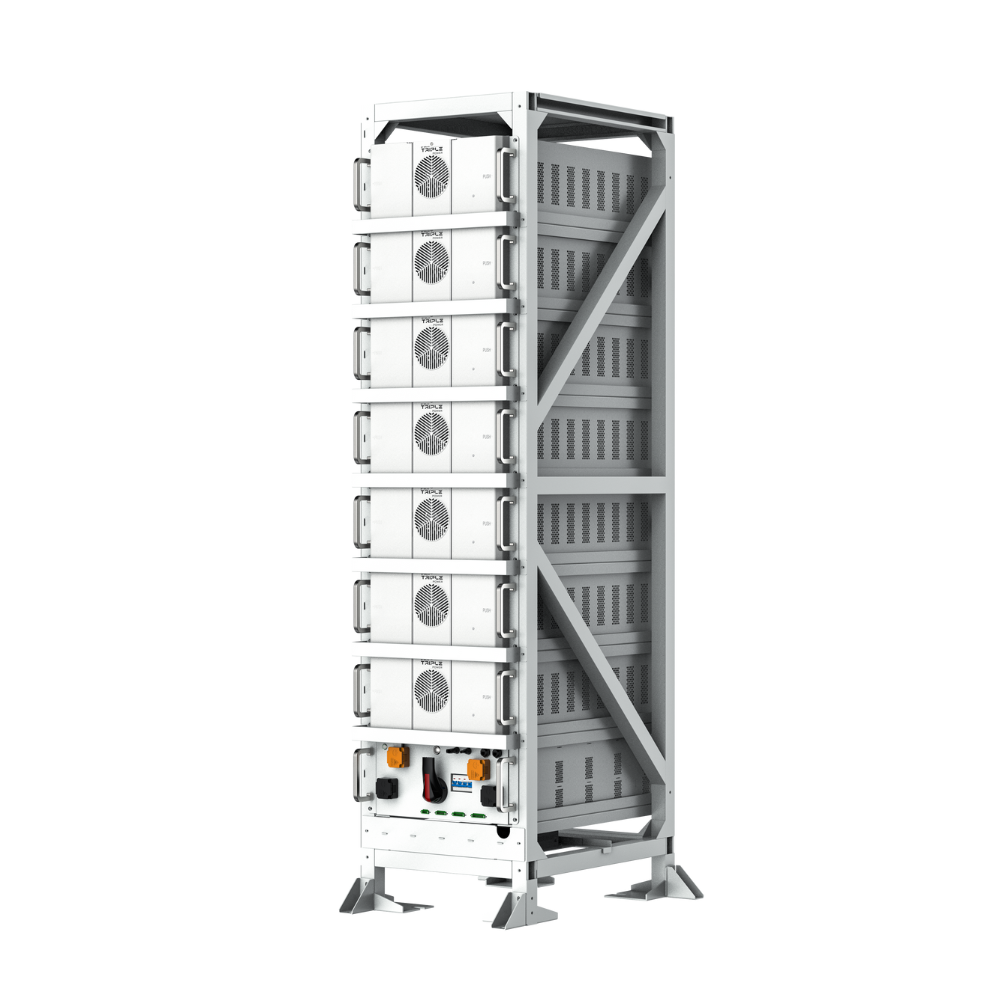
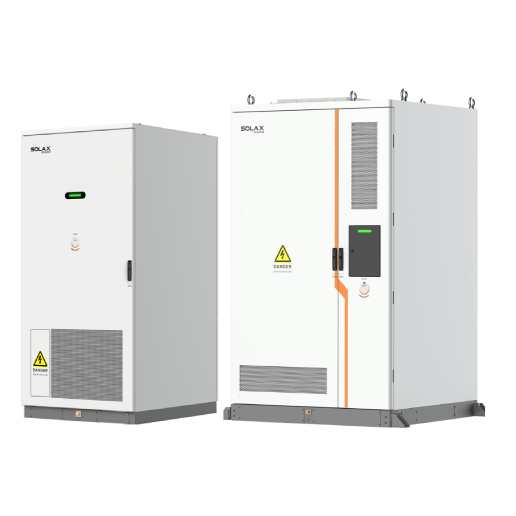
SolaX Commercial Air Cooling Energy Storage System
Designed for space-conscious businesses, SolaX offers a high-performance air cooling system that combines power with flexibility. This 100kW/215kWh unit is engineered to deliver consistent reliability across various commercial scenarios. Key features include:
Compact & Powerful: Delivers a robust 100kW power output and 215kWh capacity, optimized for installations where space is a premium.
Modular Scalability: The system's flexible architecture is scalable to megawatt-hours (MWh), allowing your energy storage to grow alongside your business needs.
All-in-One Integration: Equipped with a full-stack, in-house developed BMS, EMS, and PCS. This ensures seamless component compatibility and includes one year of historical data storage for smarter analysis.
Grid Versatility: Capable of three-phase unbalance output, this system integrates effortlessly into both grid-connected and off-grid infrastructures to meet complex energy demands.
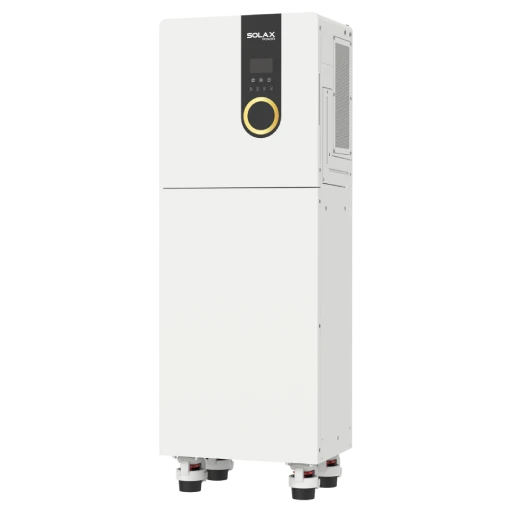
SolaX Recommended Liquid Cooling Solution
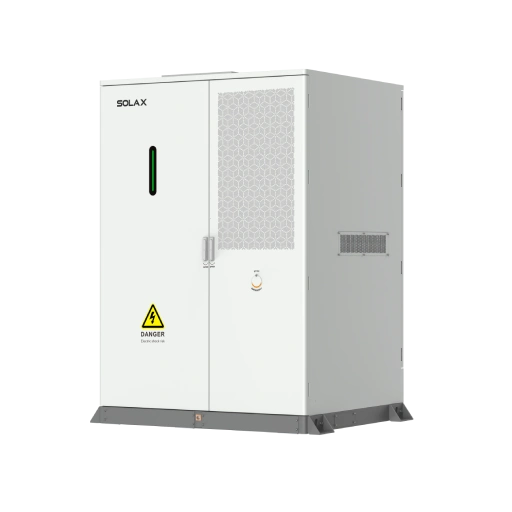
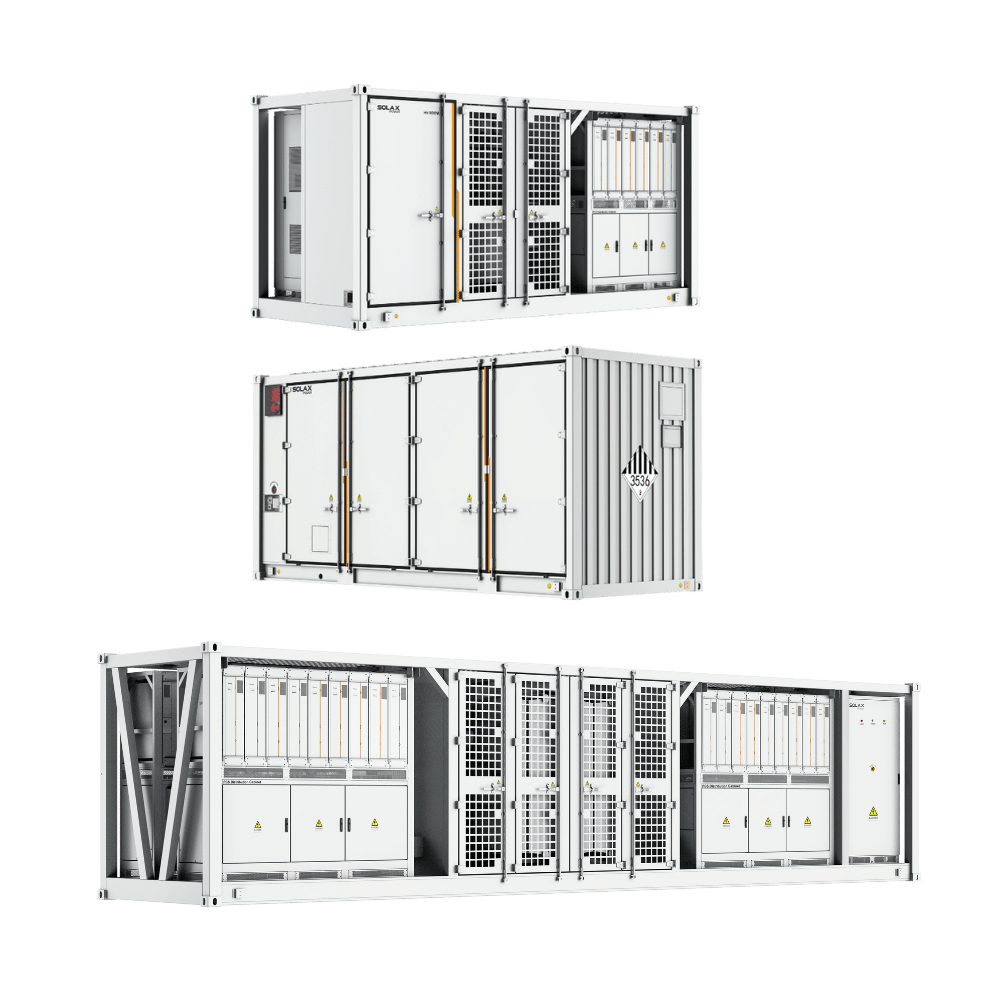
For large-scale applications such as factories and shopping malls, the SolaX TRENE ESS stands out as a premier choice. This system utilizes advanced liquid cooling technology to deliver superior efficiency and safety for high-demand environments. Key highlights include:
Precision Thermal Management: The cutting-edge liquid cooling system maintains battery cell temperature differences under 3°C. This ensures optimal performance and extends the lifespan of the robust 314Ah LFP battery.
High-Power Performance: Offers a standalone capacity of 261kWh and 125kW output (peaking at 137.5kW). Its versatile architecture allows for easy scalability to multiple megawatt-hours (MWh).
Ultimate Safety: Designed with safety as a top priority, featuring a comprehensive four-level fire protection system to safeguard your assets and infrastructure.
Intelligent Operation: Powered by SolaXCloud, the system provides real-time monitoring and smart energy management, making operation and maintenance effortless for commercial users.
Conclusion
Choosing the right cooling system for your commercial energy storage is crucial. Whether you opt for SolaX's current air-cooling solutions or look forward to their upcoming liquid-cooling offerings, you can be confident in receiving energy storage systems that are efficient, reliable, and tailored to meet the evolving needs of European businesses.
With SolaX, you're not just investing in a product; you're choosing a partner committed to helping your business thrive in the dynamic landscape of modern energy systems. Unlock the full potential of your energy strategy with SolaX and take the next step towards a sustainable future.
FAQ
Table of Contents
Latest News
Explore expert insights, practical guides, and the latest news on SolaX Power.

To the Latest Newsletter
Stay Ahead with the Latest SolaX Updates!
Subscribe
I have read and agree to Privacy Policy and User Terms