











March 24, 2026
Before Buying Commercial ESS: 5 Must-Ask Questions About Warranty and Safety Coverage
Share my #SolaXStory


You line up your commercial solar power project, your solar installer books the lift, and your electrician is ready to land the inverter and battery terminations. Then commissioning stops cold because one clause is missing: the warranty start date is unclear, the covered parts list is not tied to serial numbers, or the safety listing does not match the exact energy storage system configuration.
This how-to walks you through six must-ask questions to lock down warranty and safety coverage before you issue a PO, so your solar energy storage system goes in clean and stays supported.
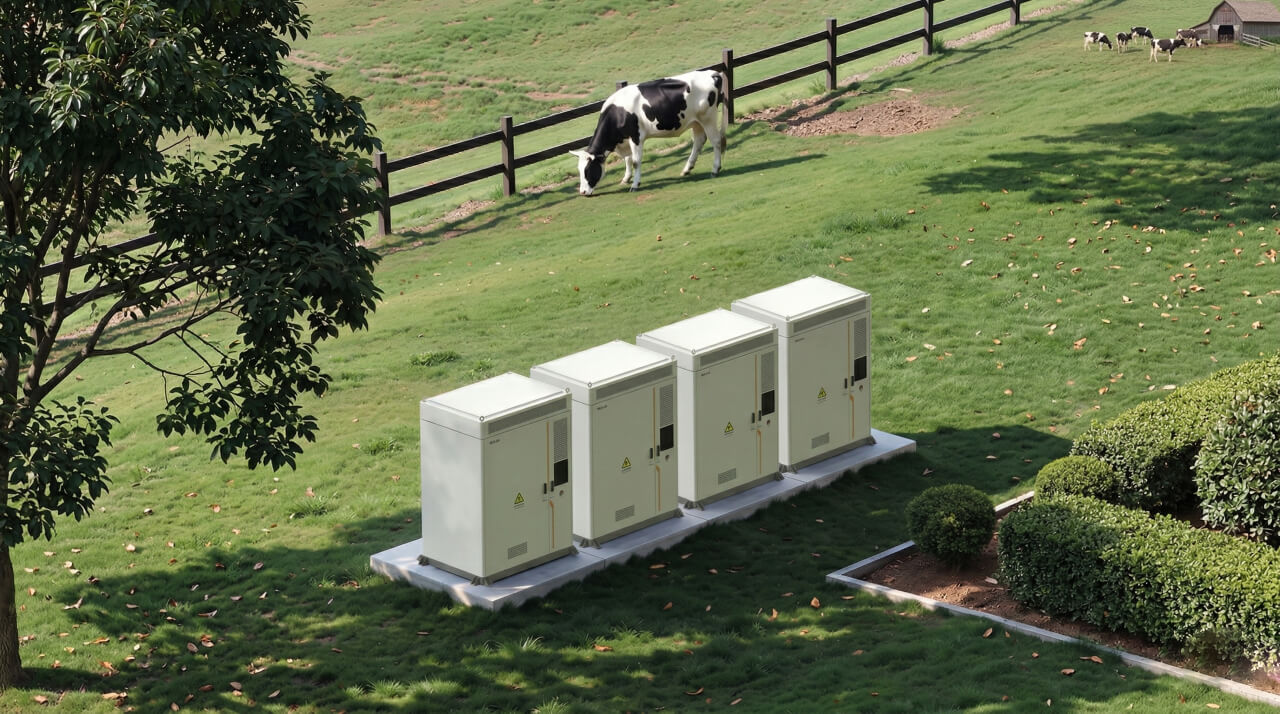
What to ask before buying Commercial ESS?
1: How is warranty coverage defined, and who handles registration and claims?
Start by making the warranty start date impossible to argue later. Ask whether coverage begins on the invoice date, the delivery date, the installation date, commissioning sign-off, or first energization. Then tie that trigger to your procurement packet: invoice number, serial numbers, and the final bill of materials (BOM) that shows every major component in the solar power system.
Next, verify the registration workflow and who owns it. If your EPC registers the inverter battery and solar battery cabinet, confirm the customer still gets admin access to the registration record. If the manufacturer registers at the factory, confirm how commissioning data gets attached. For Commercial and Industrial Solutions that may expand, also confirm whether adding battery storage later resets, extends, or leaves the original warranty intact.
Ask for the exact warranty start definition (one sentence)
Require a serial-number list before site delivery
Confirm who submits the registration and where it is stored
2: What specifically is covered vs. excluded in the warranty?
Lock this step first; otherwise, the rest of your workflow becomes rework. Ask for a written matrix that separates parts, labor, travel, commissioning support, software access, and consumables. Many commercial solar companies assume on-site service is included, but warranties often treat labor and travel as separate line items or as region-limited benefits.
Now get specific about exclusions that matter in real sites: improper ventilation, out-of-range ambient temperature, corrosion environment, dust ingress, water ingress, and non-compliant wiring practices. If your project includes a hybrid inverter mode (grid-tied plus backup), also confirm whether off-grid operation, generator support, or microgrid functionality changes the covered use cases. When your contract language matches the real operating mode, you avoid the most common denied-claim scenario: operation outside the stated application.
Require an exclusions list, not a paragraph
Confirm coverage for firmware updates and remote diagnostics
Confirm coverage boundaries for third-party meters and CTs
3: Does the system meet the safety and compliance standards required for your region?
Write your performance expectations down in measurable terms. For a commercial solar power site doing peak shaving or demand management, you care about usable capacity over time, cycle assumptions, and any throughput-based limits. For backup power, you care about switchover behavior, overload allowances, and whether the inverter supports unbalanced three-phase loads.
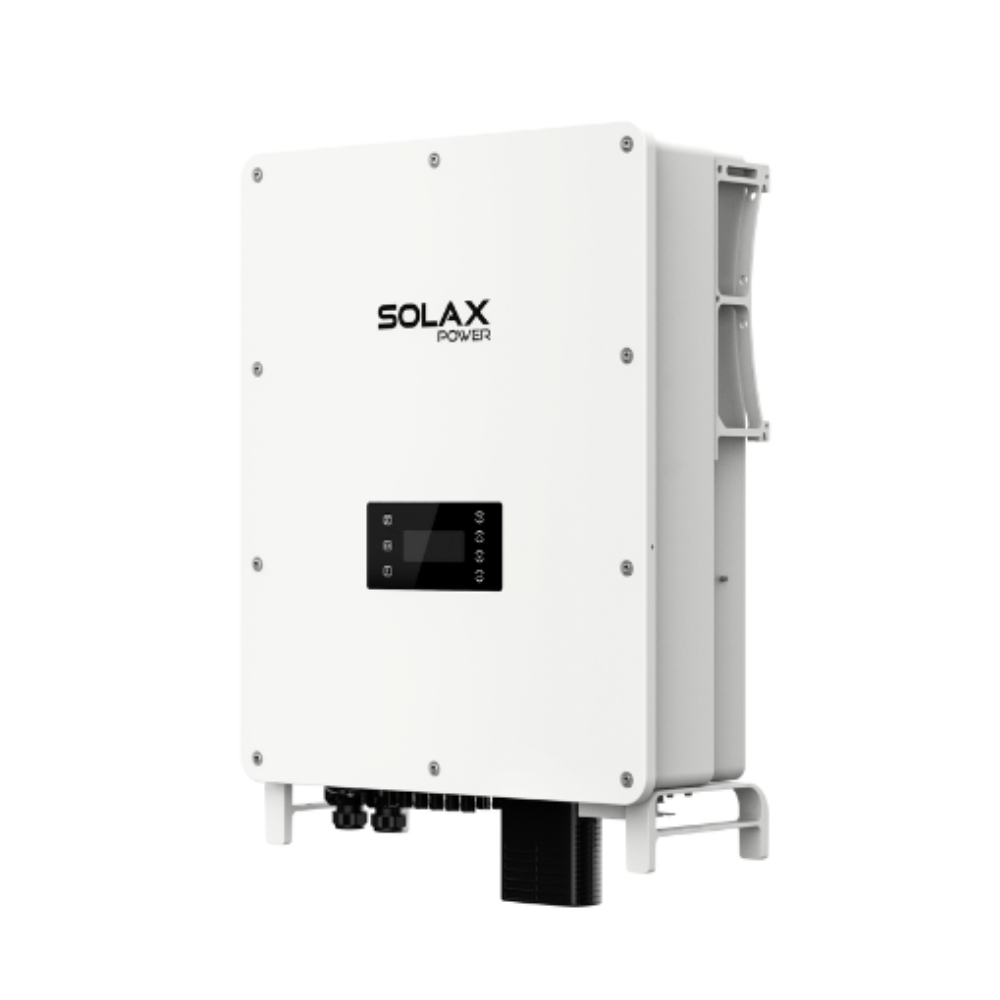
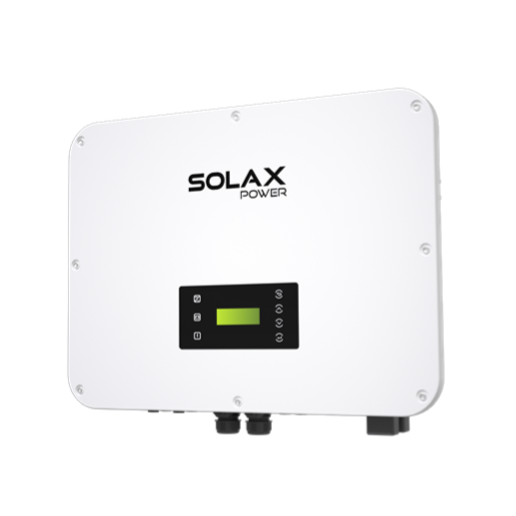
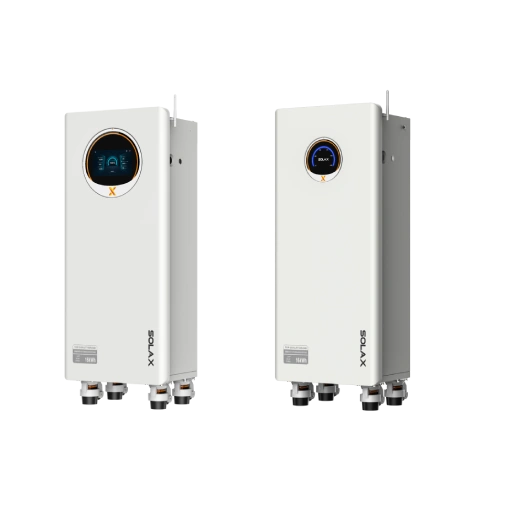
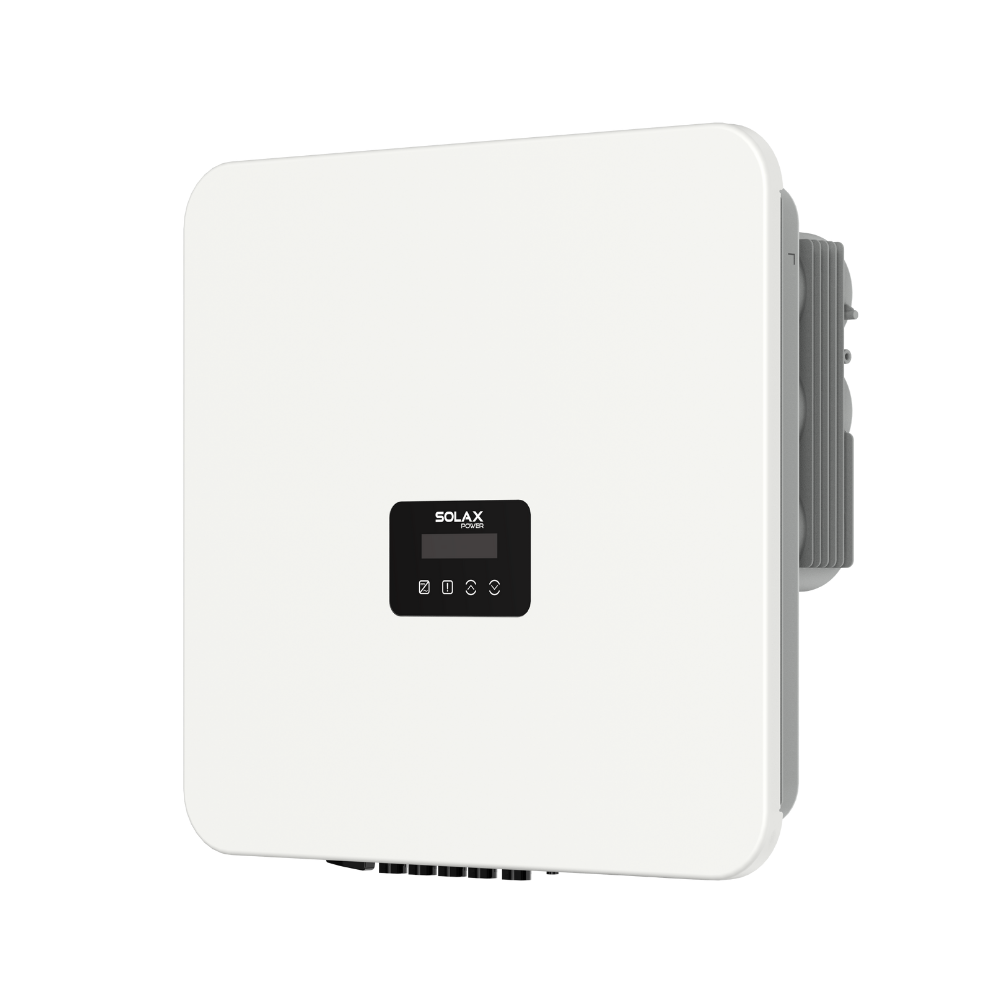
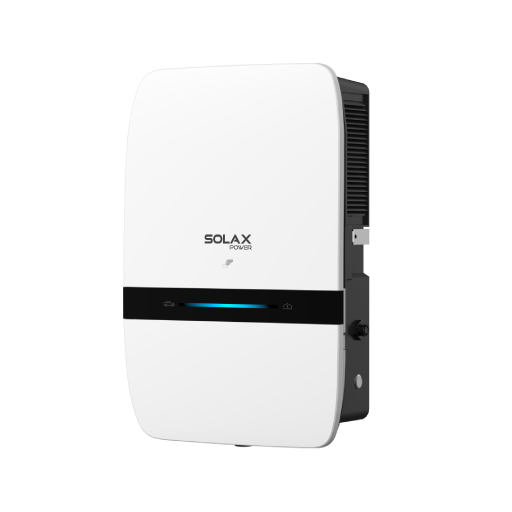
Use published product parameters to sanity-check the promised operating envelope. For example, SolaX positions the X3-AELIO Hybrid Inverter for C&I with fast on-grid/off-grid switching under 10 ms, and it is designed to scale by parallel operation up to 10 systems for higher site power needs. The same line highlights high PV input capability and scheduling features that support time-of-use operation, which is often the core ROI lever in solar energy systems with battery storage.
Match warranty cycle assumptions to peak shaving modeling
Define required uptime response times (SLA) if offered
Confirm how performance is validated (logs, meters, EMS)
4: What performance metrics matter, and how are they verified?
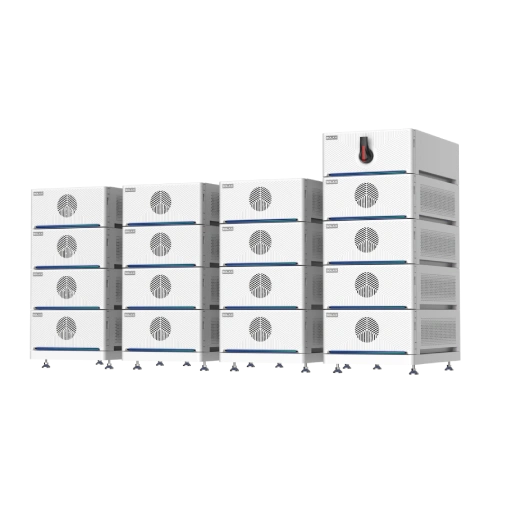
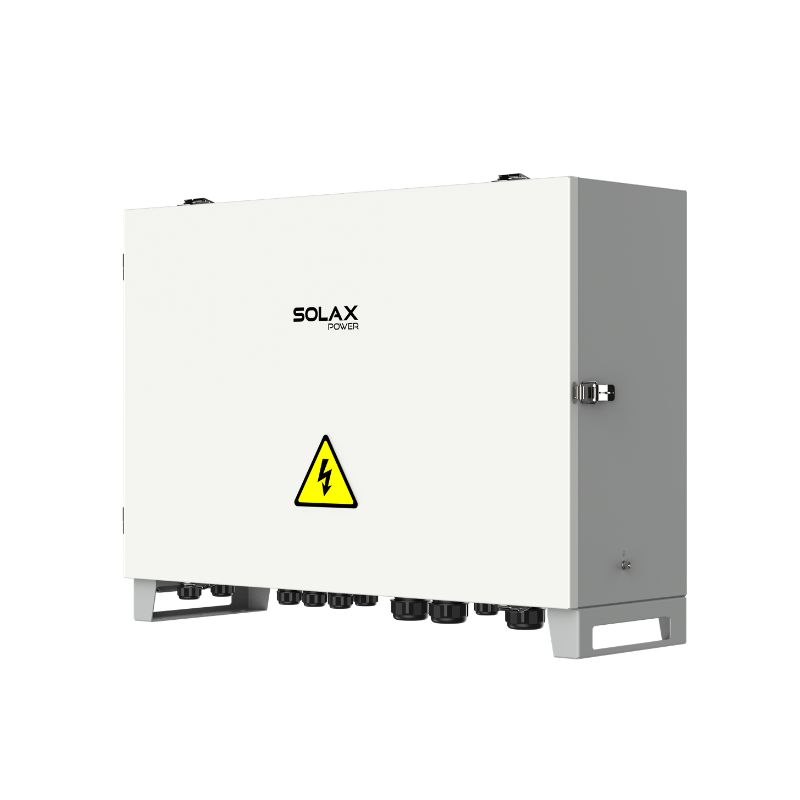
Do not accept a generic statement like "UL listed" for a commercial energy storage system. Instead, request the listing number or certificate and confirm the listing scope matches the full configuration you are buying: cabinet model, PCS/inverters, battery chemistry, BMS/EMS, enclosure rating, and any switching cabinet or isolation equipment.
This matters because system-level certification is about the whole assembly, not just a solar inverter or a solar battery module. UL specifically frames UL 9540 as an energy storage system testing and certification program, which is the kind of evidence AHJs commonly want when they review an energy storage system installation for safety and compliance. Keep the certificate and scope statement in your closeout package so you can answer questions during inspection without delay. According to UL, UL 9540 addresses safety for complete energy storage systems.
Ask for the certificate plus the "scope" page
Confirm the certificate matches your exact model numbers
Confirm that the inverter and battery are listed as a system
5: How is safety handled, including thermal runaway protection and fire risk mitigation?
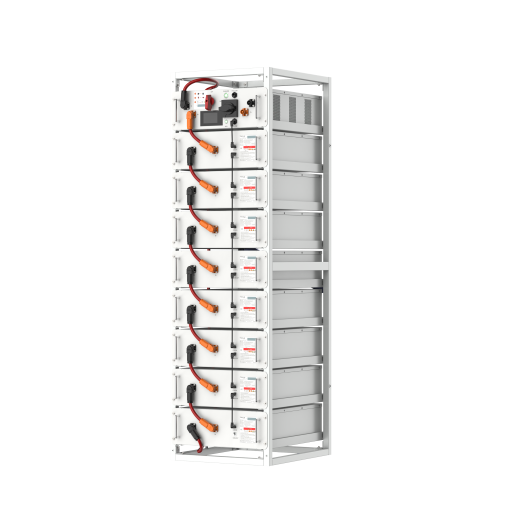
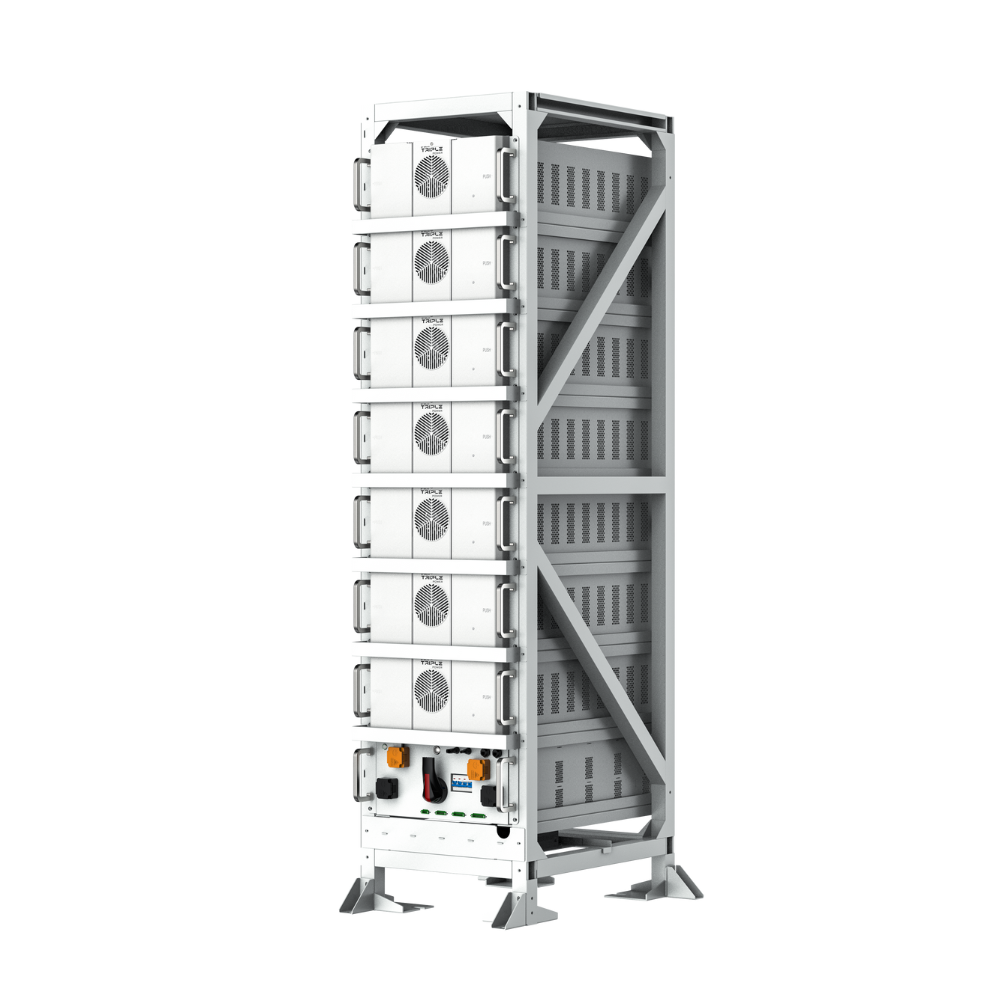
Treat thermal runaway questions like you would treat a one-line diagram: the details must match the build. Ask what test method was used, what configuration was tested, and whether the results apply to your cabinet capacity and layout. If the manufacturer references UL 9540A, request the test report scope and the exact module and rack arrangement used during evaluation.
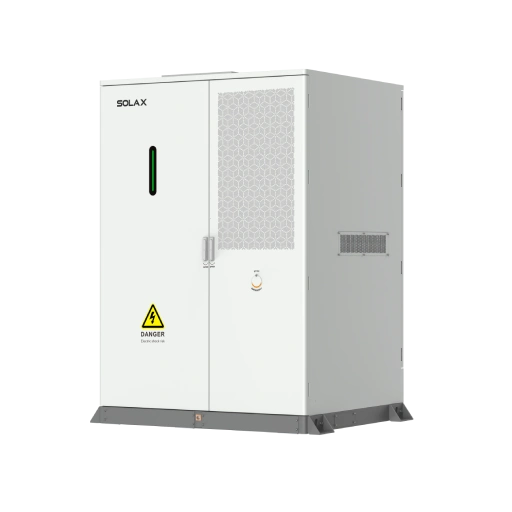
Also, ask how mitigation is implemented in the delivered system: detection (sensors), isolation (contactors), suppression (agent type), and ventilation or exhaust paths. In SolaX C&I product materials, you will see repeated emphasis on multi-layer fire safety protection and cabinet-level protection concepts, which you should map to the documents you receive. According to UL, UL 9540A is a test method used to evaluate thermal runaway fire propagation characteristics.
Require the test scope and configuration summary
Confirm suppression and ventilation are included, not optional
Confirm how events are logged for warranty evidence
6: How does monitoring, O&M access, and long‑term support work?
Decide who owns monitoring on day one. You want clear roles for the owner, the solar installation contractor, and any O&M provider: who can change setpoints, who can update firmware, and who can export logs for a warranty claim. If roles are unclear, you lose time on faults because nobody wants to touch settings they do not own.
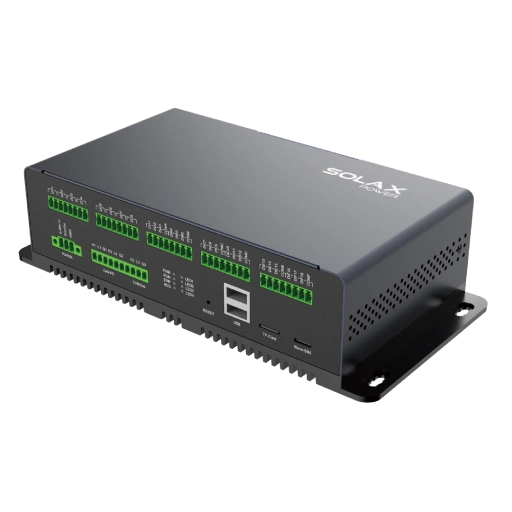
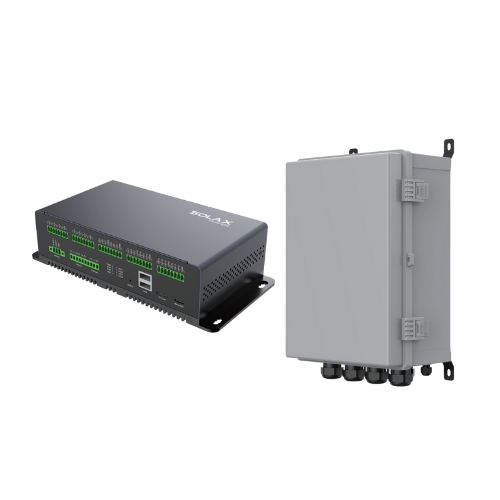
For multi-inverter sites, also verify monitoring hardware limits and connectivity. SolaX positions the EMS1000 PRO as a master controller for C&I solar energy solutions with multiple connectivity options (RS485, Ethernet, 4G) and support for large fleets, including up to 120 connected inverters and a master-slave architecture for expansion. That kind of topology is useful when you need consistent data across multiple buildings or meters.
Troubleshooting Guide
Problem | Cause | Solution |
Claim denied | Missing invoice trail | Store signed invoice PDF |
Warranty start dispute | No serial-number tie | Log serials at delivery |
Coverage unclear | Vague exclusions | Demand written exclusions list |
| Listing mismatch | Wrong system scope | Match UL 9540 certificate |
Slow fault resolution | No monitoring access | Pre-assign roles and exports |
If a dispute appears, stop arguing by email and build a single packet: invoice, serials, commissioning record, monitoring exports, and photos of nameplates.
If the AHJ questions compliance, present the certificate plus the scope page, then show that the installed configuration matches that scope.
Conclusion
Warranty language is risk control, not paperwork. When you confirm the start date, define coverage boundaries, and verify safety evidence that matches the exact energy storage system you are buying, you prevent commissioning delays and protect long-term ROI from your solar energy investment. Use these six questions as a procurement gate, and require written answers before you approve the order.
FAQ
Table of Contents
Latest News
Explore expert insights, practical guides, and the latest news on SolaX Power.


To the Latest Newsletter
Stay Ahead with the Latest SolaX Updates!
Subscribe
I have read and agree to Privacy Policy and User Terms