













October 16, 2026
Choosing a Dependable, Cost-Effective String Inverter for Commercial Solar 2026
Share my #SolaXStory


What "least troublesome" means on a commercial PV site
The least troublesome commercial solar systems are not defined by a universal reliability ranking. They are designed, commissioned and maintained so that common issues can be identified quickly.
Separate equipment faults from project issues
Commissioning: incorrect grid parameters, polarity, communications or string allocation.
Design: insufficient MPPTs, unsuitable DC/AC ratio or electrically mismatched strings.
Operation: missing alerts, unclear records or no baseline measurements.
Environment: heat, dust, moisture, salt exposure or poor service access.
A commercial string inverter is lower-risk when its electrical limits, grid-code settings, enclosure rating and maintenance plan match the site. Capacity in kW is only one part of that decision.
Match string inverter MPPT layout to the roof
MPPTs, or maximum power point trackers, let electrically different array groups operate independently. More trackers can be useful where orientations, shading patterns or string lengths differ.
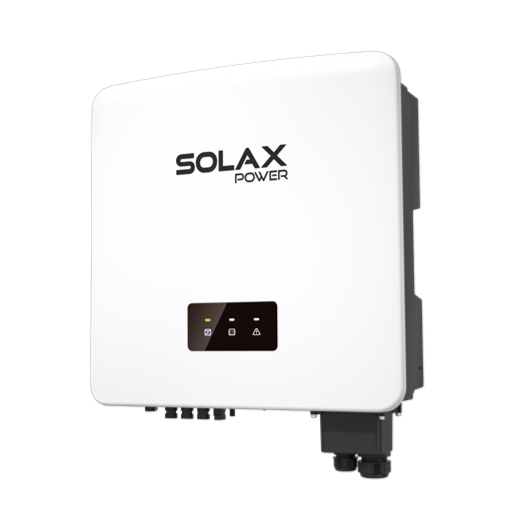
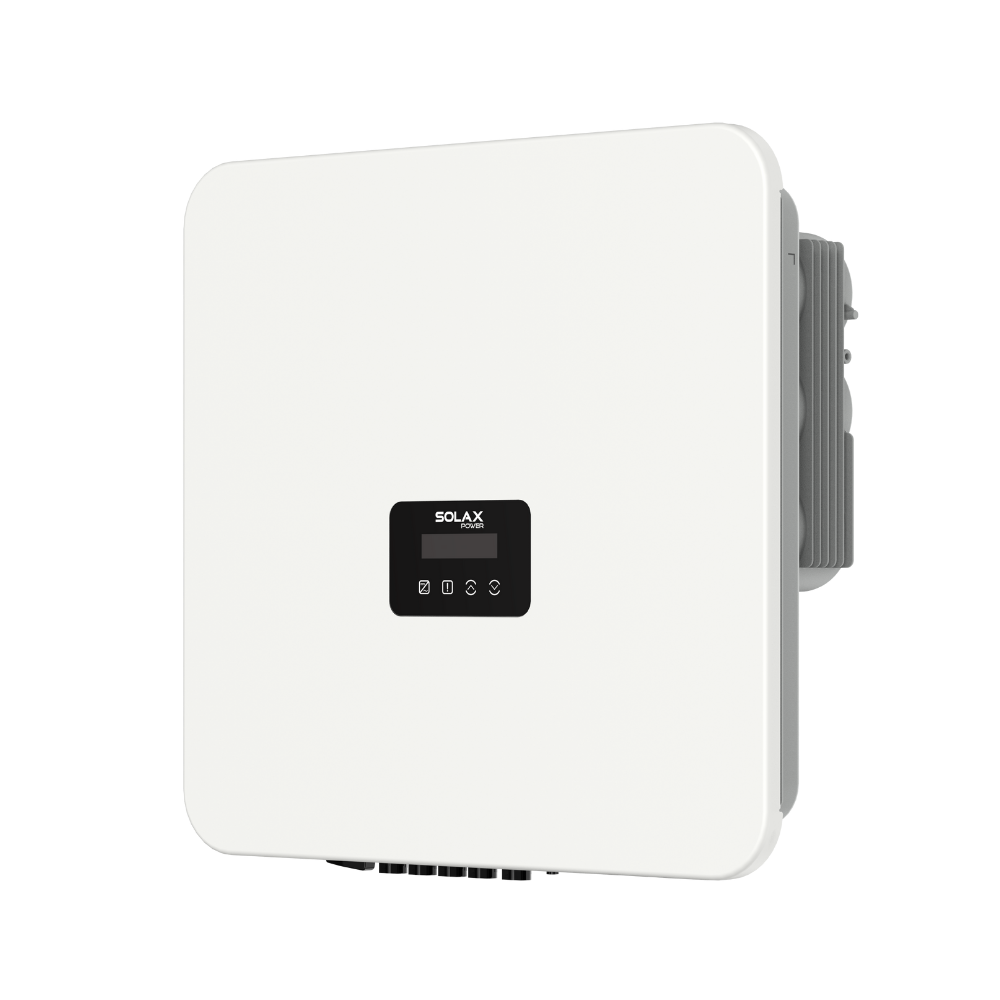
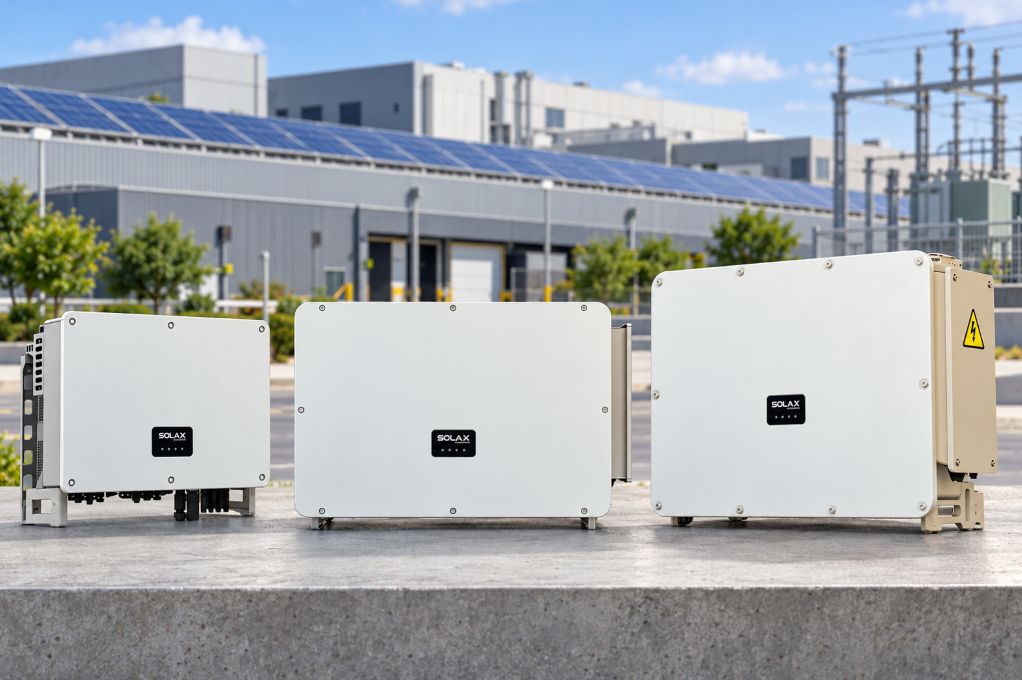
For 40–60 kW arrays: SolaX X3-MEGA G2
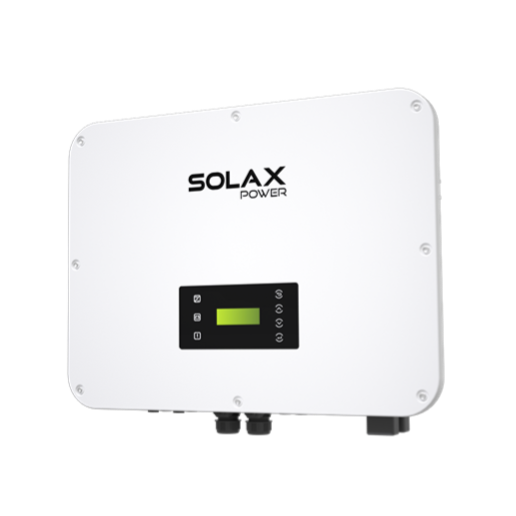
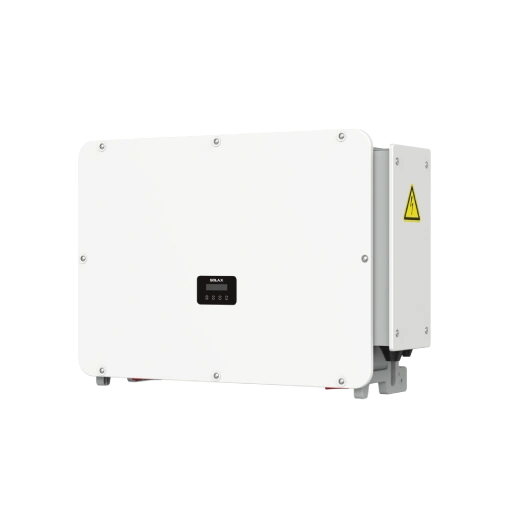
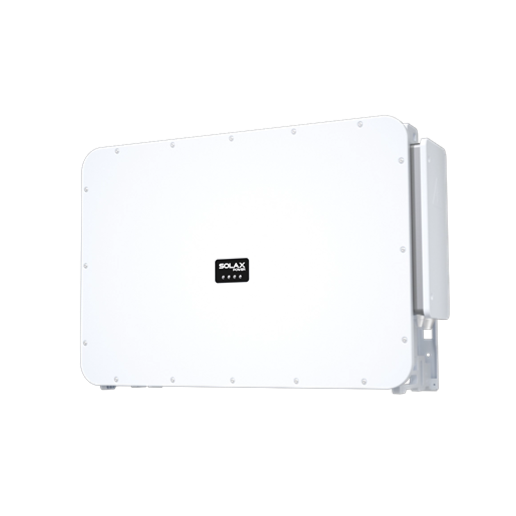
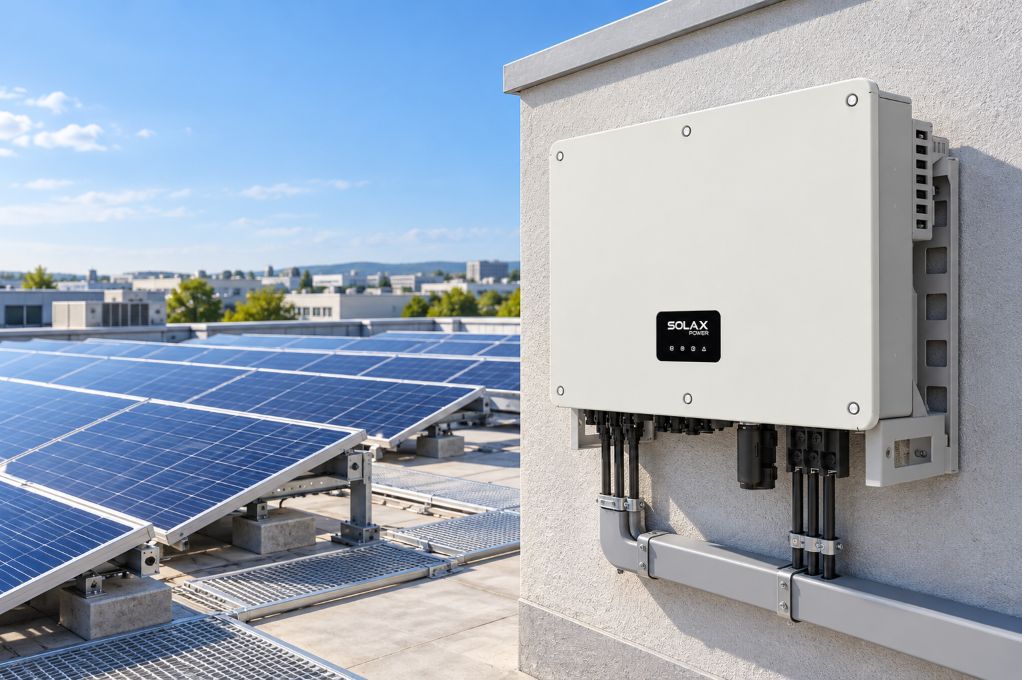
X3-MEGA G2 is available in 40 kW, 50 kW and 60 kW models, with up to six MPPTs, two strings per tracker and 32 A per MPPT. Its smart string-current monitoring and I-V curve diagnosis can help isolate abnormal string behaviour during operation. Confirm the final string design against the model-specific datasheet and local connection requirements.
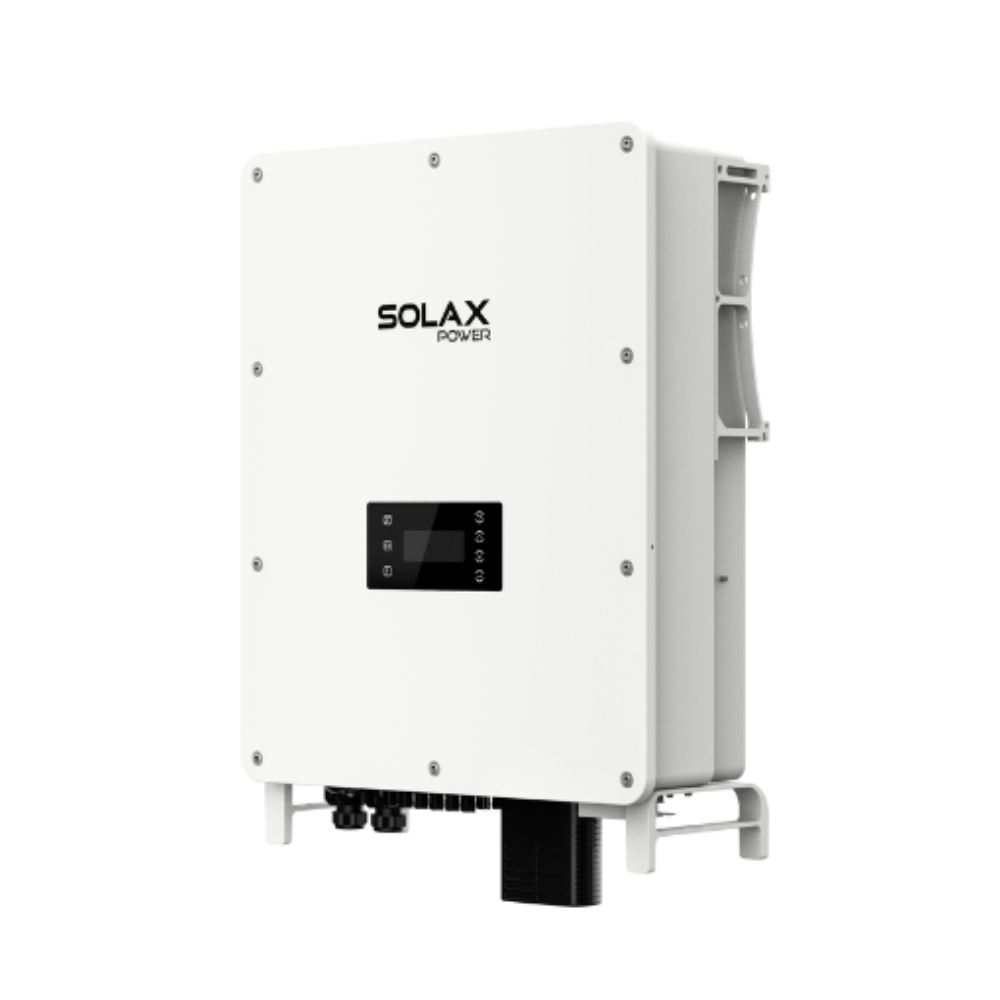
For multi-zone arrays: SolaX X3-FORTH
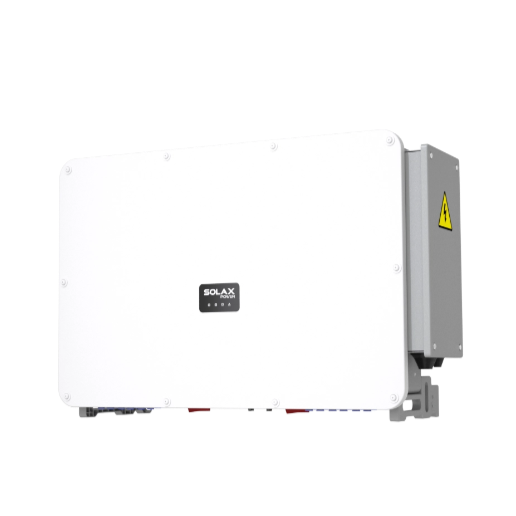
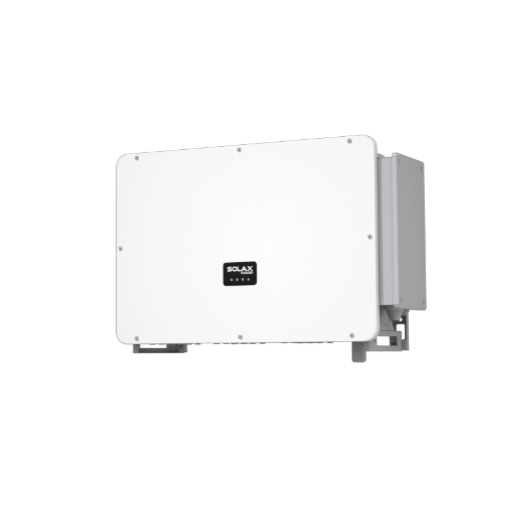
The SolaX X3-FORTH spans 75–125 kW and offers up to 12 MPPTs, depending on configuration. Remote settings and upgrades, string-current monitoring, AC terminal temperature detection and 24-hour monitoring make it suitable for a C&I solar inverter workflow that requires clear operating evidence.
Which commercial string inverter features reduce support demand?
Prioritise fault visibility before convenience. A feature only reduces support demand when the installer configures it, tests it and records the result at handover.
String diagnostics: current monitoring and I-V curve diagnosis support systematic fault isolation.
Remote access: verify remote settings, firmware procedures and account permissions before completion.
Electrical safeguards: assess surge protection, optional AFCI functions, temperature detection and isolation for the exact model.
Environmental fit: confirm IP66 protection, cooling clearances and exposure to dust or salt.
X3-FORTH lists Type II surge protection on both AC and DC sides, optional AFCI support and IP66 protection. X3-MEGA G2 lists IP66 protection, optional Type II surge protection and 24-hour operation monitoring. Features vary by model, firmware and grid code, so verify each approved configuration.
Build commissioning around evidence, not assumptions
A repeatable handover reduces avoidable remote inverter troubleshooting. The MCS handover checklist includes test and commissioning data, inverter protection settings, system information and operating documentation.
Confirm array voltage, polarity and MPPT allocation.
Record AC configuration, protection settings and serial numbers.
Verify communications and inverter monitoring before leaving site.
Capture baseline string and inverter readings.
Set customer access, alerts and escalation contacts in SolaXCloud.
Only trained, competent people should carry out electrical work; HSE states that electrical installations and equipment must be safe and properly maintained.
Practical small commercial PV scenarios
Straightforward rooftop project
For a 40–60 kW solar power system with consistent roof conditions, assess whether the array groups fit X3-MEGA G2's six-MPPT arrangement. Avoid combining strings with materially different shading or orientation simply to reduce inverter count.
Multi-zone commercial roof
For a 75–125 kW project with several roof aspects, review X3-FORTH's available MPPT configuration. The objective is not maximum tracker count; it is clean separation of electrically distinct array sections.
PV evolving into smart energy management
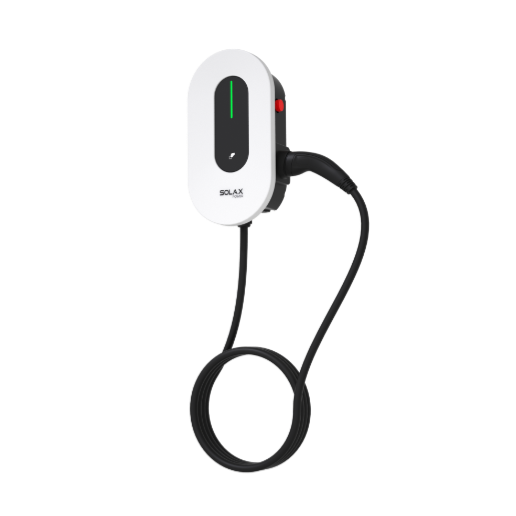
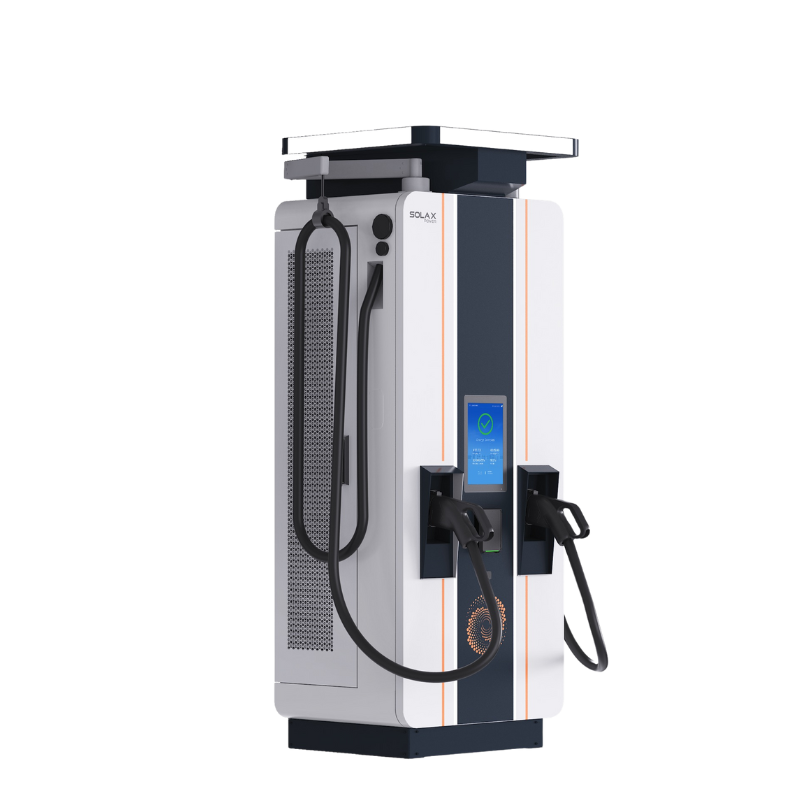
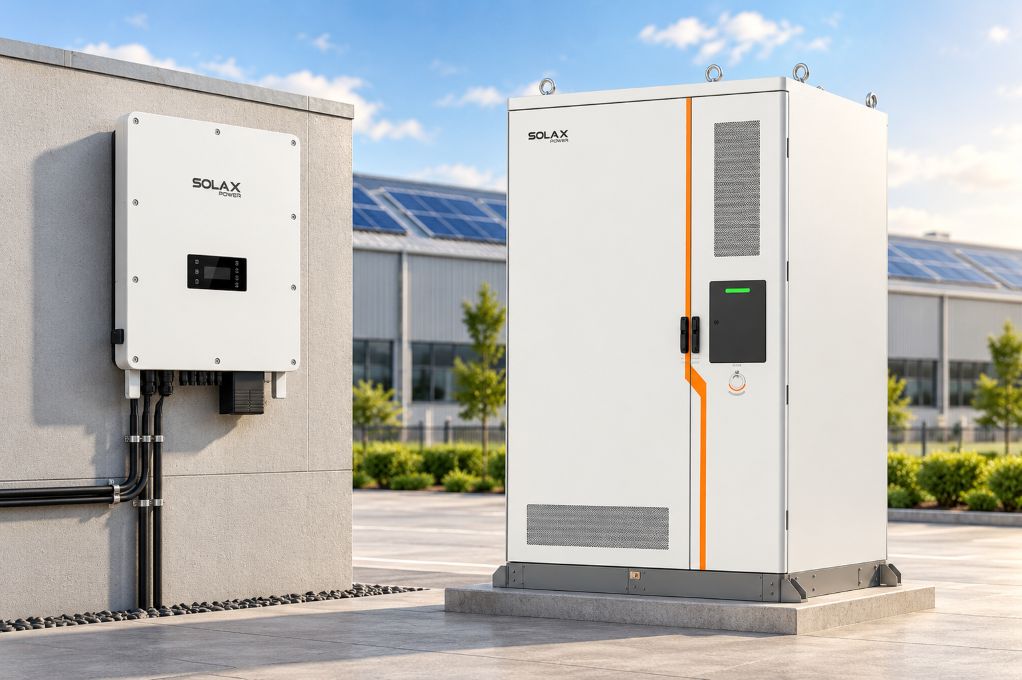
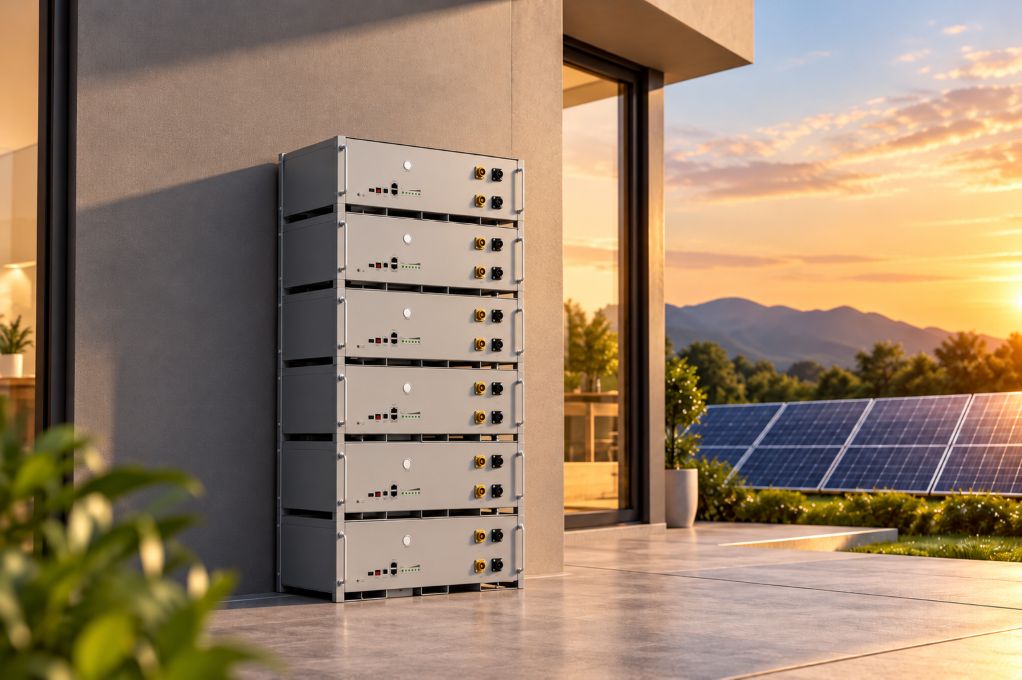
Where a business may later add an energy storage system or solar EV charger, assess the whole C&I energy solution early. This prevents monitoring, metering and site electrical constraints from becoming late-stage redesign issues.
Installation habits that prevent avoidable faults
Do
Document every MPPT and string allocation.
Test communications before practical completion.
Retain baseline operating values and approved settings.
Do not
Select an inverter solely by nominal capacity.
Leave monitoring setup until customer handover.
Assume series-level options apply to every model.
The installer's practical takeaway
The practical aim is to reduce support tickets by aligning inverter capacity, MPPT layout, diagnostics, site exposure and commissioning records. Compare the project's array layout with X3-MEGA G2 and X3-FORTH model-specific documentation before finalising the design.
FAQ
Table of Contents
Latest News
Explore expert insights, practical guides, and the latest news on SolaX Power.



To the Latest Newsletter
Stay Ahead with the Latest SolaX Updates!
Subscribe
I have read and agree to Privacy Policy and User Terms