












April 29, 2025
Utility-scale Solar VS Distributed Solar: Key Differences
Share my #SolaXStory


As the demand for renewable energy continues to grow, solar power has emerged as one of the most effective solutions for reducing carbon footprints and meeting energy needs.
Two primary types of solar energy storage system are utility-scale solar and distributed solar. Each has its advantages and is suited for different applications depending on the scale of the project and its specific energy goals. This article explores the key differences between utility-scale solar power and distributed solar power.
What are Utility-scale Solar PV Projects?
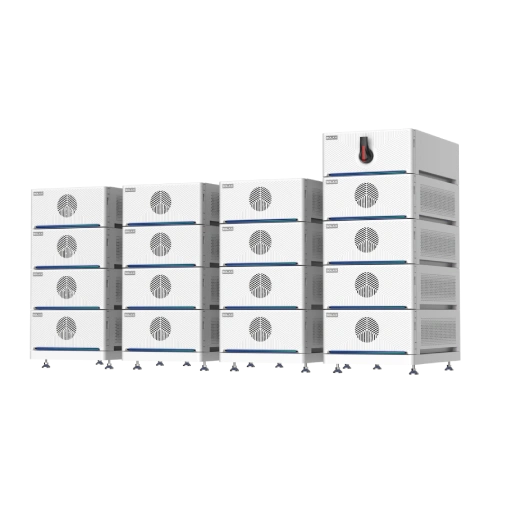
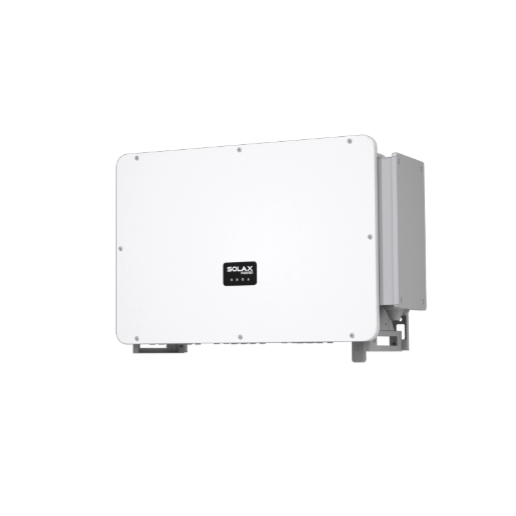
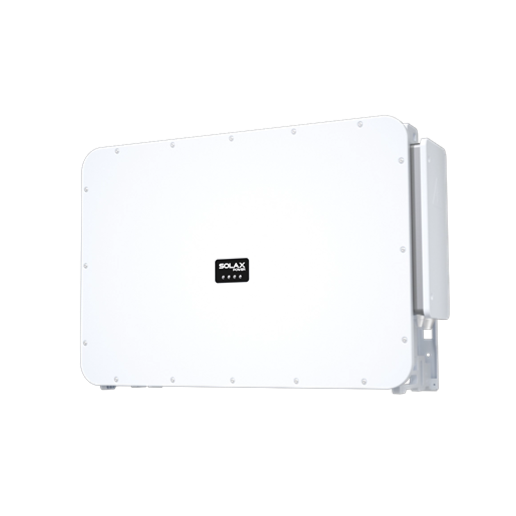
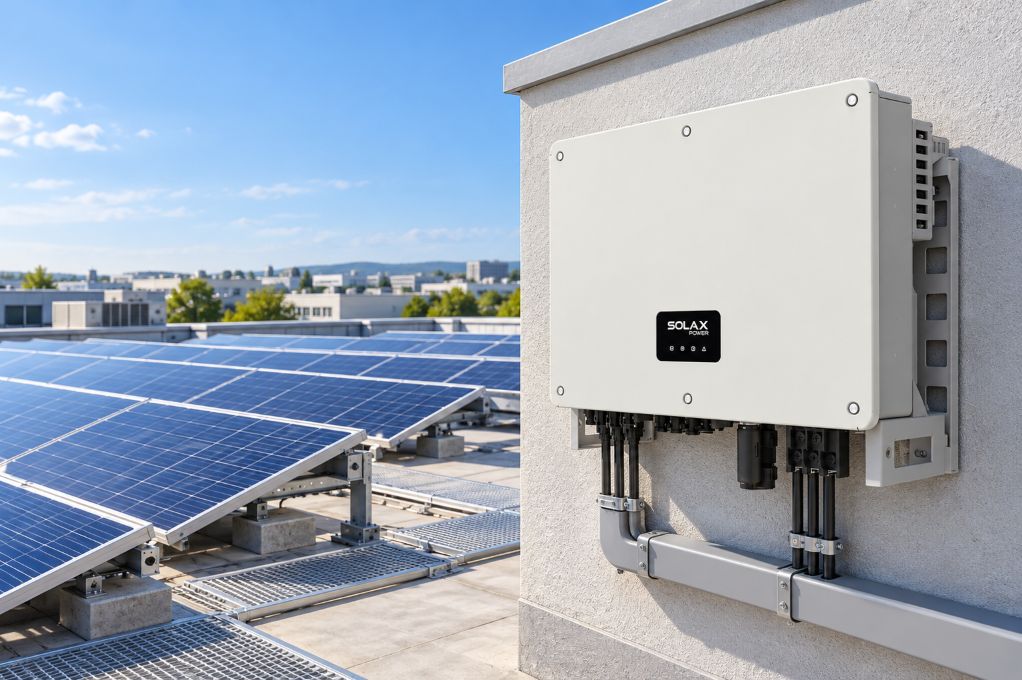
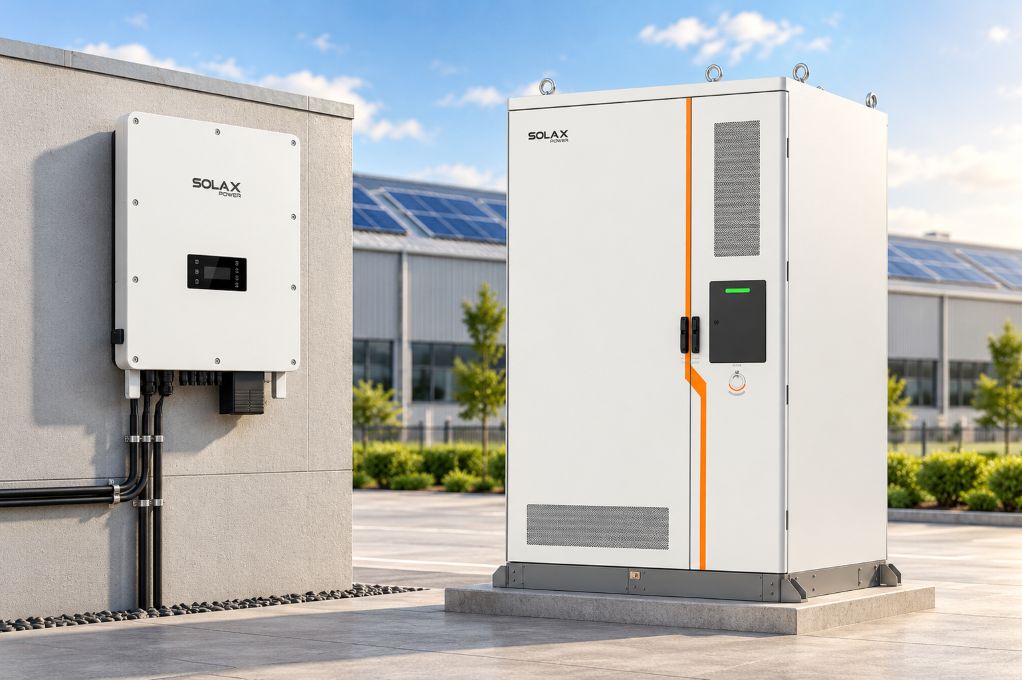
Utility-scale solar PV projects are large-scale solar power installations designed to generate electricity for the grid. These projects typically involve the deployment of large-scale solar arrays on vast expanses of land, often in areas with abundant sunlight. They can generate hundreds of megawatts (MW) of power, contributing significantly to the overall energy supply. Utility-scale solar installation systems generally feed electricity directly into the electrical grid, serving the needs of residential, commercial, and industrial users.
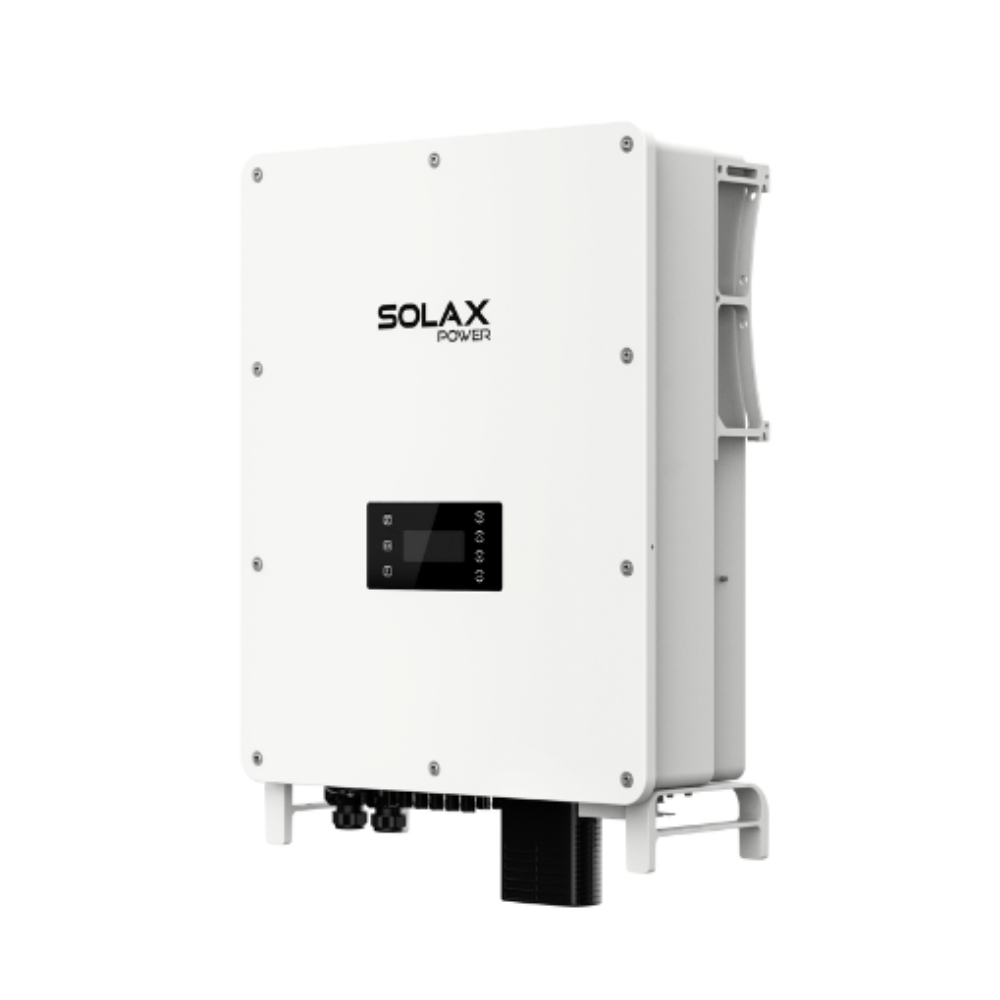
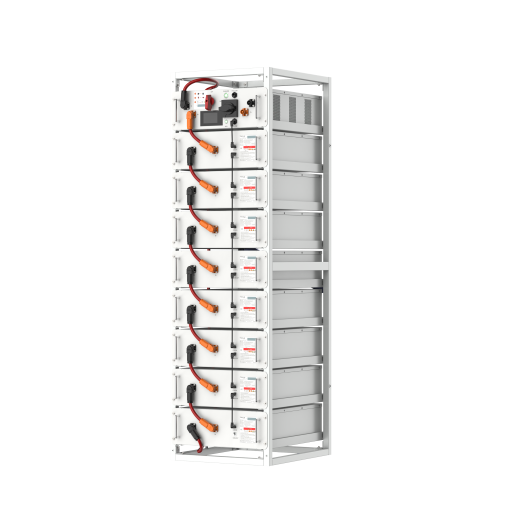
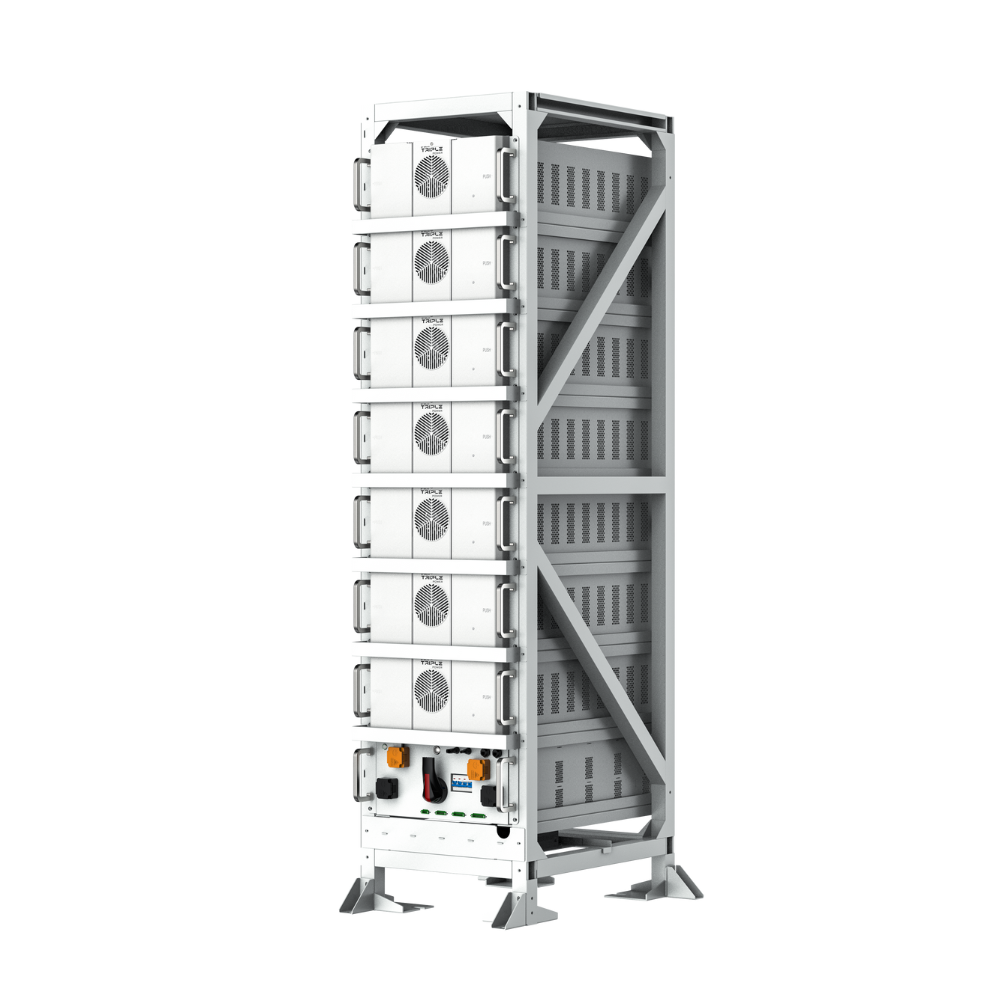
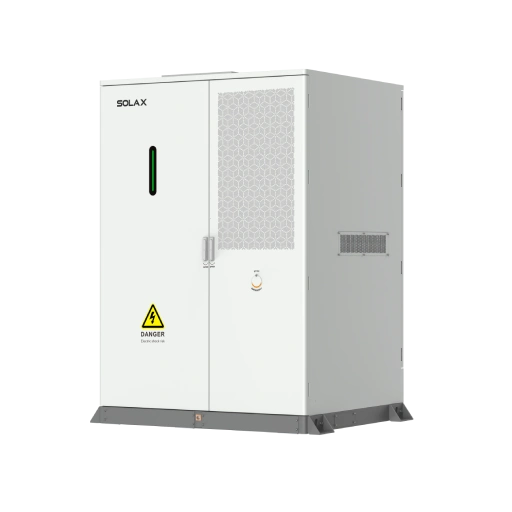
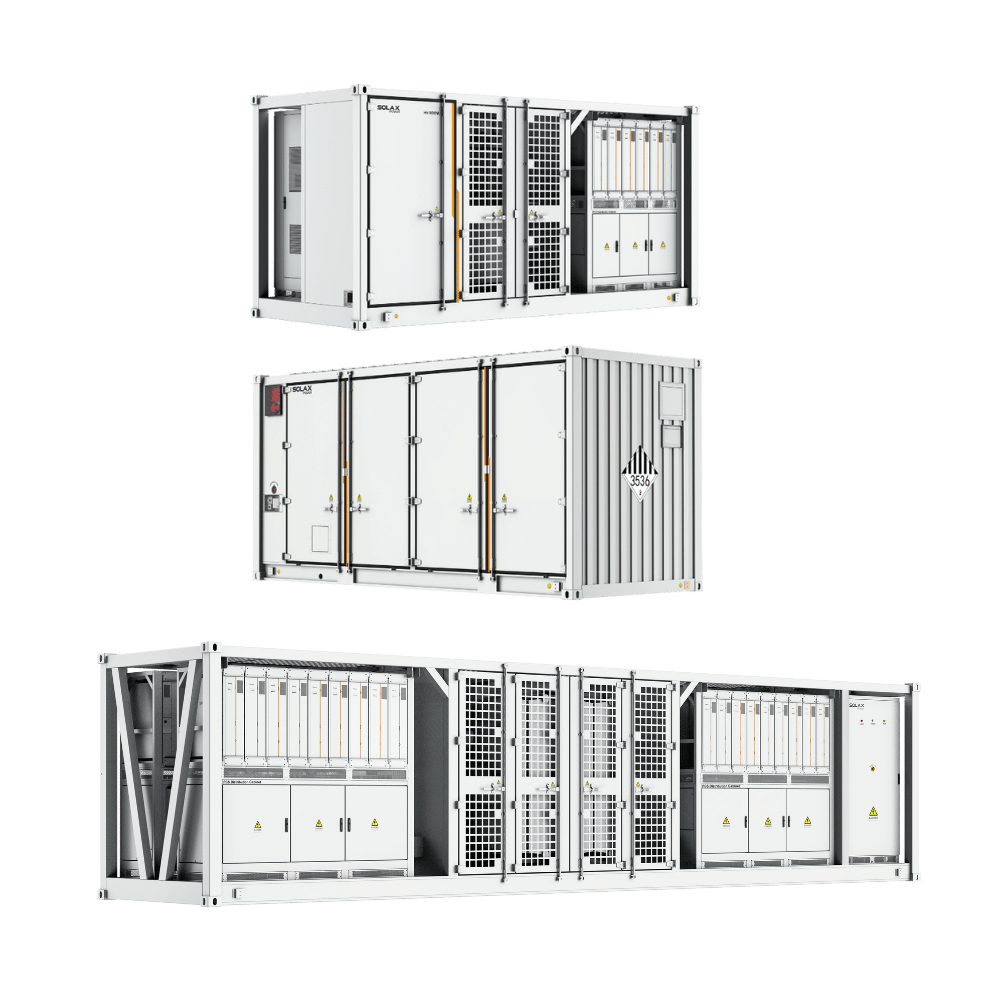
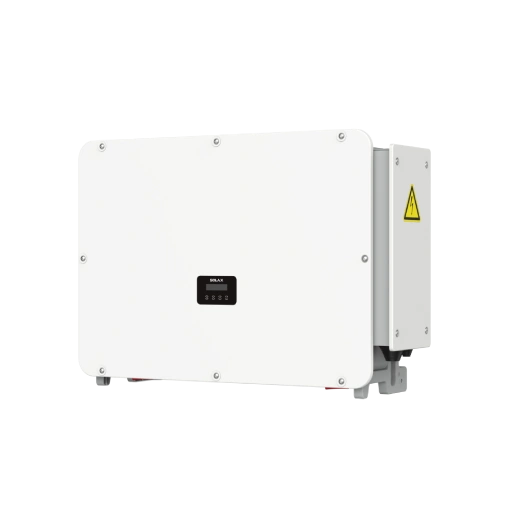
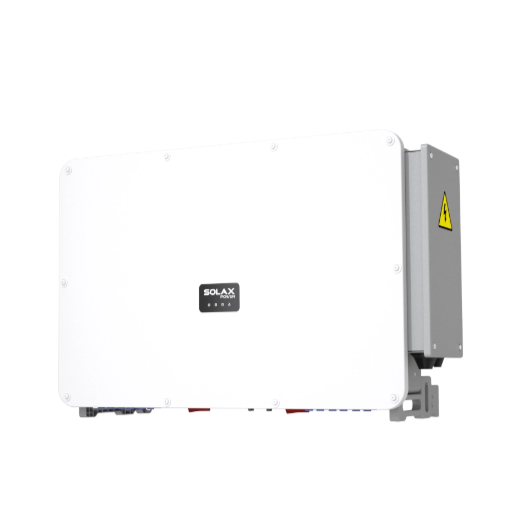
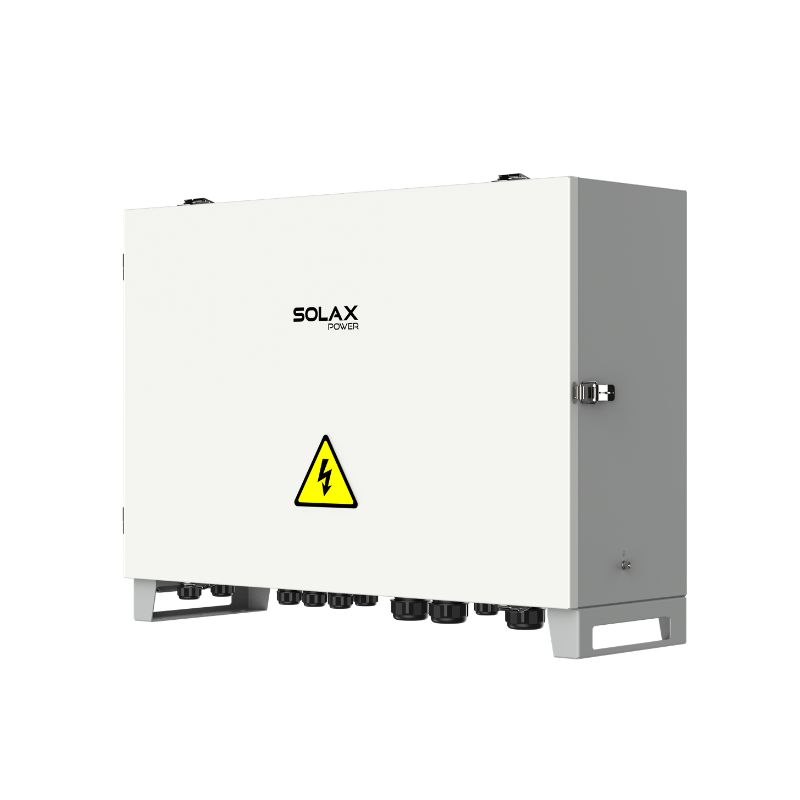
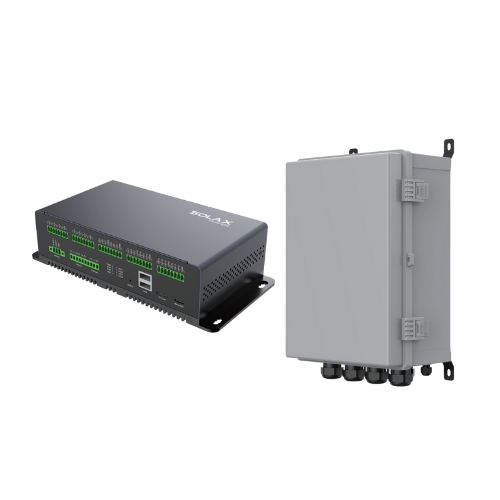
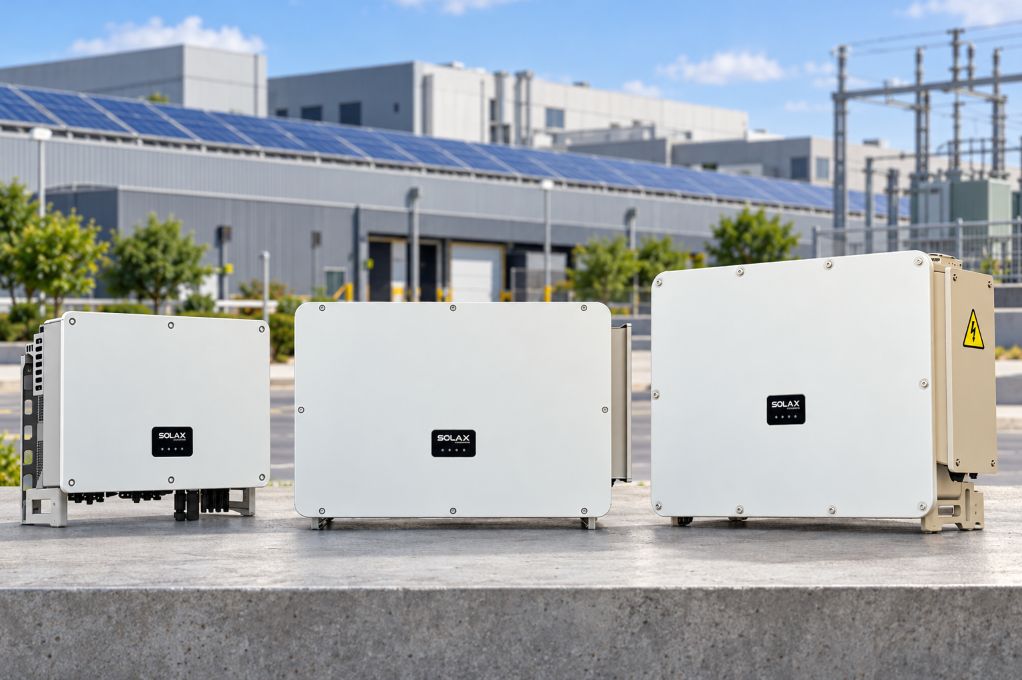
For example, SolaX provides innovative solutions for utility scale projects, ensuring efficient and reliable energy production for large communities and industries. The significant capacity of these projects allows for economies of scale, making them an attractive option for utilities and governments.
What are Distributed Solar PV Systems?
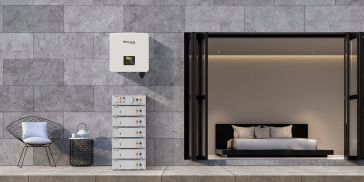
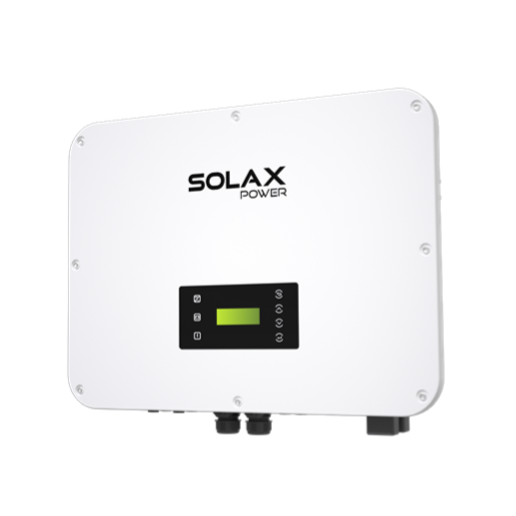
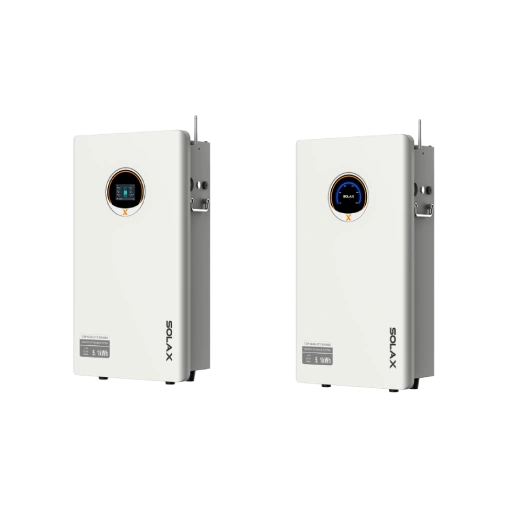
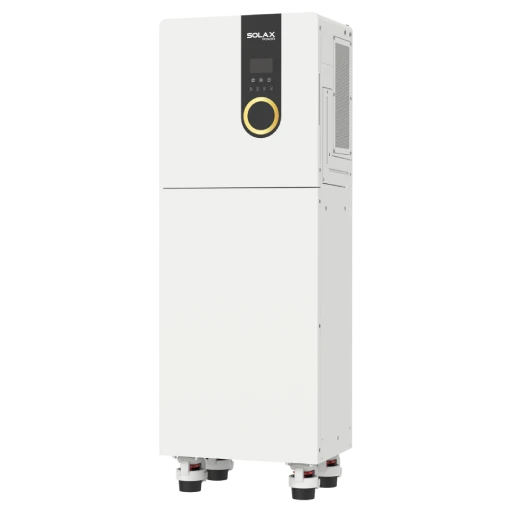
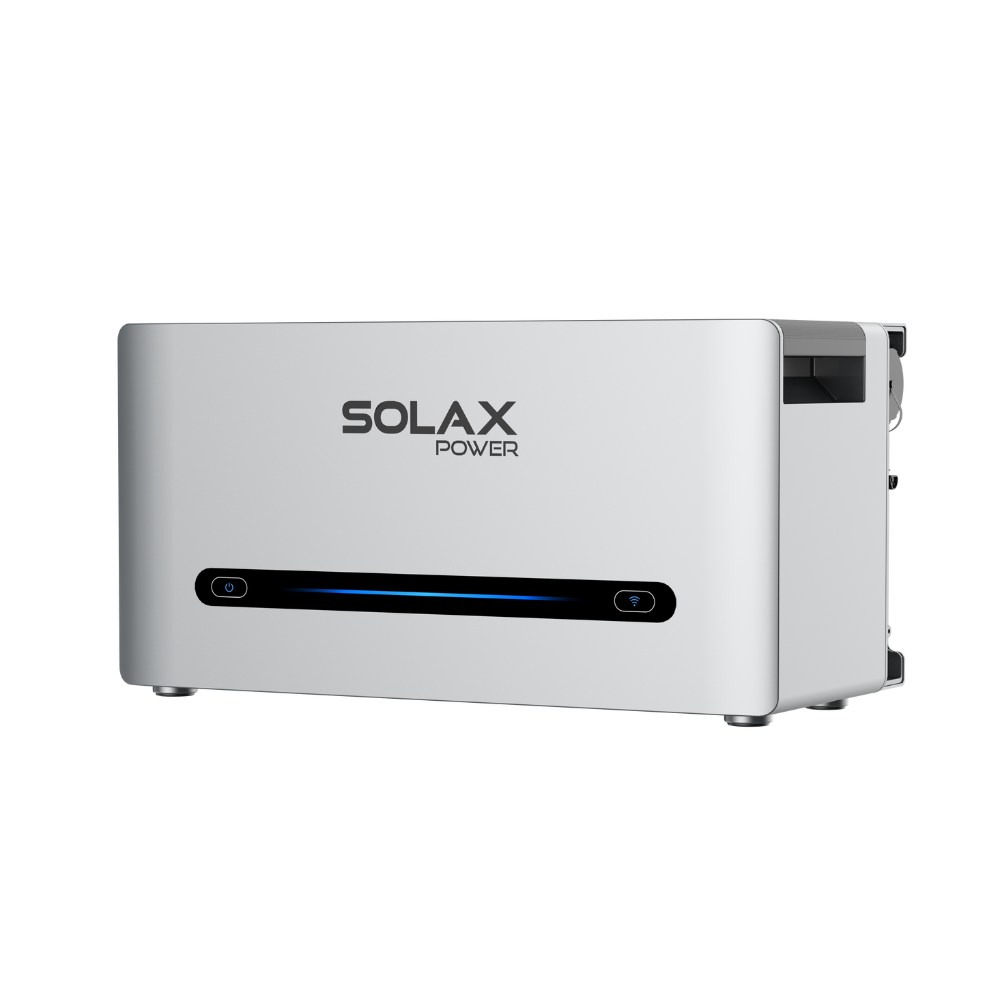
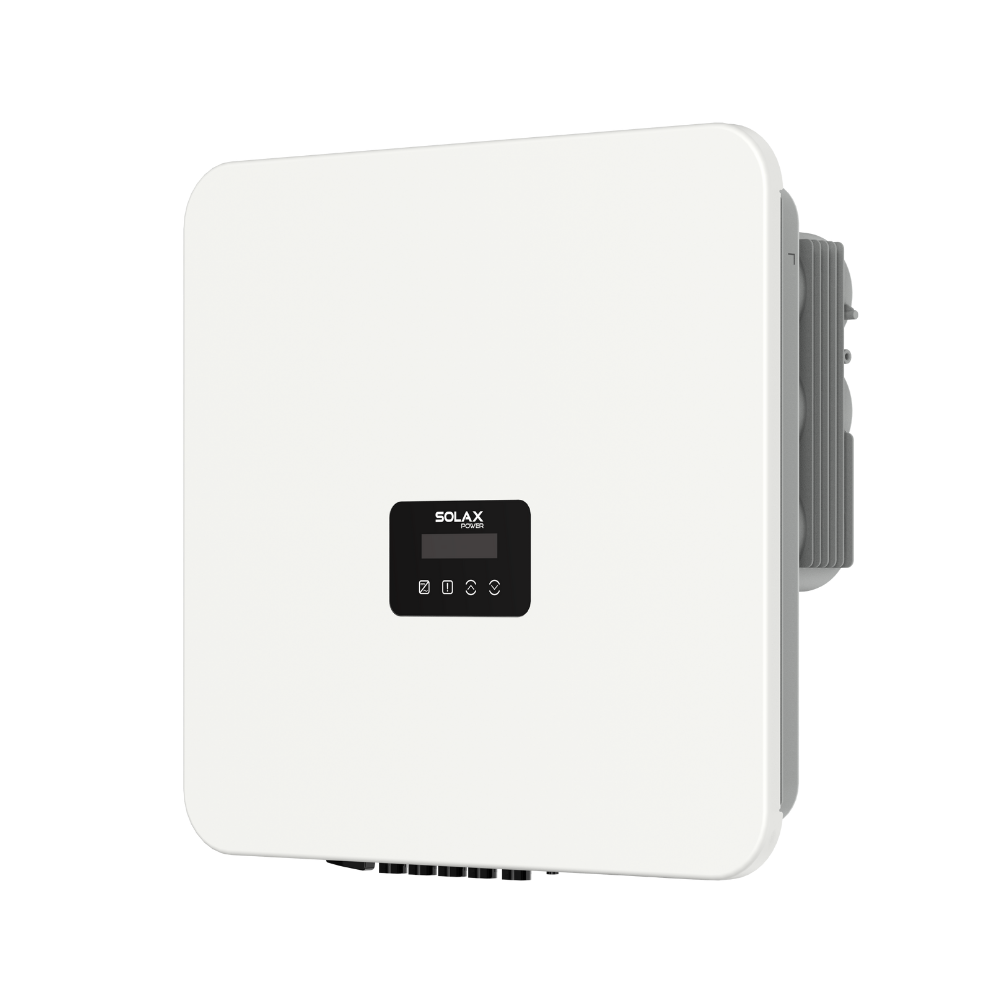
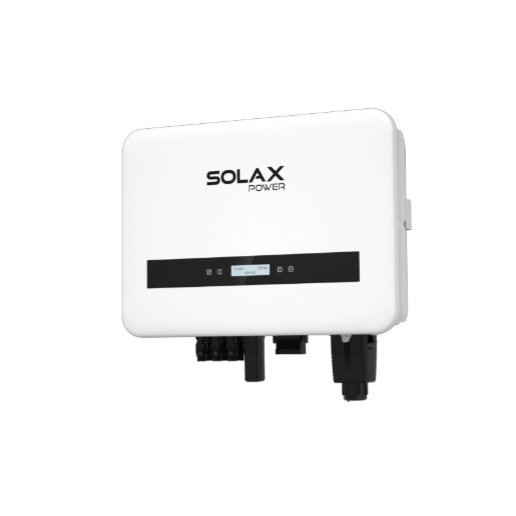
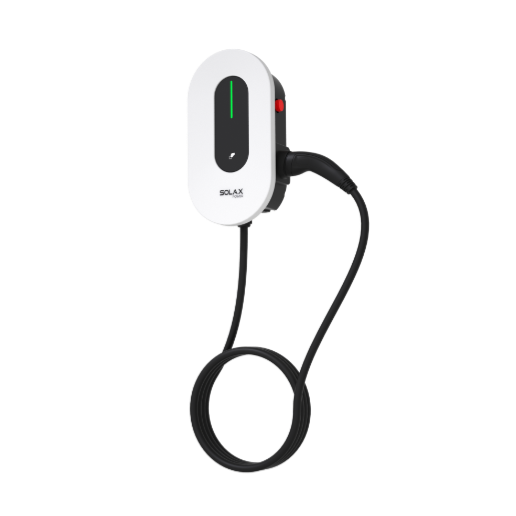
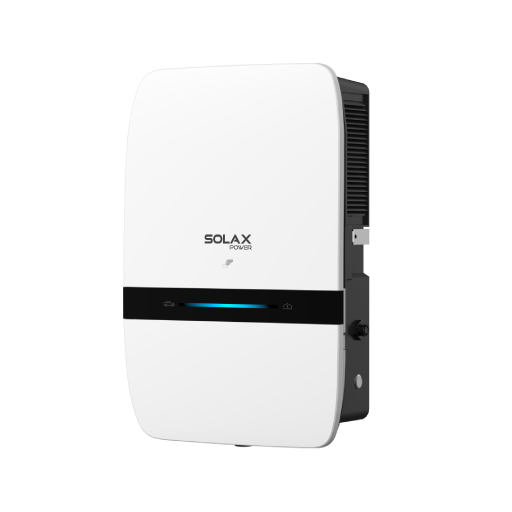
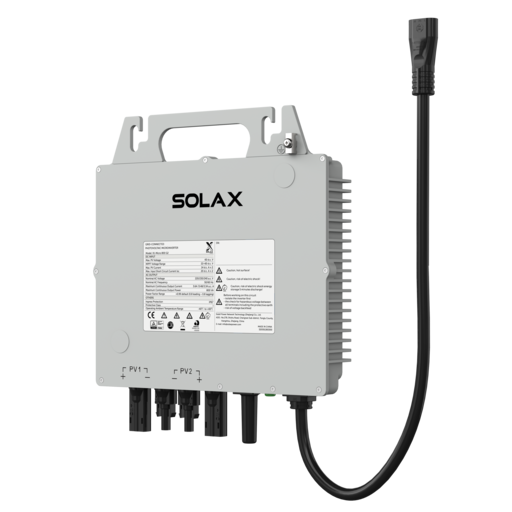
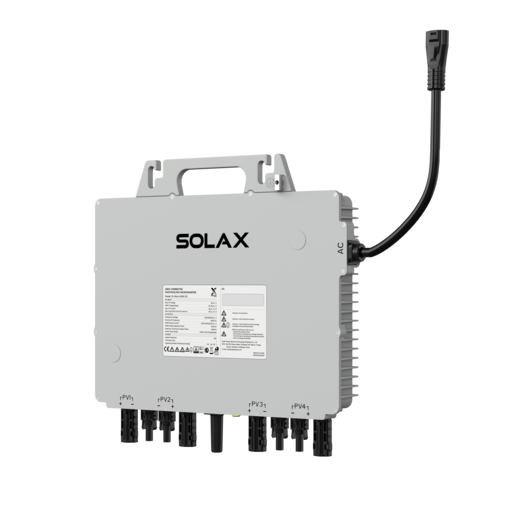
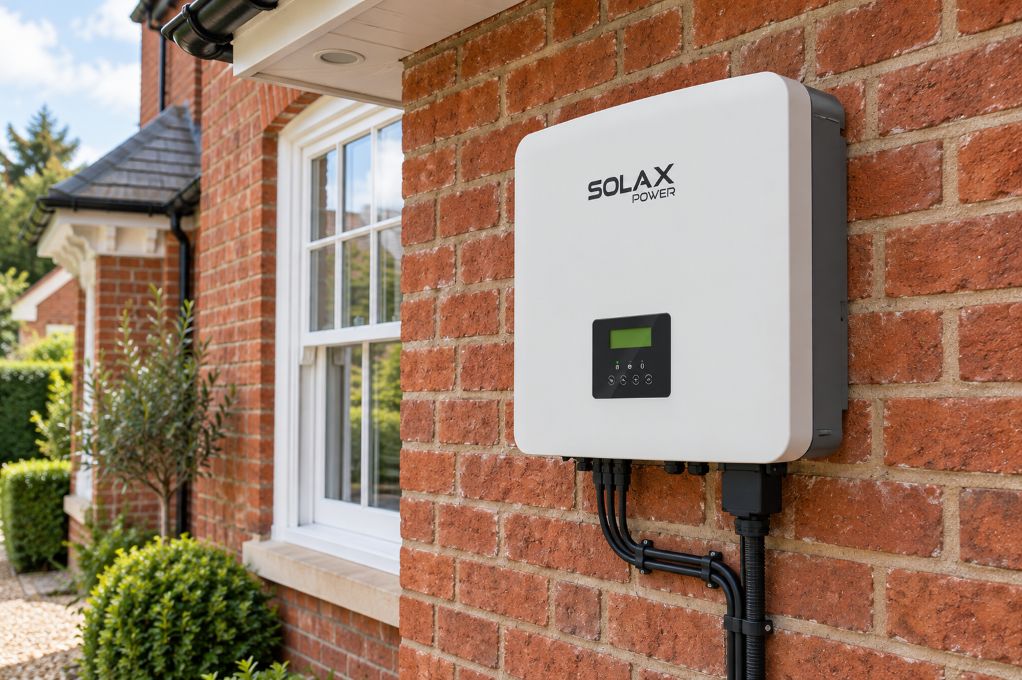
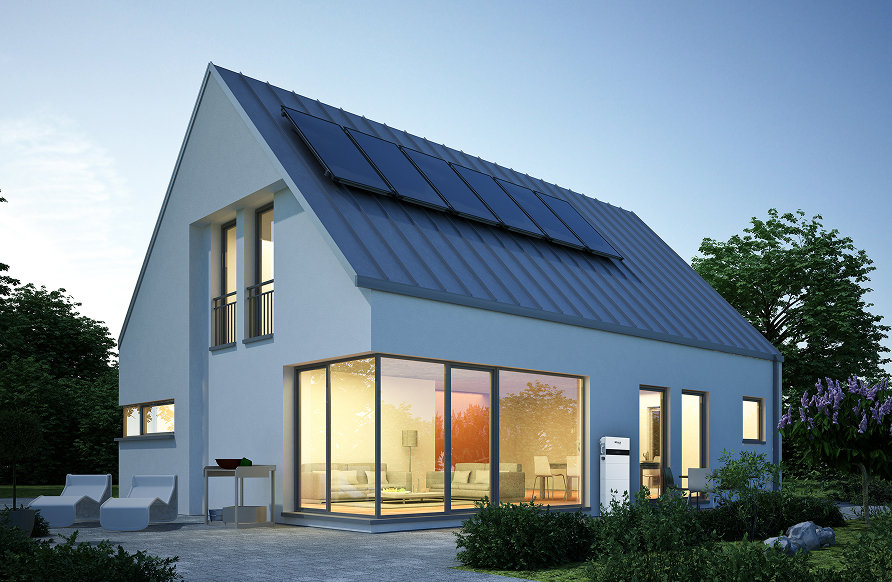
Distributed solar power systems, on the other hand, refer to smaller solar installations located at or near the point of energy consumption. These can include residential solar rooftops, C&I solar systems, and other installations that produce electricity for local use rather than feeding large amounts into the grid. Distributed power allows businesses, homeowners, and communities to generate their own electricity, improving energy security and reducing electricity bills.
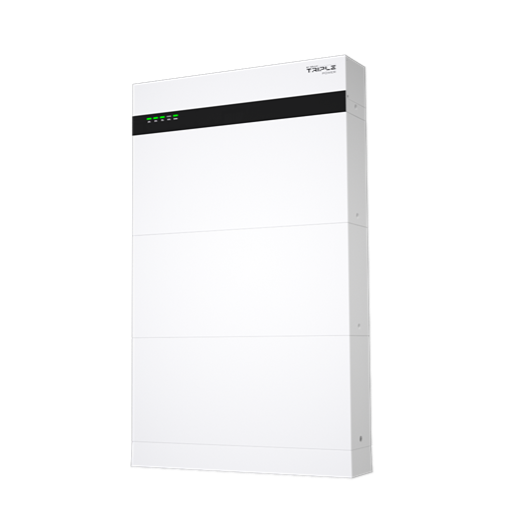
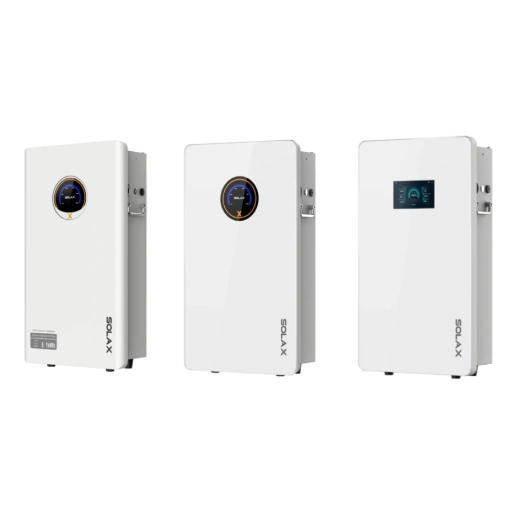
In many cases, distributed PV systems are part of a broader clean energy storage solution, where excess energy generated during the day can be stored and used when needed, enhancing the efficiency and cost-effectiveness of the installation.
Key Differences between Utility Solar and Distributed Solar Energy
Here, we break down the main differences between utility-scale solar and distributed solar energy across several important factors:
Cost of Installation | High upfront costs, but economies of scale lead to lower per-unit costs. | Lower upfront costs for smaller installations, but cost per unit may be higher. |
Reliability | Highly reliable due to advanced technology and centralized management. | Reliability depends on the system's maintenance and the location's weather patterns. |
Pricing | Often supported by long-term power purchase agreements (PPAs) and government incentives. | Typically involves self-financed or third-party financed options, often with rebates or incentives. |
Grid Integration | Directly feeds into the grid, requiring complex infrastructure for connection and distribution. | Integrates locally, reducing the need for extensive grid infrastructure. |
Environmental Impact | Large installations can have significant land use and ecological impacts. | Smaller installations usually have a minimal environmental footprint and can be placed on existing structures (e.g., rooftops). |
FAQ
Table of Contents
Latest News
Explore expert insights, practical guides, and the latest news on SolaX Power.

To the Latest Newsletter
Stay Ahead with the Latest SolaX Updates!
Subscribe
I have read and agree to Privacy Policy and User Terms