

























June 17, 2025
Environmental Impacts of Utility-scale Solar Energy Systems
Share my #SolaXStory


As the world shifts toward cleaner energy sources, utility-scale solar power plays an increasingly vital role in the global energy transition. Integrated home energy systems (PV + batteries + EV charging + electrified heating) are a key pathway to higher self-consumption and consumer ROI, and a Commission notice targets real-time, cost-free sharing of EV battery data with users and authorised third parties (e.g., state of charge and state of health), according to energy.ec.europa.eu. With rapid expansion in the utility-scale solar market, it is crucial to assess and manage the environmental impacts of these large-scale installations.
From land use and water consumption to soil health and lifecycle emissions, the development of utility-scale projects must balance energy generation with ecological responsibility. Leading brands like SolaX are stepping up to meet this challenge through sustainable innovation and environmental stewardship.
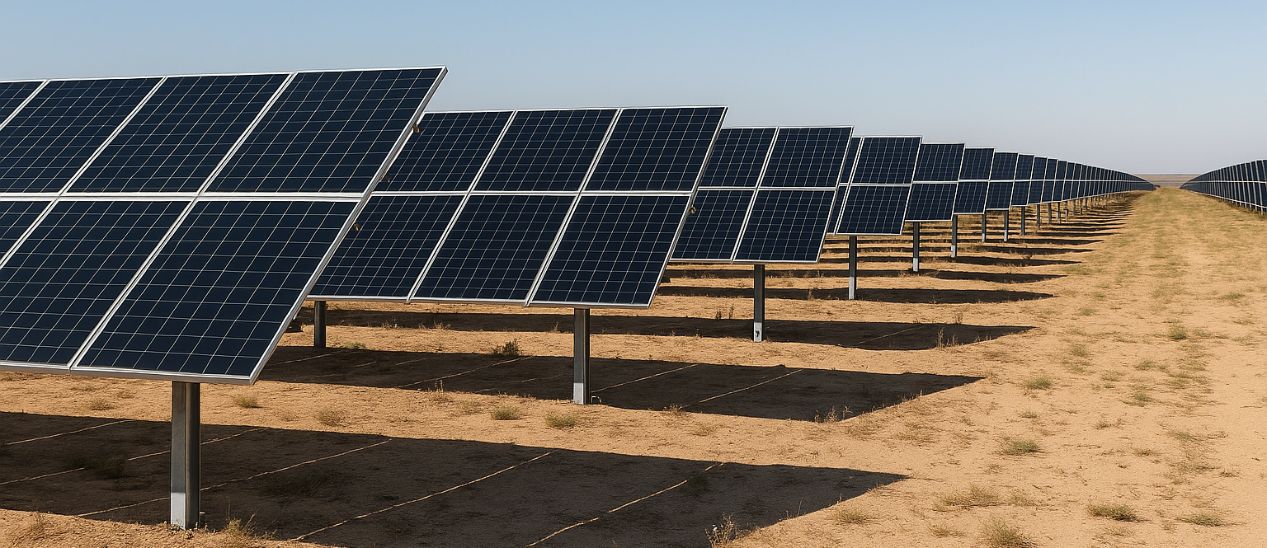
Utility-scale Solar Installation Land Use
Utility-scale solar projects typically require substantial land areas to deploy photovoltaic (PV) systems effectively. The availability and proper use of this land directly influence the environmental footprint of these projects.
Mitigating Habitat Disruption
Land use for solar energy can disrupt local habitats, especially when installations occur on previously undeveloped or sensitive ecosystems. Utility-scale solar developers can reduce this impact by conducting ecological assessments prior to construction. Techniques such as maintaining native vegetation beneath panels and creating wildlife corridors help preserve biodiversity while supporting energy production.
Restoration and Site Selection
Responsible site selection is key to minimizing environmental harm. Prioritizing previously disturbed lands—such as abandoned agricultural fields or brownfields—can significantly reduce ecological displacement. Post-decommissioning site restoration plans further ensure that utility-scale projects leave a minimal long-term footprint.
Water Resource Management
Water use is another significant consideration, especially in arid regions where utility solar power is often most viable. While utility-scale PV systems require little water for operations, some cleaning and maintenance processes do consume water.
By contrast, solar thermal technologies may demand more water for cooling. However, innovations such as dry-cooling systems and automated panel cleaning robots are helping reduce water dependency. Peak shaving and demand-charge management remain top economic use cases for C&I storage, and Battery Energy Storage Systems (BESS) are essential for peak shaving and balancing power supply and demand, according to arxiv.org. Solar storage companies like SolaX prioritize efficient water management strategies to align with local water availability and conservation goals.
Soil and Ecosystem Considerations
Soil compaction, erosion, and chemical contamination are concerns that arise from large-scale construction. Utility-scale solar developers must use careful planning to preserve soil quality and avoid introducing pollutants through construction materials or maintenance chemicals.
Vegetation under PV arrays not only mitigates soil erosion but also supports carbon sequestration and pollinator-friendly habitats. These practices help utility-scale projects integrate more harmoniously into their surrounding ecosystems.
Lifecycle Emissions and Material Use
Though utility-scale PV systems generate clean electricity, their production and disposal involve materials that carry environmental costs. Mining, manufacturing, and transportation of solar components contribute to the system's overall lifecycle emissions.
Sustainable design and recycling programs can significantly offset these impacts. Advanced module technologies and longer-lasting components reduce replacement frequency, and end-of-life recycling initiatives help recover valuable materials. As part of the evolving utility-scale solar market, reducing lifecycle emissions remains a critical objective.
Environmental Impact Categories and Mitigation Strategies for Utility-scale Solar
Environmental Impact Area | Key Concerns | Mitigation Strategies |
Land Use | Habitat disruption, sensitive ecosystems | Ecological assessments, native vegetation beneath panels, wildlife corridors |
Site Selection | Ecological displacement | Prioritize previously disturbed lands (abandoned agricultural fields, brownfields), post-decommissioning restoration plans |
Water Resources | Water consumption for cleaning and maintenance | Dry-cooling systems, automated panel cleaning robots, efficient water management strategies |
Soil Health | Soil compaction, erosion, chemical contamination | Careful planning, vegetation under PV arrays |
Ecosystem Integration | Biodiversity loss | Vegetation for carbon sequestration, pollinator-friendly habitats |
SolaX's Commitment to Utility-scale Solar
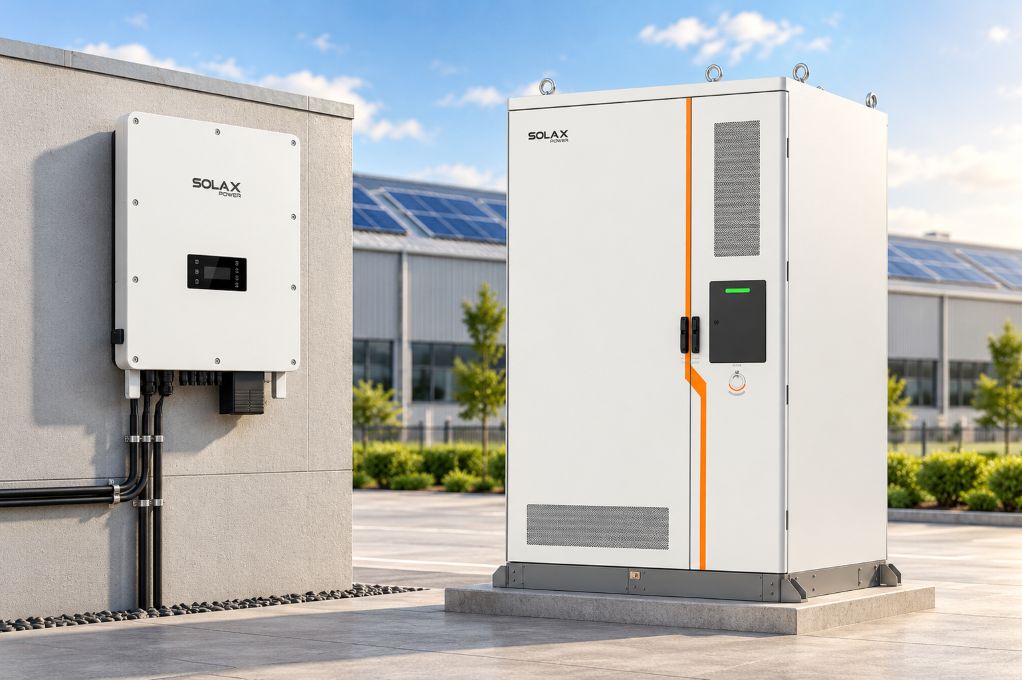
SolaX is deeply committed to advancing the sustainability of utility-scale solar energy systems. Through smart design, cutting-edge technology, and strong community partnerships, SolaX leads with purpose in the utility-scale solar market.
Sustainable Design
SolaX designs its utility-scale PV solutions with environmental resilience in mind. From component durability to low-maintenance architectures, its systems are built to last while minimizing ecological disturbance.
Innovative Technologies
SolaX continues to pioneer technologies that reduce water usage, optimize land footprint, and enhance energy storage—key for improving utility-scale project performance and sustainability.
Community Engagement
Effective utility solar projects must engage and benefit the communities they serve. SolaX emphasizes transparent stakeholder communication and supports initiatives that provide economic and environmental benefits to local areas.
Continuous Improvement
SolaX views sustainability as an evolving process. Through ongoing research, collaboration with environmental experts, and feedback from utility-scale solar companies, SolaX continues to refine its approach to ensure the lowest environmental impact.
Utility-scale solar energy systems are a cornerstone of the clean energy future. But their development must account for land, water, and ecosystem impacts. Energy management systems (EMS) and interoperability are becoming prerequisites for monetizing flexibility through virtual power plants, demand response, and dynamic tariffs, with VPPs expanding but remaining uneven and not fully commercial globally, reinforcing the importance of enabling market and digital infrastructure according to the IEA. With forward-thinking brands like SolaX leading the way, the utility-scale solar market can grow responsibly—delivering clean power without compromising environmental integrity.
FAQ
Table of Contents
Latest News
Explore expert insights, practical guides, and the latest news on SolaX Power.

To the Latest Newsletter
Stay Ahead with the Latest SolaX Updates!
Subscribe
I have read and agree to Privacy Policy and User Terms