












June 10, 2025
Solar CSP vs PV: Difference and Efficiency Compared
Share my #SolaXStory


When we talk about the future of renewable energy, solar power is undoubtedly leading the charge—in fact, global solar PV capacity is poised to triple and surpass coal by 2027 to become the largest installed power source in the world. However, as governments and energy companies plan these massive solar projects to meet this exploding demand, they are often faced with a critical technological choice: solar CSP vs PV.
In this comprehensive guide, we will explore the core concepts of CSP and PV, break down concentrated solar power vs photovoltaics, and help you understand which technology holds the key to our sustainable future.
What is Solar PV System?
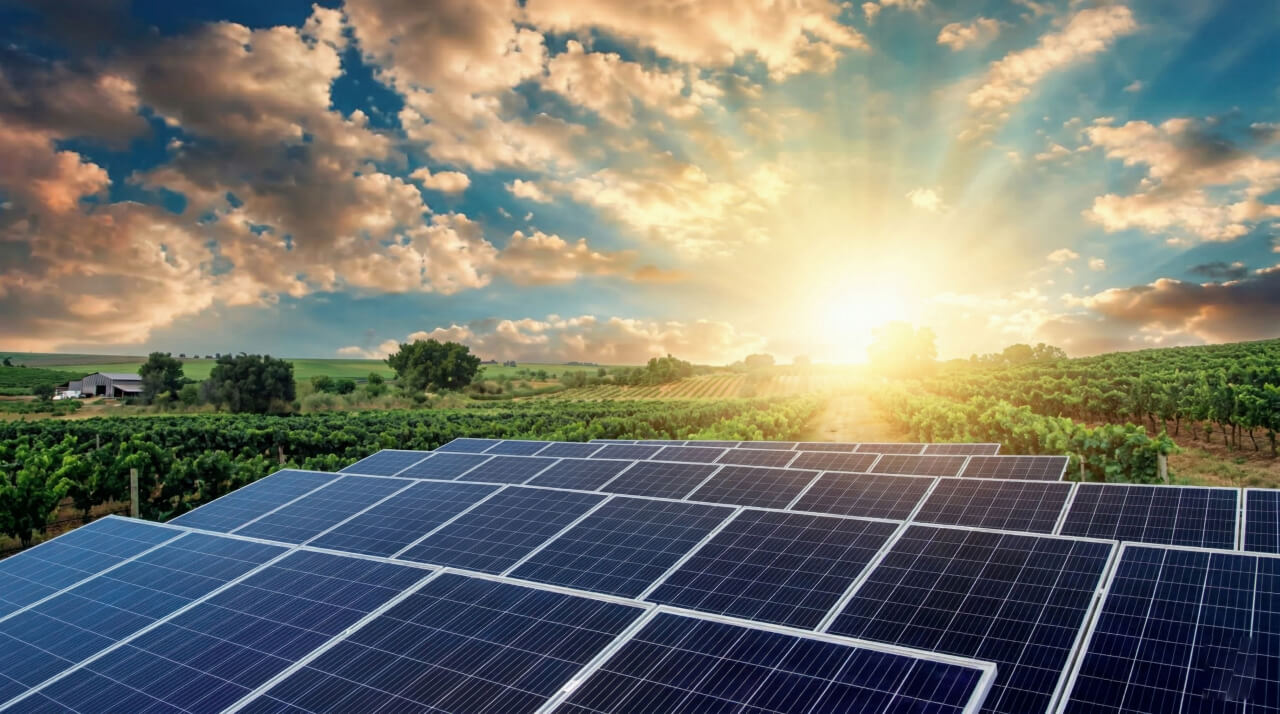
PV stands for Photovoltaics. A solar PV system is a setup that converts sunlight directly into electricity. It is the most common form of solar technology, used in everything from small solar-powered calculators to massive utility-scale solar farms and residential rooftop installations.
How Solar PV Works?
Solar photovoltaic (PV) technology converts sunlight directly into electricity through the photovoltaic effect. This solid-state technology has zero moving parts, making it incredibly reliable. The process involves three key steps:
Light Absorption: Sunlight hits solar cells made from semiconductor materials like silicon, and photons knock electrons loose from their atoms.
Electricity Generation: The freed electrons create an electrical circuit, generating direct current (DC) electricity.
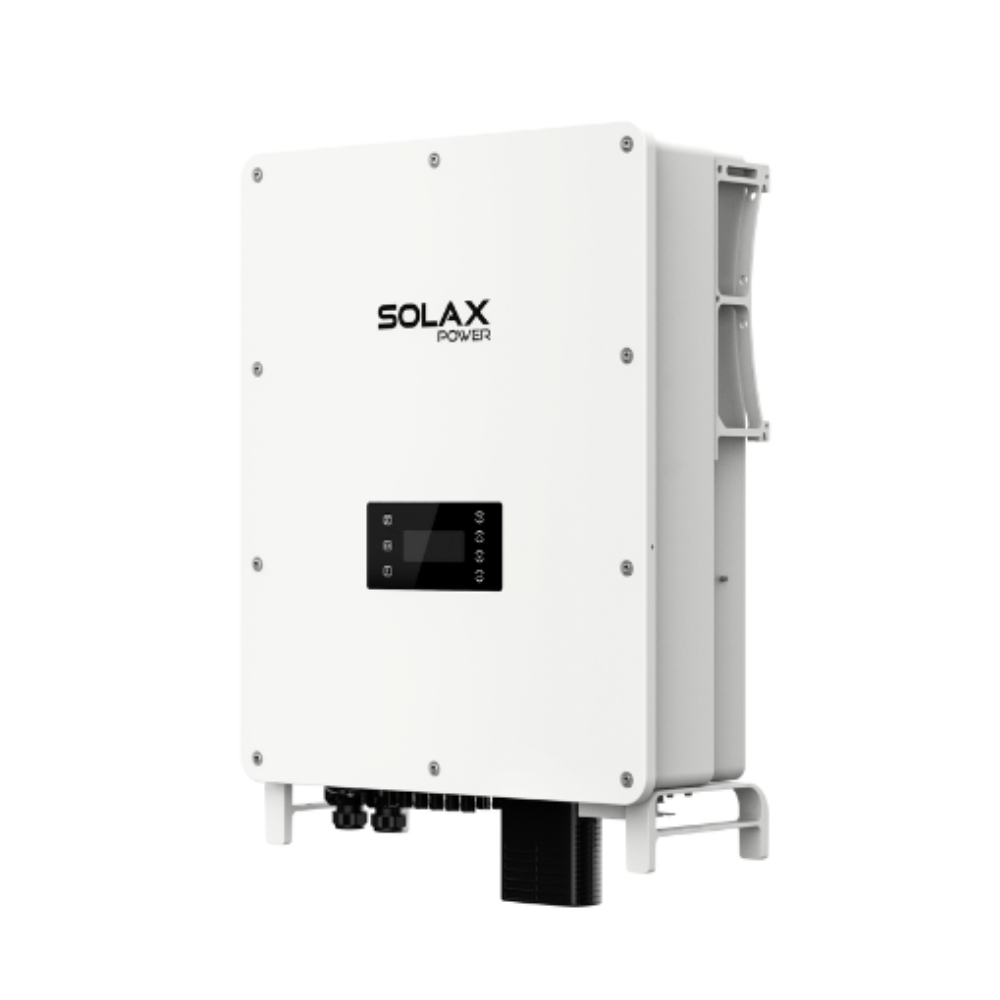
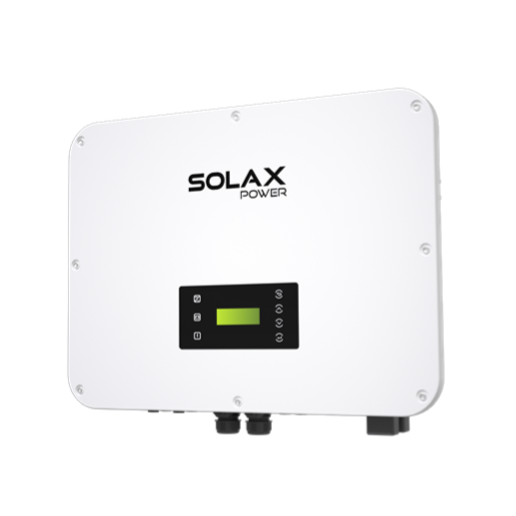
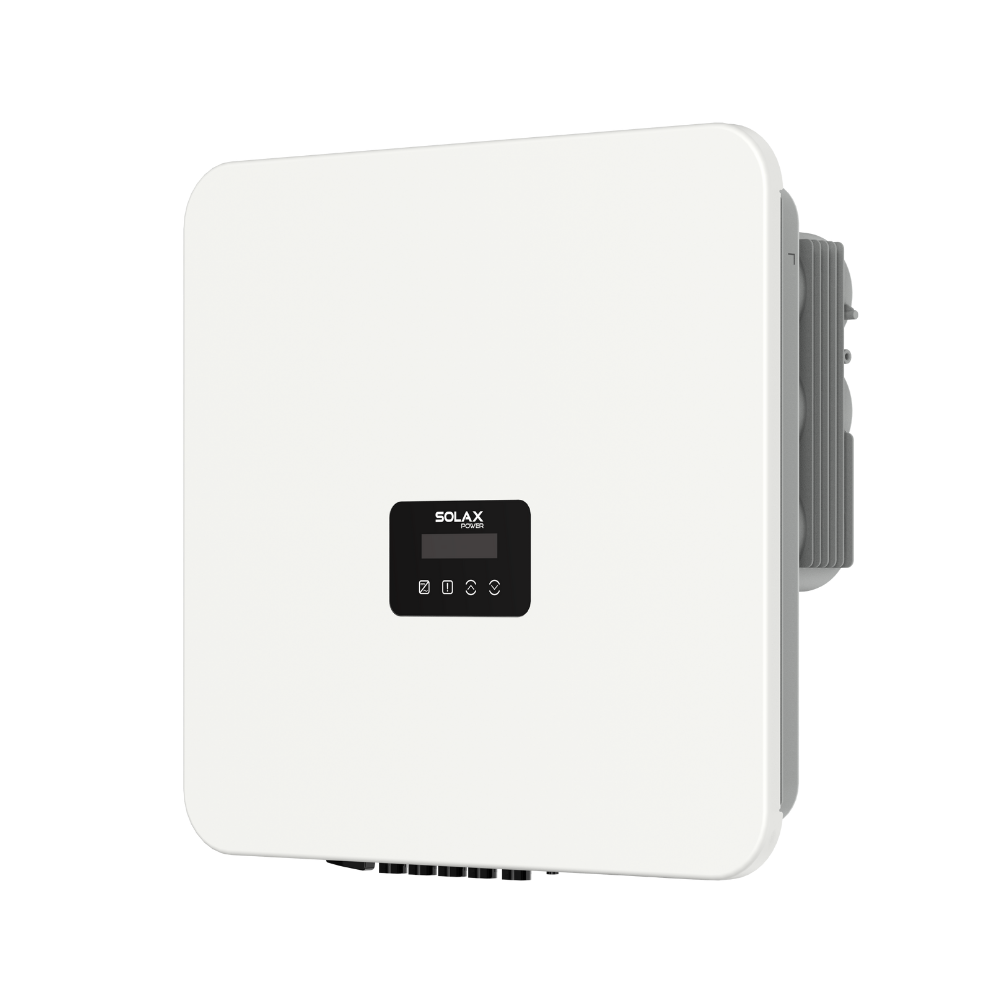
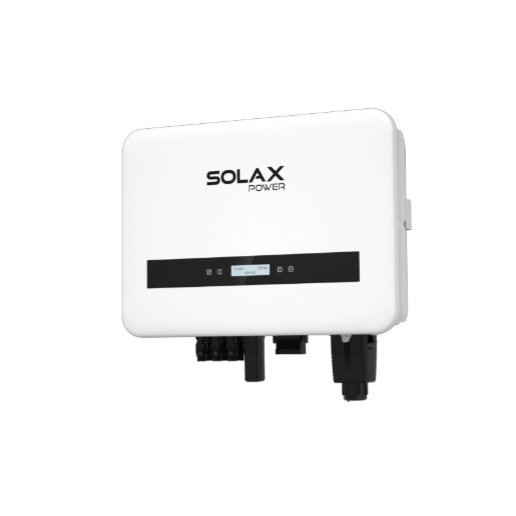
Power Conversion: An inverter converts the DC electricity into alternating current (AC), the standard type used to power homes and grids.
What is CSP?
CSP stands for Concentrated Solar Power. Unlike PV, CSP is a thermal technology. It uses mirrors or lenses to concentrate a large area of sunlight onto a small receiver. This concentrated light is converted into intense heat, which is then used to generate electricity.
How does CSP work?
The process of how does csp work is closer to traditional power plants (like coal or nuclear) than it is to PV panels.
Concentration: Massive arrays of mirrors (called heliostats or parabolic troughs) track the sun and reflect its rays onto a central receiver.
Heating: The receiver contains a Heat Transfer Fluid (HTF), such as synthetic oil or molten salt. The concentrated sunlight heats this fluid to extreme temperatures (often exceeding 500°C / 932°F).
Power Generation: This superheated fluid boils water to create high-pressure steam.
Electricity: The steam spins a conventional turbine connected to a generator, producing electricity.
Difference Between Concentrated Solar Power and Photovoltaics
To better understand the difference between concentrated solar power and photovoltaics, let's break down the key metrics:
CSP vs PV Efficiency
Commercial PV panels typically have a conversion efficiency of 15% to 22% (converting sunlight directly into electricity).
CSP systems, on the other hand, have multiple stages of energy loss (light to heat, heat to steam, steam to electricity). However, the thermal efficiency of the steam cycle can be quite high (around 30-40%).
Ultimately, PV generally captures more energy per square meter of land, but CSP's efficiency shines when paired with energy storage.
CSP vs PV Cost
Due to massive global manufacturing scaling, the cost of PV panels has plummeted. PV is currently one of the cheapest sources of electricity on the planet, with very low initial capital expenditure (CAPEX) and near-zero maintenance costs.
CSP is significantly more expensive to build. It requires complex infrastructure: thousands of motorized mirrors, miles of piping, receivers, and steam turbines. The high CAPEX makes CSP difficult to finance compared to a simple PV farm.
The Deciding Factor: Energy Storage and Dispatchability
If PV is cheaper and simpler, why do we still build CSP plants? The answer lies in Energy Storage.
The biggest flaw of a solar PV system is that it only generates electricity when the sun is shining. To provide power at night, PV requires expensive lithium-ion battery banks, which are currently only cost-effective for short-duration storage (2-4 hours).
CSP, however, can store heat much easier and cheaper than we can store electricity. By using Molten Salt Thermal Energy Storage (TES), a CSP plant can store the sun's heat in massive insulated tanks. Even after the sun sets, the hot molten salt can continue to boil water and spin the turbine, providing reliable, dispatchable, base-load electricity through the night.
Conclusion: Which is the Future?
When evaluating solar CSP vs PV, it is not about which technology will defeat the other. They serve completely different purposes in the grid.
PV is the undisputed king of cheap, daytime electricity and decentralized power generation (rooftops).
CSP is a heavy-duty grid stabilizer, providing massive amounts of utility-scale energy and crucial nighttime power for desert-rich nations.
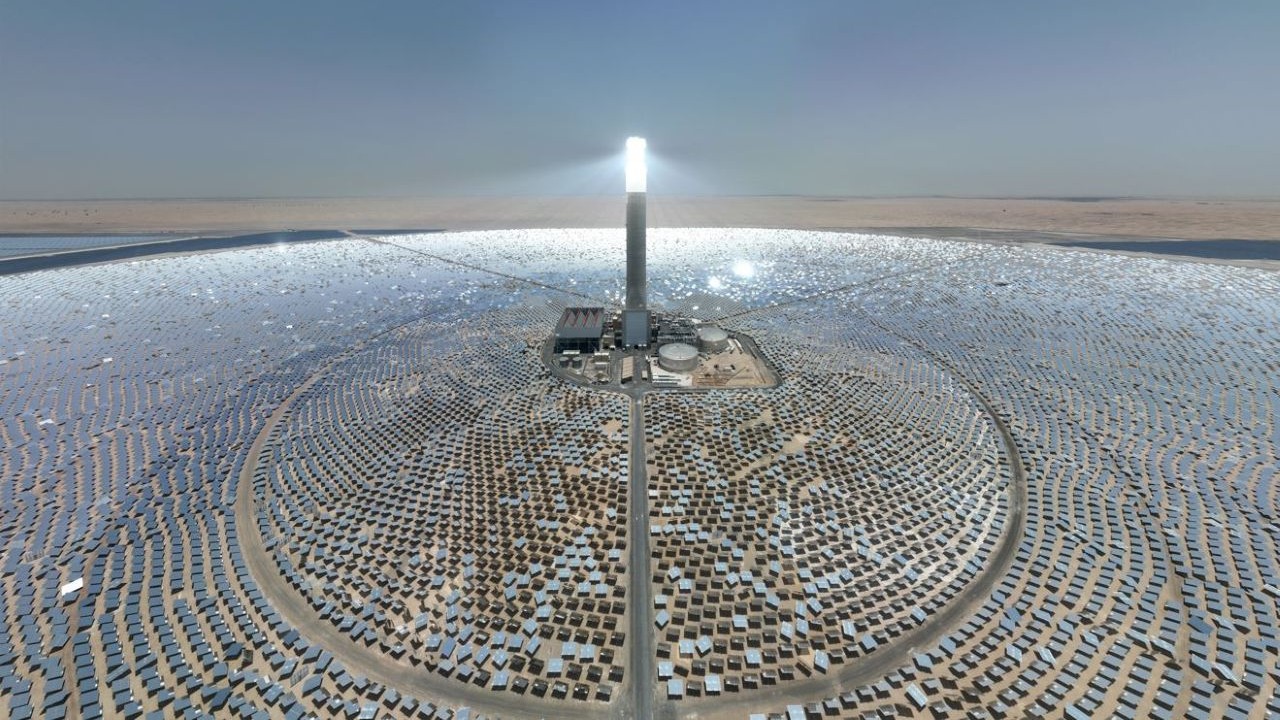
In fact, the future of renewable energy isn't a battle of concentrated solar power vs photovoltaics—it is their integration. Modern mega-projects, such as the Noor Energy 1 in Dubai, are Hybrid Plants. They use cheap PV panels to supply power during the day, while utilizing CSP with molten salt storage to keep the lights on all night long.
FAQ
Table of Contents
Latest News
Explore expert insights, practical guides, and the latest news on SolaX Power.


To the Latest Newsletter
Stay Ahead with the Latest SolaX Updates!
Subscribe
I have read and agree to Privacy Policy and User Terms