










April 22, 2025
Business Models for C&I Energy Storage Projects
Share my #SolaXStory


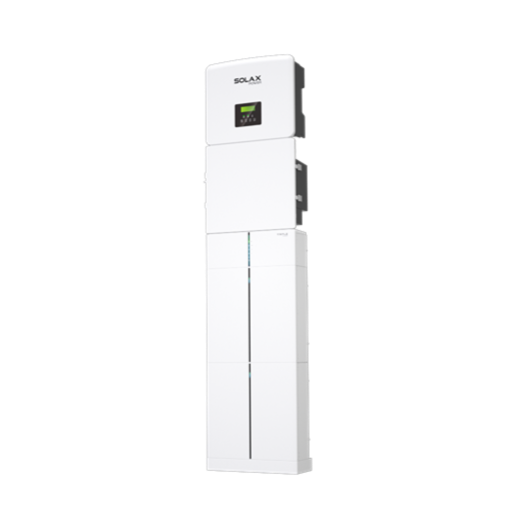
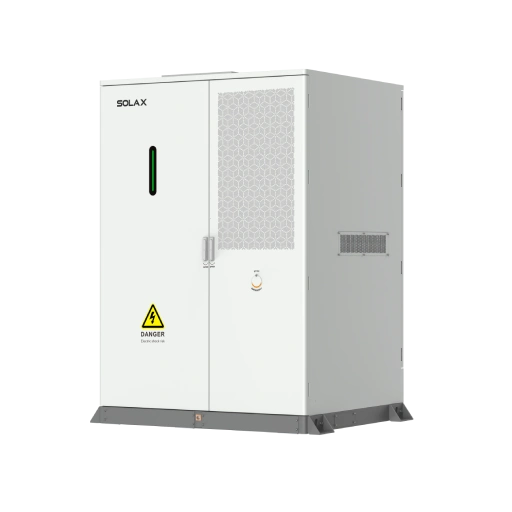
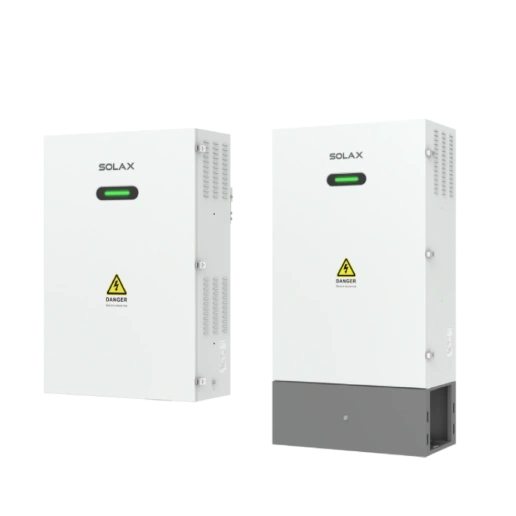
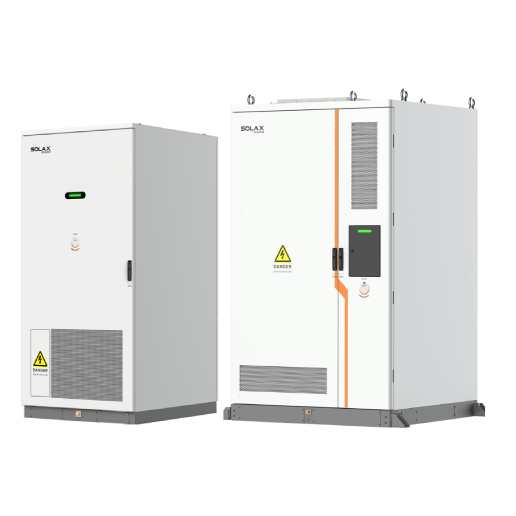
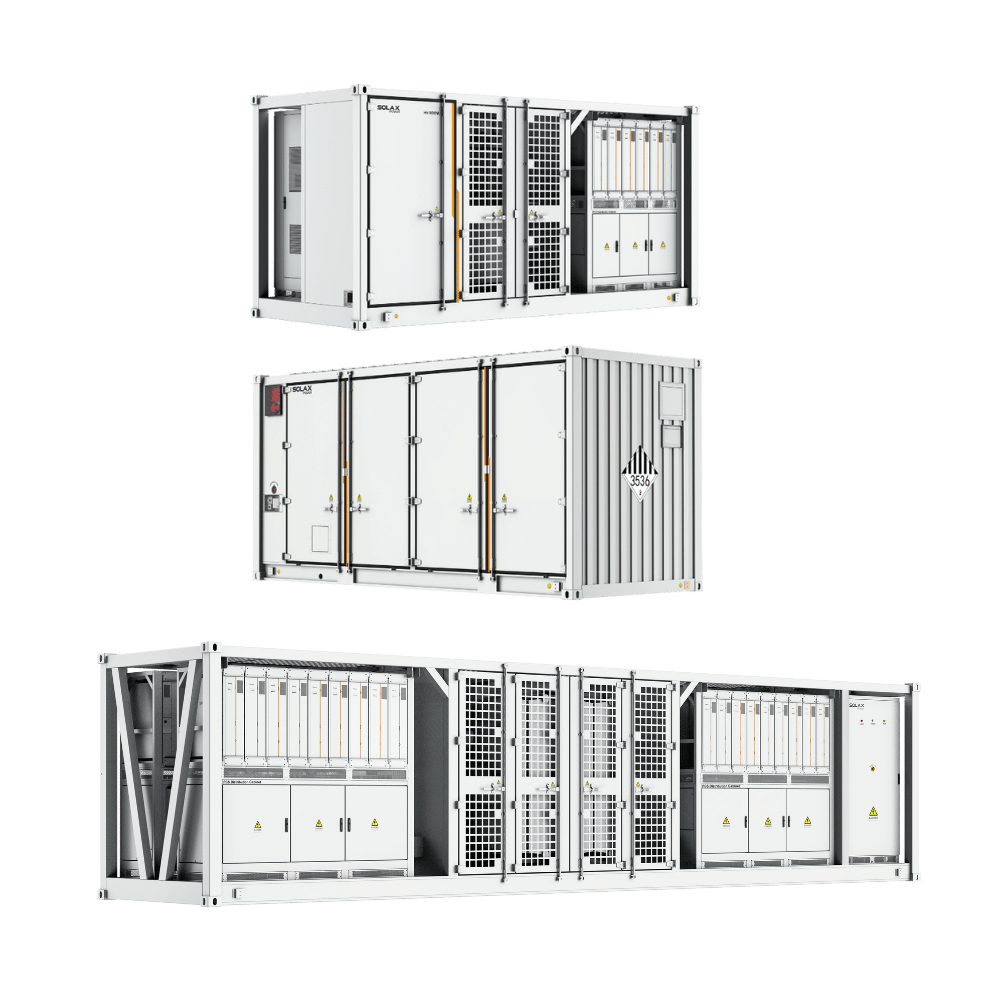
As commercial and industrial (C&I) sectors continue to seek ways to reduce energy costs, improve sustainability, and enhance energy resilience, C&I energy storage solutions have become an essential part of the conversation. With the growing adoption of commercial and industrial solar projects, energy storage systems have emerged as an optimal solution to ensure efficient energy management. This article explores various business models for C&I energy storage, focusing on their advantages, applications, and key factors to consider before implementation. Leading the way in clean energy storage solutions, commercial and industrial solar companies like SolaX are providing innovative, reliable systems tailored to businesses' specific energy needs.
Commercial and Industrial Energy Storage Models
Comparison of C&I Energy Storage Business Models
Business Model | Key Characteristics | Advantages | Ideal Application |
Owner-owned Investment | Business directly purchases and owns the commercial energy storage system; company invests upfront and is responsible for maintenance and operation | Full control over the energy storage system, including its operations and performance; Long-term cost savings as businesses avoid paying external leasing or energy management fees; Potential for government incentives and rebates that reduce upfront costs | Ideal for businesses with sufficient capital and a long-term energy strategy; Particularly suited for companies that wish to maximize their investment by gaining long-term ownership and reducing energy costs associated with peak demand |
Energy Management Contract (EMC) | Third-party provider installs and operates the energy storage system; business pays for the services rendered; provider offers solution based on performance, guaranteeing a specified level of savings or energy services | Minimal upfront investment for the business, as the third party owns and maintains the system; Performance-based contracts allow businesses to benefit from energy savings without the risk of upfront costs; Flexible contracts that can be tailored to meet specific energy needs | Ideal for businesses looking for immediate benefits from commercial and industrial energy storage solutions without the need for significant upfront capital; Suits businesses that prioritize operational flexibility and lower initial costs |
The choice of energy storage model depends on the financial structure and operational goals of the business. Several business models are available for C&I energy storage projects, each offering distinct advantages. Below are three common models:
1.1 Owner-owned Investment
Owner-owned investment refers to a business directly purchasing and owning the commercial energy storage system. In this model, the company invests upfront in the energy storage infrastructure, such as industrial battery storage systems or solar batteries, and is responsible for its maintenance and operation.
Advantages:
Full control over the energy storage system, including its operations and performance.
Long-term cost savings as businesses avoid paying external leasing or energy management fees.
The potential for government incentives and rebates that reduce upfront costs.
Application:
This model is ideal for businesses with sufficient capital and a long-term energy strategy. It is particularly suited for companies in the C&I market that wish to maximize their investment by gaining long-term ownership and reducing energy costs associated with peak demand.
1.2 Energy Management Contract (EMC)
In an Energy Management Contract (EMC), a third-party provider installs and operates the energy storage system, and the business pays for the services rendered. The provider typically offers a C&I energy storage solution based on performance, guaranteeing a specified level of savings or energy services.
Advantages:
Minimal upfront investment for the business, as the third party owns and maintains the system.
Performance-based contracts allow businesses to benefit from energy savings without the risk of upfront costs.
Flexible contracts that can be tailored to meet specific energy needs.
Application:
EMCs are ideal for businesses looking for immediate benefits from commercial and industrial energy storage solutions without the need for significant upfront capital. This model suits businesses in the C&I market that prioritize operational flexibility and lower initial costs, while still reaping the rewards of energy efficiency."
1.3 Financial Leasing
Financial leasing involves a financial institution purchasing the C&I energy storage system and leasing it to the business. The business then makes periodic lease payments, and at the end of the lease term, they may have the option to purchase the system.
Such arrangements—including lease financing—can be considered "non-recourse" in nature, where the financing is secured by the project's performance rather than the developer's balance sheet. This structure highlights the importance of choosing a "bankable" partner, as financial institutions only offer these terms to technologies and manufacturers with a proven track record of long-term reliability(BloombergNEF).
Advantages
Lower upfront costs than outright ownership, with the flexibility to purchase the system after the lease term.
The leasing company is often responsible for system maintenance and updates during the lease period.
Tax incentives and depreciation benefits can be leveraged to further reduce costs.
Application
This model works well for businesses that do not have the immediate capital to purchase energy storage systems but still wish to benefit from the long-term energy savings that C&I energy storage solutions provide. C&I in solar is especially effective with leasing models, as businesses can install solar panels and storage systems without incurring large upfront expenditures.
2. Factors to Consider Before Choosing C&I Storage Models
Peak and Valley Electricity Prices
Businesses should evaluate the electricity price fluctuations between peak and valley times. Energy storage solutions are most effective when businesses can store energy during low-cost periods (valley) and use it during high-cost periods (peak), thus maximizing savings.
Transformer Capacity
The capacity of the transformer and electrical infrastructure at the business site must be able to accommodate the additional load of a storage system. A thorough electrical assessment is required to ensure that the storage system can be integrated smoothly without overloading existing infrastructure.
Available Installation sites
The location for installing commercial and industrial energy storage systems is also a key consideration. Adequate space is necessary to install both the energy storage systems and the solar infrastructure (if applicable). Sites that are easily accessible and meet local regulations will facilitate a smooth installation process.
3. Benefits of Commercial and Industrial Energy Storage Solutions
Commercial & industrial storage systems offer numerous benefits to businesses, enhancing both economic and environmental performance:
Economic Benefits
Energy storage provides significant economic benefits by enabling businesses to take advantage of clean energy storage solutions and optimize energy costs. With C&I solar projects, businesses can store excess solar energy generated during the day and use it during peak demand hours, when electricity prices are typically higher. This reduces dependency on grid electricity, lowering overall energy expenses.
Environmental Benefits
As businesses strive to meet sustainability goals, C&I energy storage solutions contribute to a cleaner environment by reducing reliance on fossil fuels. Solar energy, coupled with energy storage, plays a crucial role in minimizing greenhouse gas emissions, making it an essential part of a business's clean energy storage solutions.
Energy Independence
By implementing commercial and industrial solar power systems with energy storage, businesses gain greater energy independence. With control over their own energy generation and storage, companies are less vulnerable to fluctuations in grid power availability and energy prices. This independence ensures greater energy security and enhances business resilience during power outages or energy shortages.
Unlock the future of energy efficiency with C&I storage systems! Designed for businesses and industries, these solutions optimize energy use, reduce costs, and enhance sustainability by storing excess renewable energy. Whether for peak shaving, backup power, or grid stability, commercial and industrial energy storage ensures uninterrupted operations while lowering carbon footprints. Energy storage systems provide greater flexibility to balance energy demand and supply. For industries, strengthening energy infrastructure and aligning storage solutions is now a strategic priority to foster long-term operational resilience(Deloitte).
With advanced lithium-ion batteries and intelligent management systems, SolaX delivers reliable, scalable, and safe energy storage tailored to different needs. Embrace smarter energy management today—watch to see how C&I energy storage can transform your business!
FAQ
Table of Contents
Latest News
Explore expert insights, practical guides, and the latest news on SolaX Power.


To the Latest Newsletter
Stay Ahead with the Latest SolaX Updates!
Subscribe
I have read and agree to Privacy Policy and User Terms