










March 02, 2026
Top ESS for Solar‑Powered Agricultural Applications: A Case for Sustainable Farming
Share my #SolaXStory


Many agricultural sites still depend on diesel for backup and for peak support, even when they have solar energy systems on the roof or nearby land. However, diesel costs and maintenance add up, and frequent start-stop cycling can be hard on equipment. At the same time, weak grids and rural feeders can create voltage dips that trip motor drives or reset controls.
This ultimate guide focuses on the practical sizing and design decisions that determine whether battery storage helps or becomes a headache. It covers irrigation and water pumping, cold storage and refrigeration, weak grid stabilization, on-farm load shifting, and containerized BESS battery deployments for cooperatives and shared facilities.
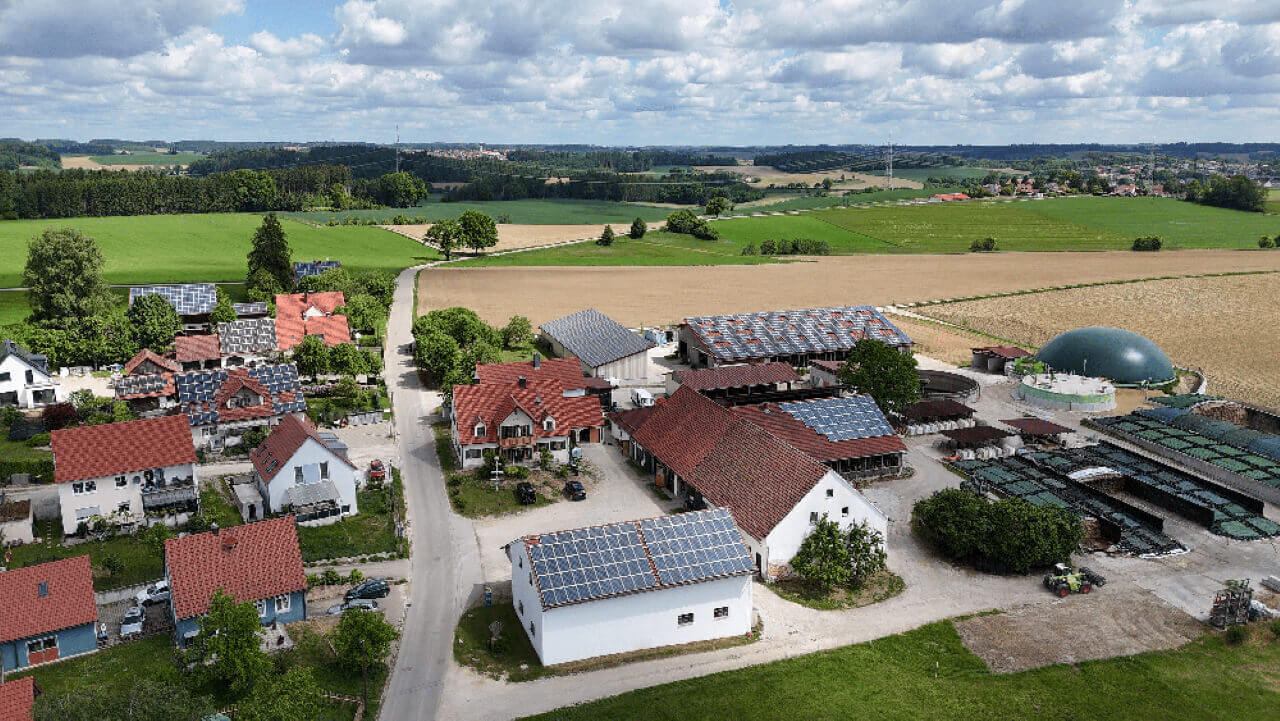
Irrigation and Water Pumping with an ESS
Irrigation is where many solar energy solutions fail or shine. Pumps create short, high power events (starts) and then long, steady runs. If the system is undersized on kW, the pump will not start. If it is undersized on kWh, it will start but stop early.
Design the module in three steps:
Characterize the start event. Measure or estimate locked-rotor or VFD start behavior. Direct-on-line motor starts can require several times running power for a short time.
Match PV and battery ramp support. Use solar PV for daytime energy and battery for ramping, so the inverter does not see a sudden step change.
Set operating rules. Avoid starting multiple motors at once, and keep SOC reserve if irrigation is mission-critical.
A practical operating pattern is:
Daytime: PV carries most of the run energy.
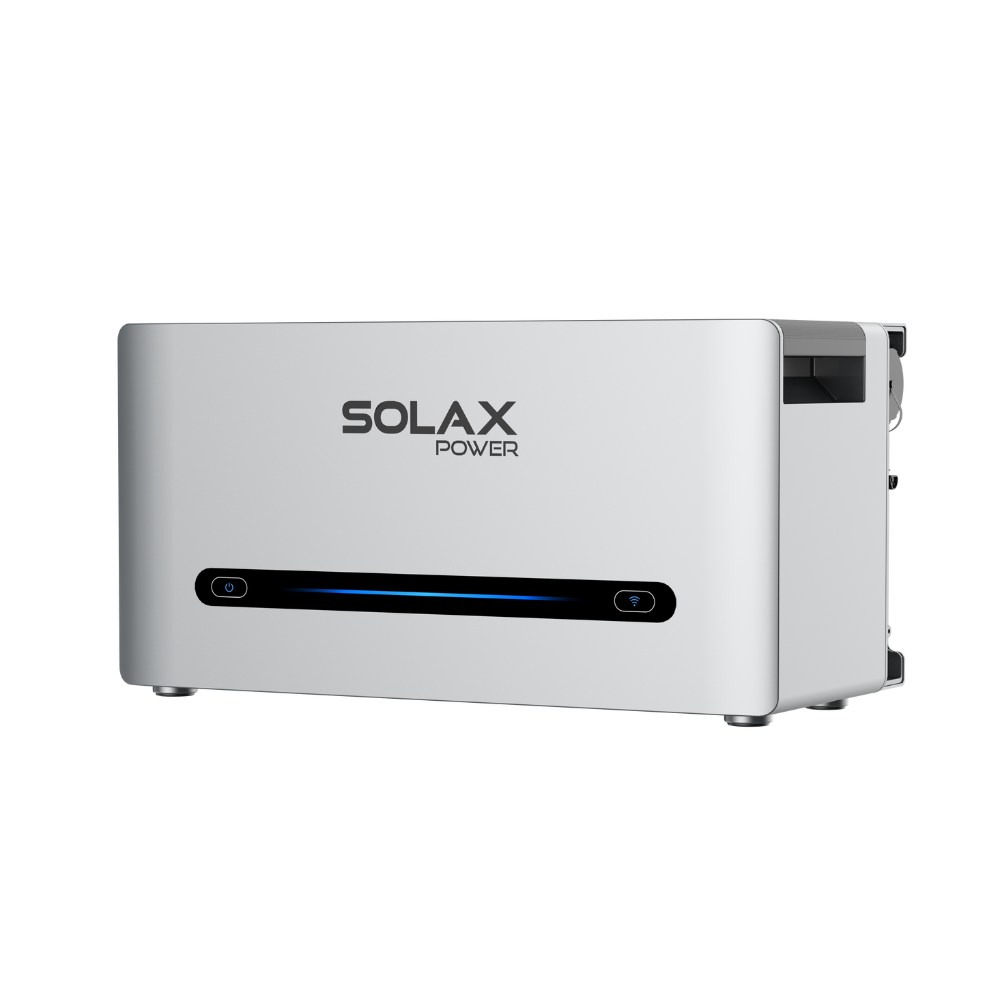
Start and transients: the solar battery provides fast support.
Late afternoon: battery discharges to finish a set without pulling expensive peak power.
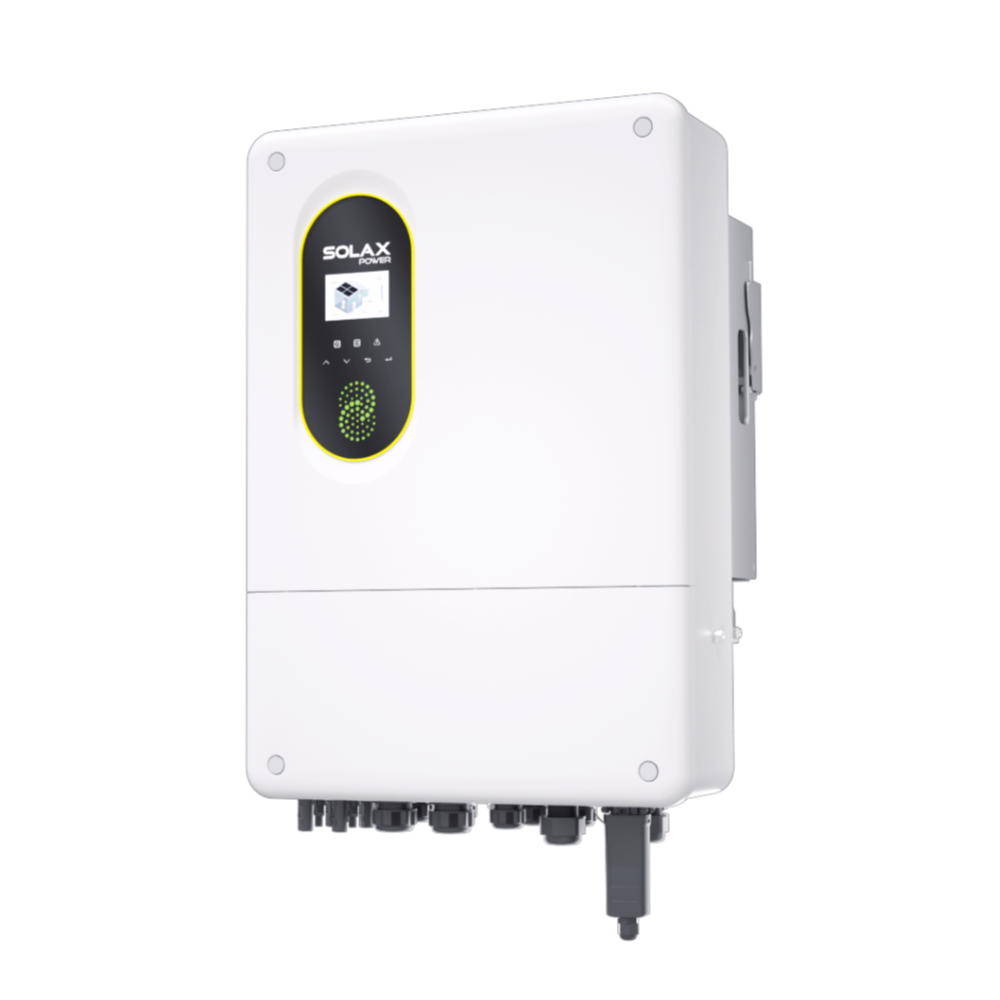
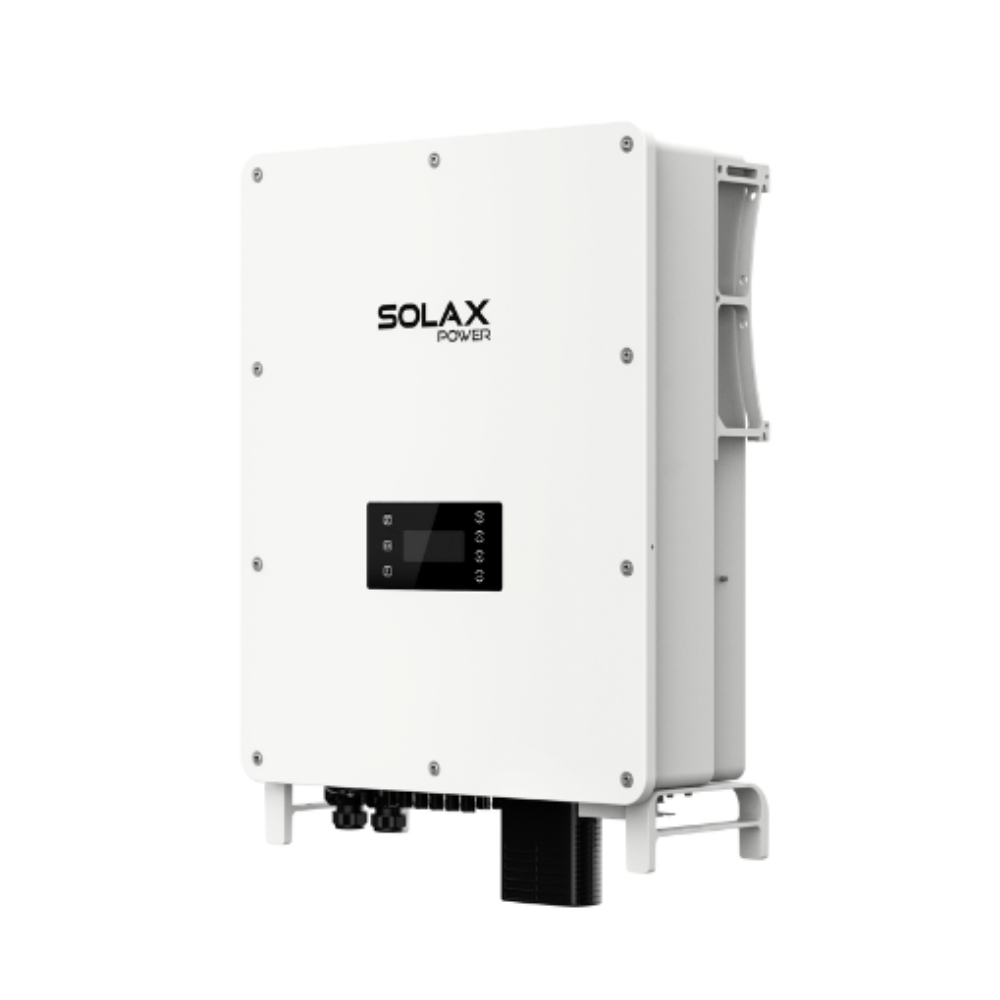
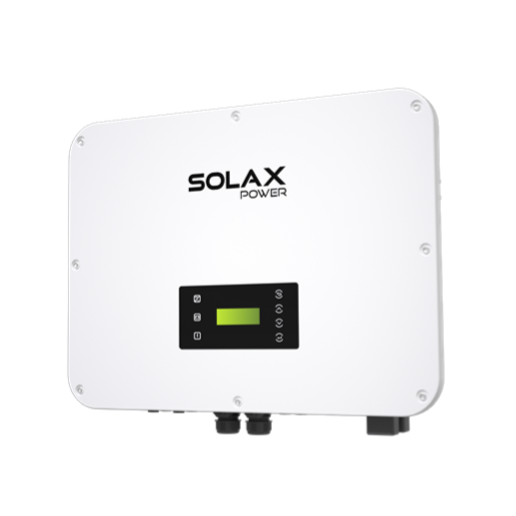
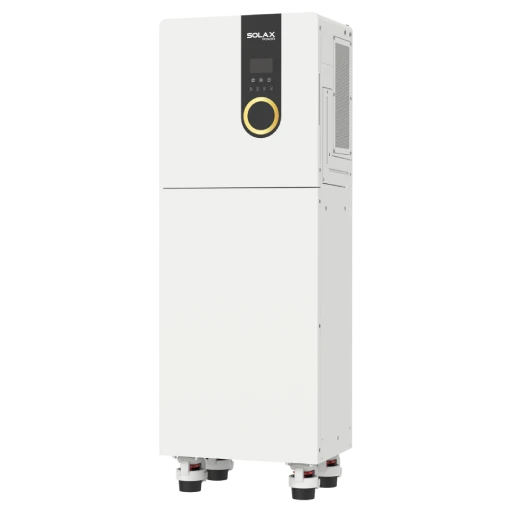
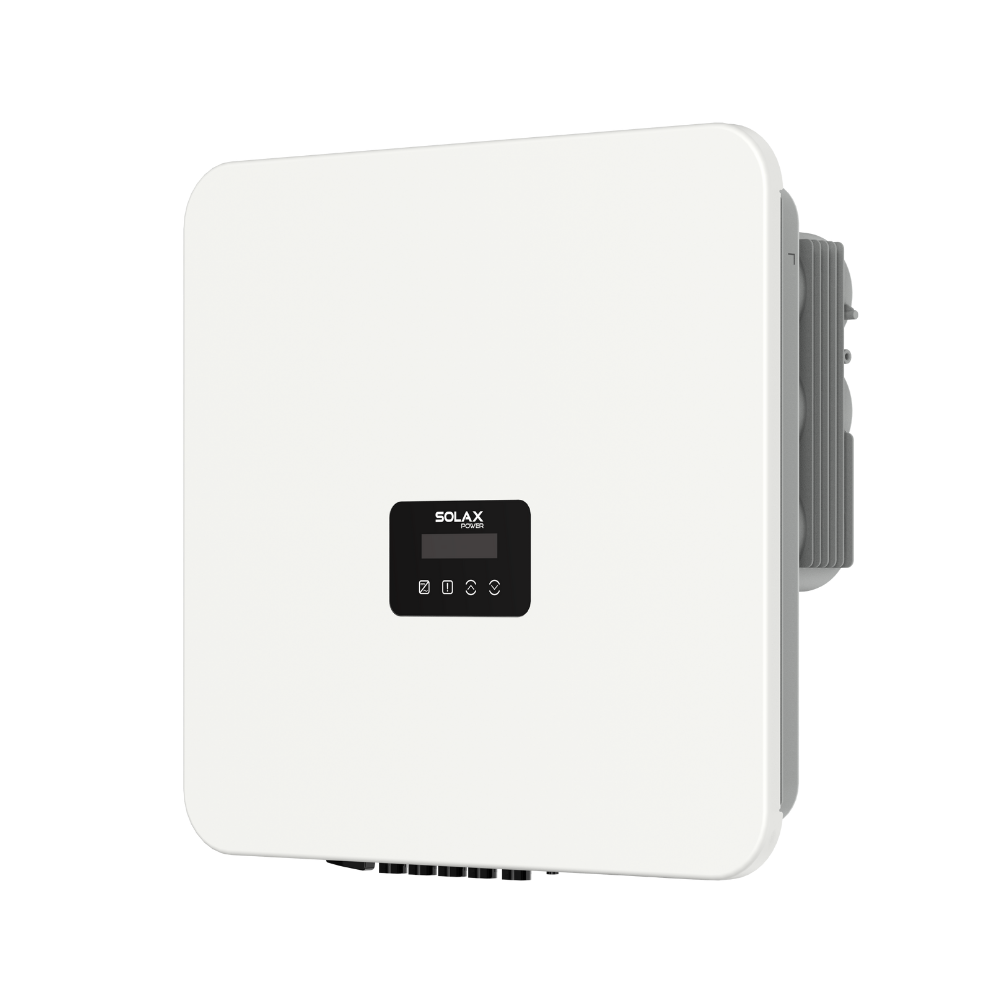
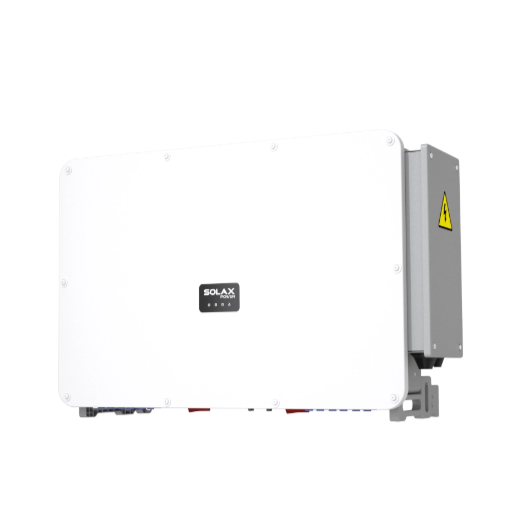
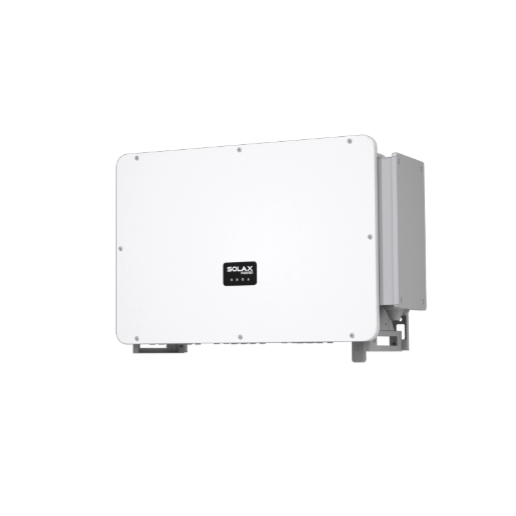
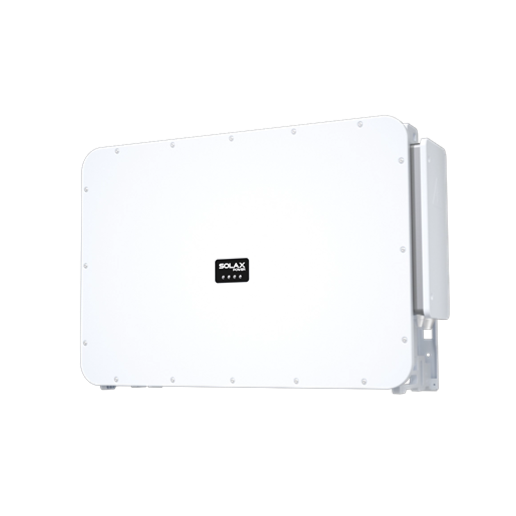
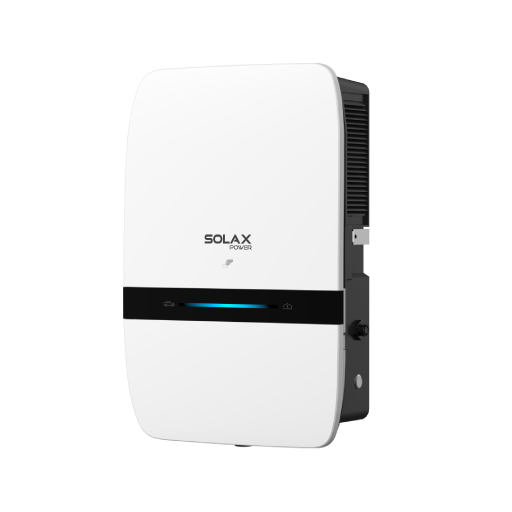
SolaX fit for this scenario often starts with a hybrid inverter that can manage PV plus storage and provide stable output for motor loads. For larger three-phase pump stations, the X3-ULTRA hybrid inverter line is designed for parallel operation and microgrid capability, which is useful if you need continuity during utility issues.
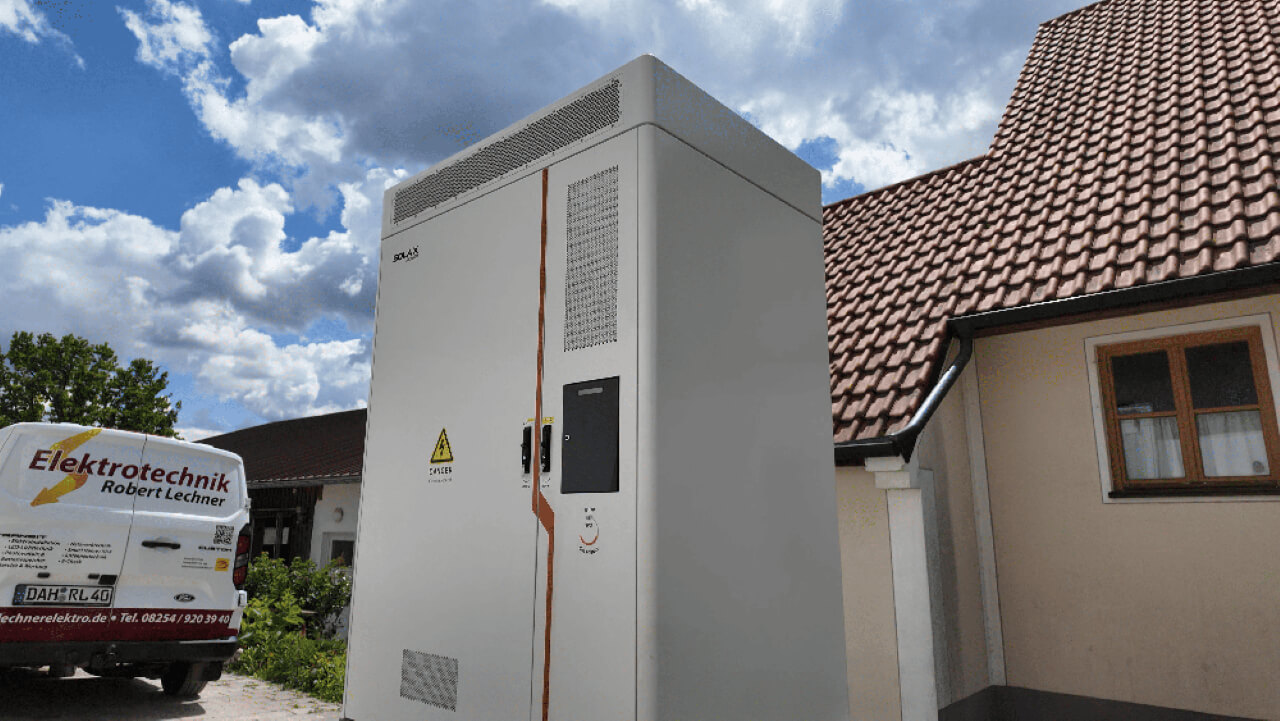
Cold Storage and Refrigeration Loads for Farm Operations
Cold storage is not just about average kWh. It is about maintaining temperature through compressor cycles, defrost events, and short outages that would otherwise cause resets or nuisance alarms.
Break refrigeration planning into the behaviors that drive ESS sizing:
Compressor cycling: frequent starts create repeated kW spikes.
Defrost peaks: electric defrost can add large resistive loads.
Ride-through: short outages can spoil product if controls drop out.
An ESS helps by smoothing peaks and preventing temperature drift during brief interruptions. It can also reduce generator run time if you still keep a diesel set for extended outages.
Safety and codes matter around refrigeration machinery rooms, electrical equipment, and any refrigerants on site. ASHRAE defines Class 1 flammability as no flame propagation in air at 60C and 101.3 kPa, which is one of the reference points used in refrigerant safety grouping.
From a system design view, focus on:
Sufficient kW to cover the largest compressor start plus the house load.
Enough kWh to handle a realistic outage window (even 30 to 120 minutes can be high value).
Monitoring so you can correlate battery events with temperature alarms.
Weak Grid Stabilization and Backup Power for Rural Feeders
Weak grids do not just fail completely. More often, they sag, flicker, or drift in frequency, which can trip drives and disrupt process equipment. A well-designed solar power system with storage can improve uptime by buffering the site from the worst of feeder behavior.
A robust approach includes:
Islanding capability: the ability to keep critical loads energized when the grid drops.
Fast response: the inverter must react quickly to load changes.
Clear critical load panel: separate essential circuits (controls, refrigeration controls, comms, safety lighting) from discretionary loads.
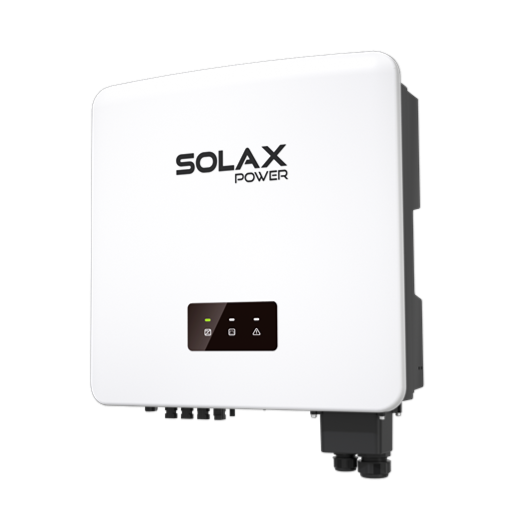
For sites that need very fast transfer for sensitive controls, the X3-ULTRA hybrid inverter specification calls out a UPS-level switchover time under 10 ms, plus EPS overload capability for short intervals. It also supports up to 10 units in parallel for on-grid and off-grid systems, which is relevant when a single inverter block is not enough for your largest motor or combined loads.
The main planning step is deciding what you truly need to back up. If you try to back up everything, you will overspend on kWh and still risk tripping on motor starts. If you isolate critical circuits, you can protect production and food safety with a smaller, more reliable energy storage system.
On Farm Load Shifting and Demand Control
Load shifting is where smart energy management often pays back first, because it does not require long backup duration. Instead, it focuses on shaving your coincident peaks and moving consumption into the solar window.
A farm load shifting playbook looks like this:
Identify peak drivers. Common drivers include pumps starting while refrigeration is in a high stage and shop loads are active.
Create a schedule. Charge the solar battery during high PV output and discharge during the known peak window.
Control overlaps. Use automation to avoid starting large motors during compressor starts.
Measure and refine. Use logs to see which events actually set the monthly peak.
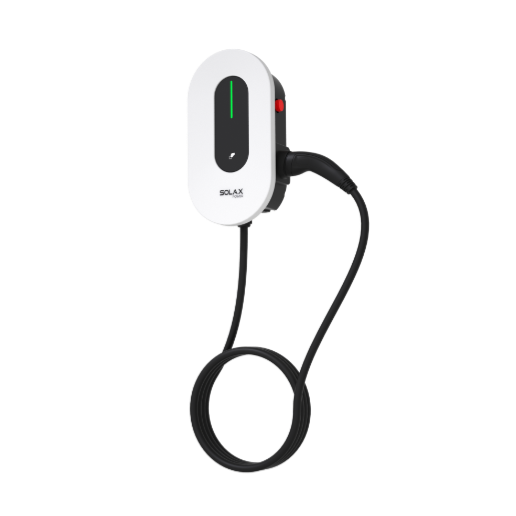
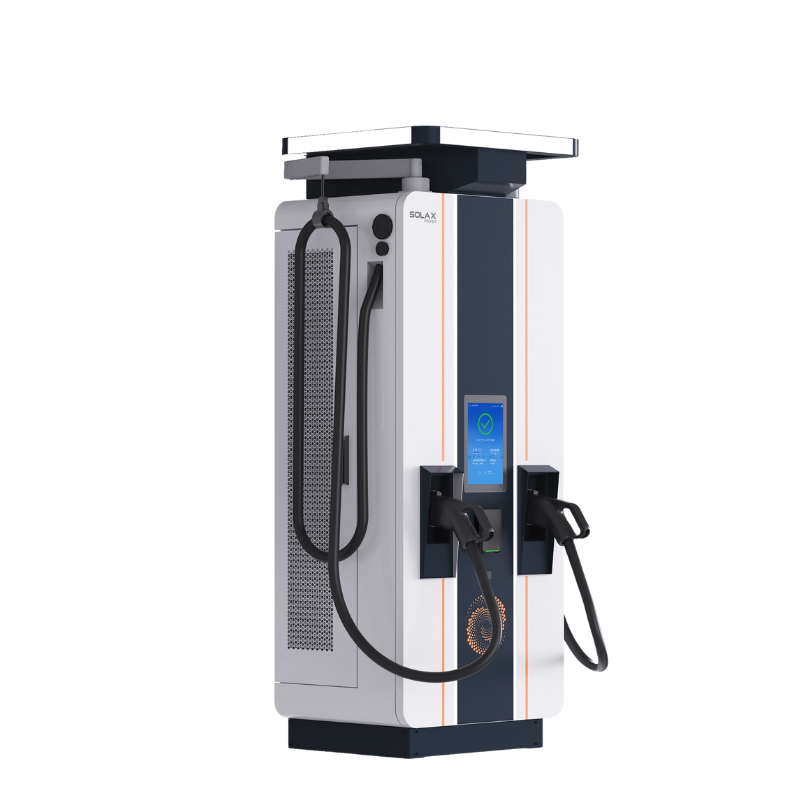
Where EVs are part of farm operations, EV charging can be either a problem load or a flexible load. The Smart EV Charger G2 product line is designed for solar compatibility and includes communications options plus models up to 22 kW. For example, the X3-HAC-22 variant lists 400 V input and output with 1.4 to 22 kW power range, which fits many three-phase farm service panels.
C & I Containerized ESS for Ag Cooperatives
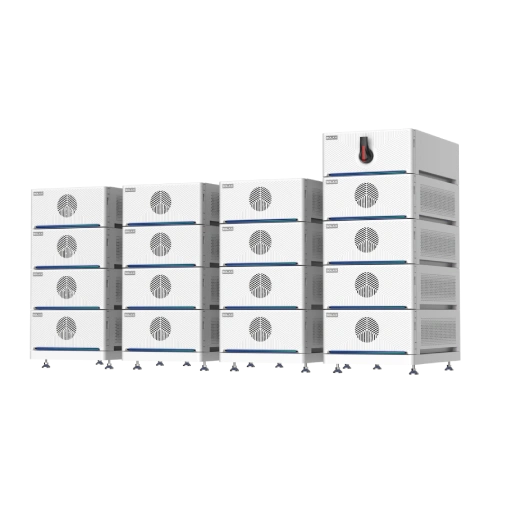
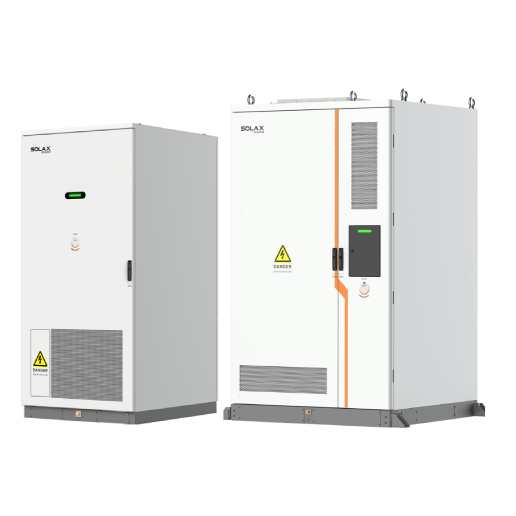
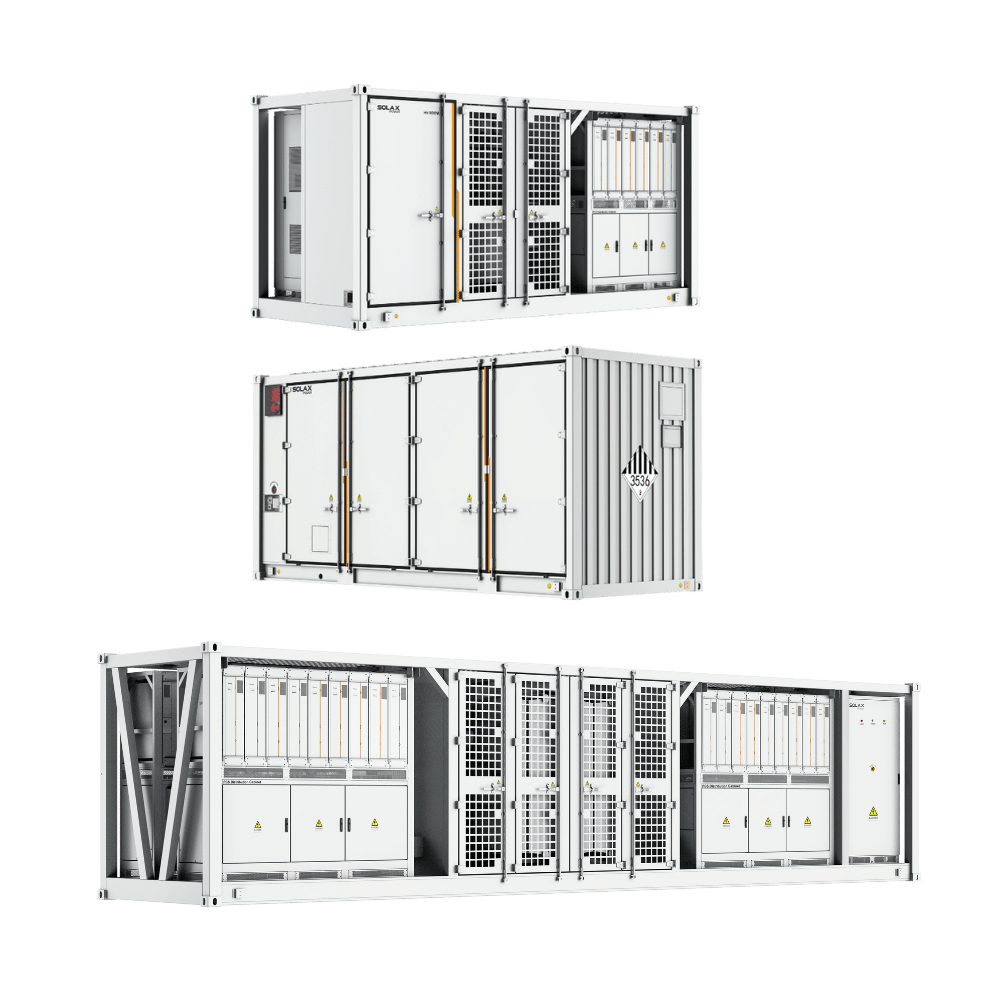
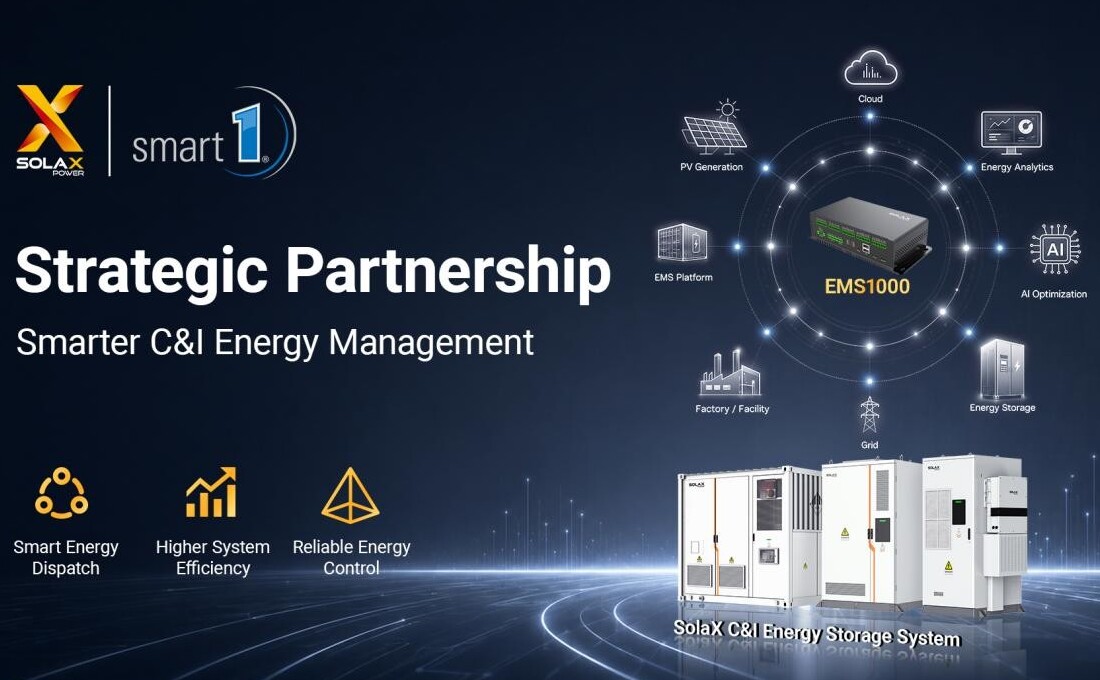
Agricultural cooperatives, shared cold storage, and regional packhouses often need a larger block of storage that can run multiple services: refrigeration, forklifts and EVs, lighting, and process loads. A containerized or cabinet-based BESS battery approach can also support microgrid operations and coordinated dispatch.
A cabinet-based architecture helps because it is modular. You can scale in consistent building blocks (kW and kWh per cabinet), then add centralized monitoring and dispatch.
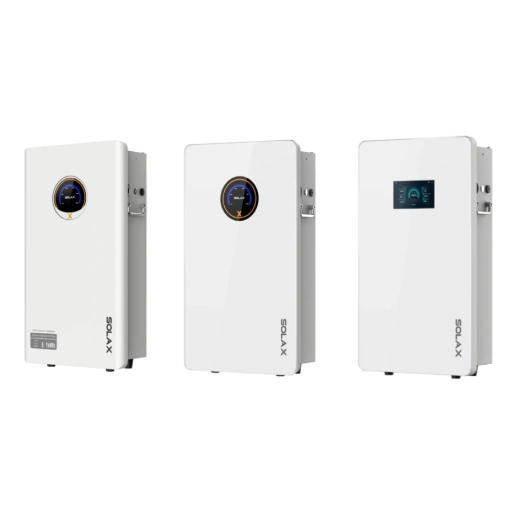
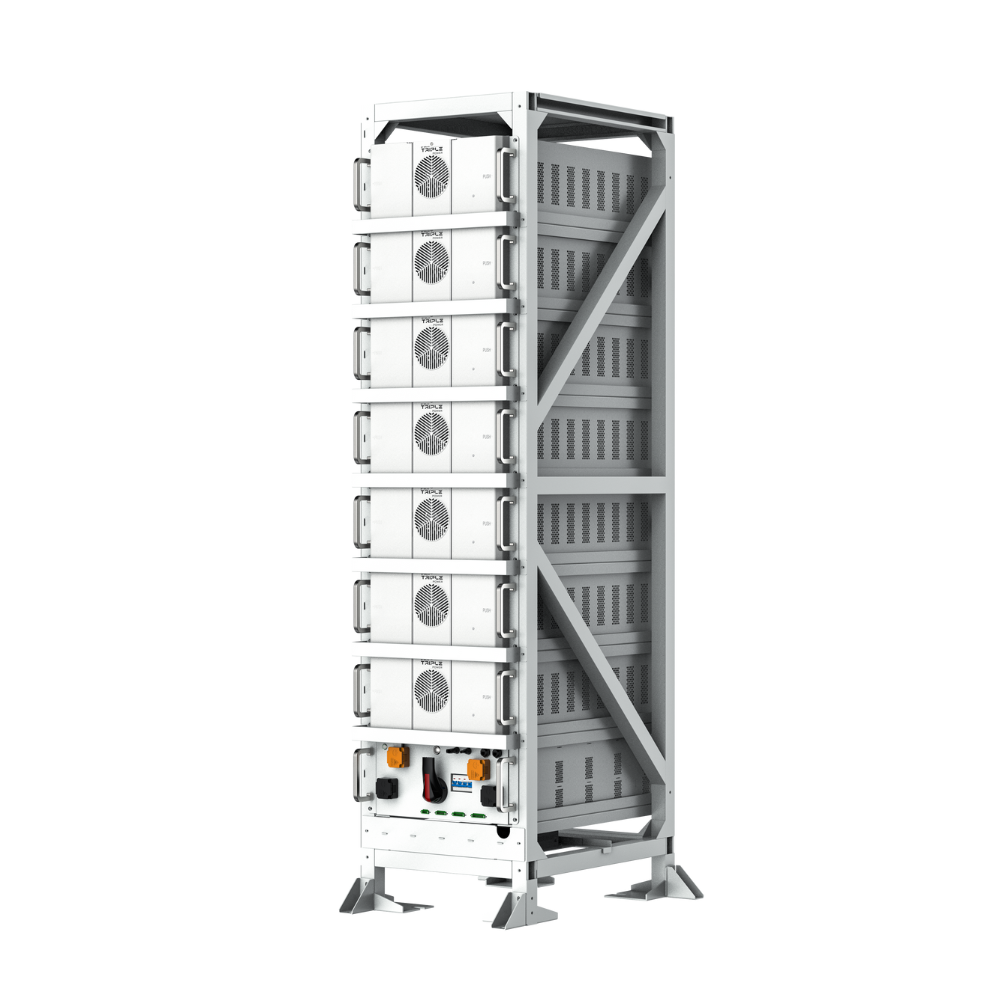
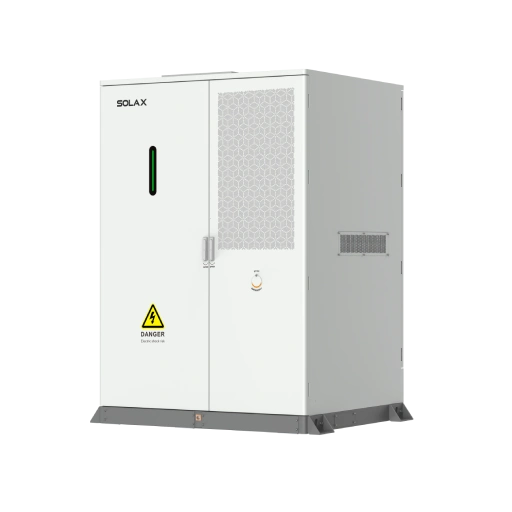
SolaX ESS-TRENE Air Cooling is a commercial and industrial energy storage solution with an integrated design. The TRENE-P100B215 configuration lists:
Rated output power: 100 kW
Battery capacity: 215 kWh
Battery type: LFP / 280 Ah
Rated battery voltage: 768 V
Operating temperature range: -30 to 50 C (derating above 45 C)
Ingress protection: IP55
Those specifications are useful for agriculture because they map to real site needs: outdoor-adjacent installs, dusty environments, and seasonal temperature swings.
At the controls layer, ESS-TRENE Air Cooling highlights in-house BMS, EMS, and PCS integration, plus VPP readiness through SolaXCloud with IEEE 2030.5 and OpenADR support. That matters if a cooperative wants to aggregate multiple sites later or participate in utility programs.
Selection and Decision Guide for Agricultural ESS
Load profile: duty cycle and kW spikes
Start with a load list that includes:
Motor nameplate and start method (DOL, soft start, VFD).
Typical run hours by season.
Maximum coincident loads during harvest or hot weather.
If you cannot measure, install temporary metering for at least 2 weeks in each major season. Pumps and refrigeration rarely match shoulder-season behavior.
Storage sizing: kWh for critical hours
Pick a critical runtime target, then work backward.
If you only need peak shaving, 1 to 2 hours of kWh at peak discharge can be enough.
If you need outage coverage, decide what you must keep alive and for how long.
Then add headroom for losses, derating in heat, and future load growth.
Inverter type: hybrid inverter vs grid-tie
Use a hybrid inverter when you need any of these:
Backup or islanding behavior
Battery-first dispatch logic
Generator coordination
Microgrid operation
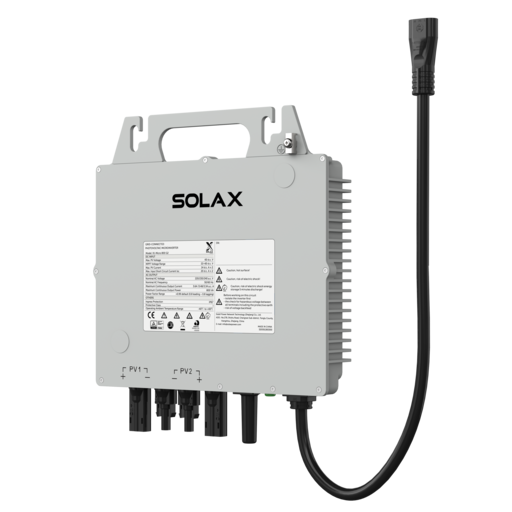
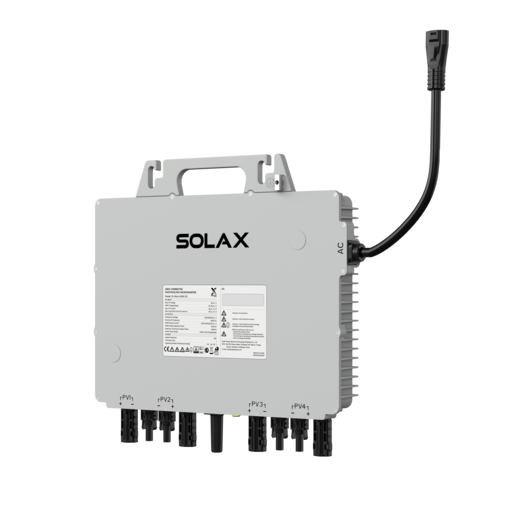
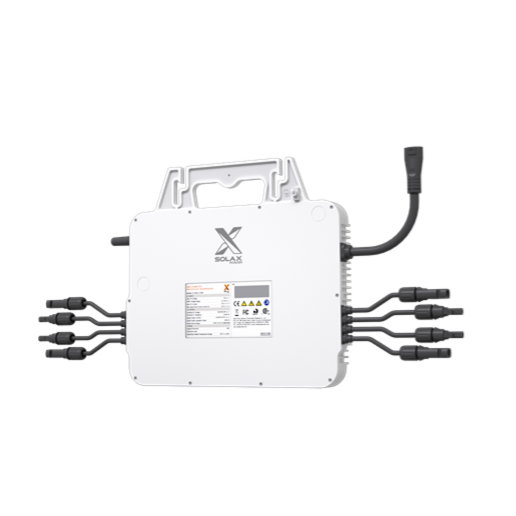
Use grid-tie inverters (string inverter or micro inverter solar topology) when you only need export and self-consumption with no backup requirement. For complex roofs or shade, micro inverter approaches can increase yield because each module tracks its own maximum power point.
Thermal and safety: cooling, dust, and protection
Agriculture stresses equipment with dust, chaff, insects, and temperature swings. Therefore, match the enclosure rating and cooling design to the installation location.
A rule of thumb:
Air cooling can work well when you have good airflow and manageable ambient temperature.
Liquid cooling can be helpful when you have high cycling and hot climates, because tighter thermal control improves consistency.
Controls and EnMS thinking
The best ESS is one you can actually operate. Look for:
Clear alarms and event logs
Remote monitoring and firmware maintenance n- Simple scheduling and SOC reserve settings
At the management-system level, ISO describes core energy management system (EnMS) requirements such as energy policy, objectives, targets, and measurement, which aligns well with using monitoring data to improve dispatch rules over time.
Quick scenario table
Farm scenario | What sets kW | What sets kWh | Control priority | Typical design trade-off |
Irrigation pumping | Motor start and ramp | Session duration | Start sequencing, SOC reserve | More kW without enough kWh leads to short runs |
Cold storage | Compressor start plus defrost | Ride-through window | Temperature protection, alarms | Oversizing backup for full-day autonomy can be expensive |
Weak grid site | Fast response and stable voltage | Short to medium outages | Islanding rules, critical panel | Backing up noncritical loads increases trip risk |
Cooperative packhouse | Coincident peaks and forklift charging | Peak window plus outages | Centralized EMS, dispatch logic | Scaling needs space, comms, and commissioning discipline |
Conclusion
A farm-ready energy storage system should match your real electrical behaviors: pump starts, refrigeration cycling, and weak-grid events. When you size both kW and kWh correctly and pair them with smart energy controls, solar energy becomes a reliable farm input instead of a variable resource.
Next, run a short audit: list critical loads, measure peaks, and define an outage runtime target. Then select an inverter and ESS architecture that supports those scenarios, with monitoring you will actually use.
FAQ
Table of Contents
Latest News
Explore expert insights, practical guides, and the latest news on SolaX Power.


To the Latest Newsletter
Stay Ahead with the Latest SolaX Updates!
Subscribe
I have read and agree to Privacy Policy and User Terms