









March 26, 2026
Morocco caps solar exports at 20% — and quietly shifts the business case for energy storage
Share my #SolaXStory


Morocco has capped solar power exports at 20% under its newly published implementing decree of law n°82-21 — a move that could fundamentally reshape how solar projects are structured across the country.
The regulation, released via the government's Official Bulletin, formally establishes a framework for self-consumption with surplus feed-in, allowing businesses to generate electricity for their own use while selling excess power back to the grid.
But the headline number is the cap.
A limit that changes the logic
Under the new framework, system owners can feed surplus electricity into the grid, but only up to 20% of their annual generation.
There is still compensation — MAD 0.21/kWh during peak hours and MAD 0.18/kWh off-peak — but at those levels, and with volumes constrained, exporting electricity is no longer where the value sits.
Instead, the economics shift inward. If most of the energy cannot be sold, it has to be used — or stored — more intelligently.
Grid fees and clearly defined connection rules add welcome transparency for investors, but they do not change the underlying dynamic: self-consumption becomes the main driver of project returns.
Designing for use, not export
This will change how projects are designed.
Rather than maximizing generation for export, developers and businesses are now pushed to optimize how and when energy is consumed. Load shifting, peak shaving and on-site balancing become central.
At the same time, grid access is not unlimited.To avoid overloading the national grid, Morocco has introduced a cap on new connection capacity. After accounting for projects already approved by 2025, the remaining available capacity stands at approximately 3,886 MW — of which around 72% is allocated to solar PV.
This reflects a broader challenge in Morocco's energy transition. According to the International Energy Agency (IEA), the country has been rapidly expanding renewable capacity while continuing to face structural pressure from energy imports and price volatility.
The new regulation can therefore be seen as both an enabler — and a control mechanism. The regulation is set to take effect on 9 June 2026, further reinforcing the timeline.
Where energy storage starts to make sense
Against this backdrop, energy storage begins to move from a technical add-on to a financial tool.
"What this really tells us is that exporting power is no longer the focus," said Jennifer, Regional Sales Director at SolaX. "If you can only sell 20%, then the rest has to be used smarter. That's where energy storage starts to make sense very quickly."
Systems that can respond to time-of-use pricing, store excess generation and shift consumption across the day are increasingly central to project viability.
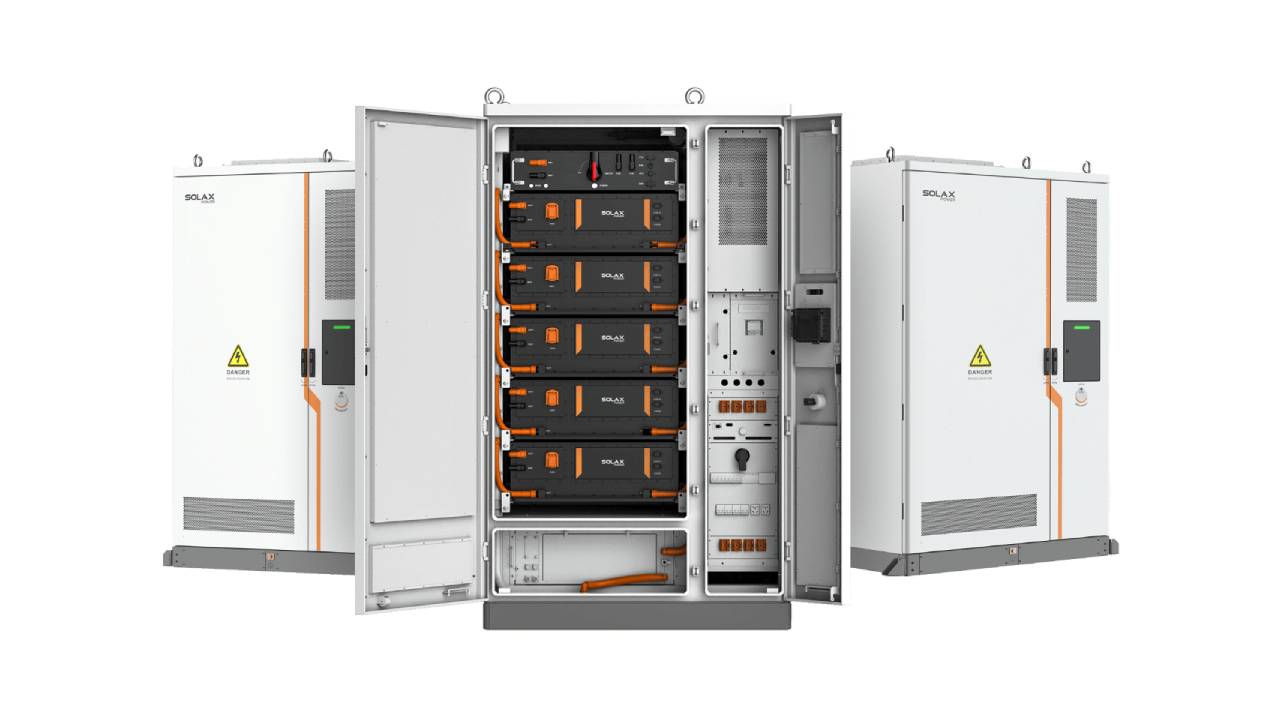
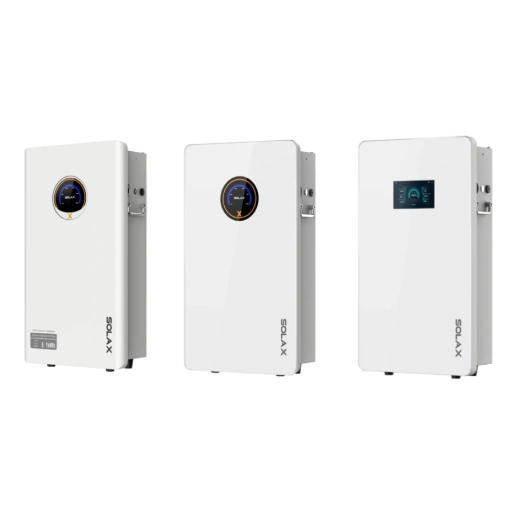
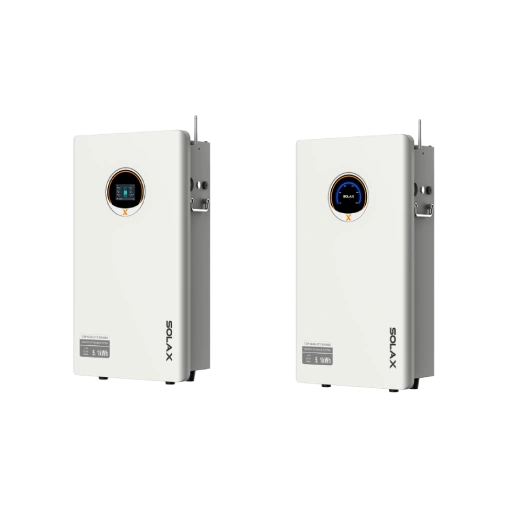
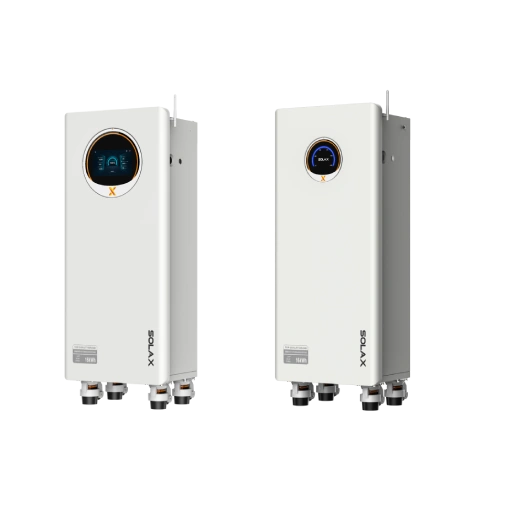
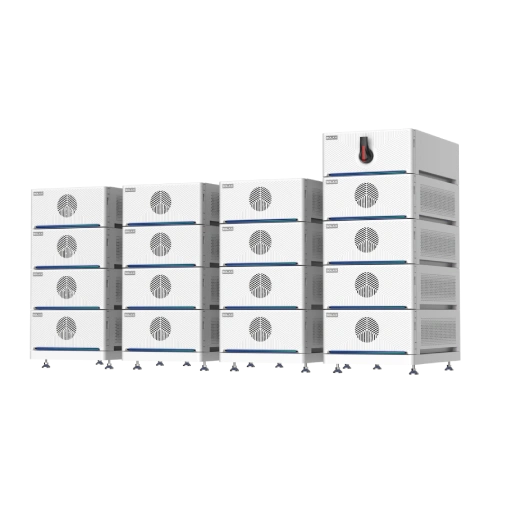
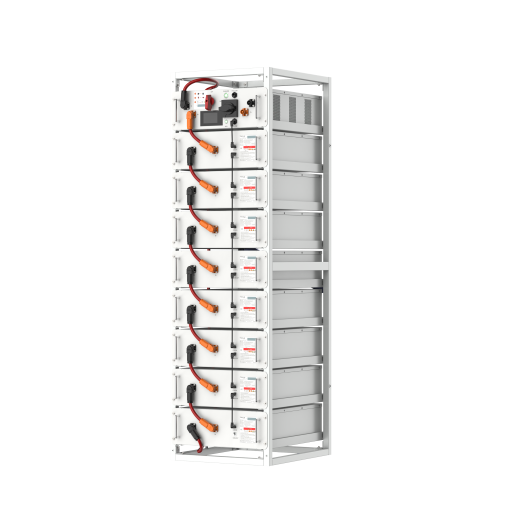
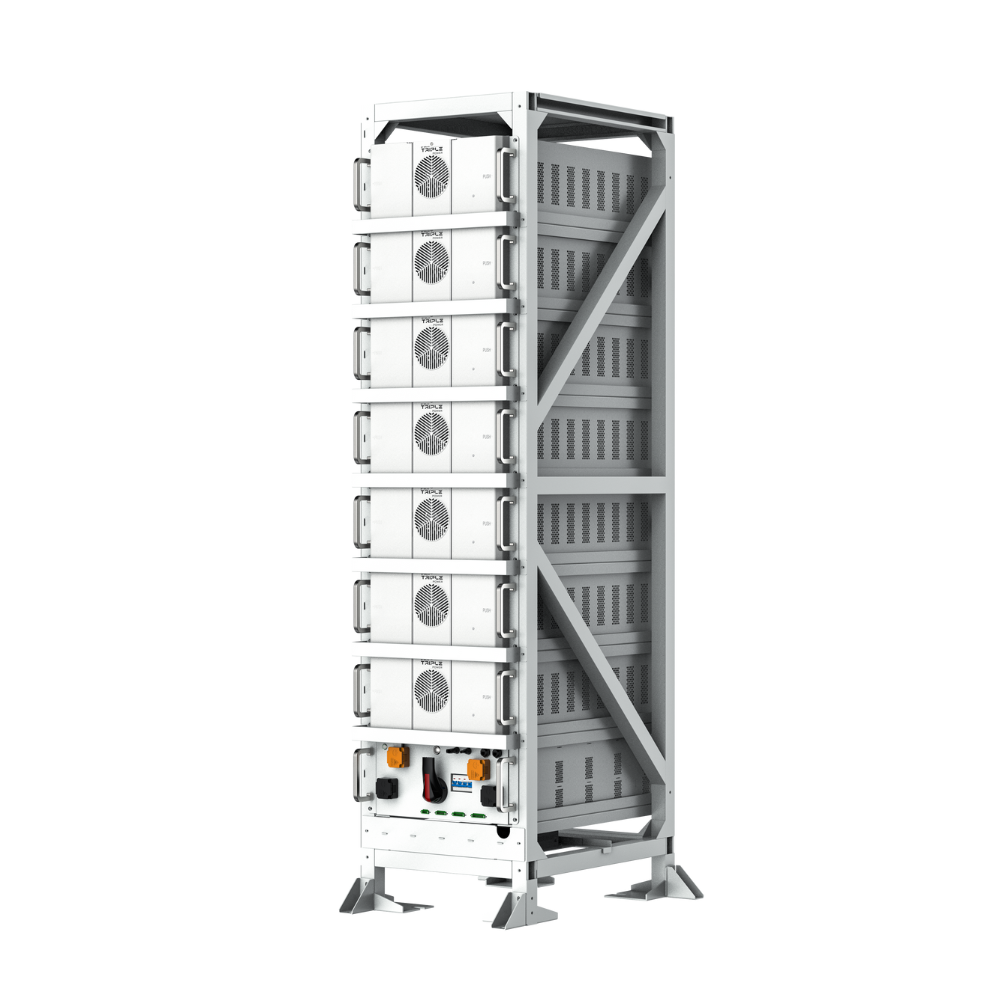
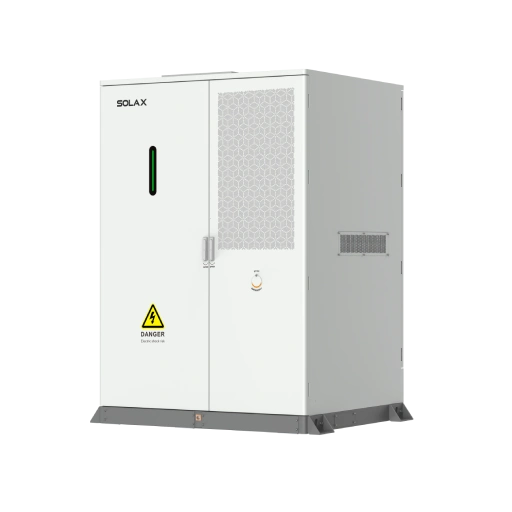
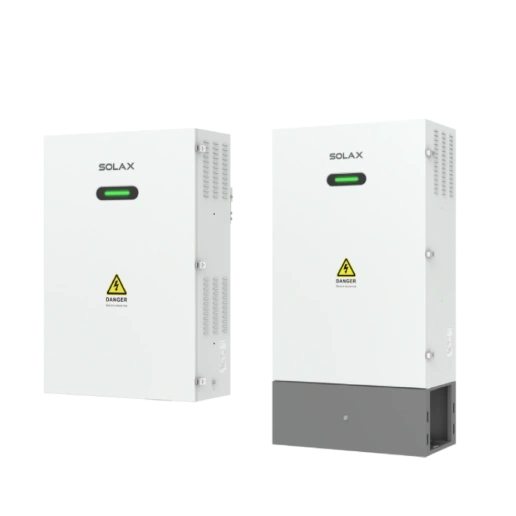
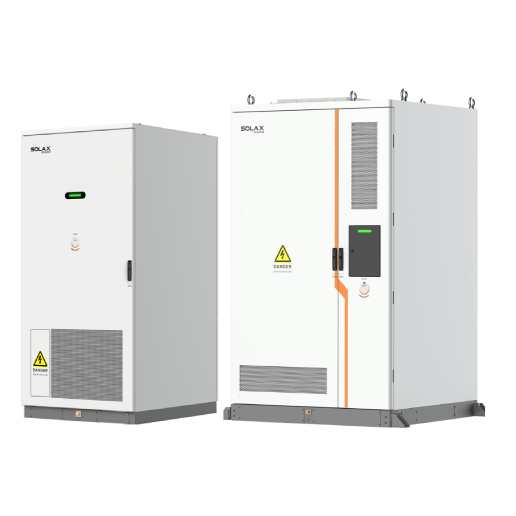
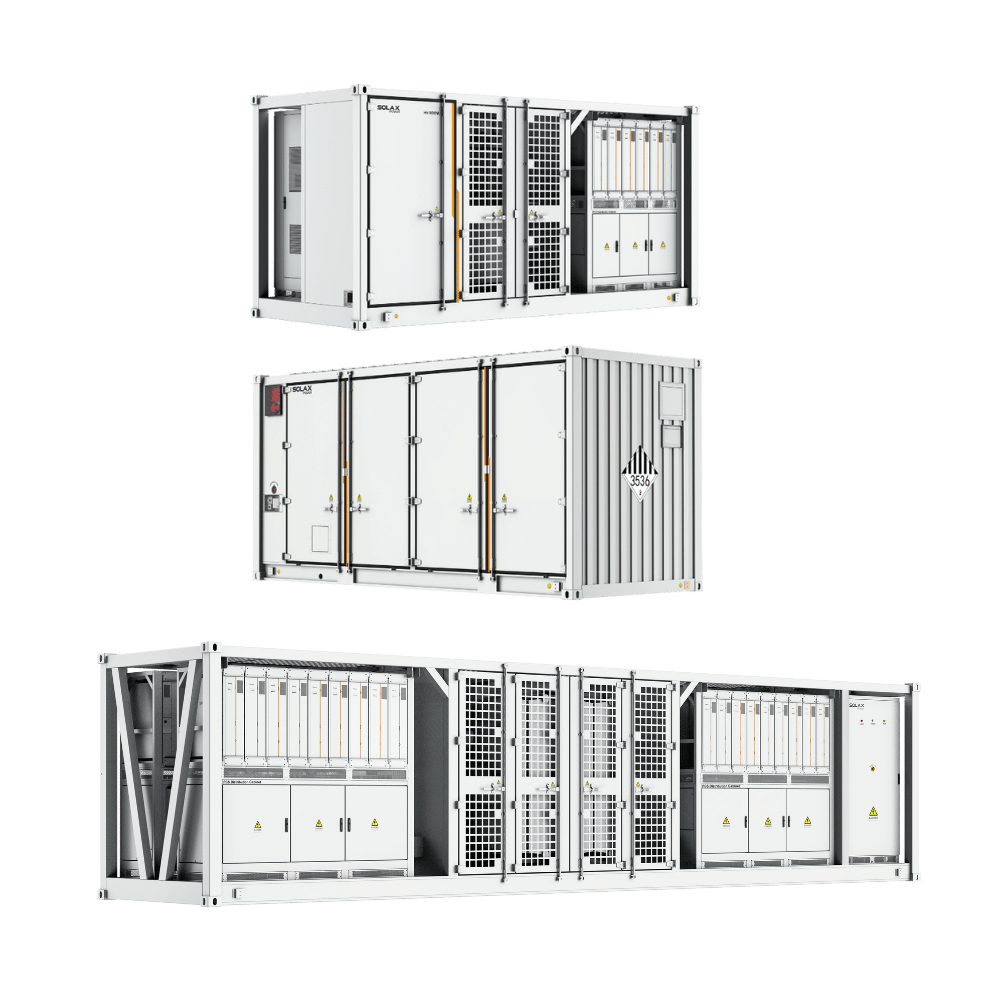
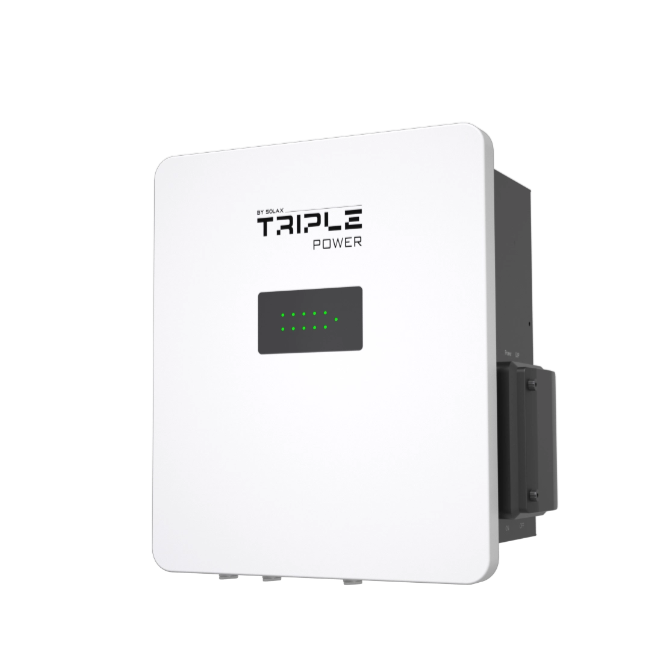
SolaX's commercial and industrial energy storage solutions are built around that logic — combining PV, energy storage and load management into a unified system.
In practice, this allows businesses to reduce reliance on peak electricity pricing and cut overall energy costs by up to 12%, while maintaining operational continuity through seamless power supply.
In markets like Morocco, the shift is already visible: energy storage is no longer about backup — it is about optimization.
Residential demand is already emerging
The regulation does not yet define tariffs for low-voltage (residential) systems. According to the national regulator ANRE, this will follow once the regulatory and technical framework is in place.
But the market is already moving.
Morocco's residential sector is expected to play a growing role in centralized energy. According to the International Renewable Energy Agency (IRENA), distributed solar combined with energy storage is becoming a key pathway for improving energy access and resilience in emerging markets.
Early deployments across Morocco suggest that residential users are already adopting hybrid solar-energy storage systems not only for cost savings, but also for energy security.
In Casablanca, hybrid systems have been deployed in mobile banking units operating entirely on self-generated solar power. In Rabat, residential systems combining hybrid inverters and battery storage are helping homeowners reduce electricity bills while ensuring backup supply.
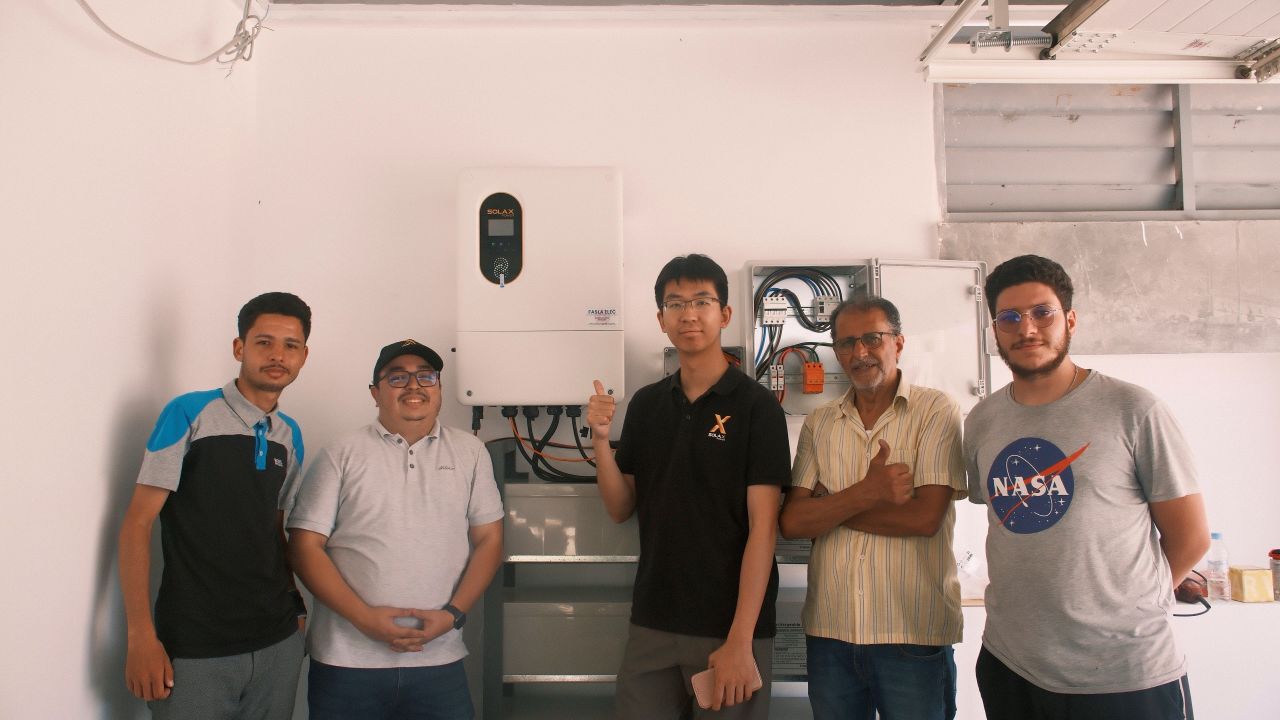
"We're already seeing demand from homeowners who want more control over their energy use," Jennifer added. "The policy will help, but in many cases the need is already there — especially with rising energy costs."
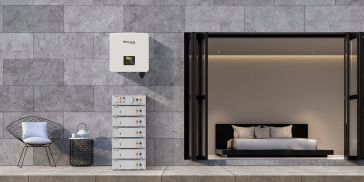
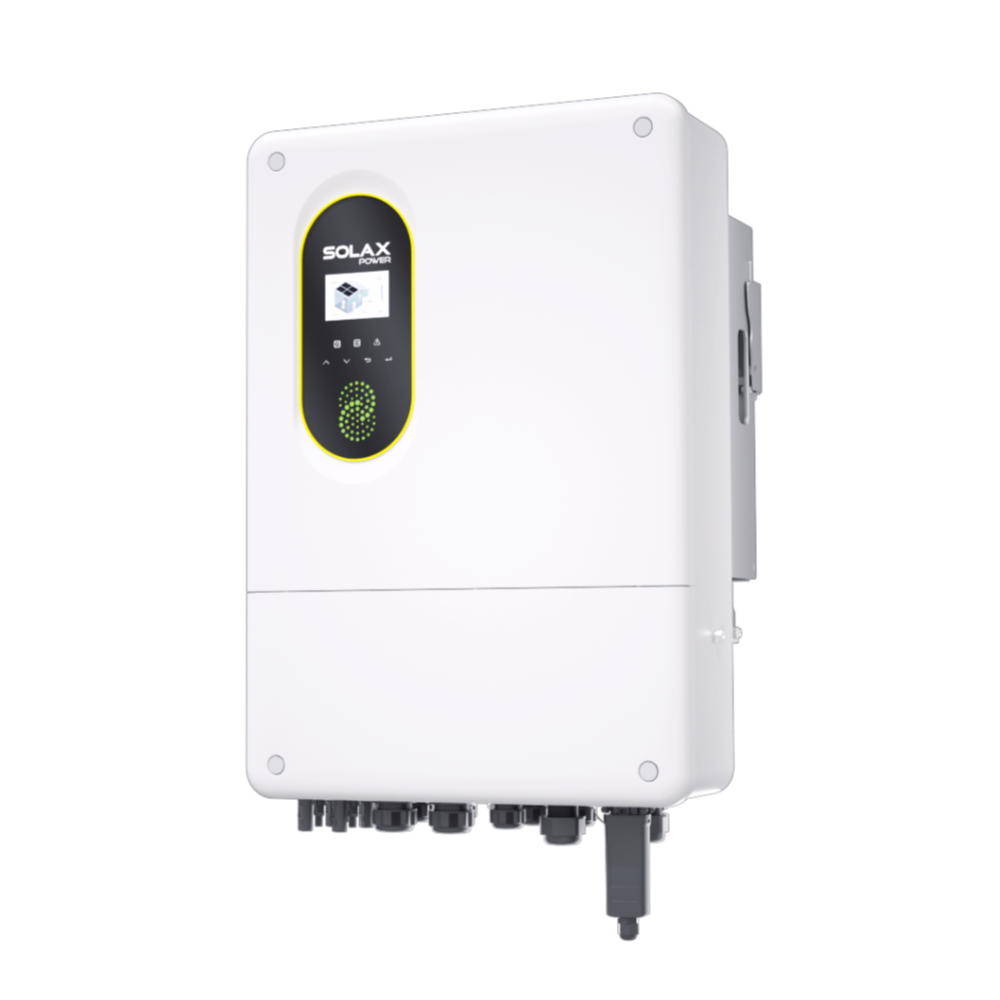
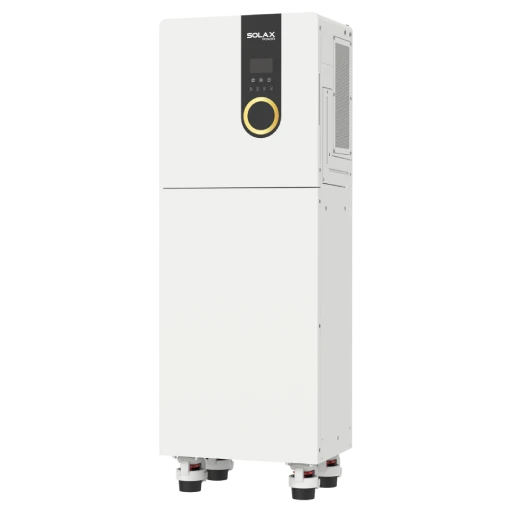
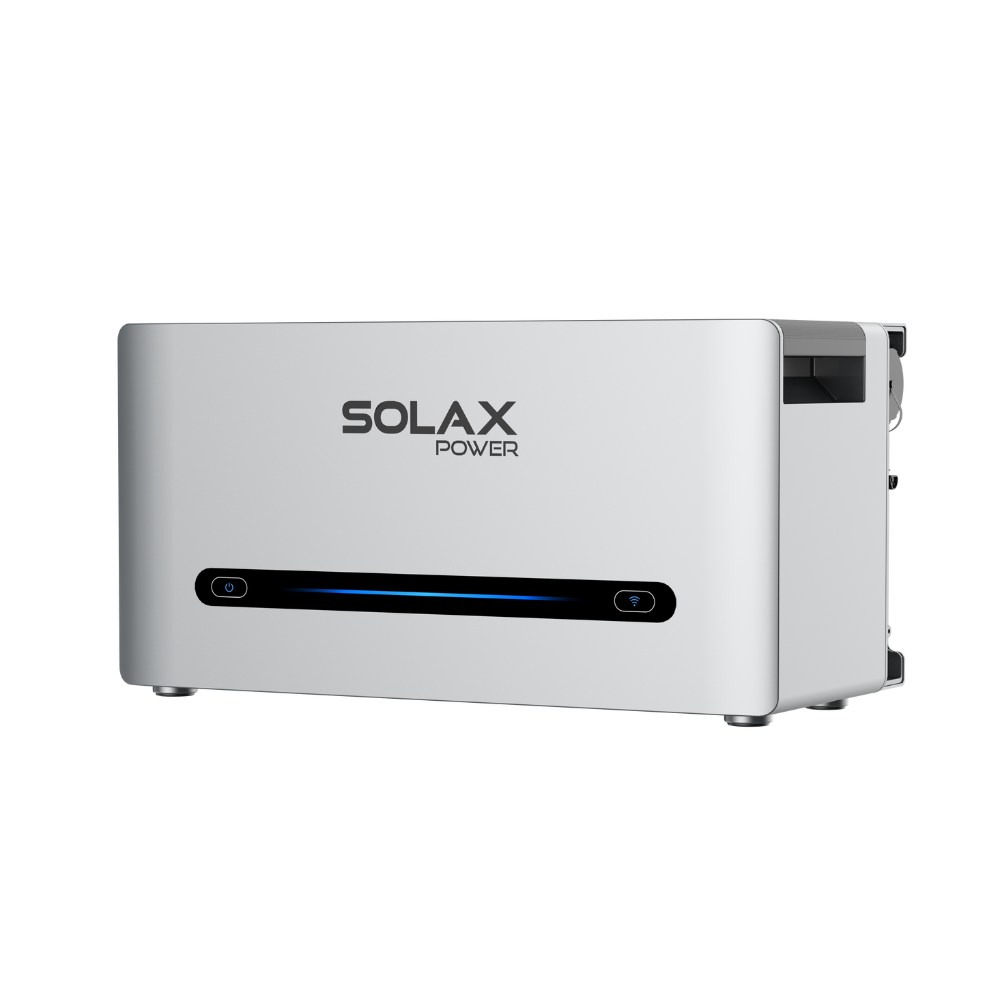
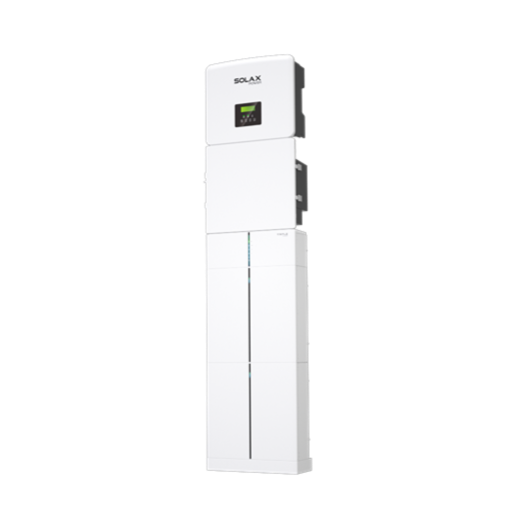
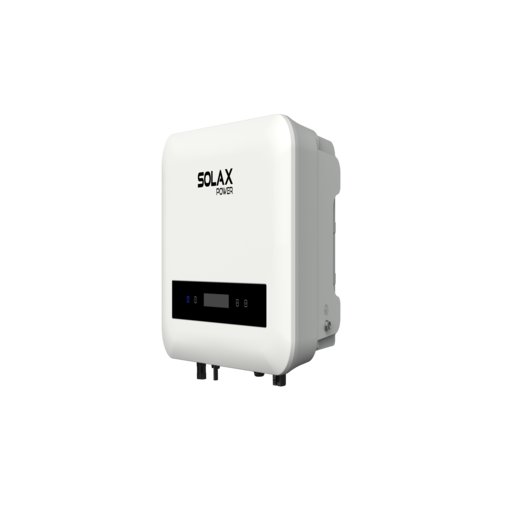
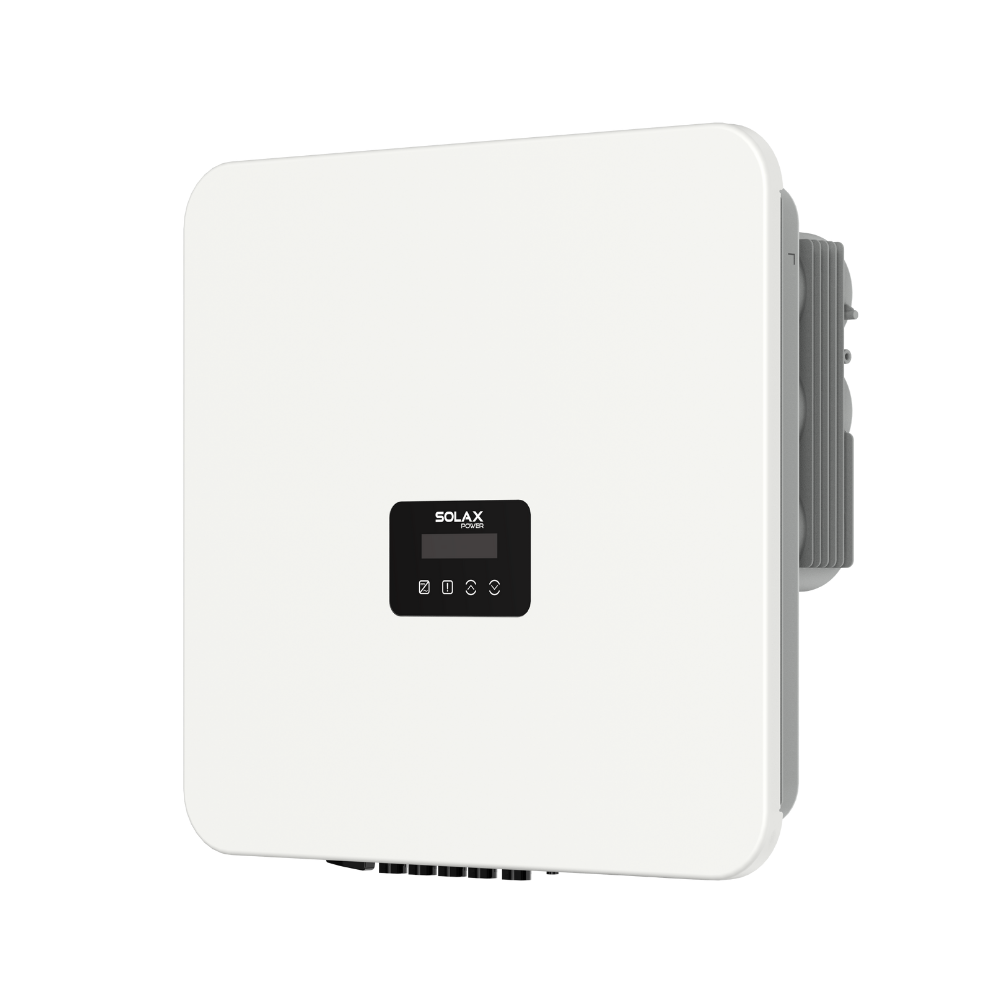
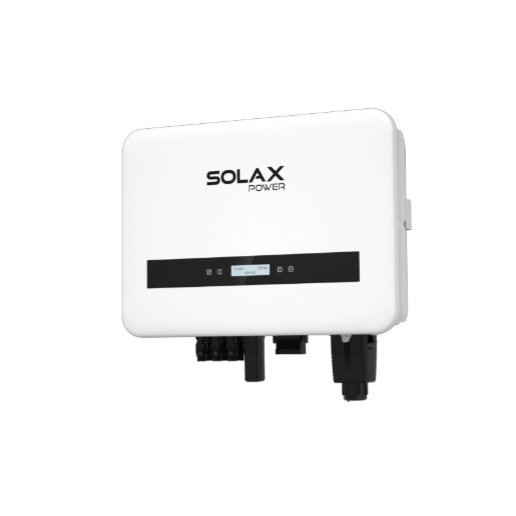
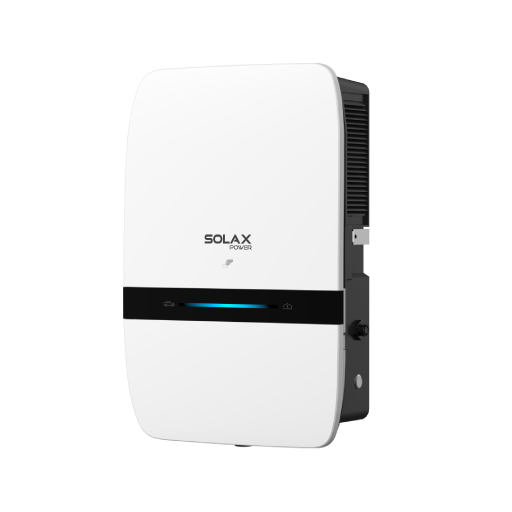
SolaX has already introduced residential solutions in the market that combine PV and energy storage, enabling households to reduce electricity costs by up to 50% while improving energy independence.
A quiet but decisive shift
Morocco's new regulation does not just enable self-consumption — it reshapes how solar projects create value.
By limiting surplus feed-in, it forces a shift away from export-driven models towards optimization-driven systems. And in that equation, energy storage is no longer secondary.In Morocco, it is quickly becoming the business model.
Table of Contents
Latest News
Explore expert insights, practical guides, and the latest news on SolaX Power.

To the Latest Newsletter
Stay Ahead with the Latest SolaX Updates!
Subscribe
I have read and agree to Privacy Policy and User Terms