












November 26, 2026
How UK Landlords Can Create a Standard Solar and Battery Specification for Multiple Properties
Share my #SolaXStory


Which solar and battery setup can be repeated across rental homes?
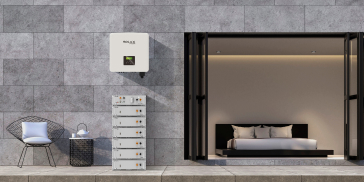
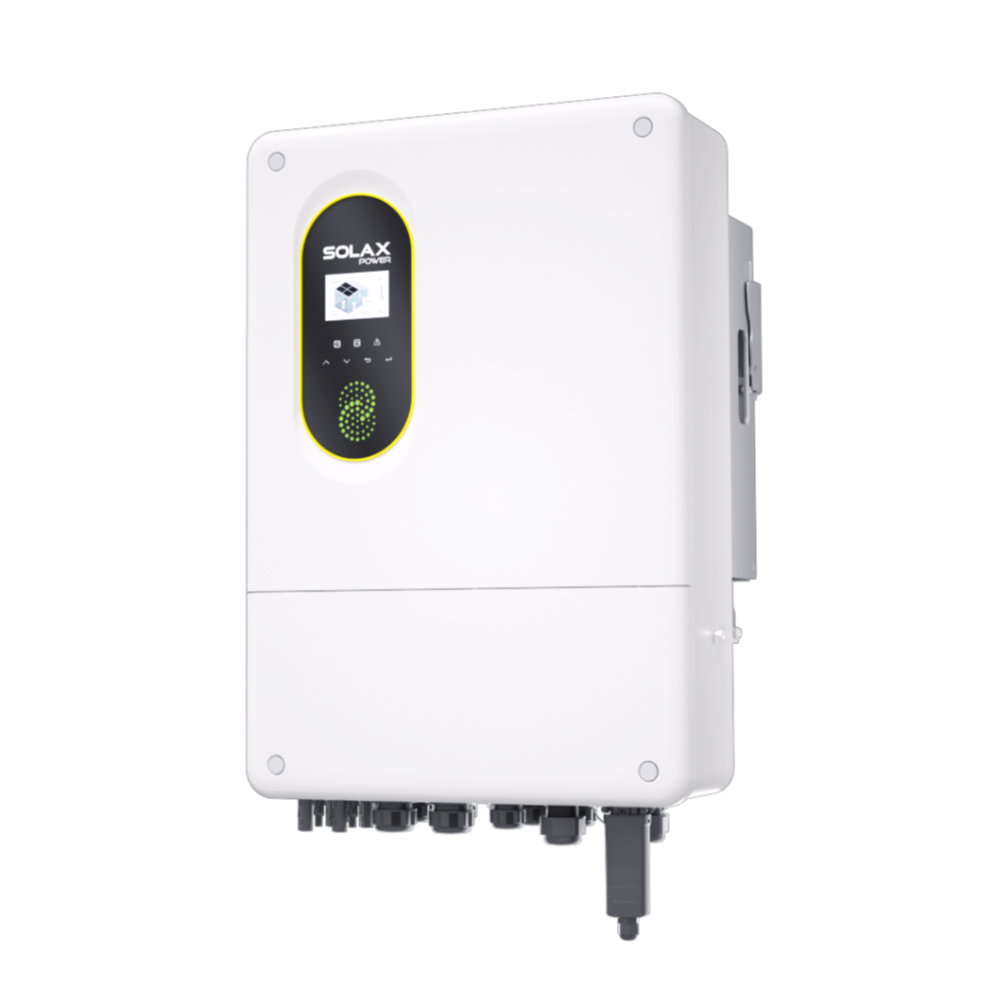
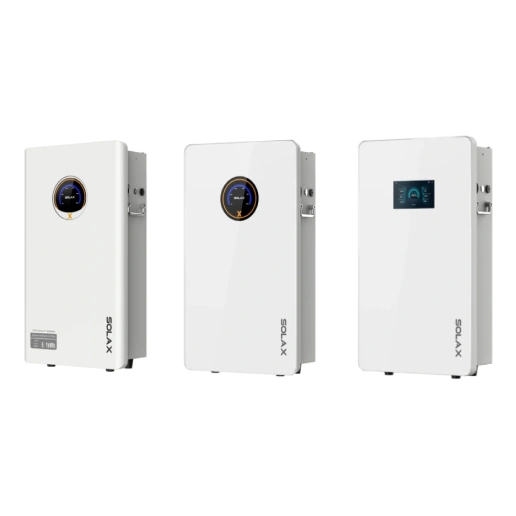
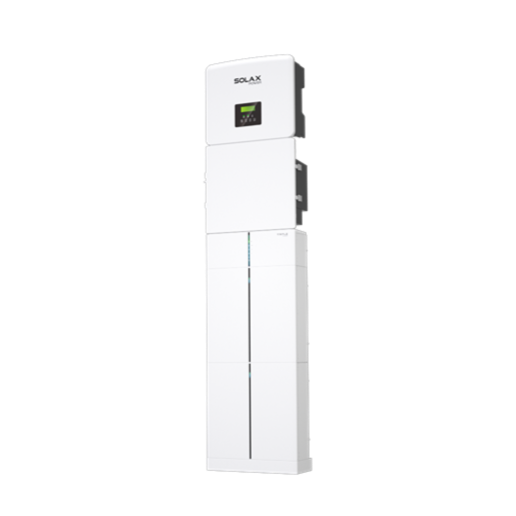
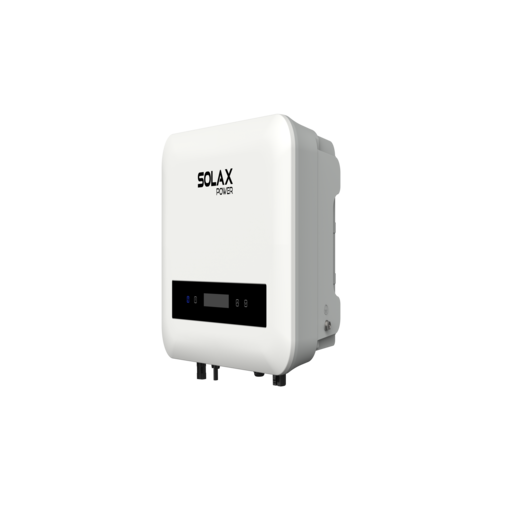
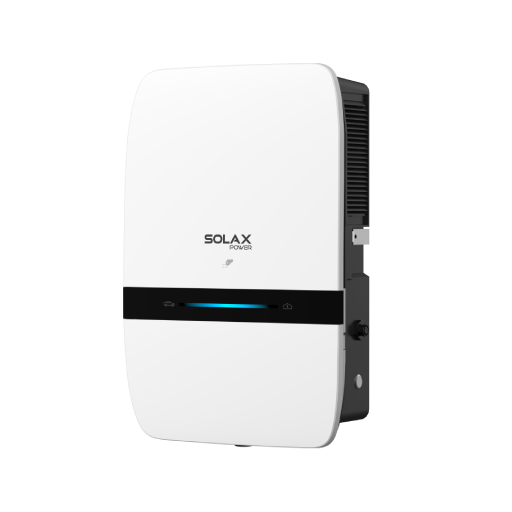
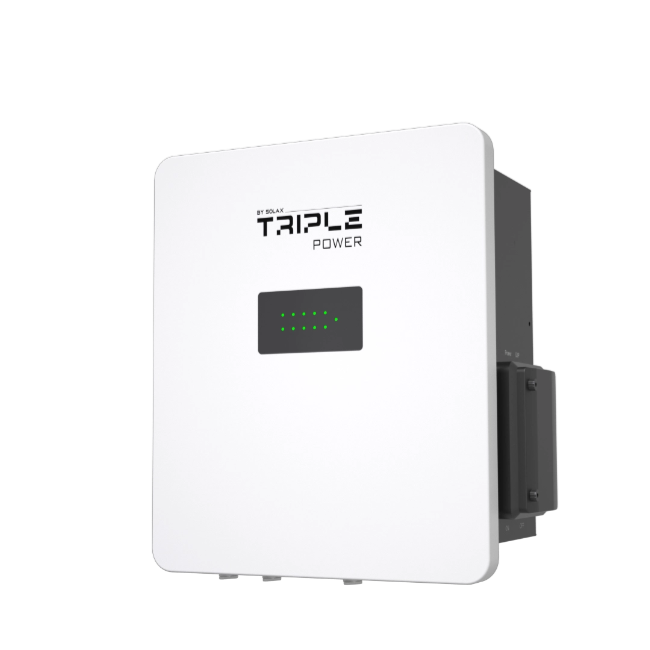
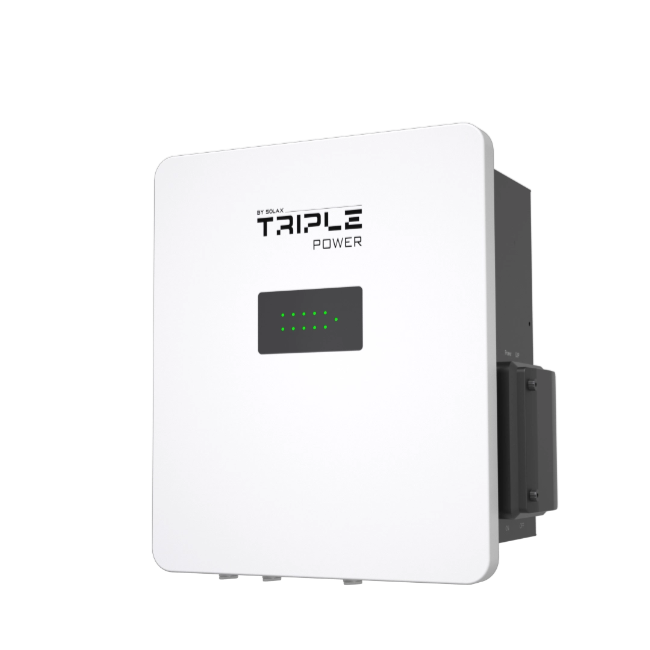
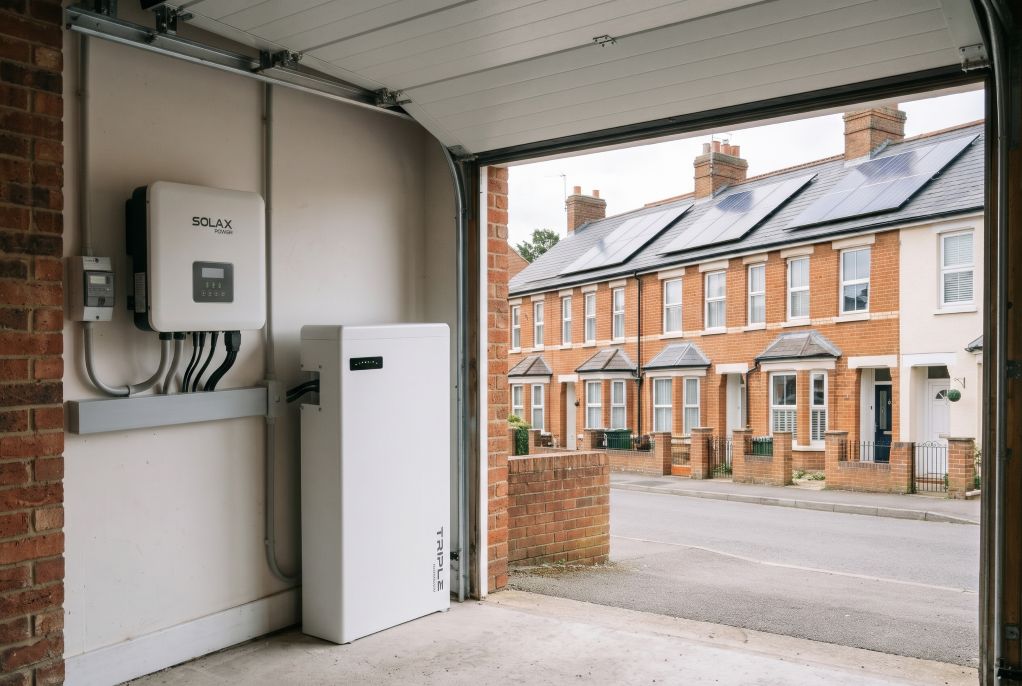
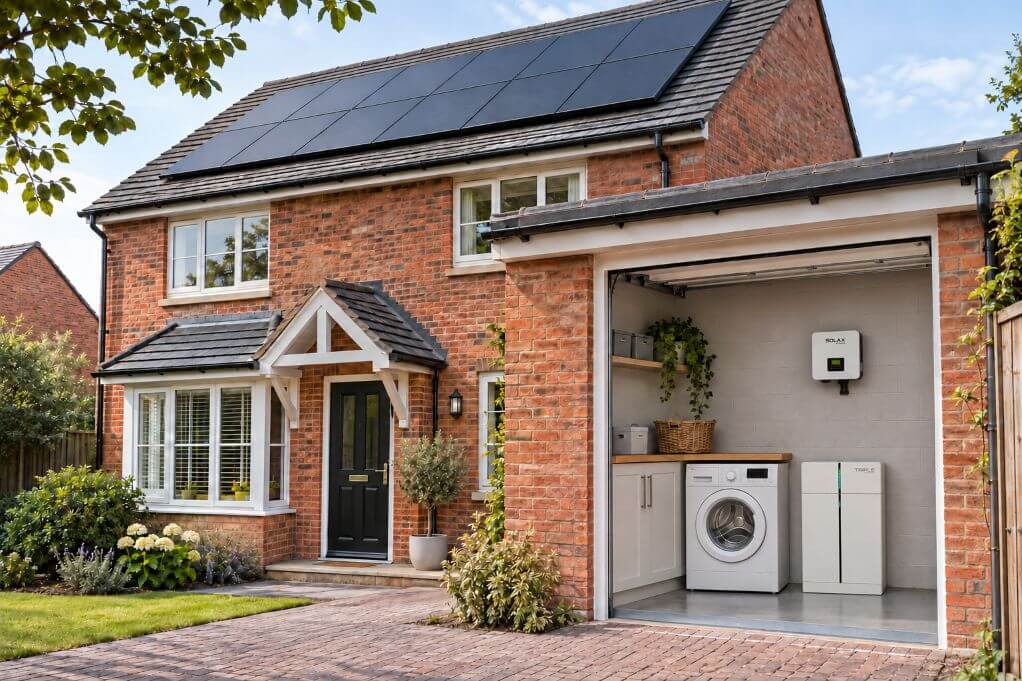
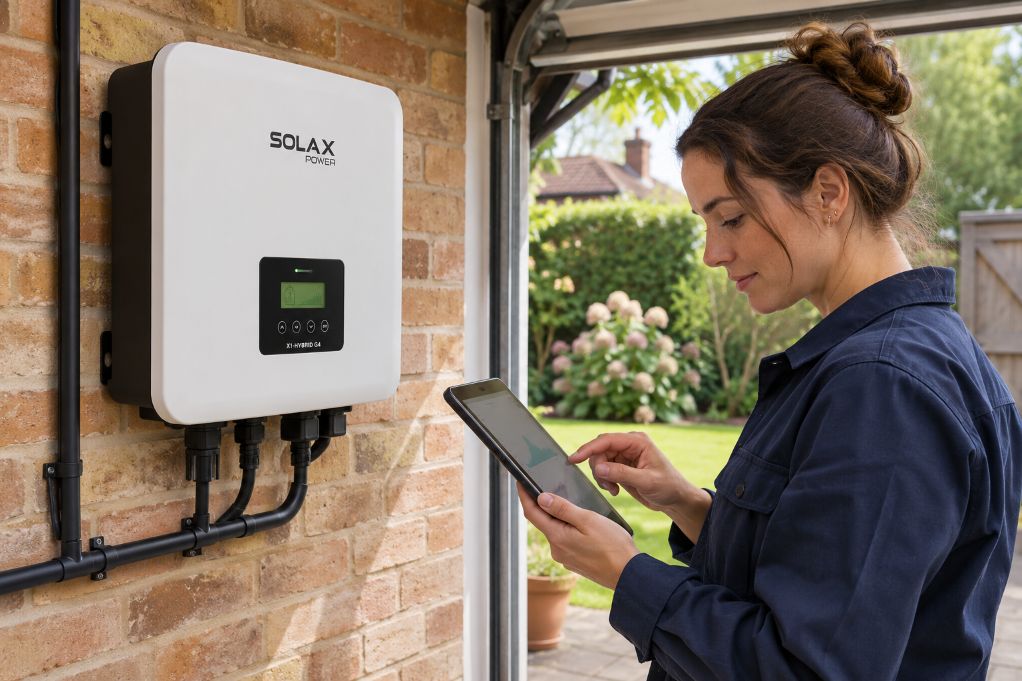
A solar and battery specification for UK landlords should standardise equipment and monitoring without assuming every home has the same roof or demand. The SolaX residential solutions portfolio provides a starting point: an X1-Hybrid G4 inverter, a compatible T58 battery and SolaXCloud monitoring. An installer must confirm the model, battery version and connection requirements for each property.
What belongs in a standard solar and battery specification?
A repeatable specification describes the solar PV system and its handover requirements, then identifies decisions that depend on the property survey. Keep the following distinction clear when comparing equipment and estimates:
Define the core system components
Solar PV: panels generate electricity from sunlight.
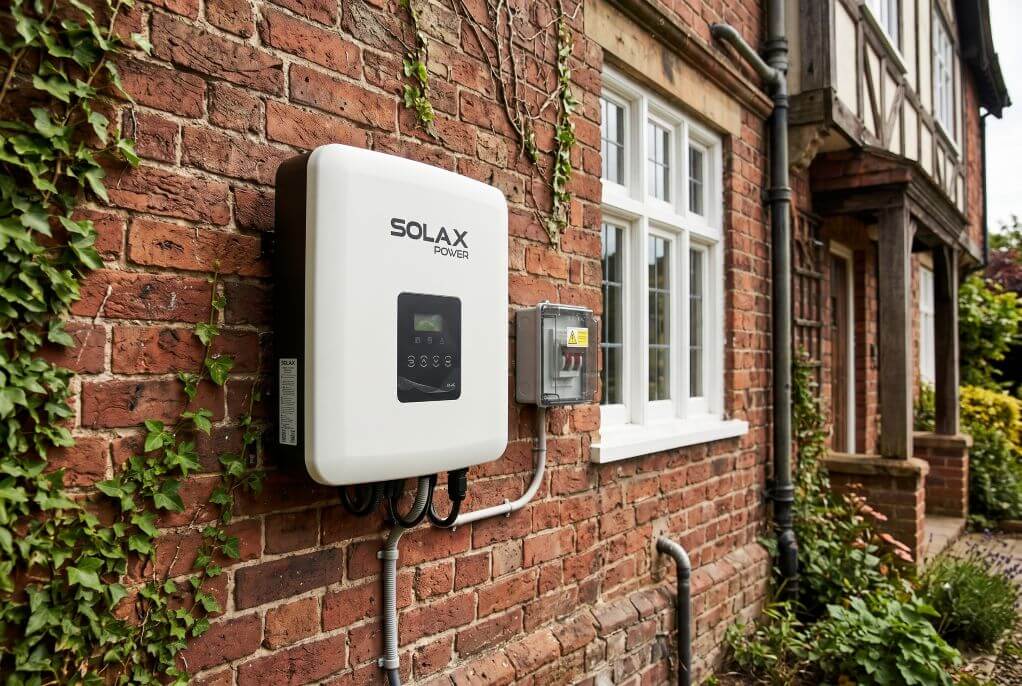
Hybrid solar inverter: manages solar generation and battery charging and converts electricity for household use.
Solar battery storage: stores energy for later use. Capacity is measured in kilowatt-hours (kWh); inverter output is measured in kilowatts (kW).
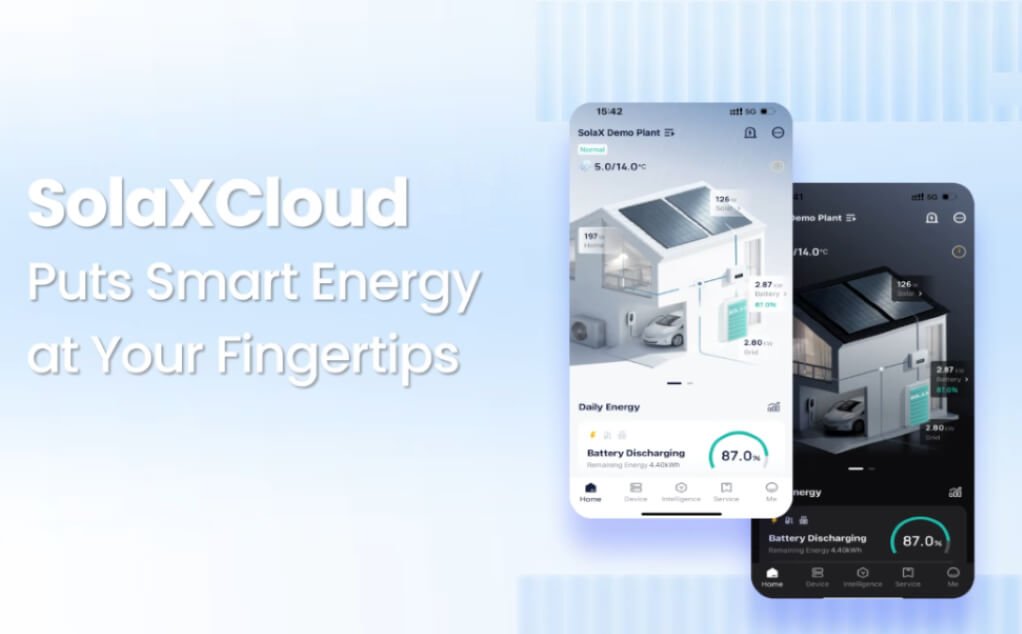
Monitoring: provides visibility of system operation, subject to connectivity and agreed access.
Separate fixed requirements from site variables
Specify an equipment family, monitoring approach, handover pack and service contact. Leave roof layout, inverter rating, battery capacity and grid conditions open until the installer surveys each home.
Build and apply the specification across properties
Use a common assessment process for residential solar systems, but approve each design separately. This makes differences visible before ordering and gives installers a consistent record to work from.
Survey each home before sizing
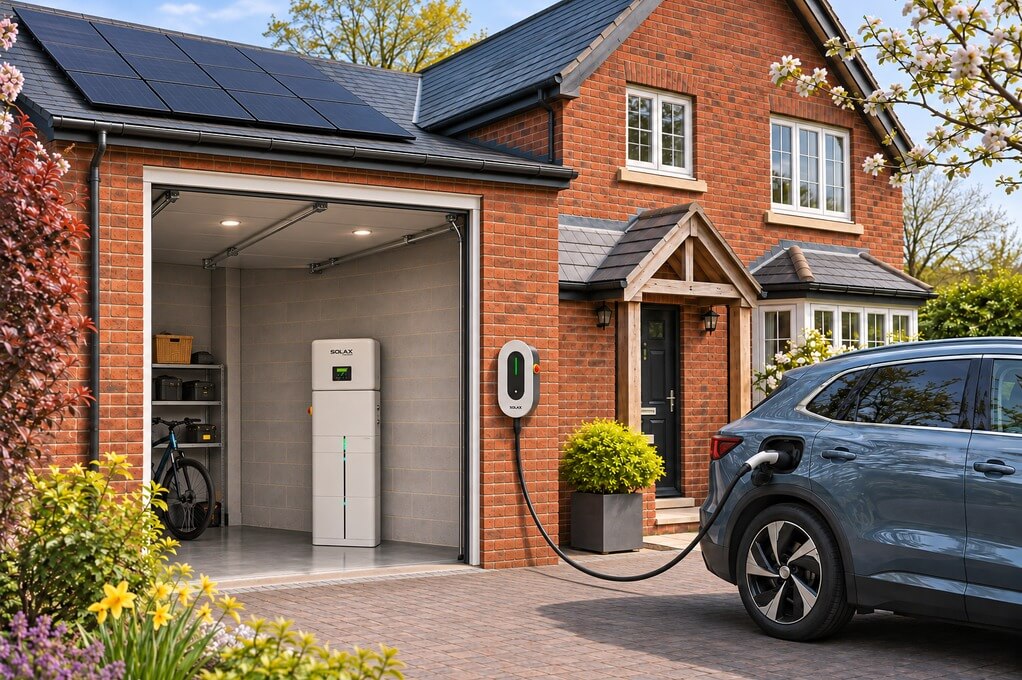
Record roof condition, shading and usable area; battery location and access; household demand; supply phase; existing equipment; and planned loads such as EV charging or a heat pump.
Choose a baseline hybrid inverter
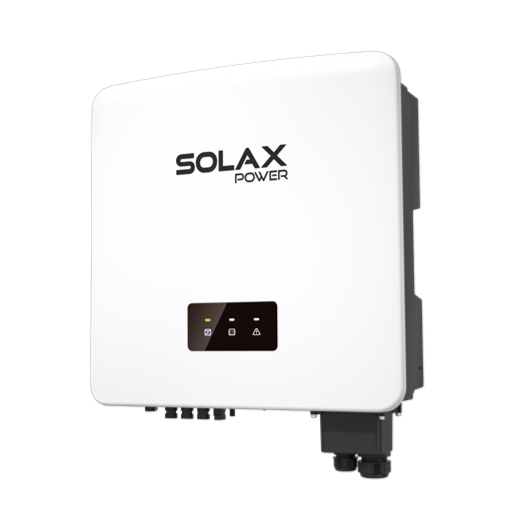
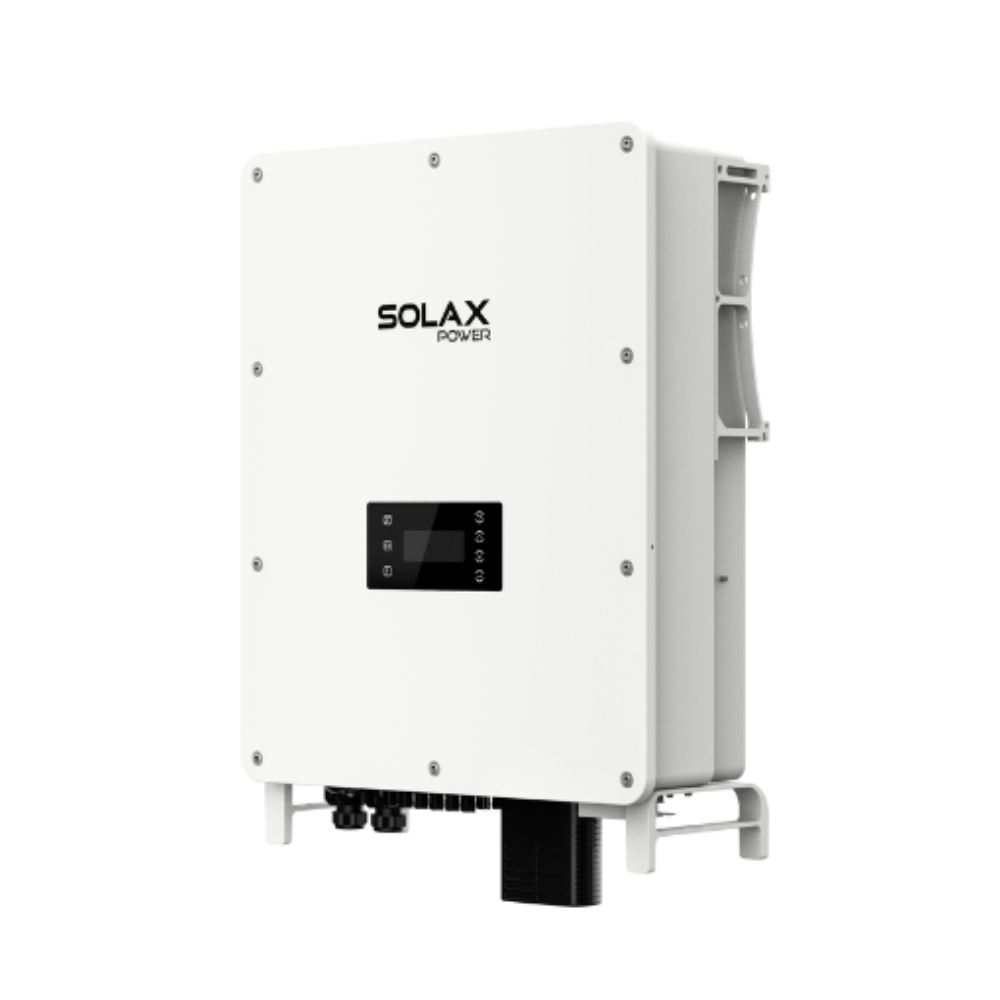
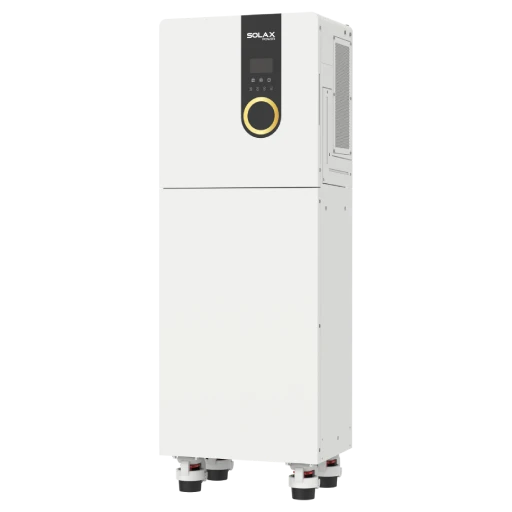
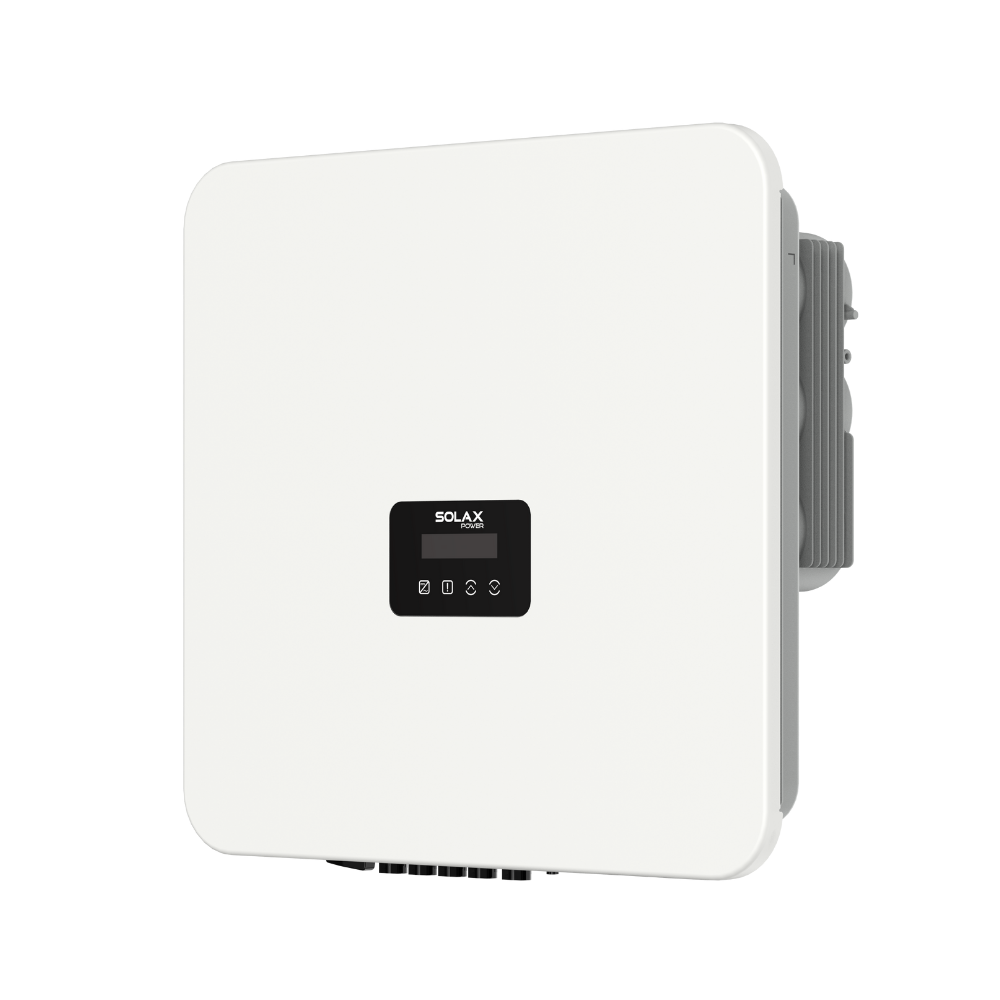
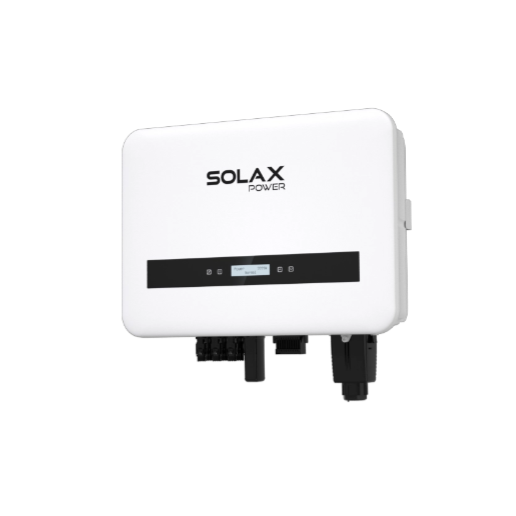
The single-phase X1-Hybrid G4 has ratings from 3.0 to 7.5 kW. Assess it as a baseline for suitable homes; confirm the exact model, battery compatibility, grid settings and UK availability. The wider residential energy storage inverters range provides context for the selection.
Specify battery capacity and expansion
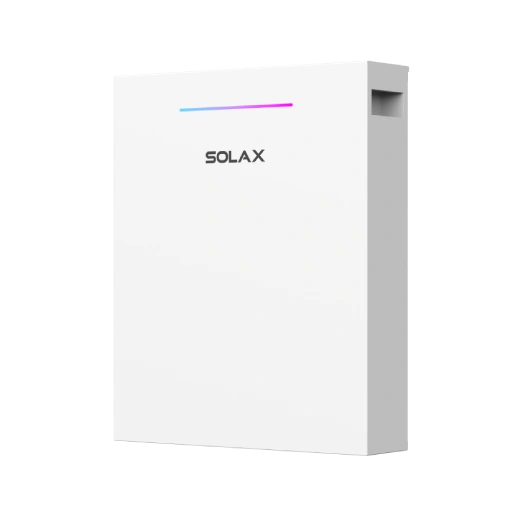
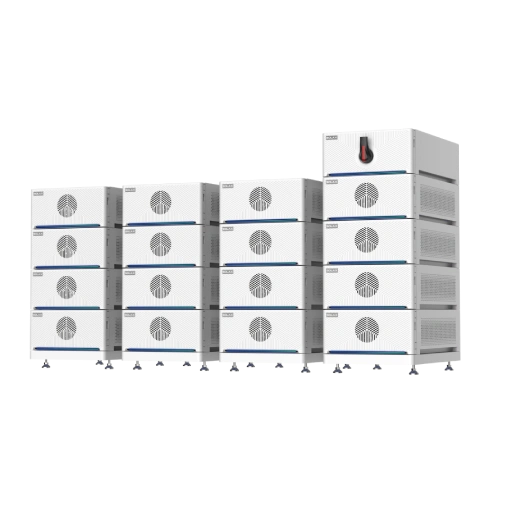
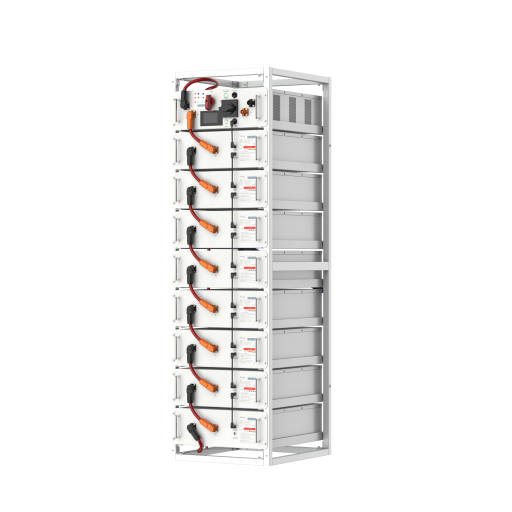
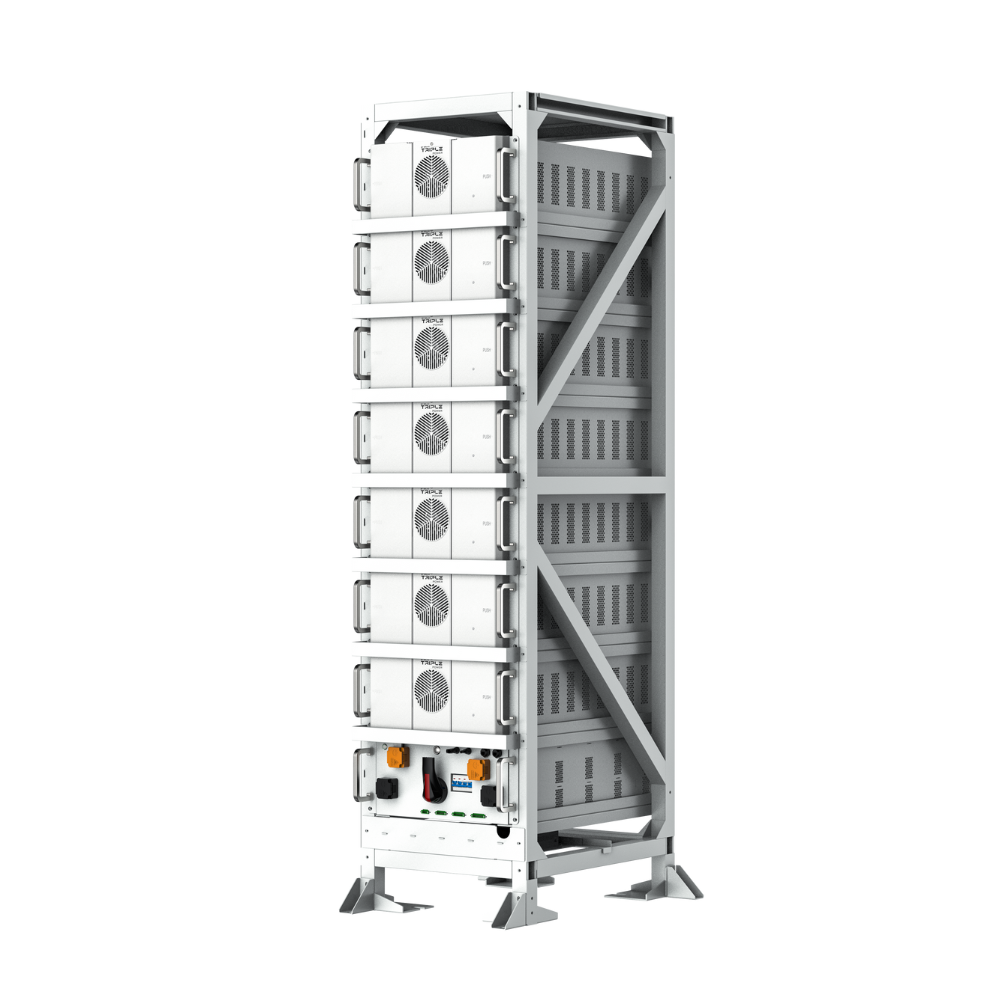
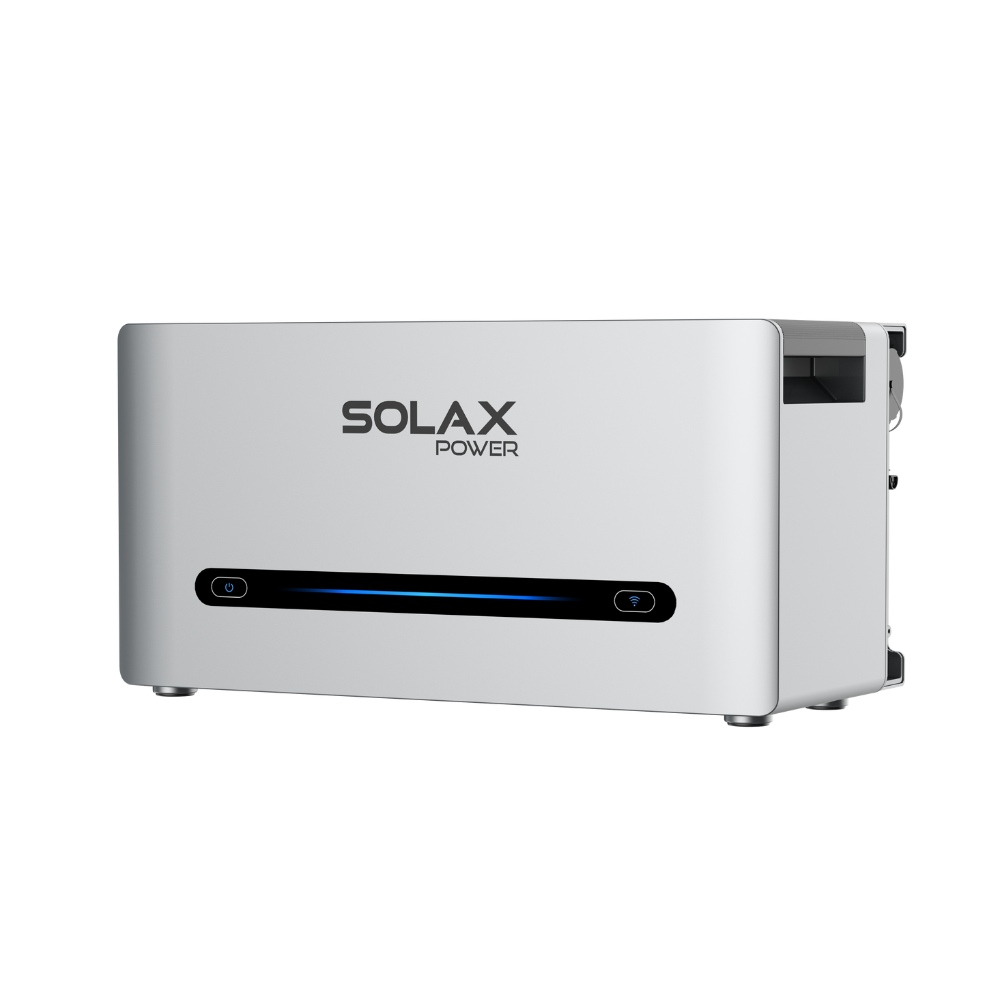
The T58 is a modular lithium iron phosphate battery family. Its 5.8 kWh starting configuration and larger options provide a basis for comparing demand; permitted expansion depends on the battery version, inverter and configuration. Check the residential batteries range and obtain a compatible design rather than applying the family maximum to every installation.
Record commissioning and handover details
For each home, retain model and serial numbers, installed capacity, installer contacts, connection documents, warranties, monitoring access and tenant instructions. Record approved settings and any departure from the baseline.
How should landlords compare configurations?
Compare designs against the household and building, not merely against another property in the portfolio. Ask for estimates that show the assumptions behind each option and avoid promising identical savings.
Size for use, not identical properties
A smaller T58 configuration may suit a home with modest evening demand; a larger configuration may merit assessment where demand and available solar generation are greater. Compare usable capacity, installation space and future loads with property-specific estimates.
Check permissions and network requirements
Check planning rules, leasehold or freeholder permissions and the applicable distribution network operator process. Export limitation must be assessed as a complete scheme, including existing generation. For example, Cornwall Council notes that leaseholders may need permission and that roof strength needs assessment; requirements vary by location.
Adapt the baseline to the property portfolio
A common process is useful only if it allows justified exceptions. Record the reason for each change so future maintenance teams can understand the installed system.
Similar houses with different demand
Use the same inverter family and monitoring approach where suitable, but allow battery capacity to vary with household use and generation.
Flats and mixed property portfolios
Shared roofs, lease restrictions, metering and access can make a house specification unsuitable for a flat. Commission a separate design rather than assuming the same solar installation will work.
Remote oversight and tenant handover
SolaX home solutions includes SolaXCloud for remote solar monitoring and smart energy management. Agree data access, alert response and tenant instructions, and confirm connectivity before handover.
Turn the baseline into an installation plan
Standardise the process, not every property. Ask an installer to validate a pilot specification and document its site-specific changes before extending it across the portfolio.
FAQ
Table of Contents
Latest News
Explore expert insights, practical guides, and the latest news on SolaX Power.


To the Latest Newsletter
Stay Ahead with the Latest SolaX Updates!
Subscribe
I have read and agree to Privacy Policy and User Terms