












February 25, 2026
How to Maximize Solar Self-Consumption for Grevenbroich Commercial Energy Needs
Share my #SolaXStory


Maximizing solar energy self-consumption is one of the fastest ways for a Grevenbroich commercial site to reduce grid purchases, limit demand-charge exposure, and stabilize operating costs. Instead of exporting excess solar pv to the grid at low value, you use more generation on-site by shaping loads, adding an energy storage system, and applying smart energy controls.
In practical terms, commercial self-consumption is a stack:
A well-sized PV array and the right inverter topology.
Battery storage sized for both kW (peak shaving) and kWh (load shifting).
Monitoring plus automation that turns interval data into dispatch decisions.
This guide explains the foundations, then breaks implementation into application modules you can map to a real site audit, PV design, ESS sizing, and controls plan.
Information about Solar Self-consumption
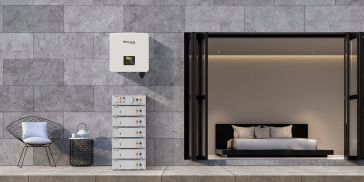
The system stack: solar inverter plus solar battery
A commercial solar power system is not only PV modules.
A typical stack includes:
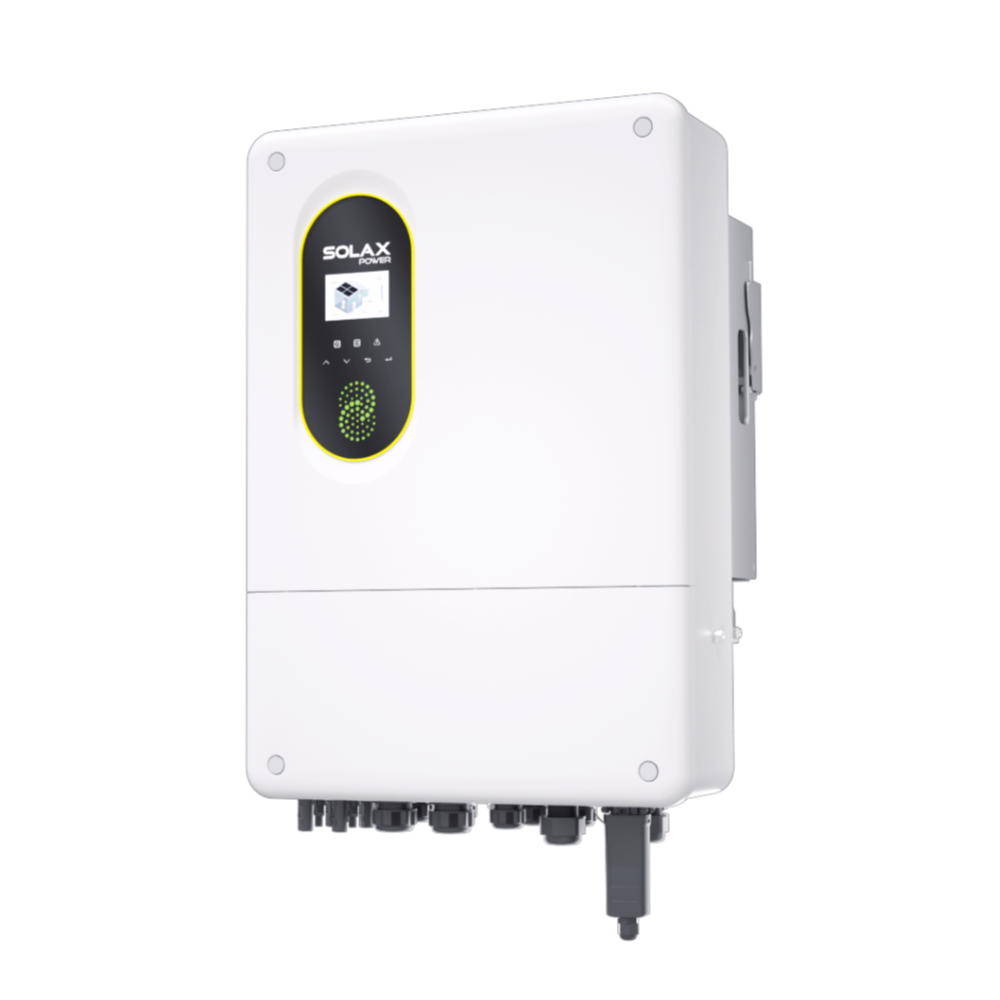
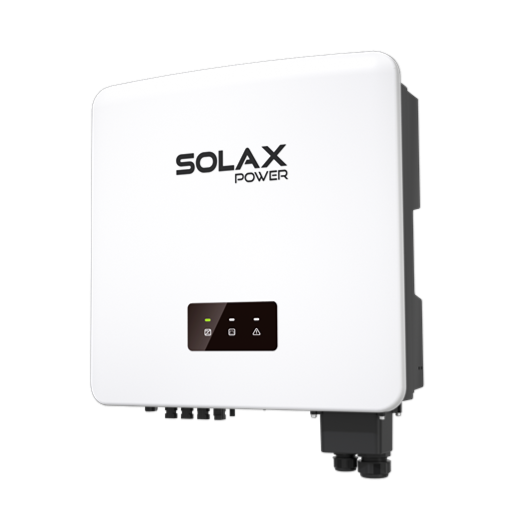
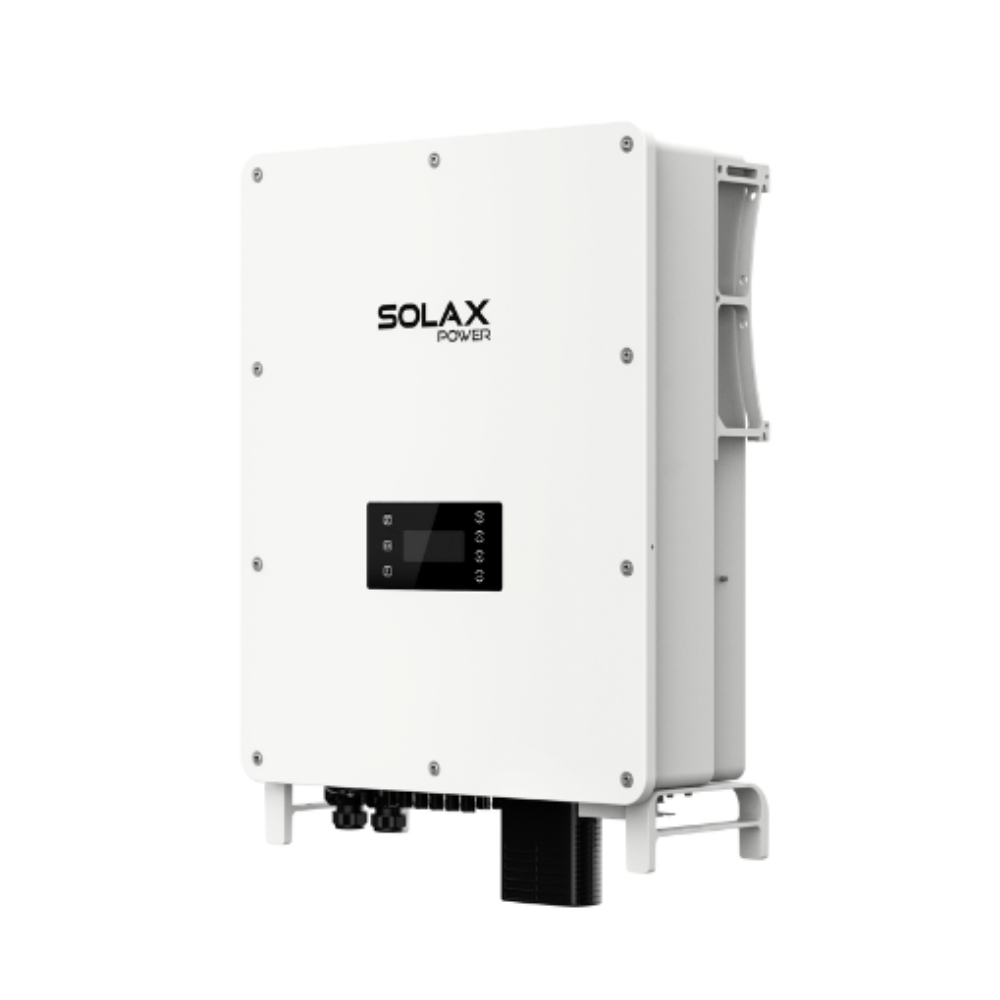
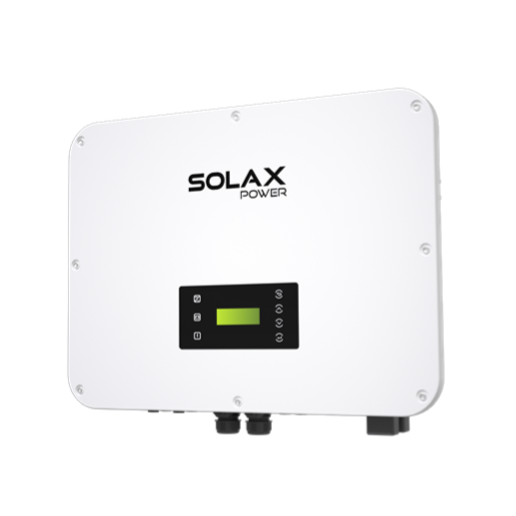
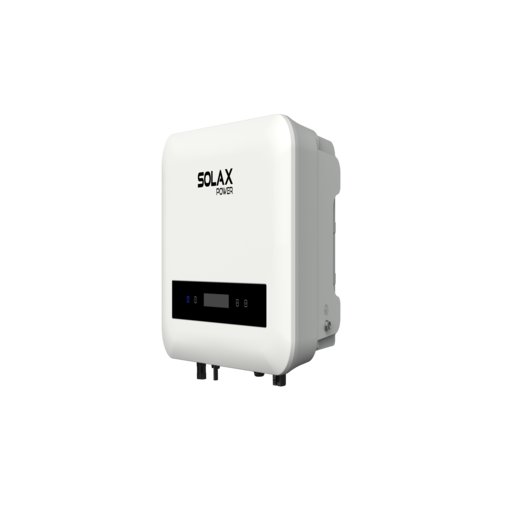
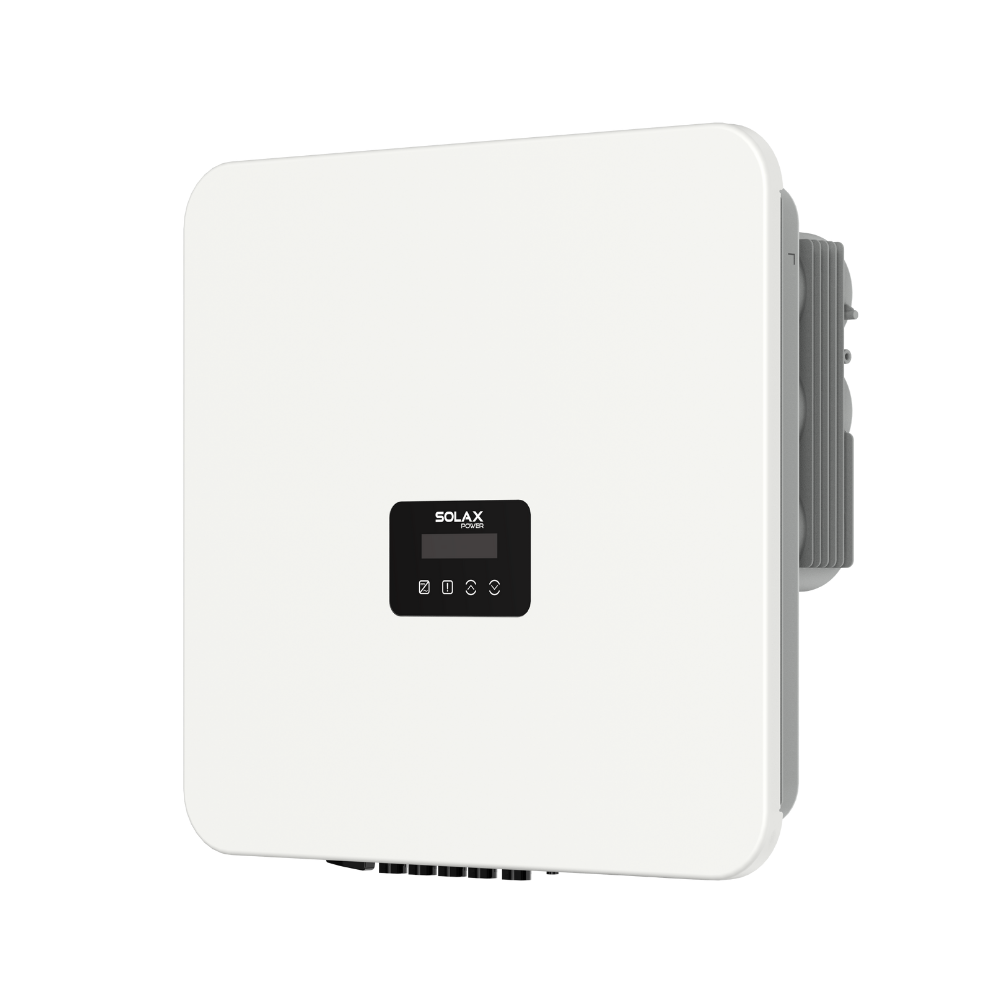
PV strings feeding a string inverter (or micro architecture in smaller or segmented roofs).
An ESS (BESS battery) that can charge from PV and discharge to support site loads.
Power conversion and protection gear so the PV and ESS can operate safely in parallel.
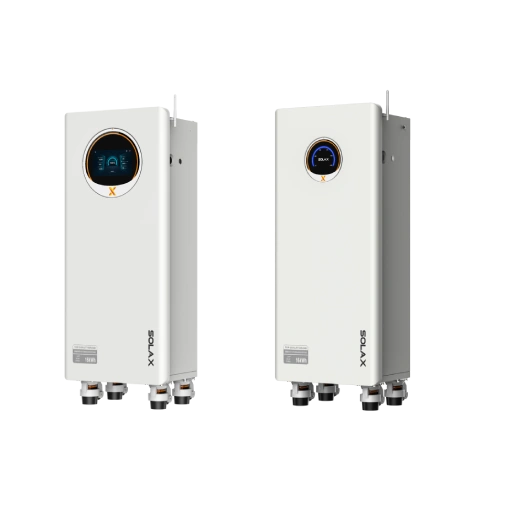
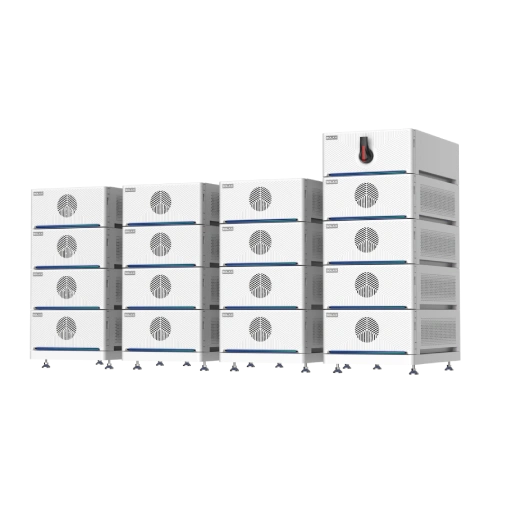
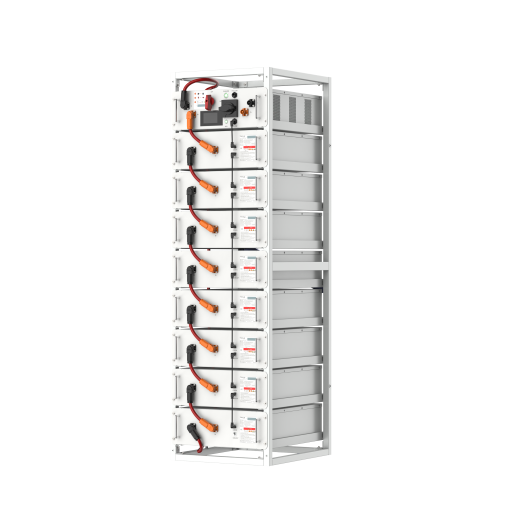
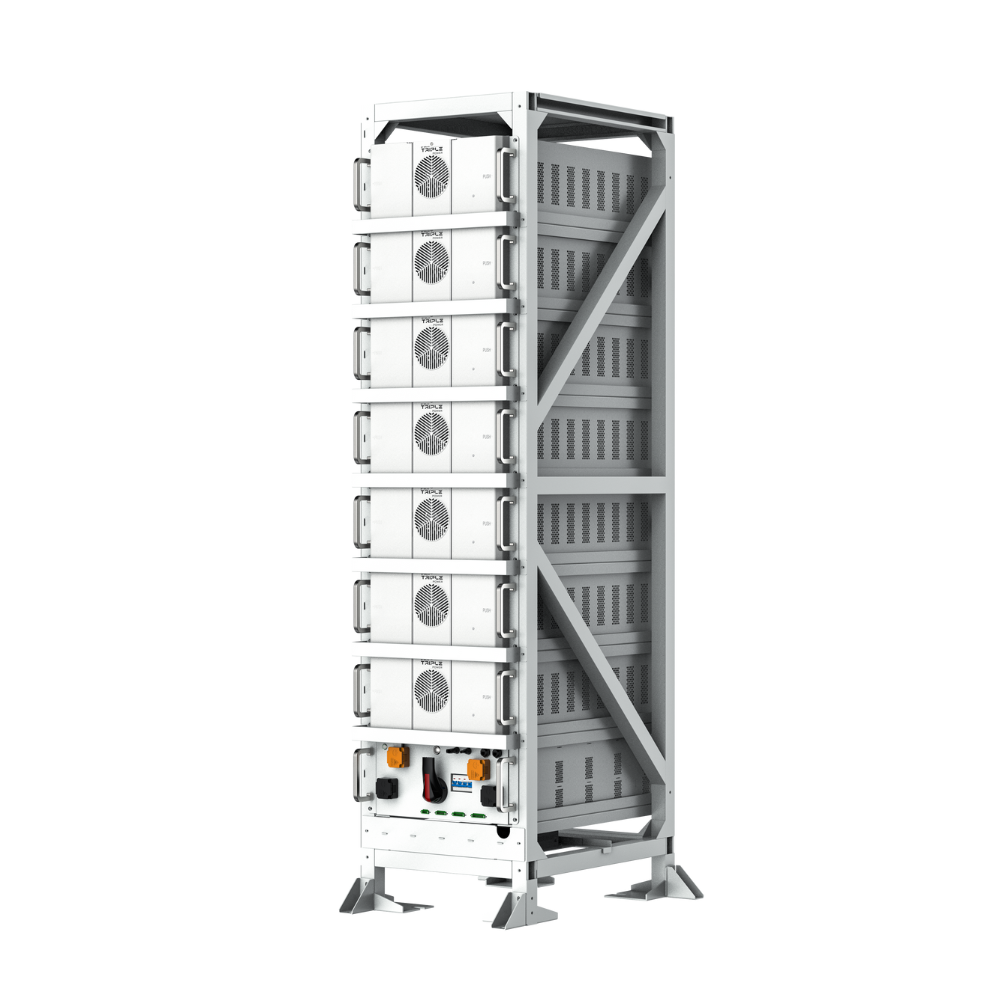
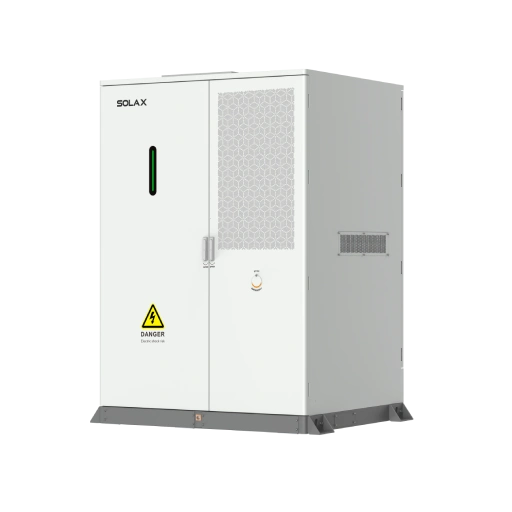
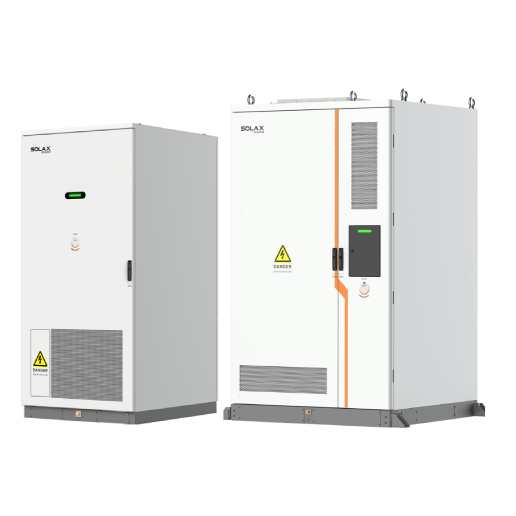
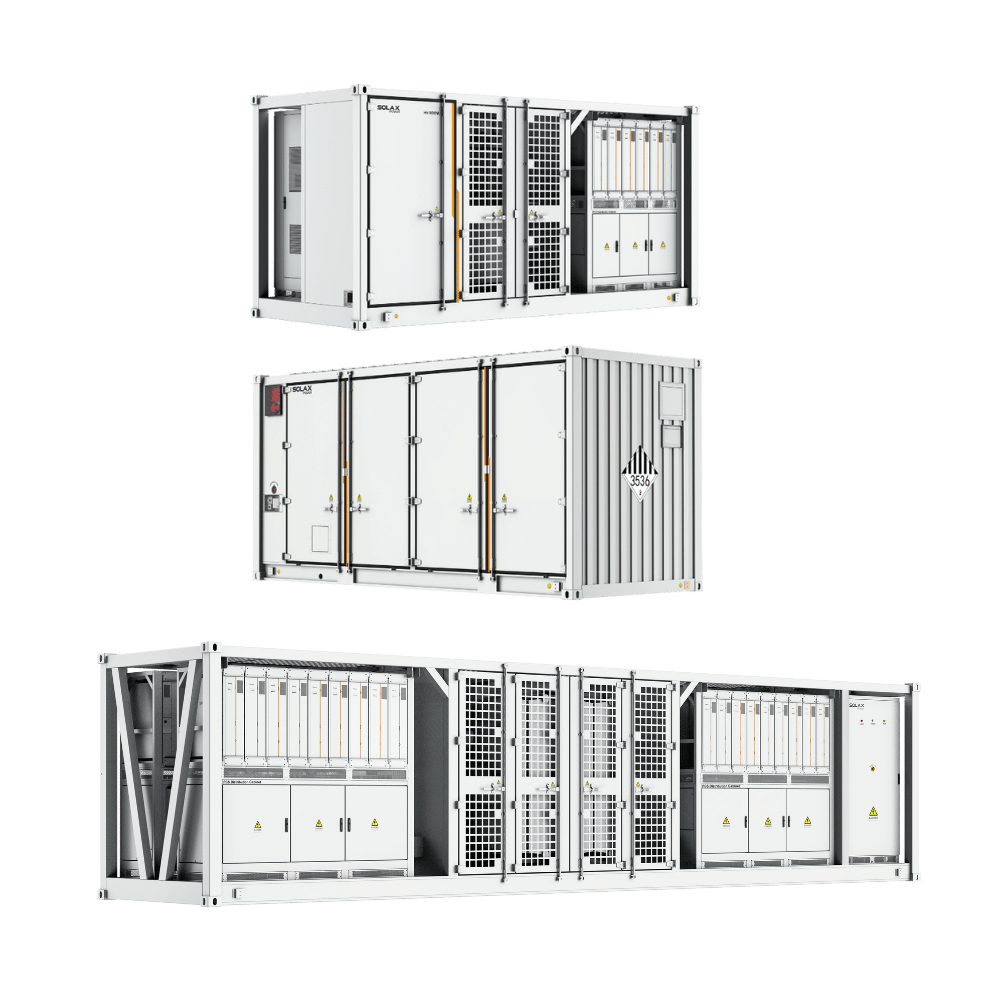
In many modern installations, an ESS cabinet integrates battery, PCS, BMS, EMS, and safety subsystems into one deployable unit. That integration reduces wiring complexity and speeds commissioning.
The control layer: smart energy management
Self-consumption is ultimately a controls problem. Hardware enables flexibility, but software decides:
When to charge batteries (excess PV, low tariff windows).
When to discharge (peak shaving, export limit, TOU avoidance).
How to keep power quality acceptable (three-phase balance, ramp limits).
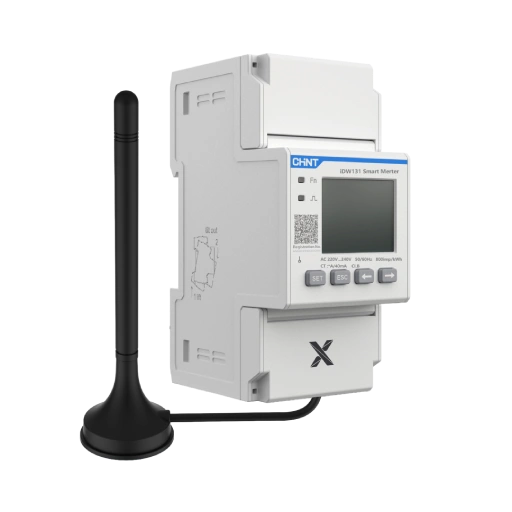
Monitoring is the starting point. Without interval metering and dashboards, most sites guess at their peak drivers and miss the easiest 5-15% savings.
Market signal: self-consumption is rising in Germany
Germany is a useful indicator market because PV penetration is high and storage adoption is accelerating. Fraunhofer ISE reported that in 2024, PV self-consumption was about 17% of net PV generation in Germany, up from 13% in 2023.
For commercial sites, this trend matters because grid operators are increasingly focused on local congestion and export behavior. A higher-self-use design can reduce curtailment exposure while improving energy independence.
Solar PV Capture And Load Matching
Load matching is the most cost-effective self-consumption lever because it is often mostly operational.
Start with a simple workflow:
Collect 15-minute (or finer) interval data for at least 4 weeks.
Identify the top 3 peak drivers (HVAC, process loads, compressors, EV charging, refrigeration).
Overlay PV production estimates to see when exports occur.
Next, adjust site behavior to raise daytime use:
Shift flexible processes toward late morning and early afternoon.
Pre-cool or pre-heat where comfort or process tolerance allows.
Use staged starts for motors and compressors to reduce instantaneous demand spikes.
What you gain from this module:
Higher solar energy self-use without adding major hardware.
A cleaner PV design target because you understand real load shape.
Better inputs for later ESS sizing, because the best storage designs start from measured peaks.
Grevenbroich commercial example shows that if the site exports heavily from 11:00 to 14:00 but peaks at 08:00 and 17:00, you likely need both (1) operational shifting and (2) battery kWh for shoulder shifting. Load matching reduces how much battery you must buy and cycle.
Battery Storage For Peak Shaving
Battery storage for peak shaving is the highest-impact module when demand charges or contracted capacity penalties are material. The goal is simple: cap your site at a target kW, and let the ESS supply the difference during spikes.
A practical sizing method for a commercial energy storage system:
Choose a peak cap target (for example, reduce the monthly peak by 10-30%).
Measure typical peak duration (5 minutes vs. 60 minutes changes kWh needs).
Size kW for the worst delta above the cap.
Size kWh for the longest expected peak interval plus a safety margin.
For predictable peaks (shift changes, batch processes), battery dispatch can be scheduled. For random peaks (coincident HVAC + process + EV), dispatch needs fast controls and accurate metering.
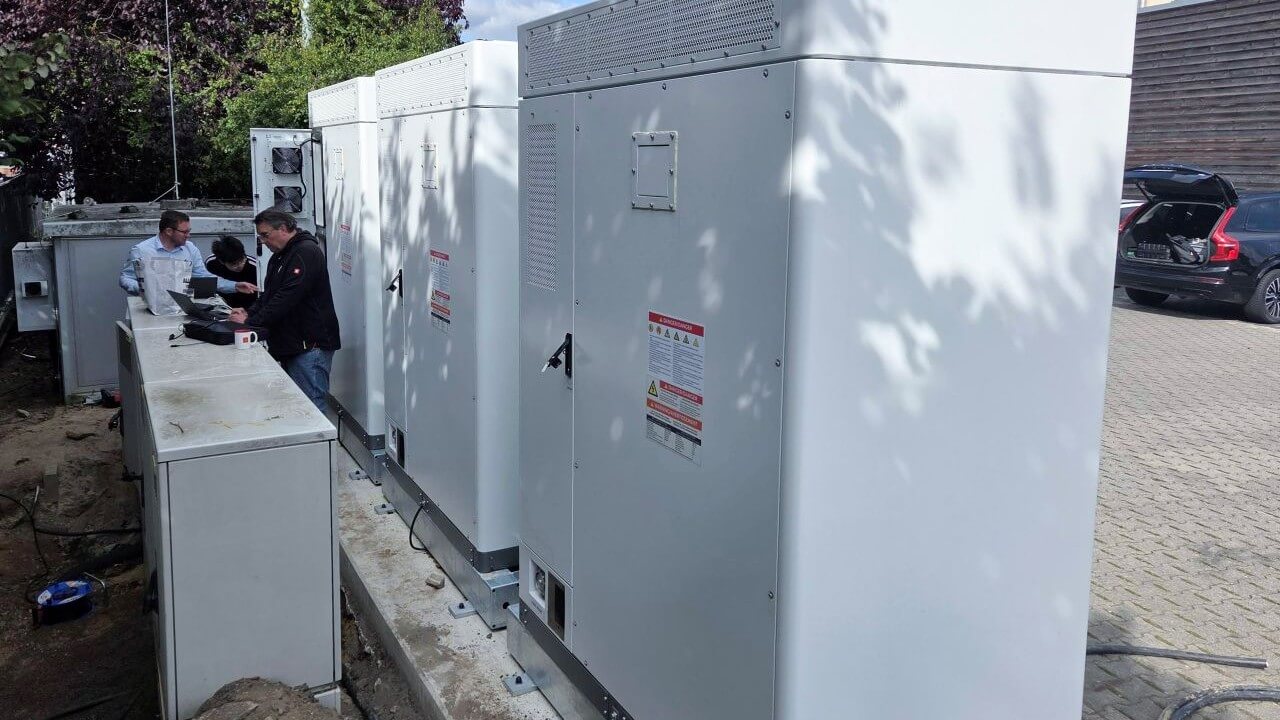
How SolaX fits in (example cabinet used in Grevenbroich case):
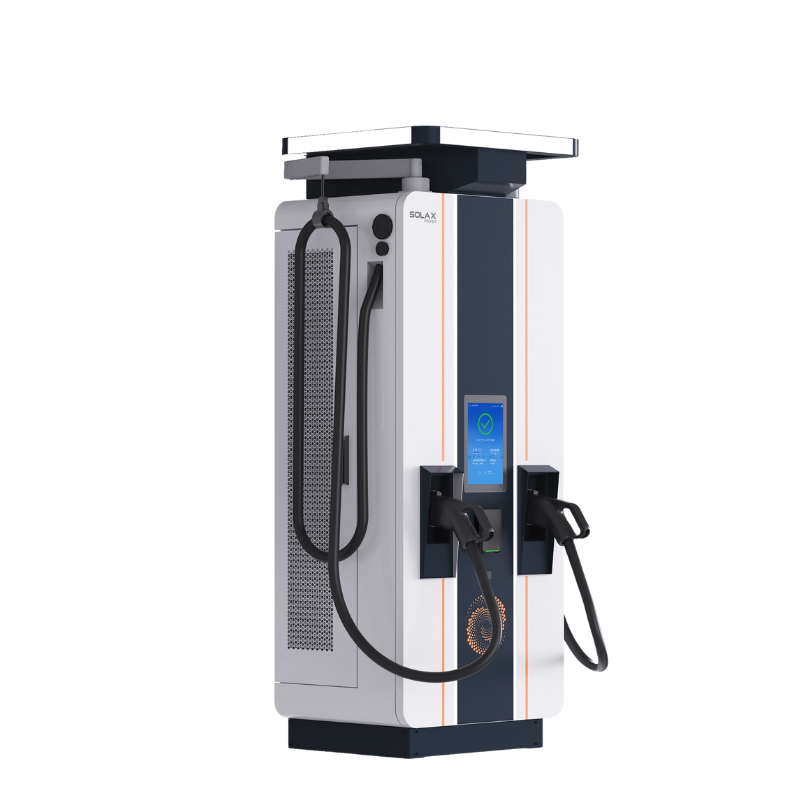
ESS-TRENE Air Cooling is a C&I all-in-one ESS cabinet rated at 100 kW / 215 kWh.
It uses LFP battery cells (280Ah) and lists a rated battery voltage of 768 V.
It supports three-phase unbalance output and is designed for scalable architectures up to megawatt-hours.
Those details matter because peak shaving needs power capability (kW), sustained discharge (kWh), and stable three-phase behavior in real facilities.
EV Charging As Flexible Demand
EV charging can be one of the cleanest ways to increase commercial solar self-consumption because it turns surplus midday PV into a planned load.
A practical approach for commercial sites:
Define EV charging windows that align with PV generation (often 10:00-15:00).
Add dynamic load balancing so charging does not create new demand peaks.
Use charging modes that prioritize surplus solar, then fall back to grid as needed.
Why this improves ROI:
It increases the share of solar pv used on-site.
It reduces exported energy when export values are low.
It can reduce total fleet fuel spend when vehicles are electrified.
A product example for controlled charging:
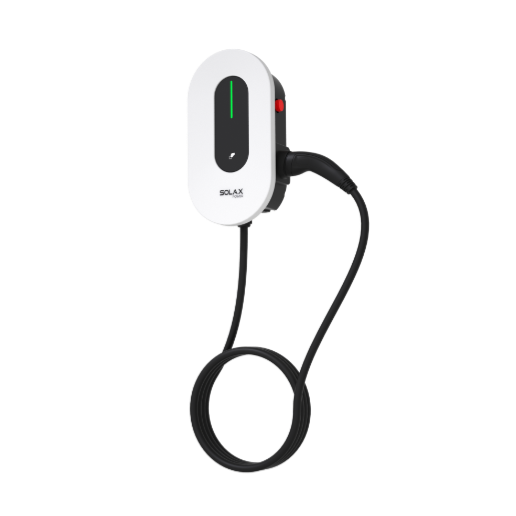
J1-EVC 6K is a 6 kW smart EV charger with encrypted TLS communication and features such as peak shaving, valley filling control, and real-time load balancing.
Those capabilities matter in a PV-plus-ESS environment because unmanaged EV load can erase demand-charge savings.
Selection/Decision Guide
Load profile: interval data and peak hours
Match your design to measured reality.
If peaks are short and sharp, prioritize ESS kW and fast controls.
If peaks are long, add more kWh or reduce peak drivers operationally.
If exports are concentrated midday, prioritize load shifting and EV charging windows.
Interconnection limits: export caps and curtailment
Interconnection constraints often decide whether you need storage.
Export caps can force curtailment unless storage or controllable loads absorb surplus.
A site with frequent clipping or curtailment may benefit more from controls than from adding PV.
Storage sizing: kWh for shifting and kW for peaks
Use two separate questions:
How many kW must the battery deliver to cap demand?
How many kWh must it sustain during the peak interval?
A quick rule-of-thumb sanity check:
Peak shaving is usually kW-driven.
Self-consumption shifting is usually kWh-driven.
Many commercial designs need both, therefore you must model both together.
Controls and interoperability: demand response readiness
If a site may participate in demand response or VPP programs later, prioritize:
Clear asset hierarchy (who can curtail what, and when).
Secure remote access and role-based permissions.
Data retention so you can validate performance.
Comparison table: choosing the right self-consumption lever
Site situation | Primary constraint | Best first lever | What you trade off |
Large midday exports | Low on-site daytime load | Load shifting + EV charging | Operational change management |
High demand charges | Short, high kW peaks | Battery peak shaving (kW-focused) | More complex controls and metering |
Export limit / zero-export | Interconnection cap | Storage absorption + curtailment logic | More cycling and possible losses |
Mixed loads and variability | Unpredictable peaks | Monitoring + automation + fast dispatch | Higher integration effort |
Conclusion
Maximizing solar self-consumption for Grevenbroich commercial energy needs is not a single product decision. It is a coordinated design across PV capture, energy storage system sizing, inverter strategy, controllable demand (EV), and smart energy management.
Start with interval data and a clear economic target. Then implement modules in order: load matching, peak shaving, hybrid control, flexible EV demand, and automated dispatch.
FAQ
Table of Contents
Latest News
Explore expert insights, practical guides, and the latest news on SolaX Power.


To the Latest Newsletter
Stay Ahead with the Latest SolaX Updates!
Subscribe
I have read and agree to Privacy Policy and User Terms