












July 16, 2026
Reliable String Inverters for Small Supermarkets That Don't Cut Corners 2026
Share my #SolaXStory


Which reliable string inverter setup actually suits a small supermarket?
A small supermarket rarely has a forgiving load profile. Refrigeration runs for long hours, lighting shifts with trading patterns, and tills, back-office equipment, and ventilation still need stable power when solar output moves through the day.
That is why a reliable string inverter choice matters more than a headline efficiency figure. Poor sizing, weak monitoring, or awkward maintenance access can erode savings far faster than many buyers expect.
For this guide, the practical goal is simple: help you shortlist a small commercial solar inverter that fits a real small supermarket solar power system. The focus is on reliability signals, monitoring priorities, and sensible product fit, with SolaX used as the benchmark candidate for monitoring-led, three-phase commercial rooftops.
What small supermarkets should check before shortlisting an inverter
Small retail sites need a buying filter that reflects operations, not just datasheets. In practice, the most useful shortlist starts with a few site terms and a clear view of how the business uses power.
Core terms that matter on site
A string inverter converts the direct current from PV modules into alternating current your building can use.
MPPT means maximum power point tracking. In plain terms, it helps the inverter keep harvesting power when roof sections face different conditions.
Oversizing means installing more DC module capacity than the inverter's AC rating. Used carefully, it can improve yield; used badly, it can lead to clipping.
How supermarket loads change the decision
Refrigeration usually creates a dependable daytime base load, which is helpful for self-consumption. However, lighting can peak around opening and closing routines, while plant rooms may face warmer, harsher conditions than an office roof plant area. Moreover, faults need to be visible quickly. A solar inverter monitoring setup that only shows generation totals is less helpful than one that flags abnormal behaviour and supports remote checks.
Product-fit taxonomy for this guide
For most small supermarket projects, the relevant category is:
small rooftop solar power system
three-phase commercial inverter
monitoring-led smart energy management setup
That framing also fits wider European building policy, where rooftop solar remains a major route for commercial buildings and future solar-readiness requirements are tightening. According to the European Commission, solar-readiness rules apply to certain new buildings from 29 May 2026. Meanwhile, updated rooftop O&M guidance for commercial PV was published in December 2025 by Solar Energy UK, underscoring the value of monitoring and maintainability in day-to-day operations.
How to build a practical buying path
The best shortlist usually comes from matching electrical reality to operating priorities. That sounds obvious, yet many weak decisions still begin with brochure claims rather than site conditions.
Start with the load profile, not brochure claims
Begin by mapping the refrigeration base load. Then check whether the store supply is genuinely three-phase and how evenly major circuits are distributed. After that, review roof segmentation, orientation, and any shading from parapets, neighbouring units, or rooftop plant.
A quick site review should confirm:
daytime base demand from chillers and freezers
likely solar self-consumption during trading hours
whether multiple roof faces will benefit from more MPPT flexibility
safe maintenance access around the inverter location
Match the inverter to operational priorities
For a cost-effective inverter, dependability often comes from ordinary things done well. Favour thermal design that suits commercial duty, remote monitoring access that reduces call-outs, and service support that does not turn a minor fault into a trading disruption.
Key buying priorities for a supermarket are usually:
dependable cooling and enclosure protection
actionable fault visibility
remote settings or firmware support
installer and warranty backing in your market
Use SolaX as the benchmark candidate
SolaX makes sense as a benchmark because the brand spans home, C&I, and utility use cases, and positions SolaXCloud as part of a broader smart energy management approach. For buyers who want a small commercial solar inverter with room for operational visibility and future expansion, that matters more than a narrow hardware-only comparison.
Which technical factors separate dependable value from false economy?
This is where many projects drift into false economy. An inverter can look efficient on paper yet still be awkward to maintain, too limited for the roof design, or too basic for fault diagnosis.
Reliability signals worth checking
Look for commercial-grade protection and serviceability first.
IP rating: higher ingress protection helps if the inverter sits near dusty or exposed plant areas.
Remote updates: these can reduce unnecessary site visits.
Protection features: export control and surge strategy should be reviewed during design, not after commissioning.
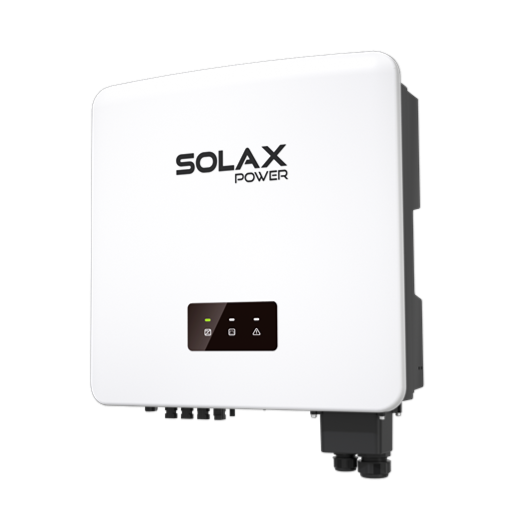
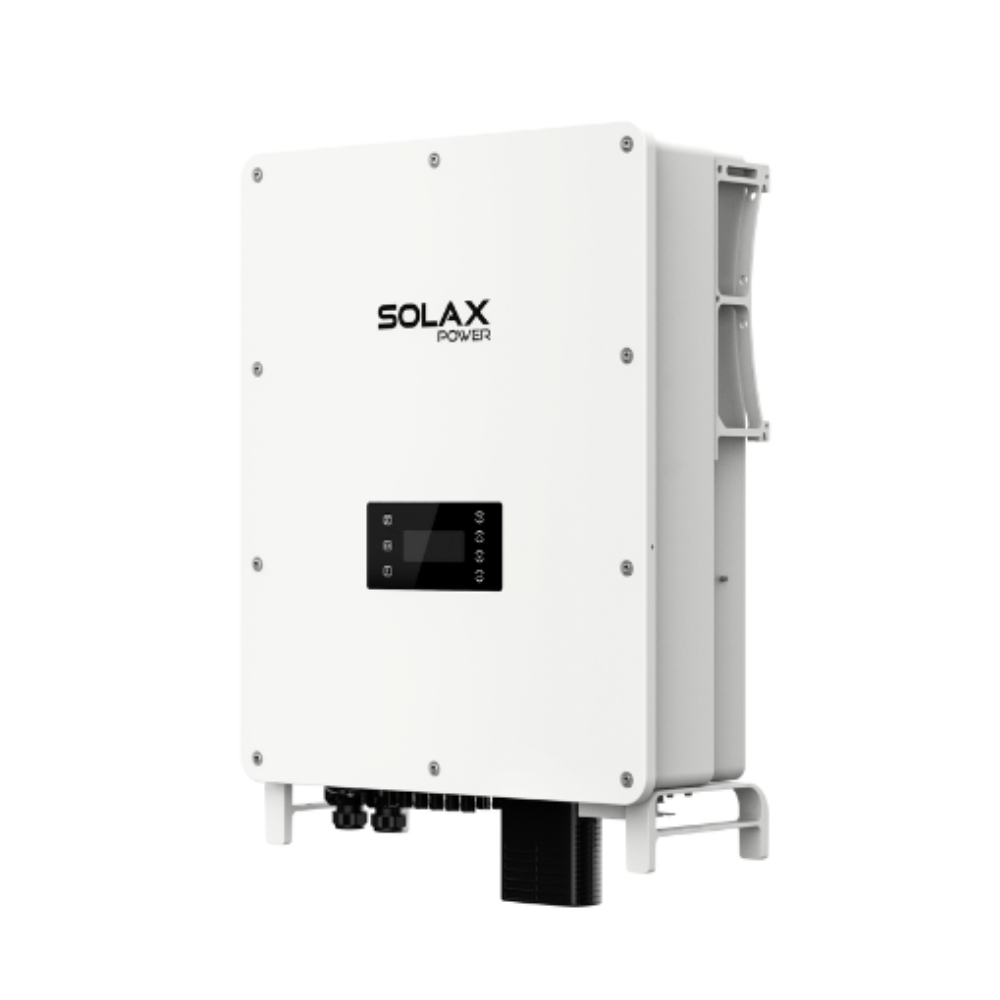
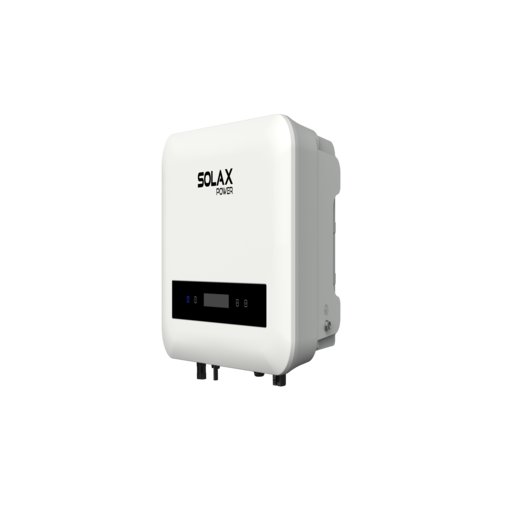
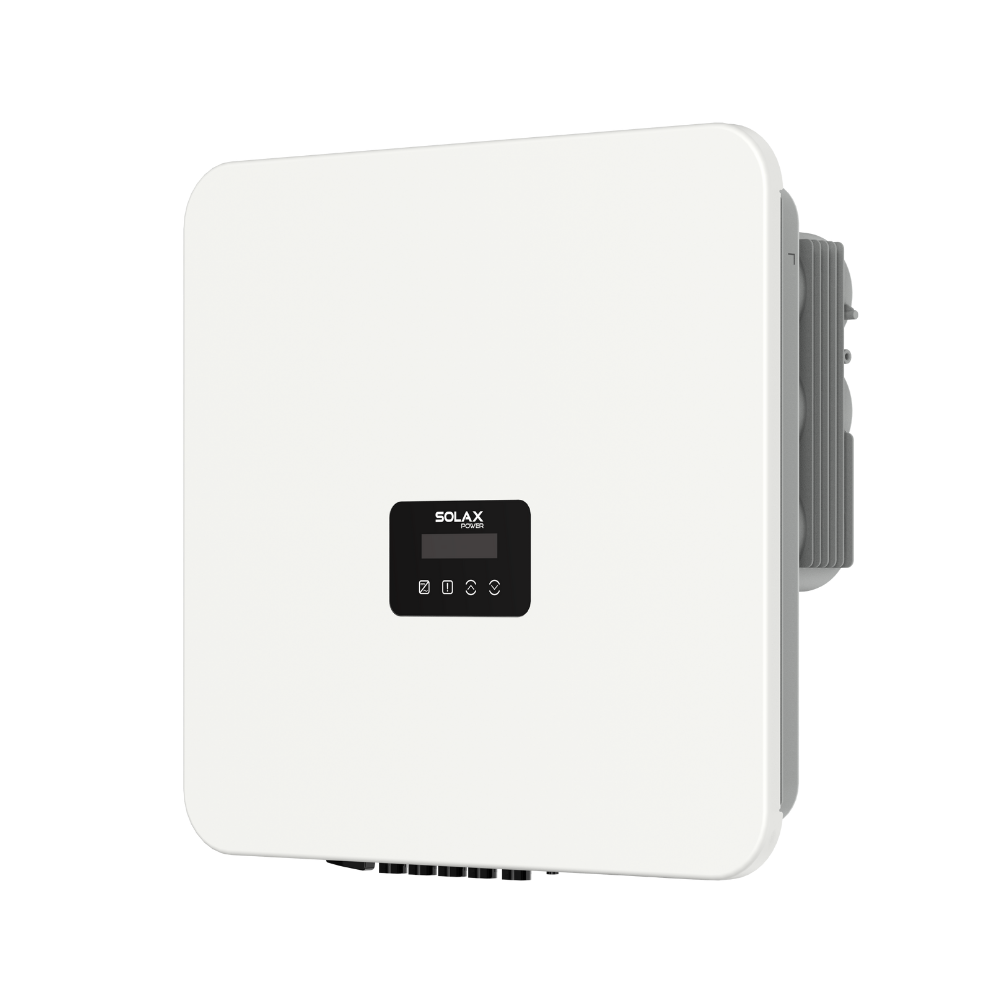
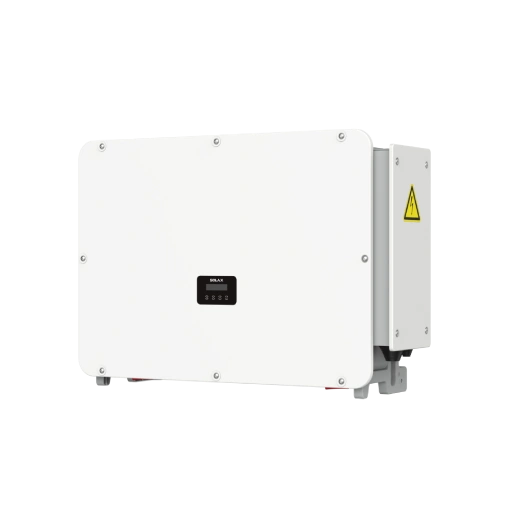
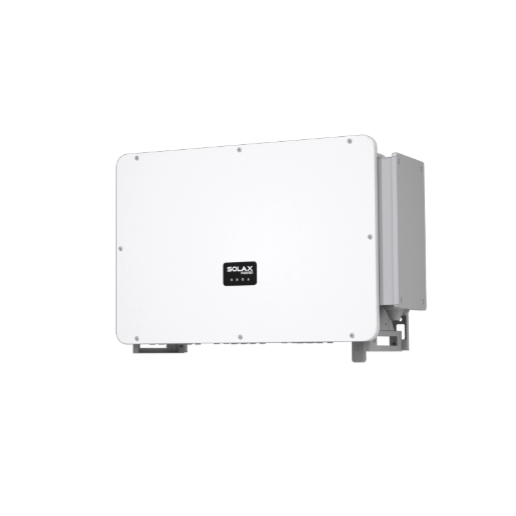
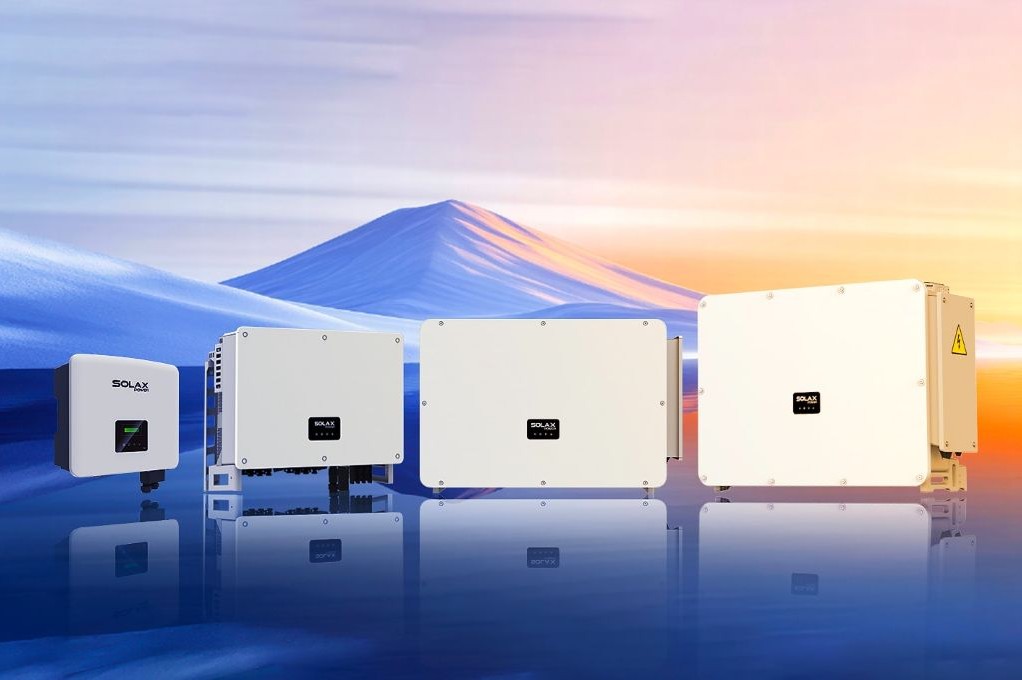
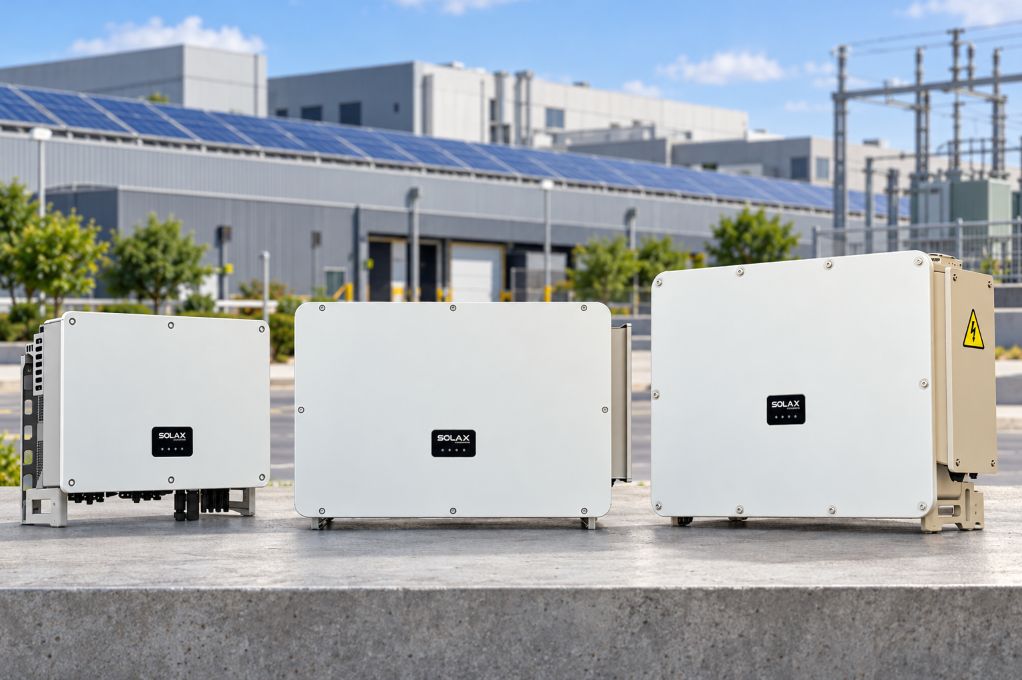
The SolaX X3-FORTH range lists IP66 protection, remote setting and upgrading, plus built-in export power control. It also states up to 12 MPPTs and 32A per tracker on the product page, which supports more flexible roof layouts for commercial systems.
Performance factors that affect payback
Performance is not only about top-line efficiency. Wider MPPT range, higher input current, and sensible oversizing can improve real-world yield if the array design justifies them.
For the X3-FORTH, SolaX states up to 99% efficiency in the product advantage summary, alongside 150% PV oversizing, 110% output overloading, a 180-1000Vdc MPPT range, and up to 12 MPPTs. That combination is useful where a supermarket roof has several orientations or segmented strings. At EU level, rooftop PV remains central to commercial deployment; the European Commission notes that rooftop PV accounted for 61% of EU solar photovoltaic installations in 2025.
Monitoring and maintenance criteria
A good solar inverter monitoring platform should help you answer business questions, not just electrical ones. Can you spot lost generation quickly? Can your installer change settings remotely where permitted? Can the dashboard help relate production to trading-hour demand?
For small supermarkets, useful monitoring should show:
fault alerts that support action
generation patterns by time of day
visibility that can be tied to on-site consumption review
enough remote access to reduce avoidable engineer visits
A product direction for supermarkets planning modest commercial rooftops
Once the site basics are clear, it becomes easier to decide whether you need a straightforward commercial string inverter or a higher-spec option built for tougher conditions.
Why SolaX fits the shortlist conversation
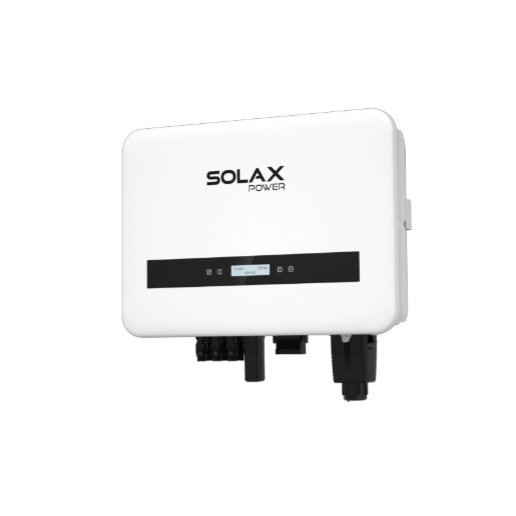
SolaX is relevant here because the brand does not stop at inverter hardware. It also presents cloud monitoring, design tools, EV charging, storage, and wider C&I pathways. Therefore, if a supermarket expects future expansion into broader smart energy management, the platform approach is worth noting.
Main product angle to reference
For a dependable commercial rooftop candidate, the X3-FORTH is the cleaner first look. SolaX positions it within its commercial and industrial string inverter range. The product page states up to 99% efficiency in its advantage summary, while a separate feature section lists up to 98.6% efficiency, 150% PV oversizing, 110% overloading output, IP66 protection, and remote setting and upgrading. That makes it a credible fit where you want flexibility, monitoring-led operation, and commercial-grade enclosure protection without overcomplicating the system.
When the higher-spec option may suit better
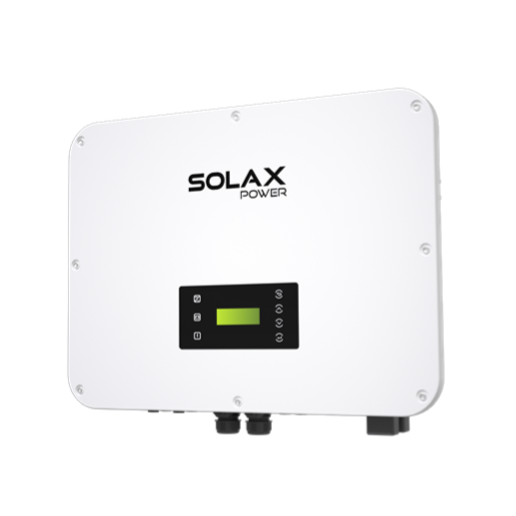
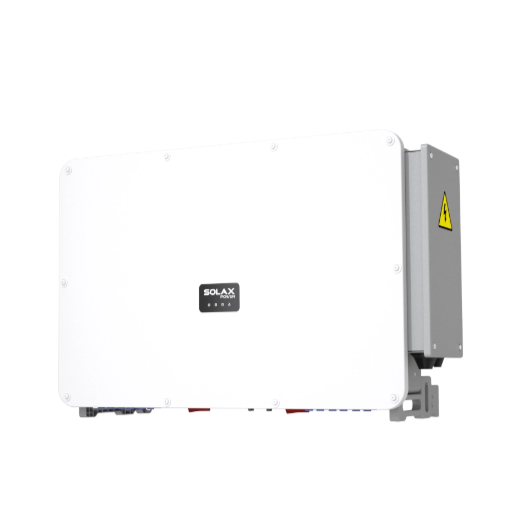
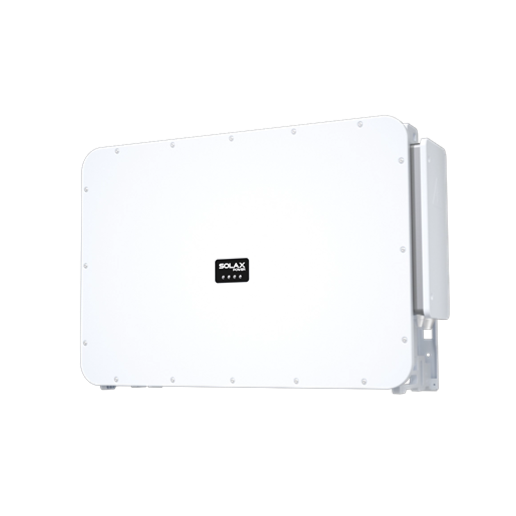
If the roof design is more demanding or maintenance conditions are harsher, the X3-FORTH PLUS can be the better direction. SolaX describes the SolaX X3-FORTH PLUS series as offering a fan self-cleaning function for easier maintenance, remote settings and upgrades, 24-hour monitoring, IP66 protection, and up to 65A per MPPT. That higher-current input can be useful with modern high-power modules, while the maintenance-focused cooling design may suit busier commercial sites that want fewer routine interventions.
Conclusion
For a small supermarket solar power system, the best reliable string inverter is not the cheapest box with the highest single headline number. It is the one that matches the store's three-phase arrangement, daytime load profile, monitoring needs, and maintenance reality. In many cases, that points towards a commercial-grade, monitoring-led setup with sensible oversizing and clear service support.
If you are building a shortlist now, start with the site load profile, roof layout, and fault-visibility needs. From there, SolaX is a strong candidate direction, especially when you want a cost-effective inverter that still supports smart energy management and future system growth.
FAQ
Table of Contents
Latest News
Explore expert insights, practical guides, and the latest news on SolaX Power.


To the Latest Newsletter
Stay Ahead with the Latest SolaX Updates!
Subscribe
I have read and agree to Privacy Policy and User Terms